Winter can expose weaknesses in a rifle that performs reliably during mild weather. Freezing temperatures affect lubricants, batteries in electronic optics, metal components, and the flexibility of stocks and accessories. Snow and ice can also obstruct a barrel or action, while condensation may form when a cold firearm enters a warm building. Some rifles are more sensitive to these conditions because of their design, maintenance requirements, or dependence on specialized components. The following 10 examples explore rifles that can present particular challenges in severe winter weather, explaining their limitations without suggesting that every example will fail. Actual reliability depends on the specific model, ammunition, condition, and manufacturer-approved care.
1. Remington Model 7400
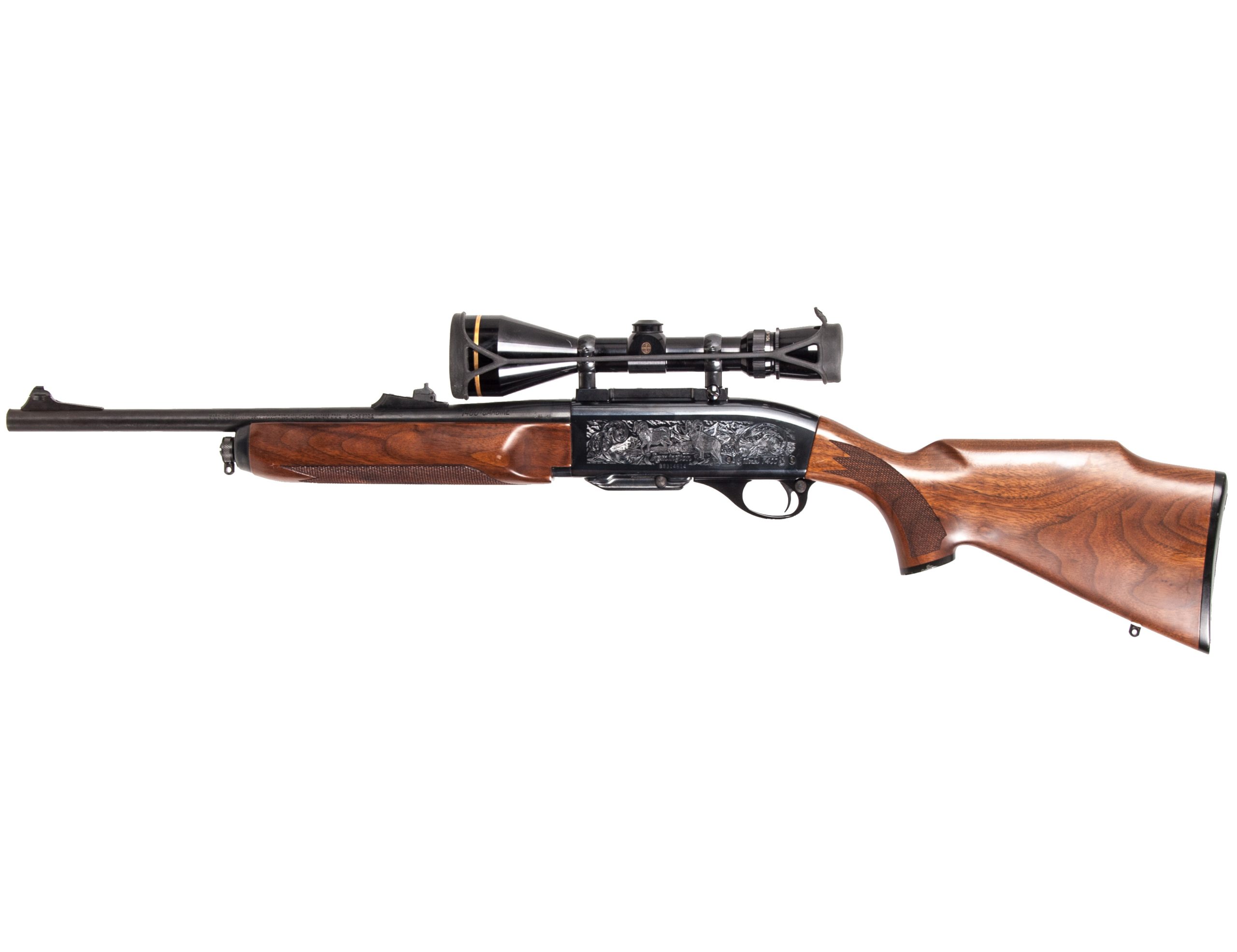
The Remington Model 7400 is a semiautomatic hunting rifle known for its traditional sporting design and chamberings such as .30-06 Springfield. Its gas-operated action has moving parts that must function consistently, making condition and maintenance especially important when temperatures plunge below freezing. Old lubricant, accumulated residue, or moisture that freezes can contribute to sluggish cycling in semiautomatic rifles. Snow entering the action adds another potential problem. The Model 7400 is not inherently unsuitable for winter hunting, but a neglected example may become less dependable in brutal weather. Its age and maintenance history deserve attention before a cold-weather trip.
2. Remington Model 750

The Remington Model 750 is another semi-automatic sporting rifle, offered in hunting cartridges including .30-06 Springfield and .308 Winchester. Its reputation should not be confused with a guarantee of trouble in the cold, yet its operating system relies on clean, properly maintained moving components. In freezing weather, unsuitable lubricant can thicken, while moisture may turn to ice after a sudden temperature change. These problems can affect many semiautomatic designs, not just this model. Hunters considering a used Model 750 should pay particular attention to its service history and have any feeding or cycling concerns checked by a qualified gunsmith before winter use.
3. Browning BAR Hunting Rifle
The Browning BAR hunting rifle uses a gas-operated semiautomatic action and should not be confused with the military rifle sharing the BAR name. Depending on the version, it has been chambered in popular hunting cartridges such as .308 Winchester and .30-06 Springfield. In severe cold, gas-operated mechanisms can become sluggish if lubricant is unsuitable or ice and debris reach moving parts. This does not mean the BAR is generally unreliable in winter; individual condition and correct manufacturer-approved maintenance matter more than its name. A rifle carried through wet snow and then exposed to subzero air faces additional condensation risks, making careful inspection and proper storage important.
4. M1 Garand
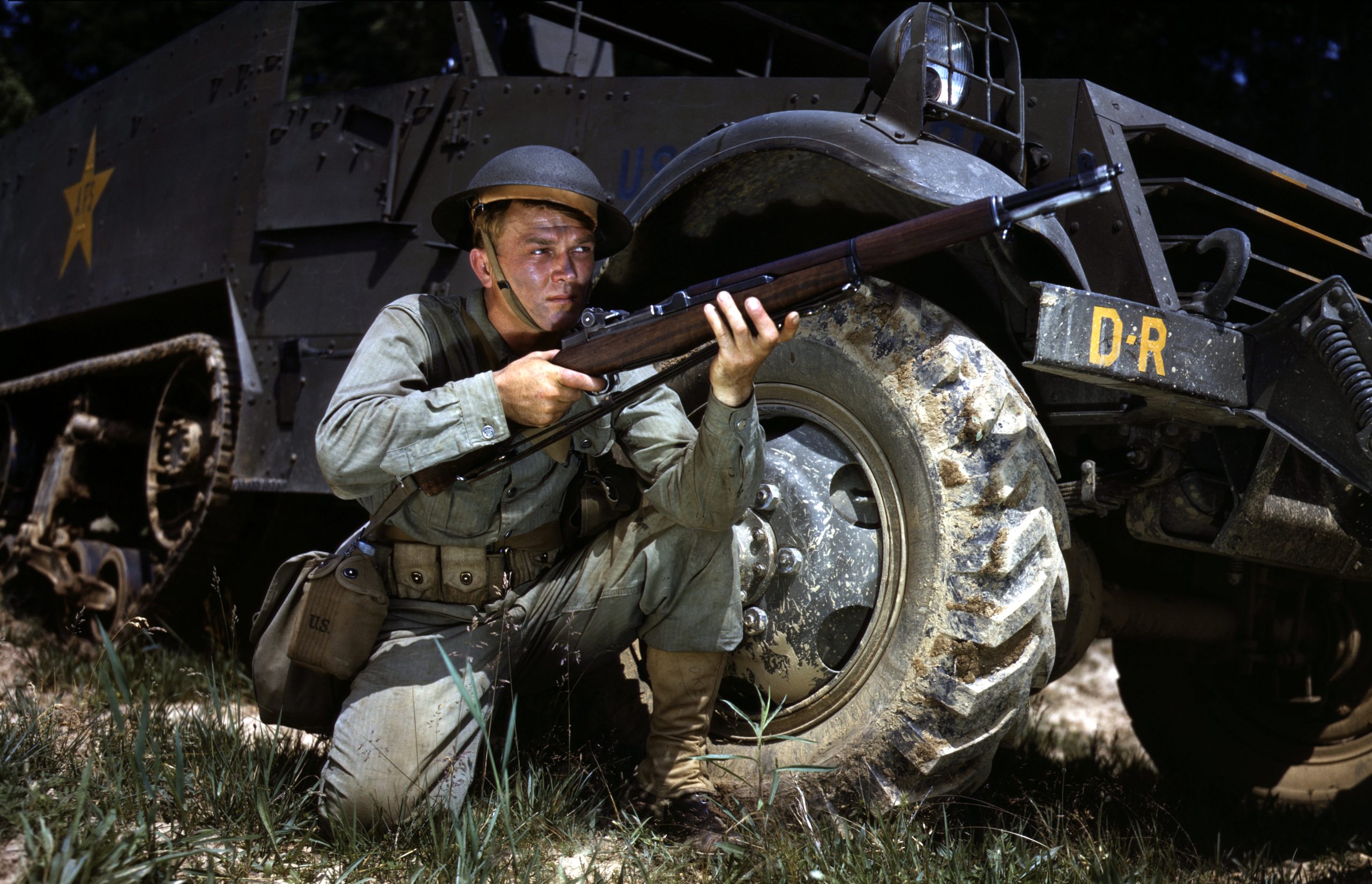
The M1 Garand is a historic semi-automatic rifle chambered in .30-06 Springfield, famous for its service during World War II. Its age makes the condition of an individual rifle particularly important when temperatures drop sharply. The operating rod, bolt, spring system, and other moving components must work together correctly, while unsuitable grease or excess lubricant can become troublesome in freezing conditions. Surplus examples may also have decades of wear or uncertain maintenance histories. The M1 Garand is not automatically a poor cold-weather rifle, but an original or restored example should receive a proper inspection before demanding outdoor use.
5. AR-15 Pattern Rifles
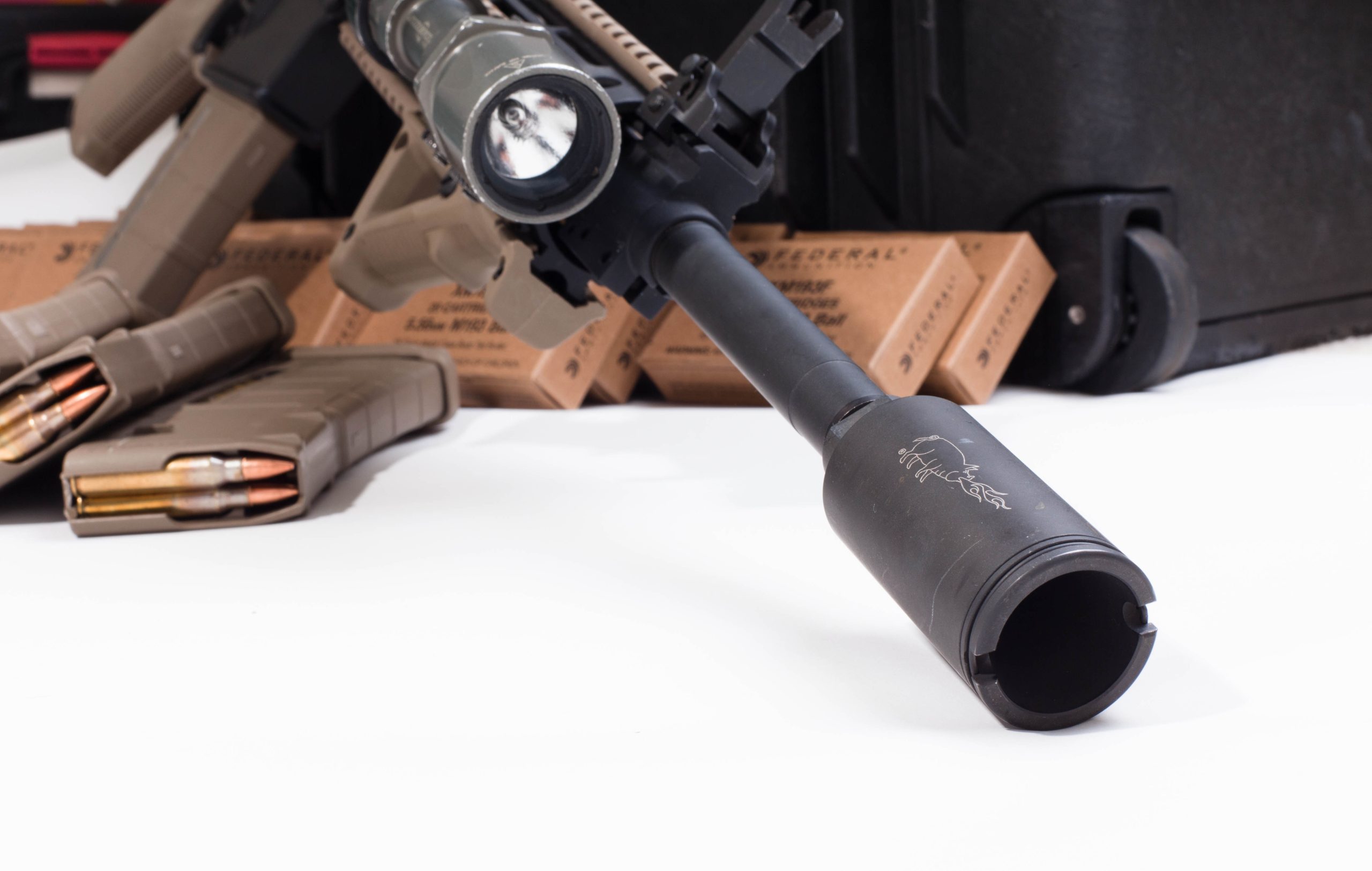
AR-15 pattern rifles are available in many configurations, and their cold-weather performance depends on the specific build, condition, and maintenance. The design uses a gas-operated system with components that must move freely for reliable cycling. In extreme cold, lubricant selected for warmer conditions may thicken, while snow or ice can obstruct the action or magazine. Accessories introduce further variables: an electronic optic may suffer reduced battery performance, even if the rifle itself remains functional. The AR-15 should not be labelled universally unreliable in winter. A poorly maintained example, however, may reveal problems that remain unnoticed during mild-weather range sessions.
6. Wood-Stocked Winchester Model 70
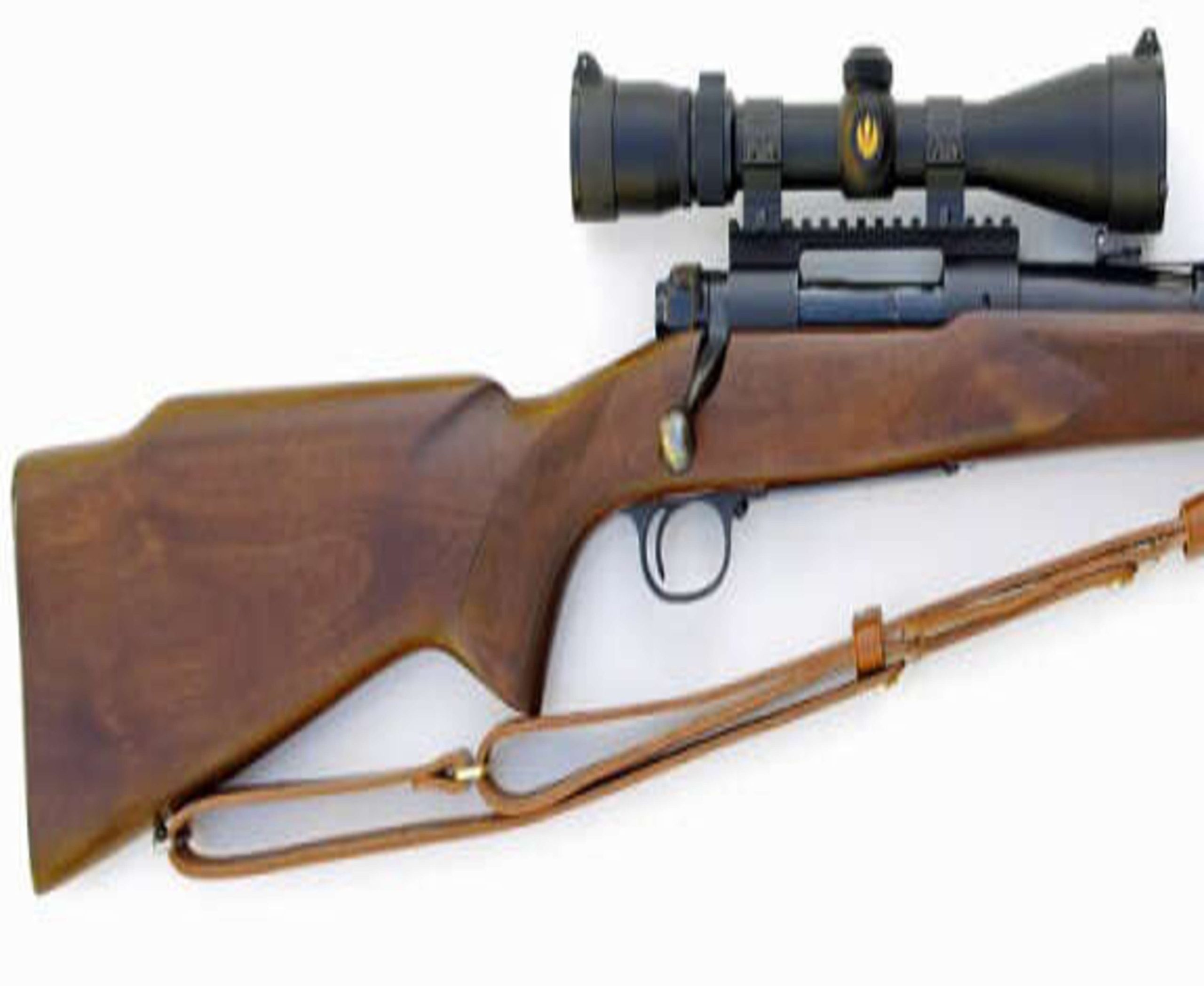
The Winchester Model 70 is a well-known bolt-action sporting rifle, produced in numerous configurations and hunting calibers. Its manually operated action avoids some issues associated with semiautomatic cycling, but a traditional wooden stock introduces another winter consideration: moisture. Wood can absorb water and change dimension as humidity shifts, potentially affecting the fit between stock and metal components. Freezing weather, wet snow, and repeated temperature changes can make existing stock or finish problems more noticeable. This does not make every wooden-stock Model 70 vulnerable or inaccurate. A sound rifle with a properly maintained stock can handle cold conditions, while neglected woodwork deserves attention before a long winter hunt.
7. Mosin-Nagant
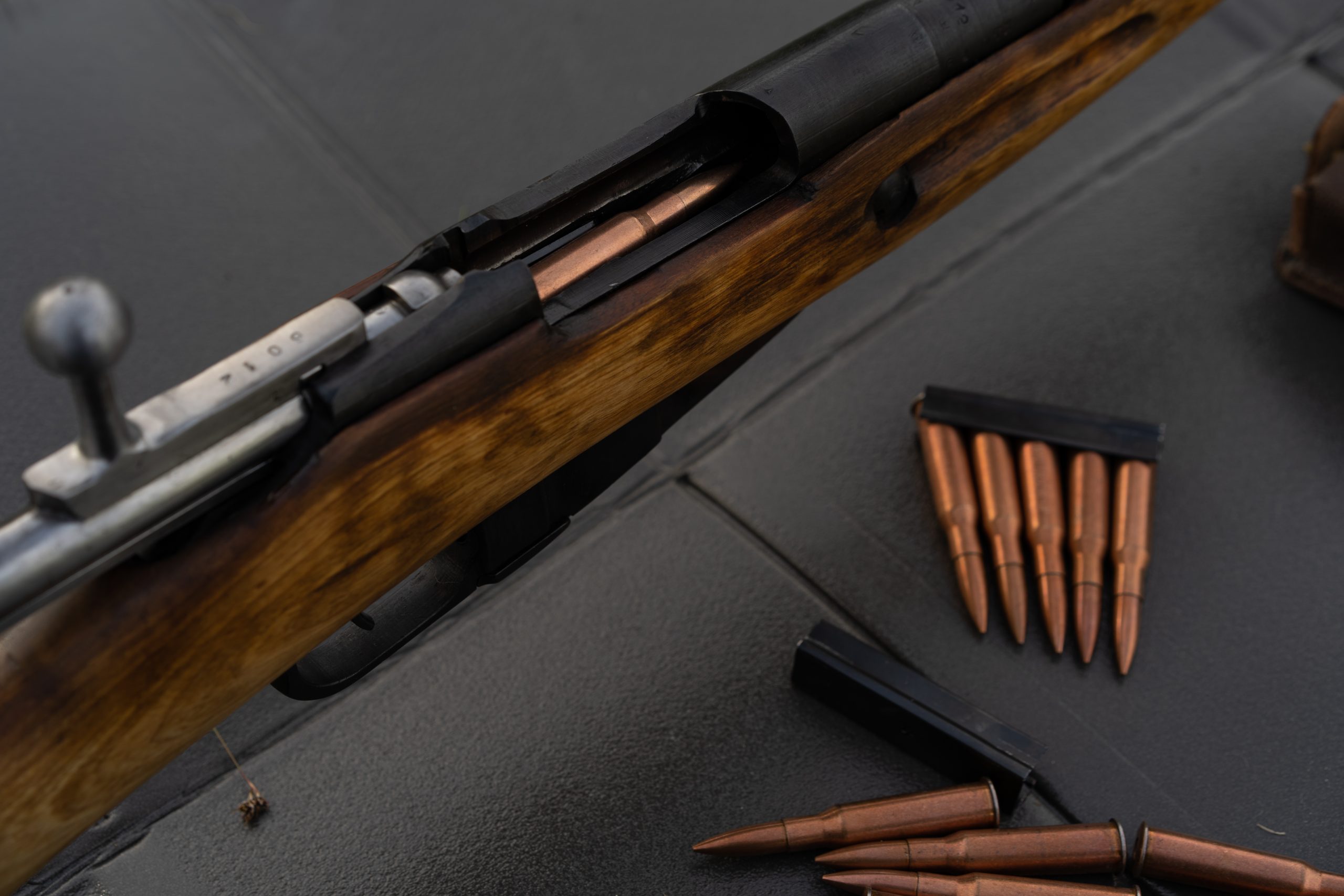
The Mosin-Nagant is a bolt-action military rifle family most commonly associated with the 7.62×54mmR cartridge. Many surviving examples are decades old, and their condition varies considerably because of storage, refurbishment, and previous use. Hardened or unsuitable old lubricant, corrosion, worn components, and accumulated residue can complicate operation when temperatures fall well below freezing. A rifle that feels acceptable in mild weather may behave differently if its internal parts have not been properly inspected. The Mosin-Nagant’s historical association with winter warfare does not guarantee that every surplus specimen remains dependable today. Individual condition and qualified inspection are more meaningful than its reputation alone.
8. Ruger 10/22
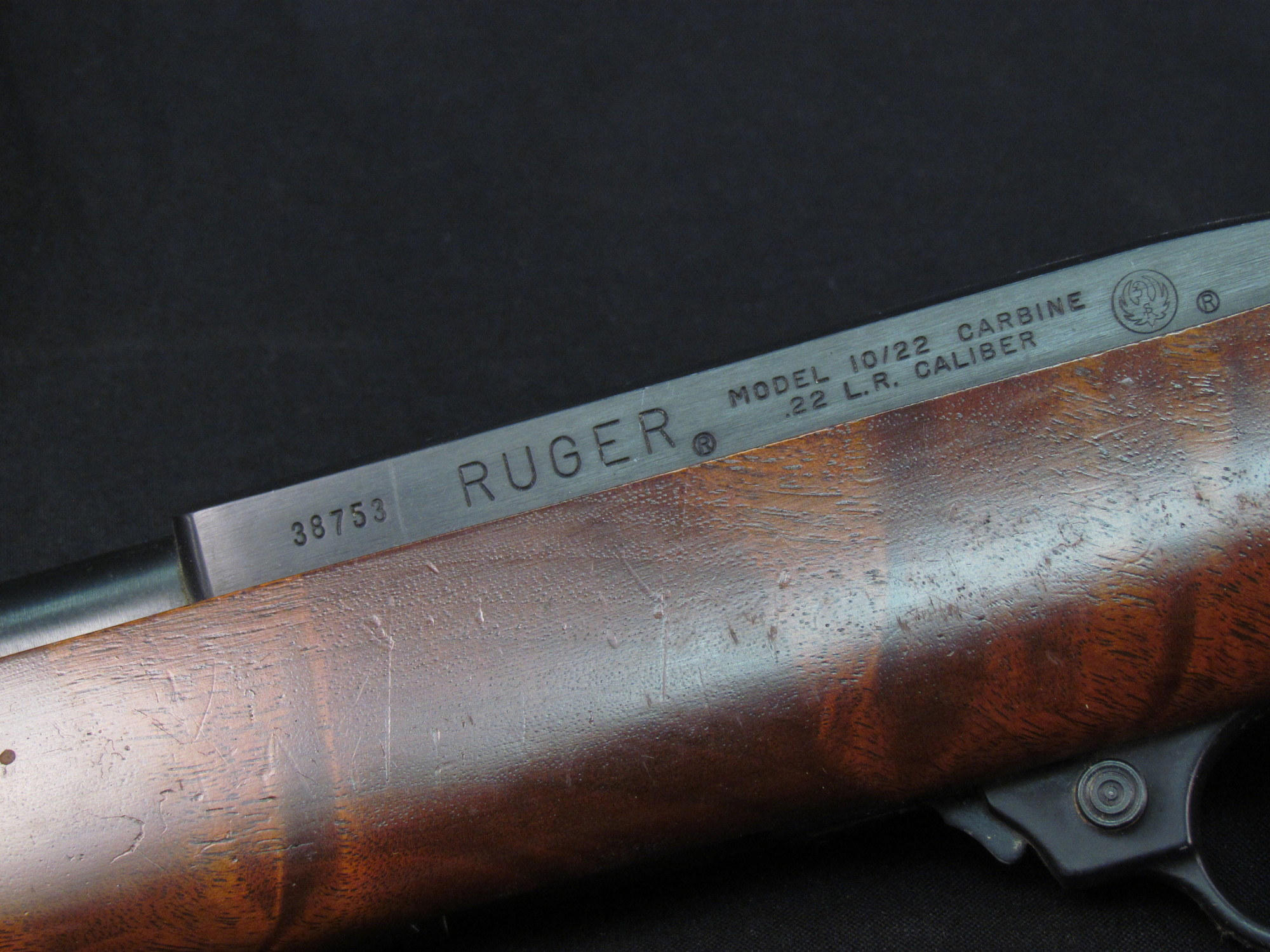
The Ruger 10/22 is a popular semi-automatic rimfire rifle chambered in .22 Long Rifle, widely used for target shooting and small-game hunting. Its light weight and familiar controls make it appealing, but rimfire ammunition and the rifle’s feeding system still need to function consistently in cold conditions. Ammunition exposed to moisture, dirty magazines, or ice around moving components can contribute to stoppages. Cold-weather problems should not automatically be blamed on the rifle, since ammunition quality and maintenance also matter. For winter outings, the 10/22 is best judged by its individual condition and tested reliability rather than assumed to be unsuitable simply because it uses rimfire ammunition.
9. Savage Model 99
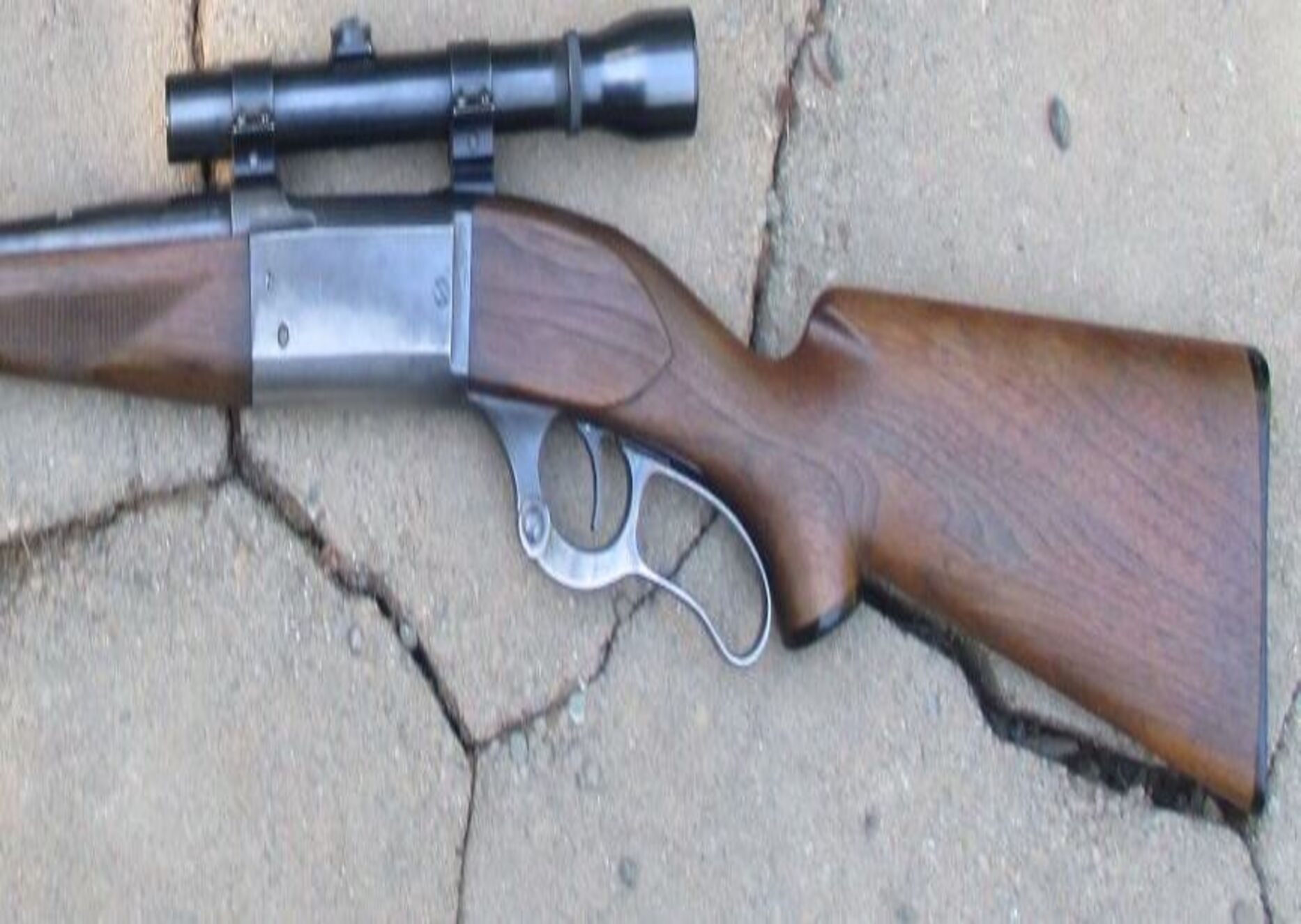
The Savage Model 99 is a classic lever-action sporting rifle produced in several cartridges, including .300 Savage. Its distinctive rotary magazine and internal mechanism set it apart from more conventional tubular-magazine lever actions. With older rifles, decades of wear, dried lubricant, corrosion, or previous repairs can affect how smoothly the action operates. Freezing temperatures may expose these existing weaknesses, while snow and condensation can create problems for almost any firearm. The Model 99 is not inherently a poor choice for winter hunting, but a vintage example deserves particular care because its condition and parts availability can vary. A professional inspection is sensible before relying on one in remote country.
10. Precision Rifles With Heavy Lubrication

A precision bolt-action rifle can be an excellent winter hunting tool, but its performance still depends on appropriate maintenance and environmental conditions. Heavy grease or lubricant unsuitable for freezing temperatures can become thick enough to interfere with moving components, including the bolt and firing mechanism. Moisture can also condense when a cold rifle enters a warm cabin or vehicle, then freeze when it returns outdoors. Temperature changes may affect ammunition performance and point of impact as well. These are not weaknesses exclusive to precision rifles; they are general cold-weather challenges that become especially important when consistent operation and accuracy matter. Follow the rifle manufacturer’s guidance for the expected temperature range.