Prison workshops were usually intended for labor, training, and repair, yet history records cases in which inmates turned those spaces into places for firearm experimentation. Some examples were crude, some remarkably sophisticated, and several were recovered before they could be used. The records also vary in quality, ranging from museum artifacts to law-enforcement accounts published decades later. Together, they show how prison tools, technical skills, and opportunity occasionally produced weapons that became part of prison history.
1. Carbine Williams’ First Prison Rifle
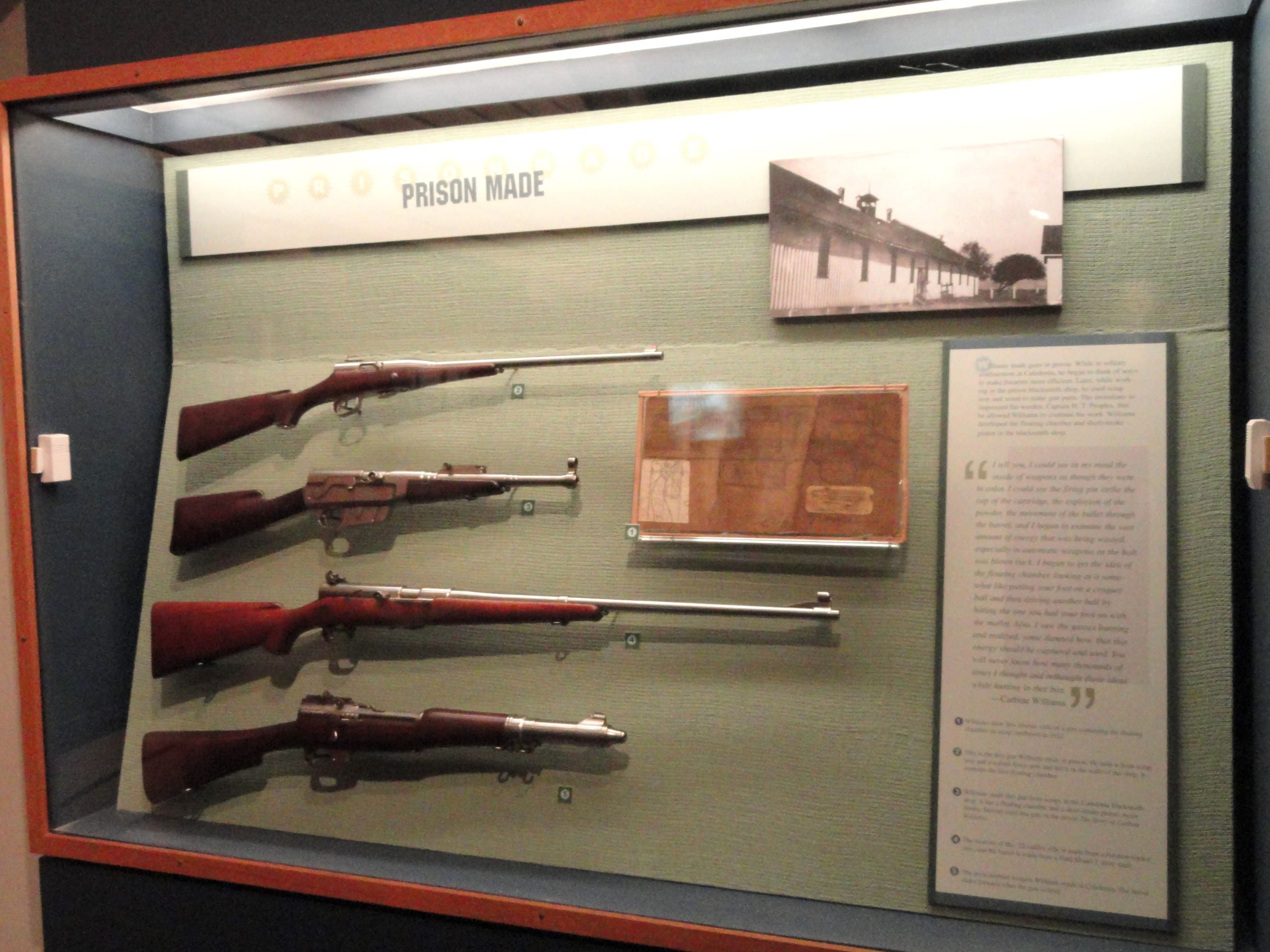
David Marshall “Carbine” Williams is the strongest documented example of an inmate building a firearm inside a prison workshop. At Caledonia Prison Farm in North Carolina during the 1920s, Williams was assigned to the blacksmith and machine shops after the superintendent recognized his mechanical ability. He built experimental self-loading rifles while serving a 20-to-30-year sentence. Museum records identify one as the first gun he made in prison, using scrap metal and wood, while later accounts say he produced several prototypes. The work helped develop ideas that eventually influenced the M1 Carbine and changed his career forever.
2. Williams’ Second Experimental Rifle
Williams did not stop with a single prison-built rifle. Historical accounts describe another experimental arm produced at Caledonia, where he had unusual access to machinery and time to test his ideas. The North Carolina Museum of History says he developed both the floating chamber and short-stroke piston concepts while incarcerated. A separate account describes rifles assembled from salvaged material, including an example using parts from farm and automobile machinery. Williams was paroled in 1929 and fully released in 1931. Years later, his prison experiments became part of the story behind a U.S. military rifle adopted in 1942. The surviving accounts make these prison years unusual.
3. The San Quentin Single-Shot Prison Gun
A late-1960s case from San Quentin State Prison produced one of the strangest documented inmate-made firearms. According to a 1975 account citing prison training officer H. A. Tabash, an inmate used the prison machine shop to create a compact single-shot firearm powered by a battery ignition system. It was disguised to resemble a small automatic weapon and was used during an escape attempt. The account says the inmate fired at a pursuing police officer and the projectile struck the officer’s helmet at an angle. The episode shows how prison workshops could sometimes provide skills and equipment later abused by inmates. It is one of the clearest workshop cases from that period.
4. The Canadian Prison .38 Revolver
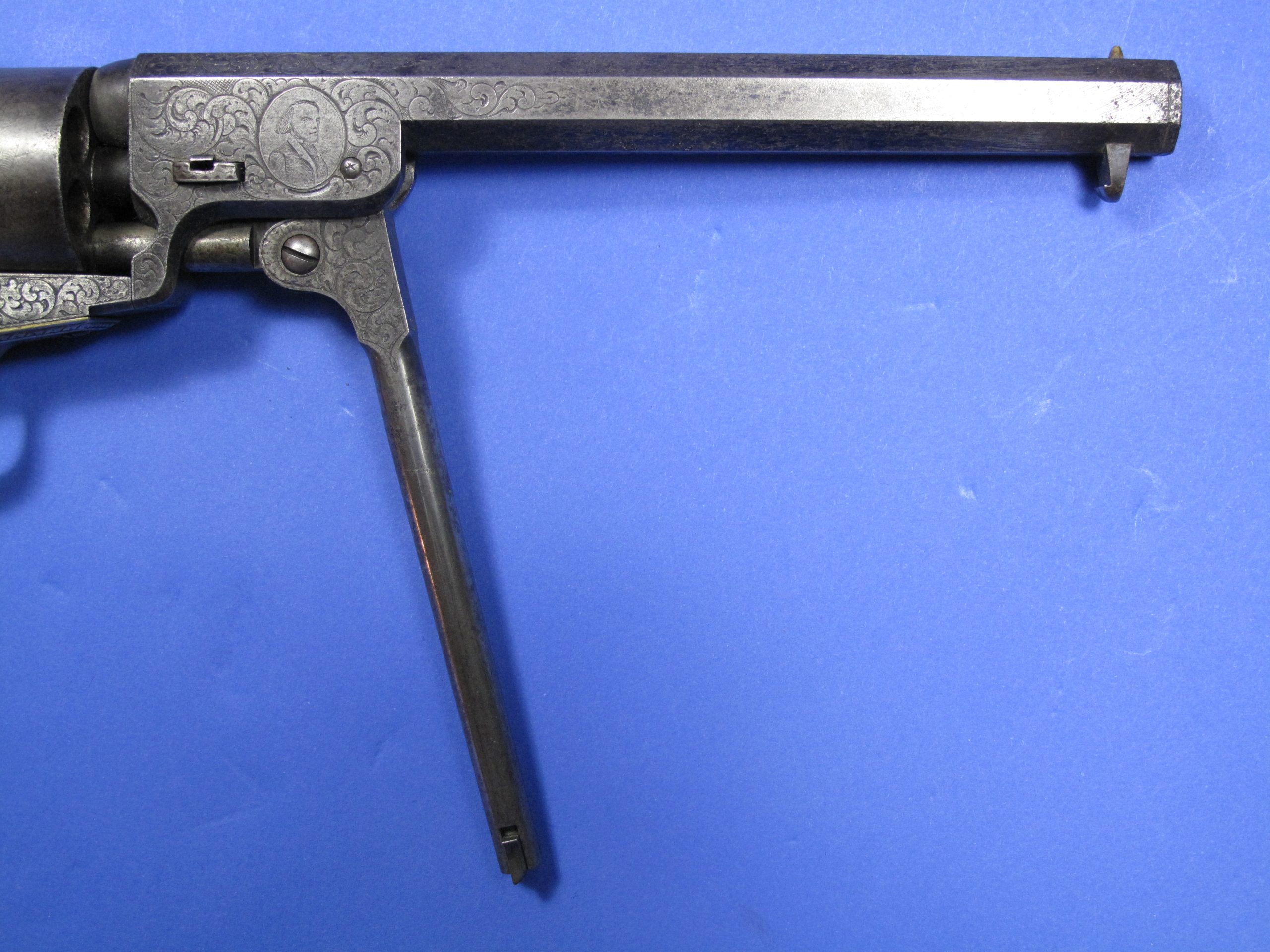
A half-completed .38-caliber revolver recovered during a search at a Canadian prison provides a rare physical record of an inmate attempting to make a conventional handgun behind bars. The artifact was photographed for the Correctional Staff College Museum and published in a 1975 study of improvised firearms. The authors described the project as especially difficult because producing a working revolver requires several precisely related components. The surviving example is significant mainly because it documents an unfinished attempt rather than a successful escape weapon. Its incomplete condition also shows that prison searches sometimes interrupted projects before they became operational firearms.
5. The Canadian Prison 9mm Machine Gun
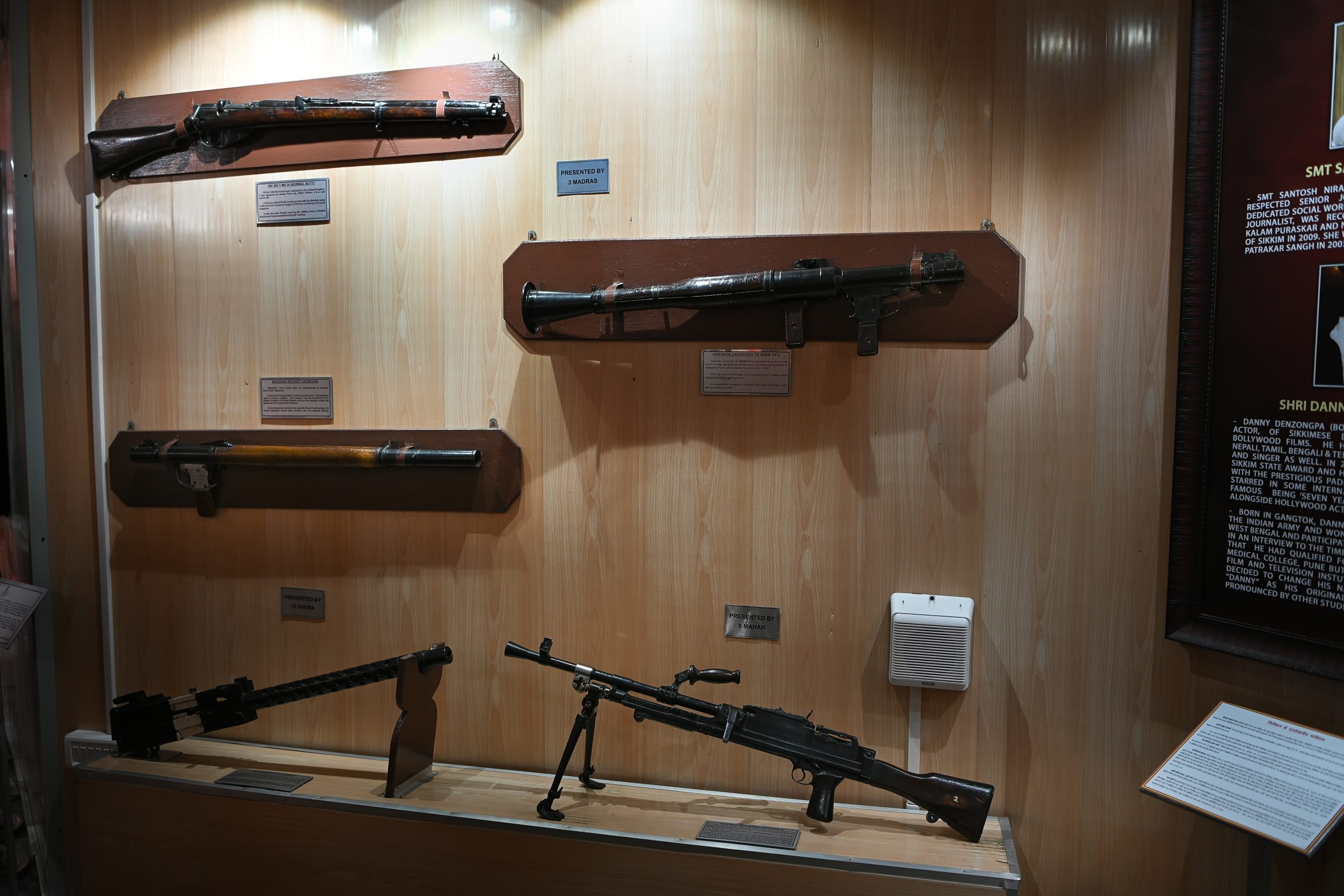
Another Canadian prison example was far more ambitious: a 9mm automatic firearm reportedly produced inside a prison workshop. The 1975 study reproduces an image credited to the U.S. Bureau of Alcohol, Tobacco, and Firearms and describes the weapon as a fully automatic, 30-shot gun that functioned when recovered. Unlike the unfinished .38 revolver, this example represented a completed weapon and illustrates the level of mechanical skill some inmates possessed. The historical record matters because it identifies the location as a prison workshop, rather than merely describing a firearm improvised inside a cell. It remains an unusual documented case. The surviving photograph makes the account unusual.
6. The Mississippi Camp No. 5 Shotgun
A homemade 20-gauge shotgun made in the shop at Mississippi State Penitentiary’s Camp No. 5 became associated with a prison escape attempt. A 1975 study identifies the weapon as having been built in the prison shop and later used during a break. The account says a guard was wounded during the incident. The shotgun is significant because it connects a prison workshop directly with an actual violent escape attempt, rather than a weapon being discovered before use. It also shows that improvised firearms could emerge from ordinary prison work areas when tools, materials, and technical knowledge were available to inmates. The surviving description ties the firearm directly to that incident.
7. The Canadian Prison .22 Pen Gun
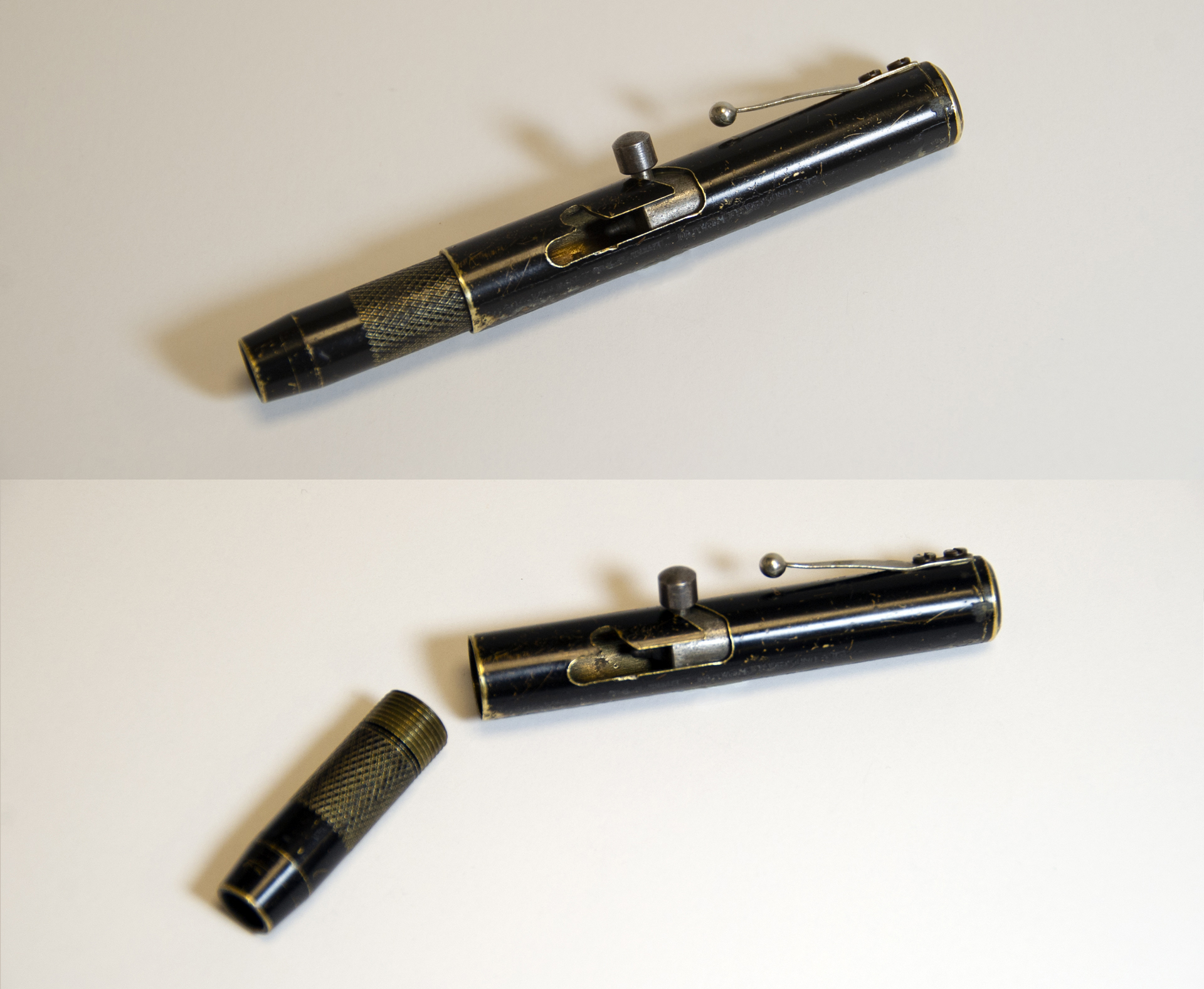
A .22-caliber pen-type firearm recovered from a Canadian penitentiary shows how prison-made weapons could be extremely small. The example appears in a historical collection of homemade firearms and was documented alongside larger prison-made pistols and rifles. Its compact form was clearly intended to imitate an ordinary object, making it different from the workshop-built machine guns and revolvers in the same record. The evidence comes from a 1970s investigation into improvised firearms, so details about the individual maker and exact prison are limited. Even so, the artifact provides a documented example of an inmate-made firearm designed around concealment and portability.
8. The Collins Bay Prison 12-Gauge
A 12-gauge firearm made inside Canada’s Collins Bay prison adds another chapter to the story of inmate workshops. The 1975 record identifies it specifically as a prison-made weapon and also shows a separate disassembled Collins Bay shotgun in the same collection. Unlike a factory sporting gun, the example was an improvised prison artifact produced under unusual restrictions. Its inclusion in a museum-backed photographic record demonstrates that such projects were not merely rumors passed between inmates. The surviving evidence does not establish exactly how often the weapon was fired or identify its maker, so its historical value comes mainly from its documented prison origin and its place in a wider pattern of inmate-built firearms.
9. The Michigan Convict’s Homemade Handgun
A homemade handgun attributed to a Michigan convict demonstrates another unusual chapter in prison firearm history. The weapon was documented by Michigan State Police and included in the 1975 survey of improvised firearms. Rather than resembling a conventional factory pistol, it represented a crude single-purpose design made from limited materials available to the inmate. The surviving account says it fired a wood-screw projectile, making it notably different from the cartridge-fed prison guns in the same collection. Its rough construction underlines a recurring theme in prison weapons history: function, concealment, and available materials often mattered more than conventional firearm design.