Montana winters can test a rifle in ways that mild weather never will. Temperatures can plunge below 0°F (-18°C), while blowing snow, freezing rain, and sudden temperature changes create challenges for hunters traveling across open plains and mountainous terrain. Lubricants may thicken, moisture can freeze around moving parts, and cold hands make controls harder to operate. Even respected rifles have limitations under certain conditions. The following 10 rifles illustrate how weight, action design, materials, maintenance requirements, and environmental exposure can affect performance during Montana’s demanding winter hunting season.
1. Remington Model 700
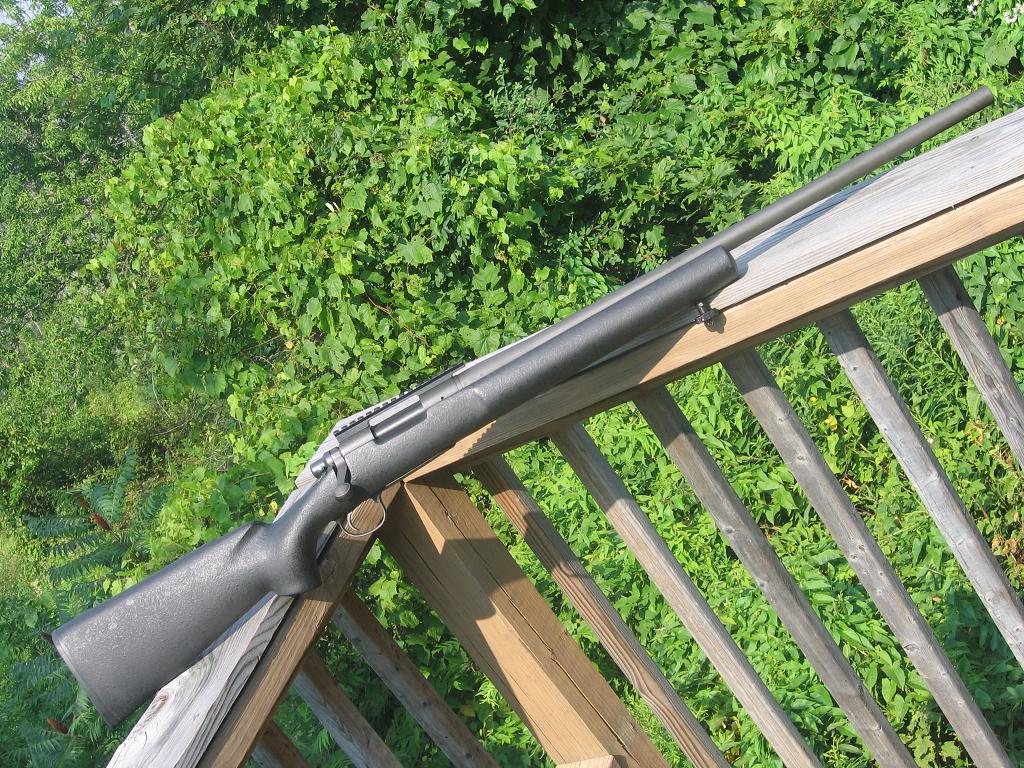
The Remington Model 700 is widely known for its accuracy and strong bolt-action design, but winter conditions can expose maintenance problems. Temperatures below 0°F (-18°C) may affect rifles treated with unsuitable lubricants, particularly when moisture freezes around the bolt. Depending on the model and chambering, its weight generally ranges from about 6.5 to 9 pounds, which also matters during long hikes through deep snow. A properly maintained Model 700 can perform reliably in severe cold, but neglected parts, accumulated ice, and excessive oil can create avoidable problems in Montana’s backcountry.
2. Winchester Model 94
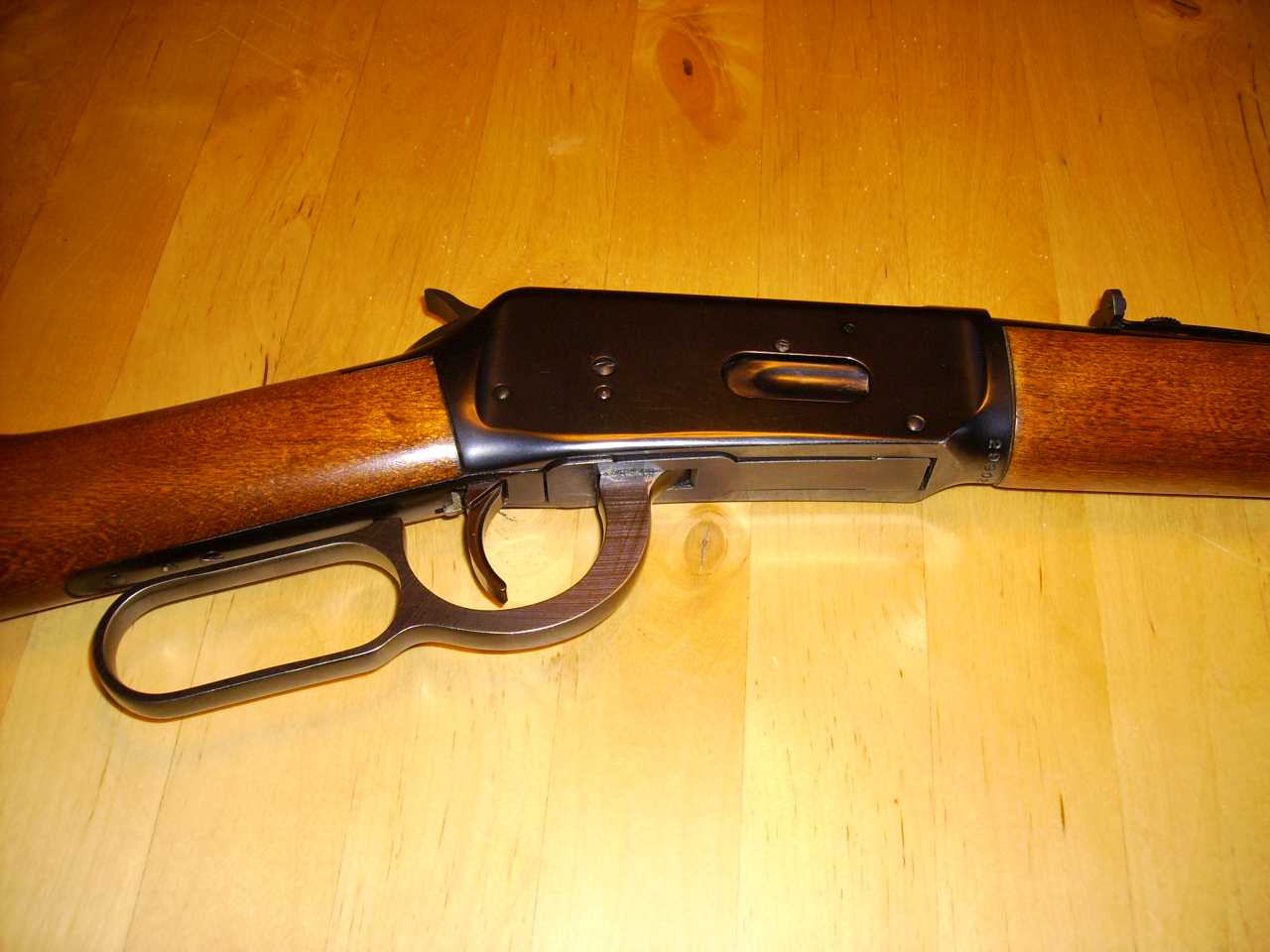
The Winchester Model 94 lever-action rifle has a long history in American hunting, especially for deer in wooded country. Its relatively compact profile and typical weight of around 6 to 7 pounds make it convenient to carry, but exposed hunting conditions can present challenges. Snow and freezing moisture may collect around the lever, receiver opening, and other moving components. At temperatures near -10°F (-23°C), ice contamination and stiff gloves can make operation less comfortable. The rifle itself is not inherently unsuitable for Montana winters, but careful handling and protection from blowing snow become especially important during extended outings.
3. Marlin 336

The Marlin 336 is another traditional lever-action rifle, commonly chambered in .30-30 Winchester and often weighing approximately 7 pounds. Its balance and handling suit many hunters moving through timber, but freezing weather can complicate the use of its exposed action. Wet snow entering the receiver area may freeze when temperatures fall below 32°F (0°C), potentially interfering with moving parts. Cold fingers can also make the lever harder to operate smoothly while wearing thick gloves. These concerns are manageable with appropriate preparation, although hunters crossing Montana’s exposed ridges may need to pay closer attention to snow and moisture protection.
4. Browning BAR
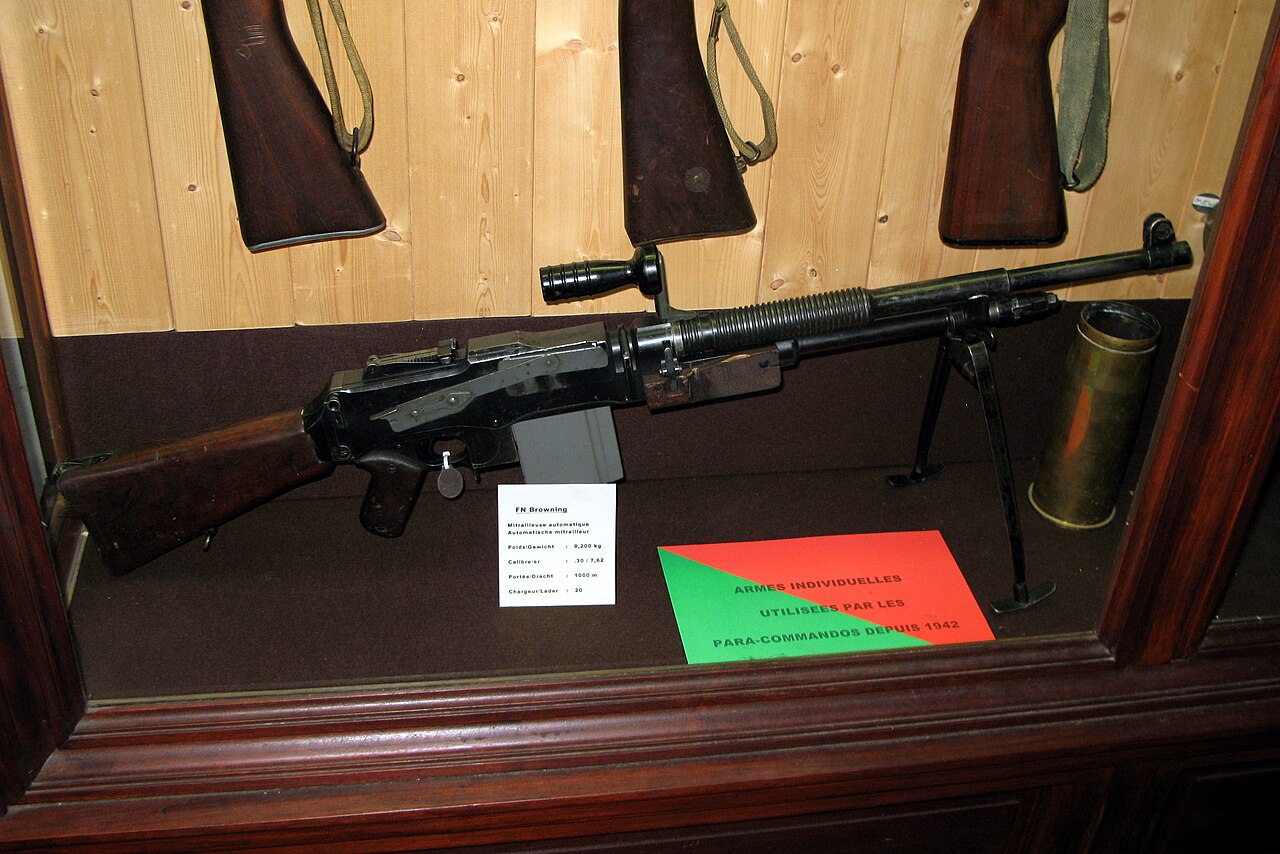
The Browning BAR hunting rifle uses a gas-operated semi-automatic action, offering quick follow-up shots without manually cycling a bolt. Depending on the version, many sporting models weigh roughly 7 to 8 pounds before optics and accessories. However, semi-automatic mechanisms depend on clean, properly functioning components, and unsuitable lubricants may become sluggish in temperatures below 0°F (-18°C). Snow, condensation, or residue can add further complications if maintenance is neglected. The BAR is capable of hunting in cold climates, but its more complex operating system may demand greater attention than a simpler action when conditions turn wet, icy, and difficult.
5. Remington Model 7400
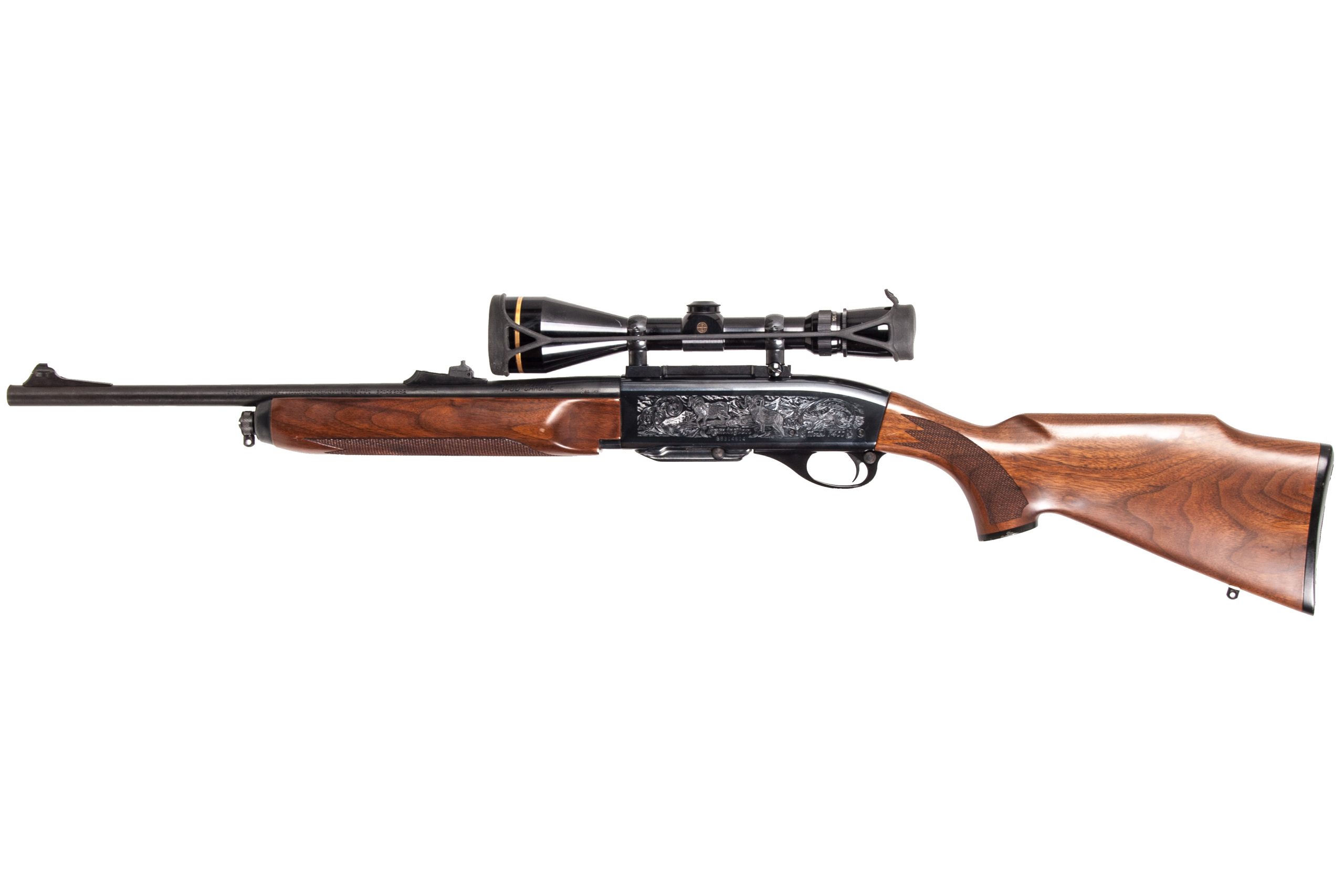
The Remington Model 7400 is a semi-automatic sporting rifle that has been used for decades in deer hunting. Depending on chambering and configuration, it typically weighs around 7 to 8 pounds, making it manageable on ordinary hunting trips. Its operating system, however, can be sensitive to maintenance and ammunition condition, so old residue, unsuitable oil, or moisture may become more troublesome in freezing weather. Temperatures around -10°F (-23°C) can also make handling and troubleshooting uncomfortable. In Montana’s remote hunting areas, where immediate assistance may be unavailable, the rifle’s condition and familiarity are especially important considerations.
6. SKS
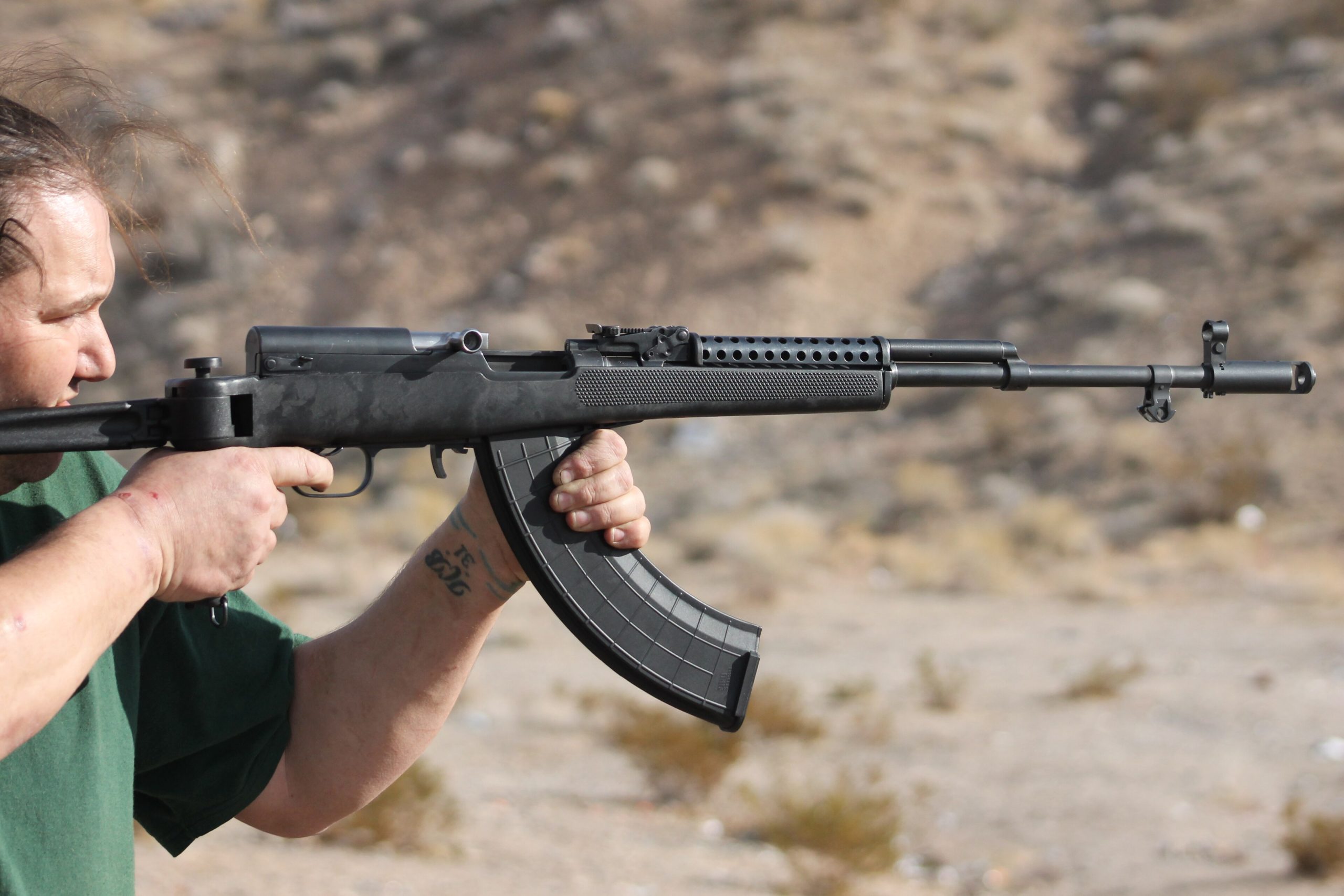
The SKS is a gas-operated semi-automatic rifle originally developed for military service, commonly chambered in 7.62×39mm. Many standard versions weigh approximately 8.5 to 9 pounds, which can feel heavy when traveling several miles through snow. Its relatively simple design has a reputation for durability, but surplus examples may contain old preservative grease, worn components, or inconsistent maintenance histories. At temperatures below 0°F (-18°C), neglected lubrication and frozen moisture can interfere with operation. A well-maintained SKS may handle cold weather competently, but an unfamiliar or poorly inspected example is a questionable choice for a demanding winter expedition.
7. Mosin-Nagant M91/30
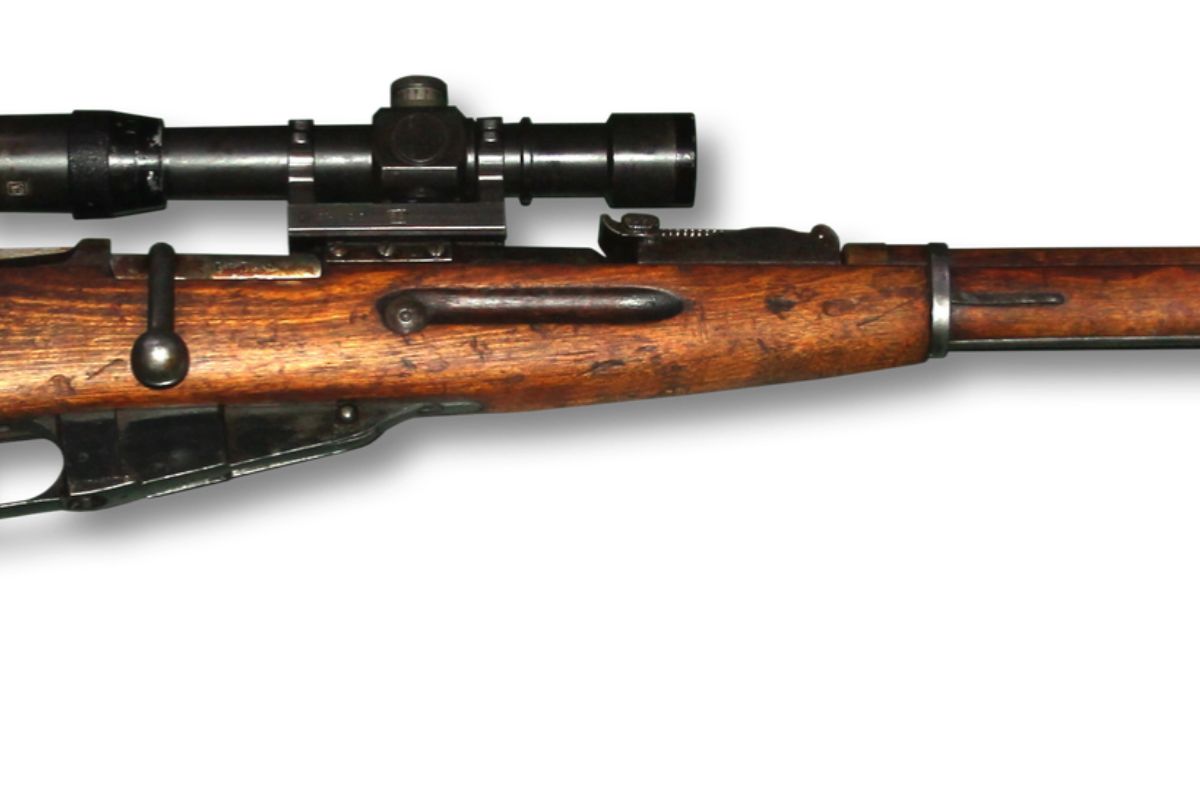
The Mosin-Nagant M91/30 was designed for military service in challenging environments and is often associated with cold-weather use. Its 7.62×54mmR chambering and approximately 48.5-inch overall length contribute to a substantial, traditional rifle profile. Many examples weigh around 8.8 pounds without accessories. Despite its rugged reputation, modern hunters may encounter decades-old grease, corrosion, worn springs, or inconsistent storage conditions. Below 0°F (-18°C), these issues can become more consequential. The design’s historical association with winter warfare does not guarantee that an individual surplus rifle will function safely or reliably without a thorough inspection.
8. AR-10 Pattern Rifles
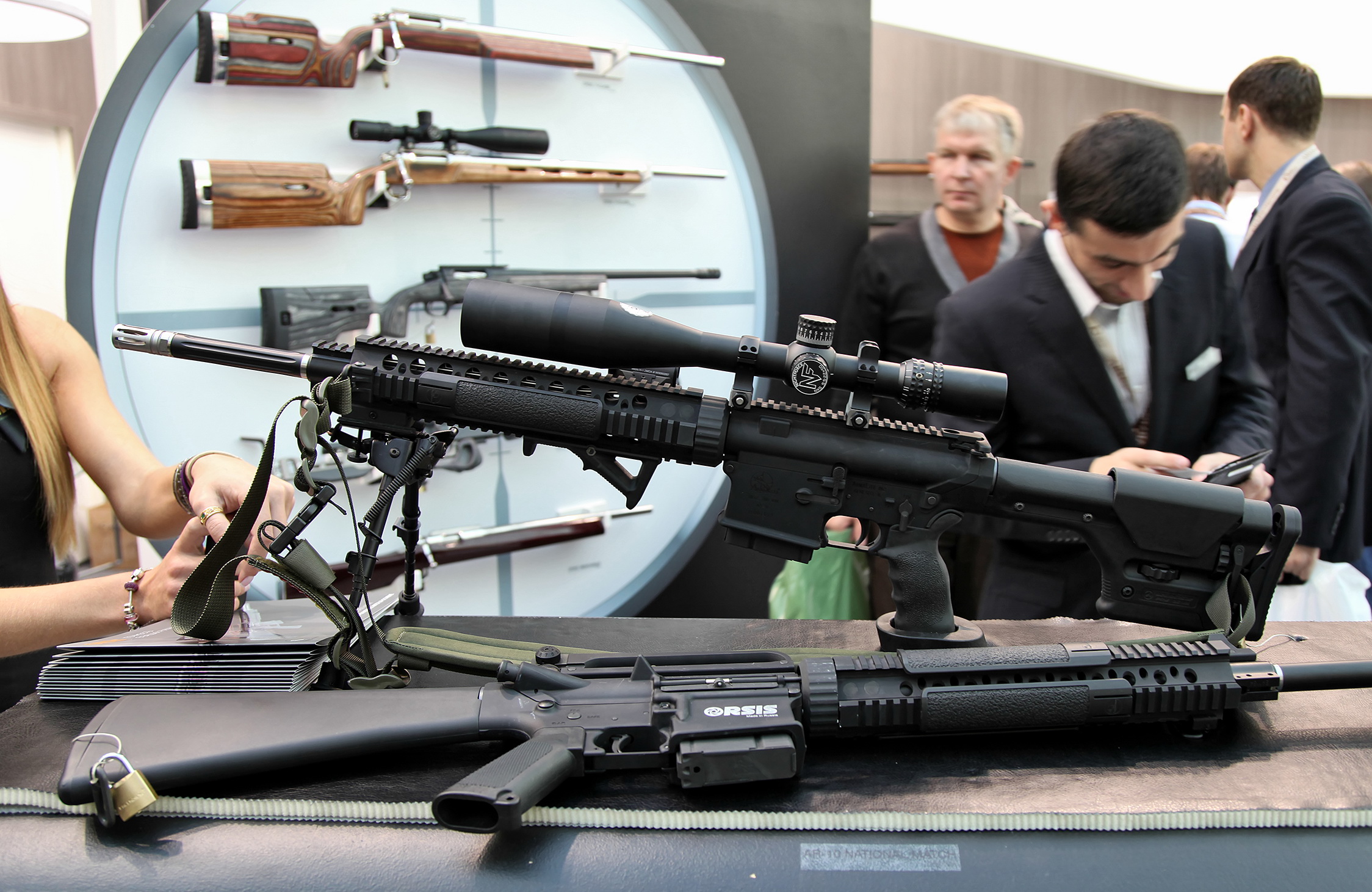
AR-10 pattern rifles offer modern ergonomics, detachable magazines, and chamberings such as .308 Winchester and 6.5 Creedmoor. Depending on barrel length and configuration, many weigh between 8 and 10 pounds before additional equipment. Their performance in freezing weather depends on the specific design, component compatibility, lubrication, and maintenance condition. Snow entering the action or moisture freezing around controls can create problems during temperatures below 0°F (-18°C). Some models are well suited to harsh environments, while others may require more careful preparation. Their modular construction offers flexibility, but it does not eliminate the challenges of Montana’s wind, ice, and subzero temperatures.
9. Ruger Mini-14
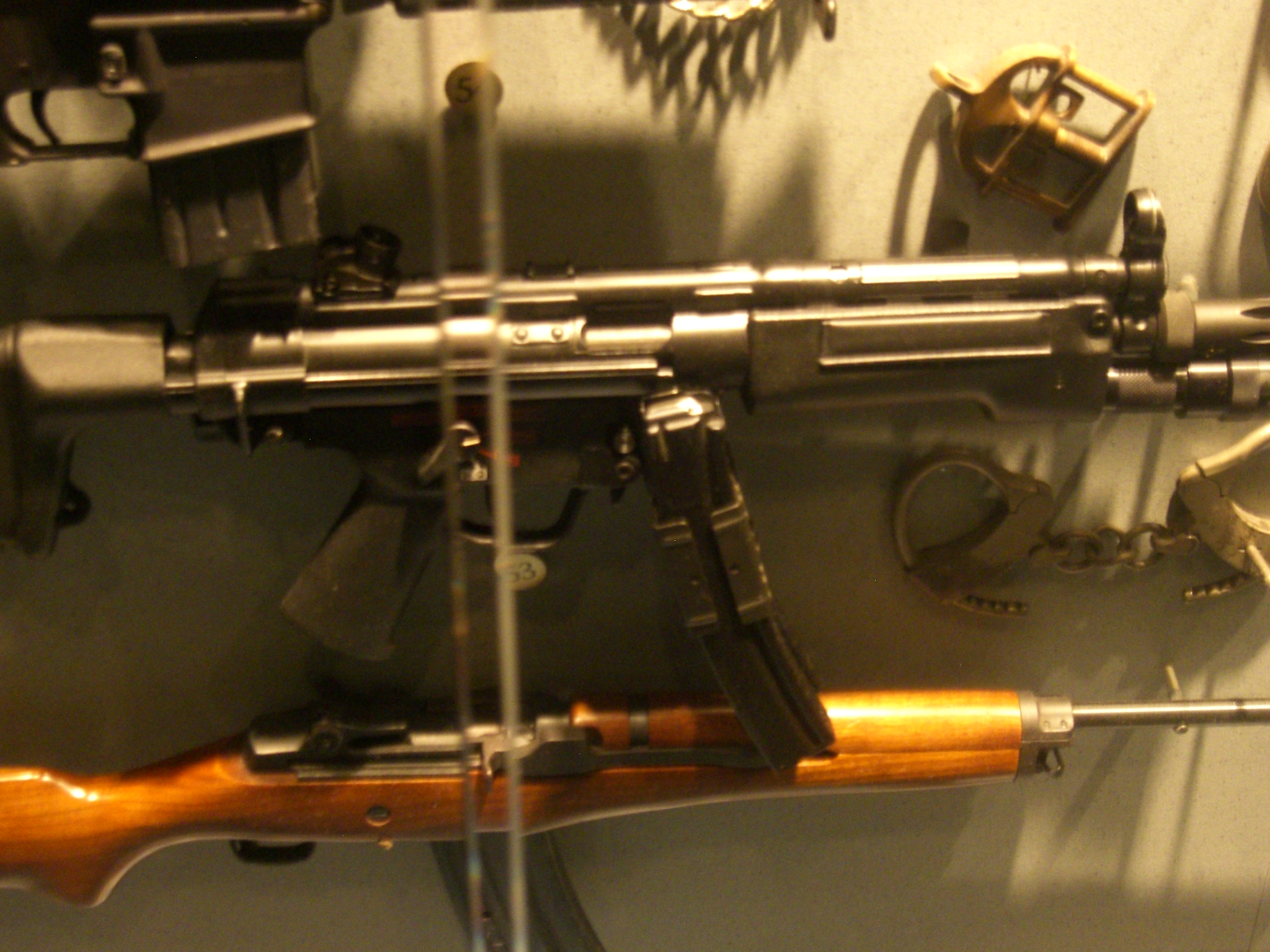
The Ruger Mini-14 is a gas-operated semi-automatic rifle commonly chambered in .223 Remington or 5.56×45mm NATO. Many standard models weigh approximately 6.5 to 7 pounds, making them relatively convenient for carrying across open terrain. However, their reliability still depends on clean components, suitable lubrication, compatible magazines, and sound maintenance. When temperatures drop below 0°F (-18°C), frozen moisture or thick lubricant can affect moving parts in any firearm. The Mini-14 is not inherently a poor cold-weather rifle, but hunters should avoid assuming that a lightweight design and familiar controls automatically guarantee dependable performance during a long Montana winter outing.
10. Savage Model 99
The Savage Model 99 is a classic lever-action sporting rifle produced in numerous configurations and chamberings, including .300 Savage. Depending on the variant, its weight is generally around 6.5 to 7.5 pounds. Its distinctive rotary magazine and internal mechanisms set it apart from more conventional lever-action designs. In freezing conditions, accumulated moisture, hardened residue, or neglected mechanical components can complicate operation, particularly on older examples with unknown service histories. At temperatures near -10°F (-23°C), careful inspection matters more than the rifle’s age or reputation. A sound Model 99 can remain a capable hunting companion, but worn vintage examples deserve professional attention before a remote winter trip.