Some pistols were never intended to become dependable sidearms. Instead, they were created for unusual wartime or clandestine situations where low cost, concealment, and deniability mattered more than durability. The most famous examples were deliberately disposable, while others were built in such small numbers that their intended one-time role became part of their story. Here are seven historically documented examples, with an important distinction: not every pistol below was physically incapable of being fired again, but each was associated with a disposable or essentially one-use concept.
1. FP-45 Liberator
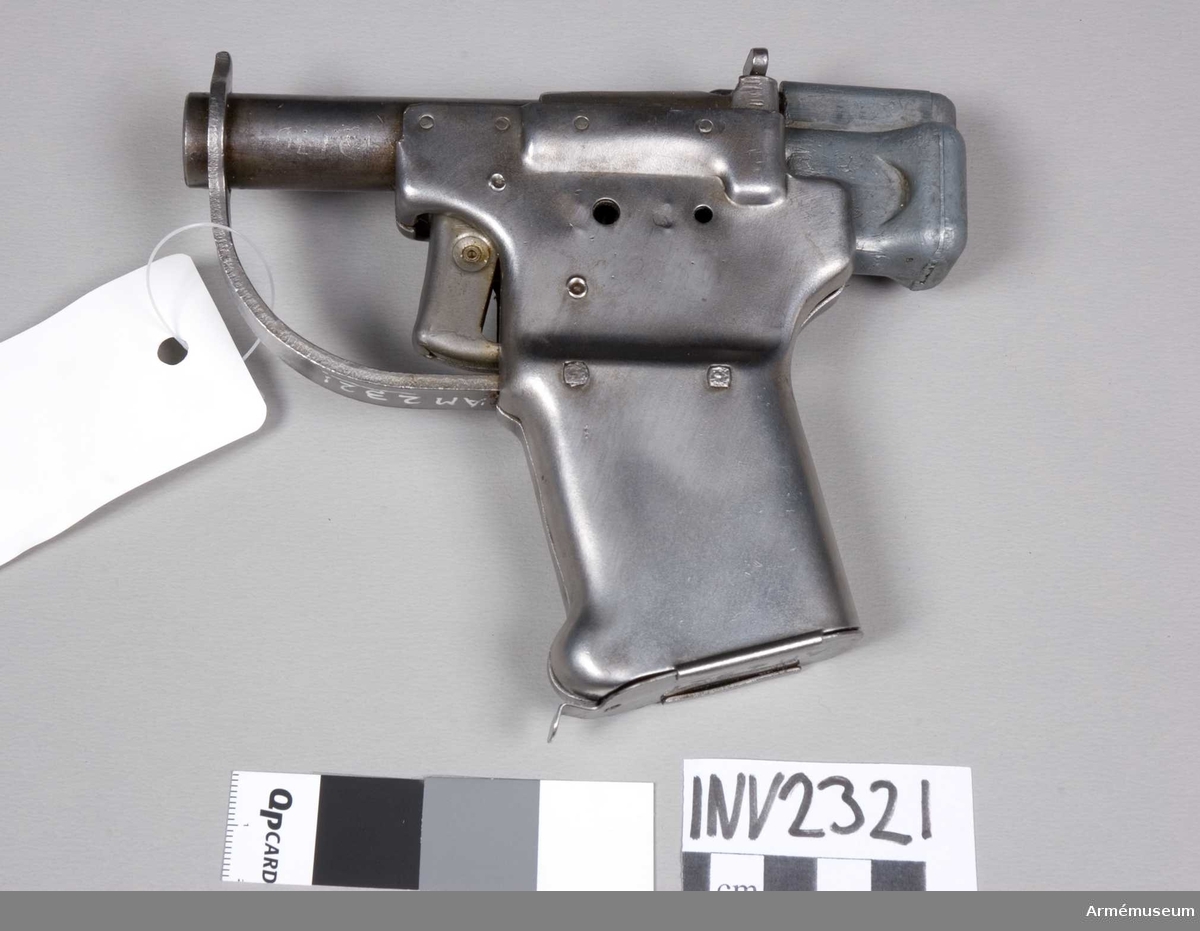
The FP-45 Liberator is the classic example of a disposable pistol. Developed in 1942 for resistance forces, it used a single-shot .45 ACP design made largely from stamped steel. General Motors’ Guide Lamp division produced about 1 million examples in only 11 weeks, with roughly 300 workers involved. The pistol was cheap, crude, and deliberately simple. Its intended role was to give a resistance fighter one immediate shot before the weapon was discarded or replaced by a captured firearm. Each package contained 10 rounds, a wooden dowel, and picture-based instructions.
2. CIA Deer Gun
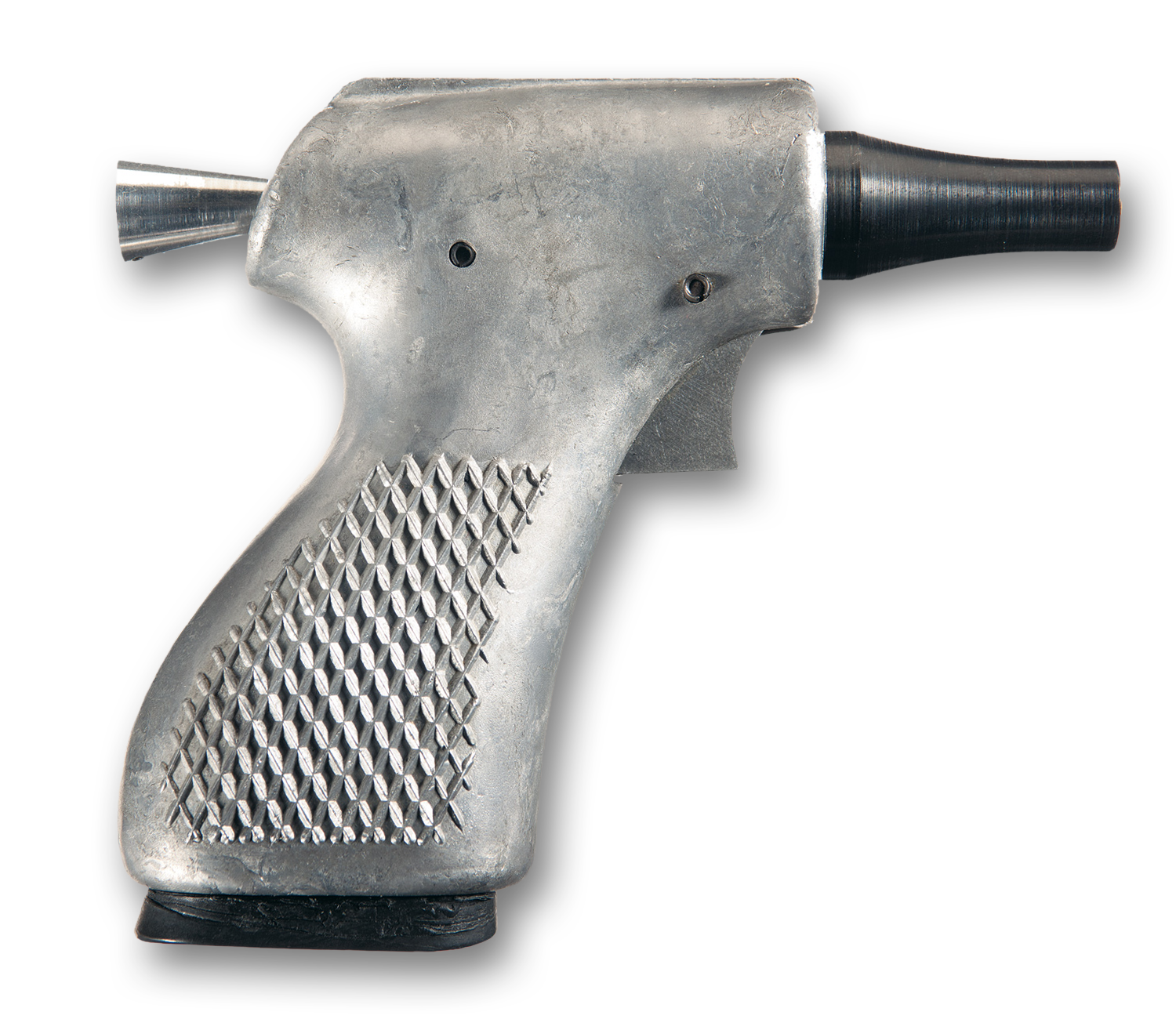
The CIA Deer Gun revived the disposable-pistol concept during the early 1960s, adapting it to the Cold War environment. Produced by American Machine & Foundry in 1964, it was a compact single-shot pistol chambered for 9×19mm. Around 1,000 were manufactured, but the project never progressed into widespread operational use. The gun used a cast-aluminum body, a short steel barrel, and a hollow grip that could hold 3 spare cartridges. It was supplied in an unmarked container with illustrated instructions, reflecting the emphasis on concealment and deniability.
3. FP-45 Liberator Prototype
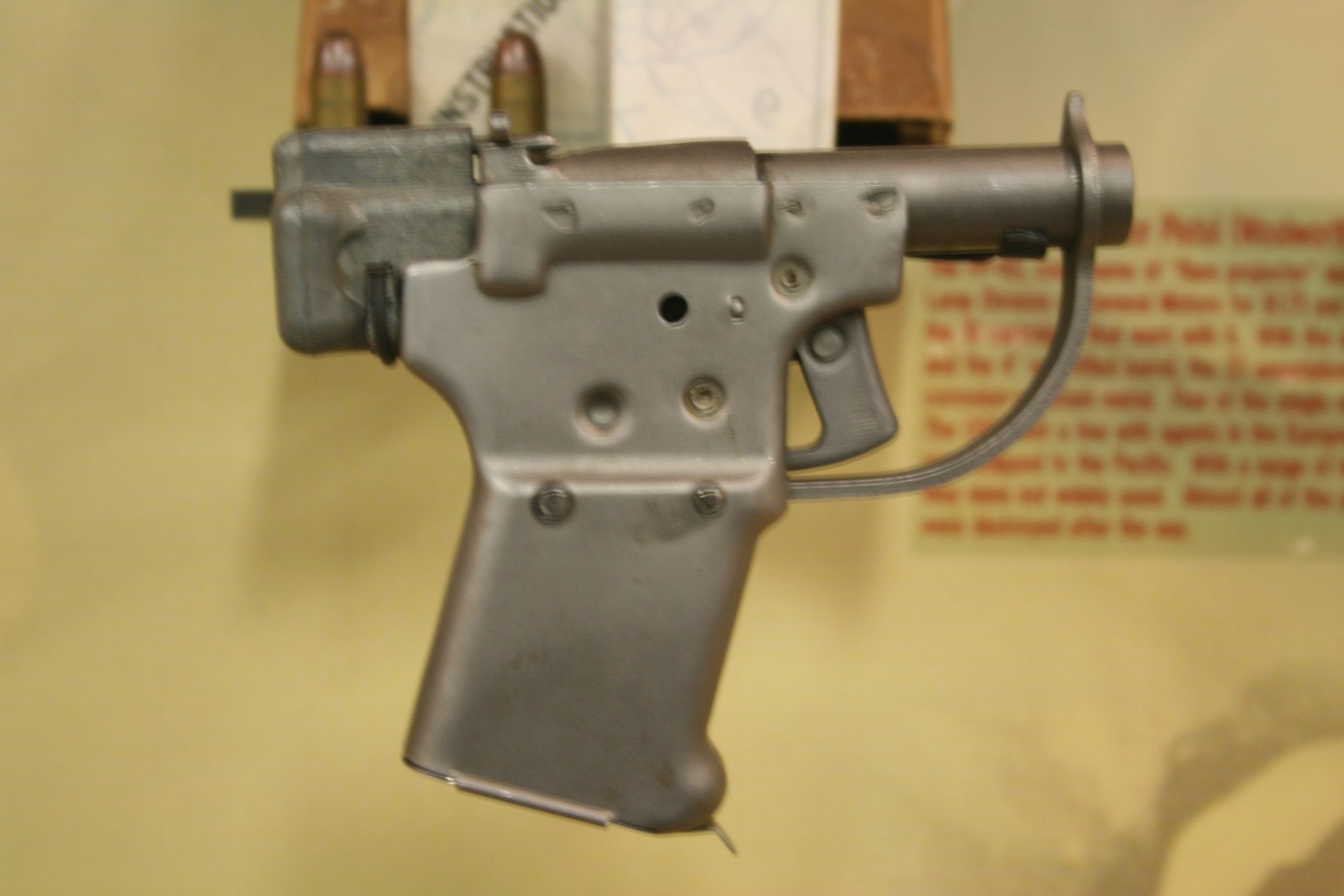
Before the mass-produced Liberator appeared, designers created several experimental versions to solve the practical problems of a crude one-shot weapon. Only 5 early pre-production prototypes are specifically documented from the Inland development stage. Experiments included changes to the breech, extraction system, and even a 2-shot configuration. These prototypes reveal that the final Liberator was not simply thrown together without testing. Designers considered ways to make its basic mechanism more useful while retaining the extreme simplicity required for rapid wartime production.
4. OSS Cigarette Pistol
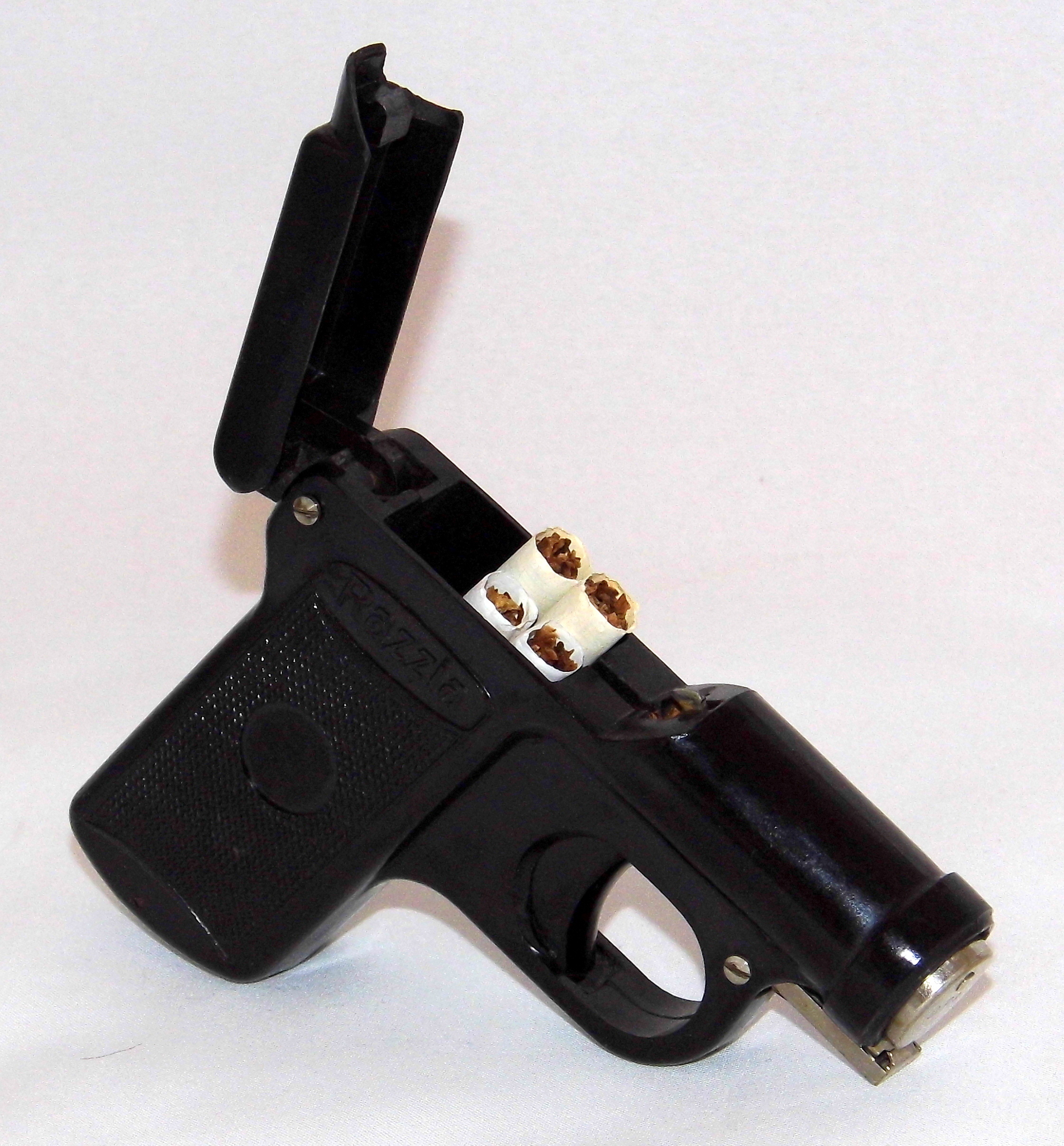
The OSS cigarette pistol was a remarkably small covert firearm developed during World War II for agents who needed extreme concealment. Disguised to resemble a cigarette or cigarette holder, it used a single-shot design and could be carried without attracting attention. The weapon reflected the OSS preference for unusual tools suited to clandestine missions rather than conventional combat. Its tiny size came at the cost of firepower and rapid follow-up shots. Unlike the FP-45, it was not intended to be destroyed after firing, but its 1-shot capacity made it another example of an expendable-style covert handgun.
5. SOE Single-Shot Pistol
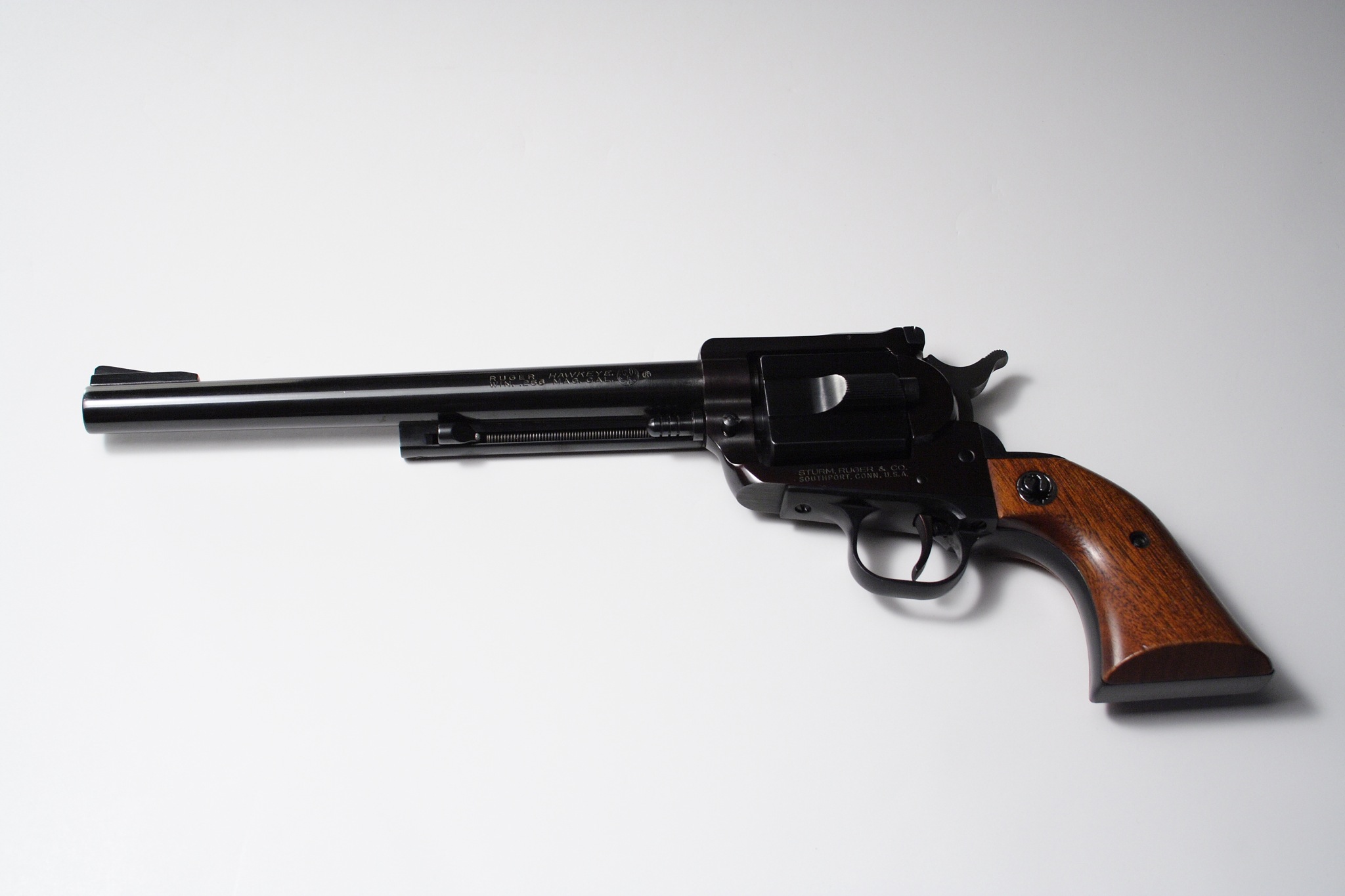
Britain’s Special Operations Executive used a variety of unconventional weapons for clandestine operations, including extremely compact single-shot firearms. These weapons prioritized concealment over conventional handgun performance and were intended for situations where an agent needed 1 discreet shot rather than a sustained firefight. Their simple mechanisms also reduced the number of moving parts that could cause problems. Although they were not necessarily designed to be physically destroyed after firing, their limited capacity made them closer to disposable mission tools than ordinary service pistols.
6. Sedgley OSS .38 Pistol
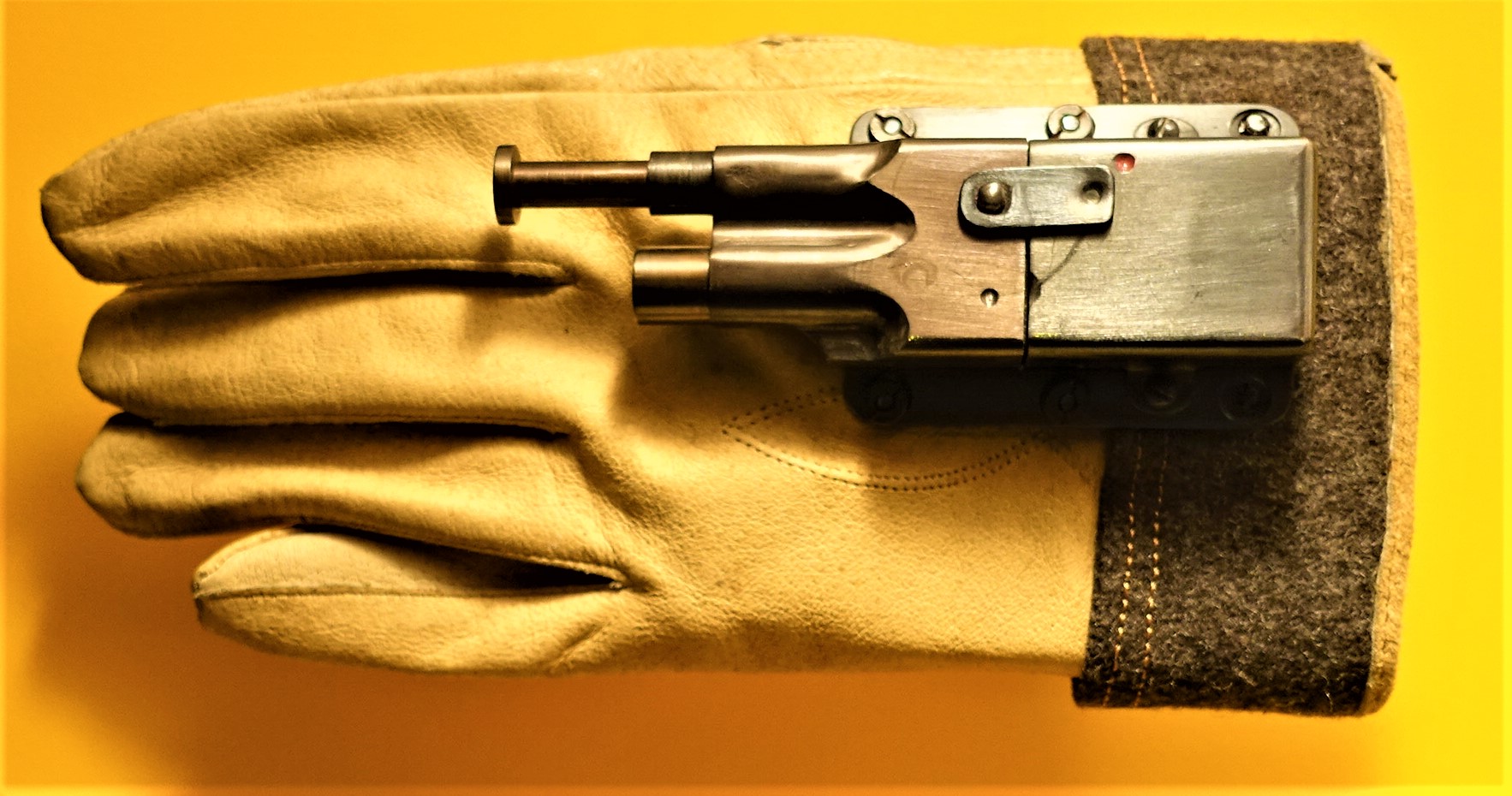
The Sedgley OSS .38 was developed during World War II as a compact covert pistol for American intelligence personnel. Chambered in .38 caliber, it was a small single-shot firearm designed around concealment and simplicity. Its barrel was short and its mechanism was deliberately uncomplicated, making it suitable for specialized clandestine use rather than conventional fighting. Unlike the FP-45 Liberator, the Sedgley was not designed as a disposable weapon, and it could be reused. Its inclusion is valuable because it shows how intelligence agencies explored several different approaches to creating extremely concealable one-shot firearms.
7. MBA Gyrojet Pistol
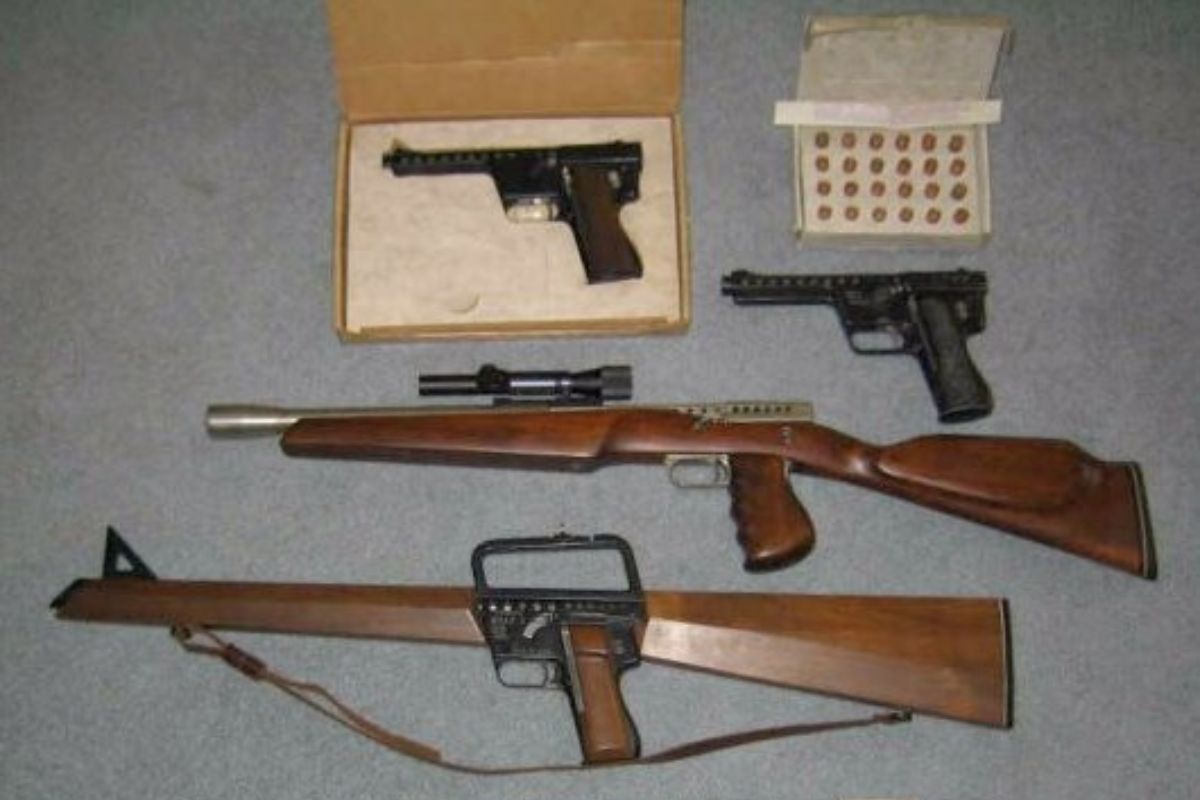
The MBA Gyrojet pistol took the idea of an unusual handgun in a completely different direction during the 1960s. Instead of conventional bullets, it fired small rocket-propelled projectiles, with the ammunition accelerating after leaving the barrel. The pistol’s distinctive 13mm ammunition and unusual operating principle made it unlike almost every conventional handgun of its era. It was not a disposable pistol and could be fired repeatedly, but the weapon demonstrates how designers experimented with unconventional ammunition when searching for alternatives to traditional firearms. Its unusual concept remains one of the most distinctive handgun experiments of the period.