Handloading has moved beyond being a niche activity practiced by a small group of dedicated shooters. Rising ammunition costs, past shortages, interest in precision, and easier access to educational material have all helped bring the hobby to a wider audience. It is not automatically cheaper or better, and it requires patience, reliable information, and strict attention to safety. Still, for shooters who use significant amounts of ammunition, the appeal is easy to understand. These 8 reasons explain why more people are exploring handloading today.
1. Ammunition Prices Make Savings More Attractive
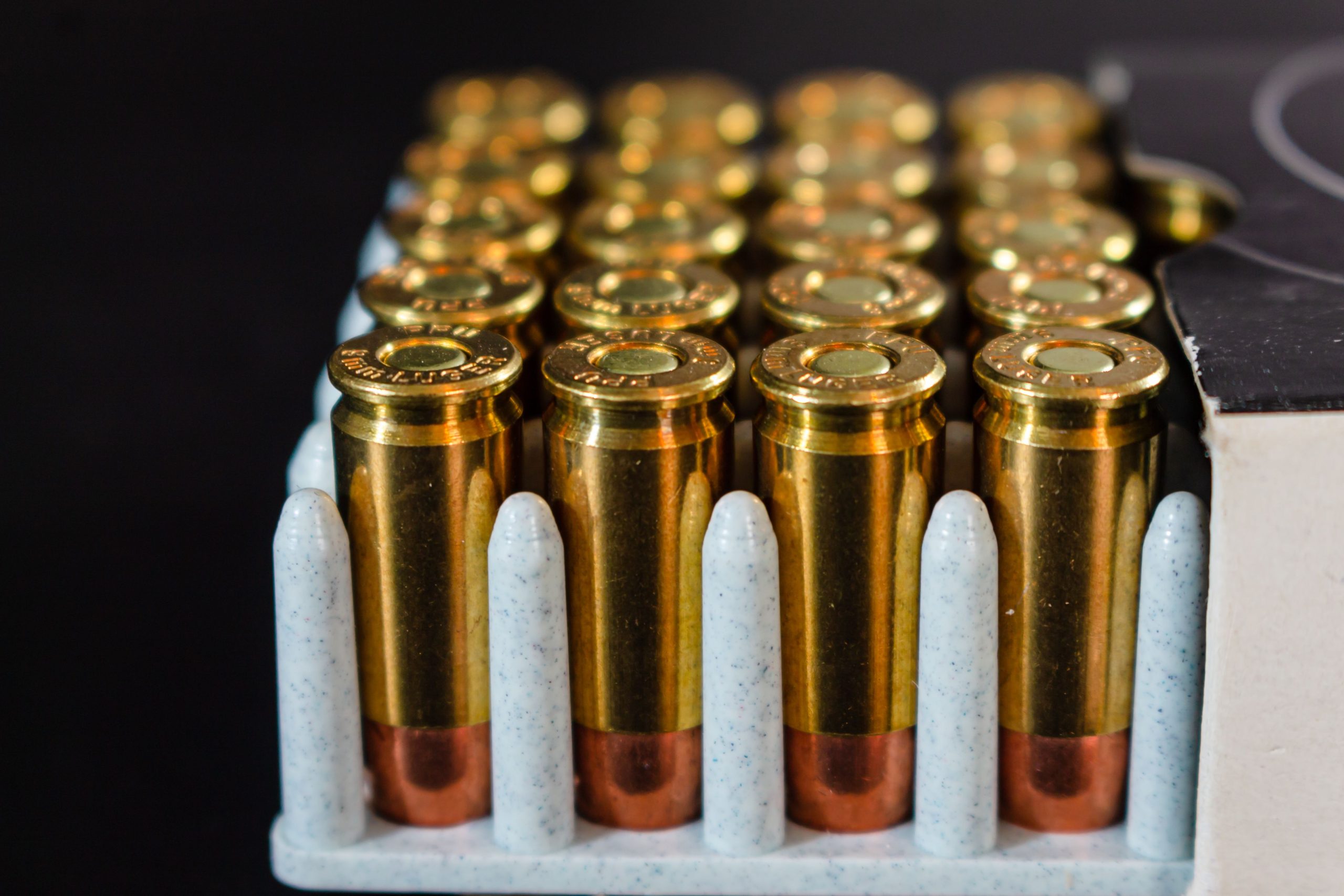
Factory ammunition can become expensive when a shooter practices often, especially with high-volume target shooting. Handloading can let experienced users spread costs across components and reuse suitable cases, although equipment and supplies require an upfront investment. A useful benchmark is 11%, the U.S. federal excise tax rate applied to ammunition at the manufacturer or importer level. Savings are never automatic, but for someone firing hundreds or thousands of rounds a year, controlling some component costs can make the hobby more appealing over time.
2. Supply Shortages Changed How Shooters Think

The ammunition shortages of recent years left many shooters thinking differently about supply. During the 2020 shortage, manufacturers reported difficulties obtaining brass, primers, copper, lead, packaging, and other materials. That experience made the idea of keeping suitable components on hand more attractive to some reloaders. The lesson was not that factory ammunition would disappear, but that availability can change quickly. After seeing shelves empty for months, some shooters began viewing handloading as one additional way to reduce dependence on a single retail supply chain.
3. Practice Volume Rewards Careful Planning

Shooters who practice regularly can go through a surprisingly large amount of ammunition in a year. A person firing 100 rounds during a range visit and going twice each month reaches 2,400 rounds annually. At that volume, even modest per-round savings can become noticeable, provided the shooter already owns the equipment and values the time involved. Handloading also encourages people to track component costs, range use, and ammunition consumption more closely. For high-volume hobbyists, that planning mindset can be as appealing as the potential financial benefit.
4. Hard-to-Find Cartridges Stay More Accessible
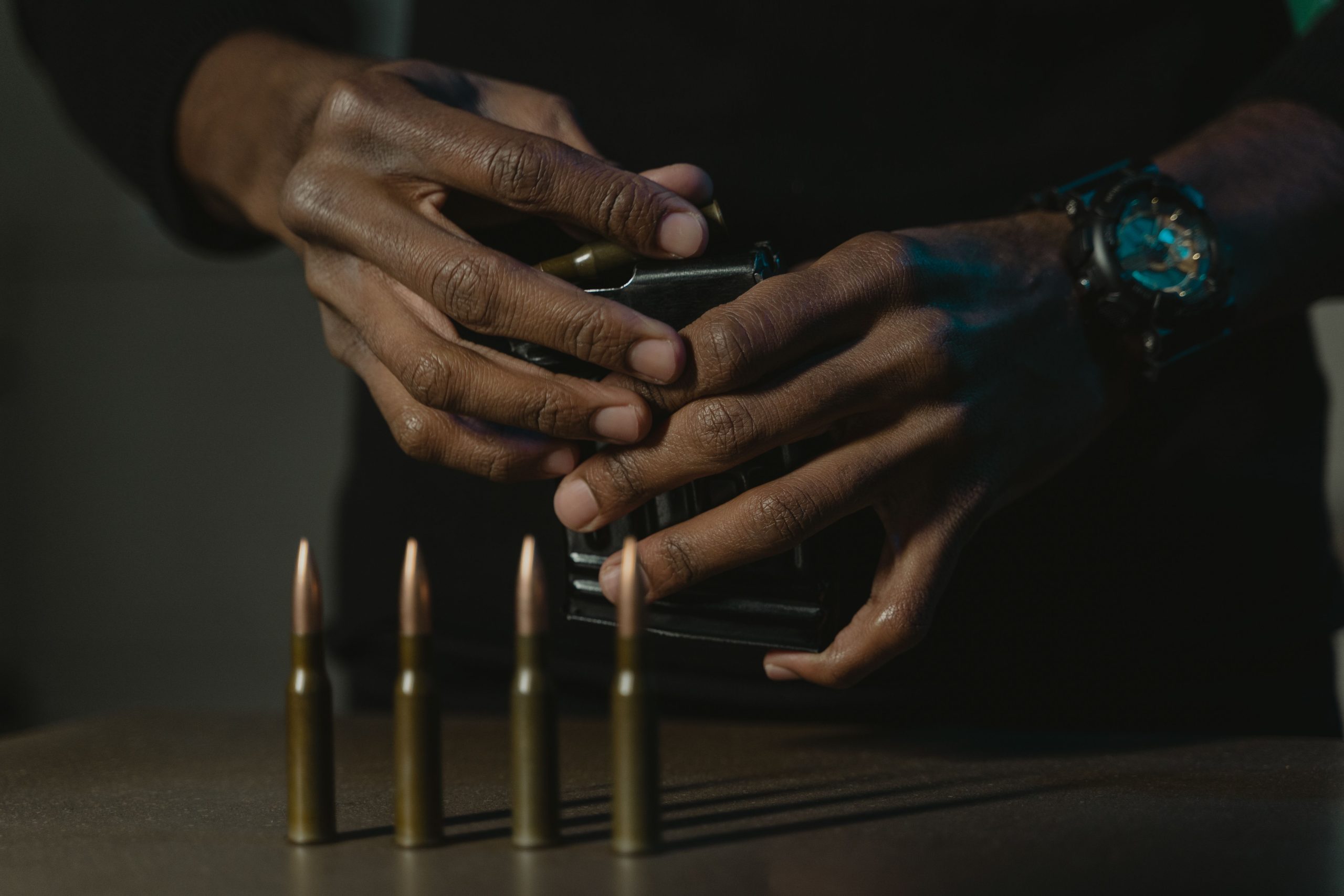
Some cartridges sell in relatively small numbers, so local stores may carry them inconsistently or not at all. Handloading can appeal to shooters who own firearms chambered for less common cartridges because suitable cases and projectiles may remain available even when loaded ammunition is temporarily scarce. The benefit is especially relevant for older or niche sporting firearms. It does not guarantee a steady supply, since components can also become difficult to find. Still, having more than 1 source of ammunition availability can make an unusual cartridge feel less limiting.
5. Shooters Want More Control Over Consistency
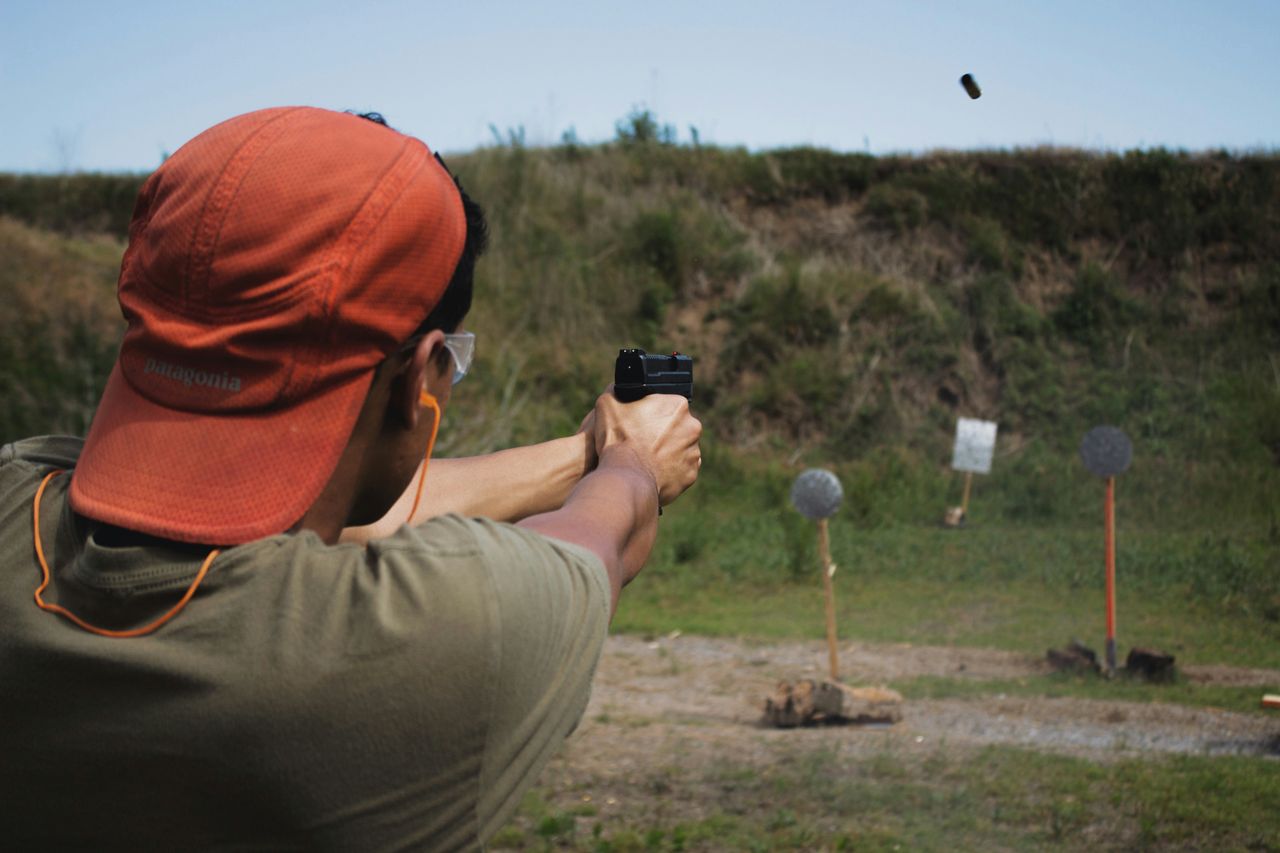
Another attraction is the ability to pay closer attention to ammunition consistency rather than simply accepting whatever factory load is available. Precision-minded shooters often care about repeatability, because small differences can matter when performance is measured. Handloading does not automatically produce better ammunition, and poor quality control can make results worse. It gives a shooter more involvement in component selection and records. For someone who enjoys testing and documenting results, that control can become a major part of the hobby.
6. The Hobby Combines Shooting With Technical Interest
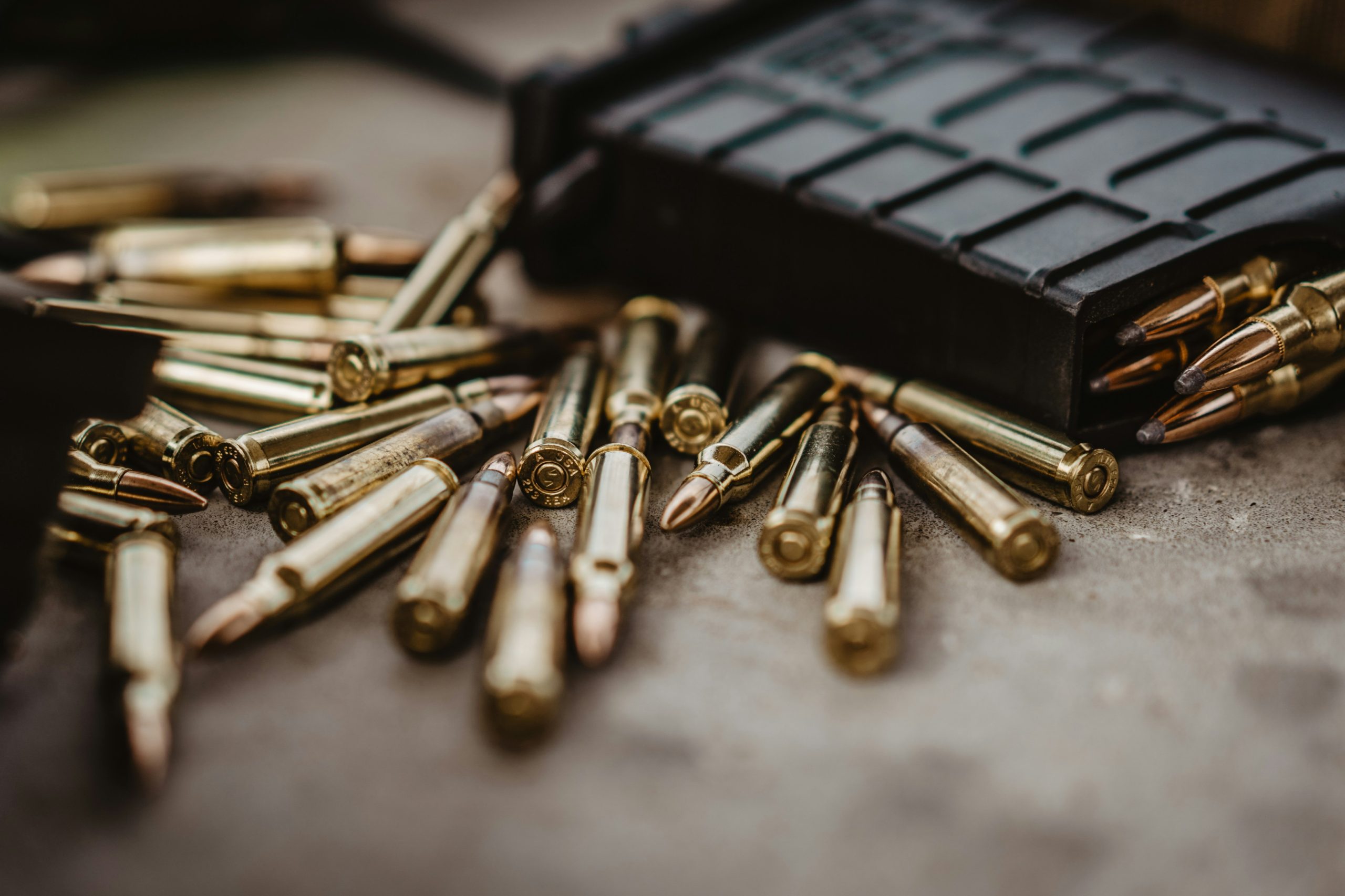
Handloading attracts people who enjoy the technical side of shooting as much as time on the range. It involves organized records, component identification, equipment maintenance, and careful quality control, making it appealing to detail-oriented hobbyists. The appeal can be compared with other precision hobbies where a small measurement matters. Someone may spend 2 hours at a range and another 2 hours studying equipment, manuals, and performance records. For these shooters, handloading becomes a separate skill-based pastime rather than simply a way to obtain ammunition.
7. Online Education Made the Learning Curve Less Isolated
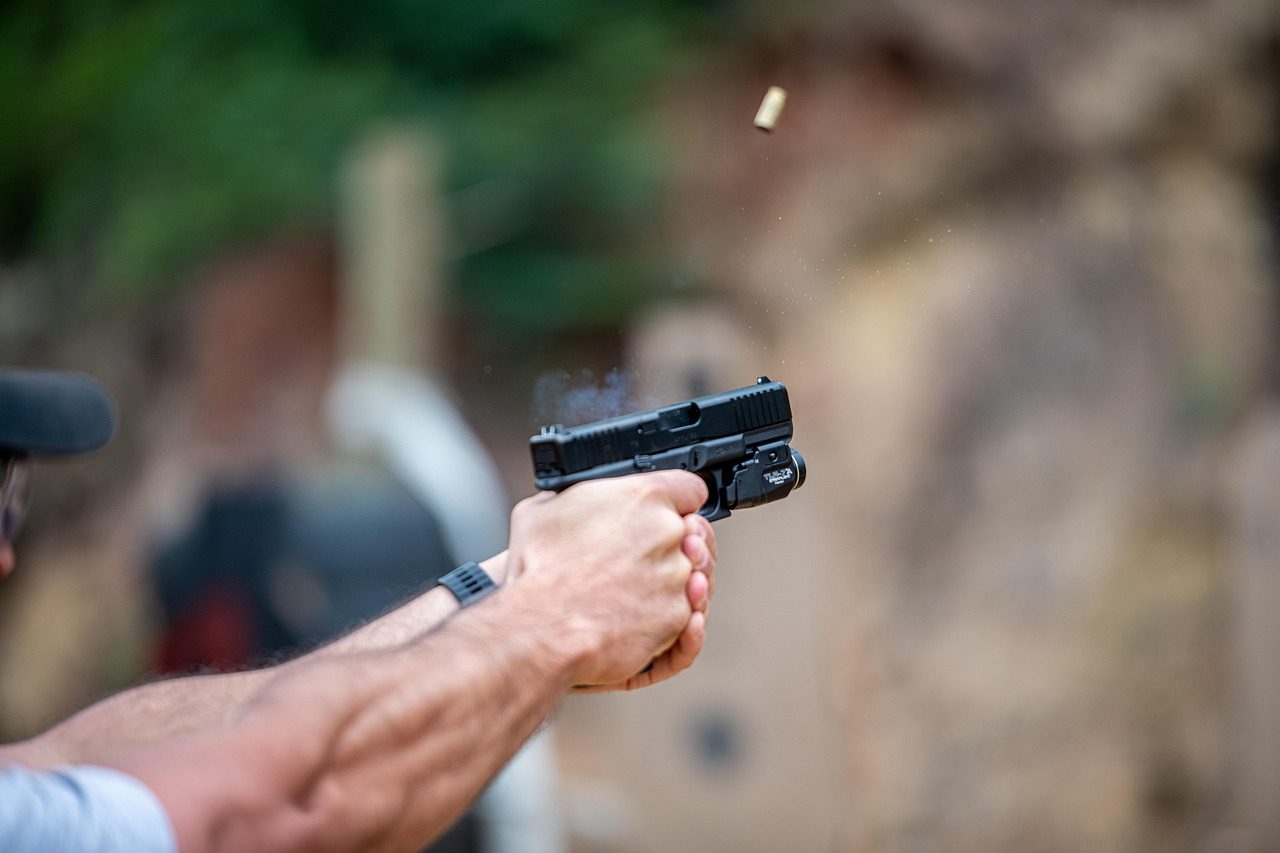
New reloaders no longer have to depend entirely on finding a nearby experienced mentor before learning the basics of the hobby. Manuals, manufacturer resources, training videos, and discussion communities have made information easier to access. That does not remove the need for authoritative data or careful safety practices. In fact, the sheer volume of online advice makes source quality more important. A beginner may encounter 10 opinions about one topic, so established manuals and component makers remain more useful than copying anonymous forum shortcuts.
8. Component Availability Can Offer Another Layer of Flexibility
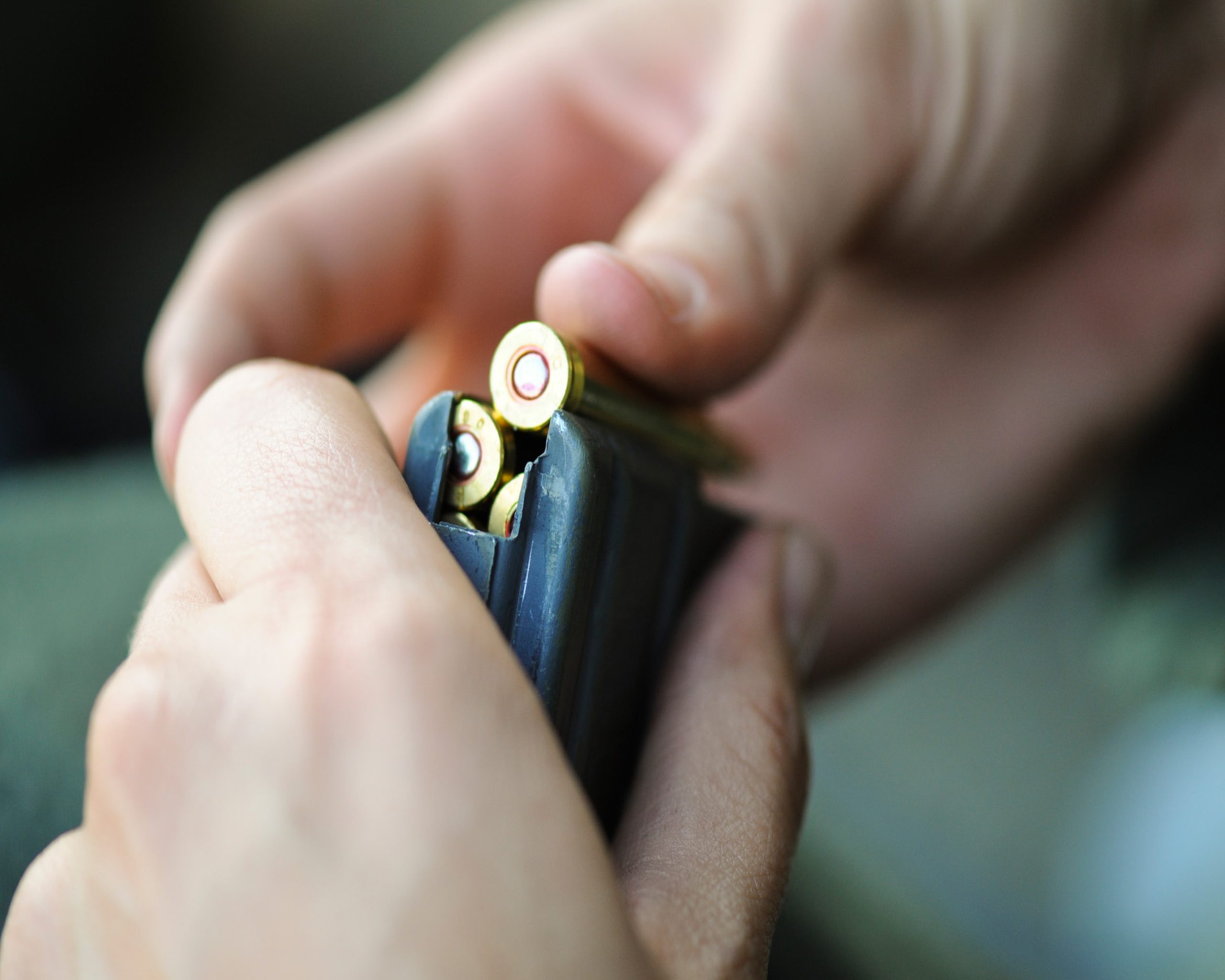
Factory ammunition depends on a finished product reaching a store or shipping destination, while handloading separates the supply question into several components. If one loaded cartridge is unavailable, a shooter may still have useful cases, bullets, or other supplies already purchased. That flexibility is one reason the hobby remains attractive after repeated market disruptions. It is not independence, because primers and propellant remain specialized components subject to availability and legal rules. Even so, having 2 or more supply options can make long-term planning feel more manageable.