A gun club can look easy to join from the outside, especially when its website lists memberships, range hours, and application information. The reality can be very different at established clubs with limited facilities, strong local demand, or carefully controlled membership numbers. Some applicants may wait months or even years before receiving an opening. These delays are often driven by capacity, renewal rates, range availability, and club policies rather than a lack of interest. Here are 7 situations where gun-club waitlists can be surprisingly long.
1. Established Clubs With Limited Membership Caps

A long-running gun club may deliberately restrict membership to protect range capacity and preserve a manageable shooting environment. A club allowing only 300 members can face heavy demand if just 10 to 20 spaces become available each year. Even a waitlist of 75 applicants could therefore take several years to clear. Established clubs may also have strong retention, with annual renewal rates above 90 percent. Applicants should ask about the membership cap, current queue size, average annual turnover, and whether applications are processed by date received. A low turnover rate can matter more than the club’s headline membership price.
2. Clubs Serving Fast-Growing Communities

Population growth can turn an ordinary local range into one of the most sought-after memberships in an area. If a community adds 20,000 residents over 5 years while a nearby club remains limited to 500 members, demand can quickly exceed available spaces. New applicants may discover that the club has accepted 100 or more people onto a waiting list while only 15 to 25 memberships typically open each year. Growth can also increase pressure on classes, parking, and range lanes. Checking recent membership numbers and local population trends can reveal why a seemingly modest club has such a long queue.
3. Clubs With Unusually High Renewal Rates

Membership turnover is one of the biggest factors behind a long waitlist. A club with 600 members and a 97 percent renewal rate may have only about 18 openings in a typical year. If 150 people are waiting, the theoretical queue could stretch for more than 8 years before accounting for new applications. Some clubs also give existing members priority when renewing or transferring certain membership categories. Applicants should ask whether the published waitlist reflects every applicant, whether inactive names remain on it, and how many memberships actually become available annually. Those details provide a much clearer picture than a simple position number.
4. Clubs Known for Specialized Range Facilities
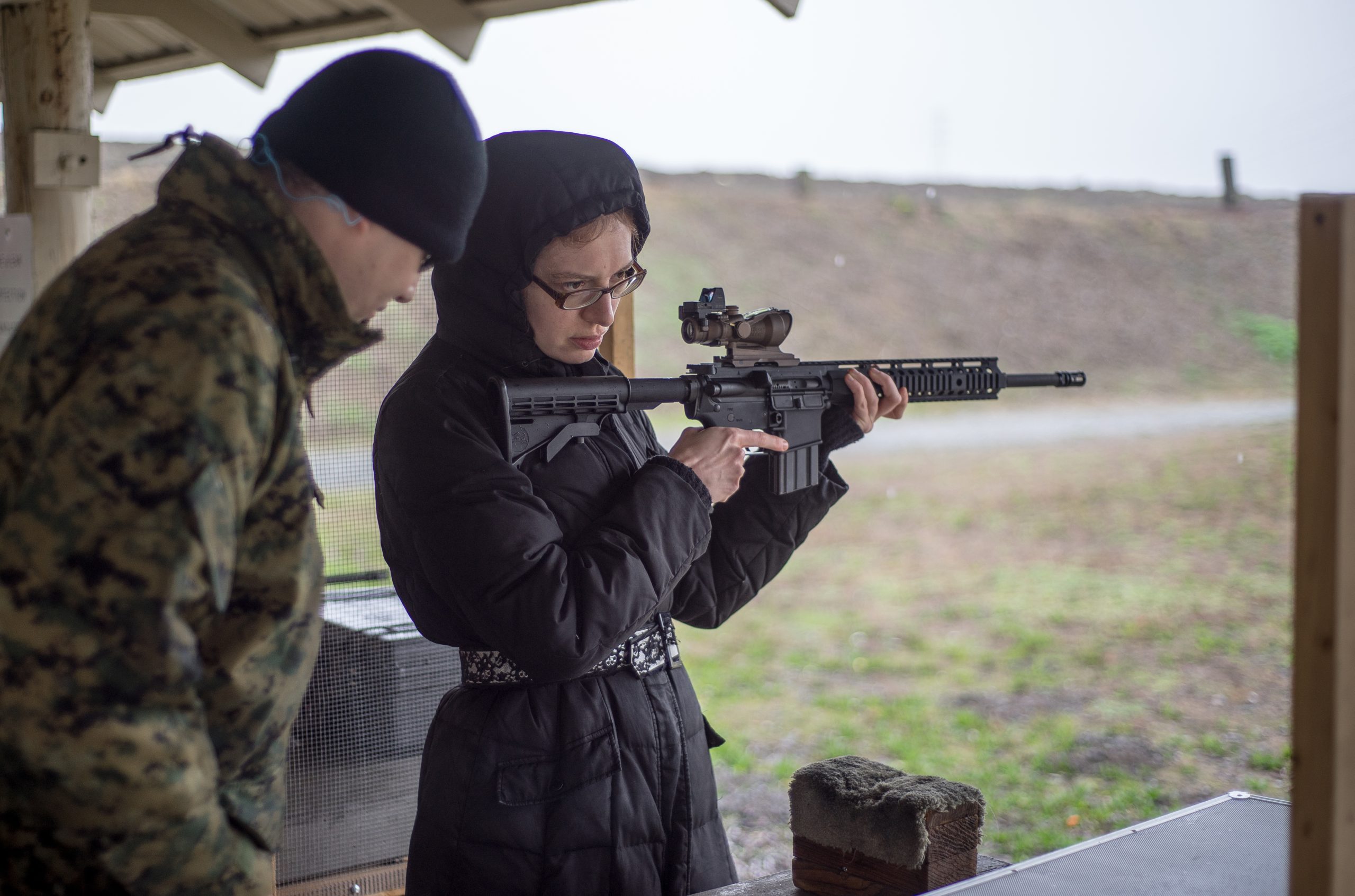
A club offering unusual facilities can attract applicants from far beyond its immediate community. Dedicated rifle ranges, shotgun fields, training areas, competition facilities, or multiple shooting distances can make membership particularly desirable. For example, a club with 4 distinct range areas may receive applications from several neighboring counties instead of only nearby residents. Specialized facilities can also mean higher maintenance costs and stricter capacity limits. Before joining a waitlist, applicants should determine exactly which facilities membership includes, whether access requires separate reservations, and whether some activities have additional fees. A long queue may reflect genuine facility value.
5. Clubs Hosting Popular Competitive Events

Competition can dramatically increase demand for a club that regularly hosts organized shooting events. A facility holding 30 or more matches annually may attract competitors who want convenient practice access between events. If membership is capped at 400 while 40 spaces become available each year, even a modest influx of competitive shooters can create a substantial backlog. Some clubs may also give preference to established members for match registration or practice periods. Prospective applicants should check the competition calendar, membership categories, range rules, and whether event participation is open to nonmembers. The club’s reputation among competitors can be a major source of hidden demand.
6. Clubs With Generational or Family Memberships

Family-oriented clubs can have unusually low turnover because memberships remain valuable across generations. A club with 350 members might see fewer than 10 openings in a year if families routinely renew and younger relatives eventually become members. Some organizations may also have rules concerning family privileges, sponsorship, or membership transfers. That can make the queue difficult to interpret from the outside. An applicant listed as number 60 may not necessarily be 60 places away from joining if the club handles categories differently. Ask how many new members were admitted during the previous 3 years and whether family applicants follow the same queue as individual applicants.
7. Clubs With Strong Local Reputation

Sometimes the longest waitlist belongs to a club that simply has an excellent reputation. Reliable range management, clean facilities, active programs, convenient hours, and a history of responsible operations can keep existing members satisfied for decades. A club with 700 members and only 2 percent annual turnover would generate roughly 14 openings in a normal year. If 140 applicants are waiting, that creates an obvious bottleneck. Reputation can therefore become self-reinforcing, with new applicants joining faster than old members leave. Before paying any application fee, confirm the current waitlist size, recent admission rate, expected waiting period, and refund policy.