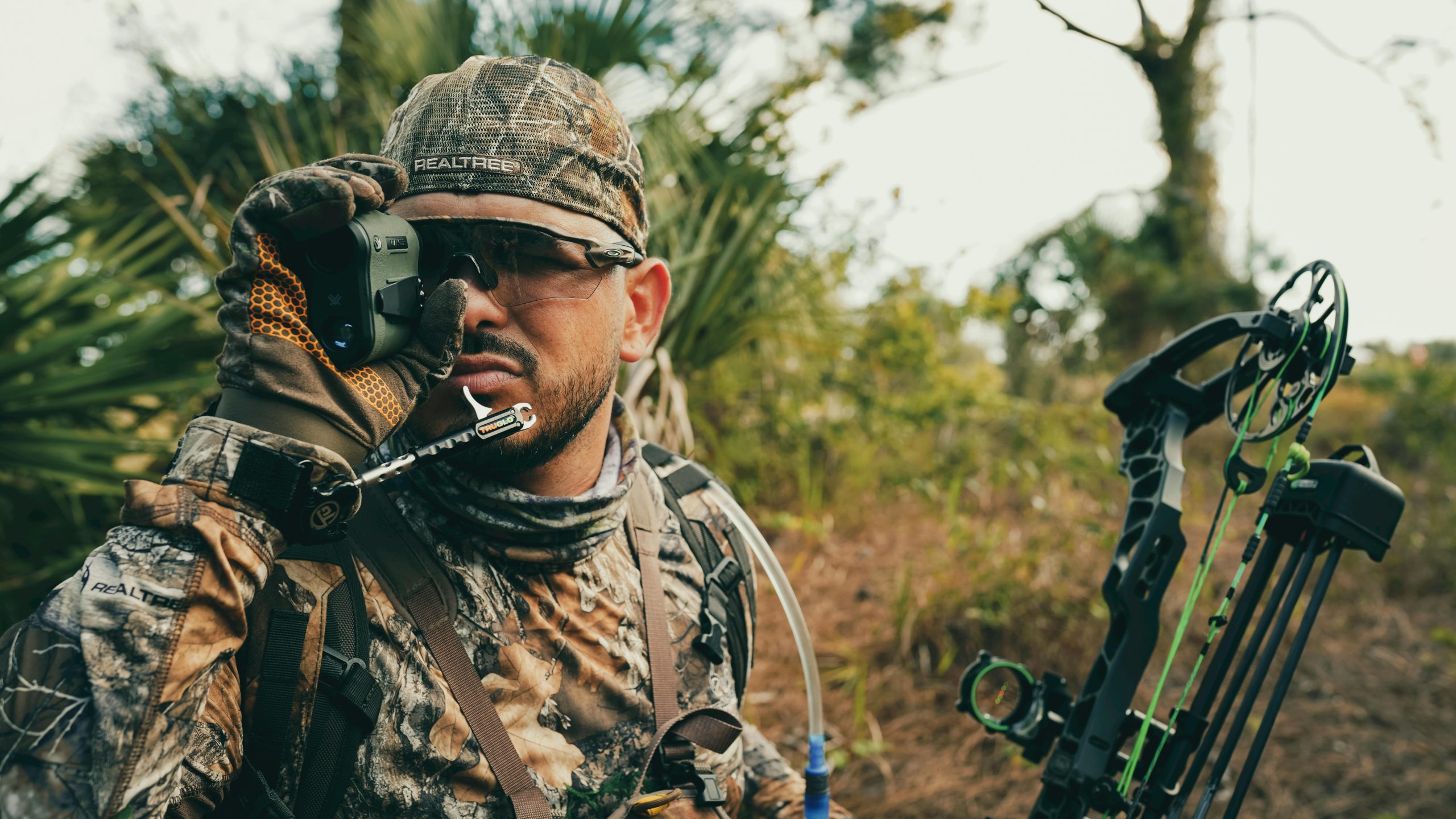
Rangefinder reviews have a specific problem that most buyers never fully account for when making purchasing decisions. The controlled conditions under which reviewers typically test optical equipment, clear daylight, stationary targets with high reflectivity, moderate temperatures, and unhurried operation, are almost categorically different from the conditions under which hunters actually need rangefinders to perform. The moment that matters is a bedded buck in dense timber at last light, a steep downhill shot through broken canopy at 40 degrees of angle, or a bull elk partially obscured by brush at 400 yards in the flat gray light that precedes a mountain storm. The eleven rangefinders examined here have each generated positive attention through review scores, specification comparisons, and marketing claims that their field performance in demanding real-world hunting conditions does not consistently support.
1. Bushnell Trophy Xtreme ARC
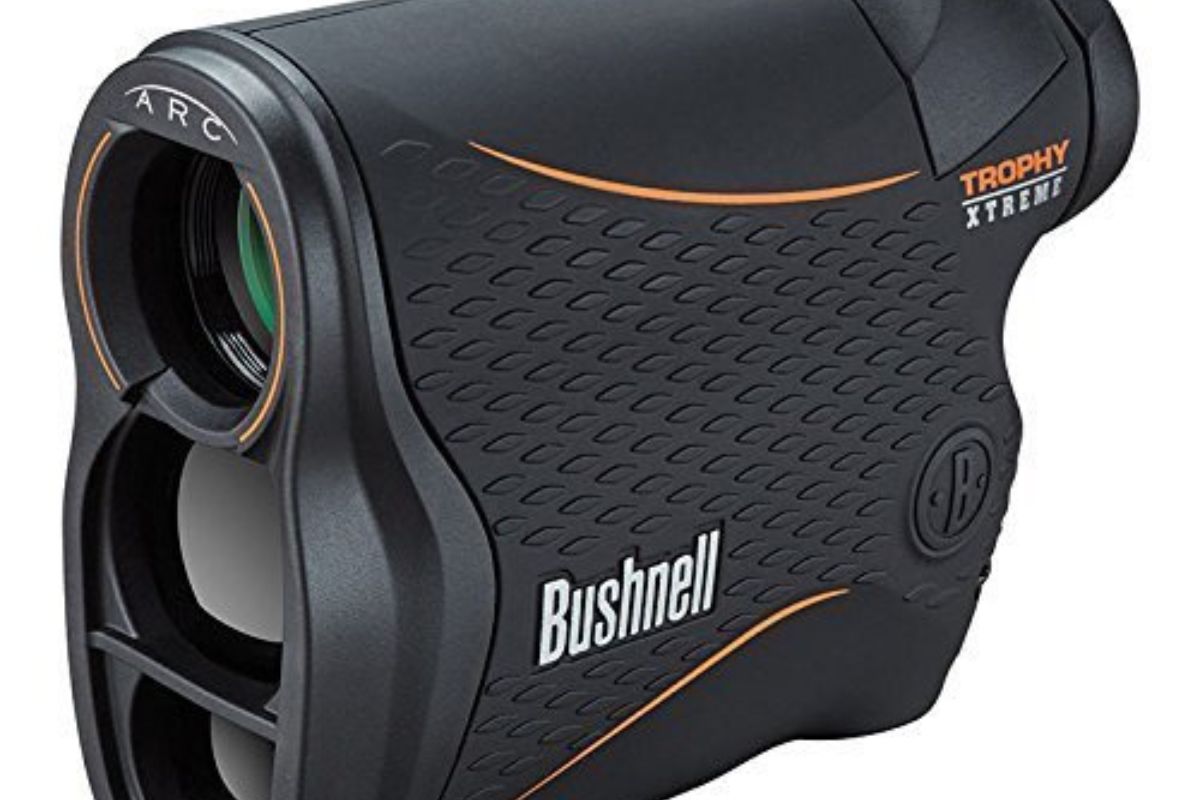
The Bushnell Trophy Xtreme ARC gained popularity among hunters looking for an affordable laser rangefinder with angle compensation technology, usually selling between $180 and $260, depending on the model. It offers a range capability up to 850 yards and weighs roughly 230 grams, making it easy to carry during long hunts. While many casual hunters appreciate the clear display and simple controls, experienced users often criticize inconsistent readings in fog, rain, or dense brush conditions. Several hunters also mention slower target acquisition compared to newer competitors in the same price range. The housing feels durable at first, but long-term users report that button responsiveness and display brightness can decline after heavy field use. Many outdoorsmen believe newer mid-range optics now provide faster performance and better reliability for nearly the same investment.
2. Simmons Volt 600 Laser Rangefinder
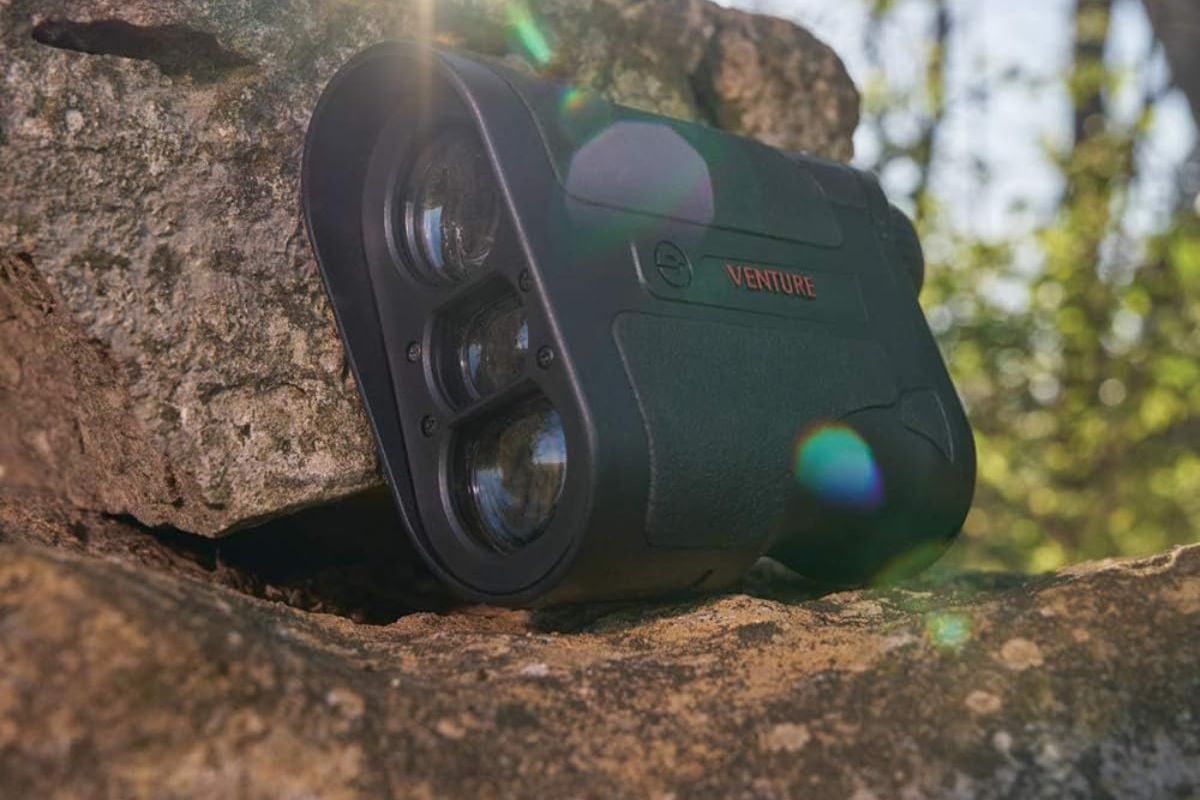
The Simmons Volt 600 Laser Rangefinder attracts many first-time hunters because of its affordable pricing, usually falling between $110 and $160 in most outdoor stores. It offers a maximum range of 600 yards and weighs roughly 7 ounces, making it easy to carry during long walks through wooded terrain. While the compact design and simple controls appeal to beginners, experienced hunters often criticize the inconsistent ranging accuracy beyond 350 yards. Users also mention that readings can become unreliable in fog, low light, or heavy brush. Although it performs adequately for casual weekend hunts, many outdoorsmen feel the optical clarity and response speed fall short compared to similarly priced competitors.
3. Halo XL450 Laser Rangefinder
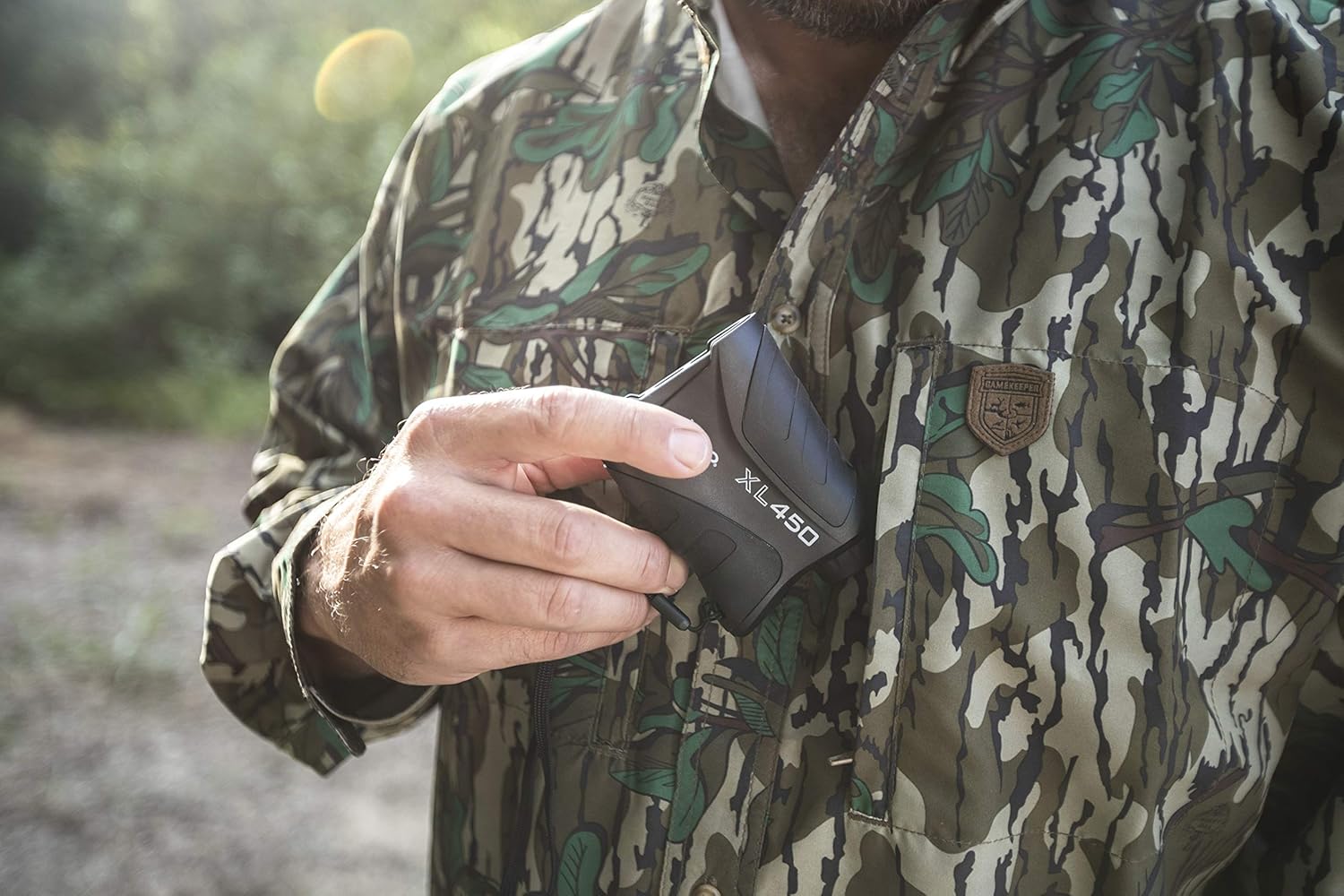
The Halo XL450 Laser Rangefinder attracts many budget-minded hunters because it usually sells for under $120 while promising distance readings up to 450 yards. On paper, that sounds like excellent value for casual hunting and target shooting. However, experienced users often report inconsistent performance once the range moves beyond 250 to 300 yards, especially in low light or foggy conditions. The device weighs around 5 ounces and offers simple one-button operation, but several hunters complain that the display can appear dim during early morning hunts. Others mention slow target acquisition compared to premium models from more established optics brands. While the compact size makes it easy to carry in a pocket or bino harness, many outdoorsmen feel the limited accuracy and average build quality prevent it from being a dependable long-term investment.
4. TecTecTec VPRO500 Hunting Rangefinder

The TecTecTec VPRO500 became popular among budget-conscious hunters because it delivers basic ranging performance without the massive price tag attached to premium optics brands. Usually priced between $130 and $170, the device offers a maximum advertised range of 540 yards, 6x magnification, and accuracy within roughly 1 yard under normal conditions. Many hunters appreciate its lightweight 185-gram design during long walks, but experienced users often point out limitations in low light and dense woodland environments. Several owners report slower target acquisition beyond 350 yards, especially in fog, rain, or heavy brush. Battery life remains decent at nearly 2,000 readings per CR2 battery, yet the plastic exterior feels less rugged than higher-tier competitors designed for harsh mountain hunting conditions.
5. Wildgame Innovations Halo Laser Rangefinder
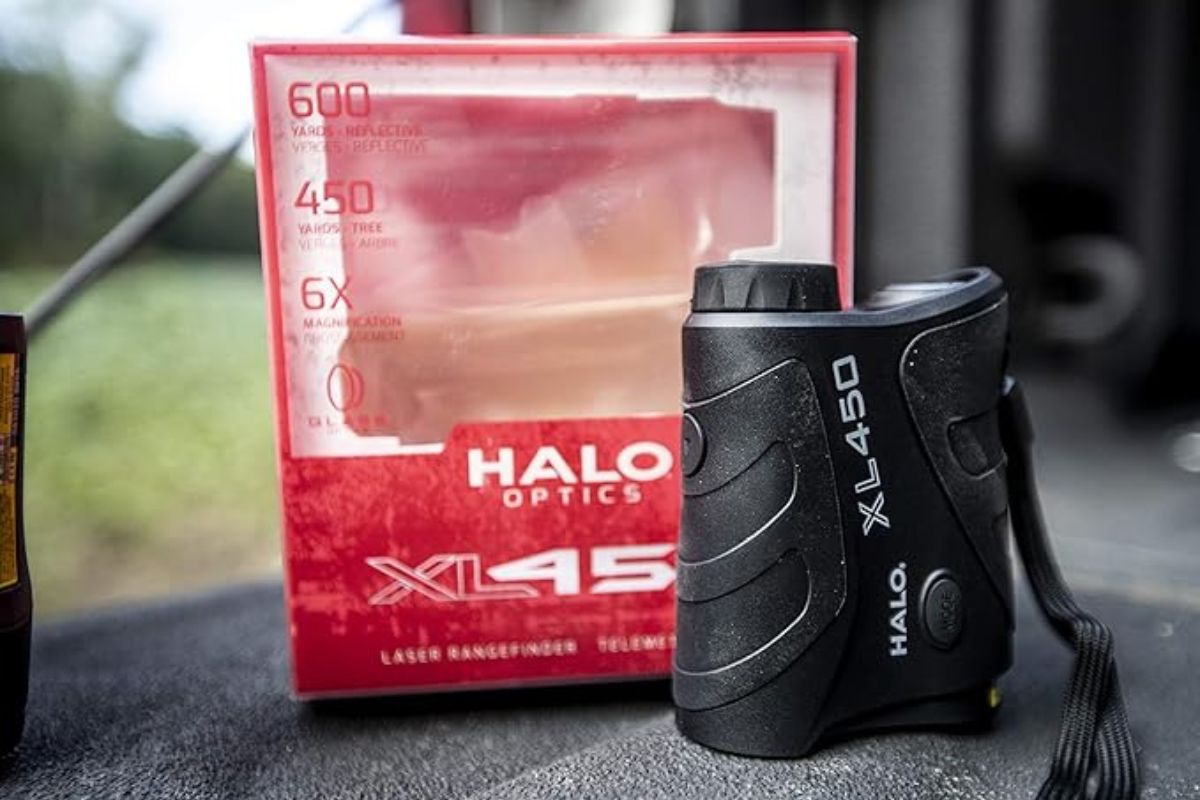
The Wildgame Innovations Halo Laser Rangefinder gained attention for offering long-distance ranging features at a price usually between $140 and $220, noticeably cheaper than premium optics brands. Most models advertise range capability up to 600 or even 1,000 yards, along with angle compensation and scan modes designed for hunting situations. While casual hunters appreciate the affordable entry point, experienced users often report inconsistent readings beyond 350 yards, especially during fog, rain, or low-light conditions. Some hunters also mention slower target acquisition compared to higher-end competitors. Battery life is considered average, typically lasting one season with moderate use. Although the lightweight body feels comfortable during long hunts, many outdoorsmen believe the optical clarity and ranging speed do not fully match the marketing promises attached to the Halo name.
6. Laser Works LR600 Pro

The Laser Works LR600 Pro has gained attention among hunters and long-range shooters for combining a laser rangefinder, ballistic calculator, and infrared capabilities into one compact device. Prices generally range from $520 to $700, depending on included accessories and regional availability. While the unit offers ranging performance beyond 600 meters and weighs roughly 430 grams, many experienced users question whether the real-world performance justifies the premium cost. Common complaints include inconsistent readings in foggy weather, average battery life during extended field sessions, and a menu system that feels overly complicated under pressure. Several hunters also mention that the display clarity drops noticeably during low-light conditions, especially compared with newer premium optics in the same price bracket.
7. Sig Sauer Kilo1400BDX
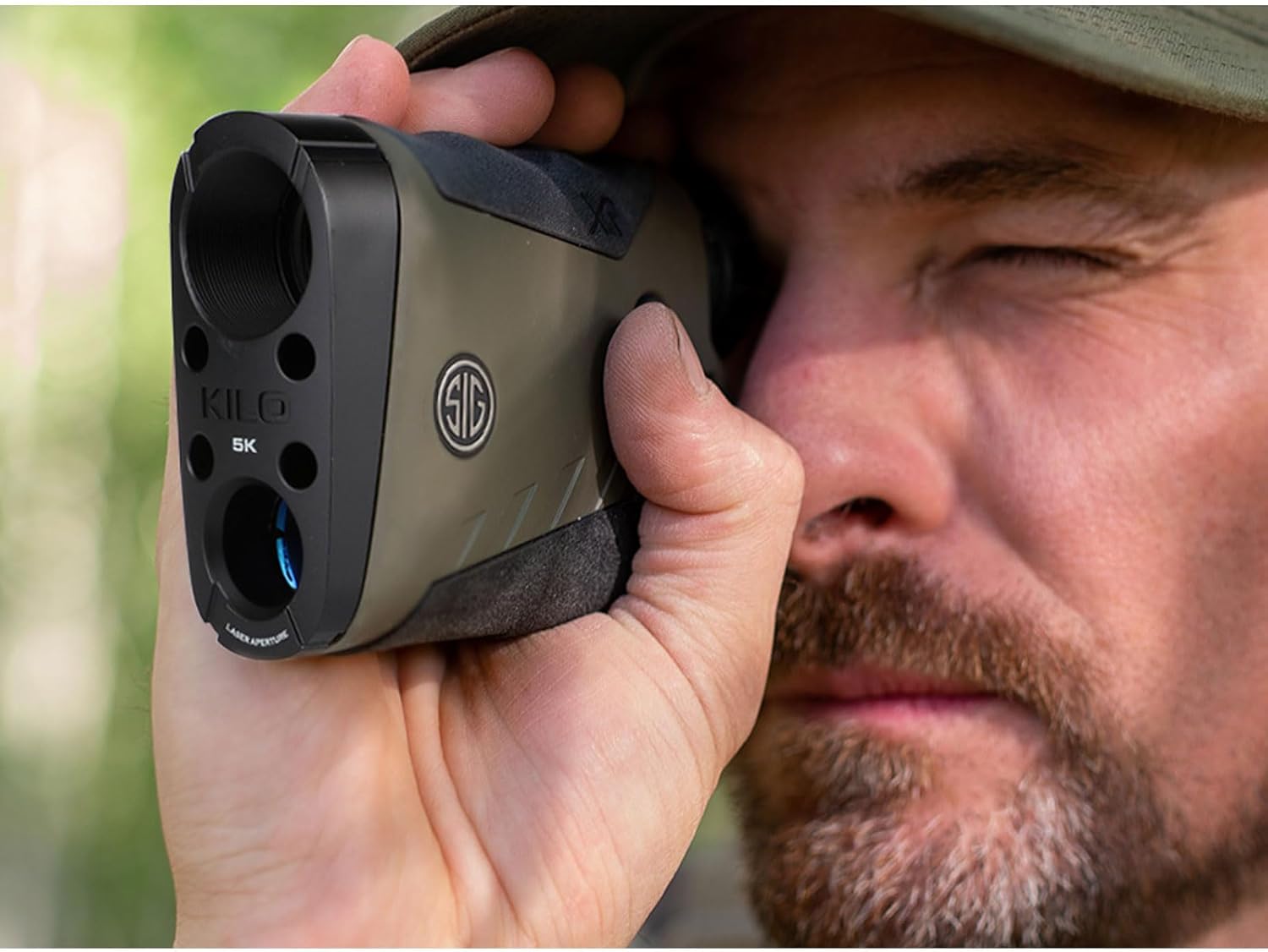
The Sig Sauer Kilo1400BDX gained attention for combining a laser rangefinder with Bluetooth ballistic technology, usually selling between $220 and $320 depending on the package. It can range reflective targets up to 1,400 yards and weighs only about 5.5 ounces, making it attractive for hunters who prefer lightweight gear. Still, many experienced users feel the real-world performance does not fully match the marketing claims. Hunters often report inconsistent readings beyond 700 yards in fog, rain, or low light conditions. Others mention that the ballistic pairing system can feel overly complicated during fast-moving hunts. While the optics are reasonably clear, several competitors now offer faster target acquisition and more dependable ranging at similar or even lower prices.
8. Leupold RX-1300i TBR/W
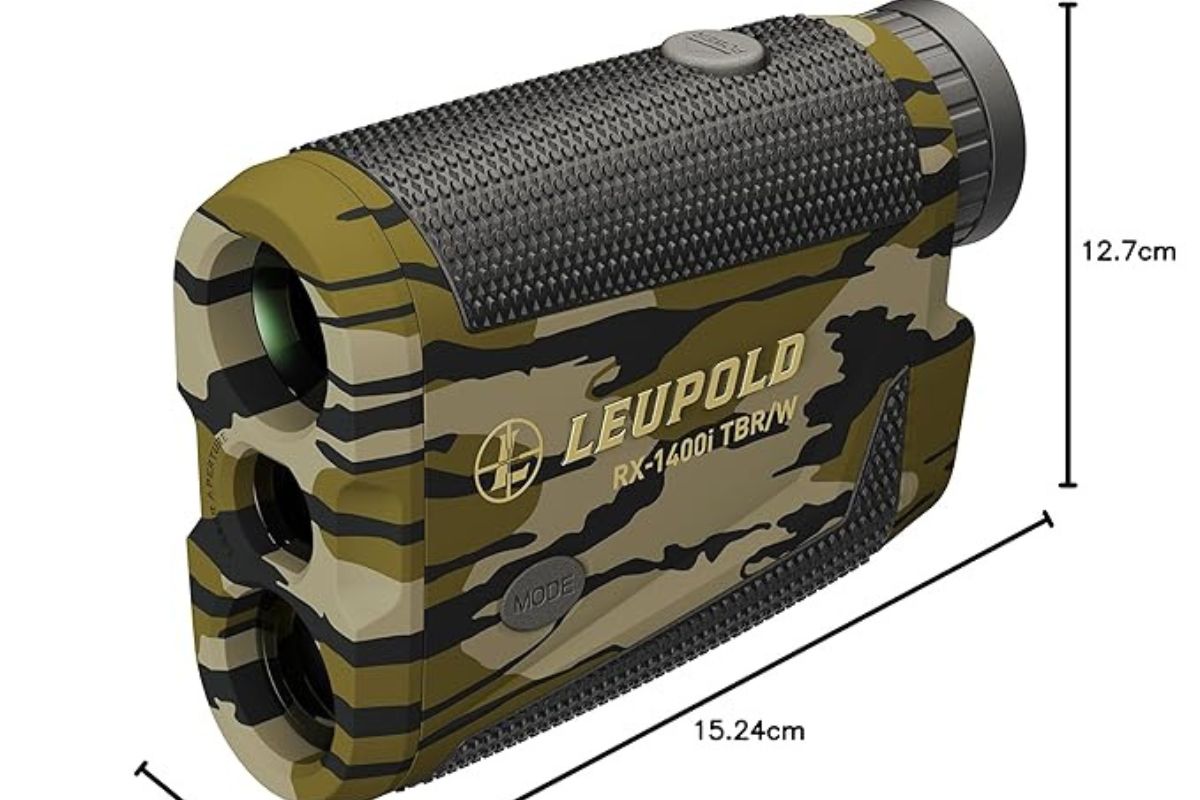
The Leupold RX 1300i TBR/W is marketed as a premium rangefinder built for hunters who want fast distance readings and advanced ballistic support in rough terrain. Priced between $230 and $320 in most markets, the device offers a maximum reflective range of nearly 1,300 yards and weighs only about 7.8 ounces, making it easy to carry during long hunts. Many users appreciate the bright display and quick target acquisition, especially in open country. However, experienced hunters often mention that real-world performance falls well below advertised numbers in fog, rain, or low-light timber conditions. Some also feel the ballistic settings are overly complicated for casual hunters, while battery life tends to drop quickly during colder-weather hunts.
9. Vortex Ranger 1300
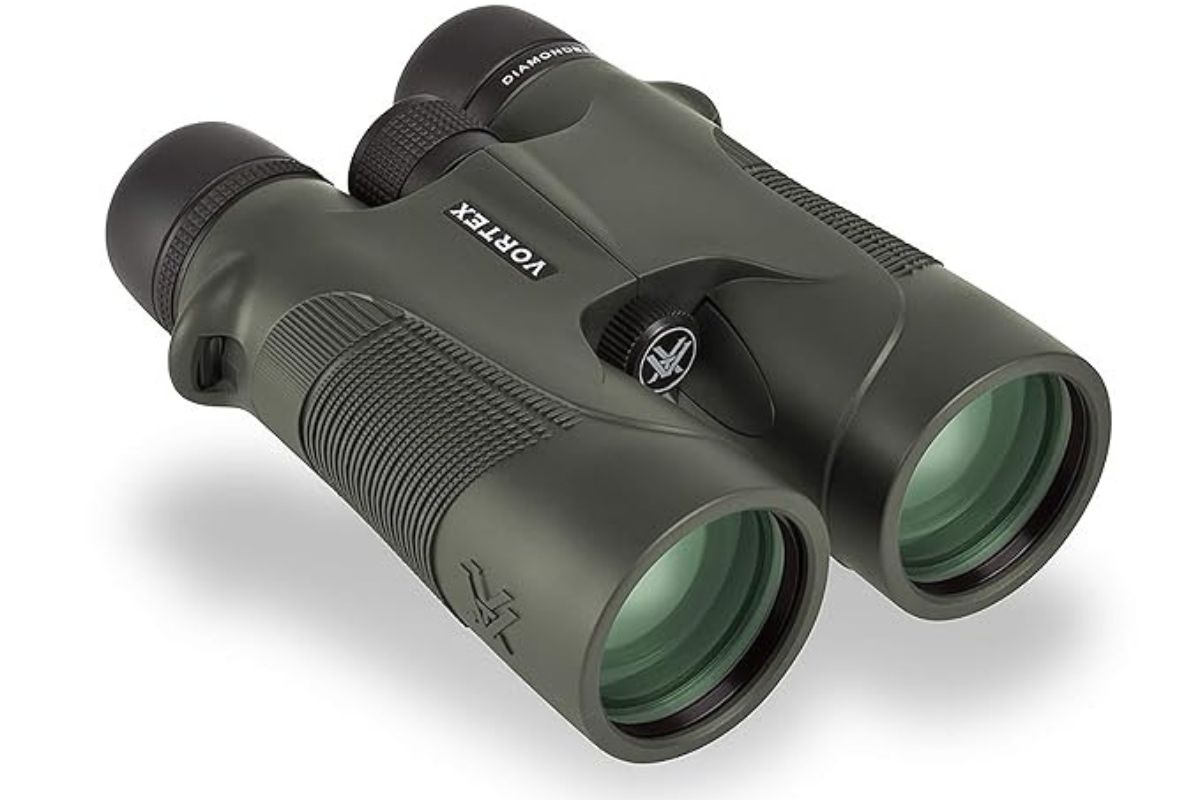
The Vortex Ranger 1300 became popular among hunters looking for an affordable long-range optic without spending premium European-level money. Usually priced between $280 and $380, the device offers a maximum advertised range of 1,300 yards and weighs roughly 7.7 ounces, making it easy to carry during full-day hunts. Many users appreciate the clear display and simple controls, especially during early morning use. However, experienced hunters often mention inconsistent readings beyond 700 yards, particularly in foggy or low-light conditions. Several users also report slower target acquisition compared to newer competitors in the same price category. While the Ranger 1300 performs adequately for average deer hunting distances, many outdoorsmen feel its real-world performance falls short of the impressive numbers highlighted in marketing materials.
10. Nikon Prostaff 1000
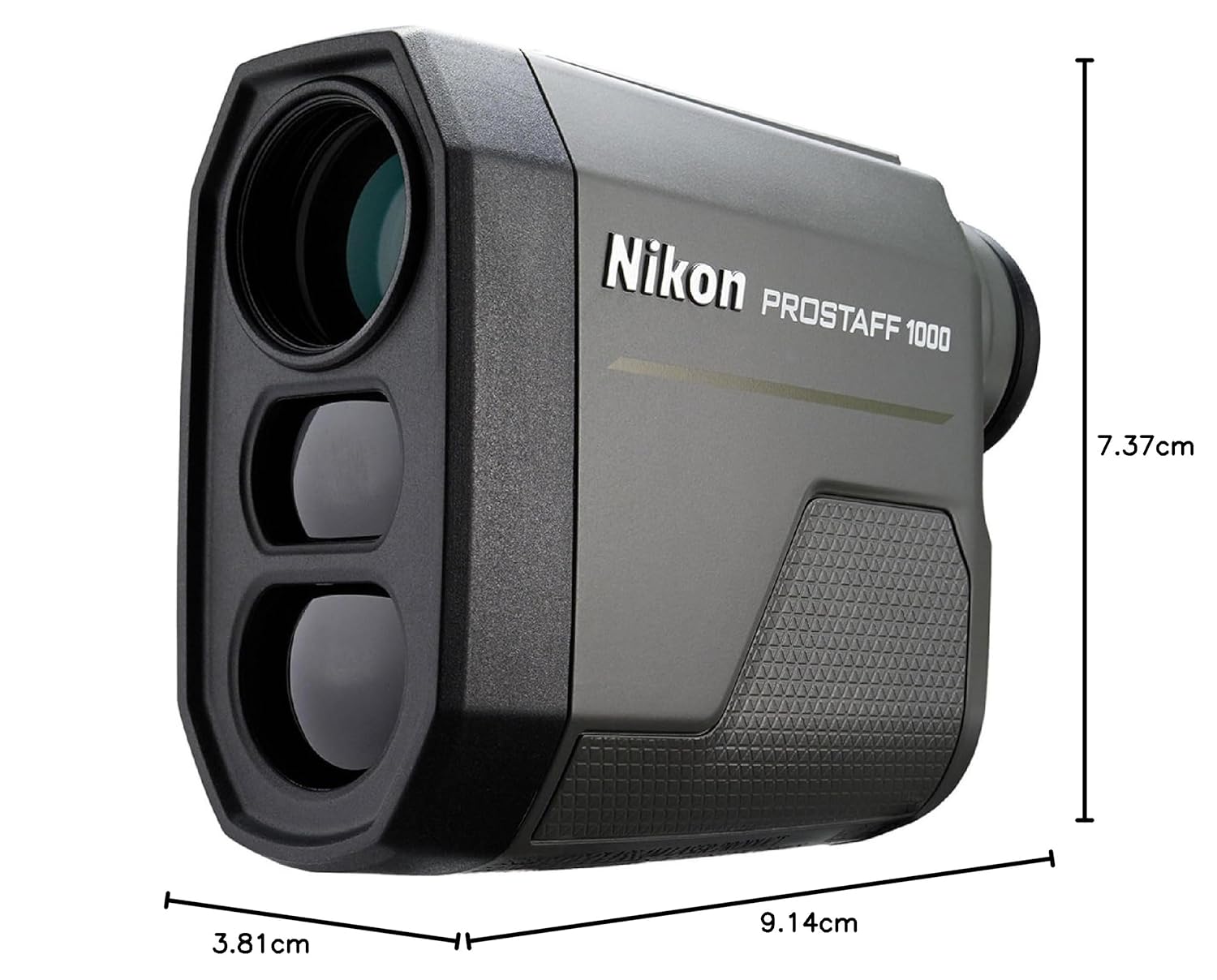
The Nikon Prostaff 1000 is often marketed as an affordable entry-level rangefinder for hunters who want dependable distance readings without spending premium-level money. Most models provide ranging capability up to 1,000 yards, 6x magnification, and a lightweight body weighing roughly 130 grams. While many casual hunters appreciate its compact size and simple controls, experienced users frequently mention inconsistent readings beyond 400 yards, especially in fog, rain, or low light conditions. Several hunters also report slower target acquisition compared to newer competitors in the same price category. Although its battery efficiency and portability remain strong selling points, many outdoorsmen feel the optical clarity and ranging speed no longer justify the rising retail price in today’s highly competitive optics market.
11. Wildgame Innovations Halo XRT400
The Wildgame Innovations Halo XRT400 attracts many budget-minded hunters because of its aggressive styling and relatively affordable pricing, usually ranging between $90 and $140. The pack offers roughly 2,400 cubic inches of storage and weighs close to 4 pounds, making it suitable for shorter hunts or weekend trips. However, experienced hunters often criticize the overall build quality once the pack faces rough terrain and repeated heavy use. Common complaints include weak zipper durability, noisy fabric during dry weather movement, and shoulder straps that become uncomfortable after several hours carrying loads above 35 pounds. Many users also mention that the internal organization feels limited compared to similarly priced competitors. While the Halo XRT400 works reasonably well for casual hunters or beginners, seasoned outdoorsmen often feel the materials and long-term comfort do not fully justify its growing retail price in today’s hunting gear market.