
It sounds like the kind of headline that belongs somewhere far away. Now it is a West Coast story.
What was found and why experts are paying attention
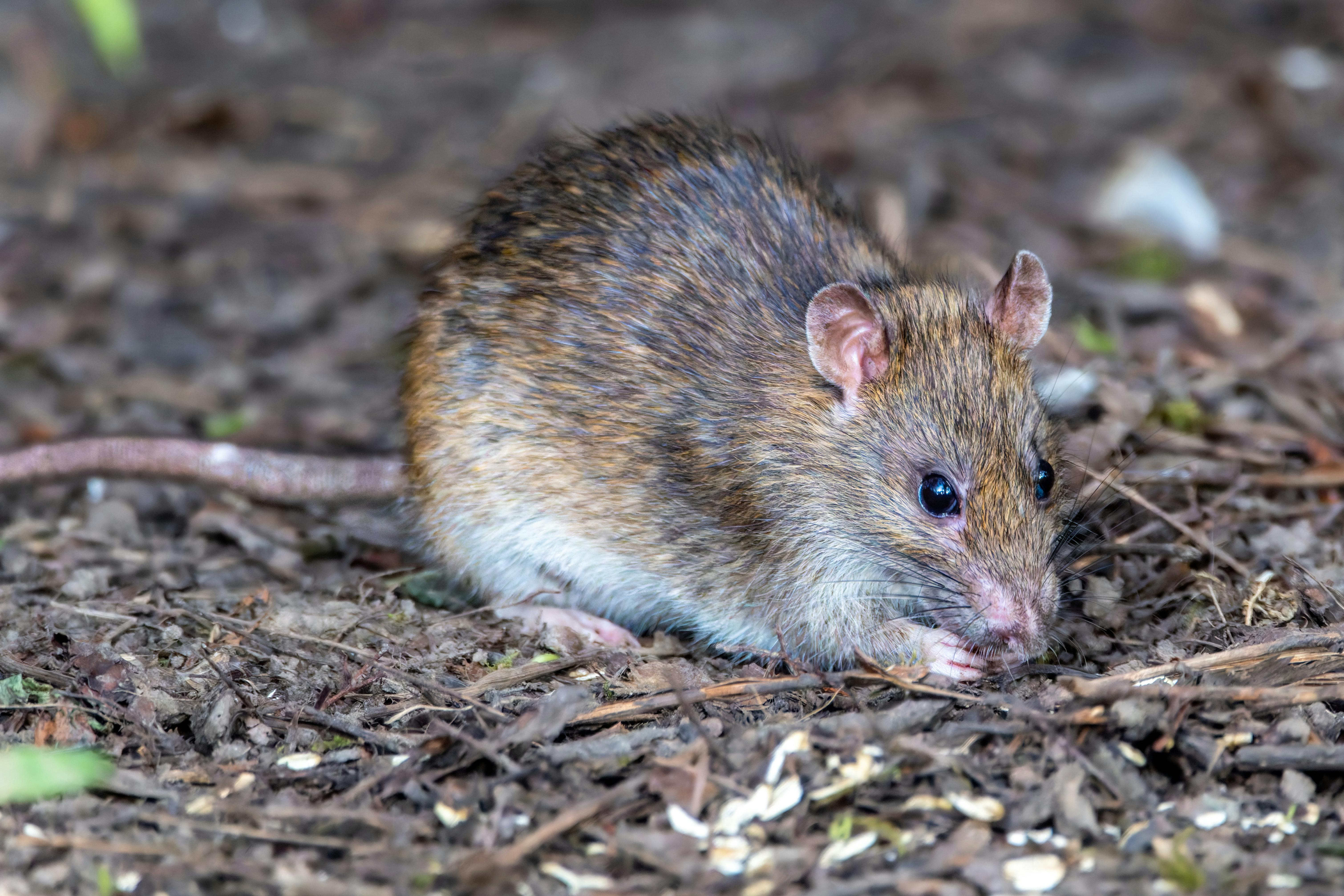
Health and wildlife officials have confirmed the first known West Coast detection of rat lungworm, a parasite formally called Angiostrongylus cantonensis. The organism is best known for infecting rats, with snails and slugs acting as intermediate hosts. People and other animals can become accidental hosts if they ingest the parasite, usually through contaminated produce or by eating infected snails, slugs, or other animals that carry larval stages.
Experts are paying attention because this parasite is not just a veterinary curiosity. In humans, it can cause a rare but potentially severe illness called eosinophilic meningitis, an inflammation around the brain and spinal cord. Symptoms can include severe headache, neck stiffness, nausea, tingling, fever, and, in some cases, neurological complications that become life threatening.
The West Coast finding matters because geography shapes risk. Until now, rat lungworm in the continental United States has been most associated with Hawaii and parts of the Southeast, particularly Florida, Louisiana, and Texas. A confirmed detection farther west suggests the parasite’s range may be expanding, or that it has gone unnoticed longer than scientists realized.
Public health specialists often describe this kind of discovery as an early warning signal rather than a reason for panic. A detection does not automatically mean large numbers of people are in danger. It does mean disease trackers, veterinarians, physicians, and environmental scientists will be looking much more closely at where the parasite is turning up and how it may be moving.
How rat lungworm spreads through animals and the environment

The parasite has a complicated life cycle, but the broad outline is surprisingly straightforward. Rats carry the adult worms and shed larvae in their feces. Snails and slugs then pick up those larvae from the environment, where the parasite continues developing until it can infect the next host.
Rats become infected again when they eat those snails or slugs. Other animals, including frogs, freshwater prawns, crabs, and some lizards, can also transport the parasite after ingesting infected mollusks. These species are sometimes called paratenic or transport hosts because they help move the parasite along even if the full life cycle does not continue inside them the same way it does in rats.
Humans are accidental hosts, which means the parasite does not complete its normal life cycle in the human body. Even so, it can still do serious damage. People usually become infected by eating raw or undercooked snails, slugs, or contaminated produce that contains tiny larvae or hidden fragments of infected mollusks.
This environmental pathway is one reason public health officials emphasize simple prevention steps. Washing leafy greens thoroughly, inspecting homegrown produce, controlling rats around homes and farms, and avoiding raw snails or slugs can all reduce risk. The challenge is that the parasite can circulate quietly in urban gardens, agricultural settings, and wild habitats before anyone realizes it is there.
Why the first West Coast detection is a significant shift
A first detection in a new region is never just a dot on a map. It raises immediate questions about whether the parasite recently arrived, whether climate and habitat conditions are now helping it survive, or whether surveillance simply caught up to a problem that had been overlooked.
Warmer temperatures and changing rainfall patterns can favor the survival of both rats and gastropods such as snails and slugs. That does not mean climate is the only factor, but many researchers see environmental change as part of the larger picture. Urbanization, shipping, food transport, and movement of nursery plants can also help invasive species and their parasites travel surprisingly long distances.
The West Coast has major ports, dense urban corridors, extensive agriculture, and mild coastal climates in many areas. Those conditions can create opportunities for rats and mollusks to thrive side by side. If infected rats or snails were introduced through cargo movement or plant trade, the parasite could establish itself quietly before being detected in wildlife surveys or diagnostic testing.
For disease ecologists, the real significance lies in what comes next. One isolated finding is important, but patterns matter more. Officials will want to know whether local rat populations are infected, whether nearby slugs and snails are carrying larvae, and whether domestic animals or wildlife have shown unexplained neurological illness that might now fit a clearer pattern.
What this means for people, pets, and food safety

For most people, the immediate personal risk remains low, especially if they follow basic food safety steps. Rat lungworm infection is still considered uncommon in the mainland United States. But uncommon does not mean impossible, and doctors in newly affected regions may need to think about it more quickly when patients present with severe meningitis-like symptoms after relevant exposures.
Pets can also be affected, particularly dogs, which may eat snails, slugs, frogs, or other small animals outdoors. Veterinary case reports from places where the parasite is established show that infected dogs can develop pain, weakness, incoordination, vomiting, and neurological problems. Early recognition matters because supportive treatment can improve outcomes, even though diagnosis is not always easy.
Food safety is where the public can take the most direct action. Thoroughly wash lettuce, herbs, and other produce, especially if grown in backyard gardens where slugs and snails are common. Check produce visually as well, because tiny juvenile slugs can hide in leaves. Avoid eating raw mollusks, and keep children from handling or accidentally swallowing slugs or snails.
Restaurants, growers, and produce distributors may also revisit sanitation practices if surveillance expands. The good news is that prevention measures are not exotic or complicated. They are largely the same steps already recommended for reducing many other foodborne and environmental risks, which makes public messaging easier and more practical.
How doctors and scientists identify infections and track outbreaks
One reason rat lungworm can be tricky is that its symptoms can overlap with other illnesses. A patient with headache, fever, nausea, and neck stiffness may initially be evaluated for more familiar causes of meningitis. Travel history, food exposures, gardening habits, and contact with snails or slugs can become crucial clues, especially in places where clinicians have not historically expected this parasite.
Laboratory diagnosis can also be challenging. Doctors may look for elevated eosinophils, a type of white blood cell often associated with parasitic infection, particularly in spinal fluid. Specialized testing may be needed to confirm the diagnosis, and treatment decisions often have to be made before every answer is available. Supportive care is central, and some cases involve steroids to reduce inflammation.
Scientists tracking the parasite rely on a mix of field sampling, necropsy findings, molecular testing, and geographic modeling. They examine rats, snails, slugs, and sometimes other wildlife to see where the parasite is circulating. This kind of surveillance can reveal hidden transmission networks long before clusters of human illness appear.
Public health agencies also depend on case reporting and clinician awareness. If a rare infection is not considered, it may not be tested for. The first West Coast detection may therefore lead to more testing, which can create the impression of a sudden surge even when part of the change is simply better recognition.
What previous outbreaks have taught public health officials behaviors
Hawaii has provided some of the clearest lessons about how rat lungworm can move from a niche concern to a broader public health issue. Over the years, officials there have repeatedly urged residents to wash produce carefully, control rats, and avoid consuming raw snails and slugs. Case investigations showed that even ordinary backyard exposures could sometimes play a role.
Elsewhere in the world, including parts of Southeast Asia and the Pacific, the parasite has been recognized for decades. In some regions, infections have been linked to traditional food practices involving raw or lightly cooked snails, freshwater shrimp, or other animals that can harbor larvae. These cases helped scientists understand how many different exposure routes can matter.
One major lesson is that public communication has to be specific without becoming alarmist. Telling people a parasite is deadly may grab attention, but it can also create confusion if the actual route of infection is not explained clearly. The most effective campaigns focus on behavior people can change, such as produce washing, pest control, and avoiding risky foods.
Another lesson is that animals often provide the earliest warning. Wildlife monitoring, veterinary reports, and unusual illness in pets can all offer clues before public health systems see enough human cases to detect a pattern. That is why this West Coast finding matters even if no large human outbreak has been reported.
What happens next on the West Coast
The next phase will likely be surveillance, not sweeping restrictions. Researchers and public agencies will want to determine whether the finding represents a single introduction or an established local cycle involving rats and mollusks. That means more testing in wildlife, more environmental sampling, and closer coordination between health departments, veterinarians, and academic labs.
Residents may also see more practical guidance rather than dramatic emergency orders. Expect reminders about washing produce, managing garden pests, sealing homes against rats, and supervising pets outdoors. Schools, community gardens, and produce growers could become key partners in prevention messaging because they are direct points of contact with the environments where exposure can happen.
For clinicians, the takeaway is awareness. In a patient with neurological symptoms and possible exposure to slugs, snails, contaminated produce, or relevant wildlife, rat lungworm may now move higher on the differential diagnosis in parts of the West Coast. That shift alone can shorten the path to appropriate evaluation and care.
For everyone else, the message is simple: pay attention, not panic. A first detection is serious because it expands the map of a dangerous parasite. But it also gives public health officials a chance to act early, before a quiet ecological change turns into a larger human health problem.