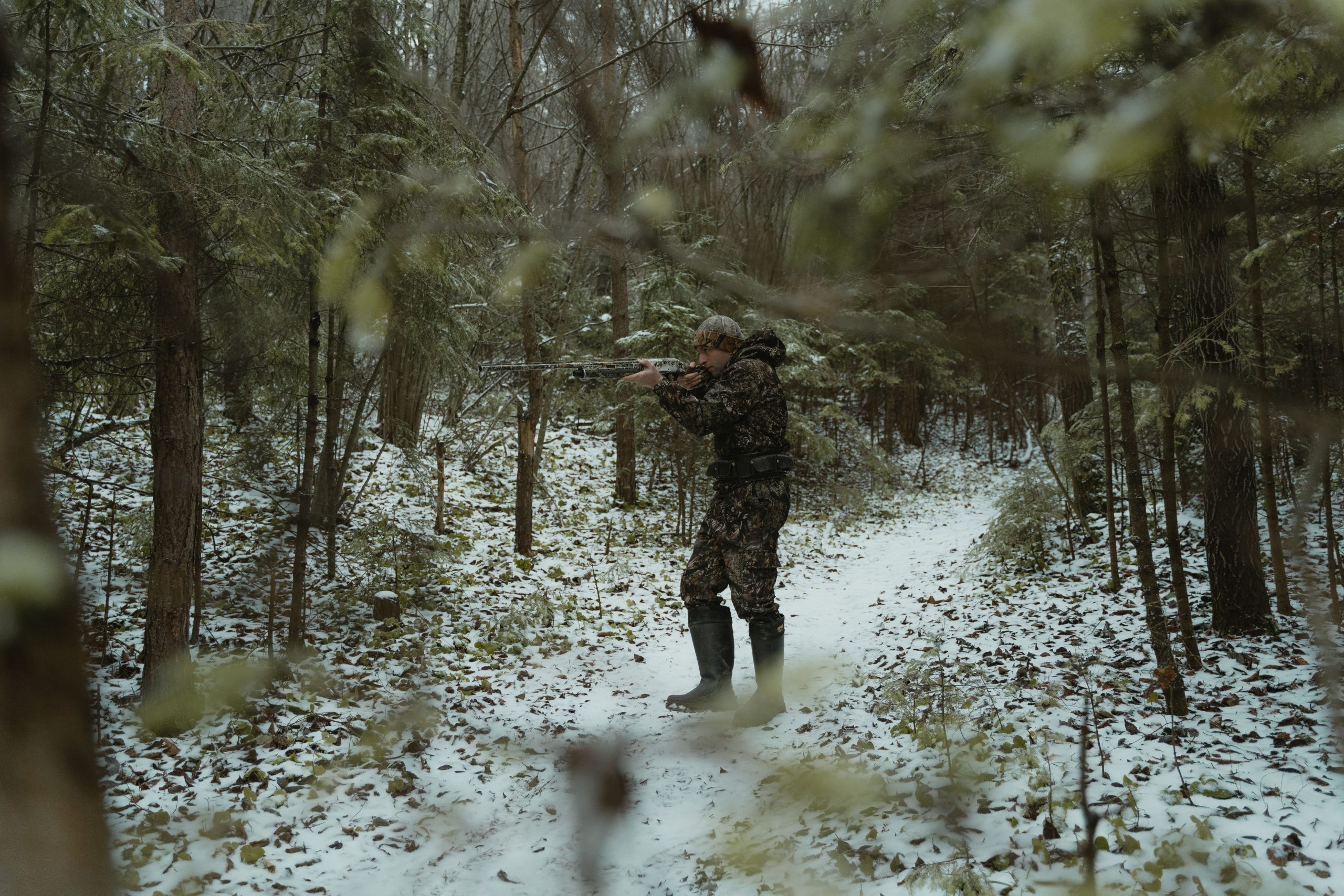
Hunters contribute to conservation in several ways, and the money does far more than support hunting seasons. State license fees, conservation stamps, and federal excise taxes tied to firearms, ammunition, and archery equipment help finance habitat work, research, public access, education, and wildlife management. One important distinction is that not every dollar is a direct hunting license fee. Some comes through the Pittman-Robertson system, where manufacturers pay federal excise taxes on products heavily used by hunters. Together, these funding streams have become a major part of America’s wildlife conservation system.
Wildlife Management Areas
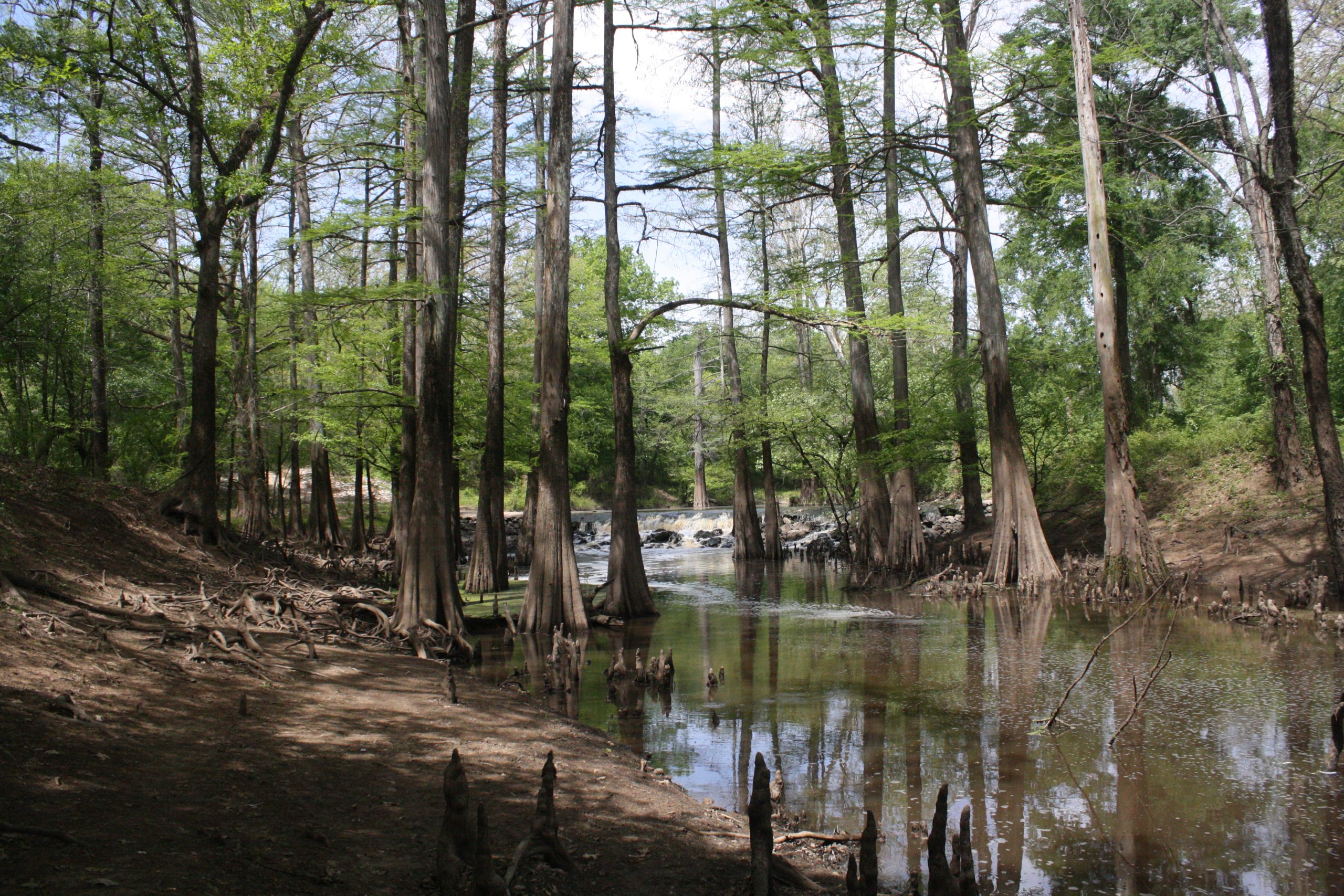
Across the United States, hunter-linked revenue helps keep huge stretches of habitat in public hands. The U.S. Fish and Wildlife Service says Pittman-Robertson funding supports more than 9,000 Wildlife Management Areas and more than 36 million acres of state-managed habitat. The money comes from federal excise taxes on firearms, ammunition, and selected archery equipment, then reaches state wildlife agencies through grants. License fees add another major stream. These lands provide nesting cover, migration habitat, water, and public hunting access.
Public Shooting Ranges
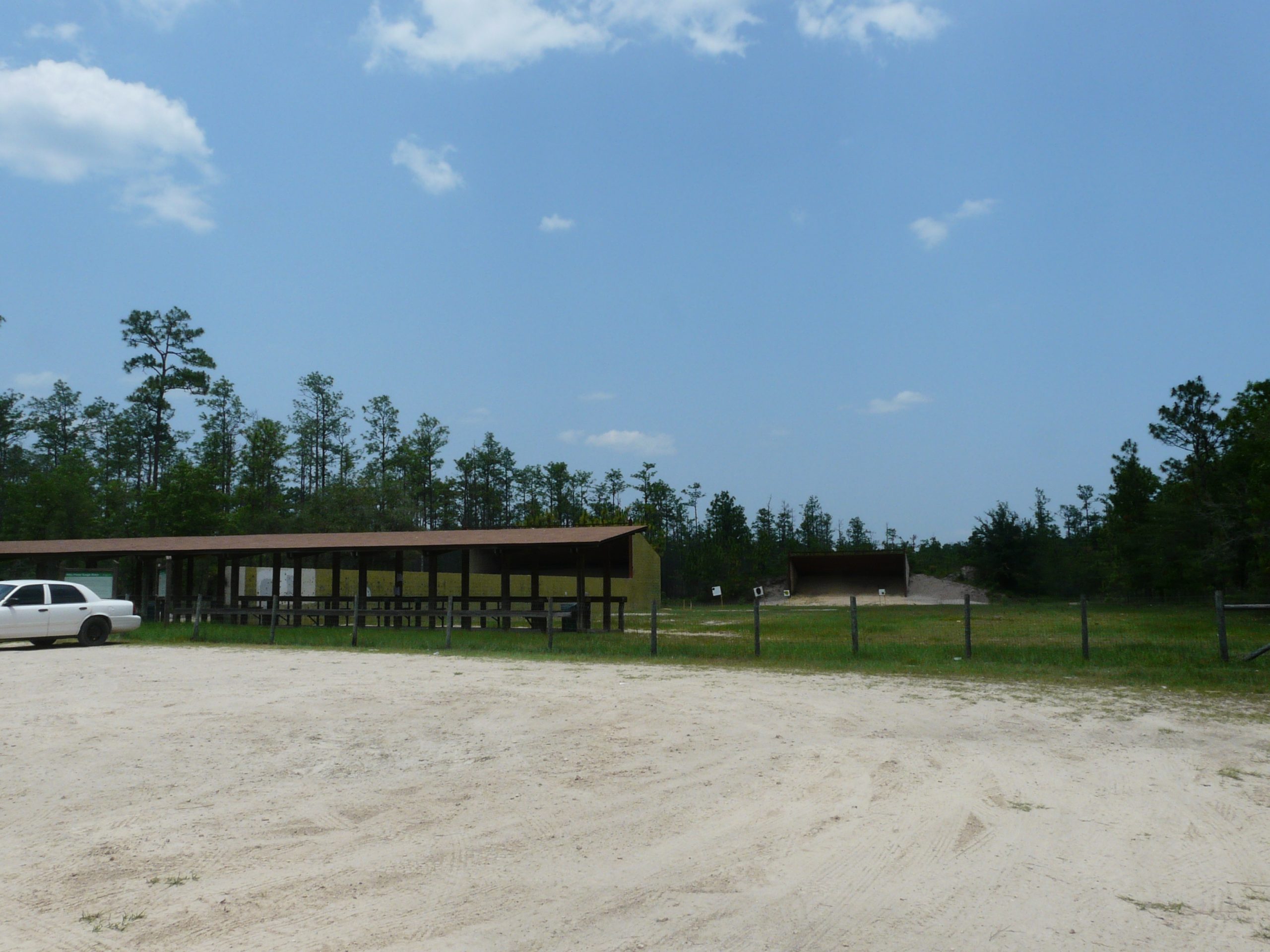
Hunter-generated conservation money does more than manage animals. Pittman-Robertson grants can also pay for public target ranges, linking recreation with the same funding system that supports wildlife work. The U.S. Fish and Wildlife Service reports that more than 800 publicly accessible ranges have been designed, built, or renovated with these funds. Federal excise taxes are 10% on handguns and 11% on long guns, ammunition, and qualifying archery equipment. Range projects improve safety and access while wildlife programs benefit from the same revenue stream.
Hunter Education
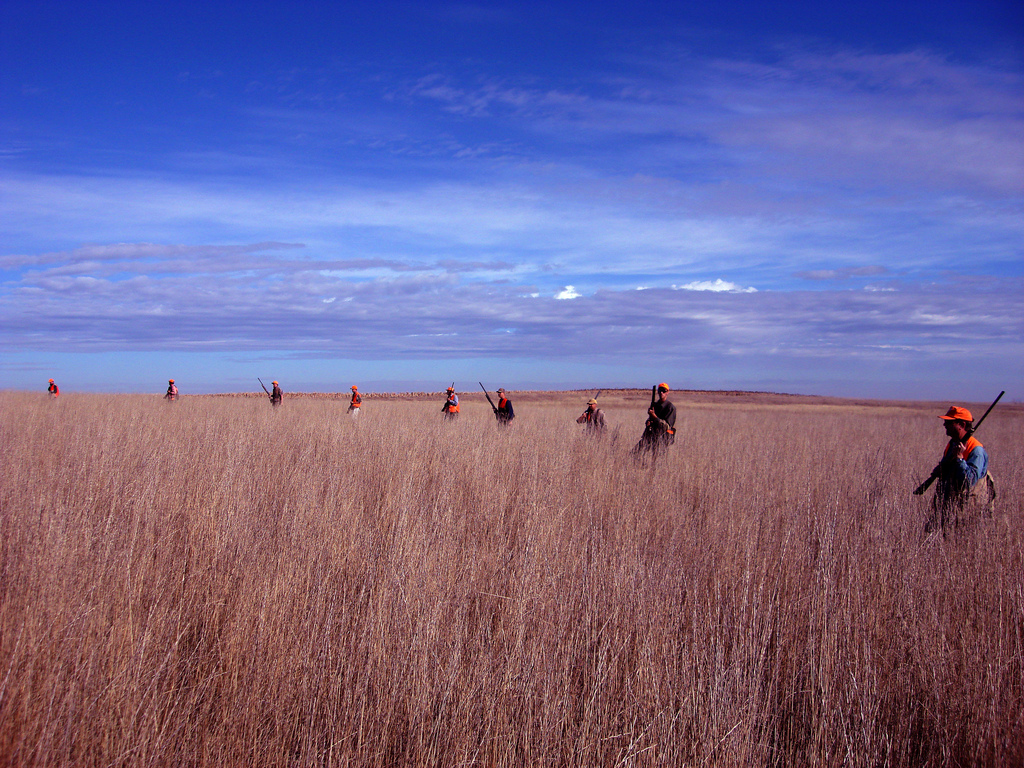
Hunter education is another program sustained by dollars connected to hunting. Pittman-Robertson funds can support courses that teach firearm safety, wildlife ethics, regulations, conservation, and field responsibility. The U.S. Fish and Wildlife Service says these programs have trained millions of participants. That investment matters because safer, better-informed hunters are more likely to understand seasons, bag limits, habitat rules, and reporting requirements. Revenue from hunting equipment taxes is recycled into training that prepares new hunters before they enter the field.
Federal Duck Stamp Wetlands
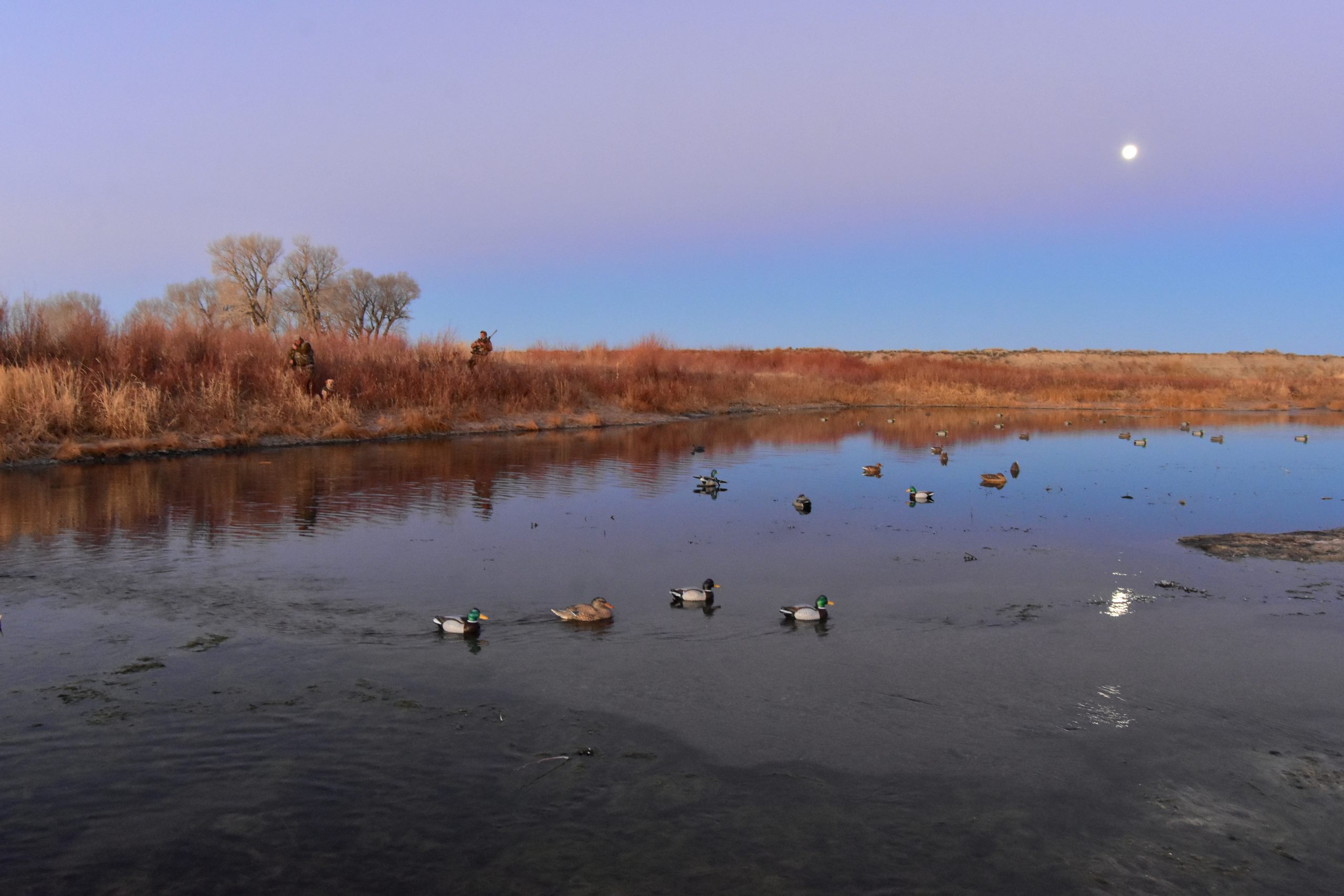
Waterfowl hunters provide one of the clearest examples of a required payment turning directly into habitat. Hunters 16 and older generally must carry a Federal Duck Stamp when hunting migratory waterfowl, and 98 cents of every dollar goes to the Migratory Bird Conservation Fund. Since 1934, Duck Stamp sales have raised more than $1.3 billion and helped conserve more than 6 million acres. Purchases can secure wetlands through acquisition, leases, and conservation easements, protecting habitat used by ducks, shorebirds, mammals, fish, and other wildlife.
Wild Turkey Recovery
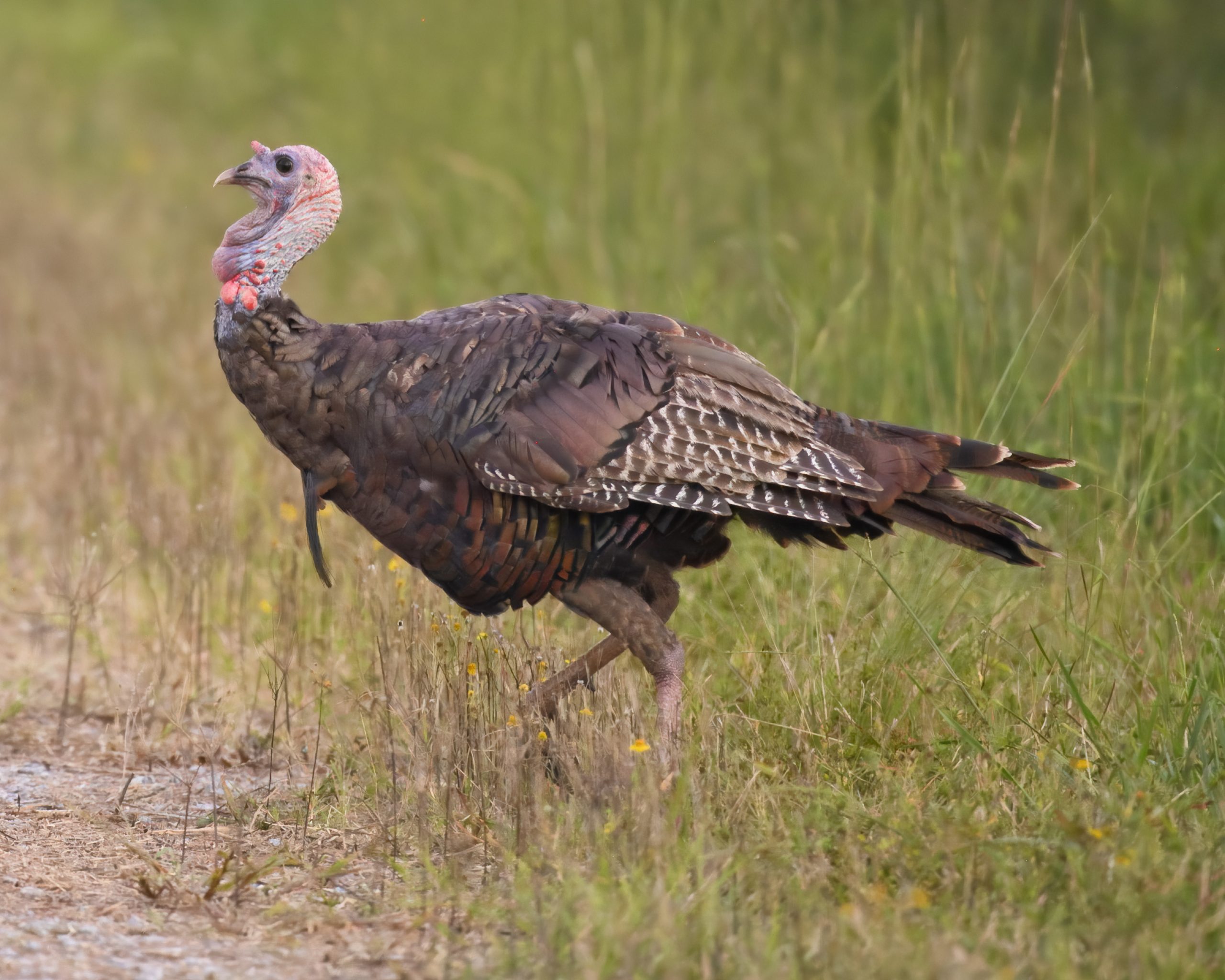
Wild turkey recovery shows what sustained management can accomplish when hunting revenue supports habitat and population work. Tennessee reports that its wild turkey population rose from only a few thousand birds in 18 counties in the 1950s to more than several hundred thousand birds spread across all 95 counties. Restoration involved agency staff and conservation partners, followed by monitoring and harvest management. Hunter license revenue and federal wildlife restoration funds help support state wildlife agencies. The result is a restored game bird population and healthier habitat.
Game Species Recovery

Several species that once declined sharply have benefited from work financed partly by hunters. Illinois notes that bobcats, wild turkeys, river otters, and beavers made major recoveries as habitat improved and conservation strategies were applied. The state’s hunting and trapping regulations say much of this work was funded through license fees and Pittman-Robertson money. The federal program supports research, habitat improvement, and habitat acquisition. The money does not simply produce more hunting days. It can help rebuild populations and ecosystems beyond the season.
Wyoming Habitat Projects
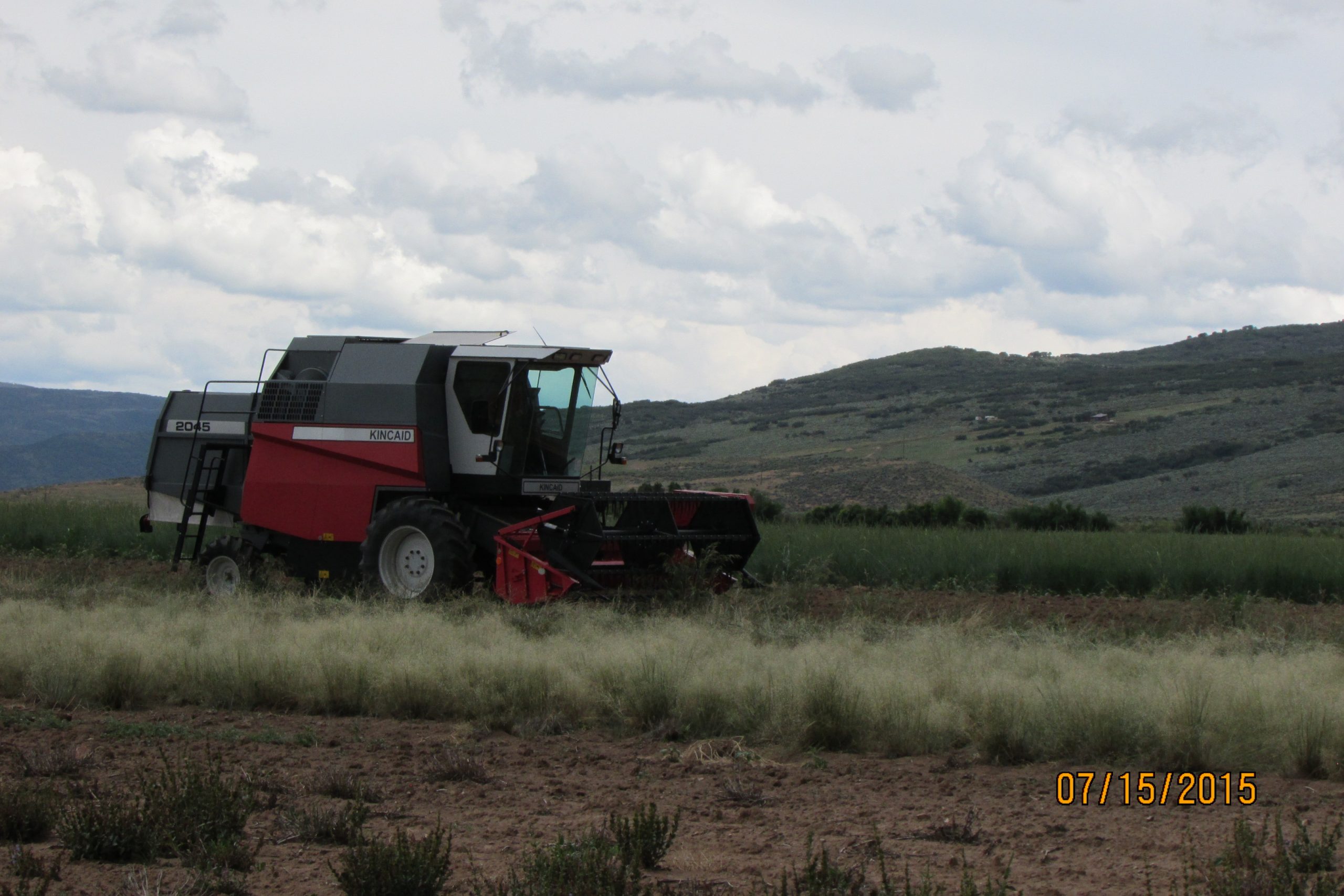
Wyoming offers a direct example of a required conservation payment attached to hunting. Licensed hunters generally need a conservation stamp, priced at $21.50 in 2026, with funds used for habitat and wildlife projects. Wyoming Game and Fish also says hunting and fishing license fees are its main funding source. That revenue supports broader management work, while special license and application payments help sustain wildlife programs. In a state where elk, deer, and antelope attract hunters from across the country, those payments help keep habitat work operating year after year.
Arizona Water And Habitat Work
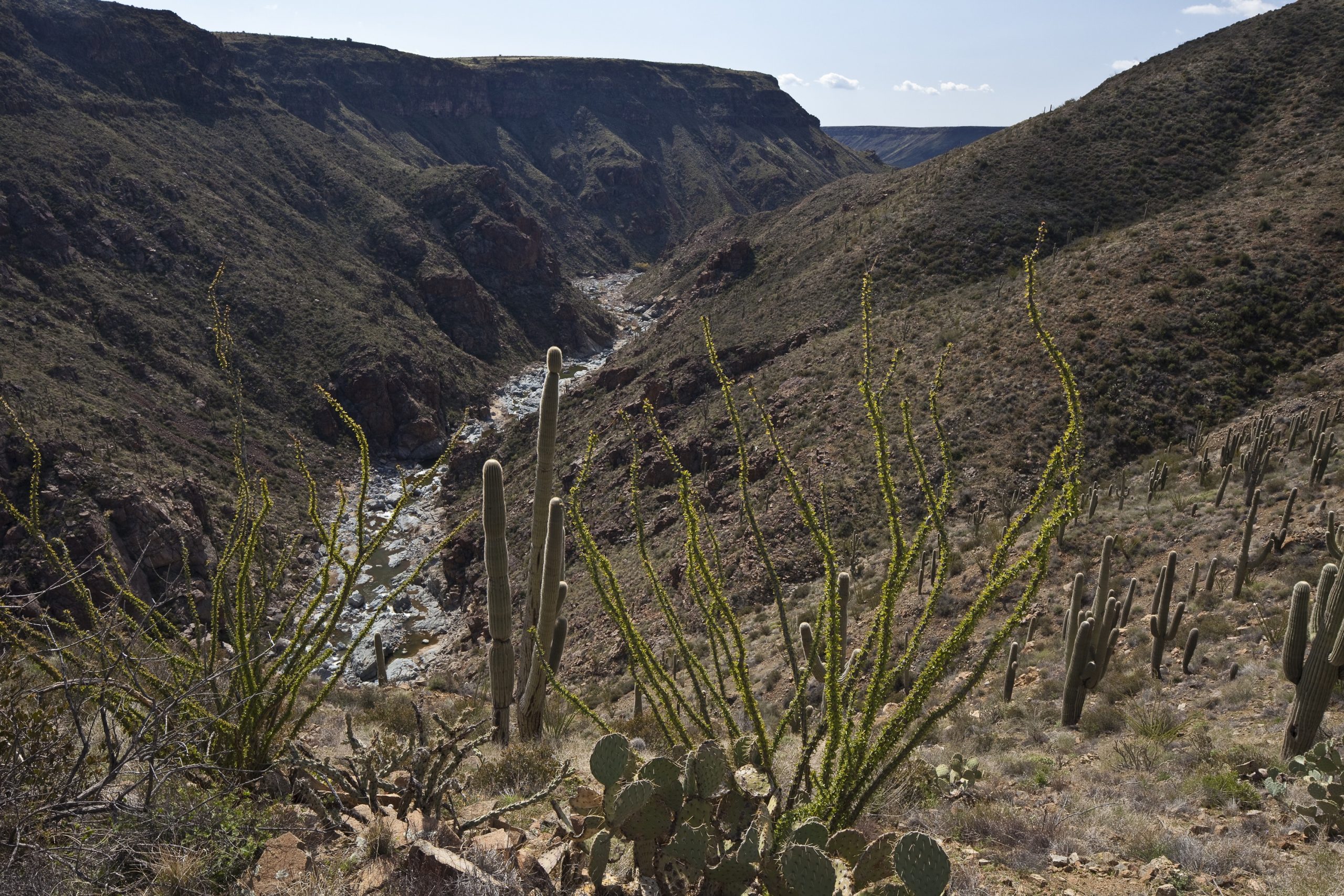
Arizona shows how hunting-generated revenue can reach practical projects on the ground. In 2026, Arizona Game and Fish said revenue from its Copper State Draw would bolster conservation programs, including wildlife-water catchment maintenance, habitat treatment, and law-enforcement patrols and investigations. The draw offered additional permits for elk, mule deer, white-tailed deer, and Gould’s turkey. One program can connect hunter participation with water availability, habitat quality, wildlife protection, and enforcement across multiple species and landscapes.
Wildlife Research And Monitoring
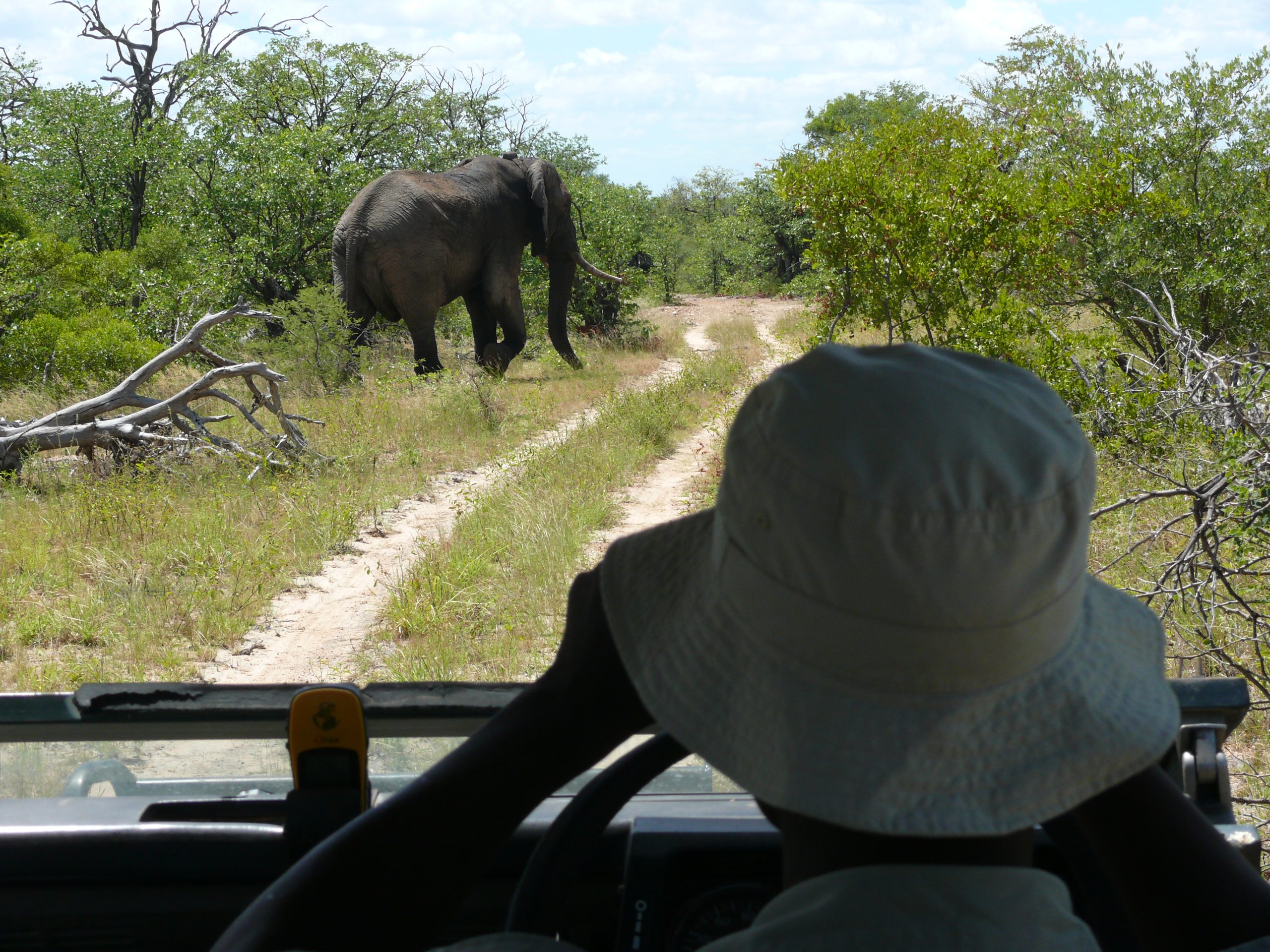
The less visible side of conservation is the scientific work that keeps harvest sustainable. Pittman-Robertson funding supports wildlife research and health monitoring, helping agencies measure populations, habitat conditions, disease concerns, and management results. The U.S. Fish and Wildlife Service says the program supports management of more than 880 species of wild birds and mammals. That scale matters because hunting seasons depend on reliable information. Surveys, field studies, biological sampling, and long-term monitoring give managers evidence for setting seasons and harvest rules.