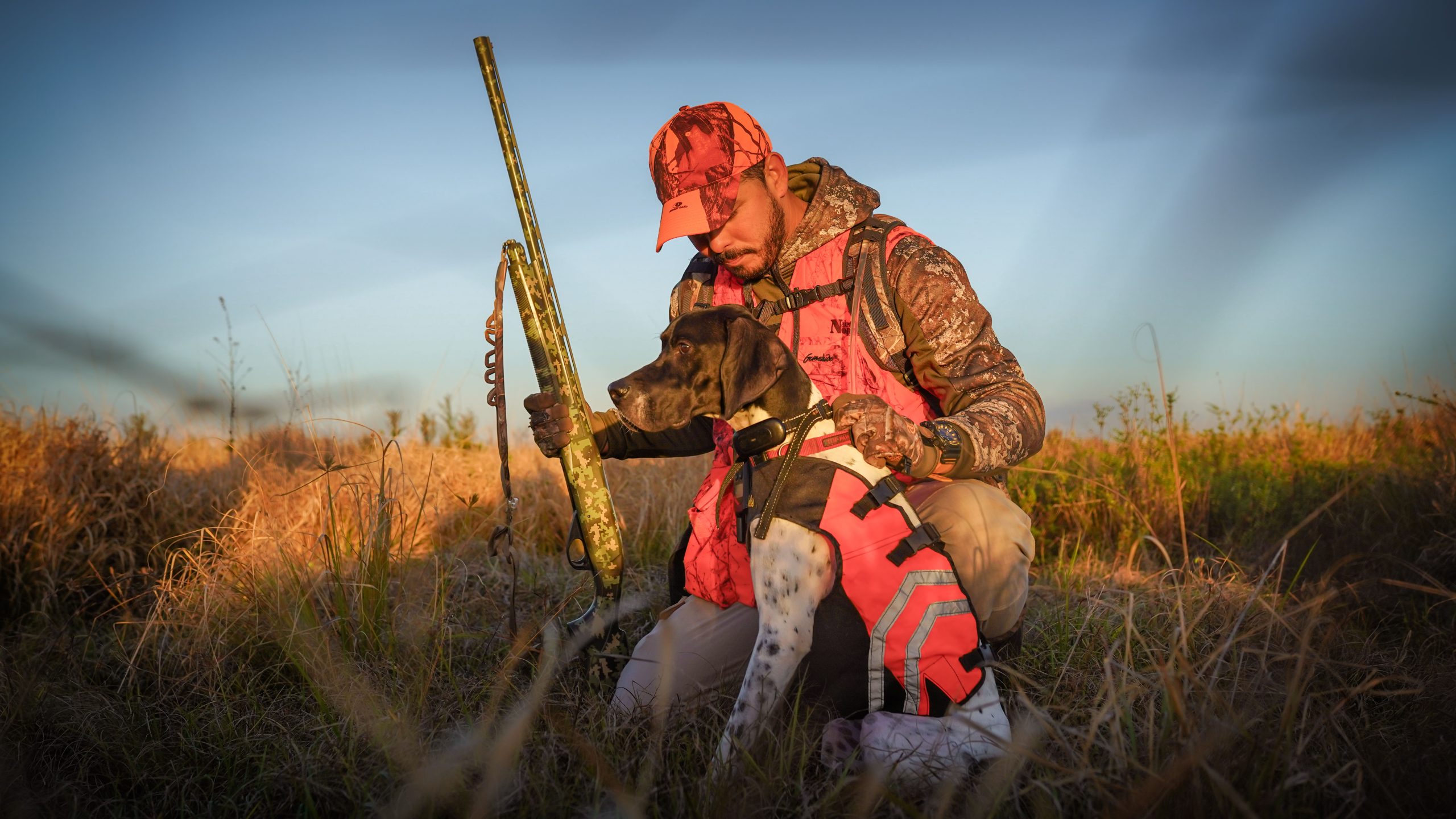
For generations, hunting has been connected not only to wildlife harvest but also to a funding system that supports research, habitat restoration, land management, and species recovery. Since 1937, the Pittman-Robertson Wildlife Restoration Program has directed federal excise-tax revenue from firearms, ammunition, and archery equipment toward wildlife conservation. More than $14 billion has been generated through this system since its creation. Several familiar North American species have benefited from the resulting conservation infrastructure.
1. Wild Turkey
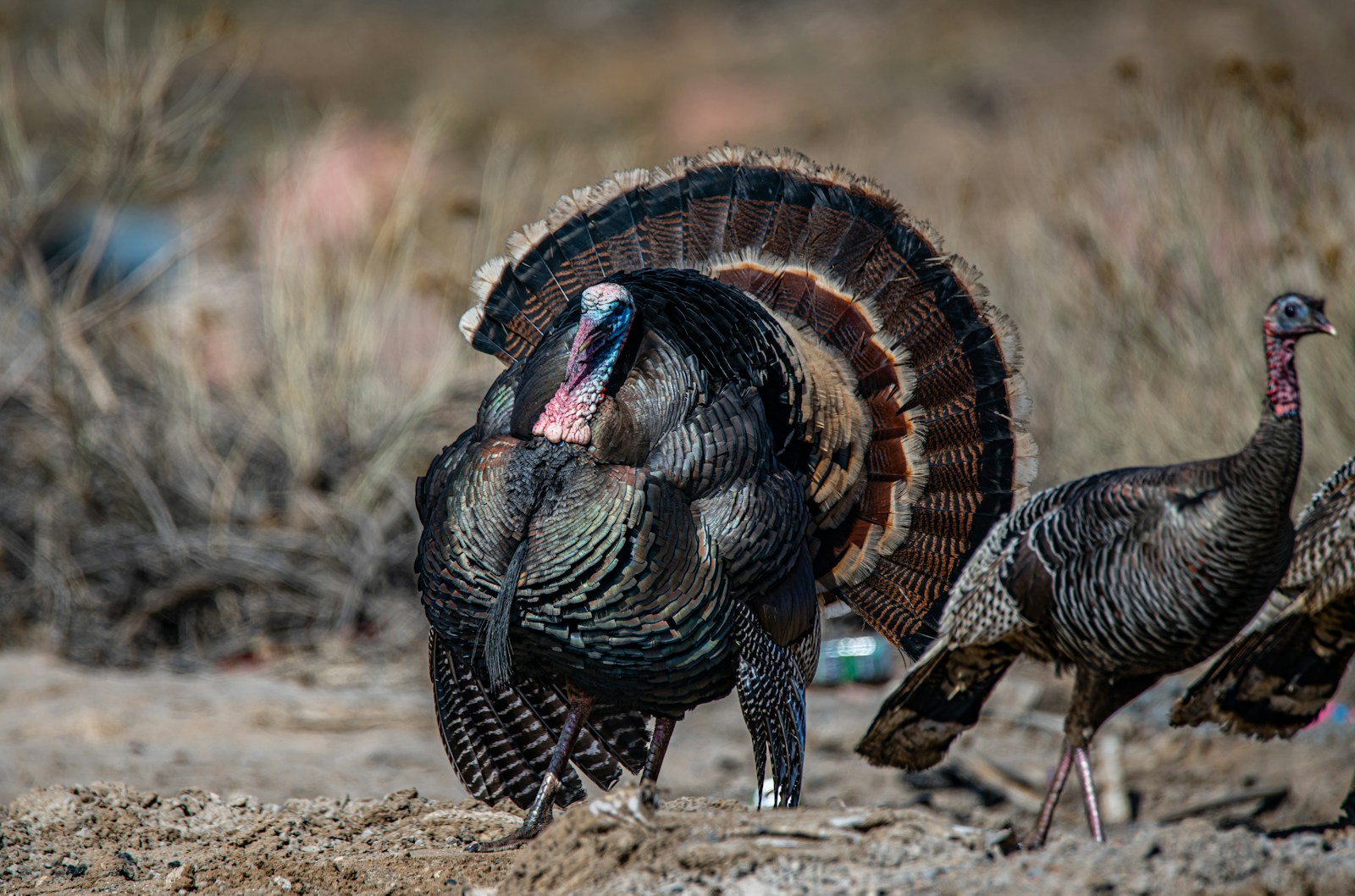
Wild turkeys fell to roughly 30,000 birds in the continental United States by the early 20th century. Habitat loss, unregulated harvest, and weak management pushed them toward regional disappearance. Research, habitat work, trapping, and planned relocations changed that trajectory. Pittman-Robertson funding helped states build the science and infrastructure behind those efforts. Virginia alone relocated about 900 turkeys during a 40-year restoration program. Today, wild turkeys occupy a broad portion of their historic range, supporting regulated hunting.
2. White-Tailed Deer

White-tailed deer were severely depleted across much of North America by the early 1900s, with some estimates placing the U.S. population near 500,000. Hunting restrictions alone were not enough, so agencies expanded habitat protection, research, enforcement, and regulated harvest. Hunter-generated license revenue and Pittman-Robertson grants helped finance that system. Virginia used federal aid to purchase 45,000 acres and improve more than 1 million private acres. The result was a dramatic rebound in deer numbers and a stronger management system.
3. North American Elk
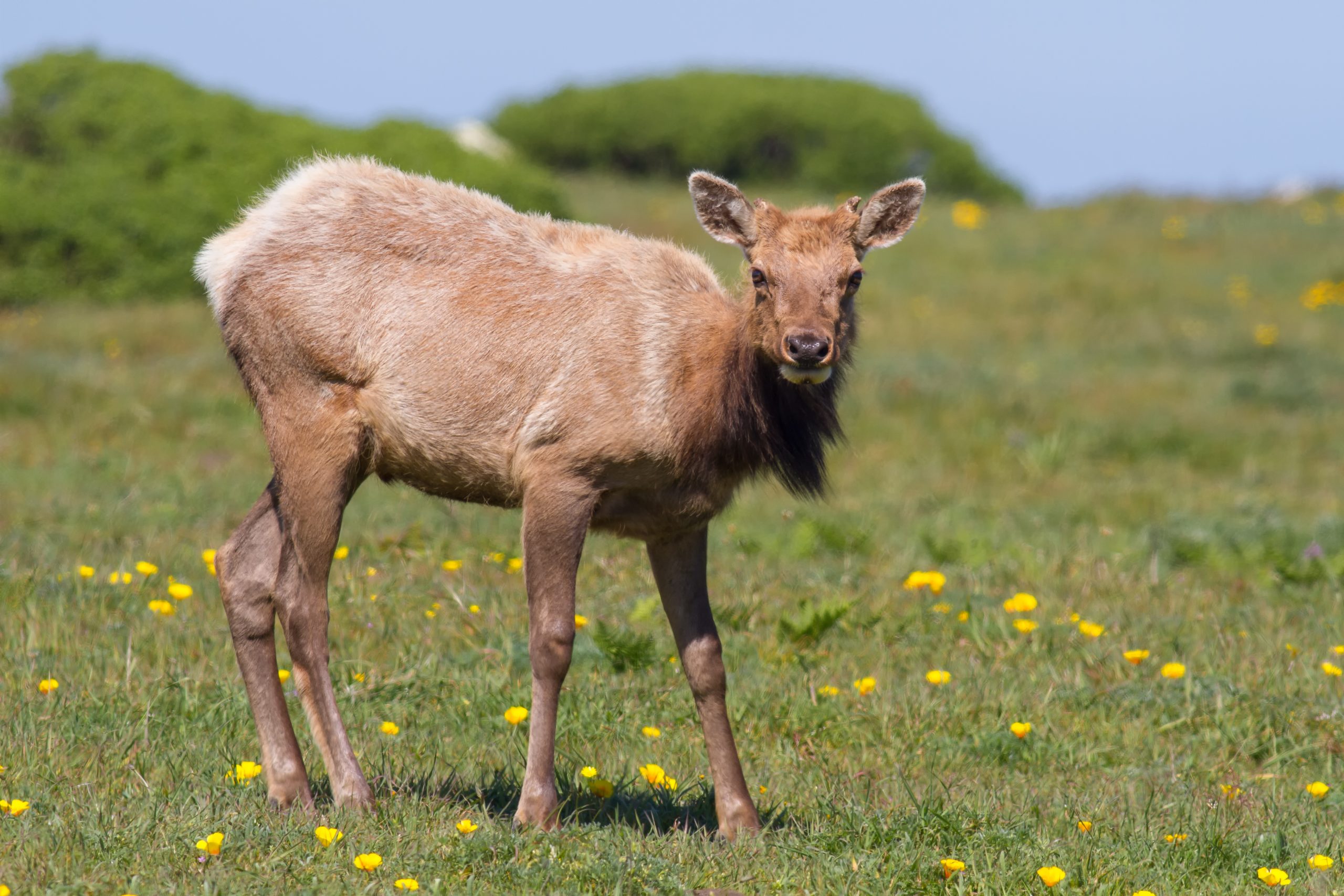
Elk once occupied broad portions of North America, but market hunting and habitat changes reduced them to an estimated 41,000 animals in 1907. Restoration required more than limiting harvest. Wildlife agencies used research, habitat management, translocations, and controlled seasons, with hunter-generated funding supporting much of the work. Pittman-Robertson has been identified by the U.S. Fish and Wildlife Service as a major force behind elk recovery. Modern estimates place North American elk at more than 1 million animals, restoring them across much of their range.
4. Pronghorn
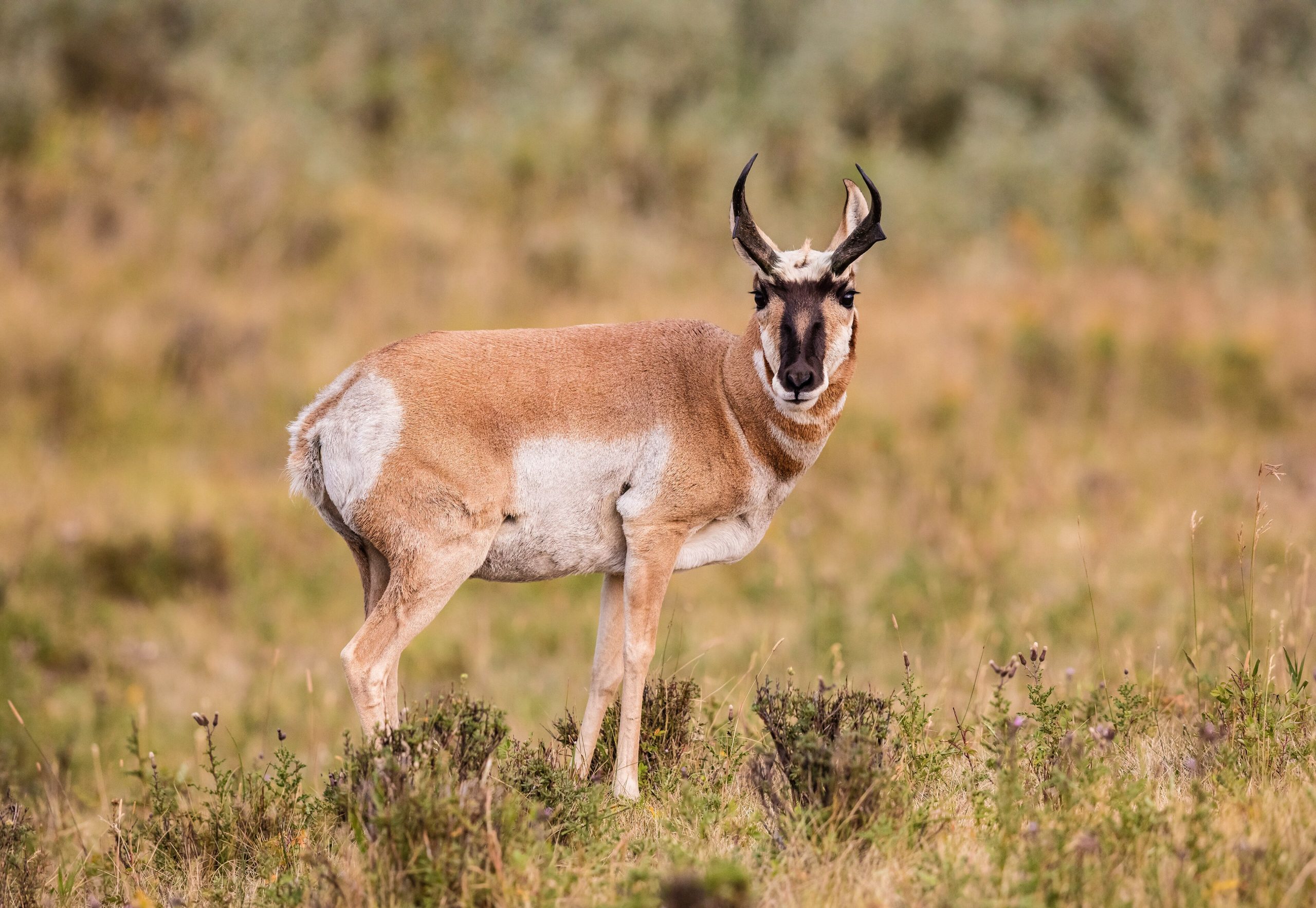
Pronghorn numbers collapsed after intensive hunting and habitat disruption, falling to an estimated 12,000 animals around 1920. Recovery depended on regulated hunting, habitat protection, research, and reintroduction work. Hunter-funded programs helped state agencies survey herds, improve habitat, and move animals into suitable range. Federal Wildlife Restoration funds have supported these activities for decades, while license revenue adds another layer of support. Pronghorn now number in the hundreds of thousands across North America, a major turnaround from their historic low.
5. Wood Duck

Wood ducks faced a serious decline as wetlands disappeared and hunting pressure intensified. Protection from unregulated harvest helped, but habitat restoration was equally important. Hunter-supported funding has helped states acquire and manage wetlands, conduct waterfowl research, and maintain nesting habitat. The Wildlife Restoration Program funds habitat and population management for wild birds. From a species described as near extinction in the early 1900s, the wood duck has returned to millions of birds across North America. Its recovery shows how habitat and harvest management can work.
6. Bighorn Sheep
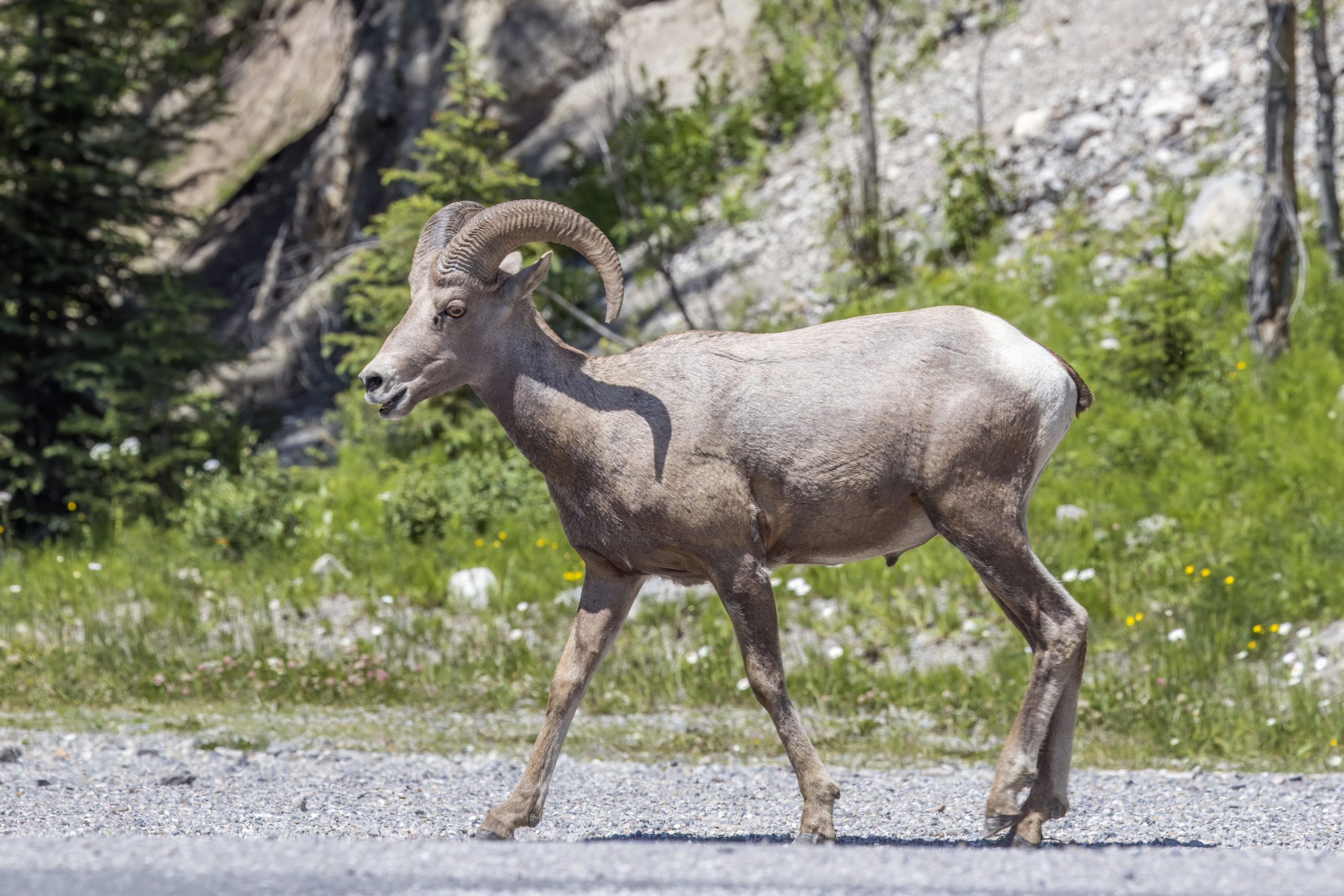
Bighorn sheep disappeared from many historic ranges during the late 1800s and early 1900s because of disease, habitat problems, and other pressures. Restoration has involved disease monitoring, habitat work, translocation, and tightly controlled hunting opportunities that generate conservation revenue. A major hunter-conservation organization has raised about $136 million since 1977, including $49.75 million directed to bighorn conservation from 2011 through 2021. Translocation is expensive too, averaging about $6,025 per animal in 2022 dollars, making dedicated funding important.
7. Canada Goose
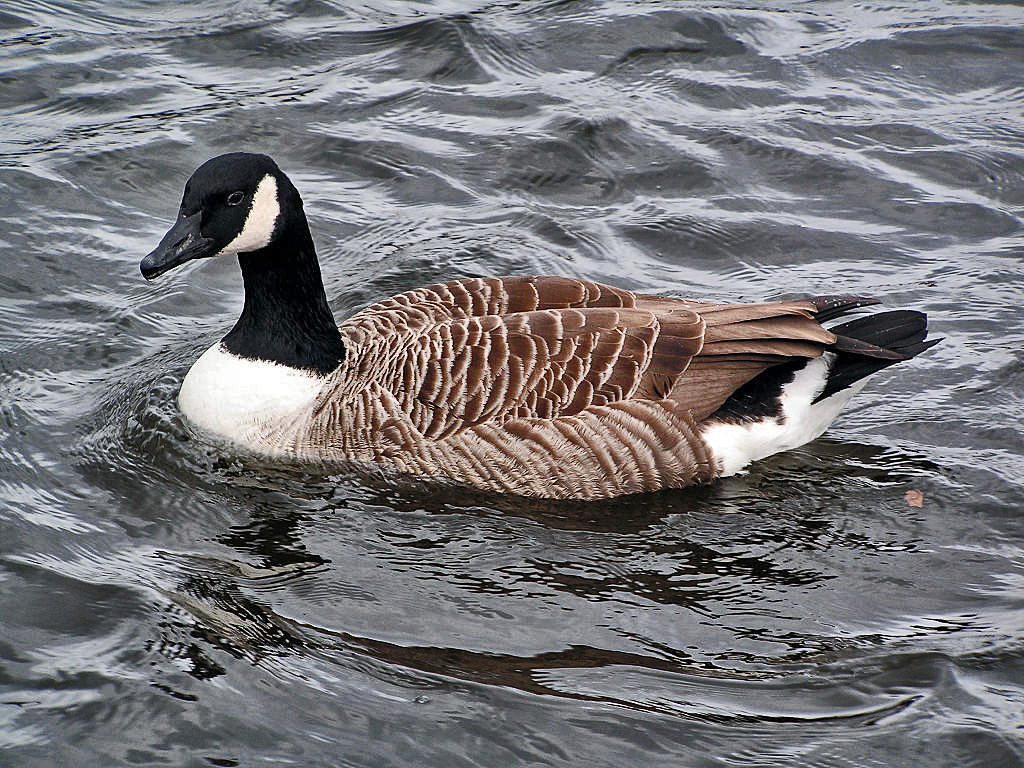
Canada geese experienced major declines in parts of North America during the 20th century because of overharvest, habitat changes, and disrupted migration patterns. Restoration programs combined habitat protection, regulated seasons, research, and population management. Hunter license fees and federal excise taxes helped wildlife agencies maintain the long-term work behind those programs. Historical estimates put some populations near 1 million birds around 1960, while modern North American estimates are several times higher. The recovery shows how sustained management can rebuild wildlife.