Joining a gun club means learning more than how to use the range safely. Established members also expect newcomers to understand the habits that keep sessions organized, respectful, and predictable. Many of these expectations may never appear on a membership form, yet they quickly become obvious once you spend time around experienced shooters. From handling equipment responsibly to understanding range commands, these 8 unwritten rules can help a new member fit in while avoiding common mistakes.
1. Treat Every Firearm as Loaded
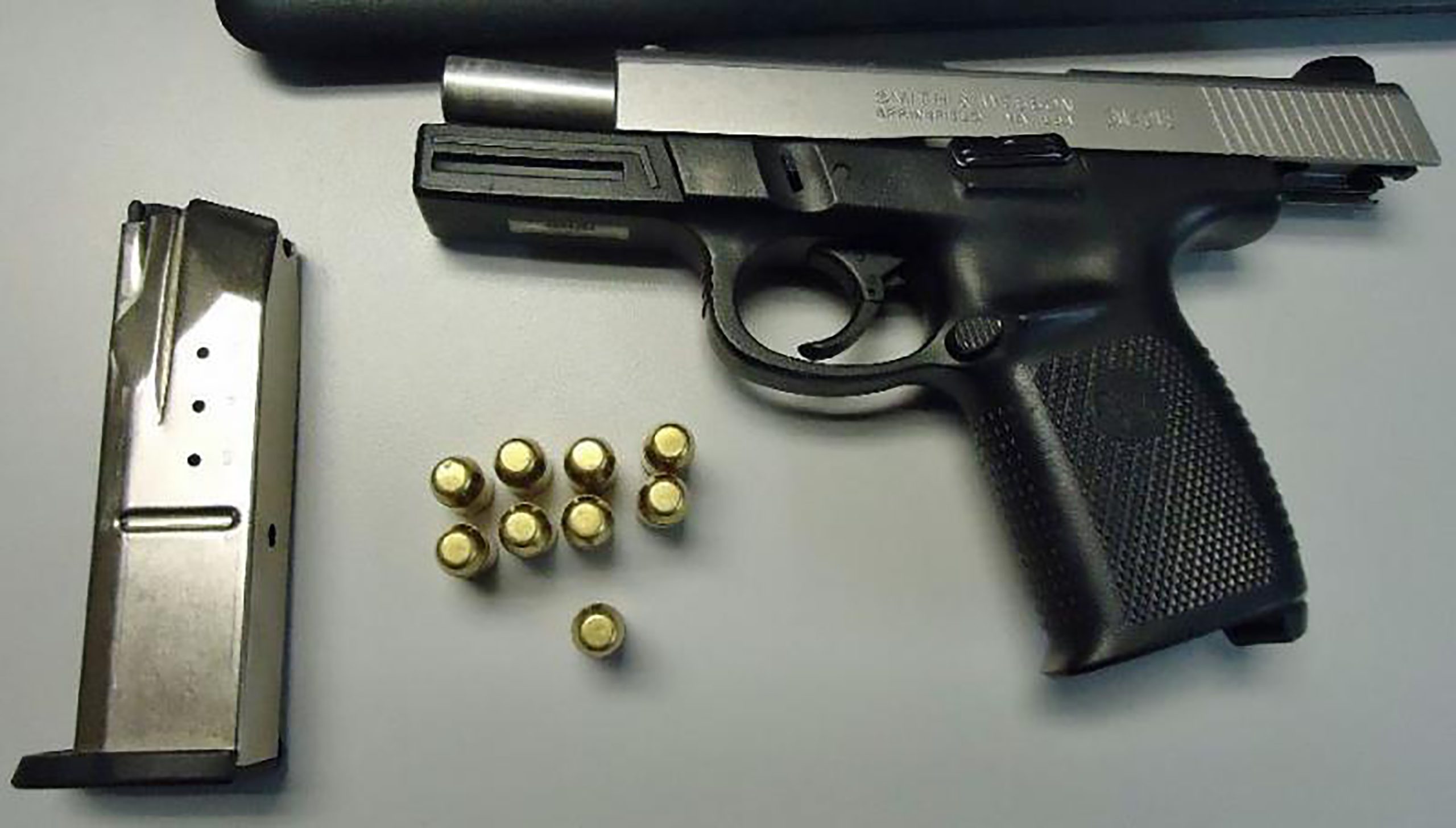
A gun club may have formal range rules, but the first expectation is simple: treat every firearm as loaded until you personally confirm otherwise. Keep the muzzle pointed in a safe direction, keep your finger outside the trigger guard, and open the action when the firearm is not being used. Even if someone says a gun is unloaded, verify its condition yourself. This habit matters because a moment of casual handling can affect everyone nearby, not just you. One careless movement can turn a routine 10-minute range session into a serious incident. Always.
2. Follow the Range Officer Without Argument

Range officers are responsible for keeping firing sessions orderly, and new members quickly learn that their instructions are not optional suggestions. When a ceasefire is called, stop shooting immediately, make the firearm safe, and step back as directed. Do not handle equipment during a cold range period unless the officer permits it. If you disagree with a decision, wait until the range is safe and ask politely. A typical session may involve several shooters sharing one firing line, so one person’s impatience can create risk for 5, 10, or even 20 people.
3. Learn the Club’s Quiet Signals
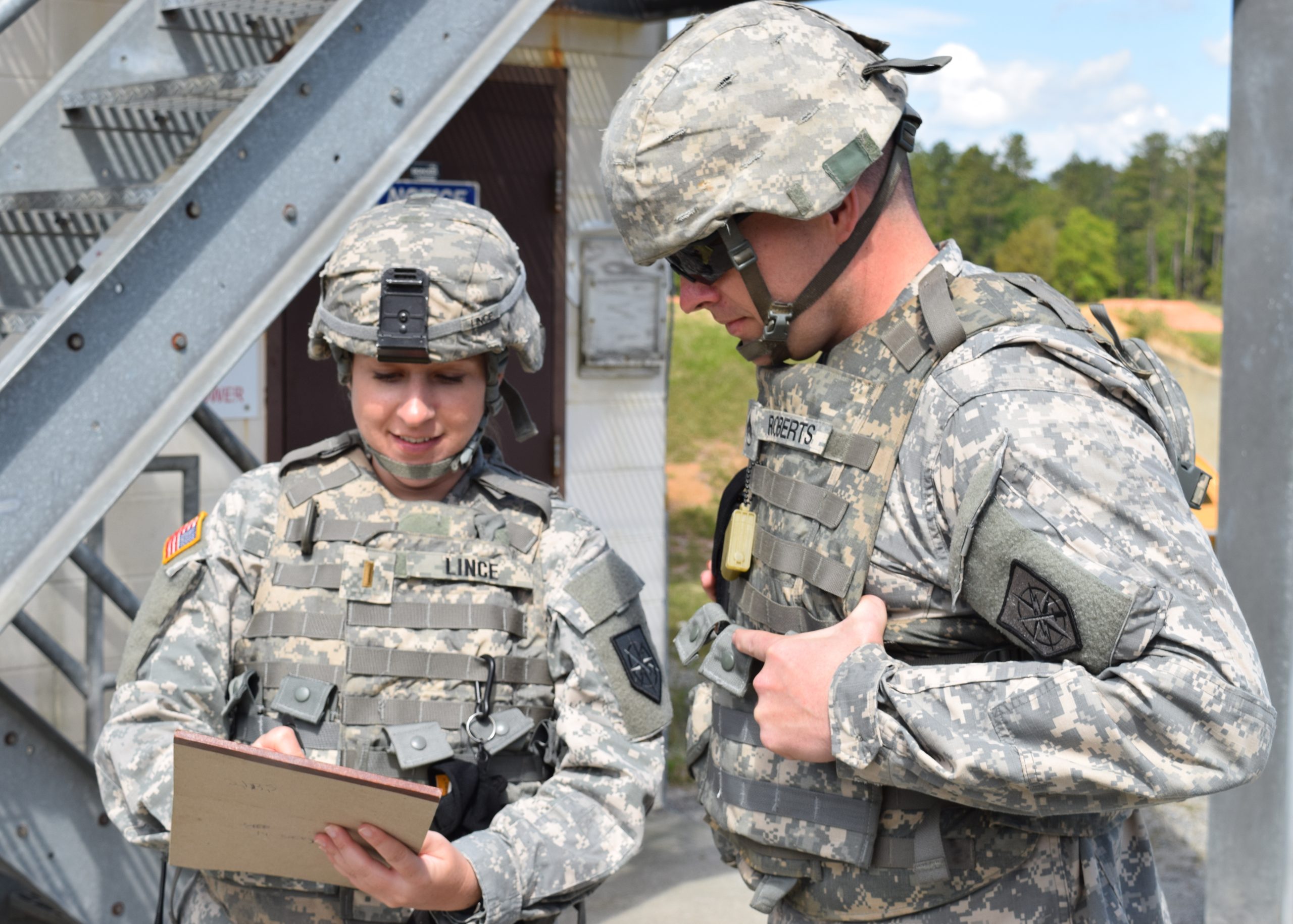
Every club develops small routines that make the range easier to manage. You may hear a specific command for ceasefire, see a light or flag indicating a cold range, or notice members waiting for a clear signal before moving forward. Learn these signals during your first visit instead of guessing. Watch experienced members and ask a range officer if something is unclear. If a club uses 3 distinct signals for hot, cold, and emergency conditions, knowing them can prevent confusion when several shooters are concentrating on their own equipment. It is worth learning.
4. Keep Your Gear Under Control

Good range etiquette includes managing your own equipment so it does not become another person’s problem. Keep firearms, ammunition, magazines, targets, bags, and protective gear organized within your assigned area. Avoid spreading equipment across shared benches or leaving loose cartridges where someone could mistake them for another shooter’s property. Bring only what you reasonably need, especially when the range is busy. A compact setup with 2 or 3 marked bags can be easier to manage than a crowded bench. Clean up your lane before leaving and return shared items to their proper place.
5. Respect Other Shooters’ Concentration
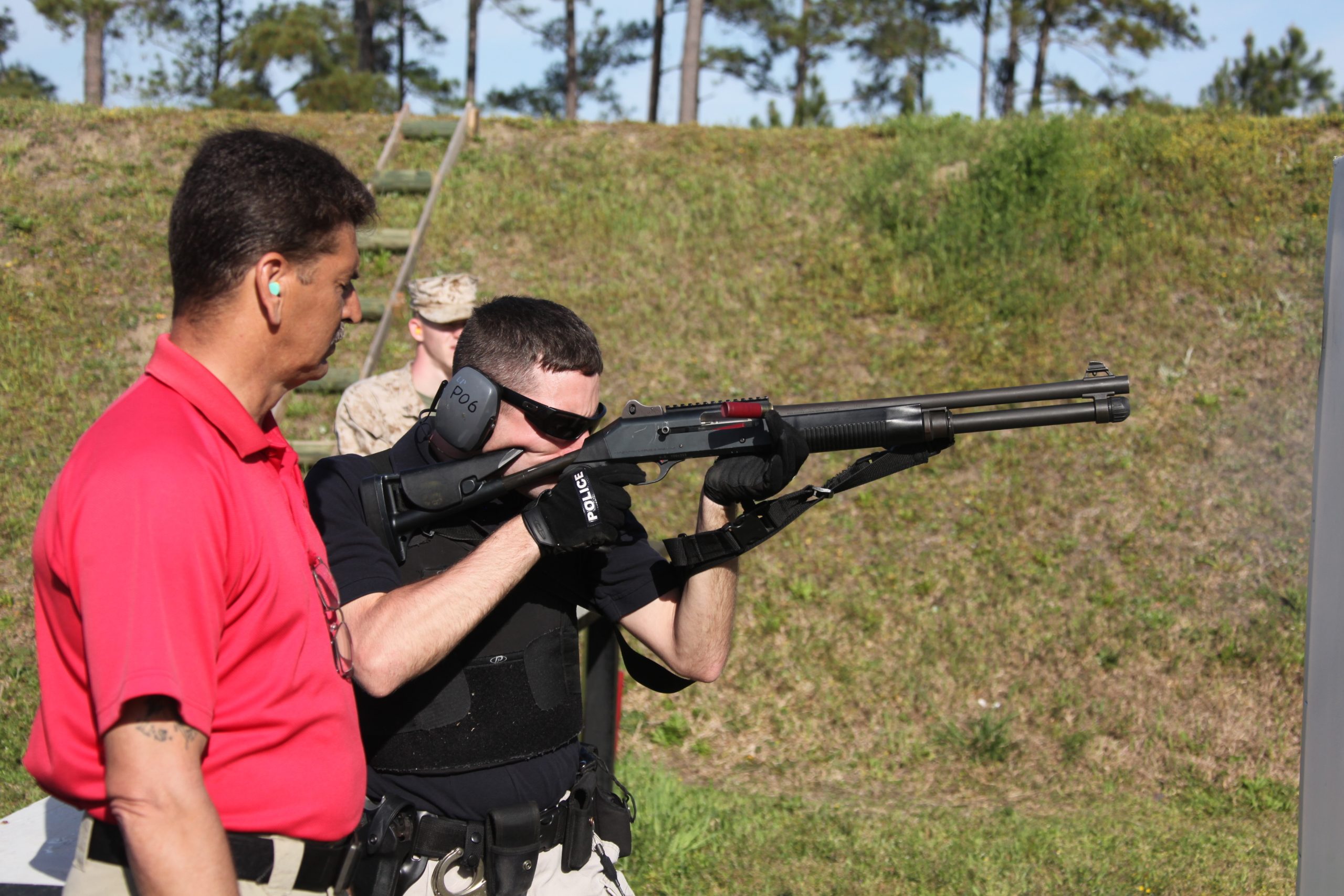
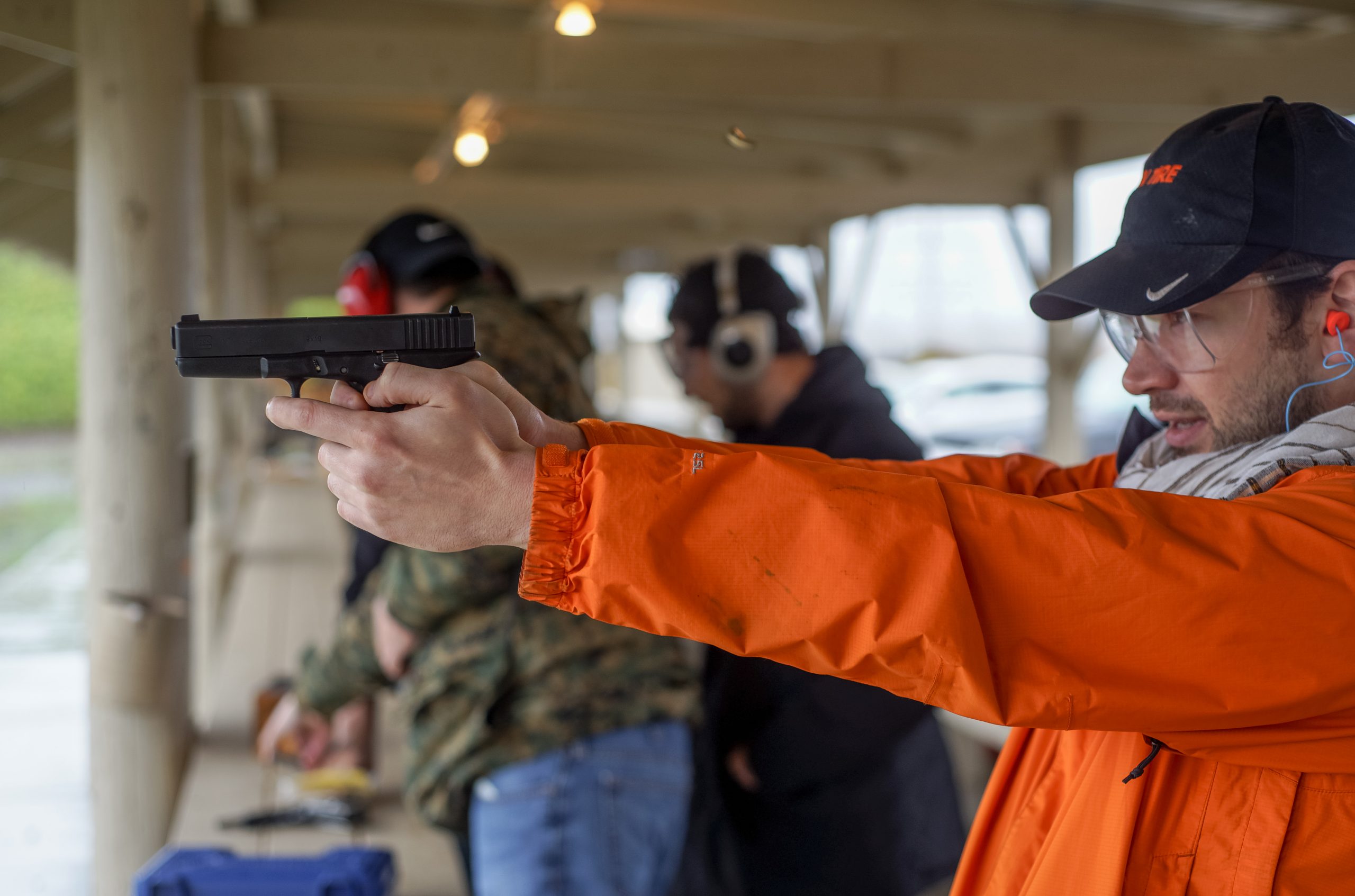
A shooting lane is not the place for loud conversations, jokes, sudden movements, or unnecessary interruptions. New members quickly discover that experienced shooters value concentration. Wait until someone finishes a string before asking questions, and never approach a shooter while the range is active unless the club’s procedures specifically allow it. Keep phones on silent and avoid filming other members without permission. Even a brief distraction can matter when someone is focusing on a precise task. Give others quiet time to work, and expect the same courtesy in return.
6. Ask Before Touching Someone Else’s Firearm
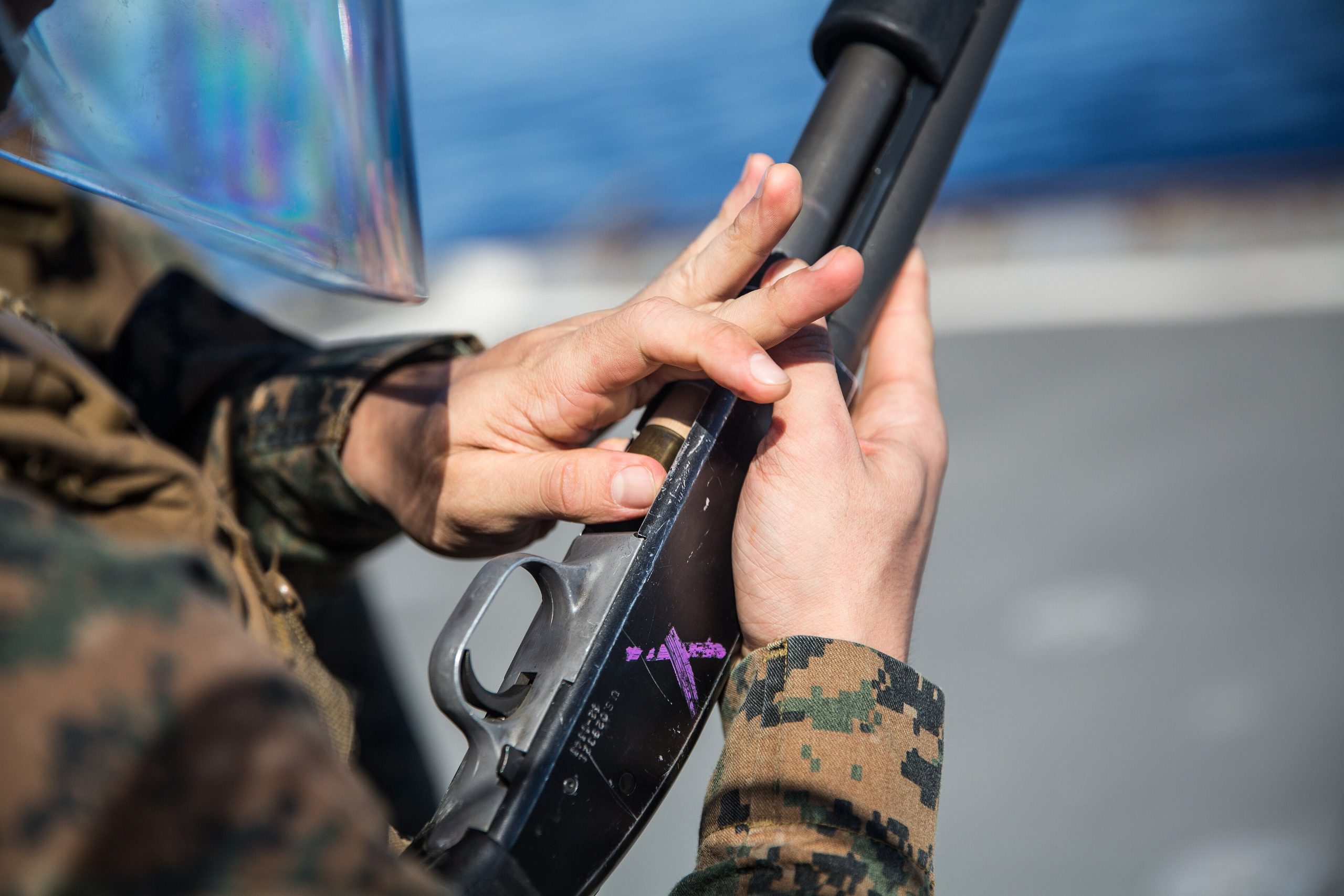
Curiosity is normal, especially when another member brings an unfamiliar firearm to the club, but handling someone else’s equipment without permission is considered poor etiquette. Ask first, wait for a clear answer, and let the owner decide whether the firearm should be handled. Never pick up a firearm from another person’s bench simply to inspect it. If permission is given, follow the club’s safety rules and keep the muzzle controlled. A simple 5-second question can prevent an awkward situation and show respect for both the equipment and its owner.
7. Clean Your Lane Before You Leave
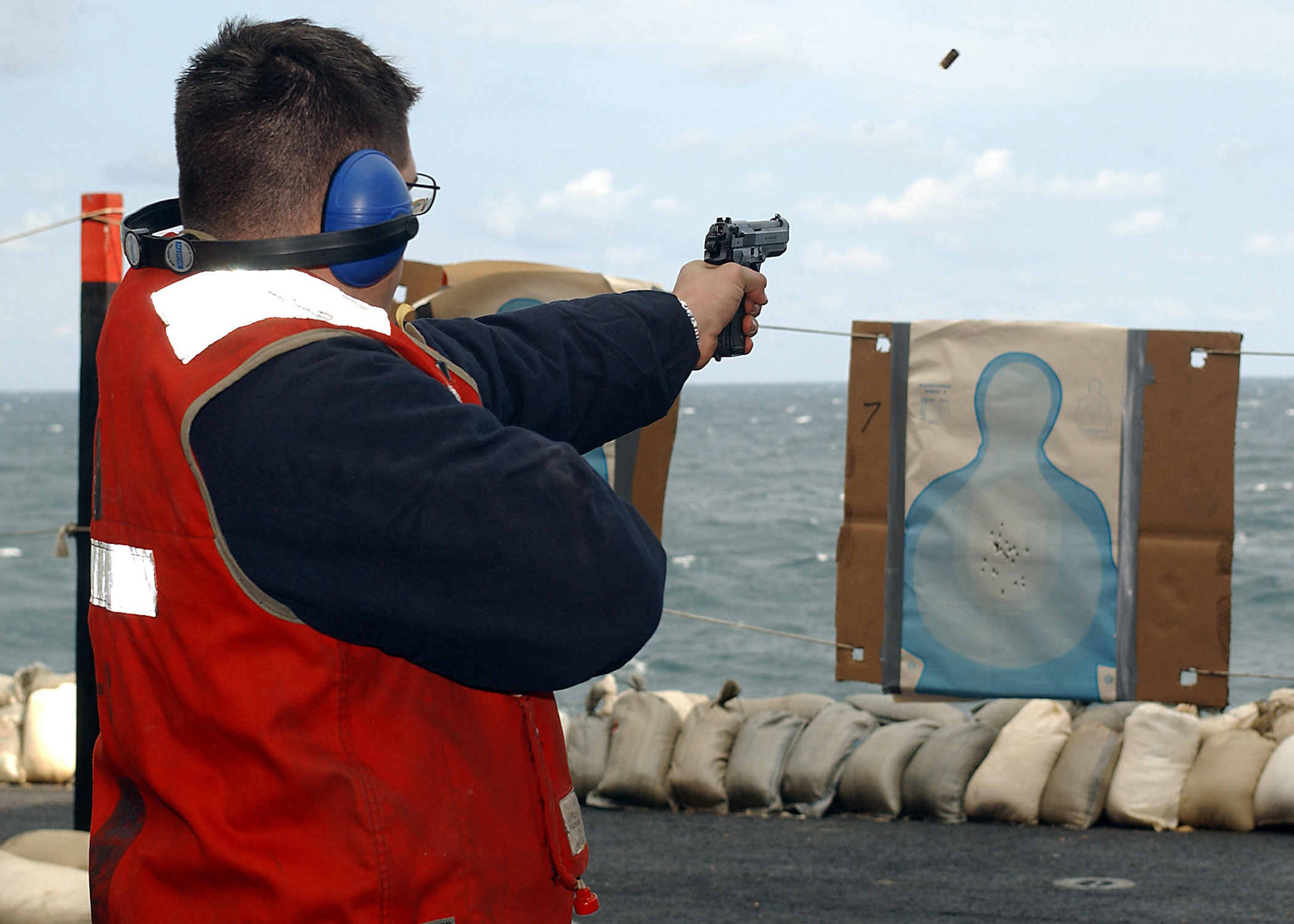
Leaving the firing point tidy is one of the easiest ways to show respect for the next member. Collect your spent cases when the club permits it, remove used targets, dispose of trash properly, and check the bench and floor for loose items. Do not assume that someone else will clean up after you. A busy range can see 10 or more shooters rotate through the same area during a session, so small messes quickly become a bigger problem. Spend 3 to 5 minutes checking your position before leaving, and return borrowed equipment exactly where you found it.
8. Learn the Culture Before Challenging It
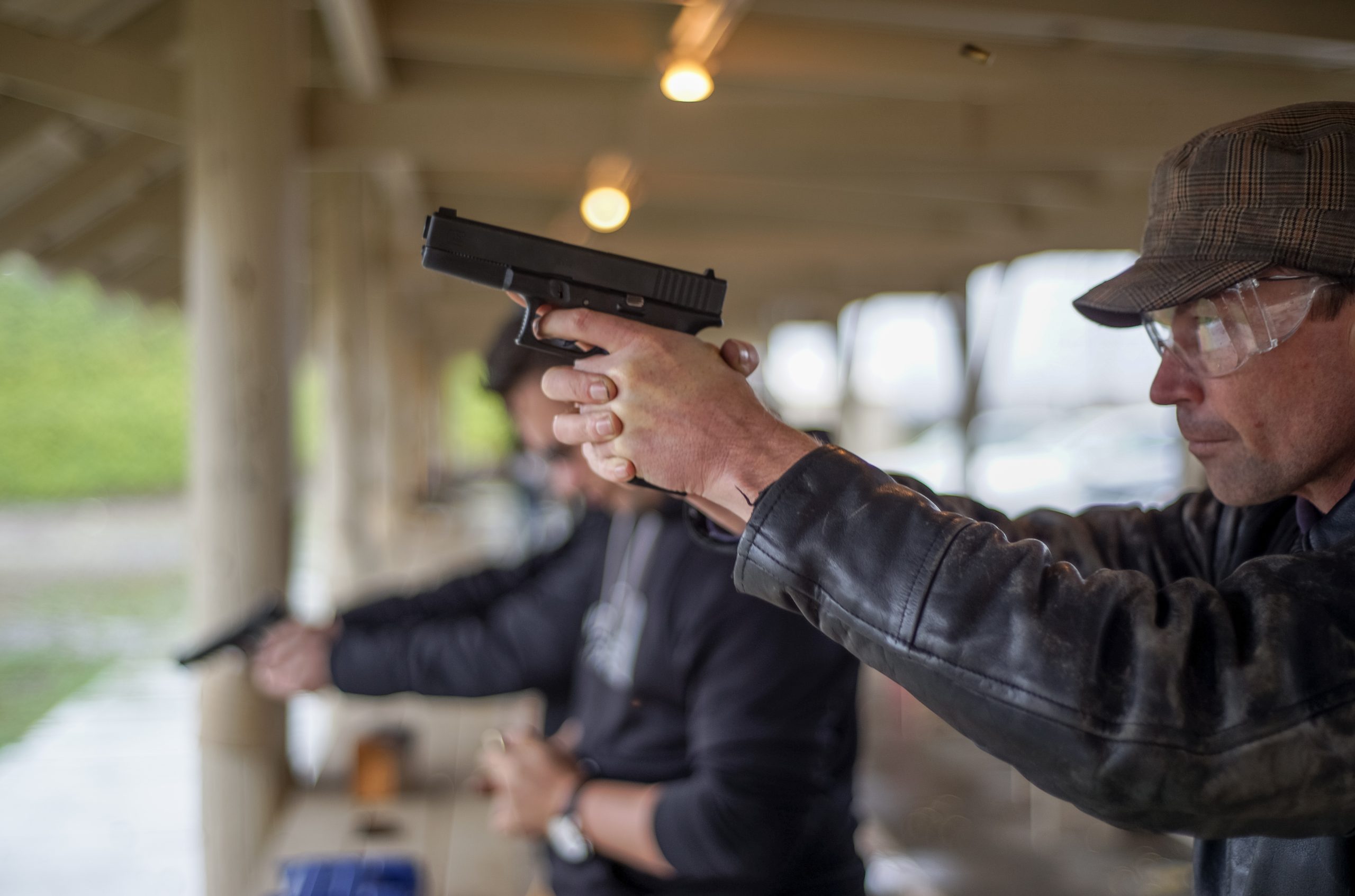
Every established gun club has its own personality, traditions, and preferred way of doing things. Some clubs are highly formal, while others are relaxed but still strict about safety. Spend your first few visits observing how members communicate, share benches, handle targets, and take turns. Ask questions when you are unsure rather than assuming a different range’s habits apply everywhere. After 2 or 3 sessions, you will usually understand the basic rhythm. If a rule seems unnecessary, learn its purpose first, then raise concerns respectfully through the club’s proper channel.