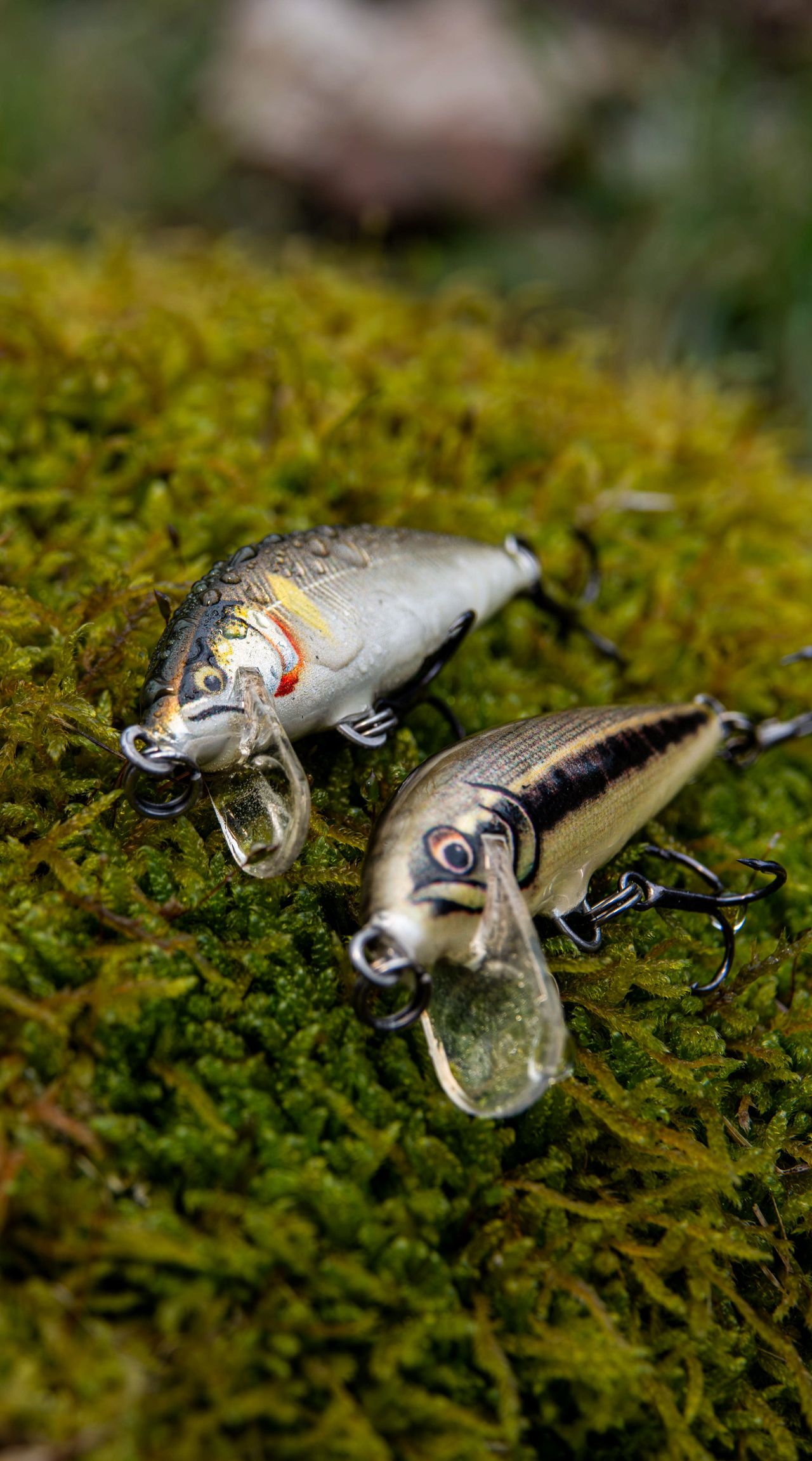
Bass fishing trends tend to dominate tackle aisles, videos, and dockside chatter, which means some excellent pike and muskie lures get pushed to the margins. Ask serious toothy-critters anglers, though, and you will hear about older, stranger, and less fashionable baits that still move giant fish. This gallery rounds up 11 lure styles that deserve a second look when you want follows to turn into hard strikes.
Bucktail Spinner
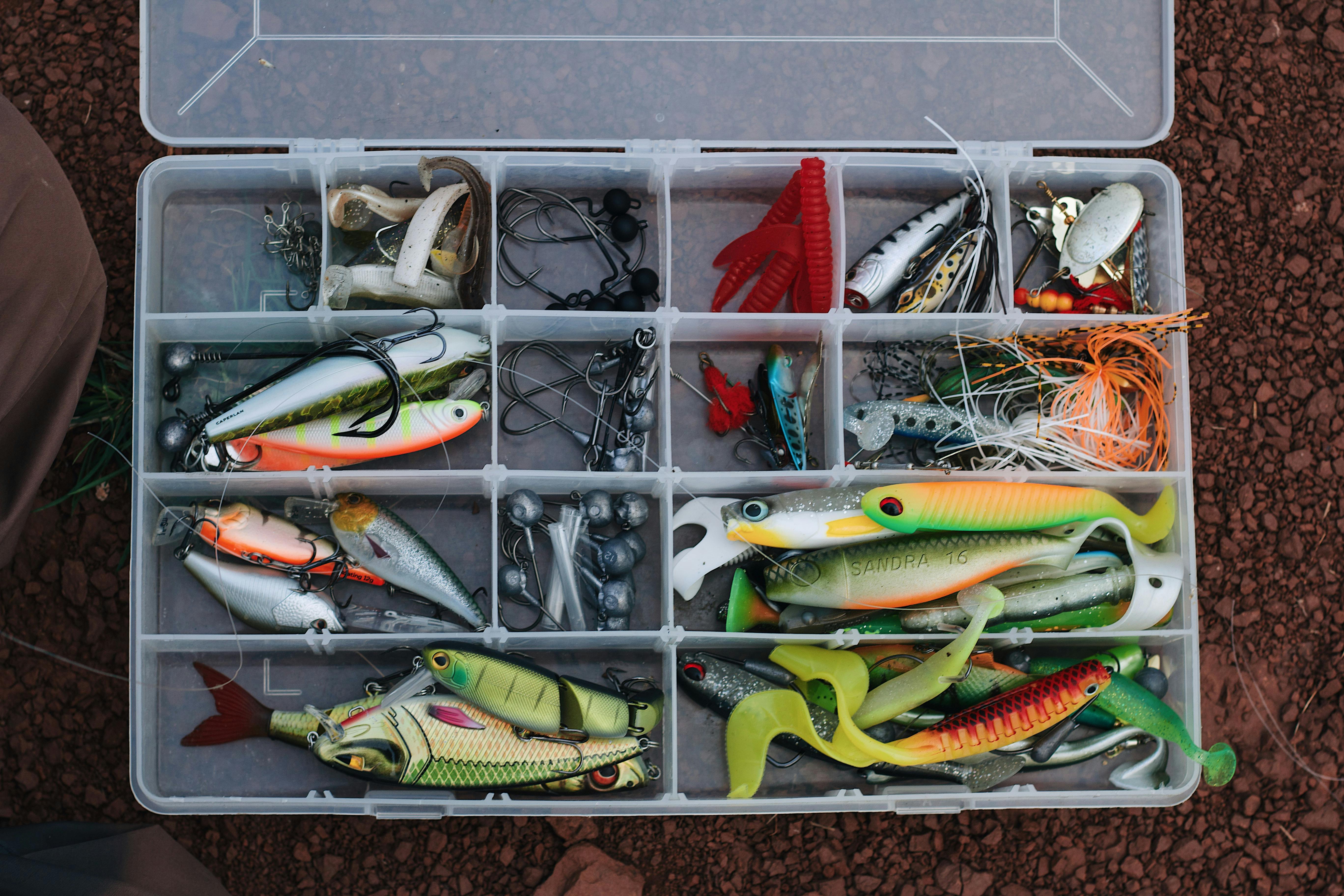
The bucktail spinner never really disappeared among dedicated muskie anglers, but it often gets overshadowed by whatever flashy bass bait is trending. That is a mistake, because few lures can cover water this efficiently while still calling fish from surprising distances in stained water or over cabbage beds.
Its appeal is simple. Blades thump, hair breathes, and the profile stays clean even when you burn it high in the column. On pressured lakes, many anglers swear a smaller double-blade or compact in-line bucktail can outproduce bulkier offerings by looking easy to catch without losing that classic vibration predators key on.
Safety Pin Spinnerbait
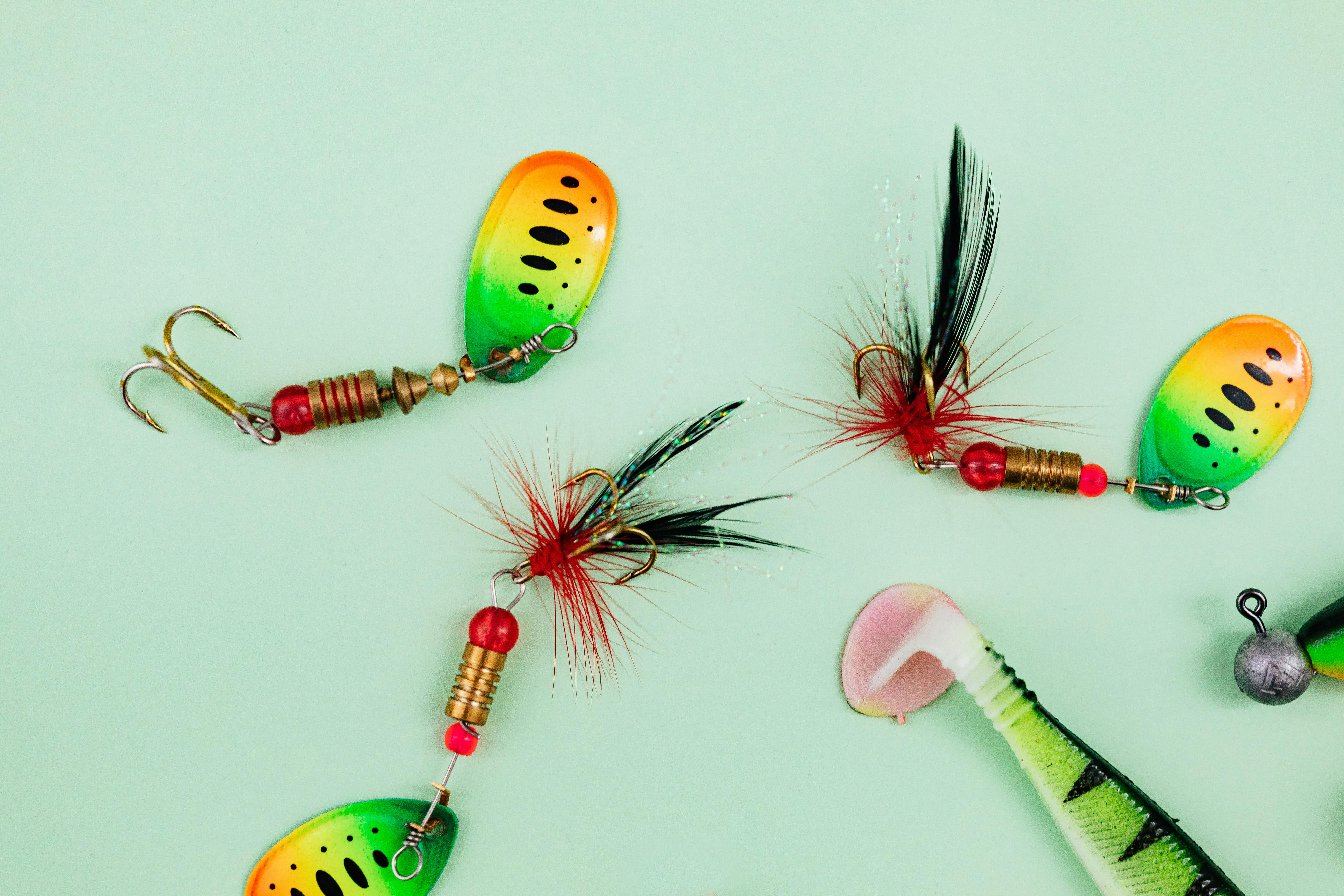
Spinnerbaits are so closely tied to bass fishing that many anglers forget how deadly they can be for pike and even muskies. Around reeds, timber edges, and shallow rock, this bait comes through cover with less snagging than many treble-hooked options, which means it can reach fish that rarely see a clean presentation.
The big advantage is versatility. You can slow-roll it, wake it, or helicopter it down outside weed lines. Add a larger trailer or oversized blades and it becomes a genuine big-fish tool. Serious pike anglers like it because it looks erratic, feels bulky, and keeps moving even when the water is cold and the fish are moody.
Spoon

The humble spoon may be one of the most overlooked lures in modern predator fishing. It lacks the hype of giant rubber and glide baits, yet it still catches pike everywhere they swim. In wind, chop, and dirty water, a spoon flashes hard, casts far, and keeps producing when more complicated lures start feeling precious.
What makes it special is that wide, wounded wobble. A spoon can be ripped free from weeds, fluttered on the drop, or burned just under the surface. Pike in particular seem unable to ignore that combination of flash and instability. For anglers willing to experiment with size and retrieve, it remains a quietly elite choice.
Prop Bait
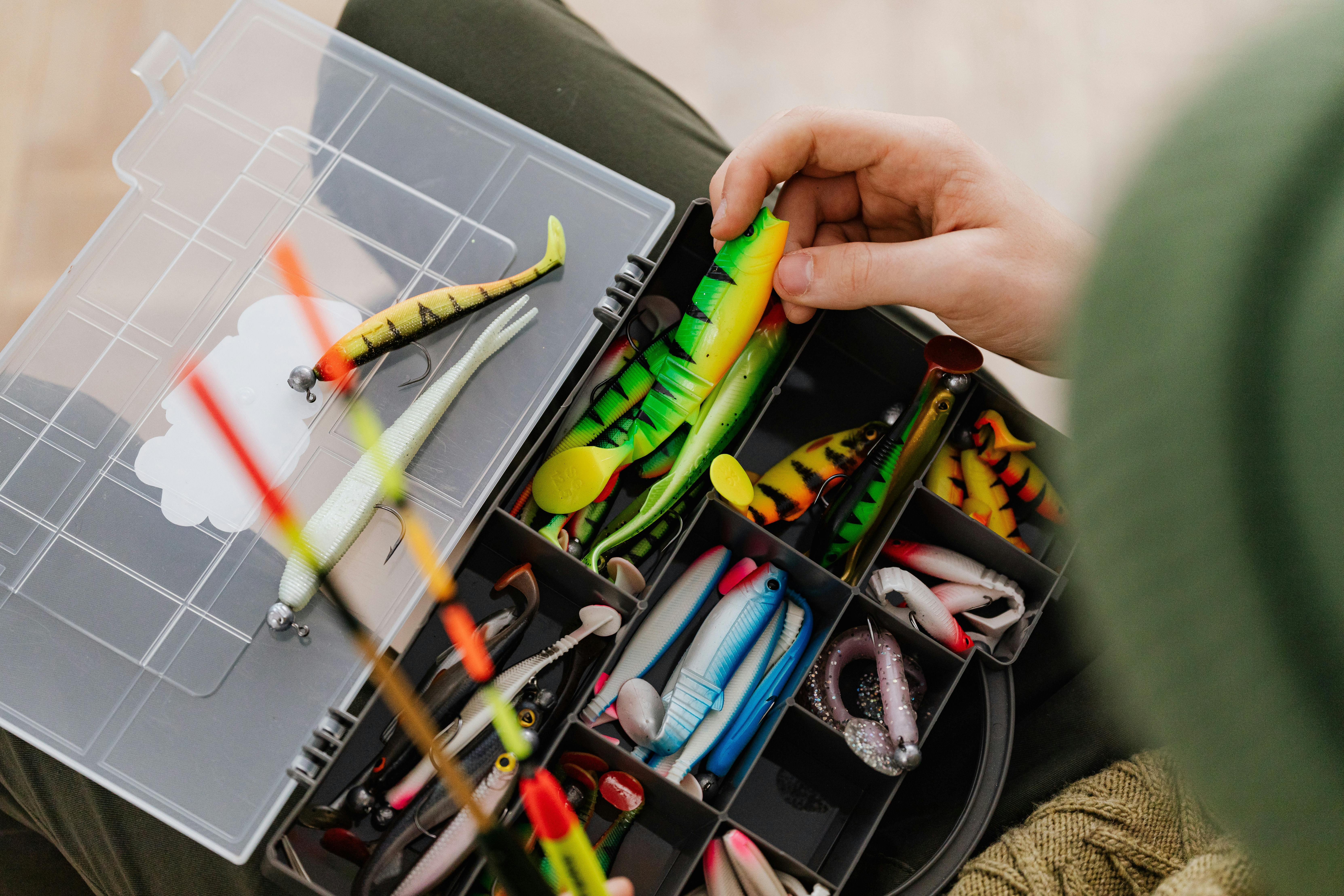
Topwater conversations usually center on walk baits and frogs, but prop baits deserve far more respect in pike and muskie circles. Their sputtering, churning sound can trigger fish that are tracking a surface lure without fully committing. Sometimes that extra commotion is exactly what turns a lazy follow into an explosive strike.
They shine over shallow weeds, dark bays, and warm-season flats where fish are hunting upward. A steady pull, short twitch, or stop-and-go retrieve can all work, and that flexibility matters when predators are clearly active but oddly selective. For anglers who love visual strikes, the prop bait is not nostalgia. It is still a genuine problem-solver.
Suspending Jerkbait
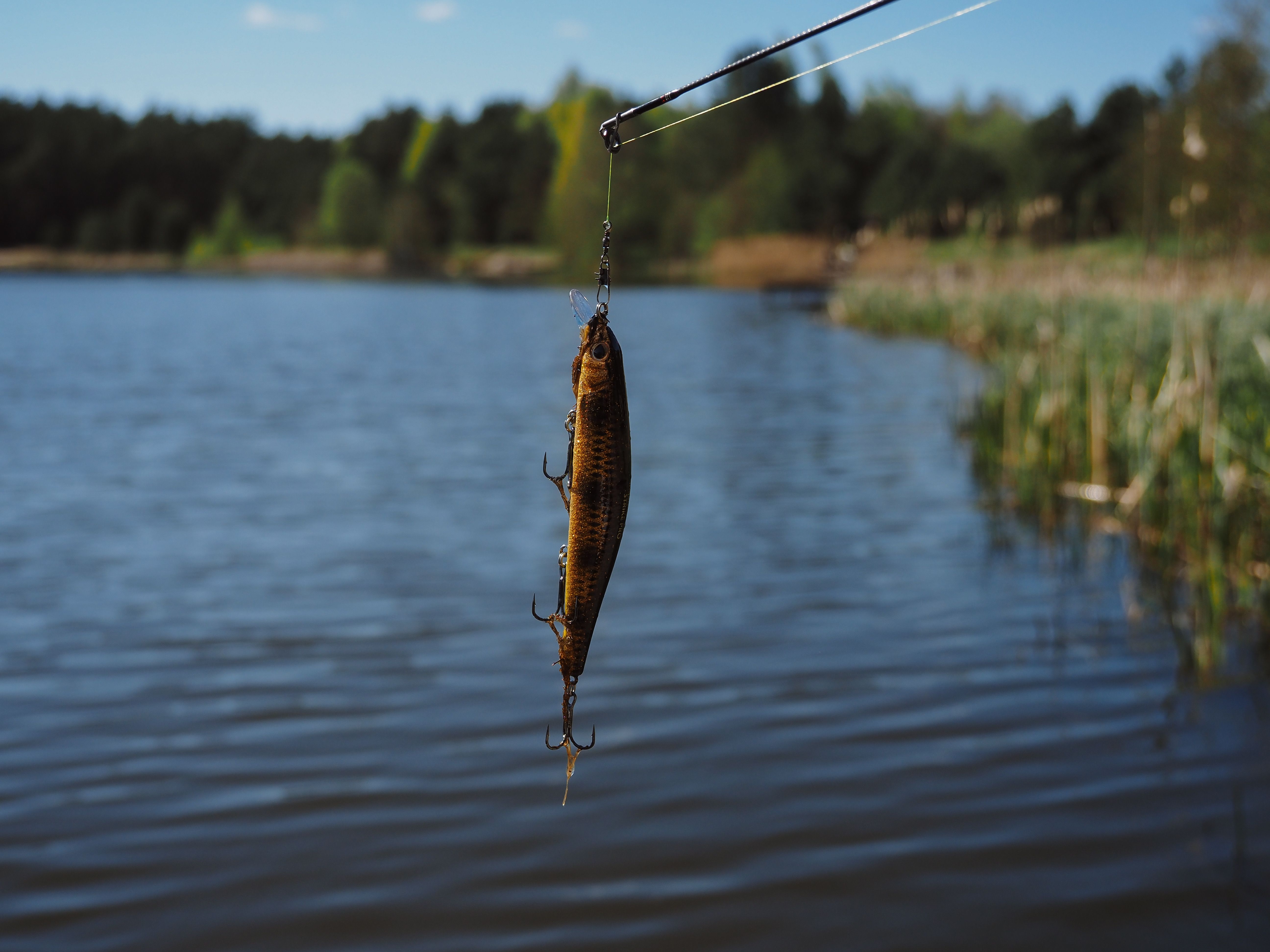
Suspending jerkbaits are treated as bass staples, yet they can be devastating for pike and muskies, especially in clear water and during shoulder seasons. The key is the pause. When a long, minnow-shaped lure slashes off line and then hangs almost motionless, it can look like a dying baitfish with nowhere left to go.
This is not just a cold-water trick. Over emerging weeds, along sand breaks, or beside isolated rock, a jerkbait lets anglers fish horizontally with precision. Serious anglers often upsize hardware, leaders, and split rings, then work the bait more aggressively than bass fishermen do. That combination of flash, stall, and side kick still fools very large fish.
Single Hook Swimbait
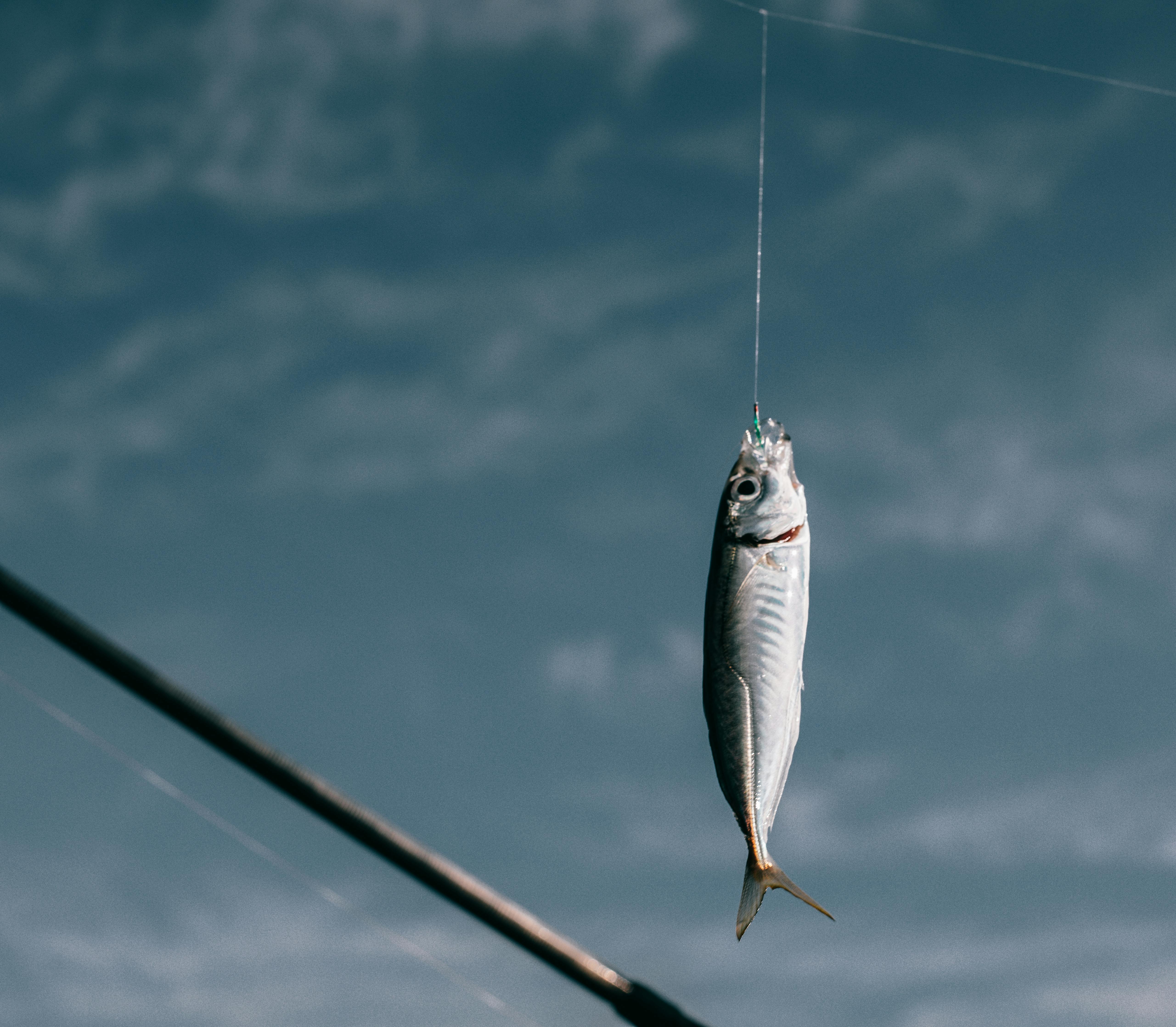
Soft swimbaits get plenty of attention in some muskie circles, but the simpler single-hook versions are still ignored by many anglers chasing harder-thumping trends. That is surprising, because they move through cabbage, coontail, and scattered wood with a clean, natural posture that often looks less threatening than bulkier multi-hook baits.
A paddletail with a stout jig hook or harness can be counted down, slow-rolled, or waked over submerged vegetation. It is a particularly smart option when pike and muskies are feeding on suckers, shiners, or juvenile panfish rather than oversized prey. Sometimes the best adjustment is not louder or larger. It is more believable.
Tail Spinner
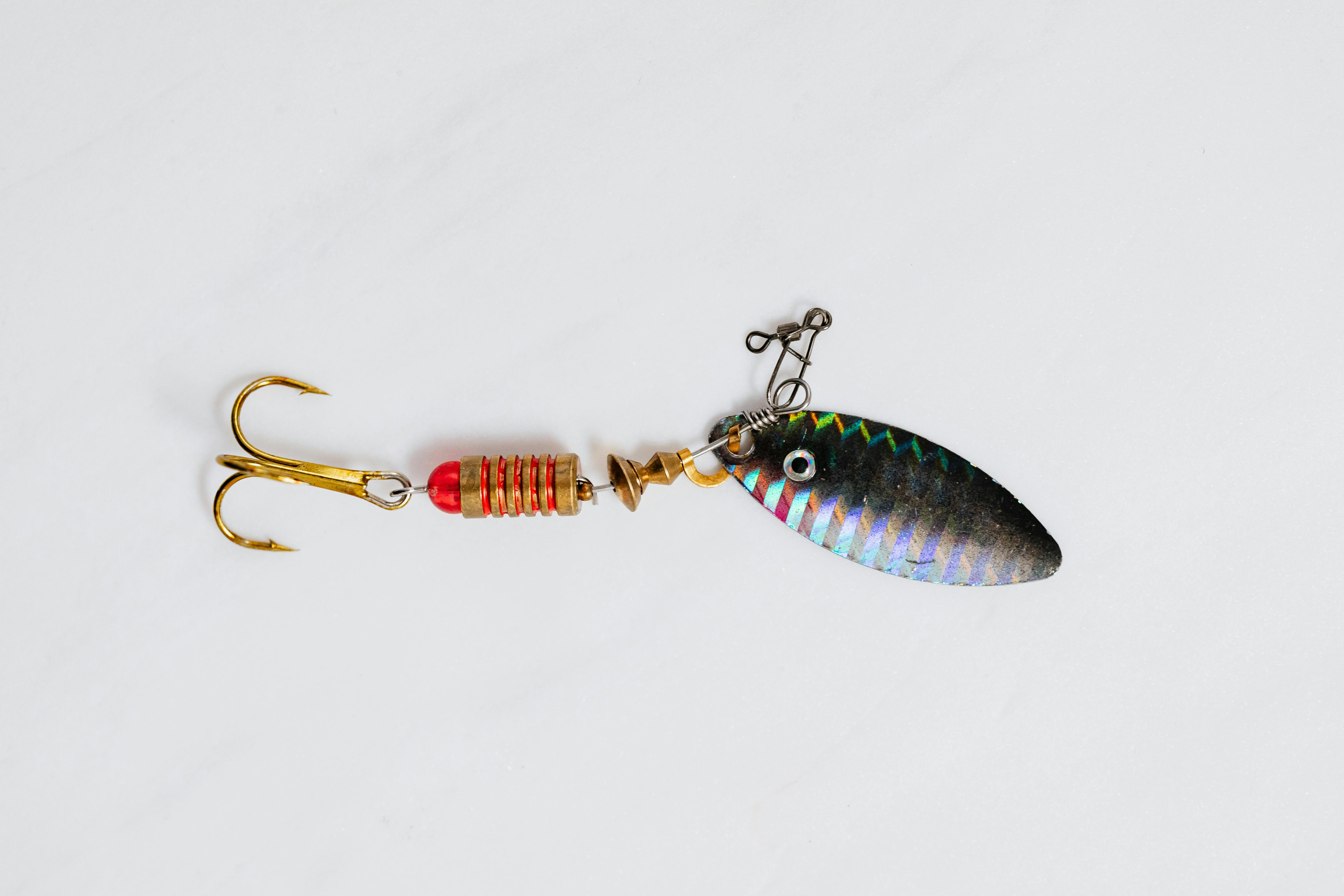
The tail spinner sits in an odd middle ground, too compact for anglers obsessed with giant profiles and too metallic for those who only want soft plastics. That leaves it strangely underused, which is a shame because its combination of flash, vibration, and sink rate can be deadly on fish suspended off breaks or roaming bait schools.
It excels when you need to cover water vertically and horizontally without changing lures. Cast it long, let it sink, then yo-yo or grind it back with occasional pops. Pike often crush it on the fall, and muskies will surprise anglers around deeper edges when the lure looks like a panicked baitfish trying to escape downward.
Wake Bait
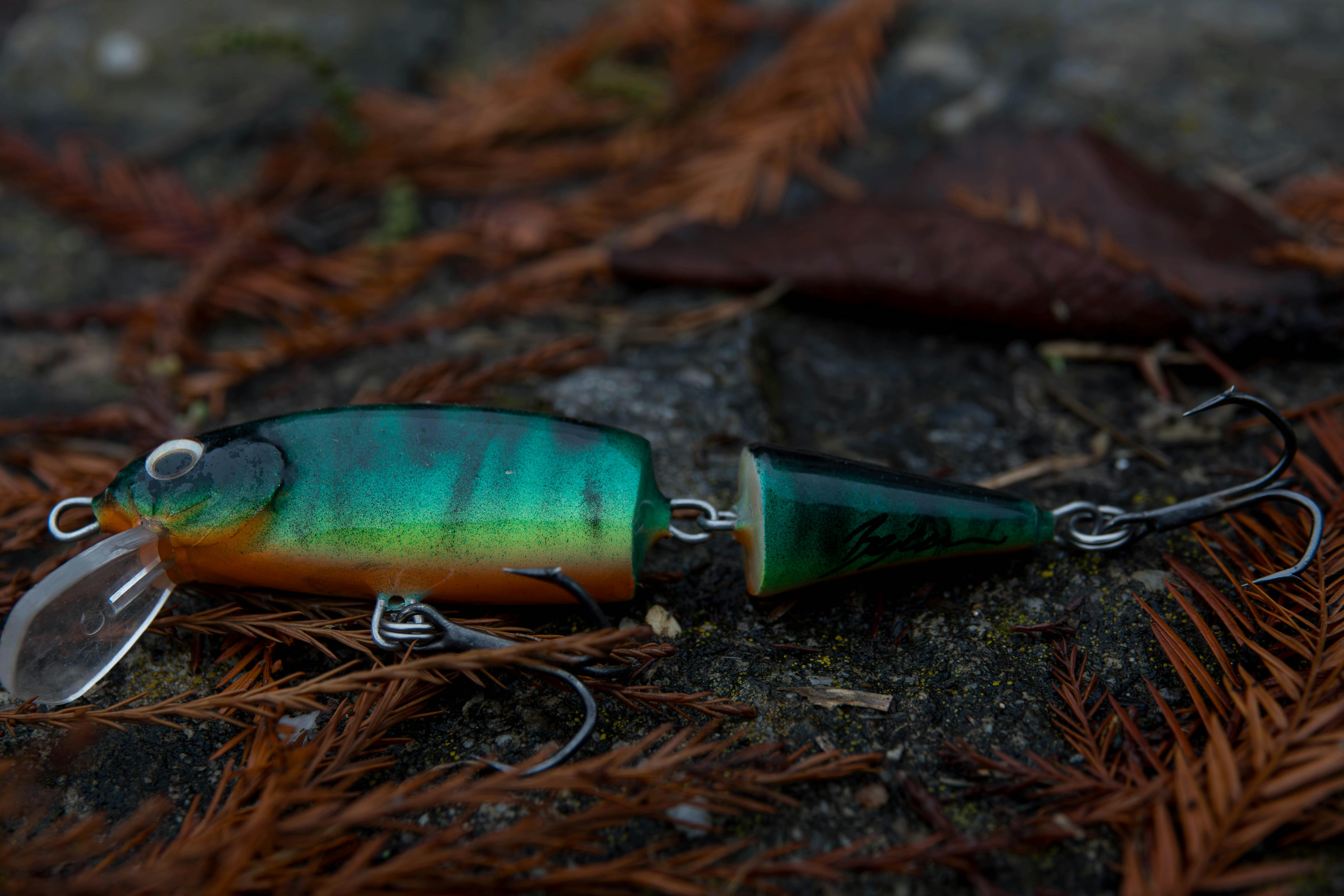
Wake baits tend to get filed under bass gear, but the surface bulge they create can drive pike and muskies wild. Unlike louder topwaters, a wake bait pushes water with a more subtle presence, which is often perfect on calm mornings, pressured lakes, and shallow stretches where predators are tracking but wary.
The charm is in that slow, steady crawl. The lure throws a visible V, rolls just enough, and suggests a struggling baitfish or small creature moving above the weeds. Serious anglers like wake baits when fish are following bucktails without eating. The profile feels vulnerable, and the near-surface track gives big predators time to commit.
Creeper Topwater
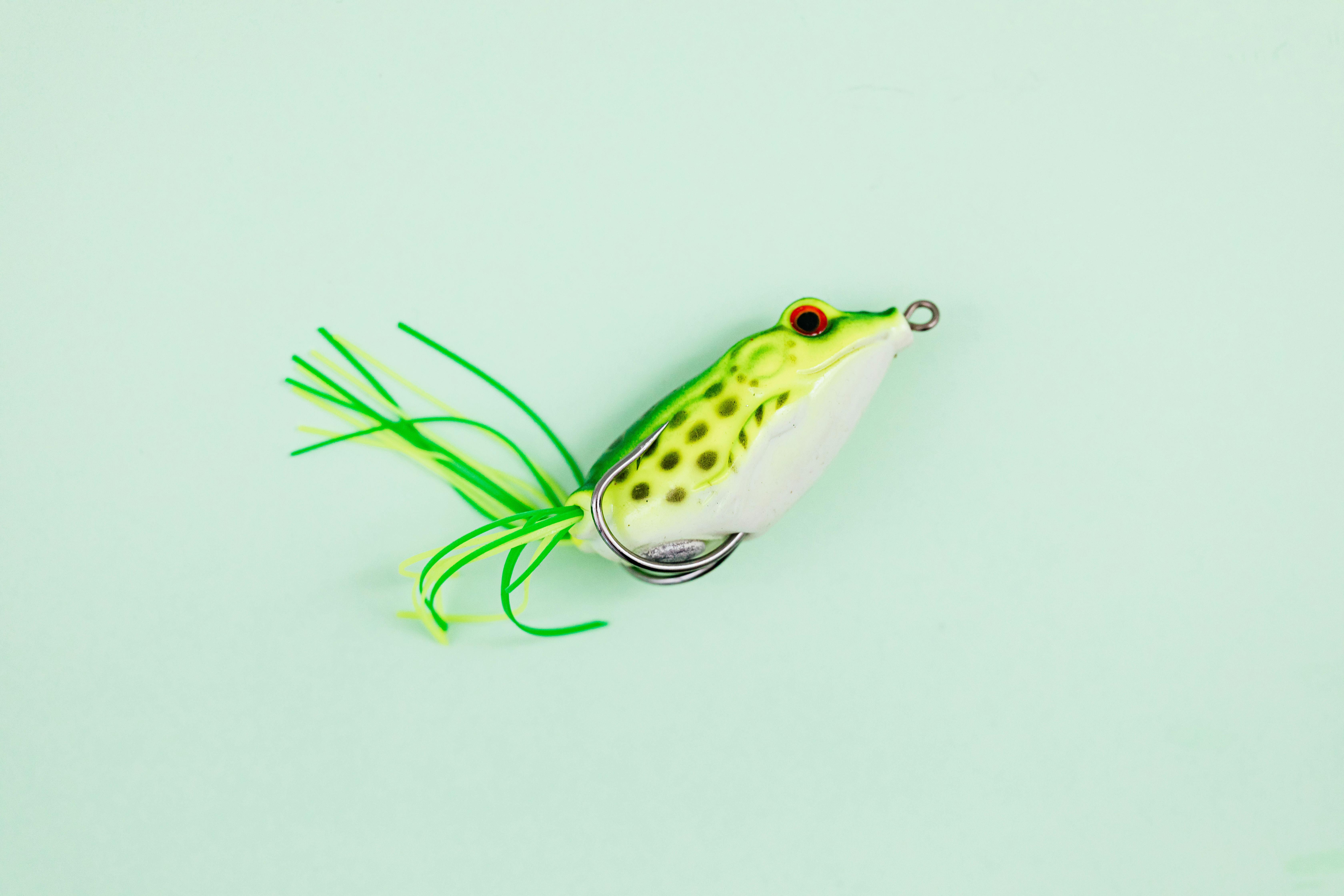
The creeper topwater looks old-fashioned, even a little odd, which may be exactly why it still works. Its winged crawl across the surface creates a plodding, clacking disturbance that stands apart from modern prop and walk baits. For fish that have heard every common topwater cadence, that weird signature can be irresistible.
Creepers are best when you slow down and let the lure do its unsettling thing. Over pads, dark shorelines, or inside turns after sunset, they project a large silhouette without racing out of the strike zone. Pike and muskies do not always want speed. Sometimes they want a target that seems trapped, noisy, and just barely escaping.
Crankbait with a Wide Wobble
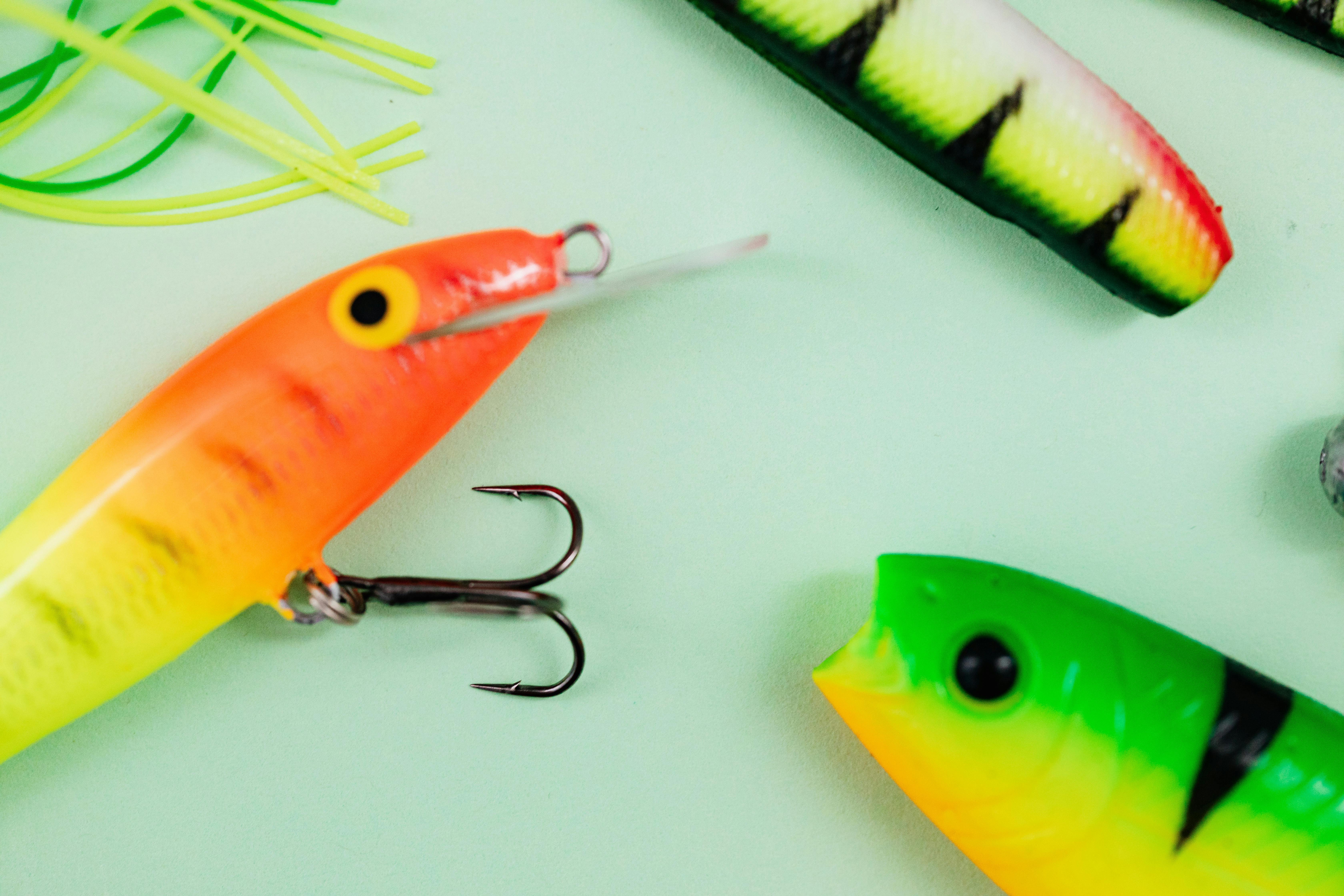
In the age of hyper-detailed swimbaits and precision jerkbaits, the old wide-wobbling crankbait can feel almost too simple. But pike and muskies often respond to blunt force vibration, especially in stained water, wind-blown banks, and shallow feeding windows. A lure that hunts, deflects, and throws heavy flash still has a real place.
This style shines around rock, wood, and sparse vegetation where contact matters. Bounce it off cover, pause after deflections, and do not be afraid to use versions larger than bass anglers usually throw. The broad wobble reads as panic, not finesse, and serious anglers know aggressive fish often prefer a bait that looks loud and slightly out of control.
Tube Jig
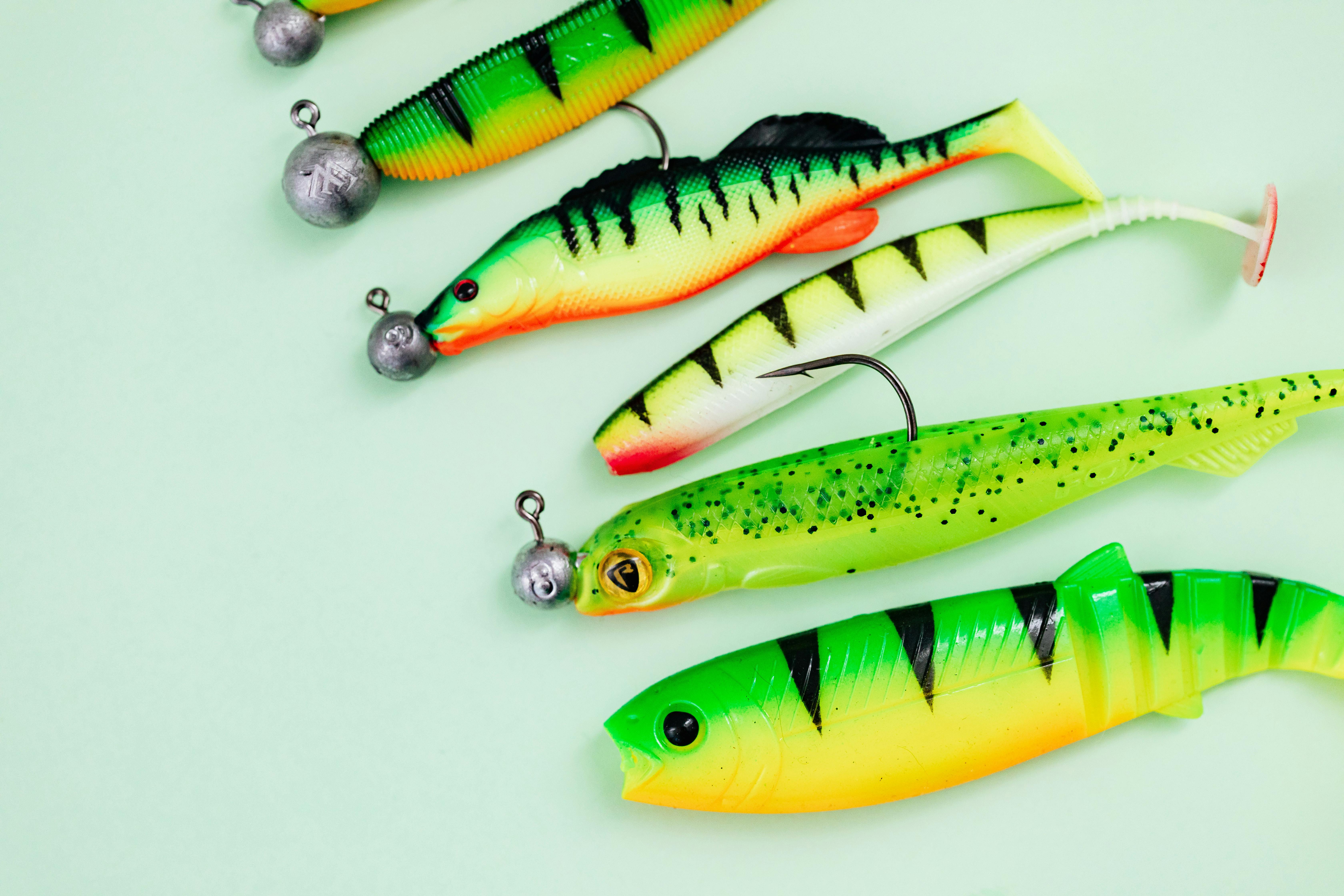
The tube jig rarely enters pike or muskie conversations, which is exactly why it deserves mention. Its tentacled profile, spiraling fall, and soft collapse on the bite make it look unlike most hard baits these fish see. Around current, deep weed edges, and rock saddles, it can present a compact meal with a very natural sink.
Many anglers think of tubes only for smallmouth, but upsized versions on stout jig heads have real predator appeal. Dragged, snapped, or swum near bottom, they imitate gobies, perch, and wounded forage in a subtle way. When fish refuse flashy hardware, a tube can feel almost sneaky, and sometimes sneaky is exactly right.