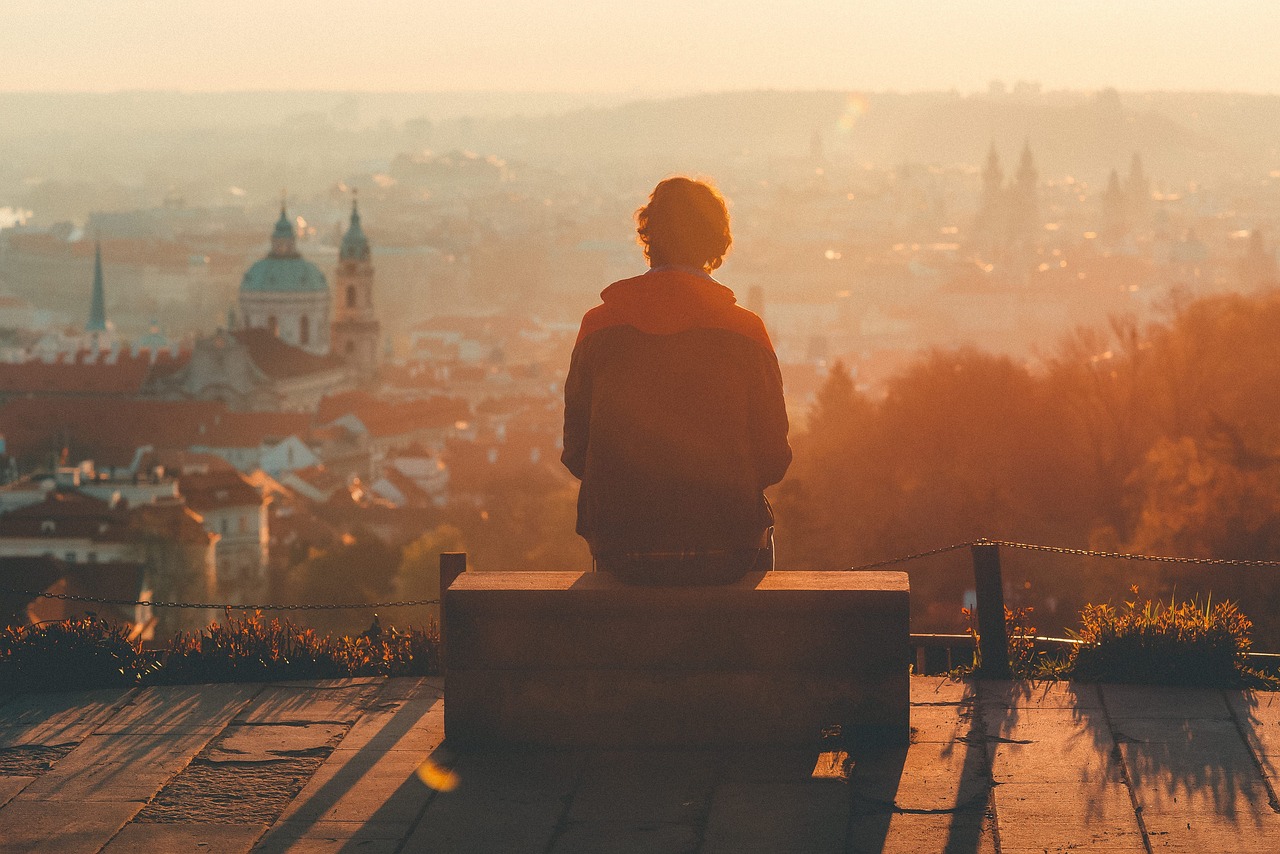
A quiet change is happening in the American outdoors. More people are choosing to camp alone, and they are doing it with purpose.
A bigger outdoor audience is feeding a more personal kind of adventure.
Solo wilderness camping is rising partly because camping overall has become far more mainstream. The Outdoor Industry Association reported that outdoor recreation participation reached a record 175.8 million Americans in 2023, or 57.3% of the population, with growth spread across ages and backgrounds. When a larger share of the country starts hiking, camping, and exploring public lands, it is natural that more people eventually want to try those experiences on their own.
Industry reports show the solo slice of that market is no longer small or niche. The Dyrt said solo camping increased for a third straight year, and its 2025 findings indicate that roughly 31% of campers spent at least one night camping solo in 2024, up sharply from 19% in 2021. That is a remarkable jump in a short period, and it suggests this is not a fad built around one demographic.
What changed is that camping now fits many lifestyles instead of just one old stereotype. For some people, solo wilderness camping is a step beyond crowded campgrounds and group trips. It offers the same entry point as mainstream camping, but with a stronger sense of independence, privacy, and control over the experience.
Solitude has become a form of wellness, not just a lack of company.

A lot of solo campers are not running away from people so much as seeking relief from nonstop noise. In a culture built around alerts, meetings, feeds, and constant response, wilderness solitude feels less like deprivation and more like recovery. The appeal is emotional as much as recreational: a chance to think clearly, move slowly, and spend a day without performing for anyone.
That helps explain why solo camping increasingly gets framed as self-care with dirt on it. People talk about it in the language once reserved for retreats, meditation, and therapy breaks. A night alone beside a lake or in a forest clearing can offer something many modern routines do not: uninterrupted attention.
There is also a confidence-building element that makes the trip itself meaningful. Cooking alone, setting camp alone, reading weather, and managing nerves after dark all create a sense of competence that many campers find deeply satisfying. The trip becomes not just a vacation, but proof that you can rely on yourself in a setting that asks more of you.
Flexible work and flexible schedules make solo trips easier to pull off.

One underrated driver of the solo camping surge is simple logistics. Group trips are hard to organize, especially for adults juggling work, kids, cost, and conflicting calendars. Solo camping removes the group text, the cancellations, and the endless debate over dates, gear, route choices, and how rugged the weekend should be.
That matters more in an era of changing work patterns. Bureau of Labor Statistics data show telework remains a meaningful part of American work life, and a notable share of workers still spend at least some time working from home. That flexibility has spilled into travel habits, making it easier for some people to take a Thursday night departure, a one-night wilderness trip, or a shoulder-season outing without planning months.
The Dyrt has also documented how camping and work increasingly overlap, with more campers reporting that they worked from campsites in 2023. Not every solo wilderness camper is answering emails from a tent, of course. But the broader point is clear: Americans have become more comfortable blending short escapes into regular life, and solo trips are the easiest kind of outdoor trip to fit into that rhythm.
Better gear and better safety tech have lowered the barrier to going alone.

Going into the backcountry alone used to feel like something reserved for the highly experienced or mildly reckless. Today, lighter tents, more intuitive stoves, improved layering systems, and compact water treatment have made wilderness camping more manageable for ordinary people. A first-time solo camper can now assemble a capable setup without needing expedition-level knowledge.
Safety technology has changed the equation, too. Retail guidance from REI now treats personal locator beacons and satellite messengers as standard planning considerations for remote travel, right alongside navigation and first-aid gear. For solo campers, that matters psychologically as much as practically. Knowing you can send an SOS or check in from outside cell range makes the idea of being alone feel more responsible and less extreme.
Technology has not removed the risks of solo travel, and experienced backcountry users will be the first to say that. But it has narrowed the gap between fear and readiness. Many people who once would have stayed home now feel equipped to try a one-night wilderness trip, especially after building confidence on day hikes, car camping weekends, or well-marked backcountry routes.
Crowded frontcountry recreation is pushing some campers deeper into the landscape.
Part of the solo camping story is actually a crowding story. As camping demand has grown, many public campgrounds have become harder to book, especially in peak seasons. The Dyrt reported that difficulty finding a campsite rebounded to 56.1% in 2024 after easing in 2023, a sign that demand remains intense in the most sought-after public places.
That pressure changes behavior. Some campers who are tired of packed camp loops, generator noise, and fully reserved weekends start looking toward dispersed camping, permit-only backcountry zones, and less social forms of recreation. In other words, wilderness becomes attractive not just for beauty, but for breathing room.
The National Park Service has acknowledged similar strains in backcountry management. Parks such as Yellowstone, Grand Teton, Mount Rainier, and others maintain permit systems for overnight backcountry travel, while planning documents from places like Shenandoah note slight increases in backcountry user nights and concern about unprepared visitors shifting into wilderness when frontcountry areas fill. Solo camping grows in that environment because it is often the cleanest way to reclaim quiet.
Social media helped normalize the idea, even when the goal is escape.

It may sound contradictory, but digital culture has helped sell offline solitude. Social media has made camping gear, trail routines, meal systems, and solo travel stories visible to millions of people who might never have seen themselves as outdoorsy before. The image of the solo camper is no longer unusual. It is familiar, aspirational, and increasingly practical.
Just as important, online communities have made the learning curve less intimidating. New campers can watch packing tutorials, read trip reports, compare safety checklists, and study route planning before they ever leave home. What once required a mentor or years of trial and error can now be pieced together through a mix of official guidance, gear education, and shared experience.
At the same time, many solo campers are responding against the very culture that introduced them to the idea. After spending all week online, they want the opposite of an algorithmic life. The irony is that the phone may inspire the trip, but the deeper appeal lies in turning the phone off and walking into a place where nobody expects immediate access.
The trend is likely to keep growing, but it will demand better skills and ethics.
Everything suggests solo wilderness camping will remain a major outdoor trend, not a brief spike. Participation in outdoor recreation is still high, casual consumers continue to drive growth in the outdoor market, and solo camping now appeals to retirees, young professionals, women travelers, remote workers, and experienced backpackers alike. It has become a flexible format for freedom rather than a fringe hobby.
But growth brings consequences. Leave No Trace has emphasized that increasing visitation in parks and protected areas raises the need for stronger outdoor ethics, especially around campsites, waste, wildlife, and trail impacts. Wilderness managers are already balancing access with ecological protection, and solo campers are part of that equation just like everyone else.
That is why the healthiest version of this trend is not just more people going alone. It is more people are going along well. The campers who will shape the future of solo wilderness travel are the ones who learn permits, route planning, weather judgment, food storage, and low-impact habits, then treat solitude not as a performance, but as a responsibility.