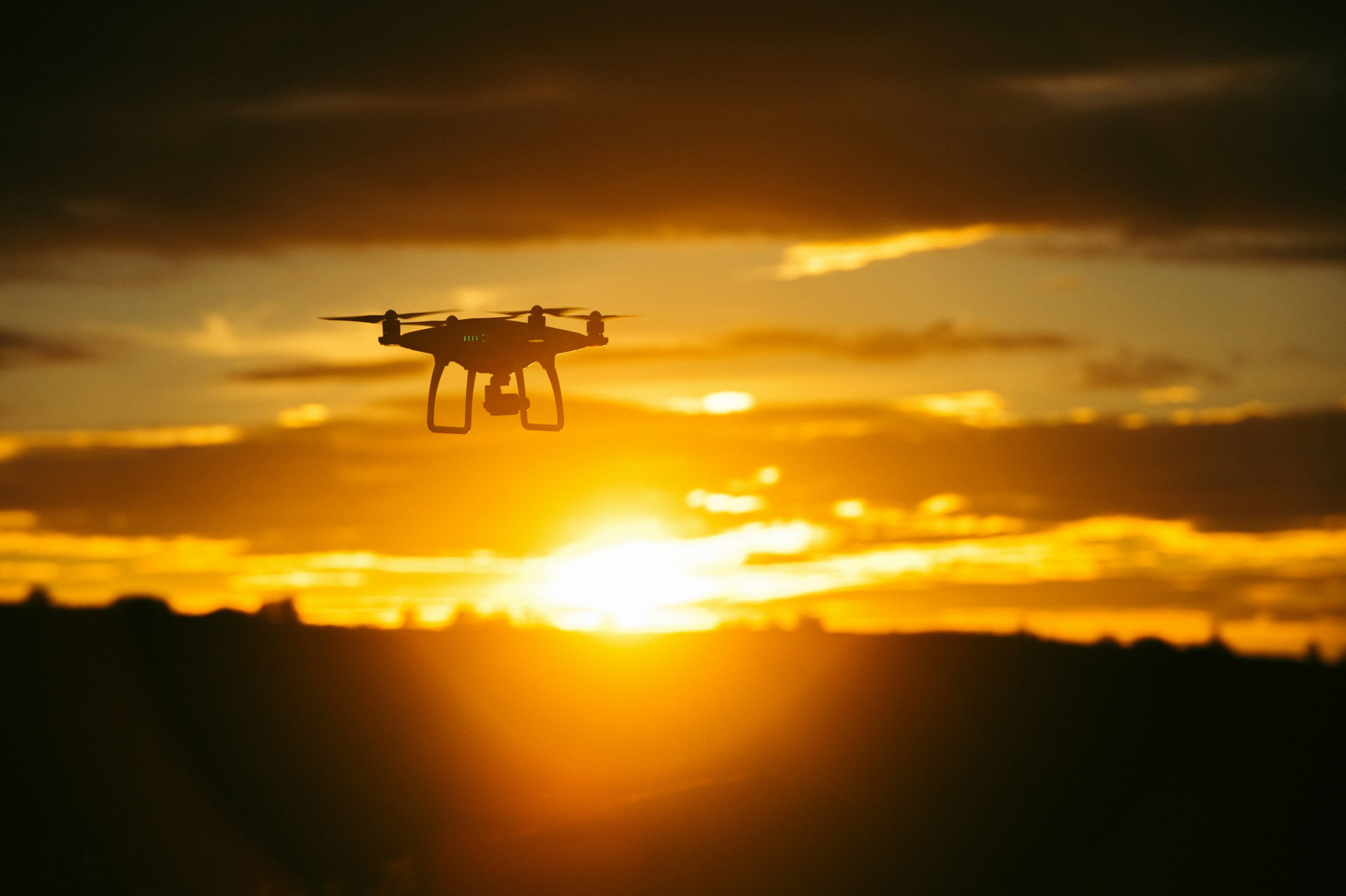
Drones have changed everything from real estate to filmmaking, and now they’re reshaping how some hunters scout game. In a handful of places, certain uses are legal, but the backlash is fierce, and the ethics debate is far from settled. This gallery explores why drone scouting sits at the intersection of technology, tradition, privacy, and wildlife fairness.
Legality depends on the state and the exact use.

The biggest misconception is that drone scouting is either fully legal or fully banned everywhere. In reality, the rules often hinge on fine distinctions: whether the drone is used before the hunt, during the same day as the hunt, over public land, or to directly locate and pursue animals.
Some states prohibit using aircraft of any kind to assist in taking game, while others focus on harassment, live tracking, or same-day airborne scouting. That means a practice that looks routine in one jurisdiction can trigger penalties in another. For hunters, the controversy starts with how patchwork those laws really are.
Scouting from the sky changes the old idea of fair chase.

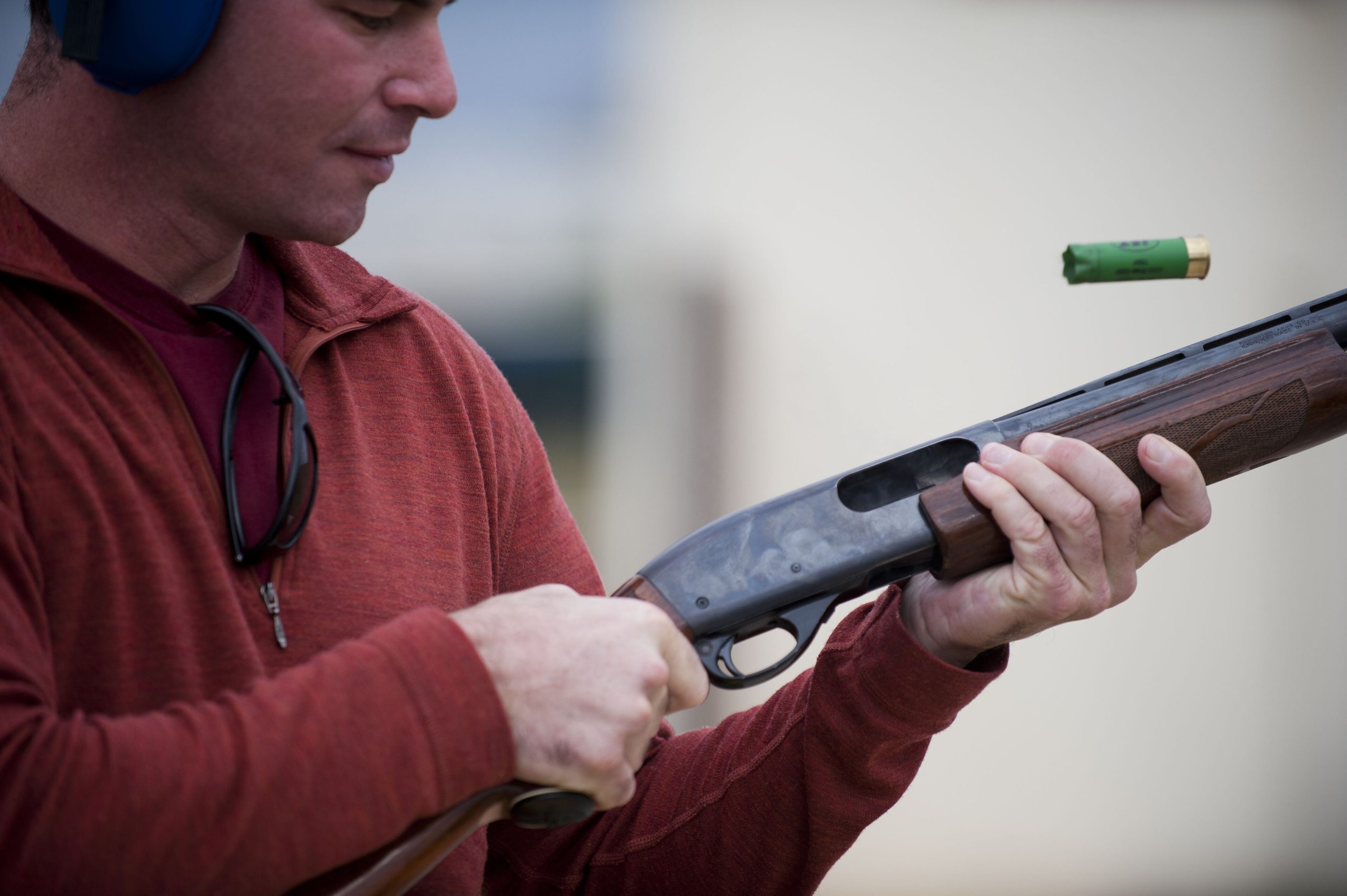
For many critics, this debate is not just about legality. It is about fair chase, the long-standing hunting ethic that says wild animals should have a meaningful chance to avoid the hunter. A drone’s camera, flight range, and elevated view can make that balance feel badly tilted.
Supporters often argue that scouting is scouting, whether it happens with binoculars, boots, trail cameras, or a quadcopter. Opponents counter that aerial surveillance turns a traditionally patient, uncertain pursuit into something closer to optimized search. That ethical split is why the issue draws such strong reactions even where the law allows it.
Same-day scouting is where many regulations get strict.

A major legal line in several states involves timing. Some jurisdictions are especially wary of same-day airborne scouting, where a hunter uses aerial information and then heads out immediately to capitalize on it. Regulators often see that as a more direct hunting advantage than general preseason observation.
That distinction matters because a drone flight the week before opening day may be treated very differently from a flight that spots elk at 7 a.m. and sends someone to intercept them at 9 a.m. Critics say the immediacy undermines the spirit of the hunt. Hunters who misread that rule can end up in serious trouble fast.
Wildlife disturbance is a real concern even before a shot.

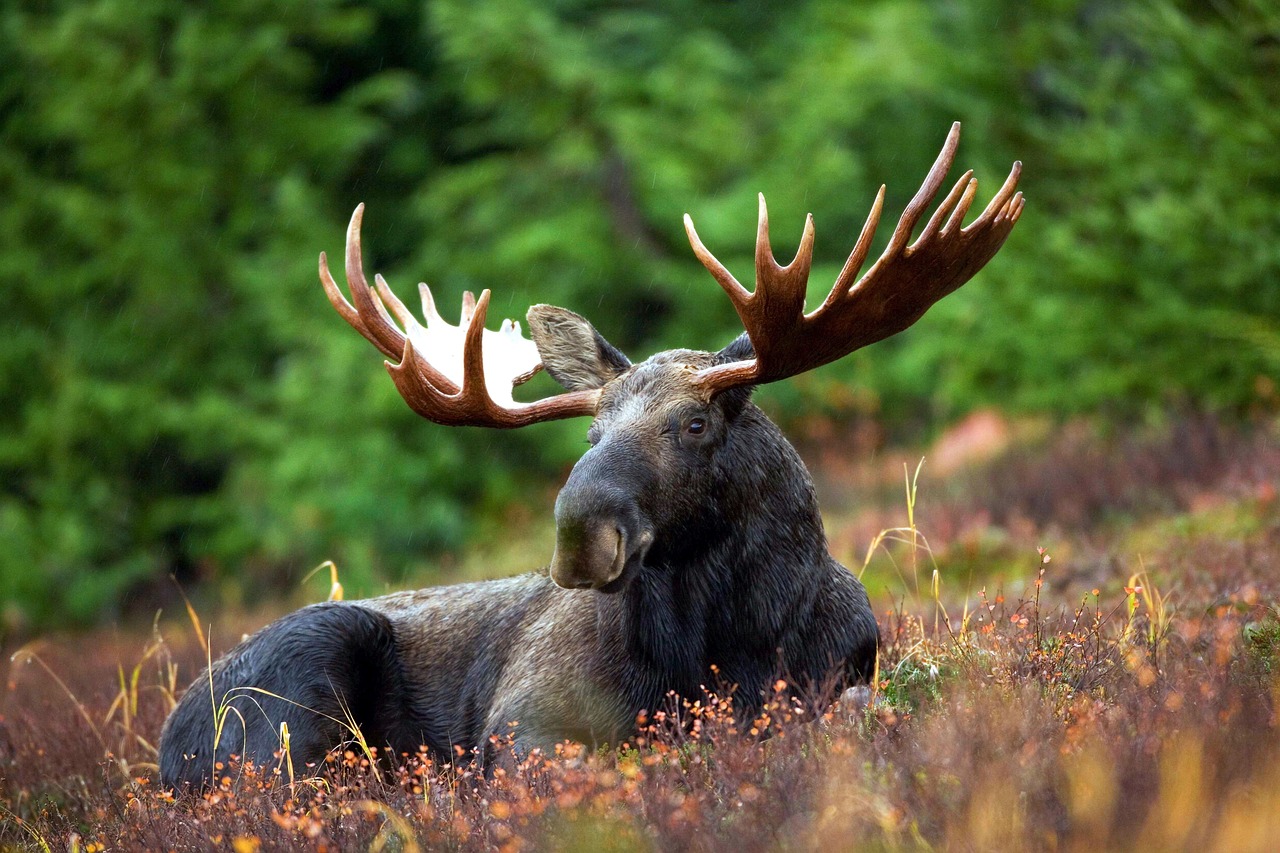
One of the strongest arguments against drone scouting has nothing to do with marksmanship. It is the possibility of stressing or displacing wildlife. Even small consumer drones can buzz, hover, and approach from angles animals are not used to, especially in open country or during sensitive periods.
Biologists and wildlife officers in some regions worry that repeated flights can alter feeding, bedding, or migration behavior. What looks like harmless reconnaissance to a person holding a controller may feel like pressure from above to an animal on the ground. That concern becomes even sharper during winter, calving seasons, or heavily hunted periods.
Privacy complaints can spill far beyond the hunting debate.

Drone scouting can stir up conflict even when no animal is ever pursued. Neighbors, landowners, and rural residents may object to low-flying devices near homes, barns, fence lines, or private acreage. In places where property boundaries are already sensitive, drones can make a tense atmosphere worse.
That is part of why this issue resonates beyond hunting circles. People who have no stake in deer season may still care deeply about cameras overhead and uncertainty about what is being recorded. A legal wildlife scouting flight can still be seen as intrusive, provocative, or disrespectful, especially in communities where personal space is taken seriously.
Public land makes the technology question even more heated.

On public land, drone scouting can feel like an arms race. Hunters already compete for limited space, limited time, and limited opportunity, and adding aerial tech raises fears that the playing field starts favoring people with more money, better gear, and more digital know-how.
That dynamic can intensify crowding problems in a new way. If a drone helps locate concentrations of game, the information may funnel more people into the same basin, ridge, or draw. Critics argue that public hunting works best when skill, patience, and woodsmanship matter most. Drone advocates respond that new technology has always changed how hunters prepare.
Enforcement is difficult because intent is hard to prove

Even when states have restrictions, enforcement can be messy. A drone might be used for photography, mapping, checking fences, or wildlife viewing, and proving that it directly assisted a hunt is not always simple. Officers may have to piece together timing, location data, footage, and hunter behavior.
That gray area frustrates nearly everyone. Critics say weak enforcement invites abuse and rewards people willing to push boundaries. Hunters who try to follow the rules may also feel uneasy, since vague standards can create uncertainty about what is allowed. In practice, the controversy grows because the line between scouting and active assistance is not always obvious.
The broader fight is really about what hunting should become

At its core, the drone debate is a culture debate. One side sees adaptation: modern tools, better information, and legal innovation that reflects how technology now fits into outdoor life. The other sees erosion: another step away from restraint, uncertainty, and the intimate field skills that many believe define ethical hunting.
That is why the argument rarely stays narrow. It quickly expands into bigger questions about respect for wildlife, access, tradition, and whether every available advantage should be used simply because it can be. In some states, the law may leave room for drone scouting. Public opinion, however, remains far less accommodating.