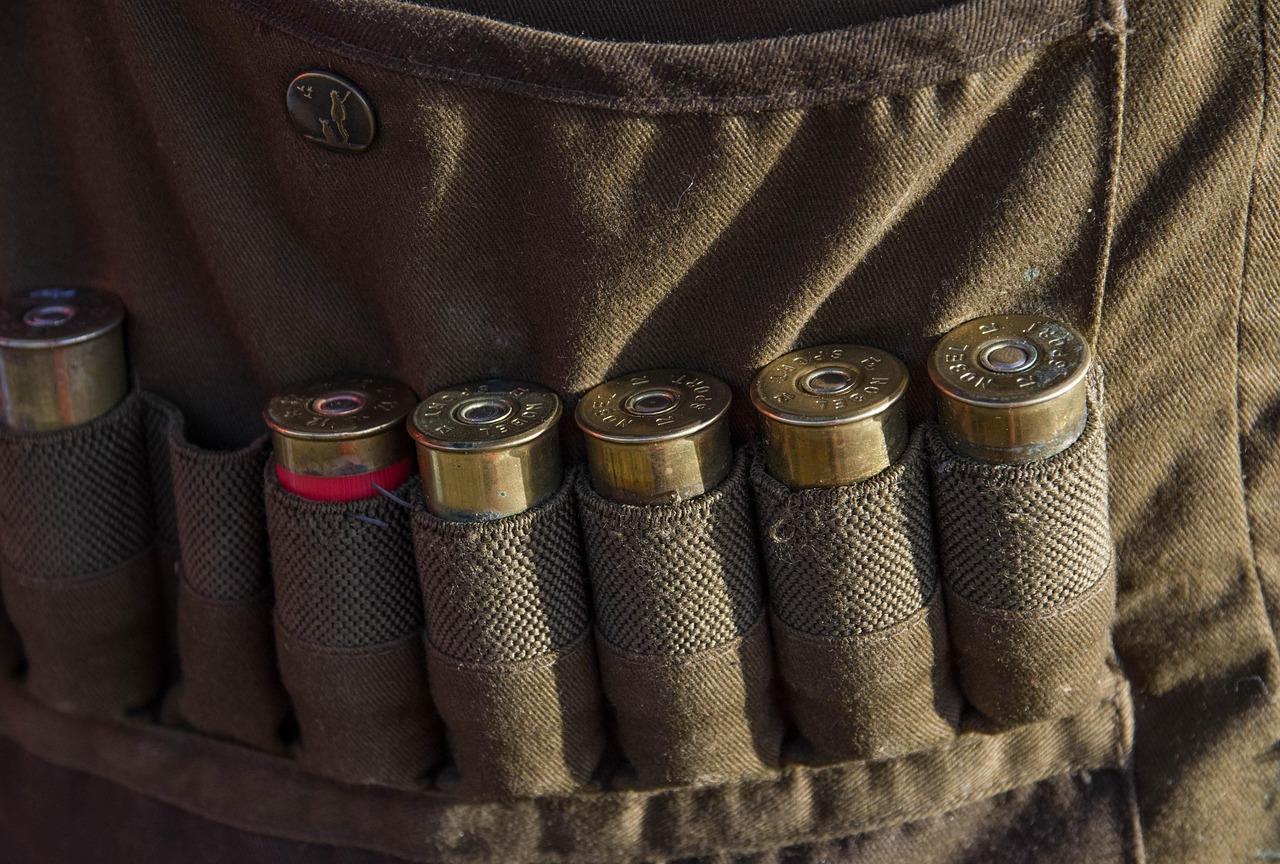
Lead ammunition has become one of the most emotionally charged issues in modern wildlife policy. Hunters, biologists, public land managers, and conservation groups often agree on the importance of healthy ecosystems, but they sharply disagree on how quickly change should happen and who should bear the cost. These debates are playing out in statehouses, courtrooms, and hunting camps across the country, with real consequences for wildlife and sporting culture.
The Science Over Scavenger Poisoning

One of the biggest flashpoints centers on whether fragments from lead bullets are significantly poisoning eagles, condors, vultures, and other scavengers. Conservation groups point to necropsies, blood tests, and field studies showing that tiny fragments can remain in gut piles and carcasses long after a shot is fired.
Many hunters do not deny that poisoning happens, but some argue the scale is overstated or too uneven to justify broad restrictions. They often want region-specific rules tied to clear evidence instead of sweeping bans.
That difference sounds technical, but it drives almost every policy fight. If the risk is widespread, regulators push for fast action. If it is localized, hunters say education and targeted programs make more sense.
Cost at the Counter

For many hunters, the debate becomes very practical the moment they walk into a sporting goods store. Nonlead rifle and shotgun loads can cost notably more, and in some calibers or gauges, the selection is still limited, especially in small-town shops.
Conservation advocates often respond that price gaps have narrowed and that demand will improve supply over time. They also argue that the public cost of wildlife rehabilitation, monitoring, and ecosystem damage should be part of the conversation.
The tension grows when families who hunt for food feel they are being priced out by policy. What looks like a manageable transition from a policy desk can feel like a direct hit to tradition and access in the field.
Performance in the Field

Supporters of nonlead ammunition frequently say modern copper and alloy bullets perform extremely well, often retaining weight and penetrating deeply. Many hunters who have switched report clean kills and excellent accuracy, especially with newer premium loads.
Still, skepticism remains strong among hunters who have relied on the same lead loads for decades. They worry about expansion, terminal performance, barrel preferences, and whether a trusted setup will behave differently during a once-a-season shot.
This is where the argument turns personal. Hunters measure ammunition by outcomes they can see immediately, while conservation groups focus on broader wildlife impacts that may be less visible in a single hunt but significant across landscapes.
Should Rules Apply Everywhere or Only in Hotspots

A major policy dispute is whether lead restrictions should be universal or limited to areas with documented wildlife exposure. Places with vulnerable condor, eagle, or wetland bird populations often become test cases for broader state or federal rules.
Hunters who favor targeted regulation argue that local problems deserve local solutions. They say a ranching valley with scavenger die-offs is not the same as a remote deer unit where exposure data may be thin or nonexistent.
Conservation organizations counter that wildlife moves, fragments travel through food webs, and patchwork rules are hard to enforce. To them, statewide standards are cleaner, simpler, and more protective before problems become harder to reverse.
Voluntary Change Versus Legal Mandates

Some of the fiercest arguments are not about the goal but the method. Many hunters support voluntary programs that offer discounts, free nonlead ammo, and outreach through local clubs rather than top-down rules backed by penalties.
Conservation groups often say voluntary efforts can help, but they rarely reach the scale needed to protect sensitive species consistently. In their view, the data improve fastest when participation is no longer optional.
That creates a trust problem. Hunters may see mandates as proof that agencies never intended to collaborate, while advocates for stronger regulation see voluntary compliance as too slow for wildlife already under pressure from habitat loss, climate stress, and disease.
Public Land Restrictions and Access Fears

When agencies consider nonlead requirements on public land, many hunters hear a larger warning bell. They worry that lead restrictions could become another layer of bureaucracy that makes legal hunting more confusing, expensive, and vulnerable to future limits.
Conservation groups usually frame those proposals differently. They argue that public lands are managed for multiple uses and public trust resources, including raptors, carnivores, and endangered species that may ingest lead from harvested animals.
The emotional force of this debate comes from symbolism. For hunters, public land often represents freedom, heritage, and self-reliance. For conservation advocates, it represents a shared responsibility to reduce avoidable harm wherever the public has the clearest authority to act.
Game Meat Safety for Families

Another contested issue is what lead fragments mean for the people eating venison, elk, or other wild game. Health officials and some researchers have warned that tiny fragments can spread farther from the wound channel than many home processors realize.
Hunters often answer that generations have eaten wild game without obvious harm, and they question whether occasional exposure is being presented in a way that alarms families more than the evidence warrants. Some also stress careful butchering as a practical safeguard.
Because this debate touches children, food, and household trust, it quickly becomes emotionally loaded. Once a policy discussion starts sounding like a warning about what is on the dinner table, resistance and concern both intensify fast.
Who Pays for the Transition

Even people who support moving away from lead often disagree over funding. Hunters ask whether agencies, manufacturers, or conservation nonprofits should help absorb the cost of switching ammunition, re-sighting rifles, and building new supply chains.
Advocates for restrictions sometimes support rebates and incentive programs, but not all lawmakers want to fund them. That leaves a political gap between demanding change and making the change affordable enough to feel fair.
This matters because hunting participation already faces pressure from rising land costs, license fees, and demographic shifts. If lead policy is seen as one more unfunded burden on a shrinking base of sportsmen and sportswomen, opposition hardens well beyond the ammunition issue itself.
The Clash Between Tradition and Precaution

Beneath the technical arguments sits a deeper cultural divide. Many hunters see lead restrictions as part of a broader pattern in which people far from the field judge rural practices without fully understanding ethics, habitat work, and the role hunters play in conservation funding.
Conservation groups, however, often describe the issue through a precautionary lens. If a preventable source of poisoning exists and alternatives are available, they argue, responsible stewardship means changing course even when the transition is unpopular.
That is why the debate can feel so raw. It is not only about metal composition. It is about identity, credibility, and who gets to define what modern, ethical conservation should look like in practice.
How Fast Policy Should Move

Perhaps the most important disagreement is over pace. Conservation advocates often say the evidence is strong enough to justify faster deadlines, especially where threatened birds and scavengers are already struggling from multiple environmental pressures.
Hunters and allied groups tend to push for longer timelines, phased rollouts, and more testing across calibers, species, and regions. They argue that durable policy works better when people have time to adapt and when shelves can actually meet demand.
This final tension shapes all the others. Move too slowly, critics say, and wildlife pays the price. Move too fast, hunters warn, and regulators risk eroding trust with the very community that funds management and spends the most time on the landscape.