For generations, the Winchester Model 70 has held a near-mythic place in the deer camp, elk woods, and African bush. New rifles may be lighter, cheaper, or more modular, but many serious big game hunters still insist the Model 70 delivers a blend of feel, function, and trust that remains hard to duplicate. This gallery looks at the traits they keep coming back to, and why the old standard still feels current where it matters most.
Controlled-round feed confidence

Ask veteran hunters what separates the Model 70 from many newer bolt guns, and controlled-round feed usually comes up first. The claw extractor takes hold of the cartridge early and keeps control of it through the cycle, which gives shooters a deep sense of mechanical certainty.
That matters most when positions are awkward, adrenaline is high, and a fast follow-up shot has to happen without drama. On dangerous game or steep mountain terrain, hunters often say this feature is less about nostalgia and more about confidence under pressure.
Plenty of modern rifles work well, but devotees argue the Model 70’s feeding system inspires trust in a way that spreadsheets and spec sheets cannot fully explain.
A safety hunters trust instinctively

The three-position safety is one of the Model 70’s most admired practical touches. Hunters like that it allows the rifle to stay on safe while the bolt can still be operated, making loading and unloading feel deliberate and controlled.
In bad weather, cold fingers, and fading light, simple systems tend to win. The safety’s movement is positive, easy to understand, and widely praised for giving clear feedback without forcing the shooter to fumble or guess.
That kind of familiarity becomes part of muscle memory over time. Serious hunters often say the Model 70’s safety is not flashy, but it does exactly what they want when conditions stop being comfortable.
Balance that feels right in the hands

A rifle can look perfect on paper and still feel awkward once it leaves the gun rack. Model 70 fans often talk about balance in almost intangible terms, saying the rifle settles naturally between the hands and points with very little conscious correction.
That quality shows up on long walks, quick offhand shots, and awkward rests against a pack or tree. Instead of fighting the rifle’s weight distribution, hunters say they work with it, which makes the gun feel like a field tool rather than a bench instrument.
Many modern rifles are impressively light, but some shooters feel they become twitchy. The Model 70 tends to strike a middle ground that experienced hunters continue to appreciate.
The classic stock dimensions

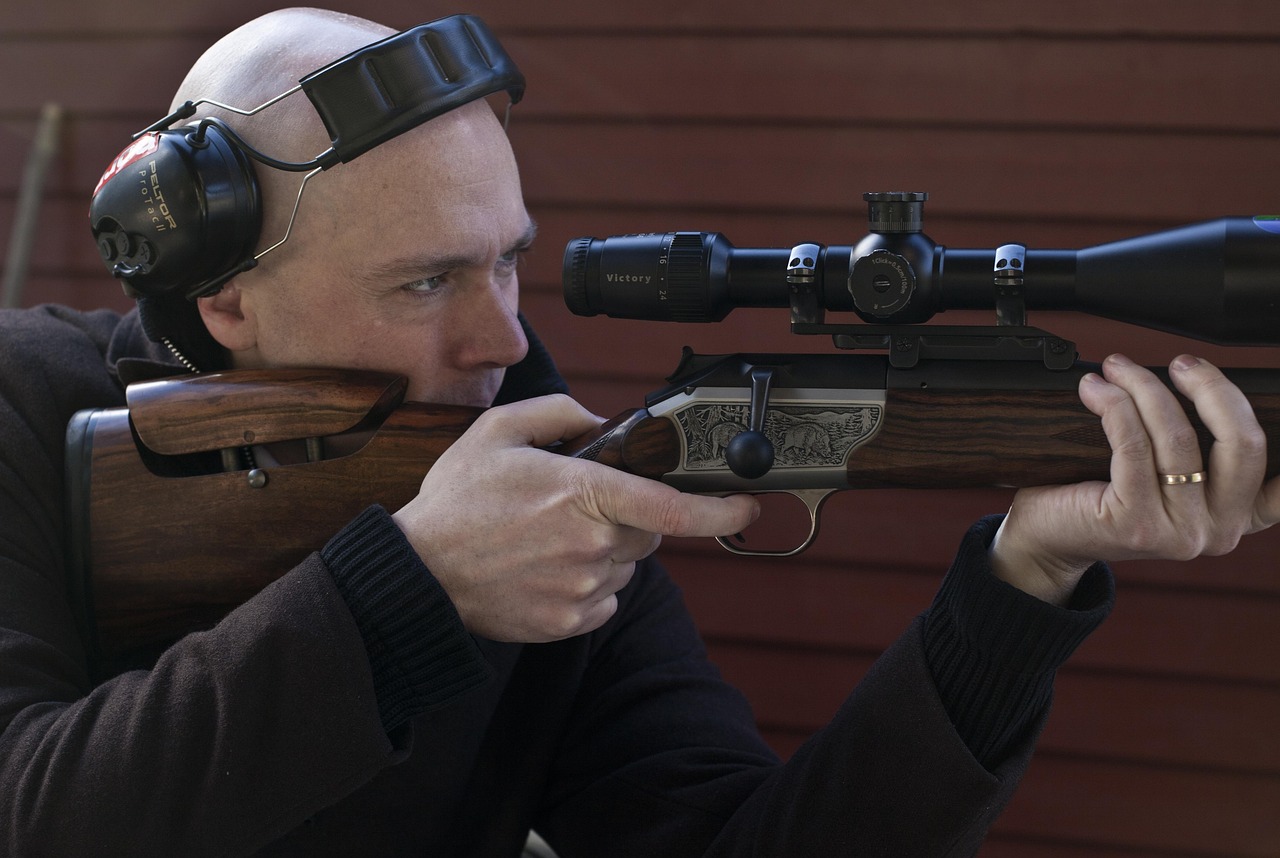
The Model 70’s stock design is part ergonomics and part tradition, and for many hunters the two are inseparable. Whether in walnut or synthetic trim, the rifle’s lines tend to promote a natural cheek weld and a practical sight picture that feels immediate when the rifle is mounted.
Shooters who grew up around classic sporting rifles often say the dimensions just make sense. The grip, comb, and fore-end usually feel shaped for actual field use, not merely for catalog appeal or ultra-modern styling.
That familiarity pays off when a shot opportunity appears suddenly. Hunters may not always describe the geometry in technical language, but they know when a rifle comes to the shoulder the right way.
Reliability in miserable weather

The Model 70 built its reputation in the kind of weather that leaves gear soaked, frozen, dusty, or all three in the same trip. Hunters who have carried one through sleet, snow, and hard travel often describe it as a rifle that keeps working without asking for special treatment.
That reputation is not magic. It comes from straightforward design, durable parts, and the sense that the rifle was built for real hunting conditions rather than a clean shooting bench. Mud and cold expose weaknesses quickly, and old loyalties are usually formed there.
Modern rifles can be exceptionally dependable too, but the Model 70 has decades of field stories behind it. For many shooters, that proven record still carries real weight.
A reputation earned on dangerous game

Few compliments in the rifle world carry more weight than approval from hunters who pursue large, potentially dangerous animals. The Model 70 has long been respected in that arena, where smooth feeding, sturdy extraction, and absolute familiarity matter more than trends.
African professional hunters and experienced guides have often favored rifles that minimize surprises. The Model 70’s reputation in those circles helped cement its image as more than just a deer rifle. It became a serious working gun for moments when mistakes are costly.
That legacy still shapes how many people see the rifle today. Even hunters who never plan to chase buffalo or bear admire owning a platform trusted where the stakes are highest.
Smooth cycling without feeling fragile

Hunters love a smooth bolt, but not if that slickness comes with a flimsy or over-polished feel. Model 70 owners often praise the action for cycling with authority. It can feel solid and purposeful rather than loose, which is exactly what many field shooters prefer.
That sensation becomes important during fast reloads from compromised shooting positions. When a rifle runs cleanly but still feels robust, the shooter tends to stay focused on the animal and the shot, not on babying the mechanism.
Some newer rifles are very smooth in a showroom sense. Model 70 admirers argue theirs is smooth where it counts, with a durable, workmanlike character that stands up to years of hunting use.
Accuracy that matters in the field

No serious hunter dismisses accuracy, but many Model 70 loyalists make an important distinction between benchrest bragging and field effectiveness. They value a rifle that shoots predictable, repeatable groups and places the first cold-barrel shot where it needs to go.
That practical accuracy is what fills tags. A hunting rifle has to perform from improvised rests, in changing temperatures, and with a heartbeat that is not exactly calm. The Model 70’s reputation rests on being accurate enough in the ways real hunts demand.
Modern rifles often post excellent numbers, sometimes for less money. Even so, many hunters say the Model 70 combines precision with manners, making it easier to shoot well when conditions are far from ideal.
The trigger feel many shooters still prefer

Trigger discussions can turn obsessive in a hurry, but Model 70 fans usually keep it simple. They like a trigger that breaks cleanly, feels predictable, and supports precise shooting without seeming temperamental or overly delicate in hunting conditions.
For many, the appeal is control rather than extremity. A hunting trigger does not need to mimic a competition rifle to be effective. It needs to inspire confidence when gloves are on, breathing is elevated, and the shot window is measured in seconds.
That is why so many shooters remember the Model 70’s trigger feel so fondly. It becomes part of the rifle’s personality, a subtle but important reason people keep comparing newer designs to an old standard.
Built with a sense of permanence

A lot of modern hunting rifles are intentionally utilitarian, and there is nothing wrong with that. But the Model 70 often gives owners the feeling that it was built to last, to be repaired, to be handed down, and to keep hunting across decades instead of seasons.
That impression comes from materials, fit, and the way the rifle wears in rather than wears out. Scratches and handling marks can make it look more honest, not less desirable. Hunters often speak about these rifles as companions rather than replaceable equipment.
In a market where many products chase quick value, the Model 70 still suggests continuity. For some buyers, that emotional durability is every bit as meaningful as any mechanical specification.
Tradition that still influences expectations

The phrase Rifleman’s Rifle has followed the Model 70 for so long that it shapes expectations before the bolt is ever lifted. Hunters raised on stories, magazine features, and campfire praise often approach the rifle with a sense that it represents a benchmark in sporting arms.
That legacy is not just marketing residue. It reflects decades of use by people who judged rifles by whether they worked when weather, distance, and nerves all pushed back. Over time, the Model 70 became a reference point for what a serious hunting rifle should feel like.
Even people who choose something else often compare it to the Winchester standard. That says a lot about how deeply this rifle still lives in hunting culture.