When clean water disappears, knowing how to make questionable water safer can matter more than almost any other survival skill. This gallery walks through the purification methods experienced survivalists reach for when the tap is off, the grid is down, and every sip counts. Some are simple, some require gear, and all work best when you understand their limits.
Boiling

Boiling remains the gold standard when fuel and a container are available. It is trusted because heat reliably kills most disease-causing bacteria, viruses, and parasites that make natural water dangerous. In a true emergency, that simplicity is hard to beat.
Bring water to a rolling boil, then keep it there for at least 1 minute. At elevations above 6,500 feet, many experts recommend 3 minutes because water boils at a lower temperature. Let it cool naturally before drinking.
Boiling does not remove dirt, chemicals, or heavy metals, so cloudy water should be settled or filtered first. Even so, when survivalists want a proven, low-tech answer, this is often the first move.
Portable Water Filters

Portable filters are a favorite because they turn suspicious water into something far safer with very little waiting. Whether it is a squeeze filter, pump filter, or gravity bag, the basic idea is the same: force water through a fine barrier that traps harmful organisms.
These tools are especially useful for clearing sediment and reducing exposure to protozoa and bacteria. Many backpackers and preparedness-minded families keep one ready because it is lightweight, fast, and easy to use on the move.
Still, not every filter handles viruses, and most do not remove chemical contamination. Survivalists trust them most when they know the water source is biologically risky but not polluted by industrial runoff or fuel.
Purification Tablets
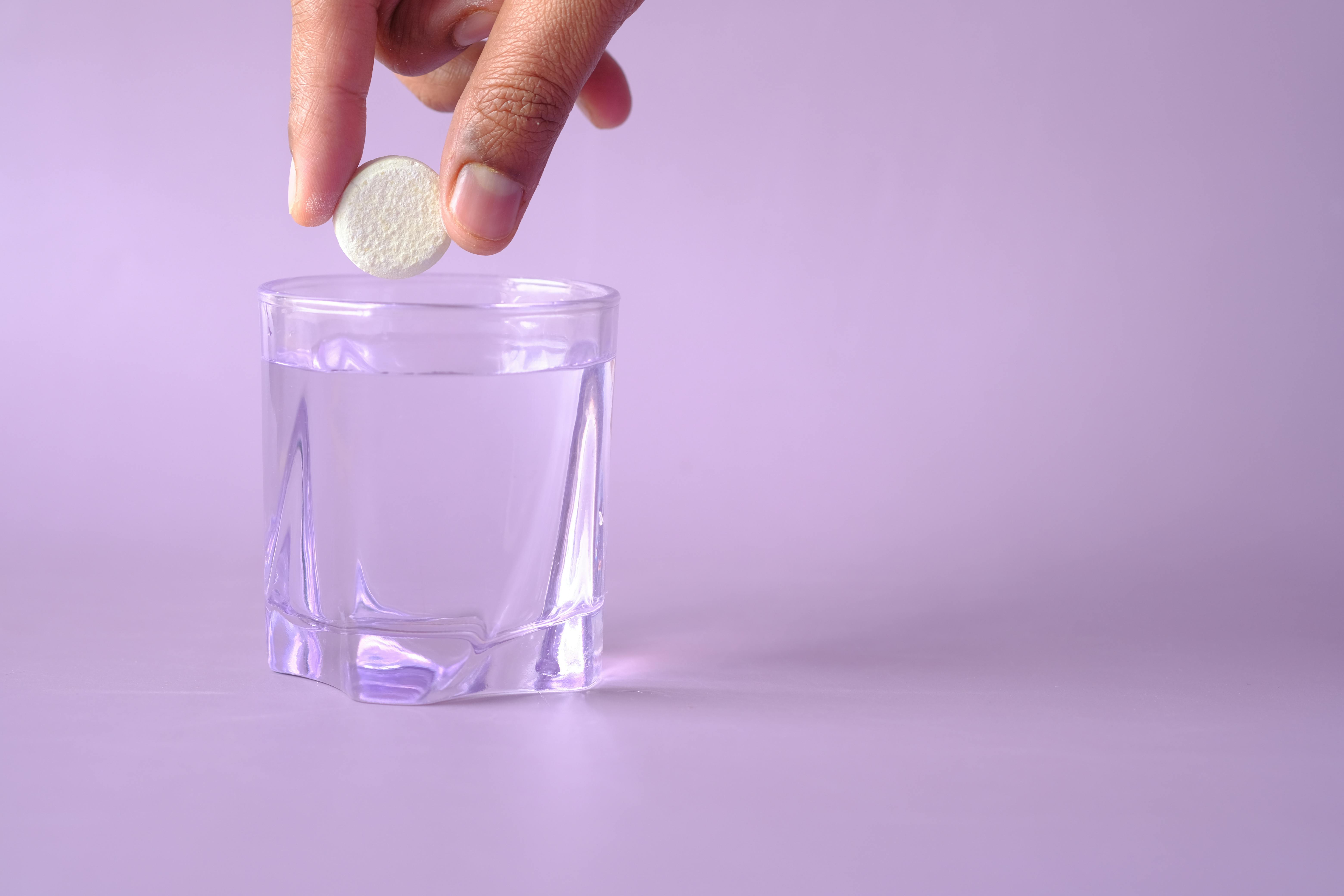
Chemical tablets earn their place because they are tiny, cheap, and easy to stash almost anywhere. A blister pack can ride in a first-aid kit, glove box, or jacket pocket without adding noticeable weight, which makes them ideal for emergency backups.
Most tablets use iodine or chlorine-based compounds to kill microorganisms. You drop them into water, wait the recommended time, and let chemistry do the work. In a storm, evacuation, or vehicle breakdown, that convenience can be invaluable.
The trade-off is taste, and some people have medical reasons to avoid certain products. Tablets also work more slowly in very cold or murky water, so survivalists often pre-filter dirty water through cloth before treating it.
Liquid Bleach Treatment
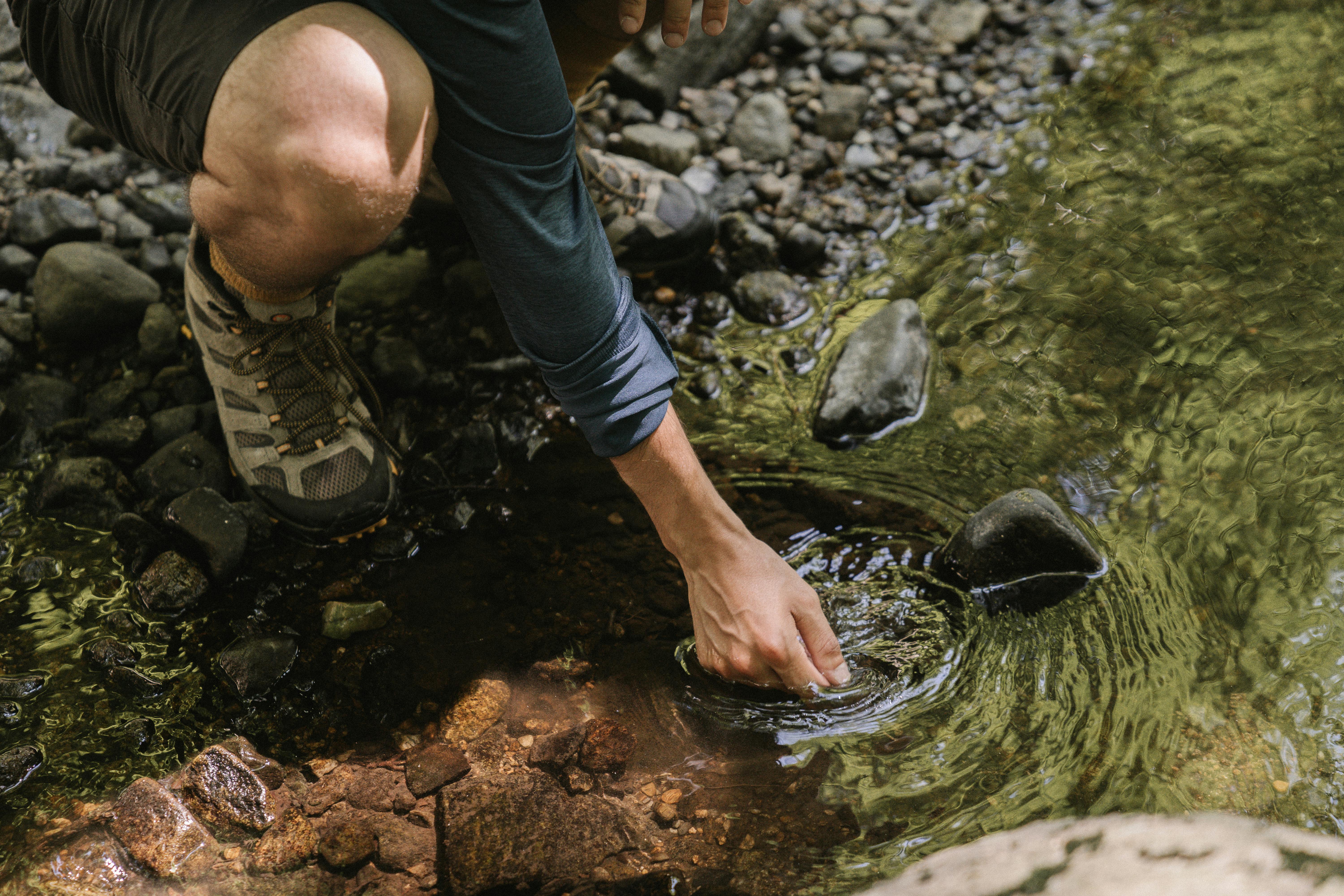
Unscented household bleach can serve as an emergency purifier when nothing more specialized is available. It is not glamorous, but survivalists value it because plain chlorine bleach is common, affordable, and effective against many dangerous pathogens when used carefully.
The key is precision. Too little may not disinfect the water, and too much can create its own health risk. In general emergency guidance, a few drops per quart or liter can be enough, followed by a waiting period so the chlorine can work.
This method is strictly for plain, unscented bleach with no added cleaners. Cloudy water should be filtered first, and if the source may contain chemicals, fuel, or agricultural runoff, bleach alone is not the answer.
UV Purification Devices

Ultraviolet purifiers feel almost futuristic, but they are popular for a reason. A compact UV wand can disinfect clear water quickly by damaging the DNA of harmful microorganisms, making them unable to reproduce and cause illness.
For people who want speed without the taste of chemicals, this method is appealing. It is often used by travelers and outdoors enthusiasts who need a lightweight option and have reliable batteries or charging capability.
The catch is that UV works best in clear water. If the water is cloudy, particles can shield microbes from the light, so pre-filtering is essential. Survivalists trust UV as a powerful tool, but not as a magic fix for every source.
Distillation

Distillation is the method survivalists think about when contamination goes beyond microbes. By heating water into steam and collecting the condensation, you leave many salts, metals, and other impurities behind. It is slower than boiling, but its reach is broader.
This approach can make seawater drinkable and can help with some types of chemical or mineral contamination. That makes it especially valuable after floods, near coastlines, or anywhere the only available water tastes brackish or suspect.
It does take equipment, patience, and fuel, which is why it is not usually the first option in the field. But when every nearby source seems compromised, distillation can be the difference between risky water and a usable supply.
Solar Disinfection

Solar disinfection, often called SODIS, uses sunlight and clear plastic bottles to reduce pathogens in water. It sounds almost too simple, yet in the right conditions it can be surprisingly effective, which is why experienced survivalists keep it in mind.
The process depends on strong sunlight, relatively clear water, and enough time. Bottles are filled, laid in direct sun, and left for hours so ultraviolet rays and heat can do their work. It is wonderfully low-tech and requires no fuel.
But it is also slow and weather-dependent. On cloudy days or with muddy water, results become less reliable. Survivalists see it as a useful backup method, especially when supplies are gone and sunlight is the one resource still available.
Improvised Charcoal and Sand Filters
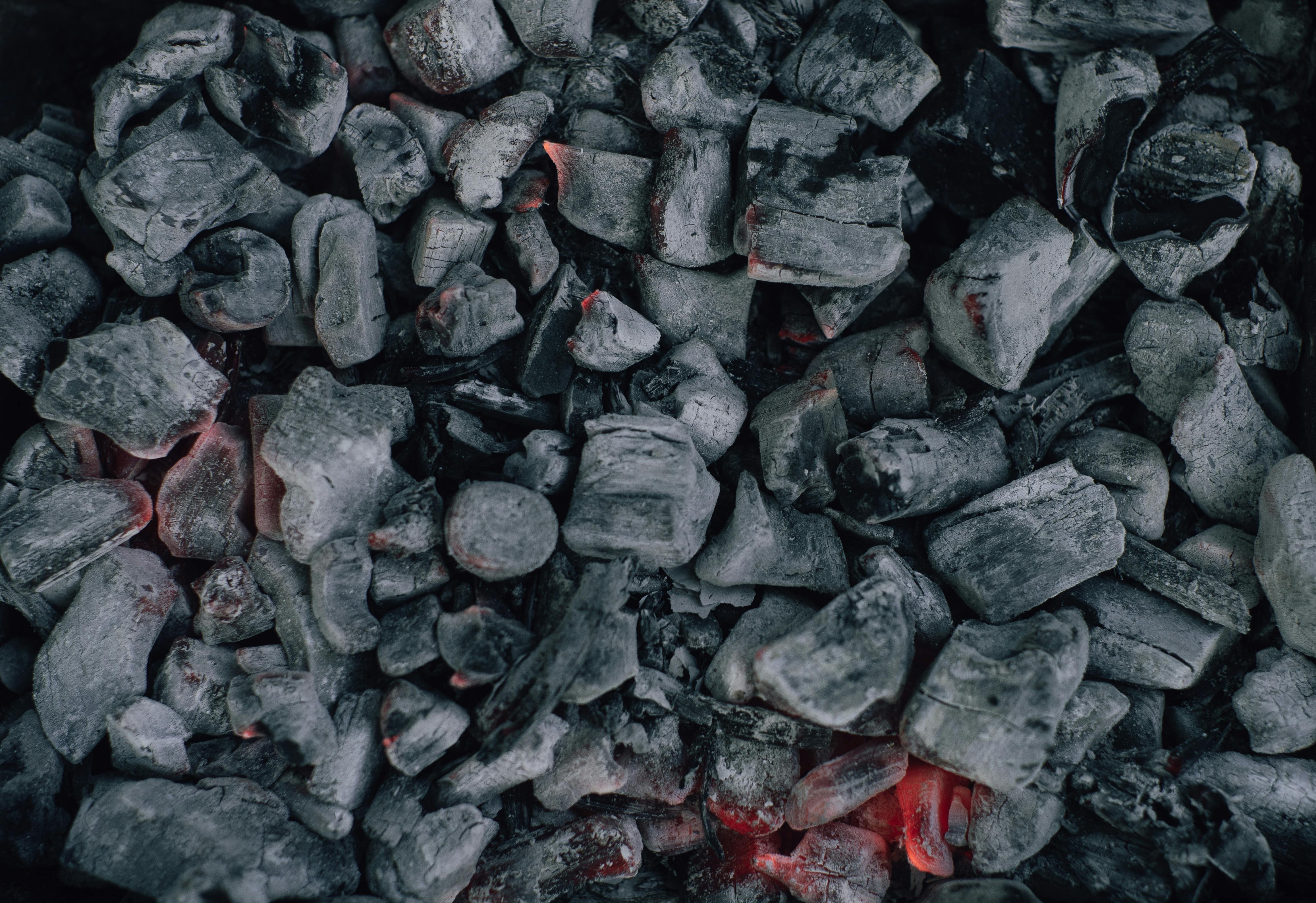
The classic homemade filter made from layers of cloth, sand, charcoal, and gravel has real value, but mainly as a pre-treatment step. It can make nasty-looking water visibly clearer, remove debris, and improve taste and odor, which is why it remains a survival staple.
This kind of improvised filter is useful when water is muddy or full of floating material. Cleaning it up first helps more advanced treatment methods work better and gives you a more manageable end product.
What it does not do reliably is fully purify water on its own. Dangerous microbes can still pass through. Survivalists trust this method when paired with boiling, chemicals, or UV, not as a standalone guarantee of safety.
Emergency Straw Filters

Straw filters are all about immediacy. When someone needs to drink from a creek, puddle, or collected rainwater right now, these compact tools can provide a quick barrier between the user and many waterborne threats.
Their biggest strength is portability. A straw filter slips into a pocket, bug-out bag, or car kit and requires almost no setup. For hikers, hunters, and evacuees moving on foot, that convenience is a serious advantage.
The downside is capacity and flexibility. You often have to drink directly from the source or from a small container, and many models do not address viruses or chemical contamination. Survivalists love them as an emergency bridge, not a complete long-term system.
Rainwater Collection With Treatment
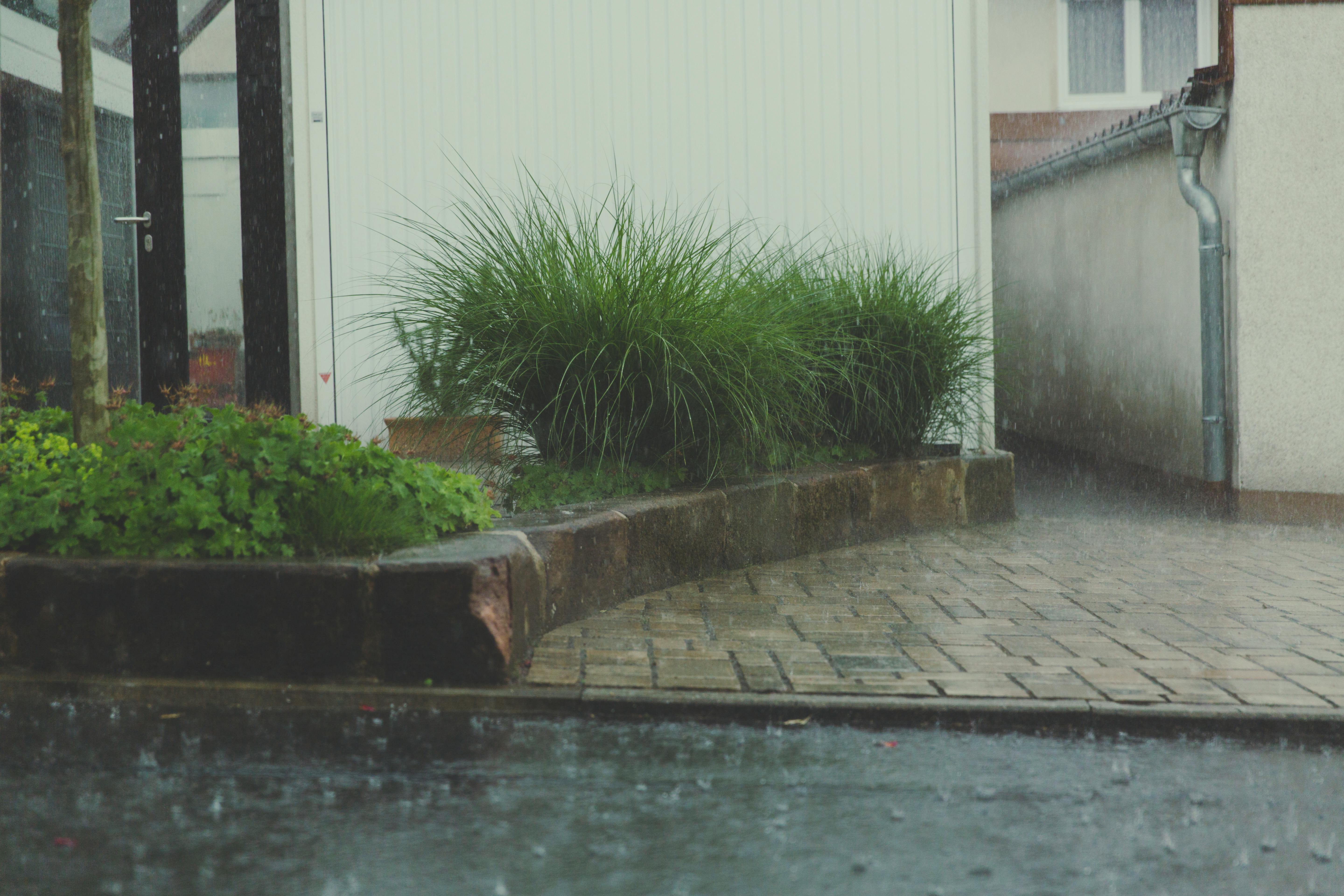
Rainwater can feel like the cleanest option in an emergency, especially when rivers are muddy and standing water looks hazardous. Survivalists often collect it from tarps, roofs, or clean containers because it may start out with fewer contaminants than ground sources.
Still, collected rainwater is not automatically safe. It can pick up dirt, bird droppings, roofing residue, and bacteria from whatever surface it touches. That is why experienced preppers nearly always treat it before drinking.
Its real strength is supply. With a good collection setup, rain can provide more water than a small stream run, especially during storms or long grid failures. Treat it properly, and it becomes one of the most dependable emergency sources around.