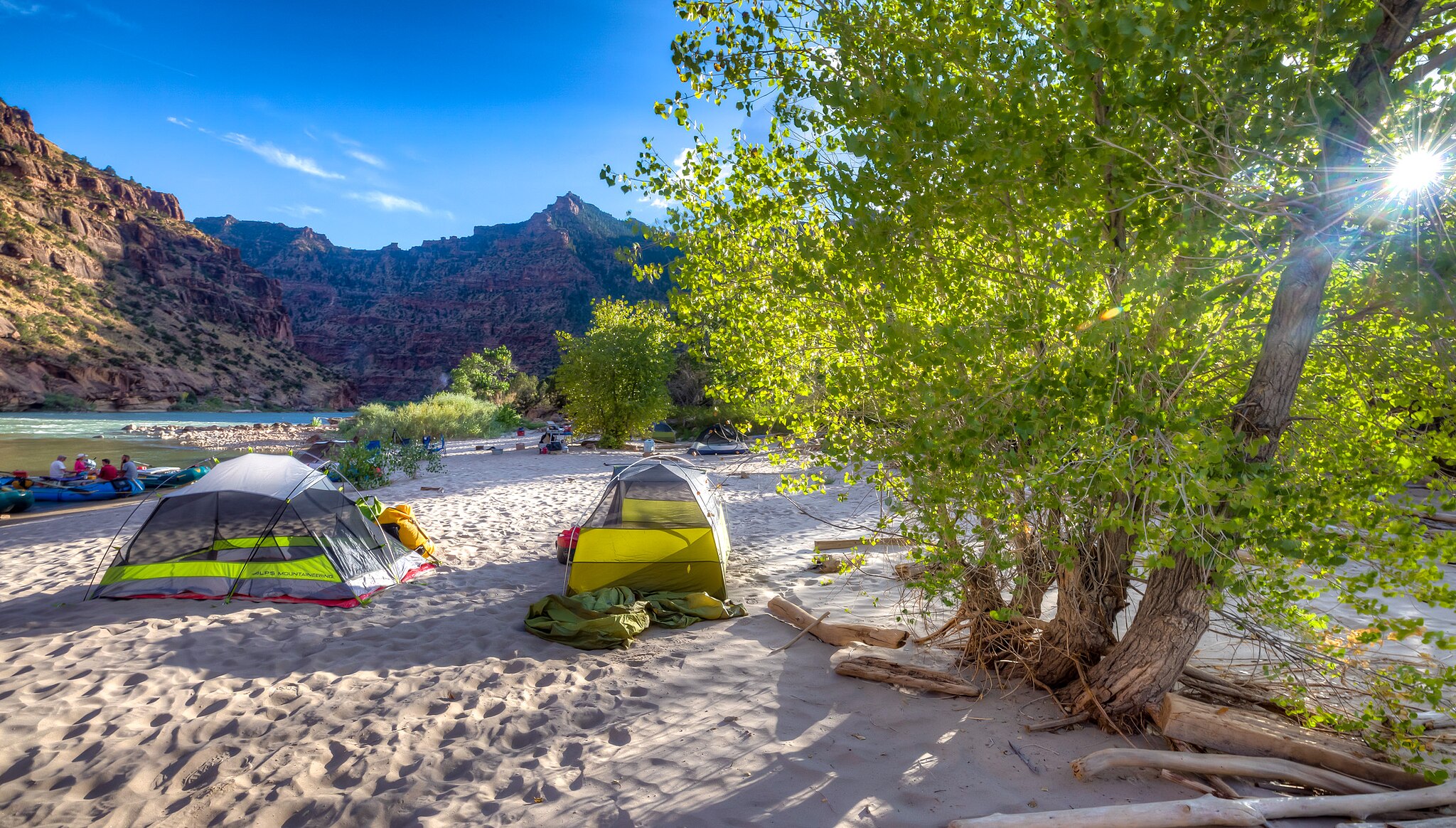
Wild places are fragile. When campers pour dishwater, shower runoff, or sink waste, collectively called gray water, into soil or streams, the consequences ripple through ecosystems. This article explains why wildlife biologists urge campers to stop releasing gray water at campsites. Drawing on field studies, toxicity research, and land-management guidance, it shows how nutrients, surfactants, and food scraps alter water chemistry, attract wildlife, spread disease, and damage riparian habitat. Read on for ten focused sections offering science, practical guidance, regulations, and concrete actions campers can take to enjoy the outdoors responsibly.
Chemical toxicity to aquatic life
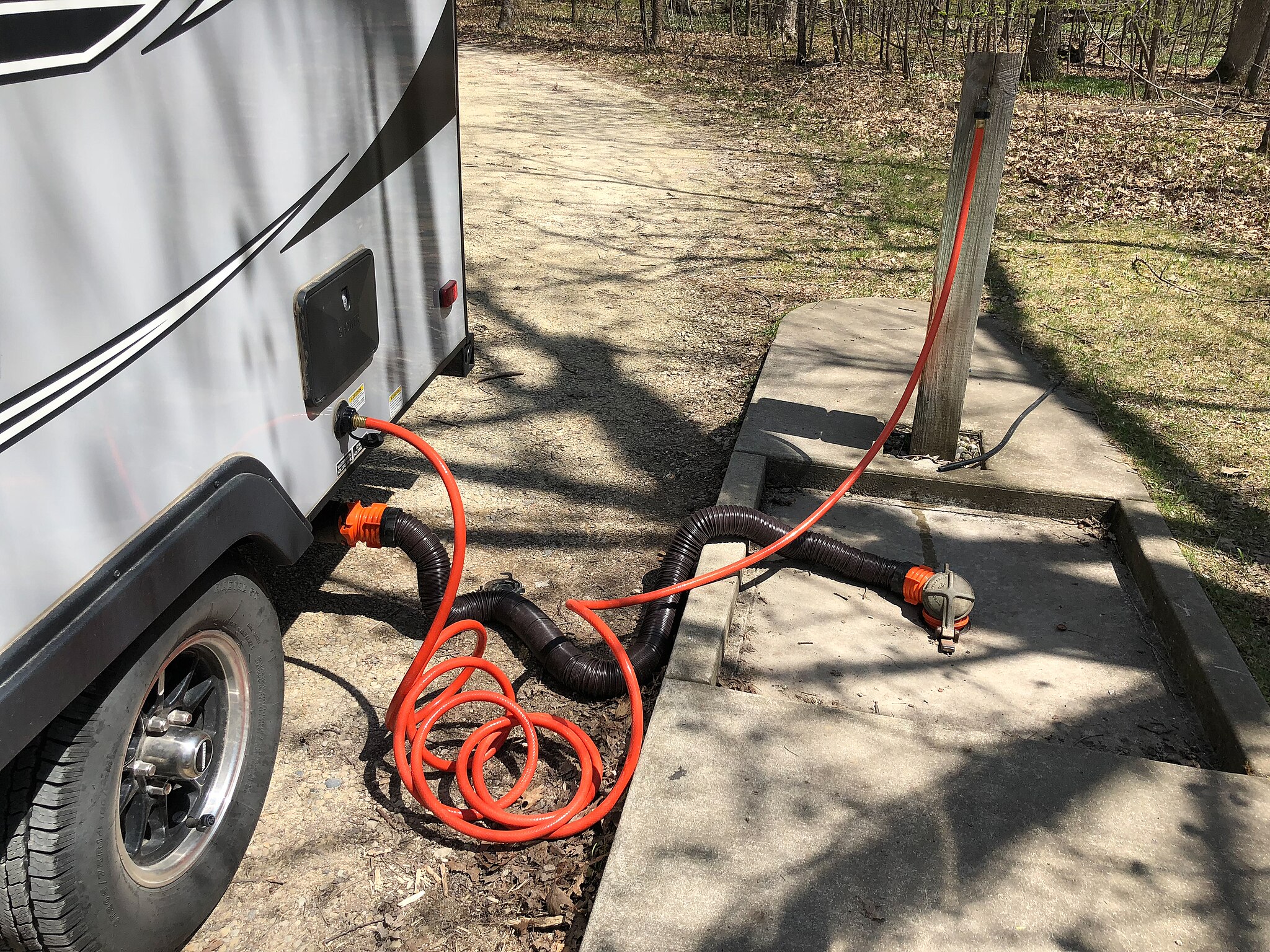
Gray water from campsites often contains surfactants, phosphates, and residues from soaps or detergents. These chemicals lower water’s surface tension, damage fish gills, and strip away the protective mucus layers of aquatic invertebrates and eggs. Lab studies of common detergents have shown that even sub-ppm concentrations far lower than what a careless campsite might produce can impair respiration in freshwater fish and kill eggs.
Nutrient loading and algal blooms
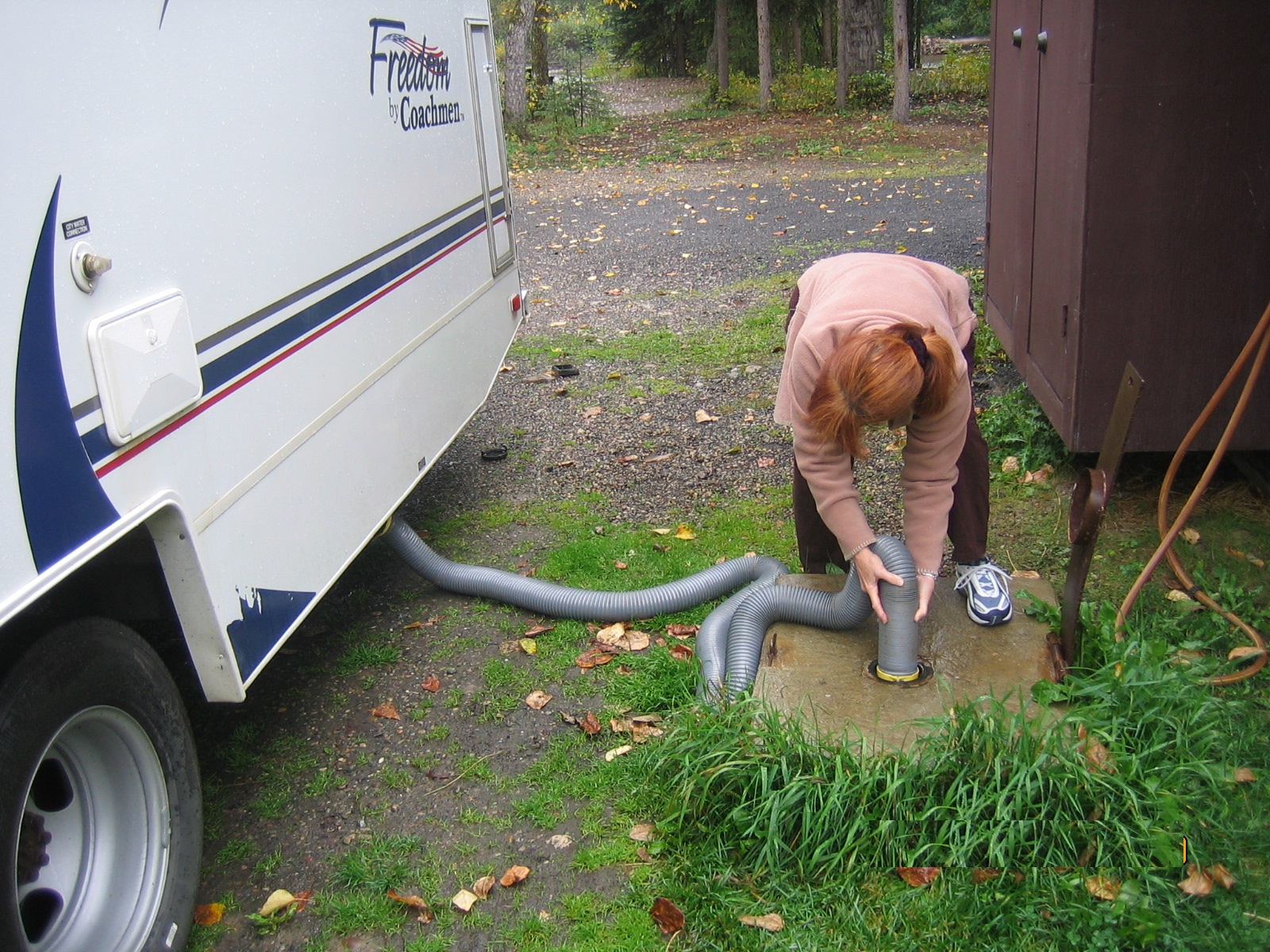
Dishwater and residue may introduce phosphorus, nitrogen, and other nutrients into soils and tiny streams. That influx can fuel algal growth, often called eutrophication, which depletes dissolved oxygen when algae die and decompose. This oxygen drop can suffocate fish, amphibians, and aquatic insects, altering the base of the food web. In slow-moving or still waters near campsites, even one camping season can cause noticeable change.
Wildlife attractants and unnatural feeding
Gray water frequently contains food scraps, oils, salts, and even traces of cooking grease. Those smells and nutrients draw curious mammals and birds to campsites or water edges. Over time, repeated attraction changes animal behavior, making them reliant on humans for food sources, stirring competition and aggression, and concentrating wildlife in small zones. That unnatural feeding can disrupt natural foraging patterns, reproduction, and survival rates in sensitive populations.
Pathogen spread and public-health risks
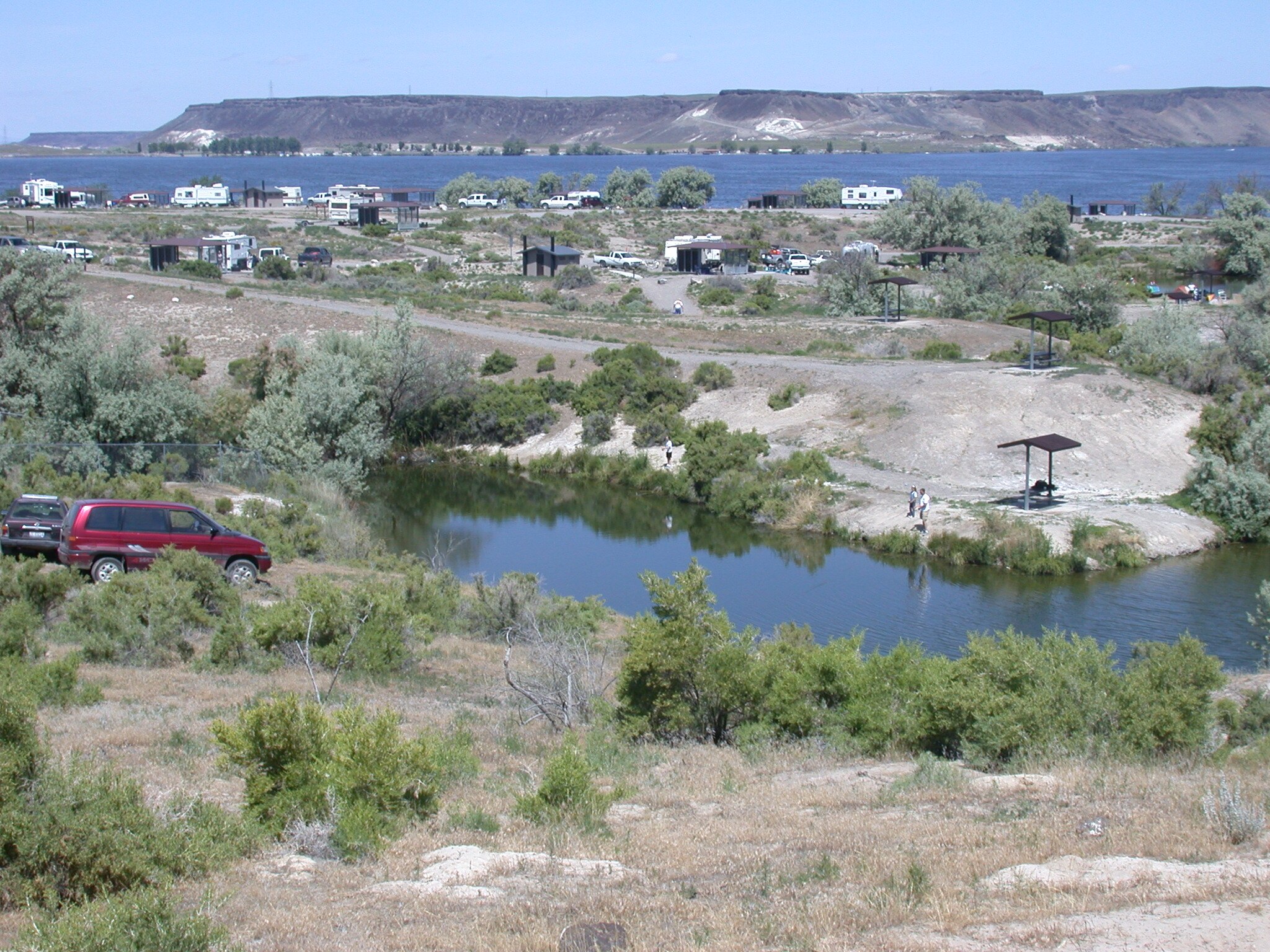
Gray water can carry bacteria from food scraps, human hygiene, or dishwashing. When dumped close to campsites or water bodies, it can contaminate water used by both people and wildlife. Pathogens like E. coli and other bacteria may settle in sediments and travel downstream, posing risks to fish, amphibians, mammals, and potentially other camp visitors. This contamination can impair ecosystem health and promote disease spread among species sharing that water.
Soil contamination and riparian vegetation damage
Soapy gray water, particularly with synthetic detergents, alters soil chemistry. Surfactants and phosphates can inhibit the growth of native riparian plants by disturbing root absorption or changing soil pH and structure. Over time, this can thin or kill plants that stabilize streambanks. Loss of vegetation weakens soil cohesion, increasing erosion and sediment runoff into streams, which further harms aquatic habitats.
Habitat degradation and loss of biodiversity
Improper grey water disposal compounds with other campsite impacts like trampling, vegetation loss, fire scars, and litter. A 2021 study of campsites in natural parks found significant soil compaction, vegetation loss, root exposure, litter accumulation, and other signs of degradation even at lightly used sites. Over repeated seasons, these changes accumulate, gradually reducing habitat quality for plants, amphibians, insects, and small mammals.
Long-term accumulation of persistent pollutants
Some detergents and cleaning agents include surfactants that are slow to biodegrade or resist breakdown in soil or water. These can accumulate in sediments, cling to organic particles, or even bio-accumulate in aquatic organisms. Over time, even low-level, repeated gray-water input may lead to chronic toxicity, endocrine disruption, or reduced reproductive success among wildlife, which may go unnoticed until populations decline.
Diminished water clarity and oxygen for aquatic organisms
In addition to chemical pollution, substances in grey water can increase turbidity, suspend fine particles, or promote foam formation. Surfactants reduce water surface tension and can lead to foam, which reduces light penetration and hampers oxygen exchange at the surface, both harmful for aquatic plants, algae, and animals that depend on sunlight or dissolved oxygen.
Erosion, sedimentation, and impacts on spawning grounds
When vegetation near water is weakened or removed because of chemical or soil damage, banks become unstable. Soil can erode into streams during rain, increasing sediment load. That clogs spawning grounds and eggs of fish and amphibians, smothering young or impairing reproduction. Studies link degraded campsite areas with increased soil compaction, root exposure, and loss of ground cover, all red flags for long-term erosion.
Why land-management and conservation groups recommend no gray water dumping
Organizations like Leave No Trace Center for Outdoor Ethics and agencies such as U.S. Forest Service advise campers to carry water 200 feet away from streams or lakes before washing dishes or bathing, to use minimal biodegradable soap, and to scatter strained dishwater; never release gray water directly. Because even “biodegradable” soaps can damage aquatic ecosystems and attract wildlife if misused, strict disposal practices are critical. Proper grey-water disposal helps preserve water quality, soil health, wildlife behavior, and the integrity of habitats.