Firearms can become controversial for reasons that have little to do with their basic purpose. Some were caught in international disputes, while others exposed problems in military procurement, manufacturing, ammunition technology, or emerging digital technology. A few became controversial because their unusual designs challenged established ideas about what a firearm should be. Here are 10 examples whose reputations were shaped by surprisingly complicated stories.
1. FP-45 Liberator
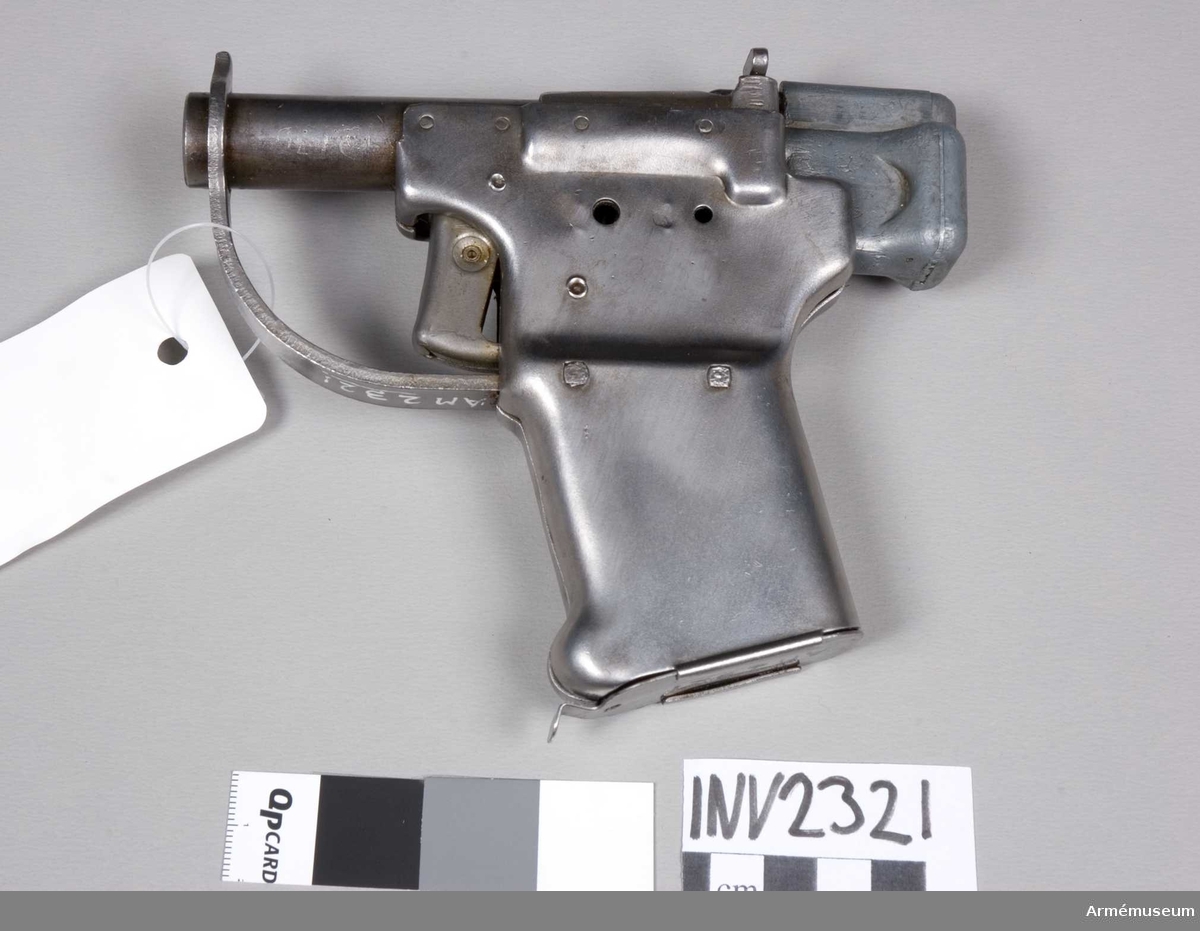
The FP-45 Liberator became controversial because its mission sounded almost absurd: make a firearm cheaply enough to scatter behind enemy lines. Built in 1942 for resistance movements, it used a single .45 ACP round and a 4-inch smoothbore barrel. About 1 million were produced at roughly $1.73 each. The real surprise was not battlefield performance, but the argument over whether a disposable pistol could influence resistance morale. Many were never distributed as originally imagined, leaving its legacy between a psychological warfare experiment and collectors’ curiosity.
2. 3D-Printed Liberator
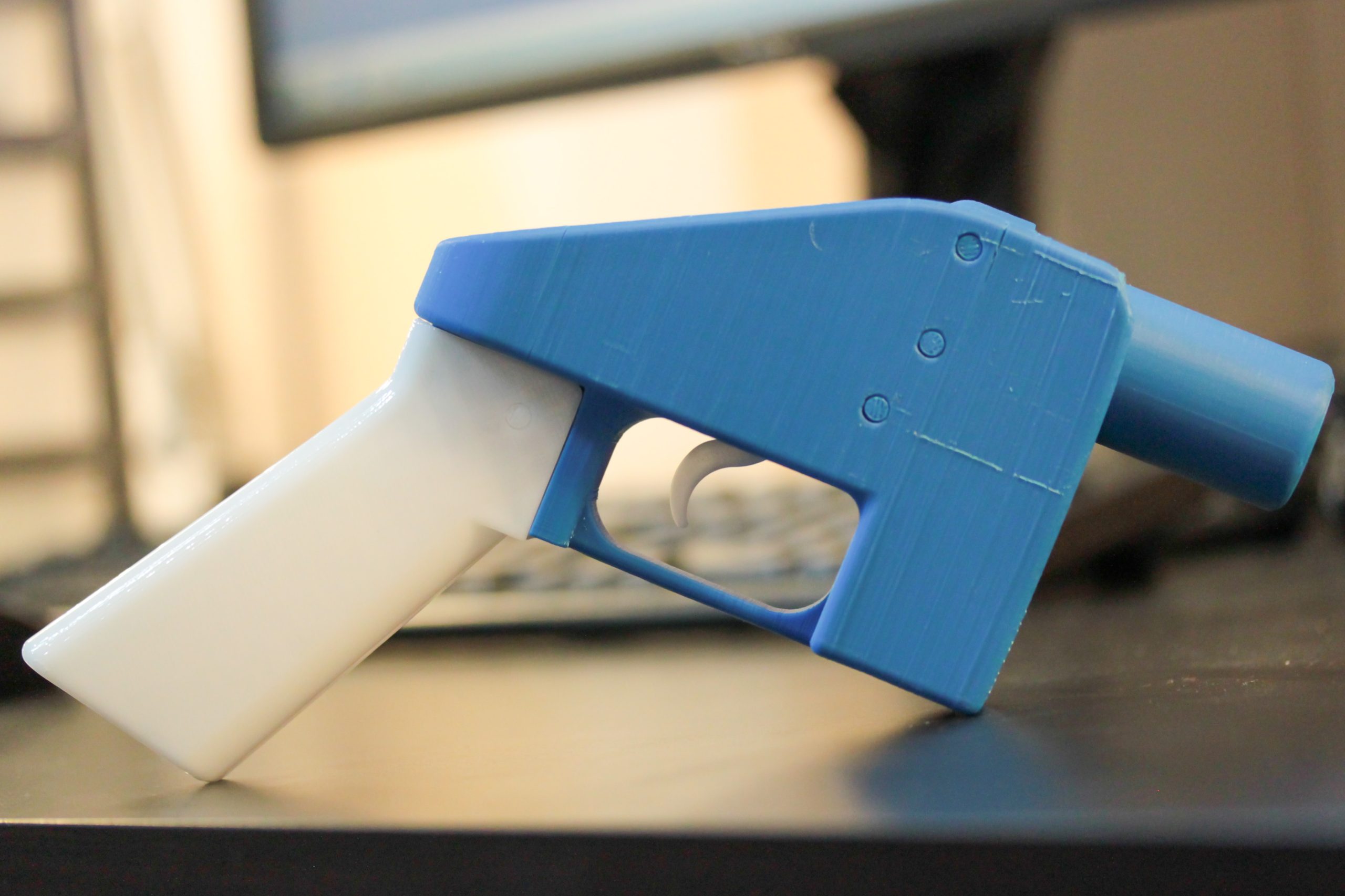
The 3D-printed Liberator created a completely different controversy. In 2013, Defense Distributed published files for a single-shot pistol made largely from printed components. The files reportedly received more than 100,000 downloads in about 2 days before the U.S. State Department demanded their removal while export-control questions were examined. The dispute moved beyond the physical gun and onto information itself. A firearm design had become a downloadable file, raising questions about online publication, government control, and how quickly digital information can cross borders.
3. Raven MP-25 and the “Saturday Night Special” Debate
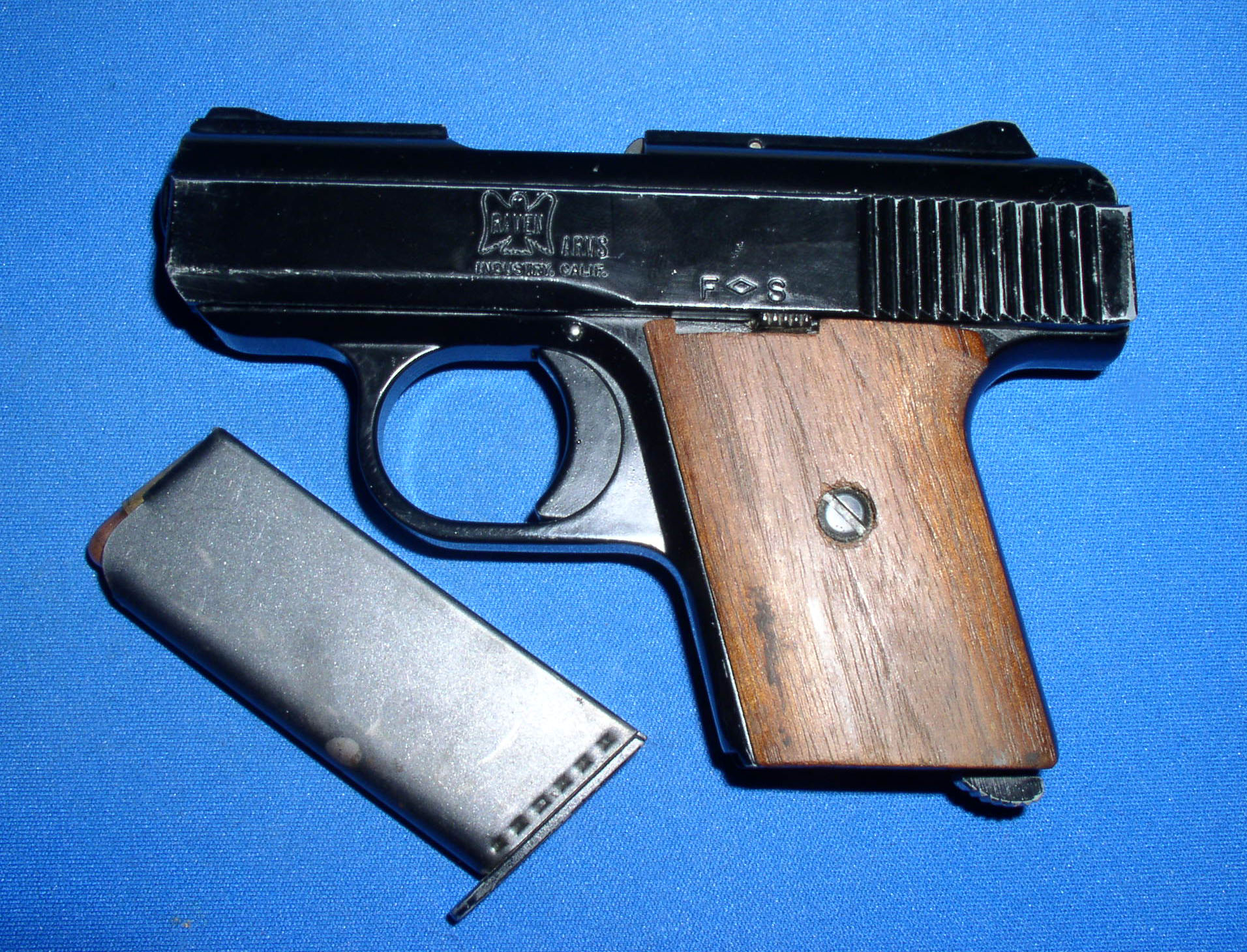
The term “Saturday Night Special” became controversial because it turned cheap handguns into a political and social category. U.S. officials in the early 1970s described these firearms as inexpensive, compact,t and often poorly made, while critics argued that price and size were vague standards. The Gun Control Act of 1968 restricted imports of many inexpensive handguns, yet domestic production expanded. By 1971, Treasury testimony described some examples as selling below $30. The controversy involved both public safety arguments and disagreement over who such laws affected.
4. M16
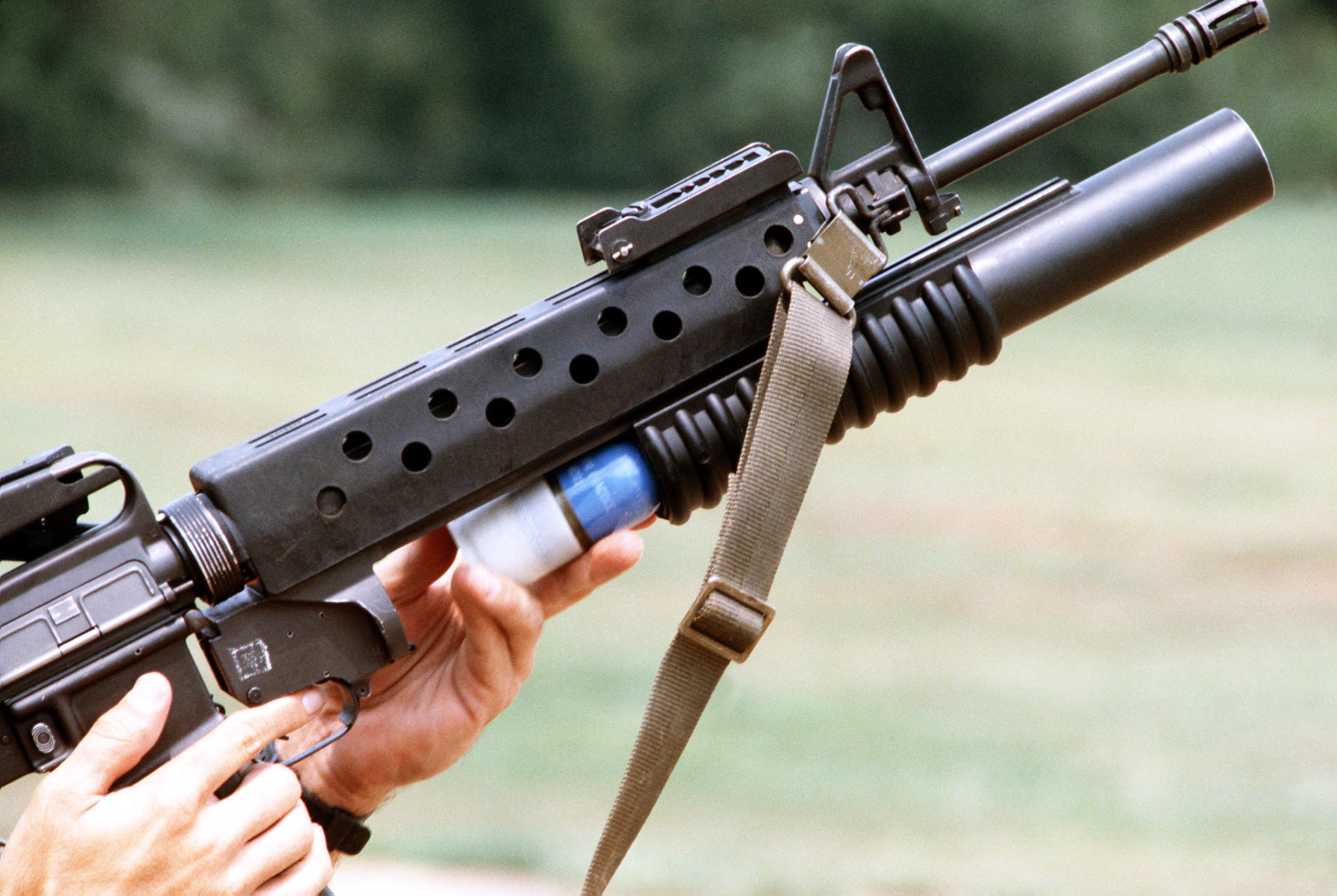
The M16 became controversial because soldiers began associating a modern rifle with stoppages in Vietnam. In 1967, a House Armed Services subcommittee investigated after reports of excessive malfunctions. Congressional records identified factors including maintenance, training,ng and ammunition changes, while the review linked trouble to the propellant used in M193 ammunition. The episode damaged confidence at a critical moment. The M16 later became a recognized service rifle, but its early history showed how procurement decisions and ammunition could become as controversial as the firearm.
5. Heckler & Koch G36
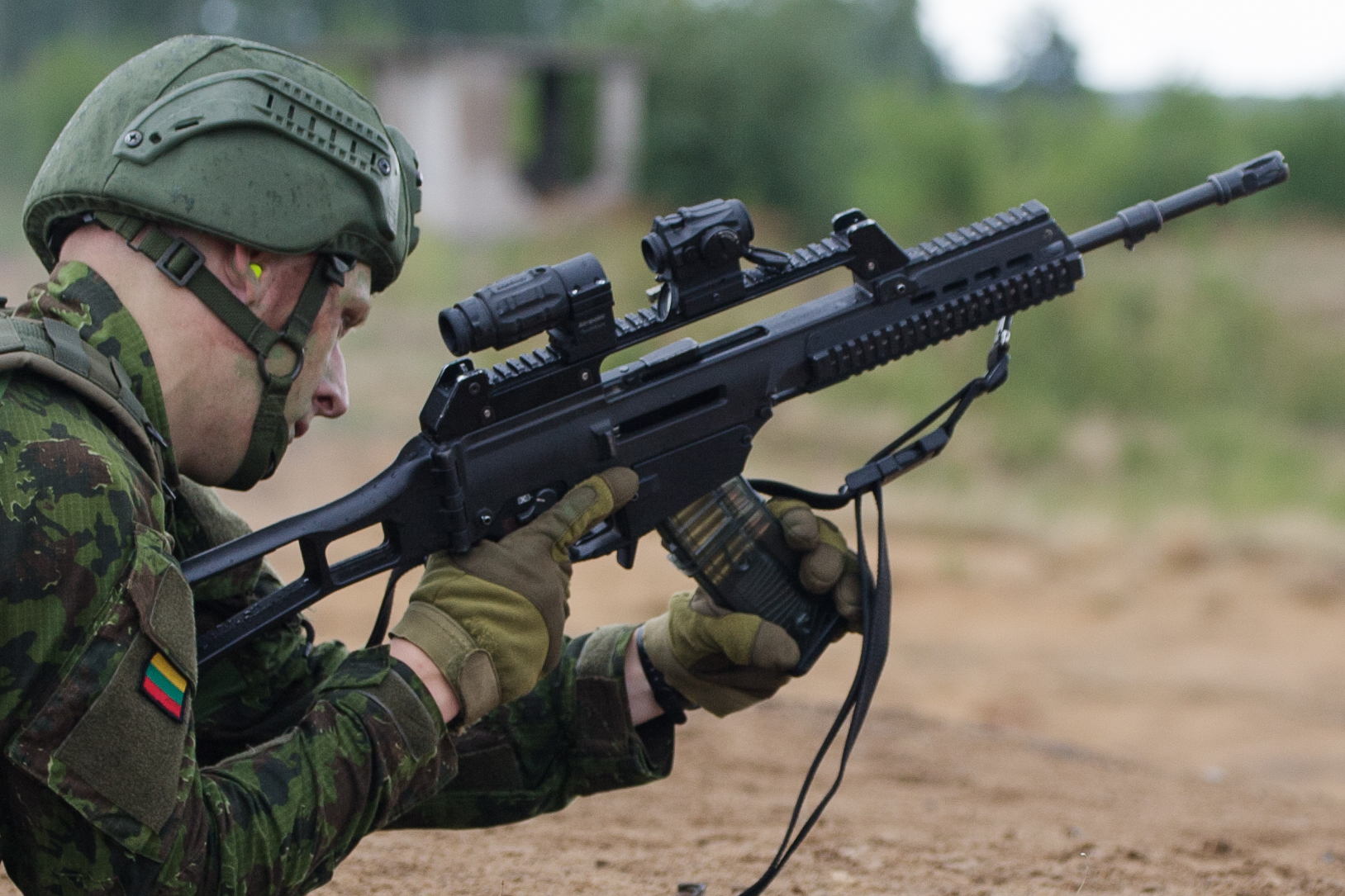
The HK G36 faced an unexpected controversy after entering German service. Adopted in 1997, it drew complaints after combat experience in Afghanistan about accuracy when the weapon became hot during sustained firing. Reports focused on how heat could affect its polymer structure and shift the relationship between barrel and sights. The dispute became a technical and procurement issue. Germany investigated the matter and later moved toward a replacement. A rifle introduced as a modern lightweight design became a case study in heat, materials, and testing.
6. Heckler & Koch G11
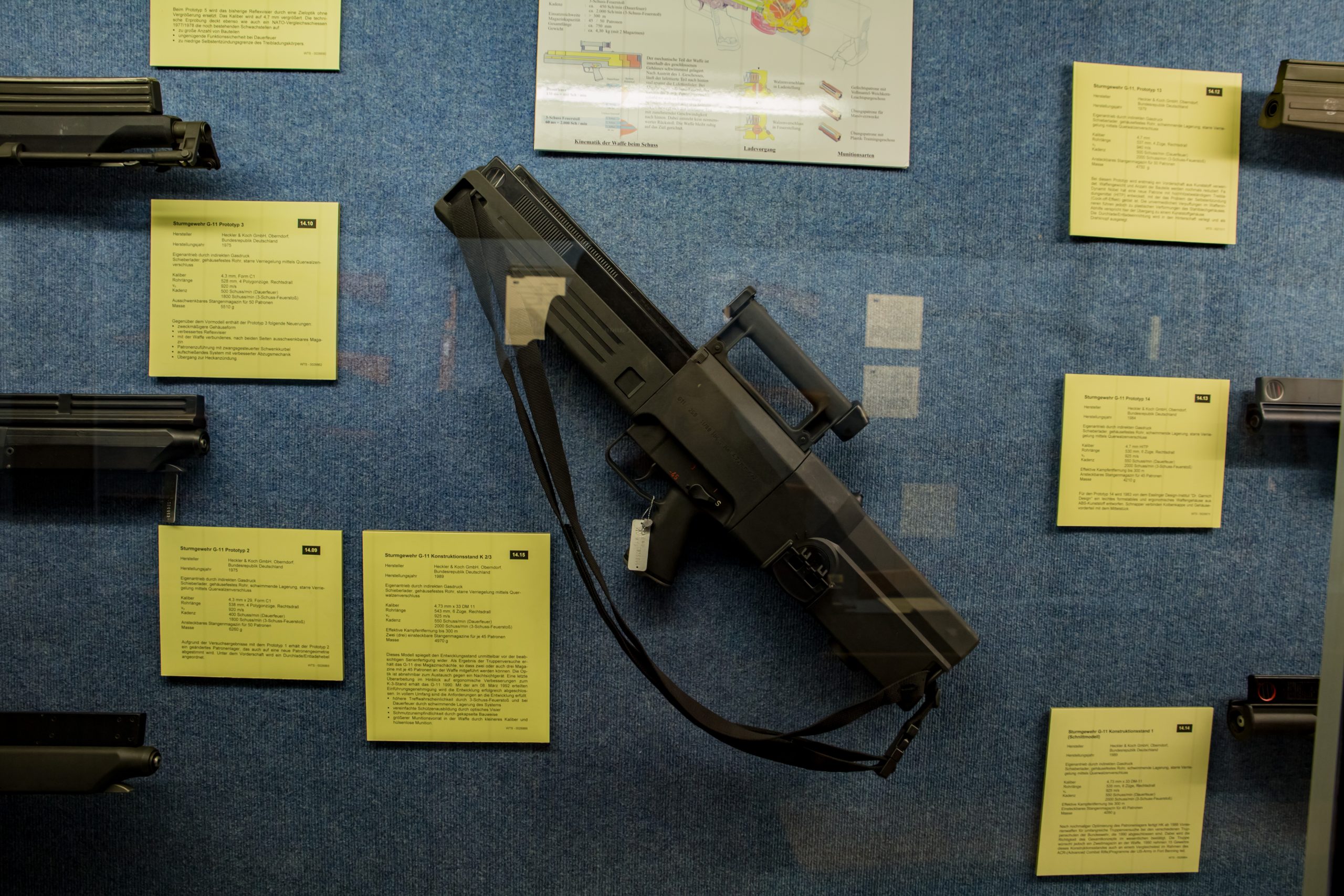
The HK G11 became controversial because it pushed ammunition technology into unfamiliar territory. Development ran from 1968 to 1990, centered on 4.73×33 mm caseless cartridges that eliminated conventional brass cases. Prototypes offered compactness and a high burst rate, but the ammunition created engineering challenges, including heat management and complexity. Around 1,000 examples were produced during development, yet the rifle never became Germany’s service weapon. Reunification and changing procurement priorities ended the project, turning an ambitious rifle into a famous dead end.
7. Gyrojet Pistol
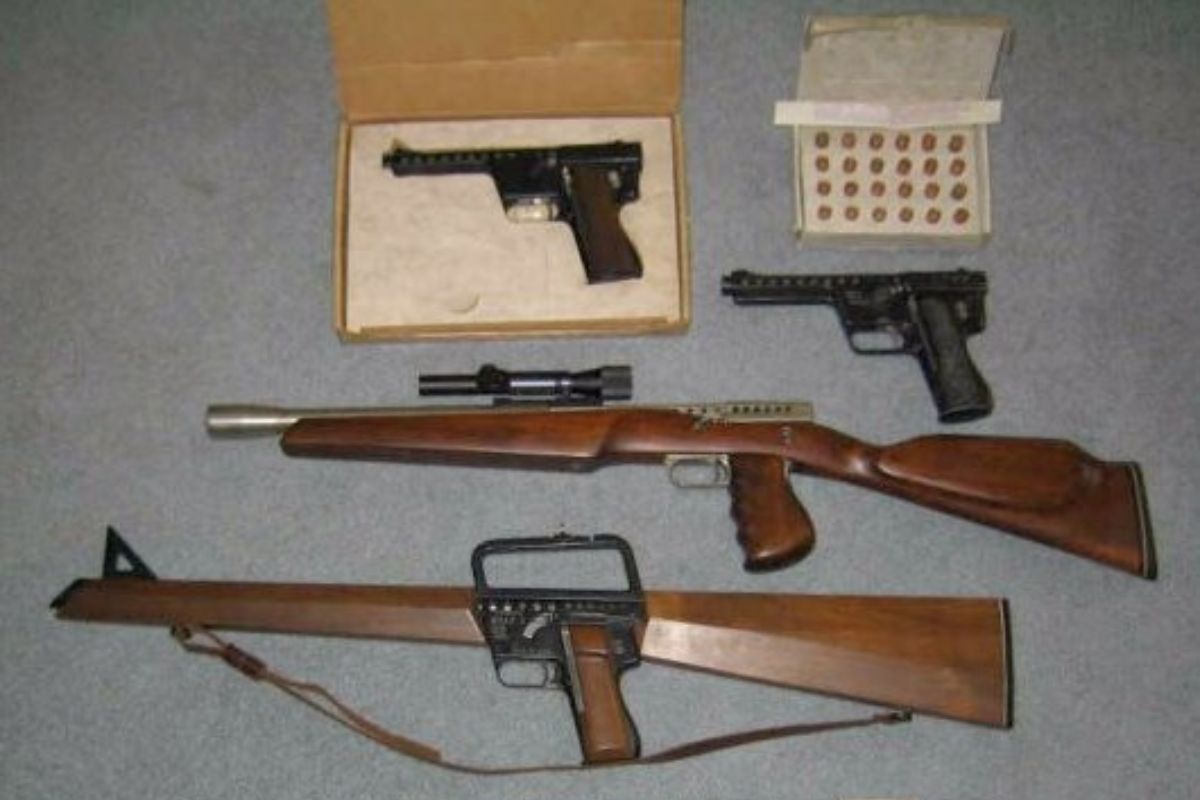
The Gyrojet pistol became controversial because it replaced the ordinary bullet with a tiny rocket. Developed by MBA Associates in the 1960s, it fired rocket projectiles that accelerated after leaving the barrel. Velocity increased downrange, but close-range accuracy could disappoint. Testing also exposed reliability problems, including ignition failures and port fouling. The concept attracted military interest and was experimentally tested in Vietnam, yet conventional firearms remained more practical. Its controversy came from the gap between futuristic promise and ammunition realities.
8. Winchester Model 1897 Trench Gun
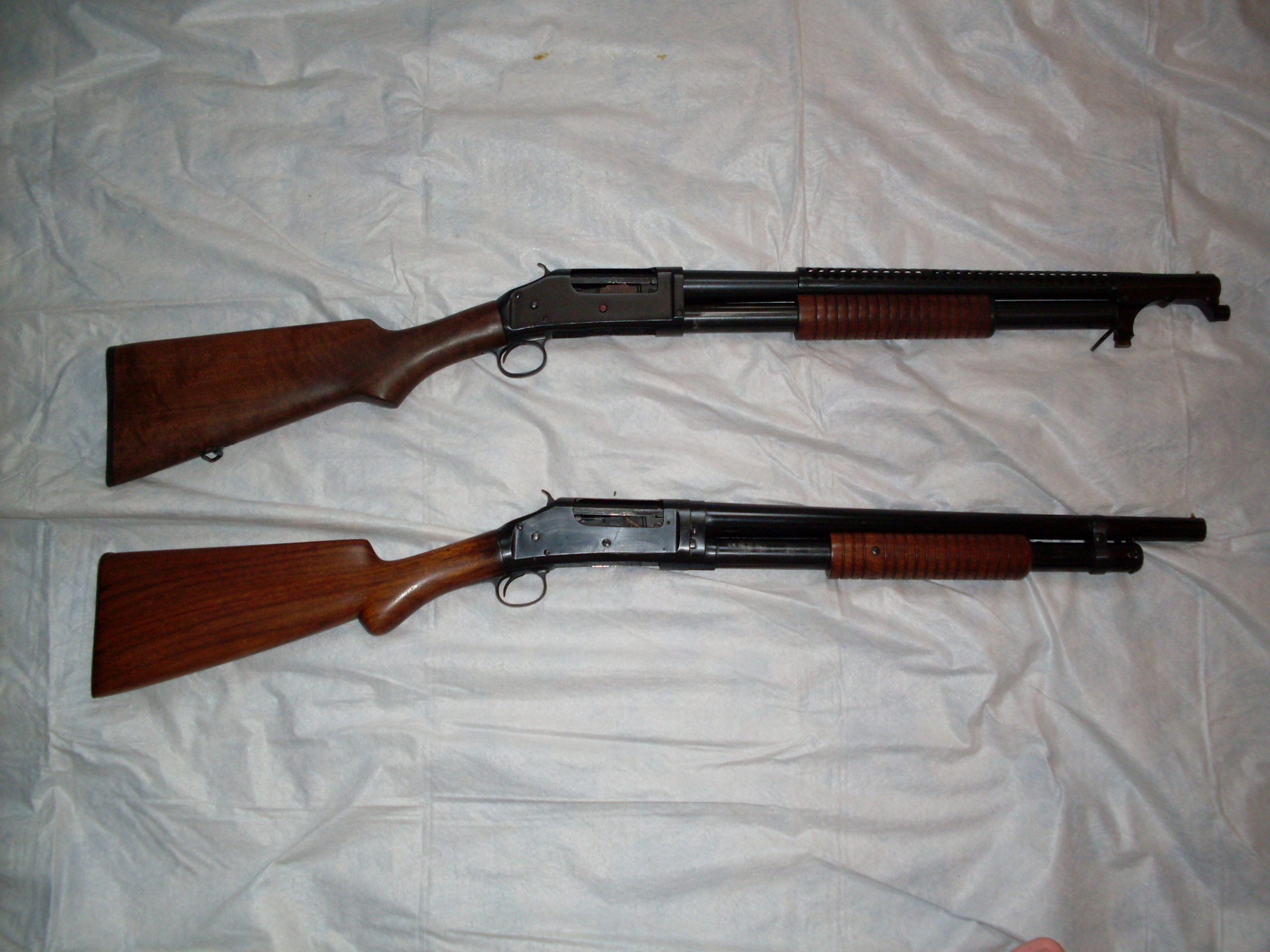
The Winchester Model 1897 became controversial after the U.S. military adapted the pump shotgun for trench warfare in World War I. The combat version used a 12-gauge configuration with a heat shield and bayonet attachment, and its effectiveness alarmed German officials. In September 1918, Germany formally protested the American use of shotguns, arguing that they violated Hague rules and threatening severe treatment for captured Americans carrying them. The United States rejected it and kept using them. A sporting arm became part of an international dispute over wartime law.
9. Remington R51
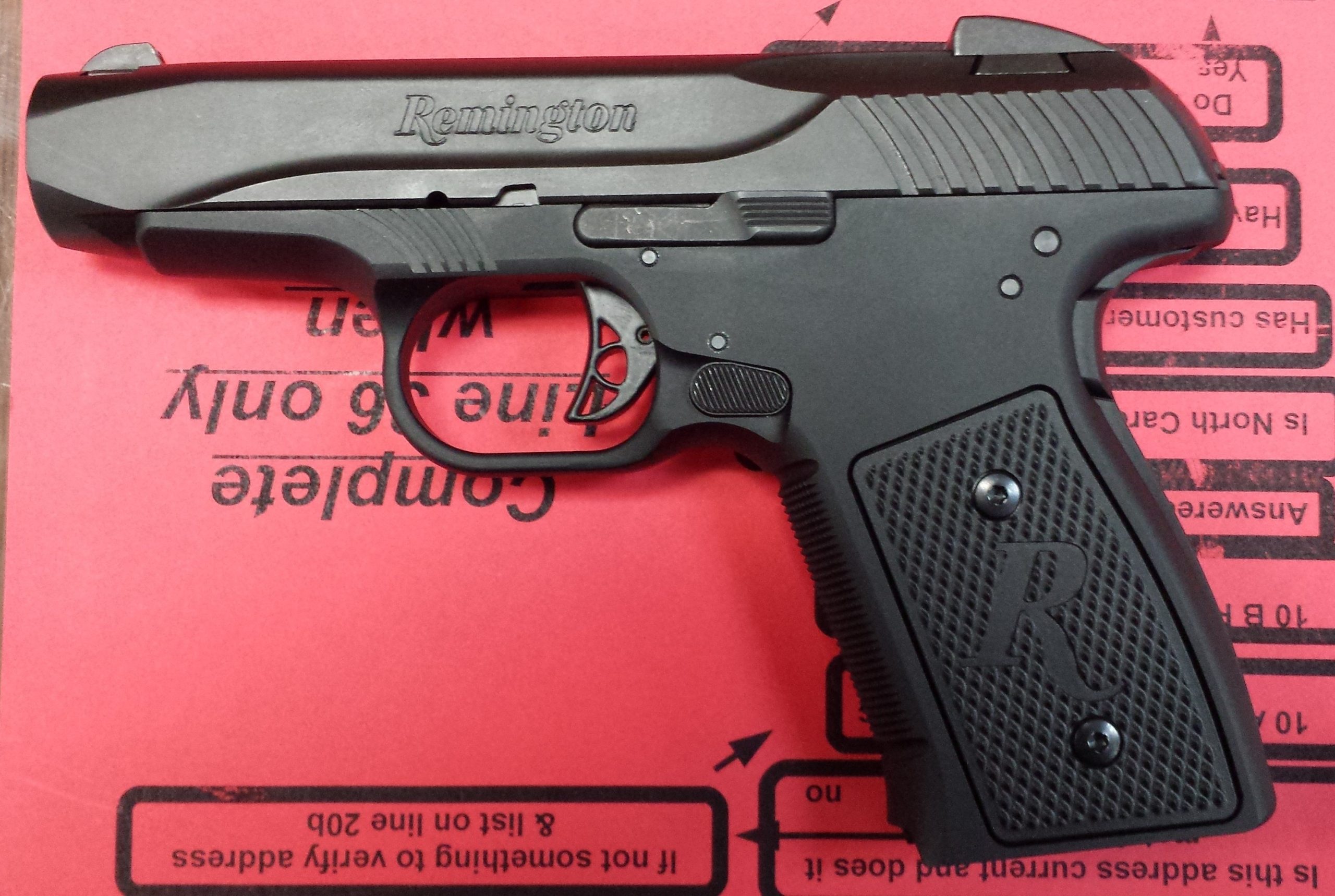
The Remington R51 became controversial because a promising pistol ran into trouble after reaching customers. Introduced in 2014, the compact 9 mm used delayed blowback and initially received positive reviews from pre-production testers. After sales began, customers reported performance problems. Remington suspended production and said the difficulties came from the transition from prototype to mass production. Buyers were offered replacements, and an updated version appeared later. The episode showed how confidence can change when a firearm performs well in testing but struggles in use.
10. FN P90
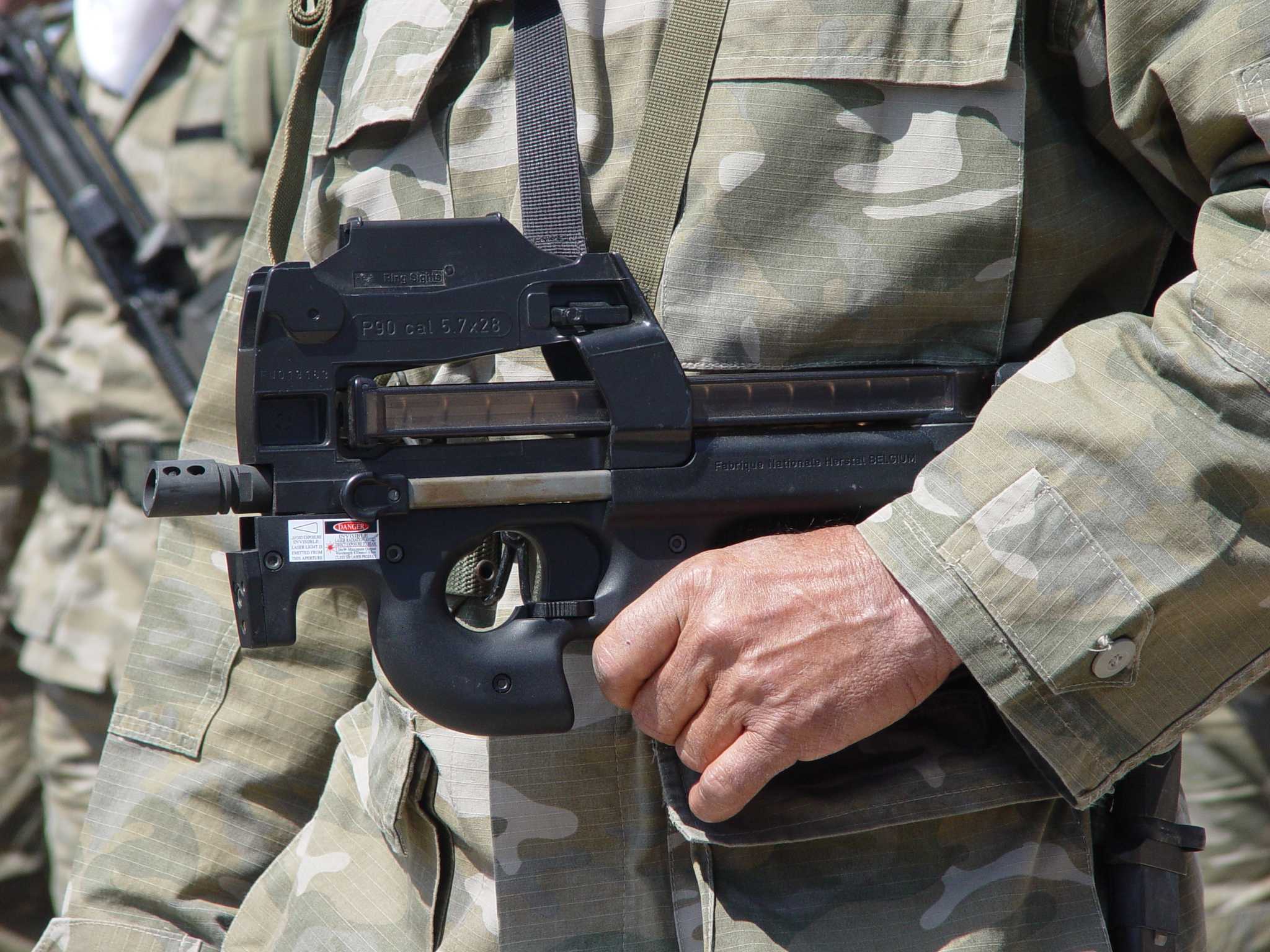
The FN P90 became controversial for reasons tied less to its appearance than to ammunition and legal classification. Introduced in 1990, it used a 5.7×28 mm cartridge and a distinctive 50-round magazine above the barrel. Its unusual format drew military and security interest, but claims about the cartridge’s armor penetration also attracted political and regulatory attention. The debate became complicated because the weapon could be viewed as a specialized security arm or an unusual civilian firearm. Its history shows how ammunition, capacity, and intended users can shape a gun’s reputation.