The .45 GAP was not a gimmick. It was a serious attempt to solve a real handgun problem.
For a brief stretch in the early 2000s, it looked like Glock and Speer might have found a way to give shooters .45 caliber performance without the bulk that usually came with .45 ACP pistols.
Why the .45 GAP existed at all
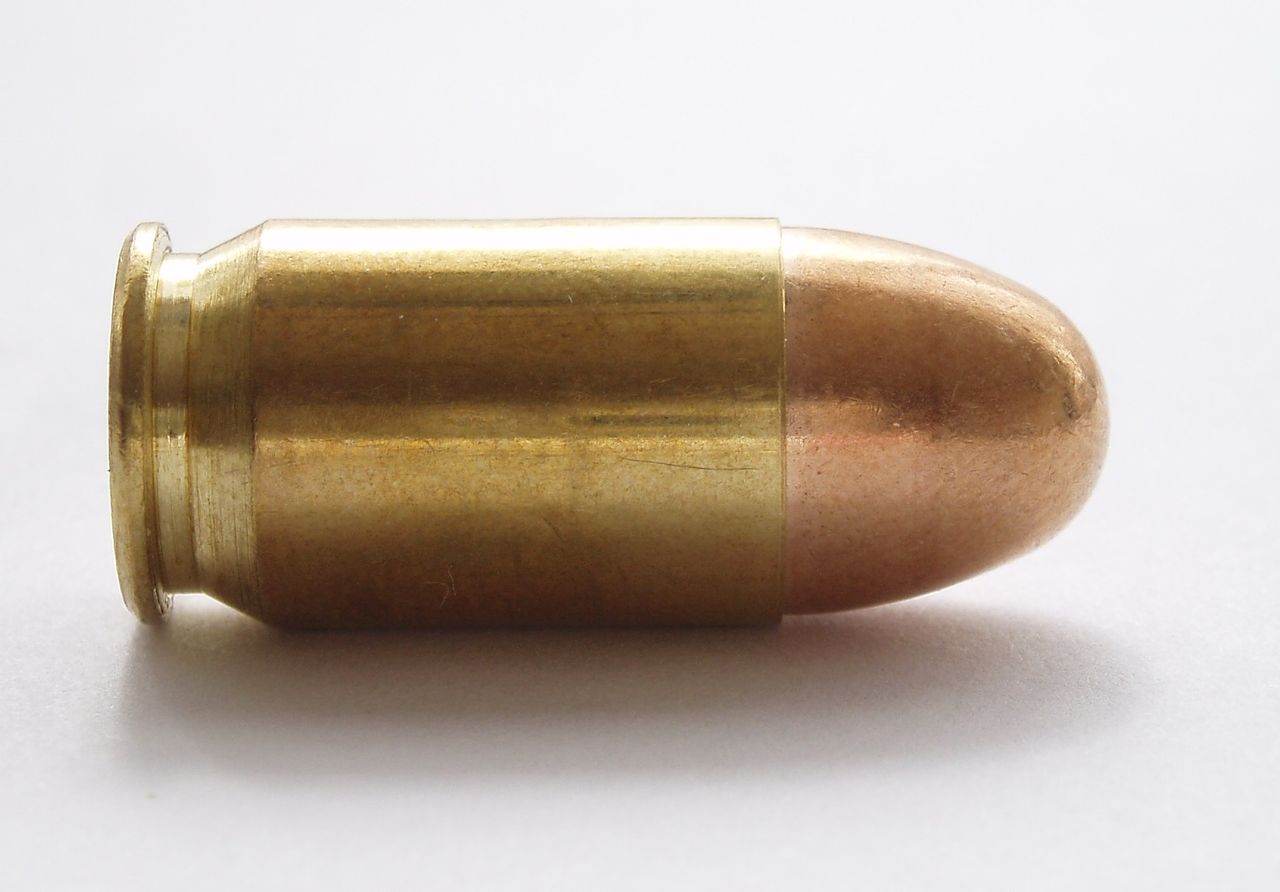
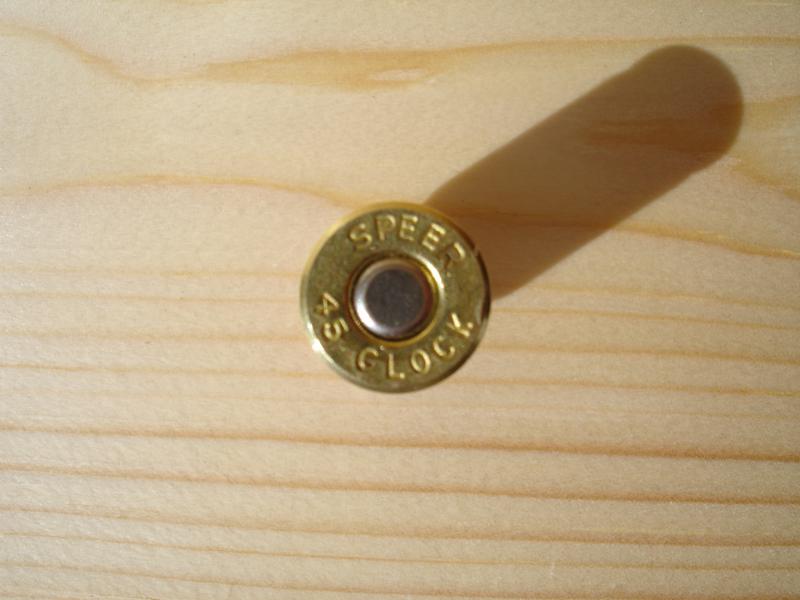
The .45 GAP, short for Glock Automatic Pistol, arrived in 2003 as a joint effort tied closely to Glock and Speer. The idea was simple and smart: duplicate .45 ACP style performance in a shorter cartridge that could fit into a 9mm-size frame. That mattered because many shooters liked .45 caliber bullets but did not like the larger grip circumference of traditional double-stack .45 ACP duty pistols.
Glock built the cartridge around that ergonomic argument. The Glock 37 launched first, followed by the more compact Glock 38 and subcompact Glock 39. Police writers at the time noted that Glock was effectively trying to put a .45 into the same frame class used for 9mm, .40 S&W, and .357 SIG service pistols. That was the selling point, and honestly, it was a good one.
The timing also made sense. In the late 1990s and early 2000s, plenty of American law enforcement agencies still leaned toward larger calibers. The 9mm had not yet fully recovered its reputation from older hollow point shortcomings, so a new .45 option with better hand fit seemed like a plausible winner.
What made it technically interesting
The .45 GAP was not just a chopped .45 ACP. It used a shorter case and operated at pressure levels standardized by SAAMI to make the concept work in a more compact package. In practical terms, that let manufacturers build a pistol with a shorter front-to-back grip while still firing a .45 caliber bullet. For many officers and civilian shooters with smaller hands, that was the whole attraction.
In theory, this gave the shooter the best of both worlds. You got the larger bullet diameter associated with .45 caliber handguns, but in a frame that felt much closer to a Glock 17 or Glock 22 than a Glock 21. That was a meaningful improvement in controllability for some users, especially when it came to reaching the trigger cleanly.
It also fit the era’s thinking. Back then, caliber debates still dominated gun counters and police procurement conversations. Bigger bullets still carried real cultural weight, so a cartridge that promised .45 authority in a handier duty gun had instant appeal.
Where the .45 GAP found early traction
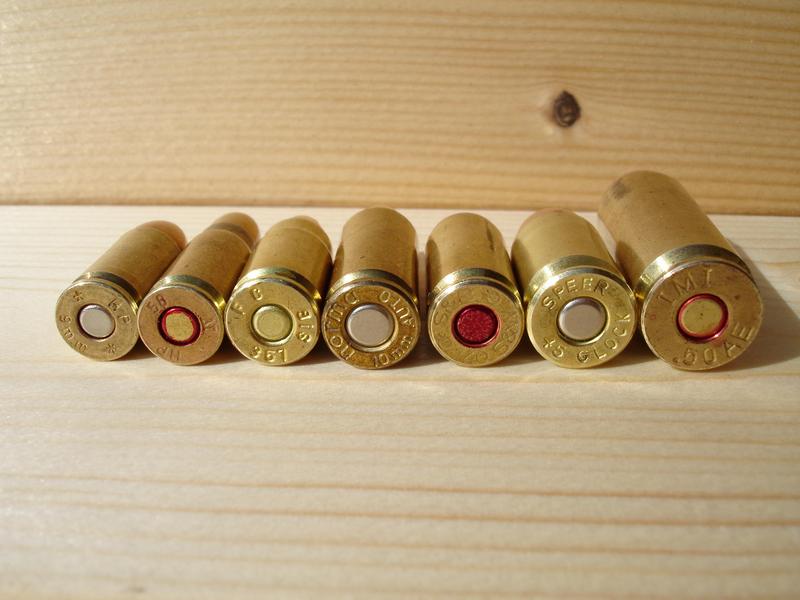
The .45 GAP did not take over the market, but it was not ignored either. It earned real law enforcement adoption, especially among state police and highway patrol agencies. Contemporary reporting and later retrospectives identified agencies such as the New York State Police, Pennsylvania State Police, South Carolina Highway Patrol, and Florida Highway Patrol as notable users.
New York is one of the clearest examples. The New York State Police say they purchased 5,400 Glock 37 pistols in 2006 after evaluating replacements for their long-serving Glock 17s. That was exactly the kind of institutional win the cartridge needed. A state agency choosing a new caliber gave the .45 GAP credibility far beyond the gun magazine world.
For a while, that momentum looked promising. If enough agencies had standardized on it, the cartridge might have built the ammunition volume and market familiarity needed to survive. Duty adoption often shapes the commercial market, and Glock clearly hoped agency trust would pull civilians along with it.
Why the 9mm kept its crown
The biggest problem for .45 GAP was that the 9mm kept getting better. Bullet design improved, and law enforcement thinking shifted toward controllability, faster follow-up shots, higher magazine capacity, and lower training costs. The FBI’s modern training emphasis reflects that broader industry move toward practical shootability and high round-count proficiency, not just raw caliber size.
That shift hurt every larger service cartridge, but it hit .45 GAP especially hard because it lacked the installed base of .45 ACP and the broad market support of 9mm. Even shooters who liked the concept often asked the obvious question: why adopt a niche round when 9mm pistols were cheaper to feed, easier to find ammunition for, and carried more rounds?
Once 9mm duty ammunition proved it could meet modern law enforcement performance standards, the .45 GAP lost its main strategic opening. It was trying to solve a problem that the market increasingly believed had already been solved by improved 9mm loads and better pistol design.
The practical issues that held it back
A good cartridge can still fail if logistics turn against it. That is exactly what happened here. Ammunition availability was always thinner than for 9mm, .40 S&W, or .45 ACP, and price never helped. Even favorable reviews often admitted the same thing: finding .45 GAP ammo was harder, and training with it cost more.
That creates a vicious cycle. Fewer shooters buy the round, so fewer stores stock it. Fewer stores stock it, so even interested shooters hesitate to commit. Agencies feel that pressure too, because qualification, training, and long-term procurement all depend on dependable supply.
There was also a branding problem. Because the cartridge was so tightly tied to Glock, other manufacturers never pushed it with much enthusiasm. Without broad industry backing, .45 GAP always felt like a specialist answer rather than a true mainstream challenger.
What the .45 GAP legacy looks like now
Today, the .45 GAP stands as one of the more fascinating almost-success stories in modern handgun history. It addressed grip size, duty ergonomics, and caliber preference in a way that was genuinely thoughtful. This was not a reckless experiment. It was a well-reasoned response to what many shooters and agencies wanted at the time.
Its failure was less about being bad and more about being overtaken. The market moved toward 9mm because the total package made more sense: lower recoil for many shooters, greater capacity, wider ammunition support, and lower cost. Once that trend accelerated, the .45 GAP was squeezed from both sides by 9mm on one end and .45 ACP tradition on the other.
So the .45 GAP did challenge the dominance of the 9mm, at least for a moment. It just learned the hard way that a clever idea is not enough when the king keeps improving.