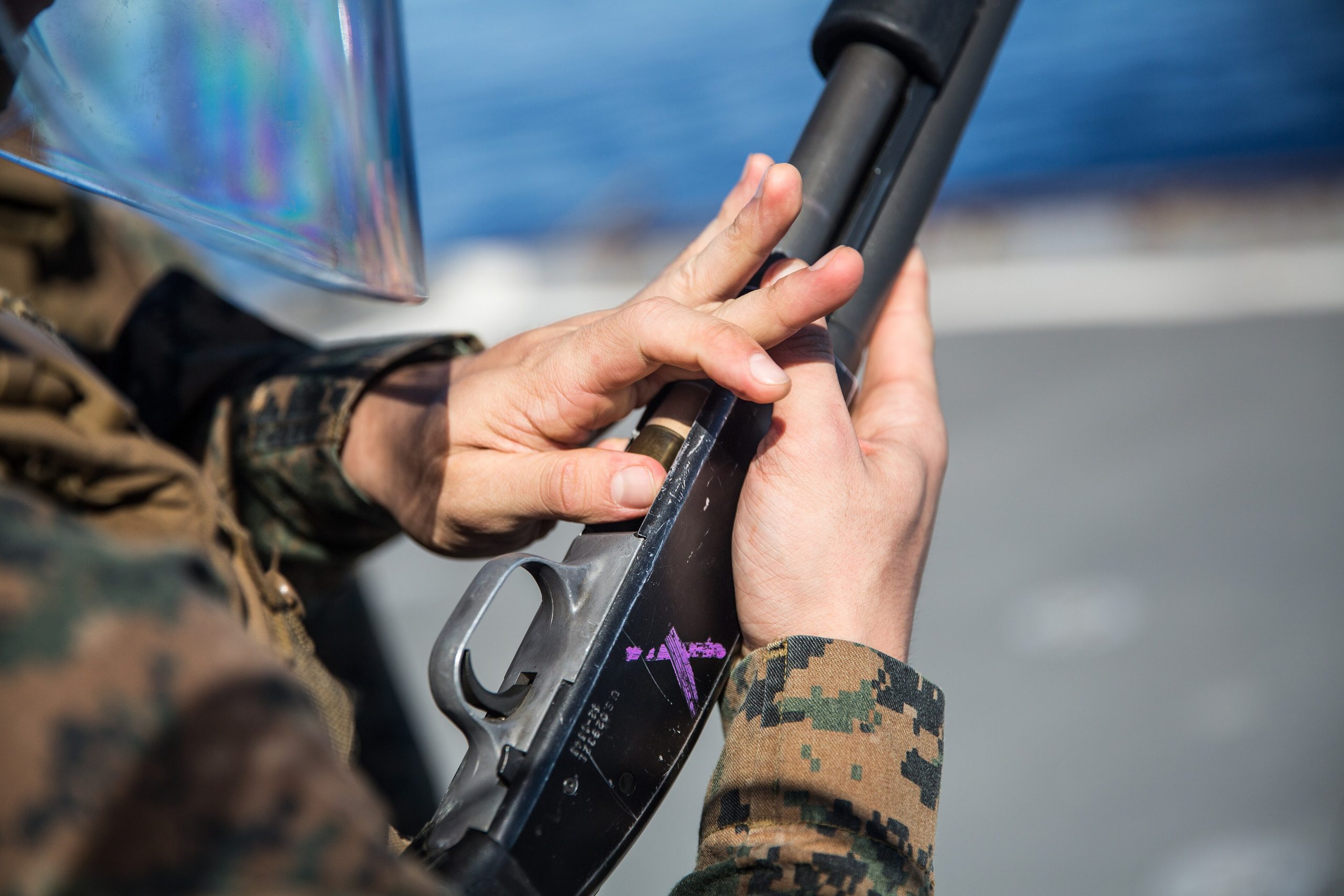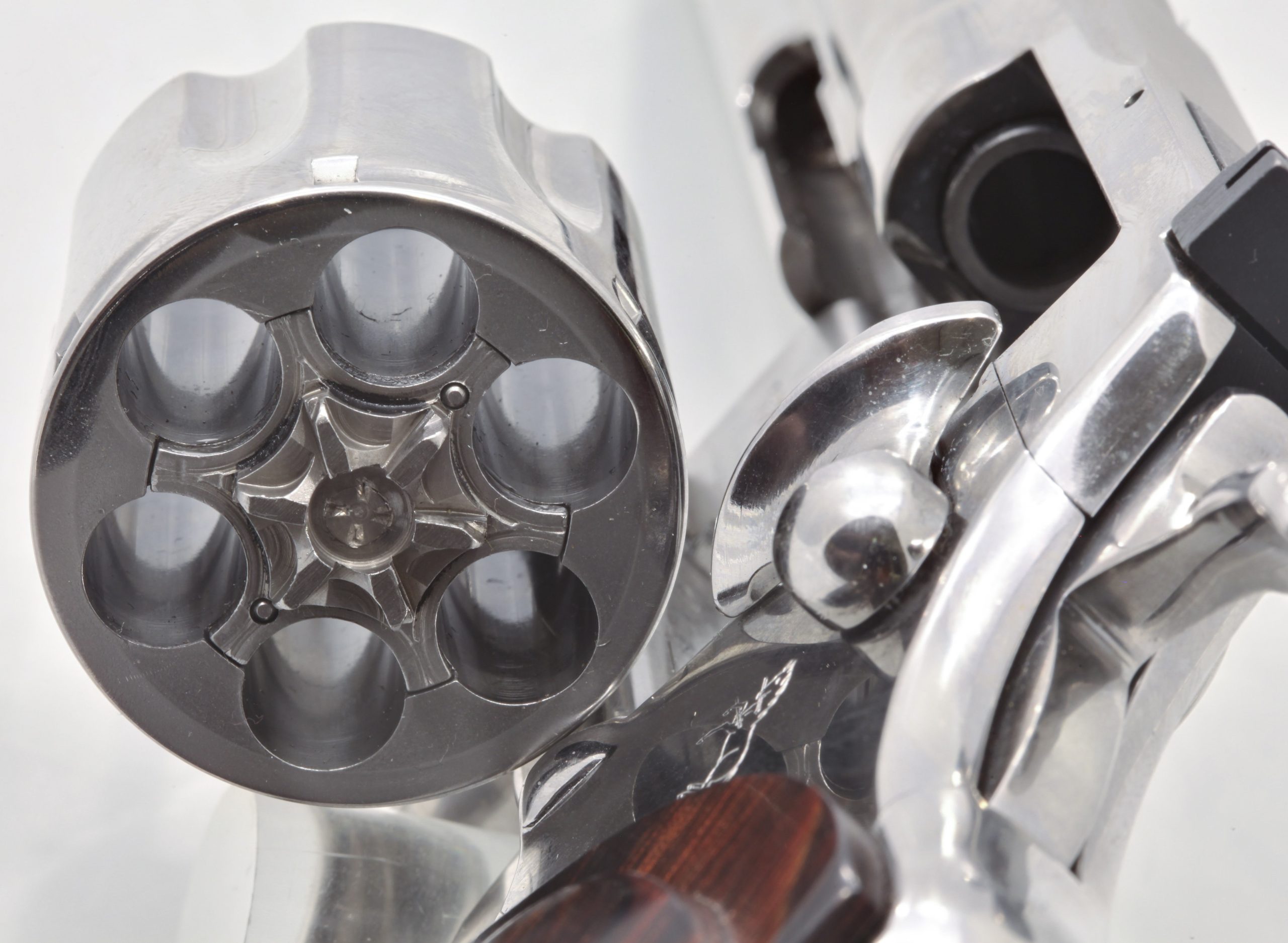
Some revolvers wear a feature that looks oddly borrowed from a shotgun. And in a way, that is exactly what happened.
It looks flashy, but it started with a practical idea
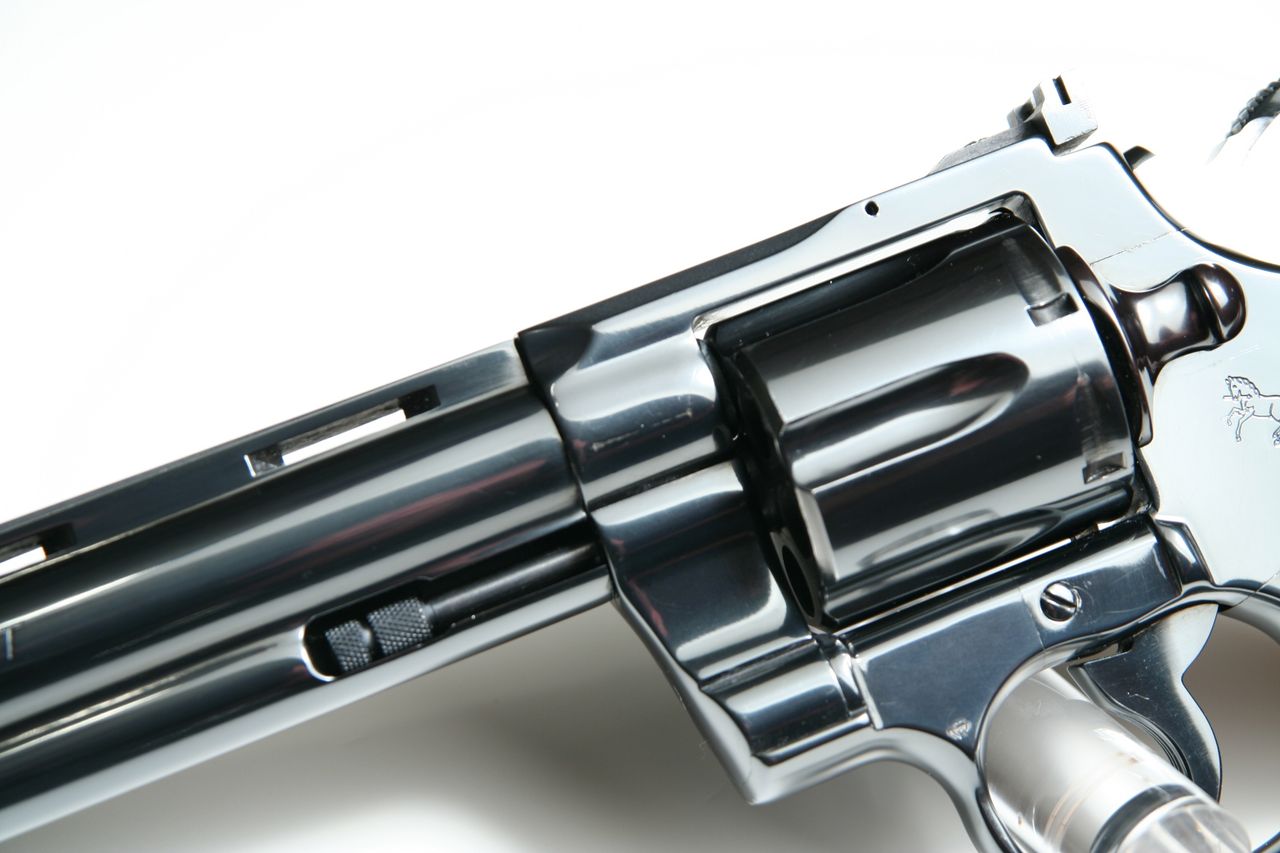
The ventilated rib is the raised, slotted strip running along the top of the barrel on certain revolvers, most famously the Colt Python. Colt’s own product literature has long highlighted the Python’s full-length vent rib as a defining feature, and that was never an accident. It gave the gun an upscale, target-oriented identity from the start.
The unusual part is why gunmakers used it in the first place. The idea came from long guns, especially shotguns, where ribs were used to improve the sighting plane and help manage the visual effects of barrel heat. Field & Stream and other gun publications have noted that vent ribs are supposed to reduce heat shimmer, or mirage, rising from a hot barrel.
That mirage issue is real physics, not marketing poetry. Heated air bends light, and when it rises directly into your sight picture, the target can appear to waver. Even studies of atmospheric mirage show how temperature gradients distort images, which helps explain why shooters cared about keeping that shimmering air away from the line of sight.
The real reason is heat mirage, not barrel cooling
A lot of shooters assume the slots are there mainly to cool the barrel faster. They can marginally increase airflow, but that is not the main story. Hallowell and other firearm references describe the ventilated rib’s more important job as redirecting the shimmering hot air so it interferes less with aiming.
That matters most during repeated firing, especially in competition, hunting practice, or long-range handgun use where a precise sight picture counts. Mirage can become visible surprisingly quickly once metal heats up. SilencerCo, writing about suppressor mirage in a modern context, describes the same underlying problem: hot air rising into the shooter’s optical path and distorting the view.
On a revolver, the effect is usually less dramatic than on a shotgun barrel after a long string, but the concept carries over cleanly. So the unusual answer is this: the rib is there less to cool the steel itself and more to protect your eyes from what the heat does to the air above it.
Colt turned a functional feature into a design signature
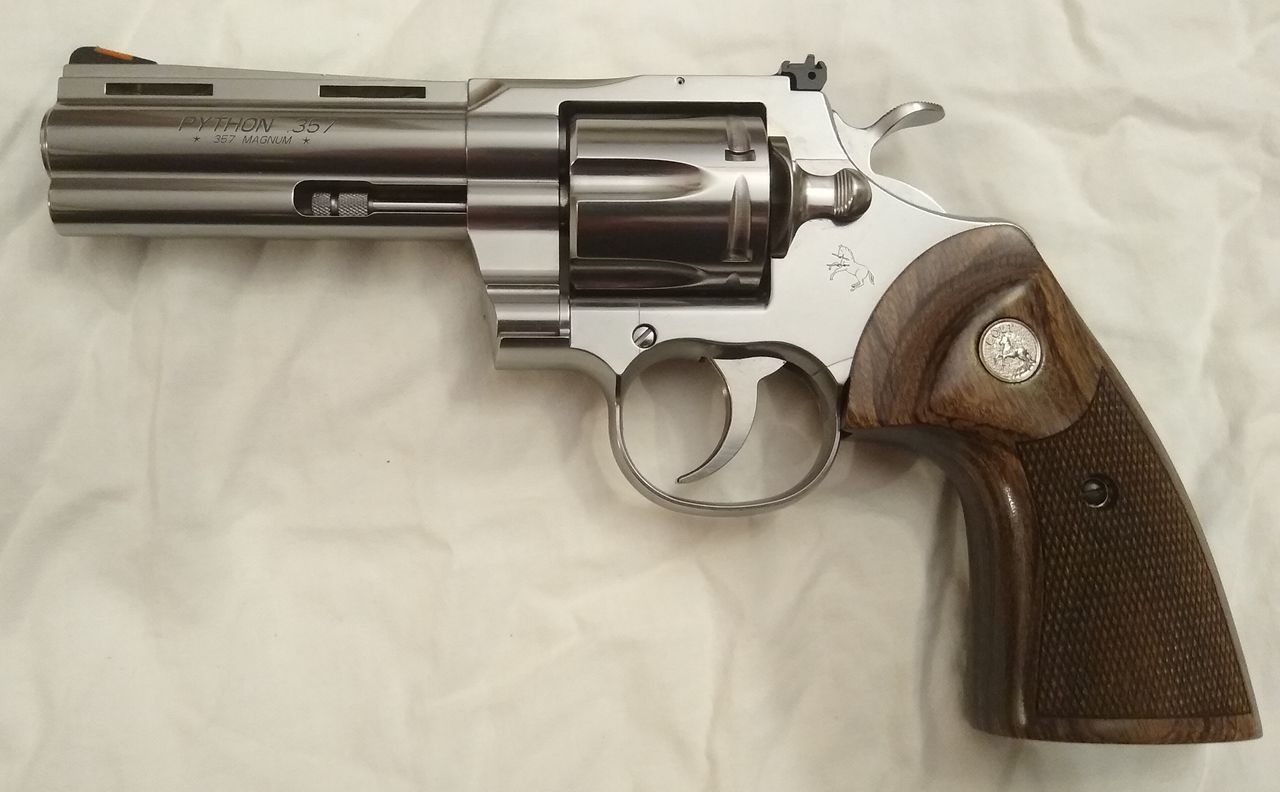
No revolver is more closely tied to the ventilated rib than the Colt Python. Introduced in 1955, the Python paired that rib with a full underlug, adjustable sights, and a premium finish, creating a look that stood apart immediately. American Rifleman and more recent revolver coverage both point to the ventilated rib as part of the Python’s instantly recognizable profile.
Once shooters associated that rib with a top-tier .357 Magnum, the feature took on a second life. It was no longer just about sight picture. It became a visual shorthand for accuracy, refinement, and a little bit of prestige.
That helps explain why people often overestimate its mechanical importance today. On many revolvers, especially later models inspired by the Python, the vent rib was at least as much about brand identity and buyer appeal as any measurable performance gain. In gun design, useful features often survive because they also look expensive.
Why the feature never appeared on every revolver
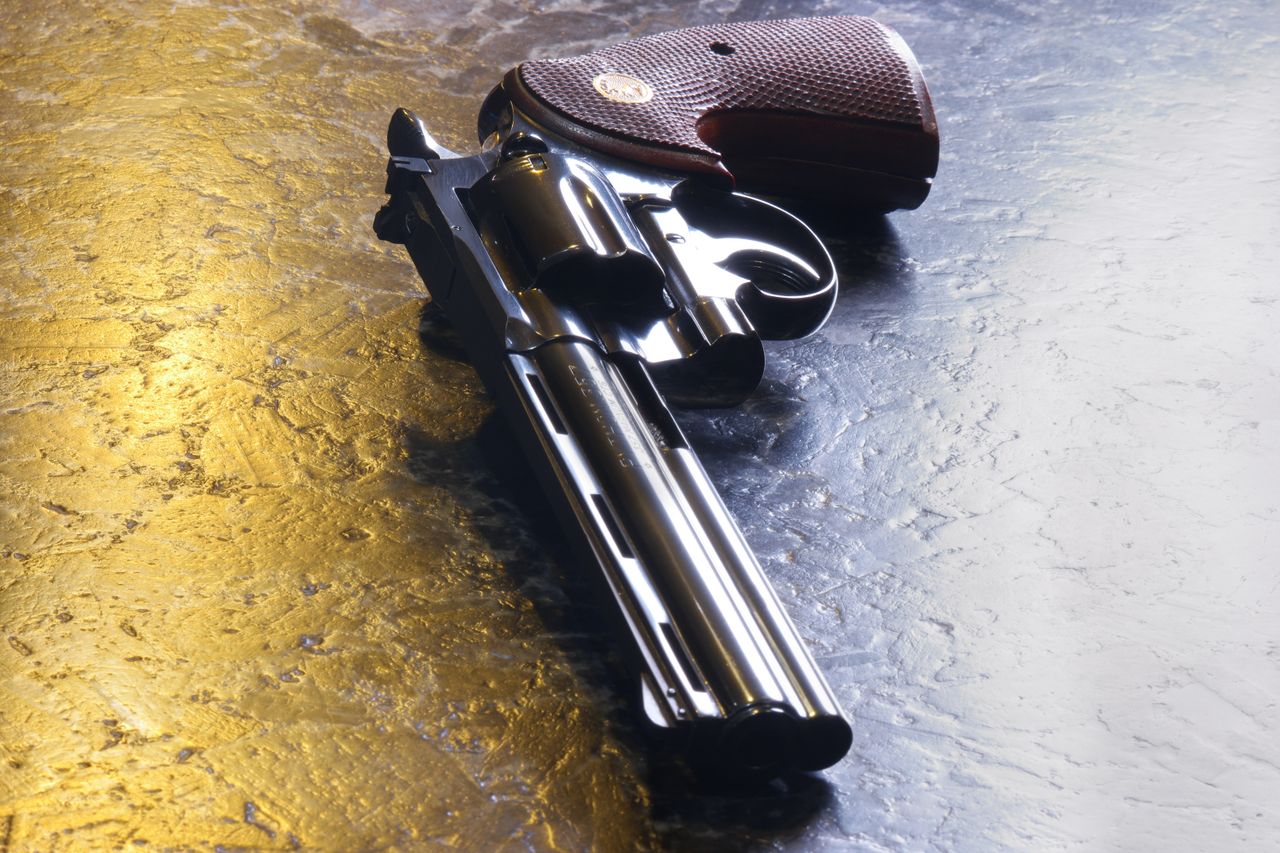
If ventilated ribs are so clever, why are they not standard? The simplest answer is that most revolvers do not need them badly enough to justify the extra complexity. A rib adds manufacturing steps, cost, and visual bulk, all for a benefit many casual shooters may never notice during ordinary use.
There is also a tradeoff in design priorities. Some revolver makers prefer a clean barrel profile, lower weight, or lower production cost over a specialized sighting aid. Smith & Wesson’s history shows plenty of iconic revolvers earned their reputation without making vent ribs central to the brand.
In other words, the rib solves a narrow problem for a narrower slice of shooters. For a premium target or hunting revolver, that can make sense. For a basic carry gun, duty revolver, or general-purpose wheelgun, it often does not. That is why the feature remained distinctive instead of universal.
There is also a sighting and balance effect
Even when heat mirage is the original reason, the rib can influence how a revolver feels to shoot. A raised top line gives the eye a long, straight visual reference, which many shooters find helpful when aligning iron sights. That is one reason ribs became common on shotguns long before they became an eye-catching revolver detail.
Weight distribution matters too. On guns like the Python, the rib works visually with the underlug to make the barrel look substantial, and the overall package can steady the gun in deliberate fire. Some shooters describe that as better balance, though that becomes partly personal preference.
So while the unusual reason is mirage control, the feature stuck around because it brought side benefits. Better visual indexing, a premium look, and a sense of muzzle stability all helped keep it relevant long after its original practical role became less urgent for most handgun owners.
Today, the vent rib is as much culture as engineering
Modern shooters still recognize the ventilated rib instantly, even if many have never fired enough rounds in one session to see true barrel mirage on a revolver. That says a lot about how firearm features evolve. A technical solution can become an aesthetic symbol once enough people connect it with a famous model.
The Colt Python proves the point better than anything else. Colt still emphasizes the vent rib in current Python materials, because the feature is part of what buyers expect the gun to be. It signals heritage as much as function.
So the odd little slotted strip above the barrel is not there just to look cool, even though it absolutely does. Its original job was to keep rising heat waves from spoiling the sight picture. The reason it survived is simpler: it solved a real problem once, and then became iconic.