Few pump-action shotguns have built a reputation as broad as the Mossberg 500. Introduced in 1962, it has remained in production for more than 60 years and grown into an enormous family of configurations. Its appeal is not based on one spectacular feature, but on a combination of straightforward controls, manageable weight, multiple gauges, interchangeable components and a long record in sporting, law-enforcement and military roles. That versatility explains why experienced shooters so often point newcomers toward the 500 when they want a practical starting point.
1. It Has Decades of Proven Design

The Model 500 first entered production in 1962, giving the platform more than six decades of history. That longevity is a major reason it became a common recommendation for newcomers: the design has had an unusually long time to mature. Its pump-action layout is straightforward, while the aluminum receiver helps keep weight manageable. The 500 also uses a steel locking component in the bolt and barrel extension for a solid lockup. Rather than chasing novelty, Mossberg built a conventional repeater around durable, familiar ideas. By 2026, the platform remains in production, showing how a design introduced in the 20th century can still fit modern sporting use.
2. One Receiver Supports Many Configurations
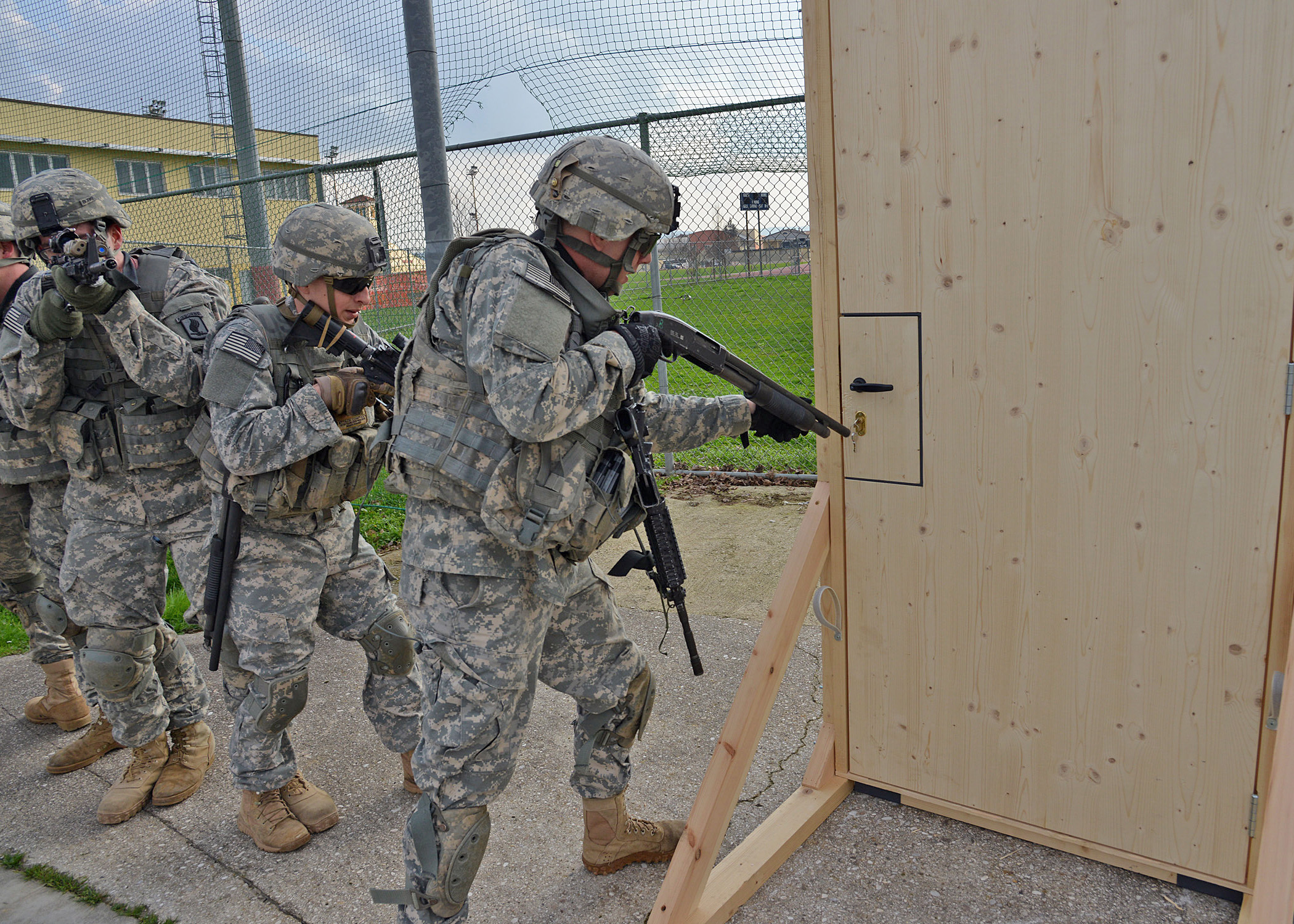
The 500 is less a single shotgun than a broad family built around a common basic design. Mossberg has offered the platform in 12 gauge, 20 gauge and .410 bore, with different barrel lengths, stocks, sights and intended roles. That variety is important for first-time buyers because it lets the same basic platform serve hunting and sporting applications without assuming one configuration suits everyone. In 2010, Mossberg said the Model 500 line had expanded to 41 variations. The exact lineup changes over time, but the principle remains: buyers can choose a version around their needs rather than forcing one shotgun to do everything.
3. The Top-Mounted Safety Is Easy to Understand

A feature frequently noticed by new owners is the Mossberg 500’s tang-mounted safety. Positioned on top of the receiver, it can be operated from either side and is accessible without changing the basic firing grip. That ambidextrous arrangement became one of the model’s signature ergonomic traits. It can be useful when a shotgun is handled by right- or left-handed shooters, although every owner still needs proper instruction and safe handling habits. The safety itself is not a substitute for discipline. Its value is that the control is simple, familiar, and easy to identify. That combination helped the 500 develop a reputation for straightforward controls.
4. Its Weight Is Helped by an Aluminum Receiver

The Model 500 uses an aluminum receiver rather than a heavier steel receiver, a choice that contributes to its manageable weight. Exact weight varies by configuration, but published references place many 500 models in roughly the 5.5-to-7.5-pound range when unloaded. That matters because a first shotgun can become tiring if it is unnecessarily heavy. At the same time, Mossberg did not simply make the receiver light and leave the locking system unsupported: the bolt uses a steel locking lug engaging the steel barrel extension. The result is a design that combines a lighter receiver with a steel-to-steel locking interface.
5. Barrel Choices Make It Surprisingly Adaptable

Another reason the 500 appears so often in beginner recommendations is its broad selection of barrels and configurations. Depending on the specific model, barrels have been offered for field, turkey, slug, and other sporting roles, with lengths varying widely across the product family. Mossberg has also offered interchangeable barrels within specific gauges, giving owners more flexibility than a fixed configuration would provide. Some models use bead sights, while others incorporate different sight arrangements or optic-ready features. This does not mean every barrel fits every 500; compatibility depends on the exact gauge, magazine arrangement and model. The platform’s flexibility is real, but matching parts correctly still matters.
6. Its Reputation Was Strengthened by Military Service
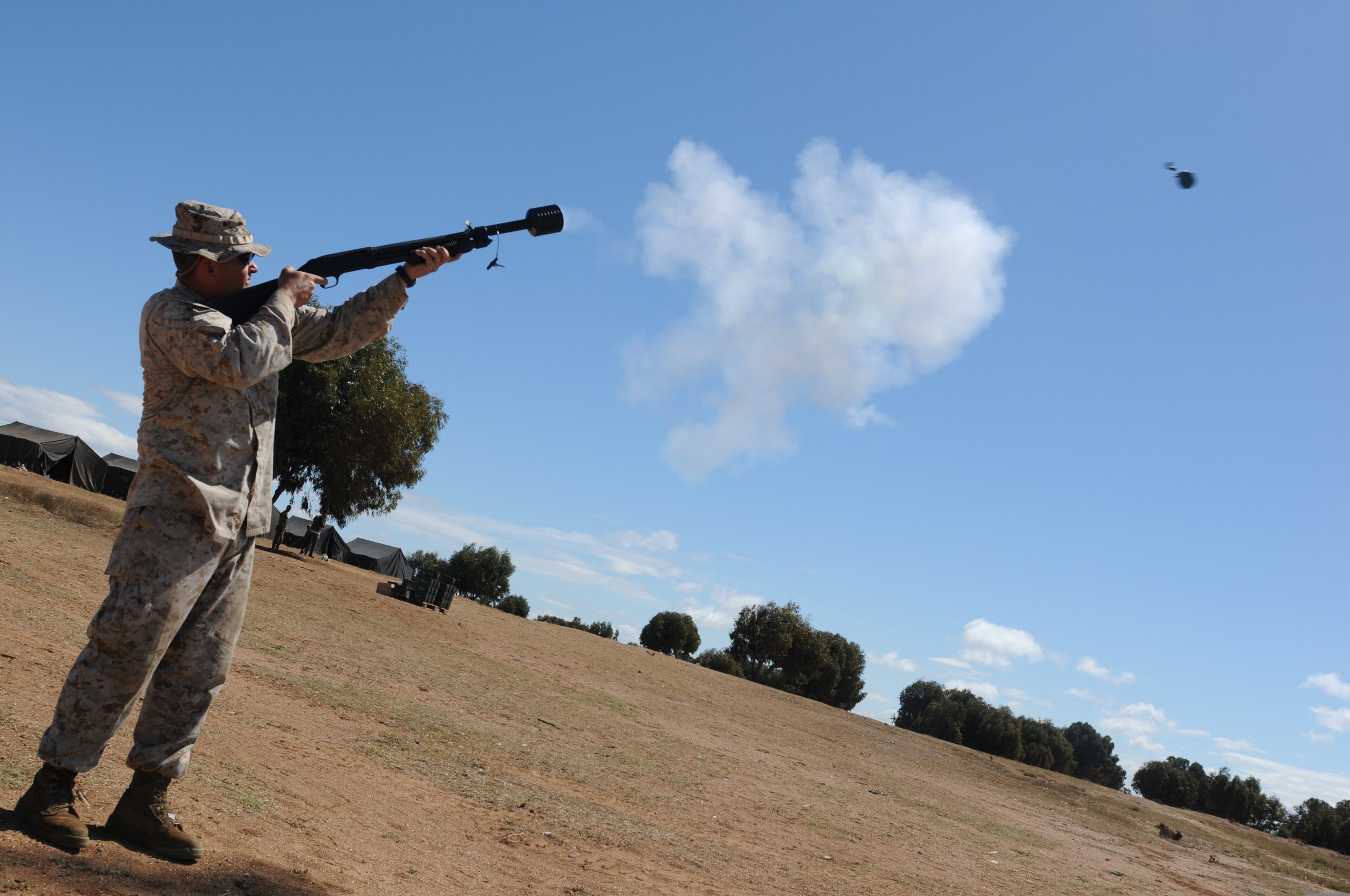
Civilian popularity is only part of the 500 story. In 1979, Mossberg received a government contract to produce the Model 500 as a combat-duty-rated pump shotgun, and the company says it was eventually adopted by every branch of the U.S. military. That history gave the model a credibility boost well beyond sporting circles. Military use also helped establish the broader 500 family as something designed for demanding service rather than casual use alone. The later Model 590 developed from the same basic lineage and incorporated changes requested for greater ammunition capacity and other requirements. The military connection therefore became part of the platform’s long-running reputation.
7. Maintenance Was Kept Relatively Straightforward
For a first-time owner, a shotgun’s maintenance requirements can matter as much as its headline specifications. The Model 500 was designed with a conventional pump-action layout, and its barrel can be removed from the receiver for routine cleaning when following the manufacturer’s procedures. Mossberg publishes dedicated owner manuals and schematics for the 500 family, helping owners identify the correct parts and maintenance information for their particular model. That documentation matters because the 500 name covers many variants. Safe handling comes first: the shotgun should be unloaded and handled according to the current manual before any maintenance begins. Simplicity is useful only when paired with correct procedures.
8. It Offers Options for Different Gauges
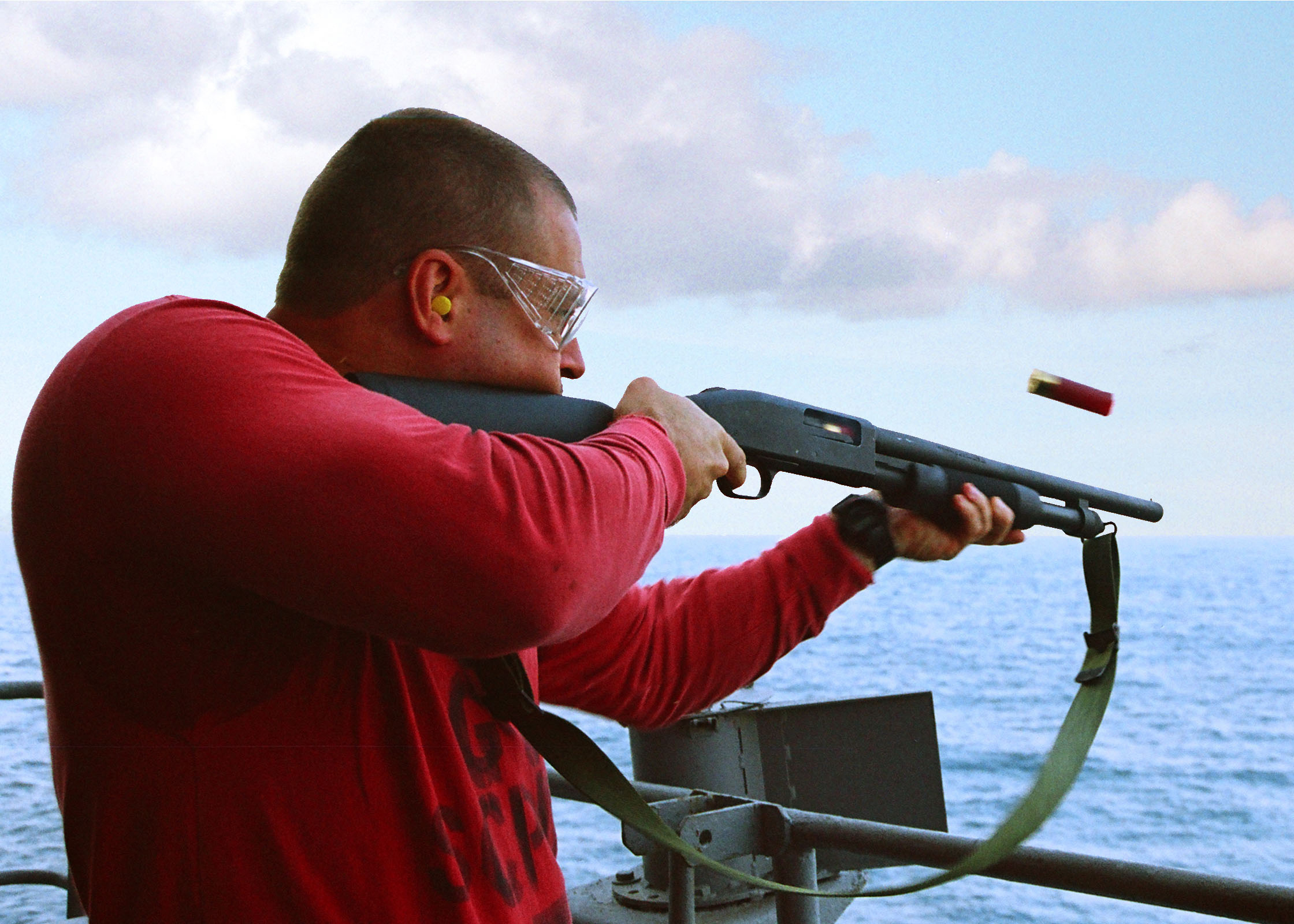
The 500 family has never been restricted to one bore size. Mossberg has produced versions in 12 gauge, 20 gauge and .410 bore, giving buyers several ways to balance payload, physical size, and recoil characteristics. A 12-gauge model is the most familiar choice for many hunting and sporting applications, while 20-gauge versions can offer a different balance for some shooters. The .410 models have a much smaller bore diameter and are associated with lighter sporting applications. These are not interchangeable ammunition choices: each shotgun must use the exact chambering marked on its barrel. For a newcomer, choosing the gauge should follow consideration of intended use, fit, and training.
9. Its Biggest Advantage Is Choice
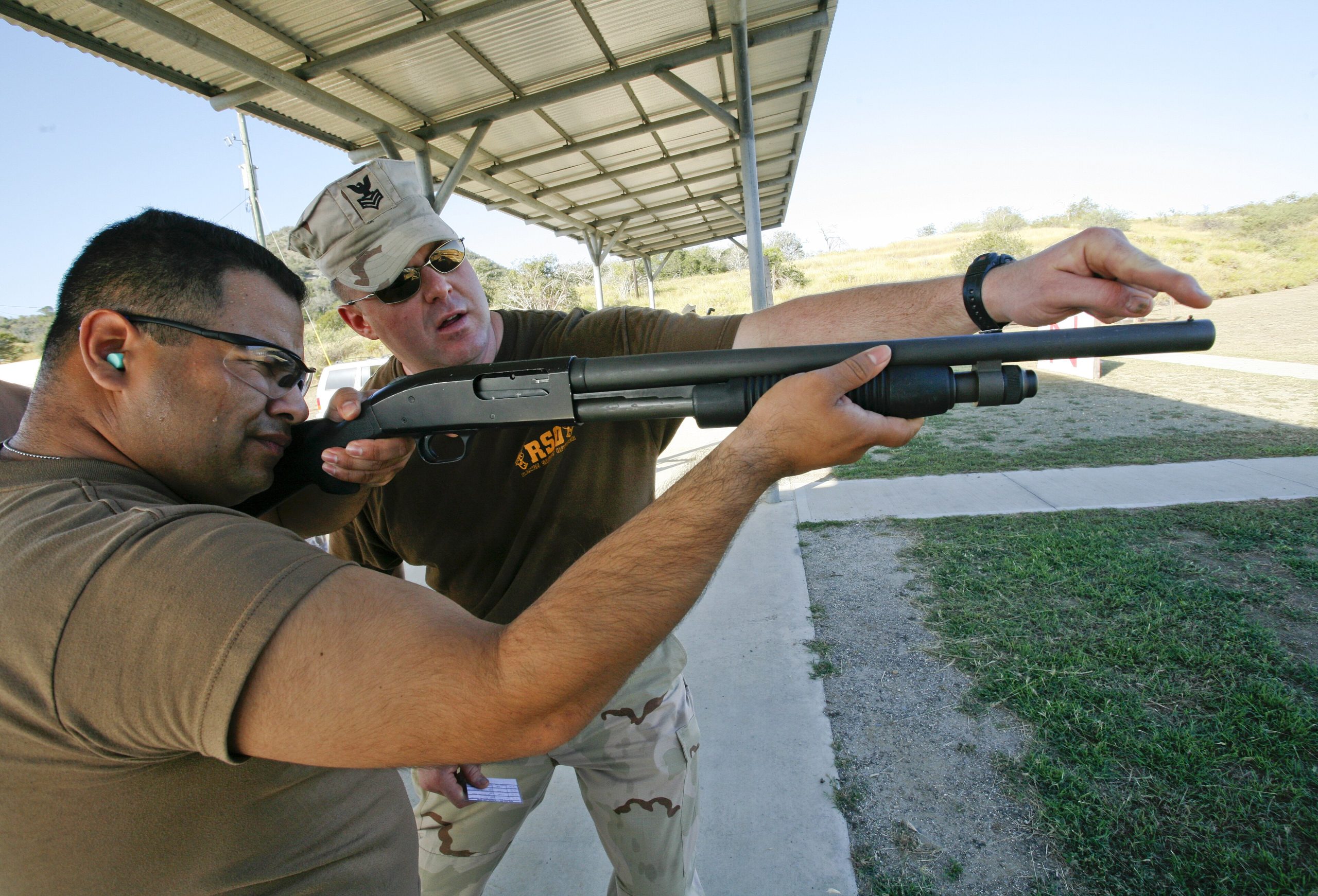
The strongest argument for the Model 500 may be the sheer range of choices built around one recognizable platform. Since its 1962 introduction, the family has accumulated numerous configurations, and Mossberg continues to support the 500 through manuals, schematics and product information. That does not make every 500 ideal for every shooter. A first-time buyer still needs to consider gauge, fit, barrel purpose, local laws, secure storage and professional instruction. But the platform’s combination of long production history, multiple configurations, familiar controls and established support explains why it is so often mentioned when newcomers ask where to start. Its appeal is less about hype than flexibility and familiarity