Most people know the Desert Eagle at sight, even if they have never handled one. Far fewer realize the same company behind that flashy handgun also controls the modern Tommy Gun name. The connection sounds random at first, but once you look at branding, manufacturing, and collector demand, it starts to make a lot of sense.
Brand Power Travels Well
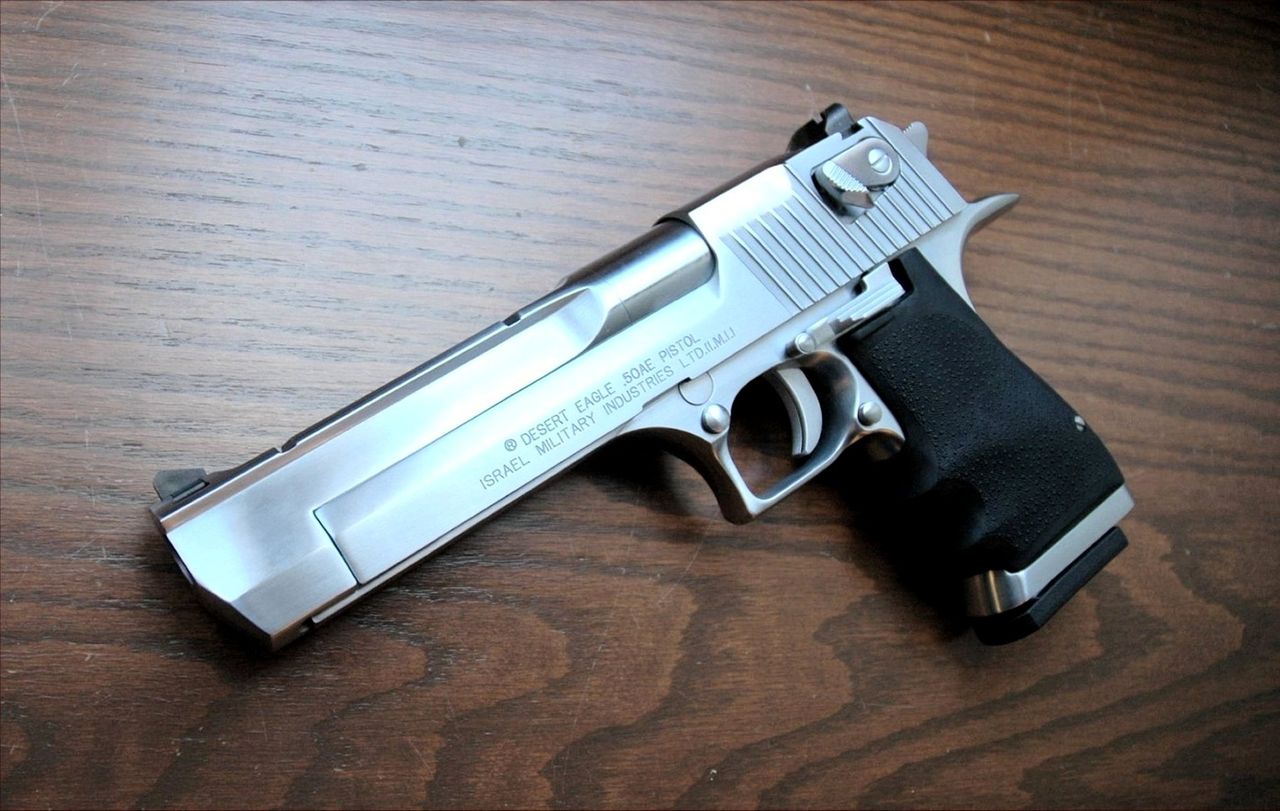
The biggest reason is simple: recognizable names matter. The Desert Eagle is one of those rare firearm brands that crossed over into movies, games, and everyday pop culture, and the Tommy Gun has a similar kind of instant recognition that goes back nearly a century.
For a company like Kahr Arms and its parent structure, owning another famous name is not just about selling hardware. It is about owning a piece of American weapons mythology. When buyers already know the story before they see the product, the marketing work gets a whole lot easier.
Auto-Ordnance Came With History Built In
The modern Tommy Gun is tied to Auto-Ordnance, the historic brand associated with the Thompson. When Kahr acquired Auto-Ordnance, it did not just pick up a product line. It gained a legendary name with deep roots in military history, law enforcement lore, and gangster-era imagery.
That kind of legacy is hard to build from scratch and expensive to ignore. A famous old brand can be refreshed for collectors, history fans, and enthusiasts who want a semi-auto version of something iconic. In business terms, it is a shortcut to relevance, and in cultural terms, it is pure Americana.
Collectors Love Familiar Legends
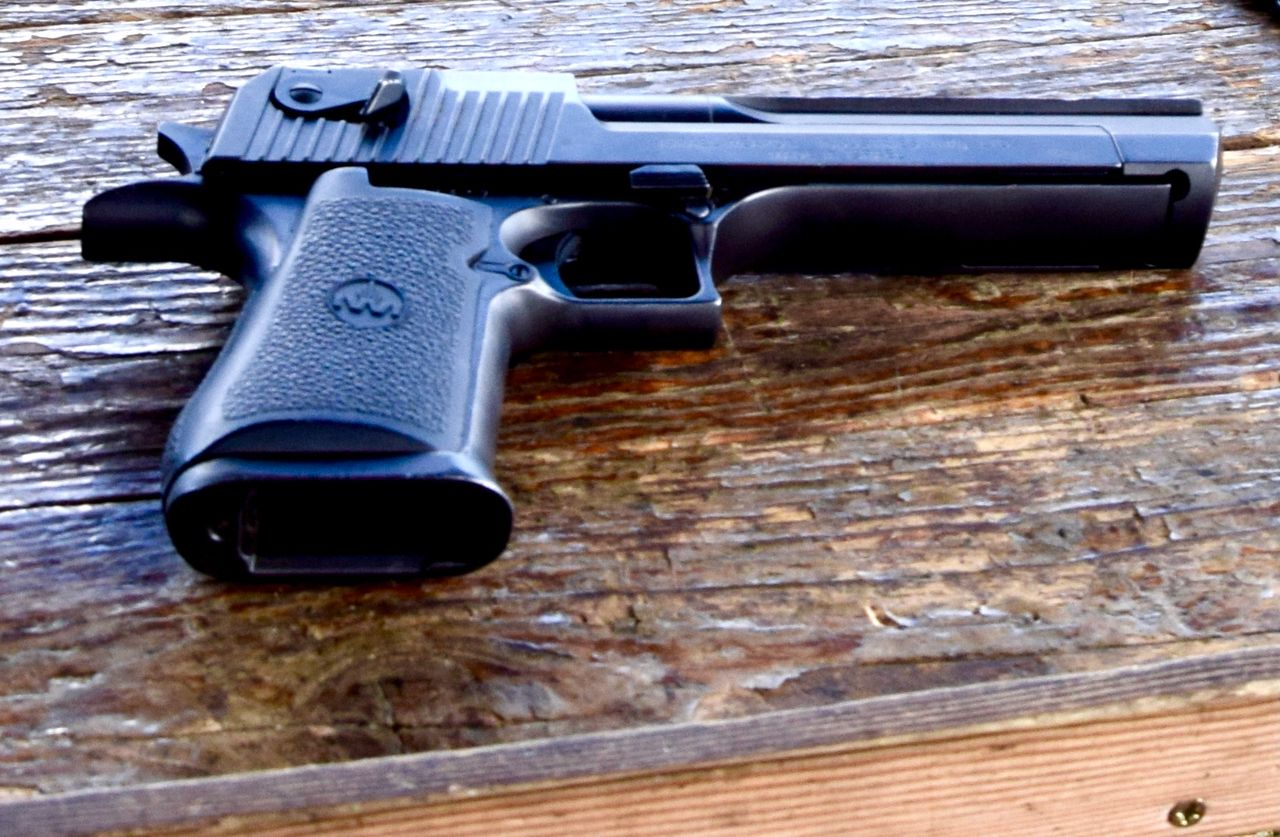
Not every gun purchase is driven by practical use. Some buyers want a firearm because it means something, looks a certain way, or recreates a famous silhouette from history. The Desert Eagle and the Thompson both thrive in that space, where identity and recognition can be just as important as specifications.
That overlap makes ownership more logical than it first appears. A company serving enthusiasts, collectors, and nostalgia-driven buyers can benefit from having multiple icons under one roof. One product channels modern pop culture swagger, while the other taps into World War II memory and Prohibition-era legend.
The Modern Versions Fit A Niche Market
Today’s Tommy Gun is not a mass-market everyday rifle in the way some modern sporting platforms are. It lives in a more specialized lane, where historical styling, craftsmanship, and novelty help justify its place. That makes it a good fit for a company already comfortable selling distinctive products with strong visual identity.
The Desert Eagle works similarly. It is famous partly because it is dramatic, oversized, and instantly recognizable. Put those two products in the same corporate orbit, and the strategy comes into focus. They are not trying to be anonymous tools. They are selling standout machines with built-in personality.
Owning Icons Creates A Stronger Portfolio
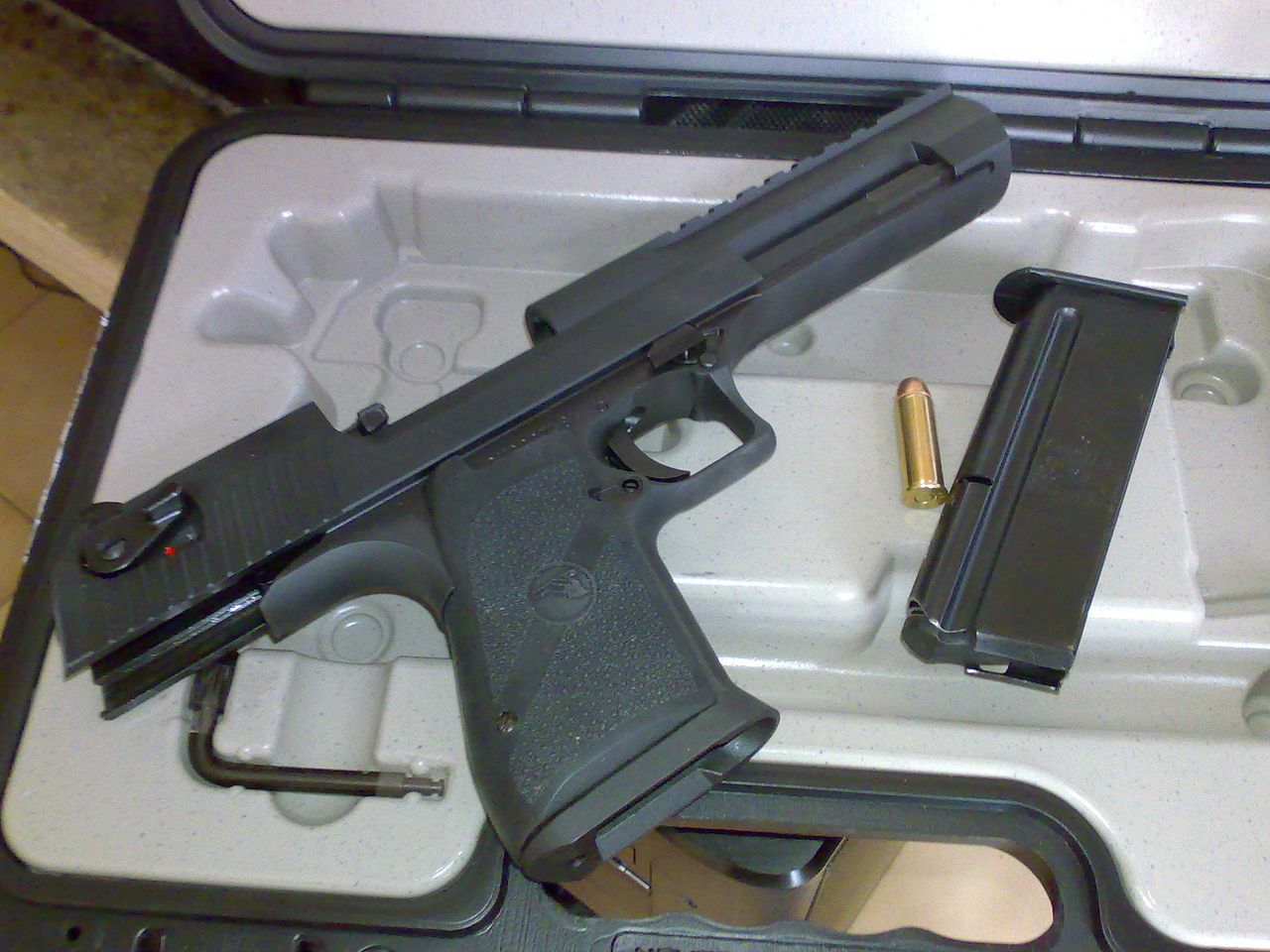
At the end of the day, this is also about diversification. A company that controls several well-known firearm names can reach different slices of the market without starting over each time. One brand may appeal to movie buffs and handgun fans, while another pulls in collectors, historians, and buyers chasing a classic look.
That broader portfolio gives the business resilience and visibility. Even people who do not follow the gun industry closely may recognize one of the names, which keeps both brands alive in the public imagination. Quietly owning the modern Tommy Gun is less a weird twist than a smart extension of owning another legend.