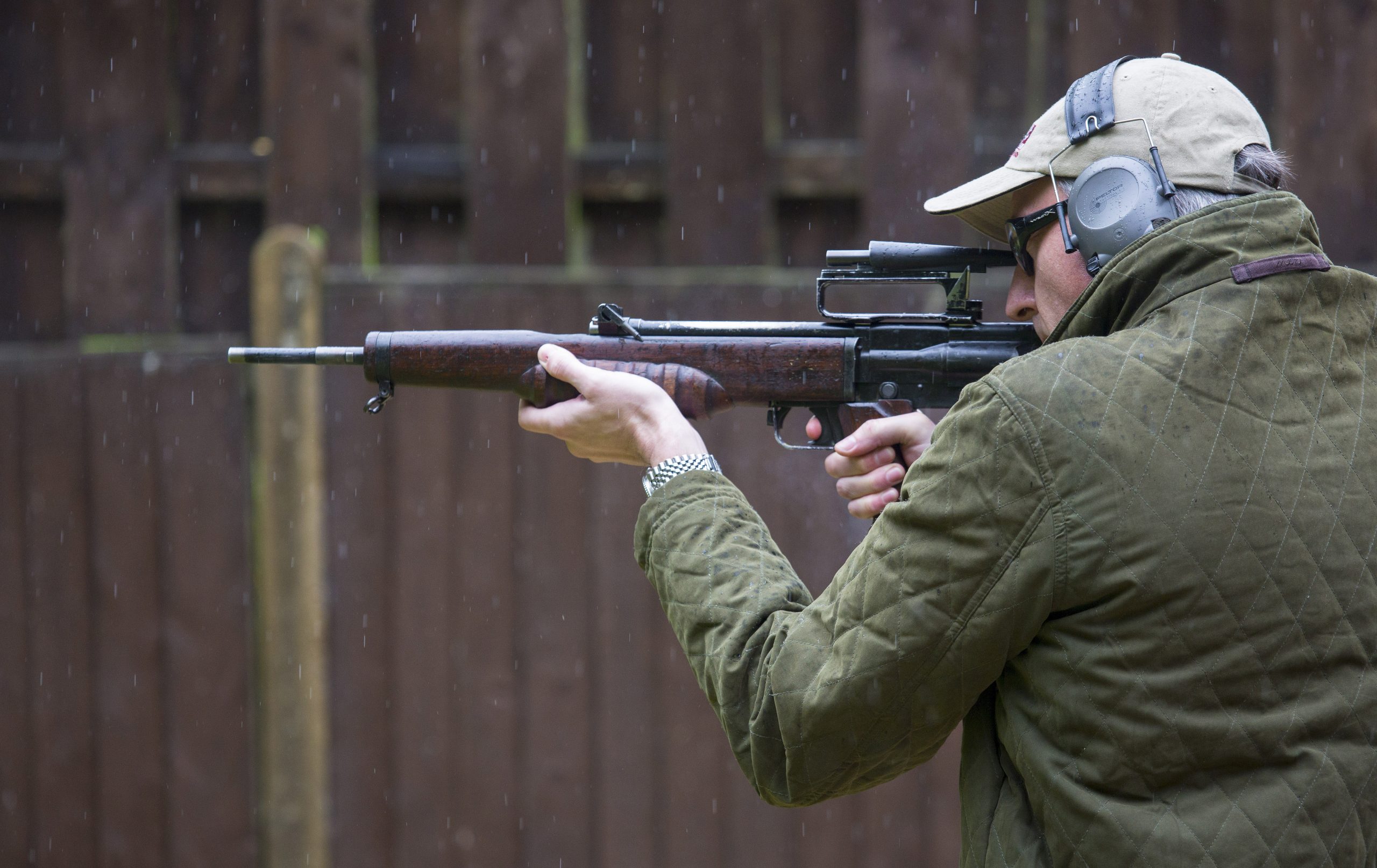
A bullpup looks unusual at first glance, but the idea behind it is straightforward. It rearranges the rifle’s guts to make the gun shorter without chopping down the barrel.
The Basic Layout Change
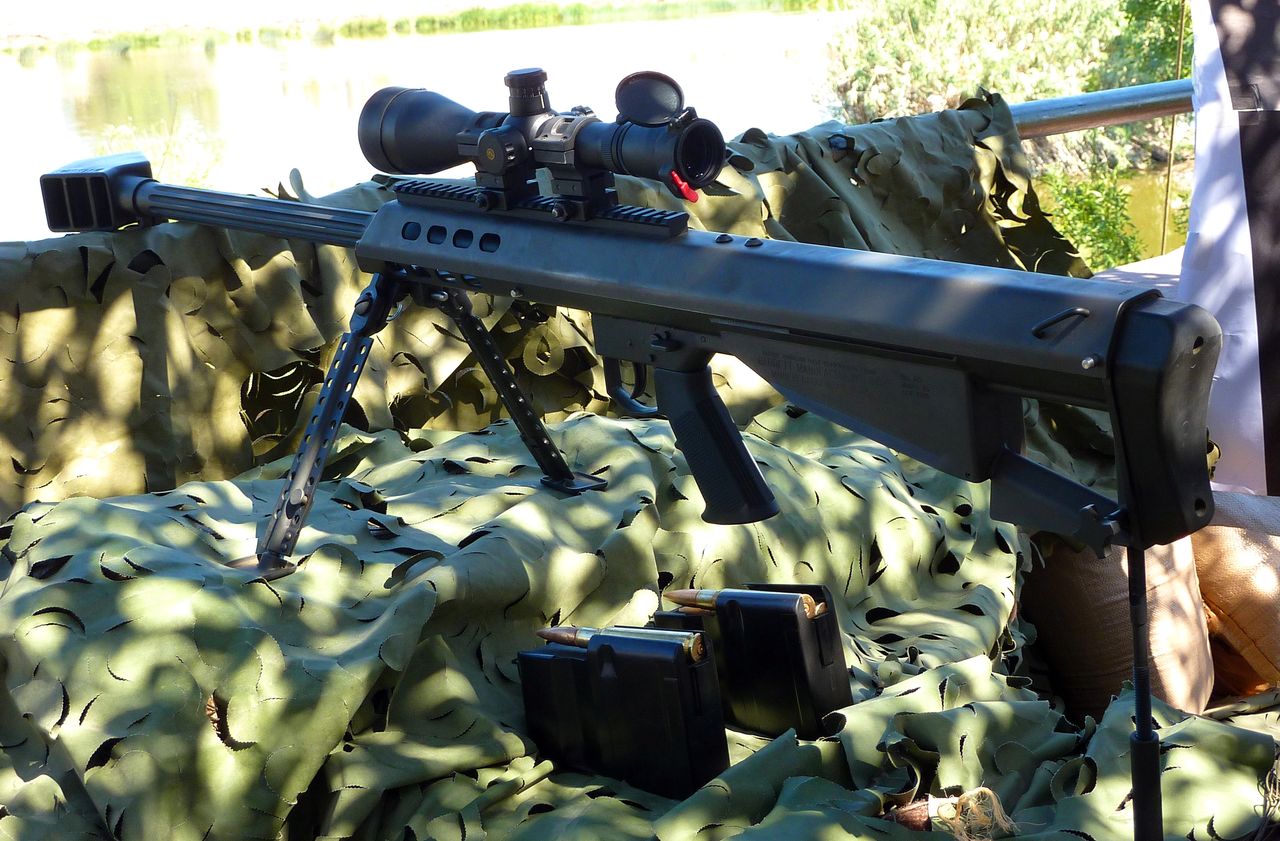
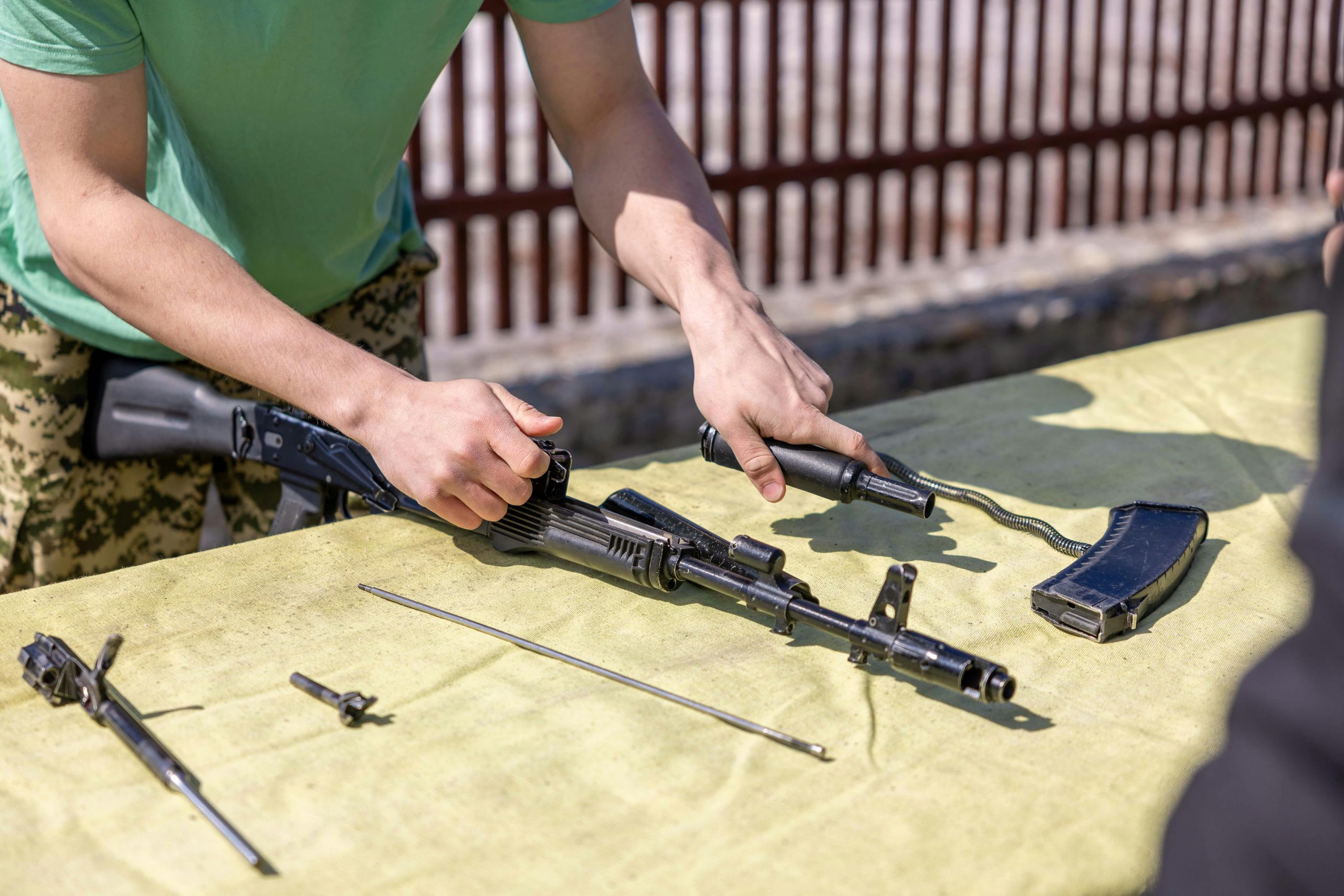
The defining difference between a bullpup rifle and a conventional rifle is where the action sits. On a conventional rifle, the chamber, bolt, and magazine well are in front of the trigger group. On a bullpup, those parts are moved behind the trigger, tucked into the stock area.
That one shift changes the rifle’s entire footprint. Because the action is pushed rearward, a bullpup can keep a full-length barrel while staying much shorter overall than a traditional design. Steyr says its AUG bullpup with a 16″ barrel measures about 29″ overall, while IWI lists the Tavor X95 at 26.125″ overall with barrel options up to 18.5″.
In plain terms, a bullpup is trying to give the shooter rifle-level barrel length in a carbine-sized package. That is the central advantage, and every other difference flows from it.
Why Bullpups Feel So Compact
The biggest real-world benefit is maneuverability. A shorter overall rifle is easier to move through hallways, vehicles, tight brush, and cramped firing positions. That is why bullpups have long appealed to military and police users who want compact weapons for close quarters but do not want to give up velocity and external ballistics.
The Steyr AUG became famous partly for exactly that reason. Steyr describes the AUG’s bullpup design as giving it short overall length, and the platform has been in service since 1977. Israel’s Tavor family followed a similar logic, with IWI promoting the X95 as a compact bullpup developed around modern close-quarters needs.
For hunters, ranch users, or recreational shooters, that compactness can also make the rifle easier to carry in and out of trucks, blinds, and heavy cover. Less gun hanging out front often means less snagging on gear and brush.
The Tradeoffs in Handling and Controls
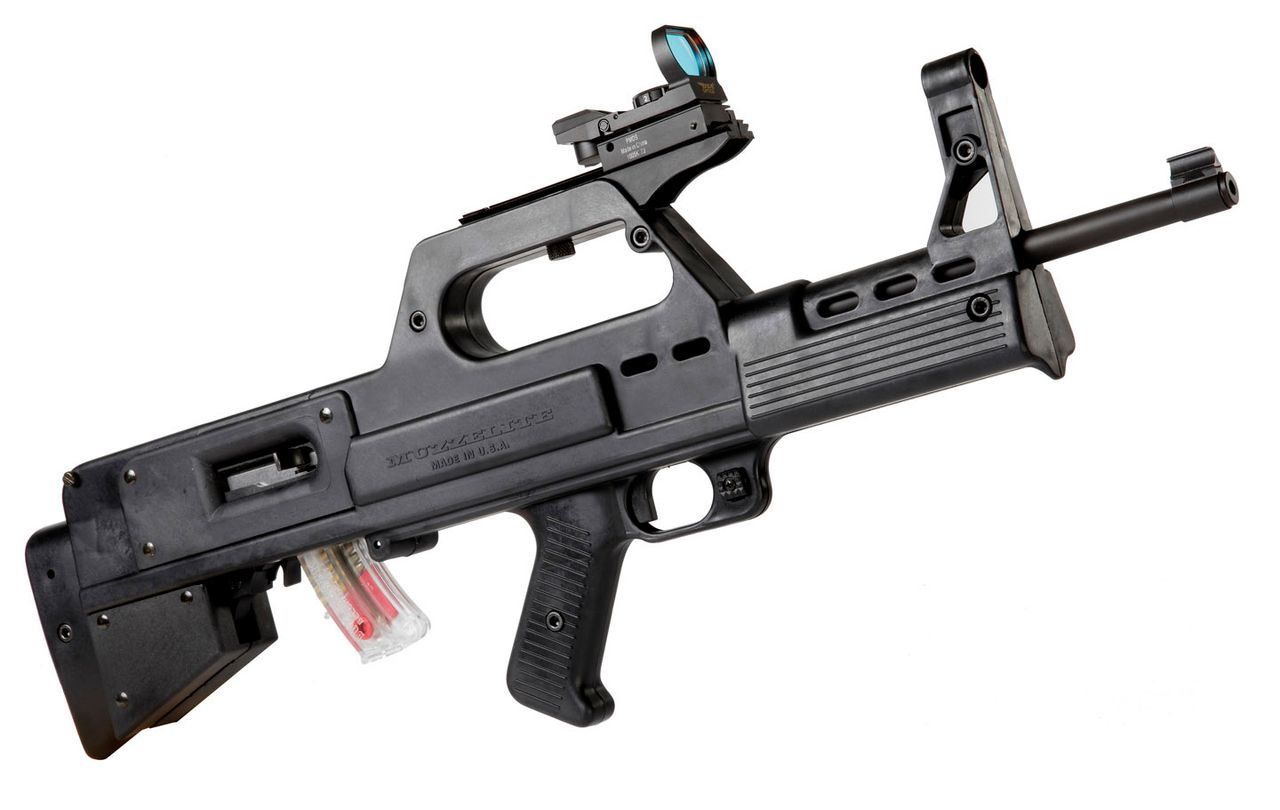
Bullpups gain compactness, but they do not get it for free. Because the trigger is forward of the action, the trigger usually works through a linkage bar that connects the trigger shoe to the sear farther back. That extra mechanical distance has historically made many bullpup triggers feel less crisp than good conventional rifle triggers.
Controls can also feel different. Magazine changes happen closer to the shooter’s shoulder, not out in front of the body. Some shooters find that slower at first, especially if they grew up on AR-style rifles. Reloads, malfunction clearances, and administrative handling all require retraining.
Balance is another noticeable change. Bullpups usually carry more weight toward the rear, which can make them feel lively and easier to hold on target for long periods. Others find that rear-heavy feel odd compared with the neutral or front-biased balance of a conventional rifle.
Barrel Length, Ballistics, and Performance
One reason bullpups remain relevant is that barrel length still matters. In many rifle calibers, a longer barrel generally helps preserve velocity compared with a shorter barrel firing the same cartridge. A bullpup lets designers keep more barrel in a shorter envelope, which is the layout’s strongest technical argument.
That does not mean every bullpup automatically shoots better. Accuracy depends on barrel quality, ammunition, optics, trigger control, and overall design. But if you compare two rifles with similar barrel lengths, the bullpup will usually be noticeably shorter overall.
The AUG and Tavor examples show this clearly. Steyr lists a 20″ AUG at roughly 31″ overall, which is strikingly short for that barrel length. That kind of size-to-barrel ratio is the bullpup formula in one sentence.
Ejection, Safety, and Shooter Comfort
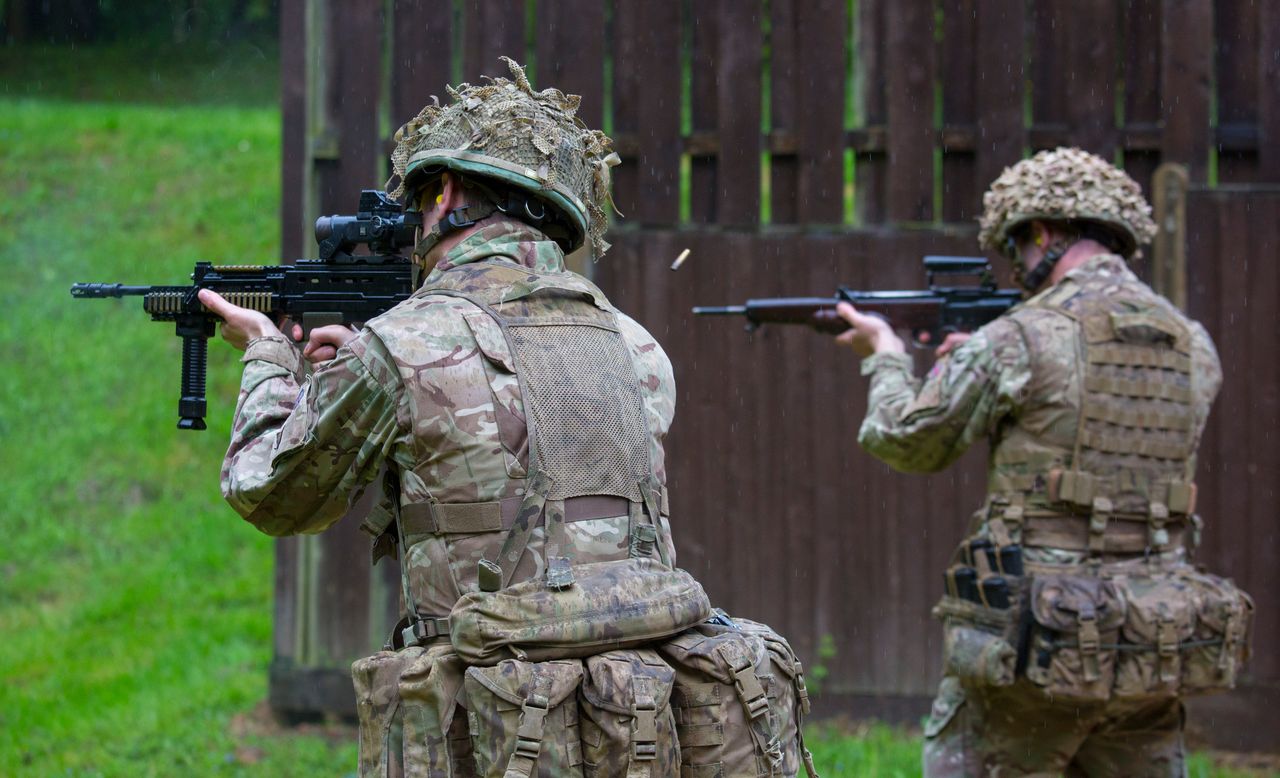
Bullpups place the chamber and ejection port closer to the shooter’s face, and that raises practical questions. Heat, noise, gas, and brass ejection can feel more immediate than on a conventional rifle. For left-handed shooters, older bullpups were especially frustrating because some required dedicated bolts or specific conversion parts for opposite-side ejection.
Modern designs have improved, but the issue has not vanished. Steyr notes that the AUG can be changed from right- to left-hand ejection, and IWI has long emphasized ambidextrous features in the Tavor line. Even so, not every model or configuration is equally friendly to every shooter.
Safety perception also matters. Some people are perfectly comfortable with a chamber sitting closer to the face because the locking system is still contained within the receiver. Others simply prefer the extra psychological distance of a conventional rifle layout.
So Which Design Makes More Sense?
A bullpup is not better at everything. It is better at being short for its barrel length, and that is a meaningful advantage if compact handling is high on your priority list. If you value familiar controls, cleaner trigger feel, broad parts compatibility, and easier maintenance habits, a conventional rifle often still wins.
That is why the market supports both. Conventional rifles remain dominant because they are intuitive, modular, and widely standardized. Bullpups keep a loyal following because they solve a real problem in a smart mechanical way.
The simplest answer is this: a bullpup changes the rifle’s layout, and that layout changes the shooting experience. If you want maximum compactness without giving up barrel, the bullpup stands apart from the conventional rifle in a very real and practical way.