Heckler & Koch inspires strong opinions, and that is part of what makes the company so fascinating. From engineering choices to military ties, HK has built a reputation that feels distinct even to casual observers. This gallery explores the habits, products, and philosophies that give the brand its own lane in a crowded field.
German engineering is central to the brand.
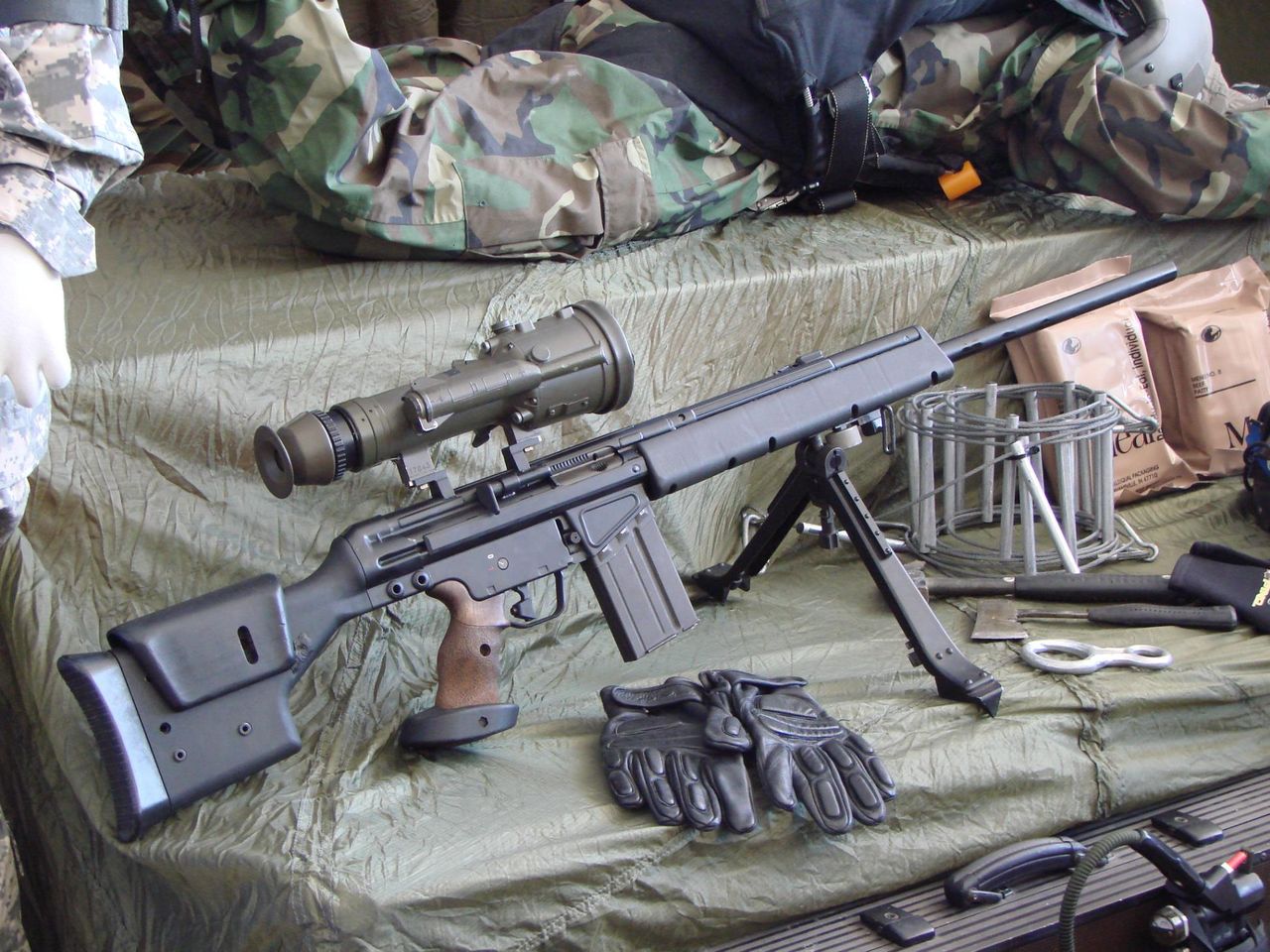
Heckler & Koch is often discussed with the kind of language usually reserved for high-end cars and industrial tools. Even people who are not deep into firearms culture recognize the brand as one that leans heavily on precision, consistency, and a very deliberate approach to design.
That reputation is tied to Germany’s broader engineering identity, but HK has made it feel especially visible in its products. The company’s image has long suggested that nothing is added casually and nothing is tolerated if it does not serve a clear mechanical purpose.
For supporters, that creates trust. For critics, it can make HK seem rigid or expensive. Either way, the engineering-first identity is one of the biggest reasons the company stands apart.
Its military roots shaped its civilian image
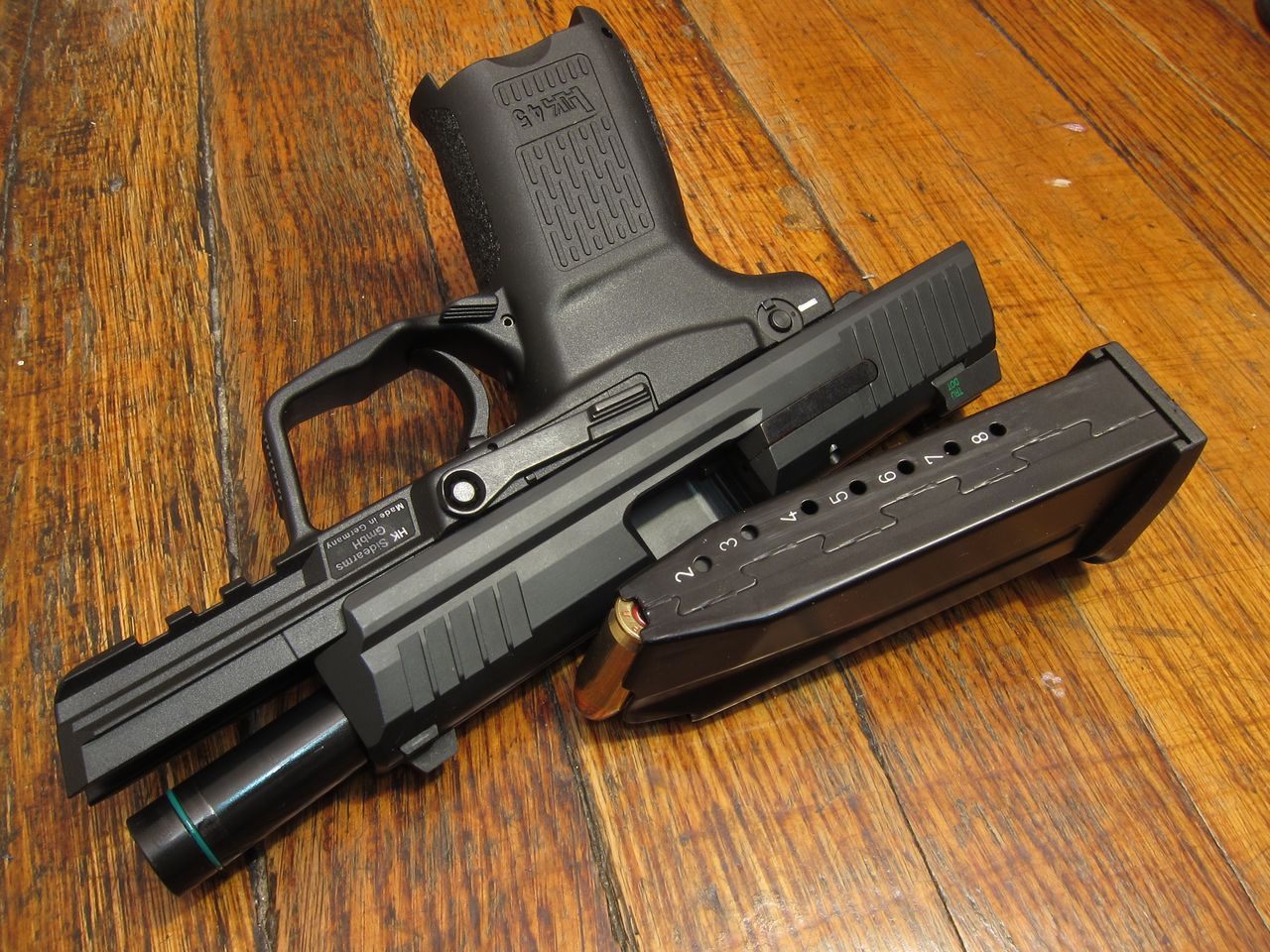
HK’s story is deeply connected to military contracts and service weapons, and that history still colors how the brand is perceived today. Many of its best-known designs earned attention because they were adopted by armed forces or elite units before becoming familiar to the broader public.
That path is different from companies that built their names mainly through commercial hunting guns or mass-market sporting pistols. HK often arrives in the conversation with a professional aura already attached, which gives the brand a more serious and sometimes intimidating public face.
For many buyers, that heritage signals credibility. It also helps explain why HK products are often discussed less as lifestyle accessories and more as mission-driven tools.
The company prioritizes durability over trendiness
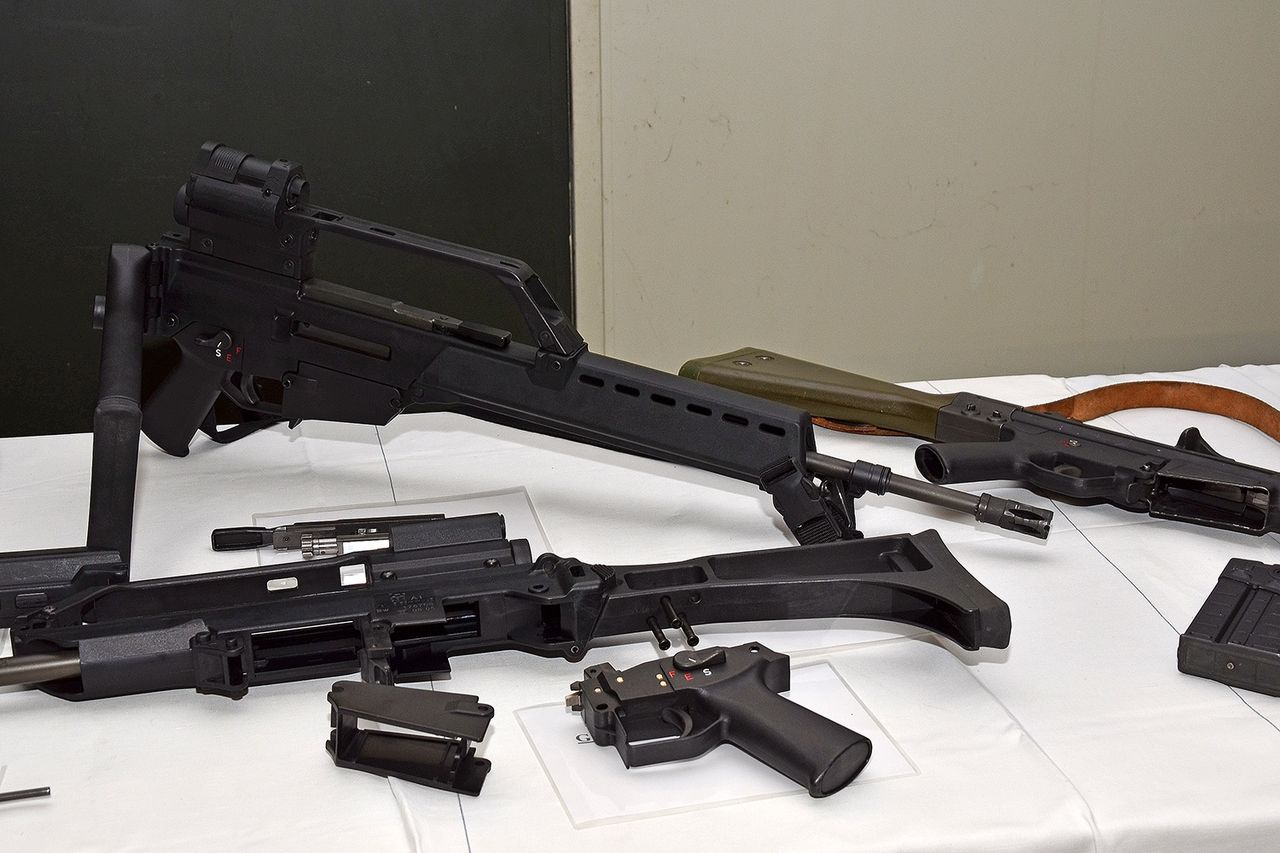
A lot of firearms brands chase whatever the market is excited about at the moment. Heckler & Koch has usually seemed more comfortable moving at its own speed, emphasizing long-term durability and function rather than quickly reacting to every styling trend or accessory craze.
That approach can make HK products feel conservative at first glance, especially when competitors release flashier models or more aggressive cosmetic packages. But for the brand’s fans, that restraint is exactly the point. They see tools built to endure hard use, not products designed mainly to look current on launch day.
This has helped HK cultivate a reputation for seriousness. In a market full of noise, being stubbornly practical can be a powerful differentiator.
Its controls and ergonomics often feel distinctive.
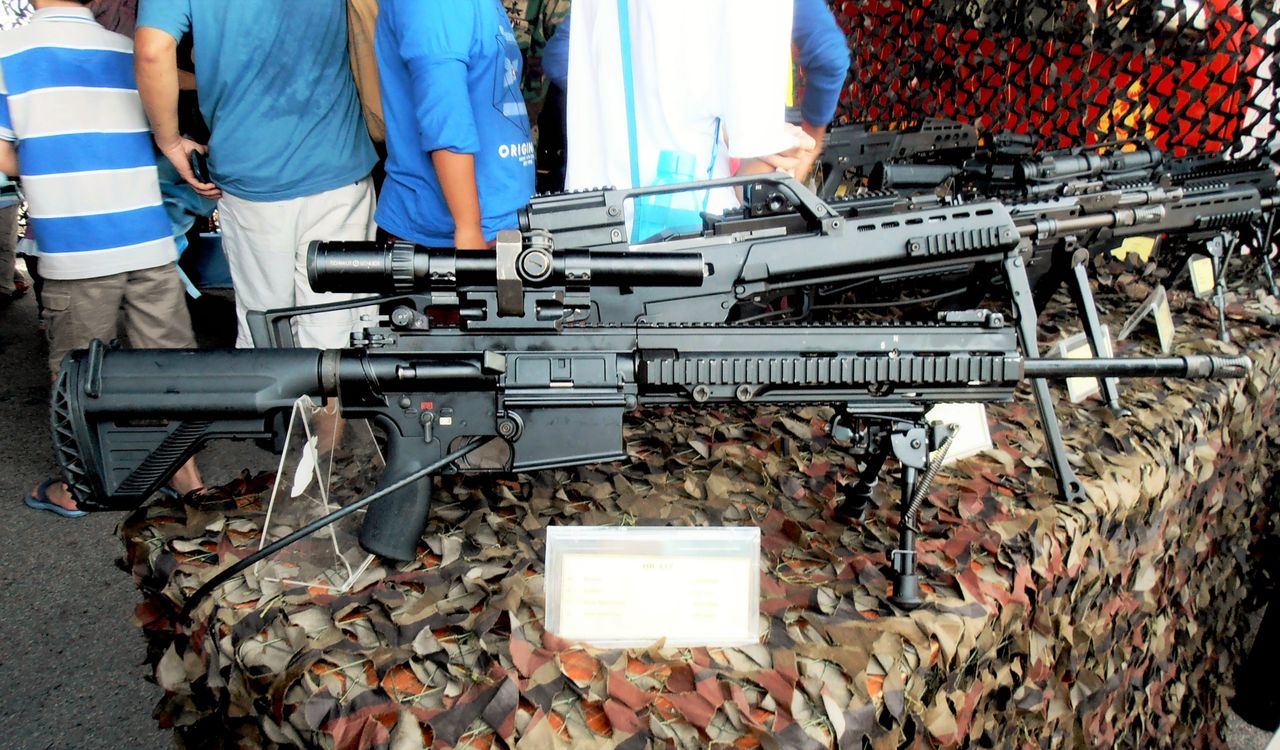
Handling an HK can feel a little different from handling many rival pistols or rifles, and that is not accidental. The company has spent years developing control layouts, grip shapes, and ambidextrous features that reflect its own design logic rather than simply copying whatever layout dominates the market.
Sometimes that produces devoted fans who love the feel immediately. Other times, new users need a little time to adjust, especially if they trained on platforms with more standardized controls. That learning curve can actually reinforce the brand’s identity, because an HK often feels like an HK the moment it is in your hands.
In a crowded field, recognizable ergonomics matter. They give the company a tactile signature that goes beyond logos and marketing.
HK has a reputation for rigorous testing

Part of the brand’s mystique comes from the belief that its firearms are tested hard and expected to survive rough conditions. Mud, water, heavy firing schedules, and harsh environments are all part of the way enthusiasts talk about HK, even when they are speaking casually at the range.
That image is valuable because it suggests the company is designing for failure prevention first, not just ideal conditions. Whether someone needs that level of resilience or not, many buyers like the confidence that comes with a product associated with severe testing standards.
This reputation also supports HK’s premium positioning. People are often more willing to pay extra when they believe a manufacturer has already done the punishing work of proving reliability.
The pricing reinforces a premium identity

Heckler & Koch is not usually the brand people cite when talking about bargains, and that is part of its difference. Its pricing has long communicated that buyers are paying for engineering, manufacturing standards, and a name associated with professional-grade equipment rather than basic entry-level value.
That can frustrate shoppers who compare feature lists and wonder why an HK costs more than another polymer pistol. But premium pricing does more than cover production. It shapes perception, telling the market that this is a product meant to occupy a higher rung.
In practical terms, that means HK often attracts buyers who want confidence, status, and longevity in one package. Price becomes part of the brand language, not just a sales detail.
Its iconic models created a strong mythology
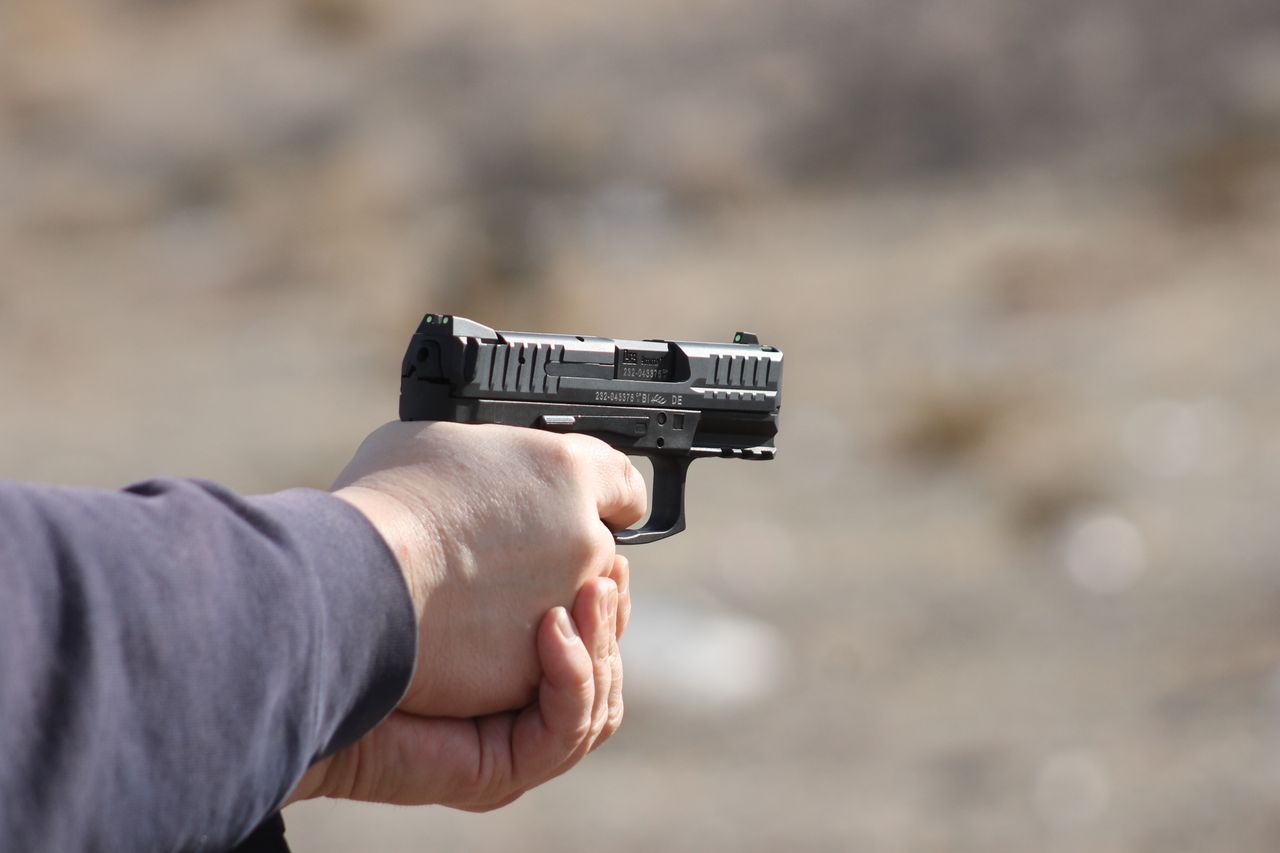
Few firearms companies benefit from model names that carry the kind of cultural weight HK enjoys. Designs like the MP5, USP, and G36 helped create a mythology around the brand that stretches beyond military circles into movies, games, and general pop culture awareness.
That kind of recognition is hard to manufacture through advertising alone. When certain models become symbols in their own right, the company behind them gains a halo effect. Even people who could not list technical specs may still associate HK with elite capability and unmistakable style.
This matters because mythology can outlast product cycles. It keeps the brand relevant in conversation and helps every new release inherit some of that established prestige.
The brand inspires unusual loyalty among owners
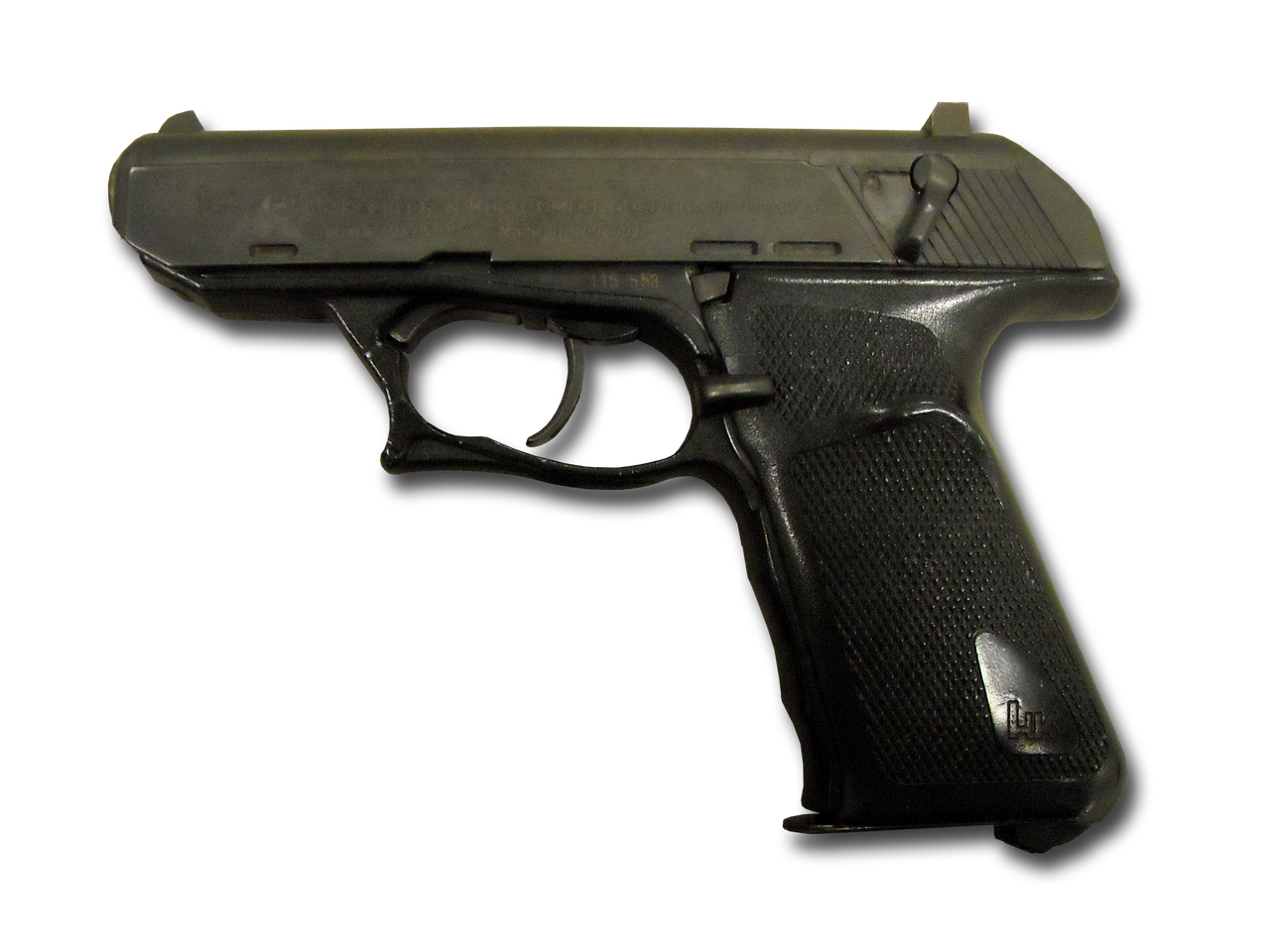
Every major manufacturer has fans, but HK often inspires a particularly intense kind of devotion. Owners tend to talk about the brand with a mix of technical respect, emotional attachment, and a sense that they belong to a club that appreciates details others overlook.
Some of that loyalty comes from positive experience at the range or in training. Some of it comes from the company’s image as a no-nonsense maker that does things its own way. Once people buy into that story, they often become repeat customers who seek out multiple HK models.
Strong loyalty makes a company feel different because the relationship goes beyond utility. The product becomes part of the owner’s identity and taste.
HK often resists copying the market
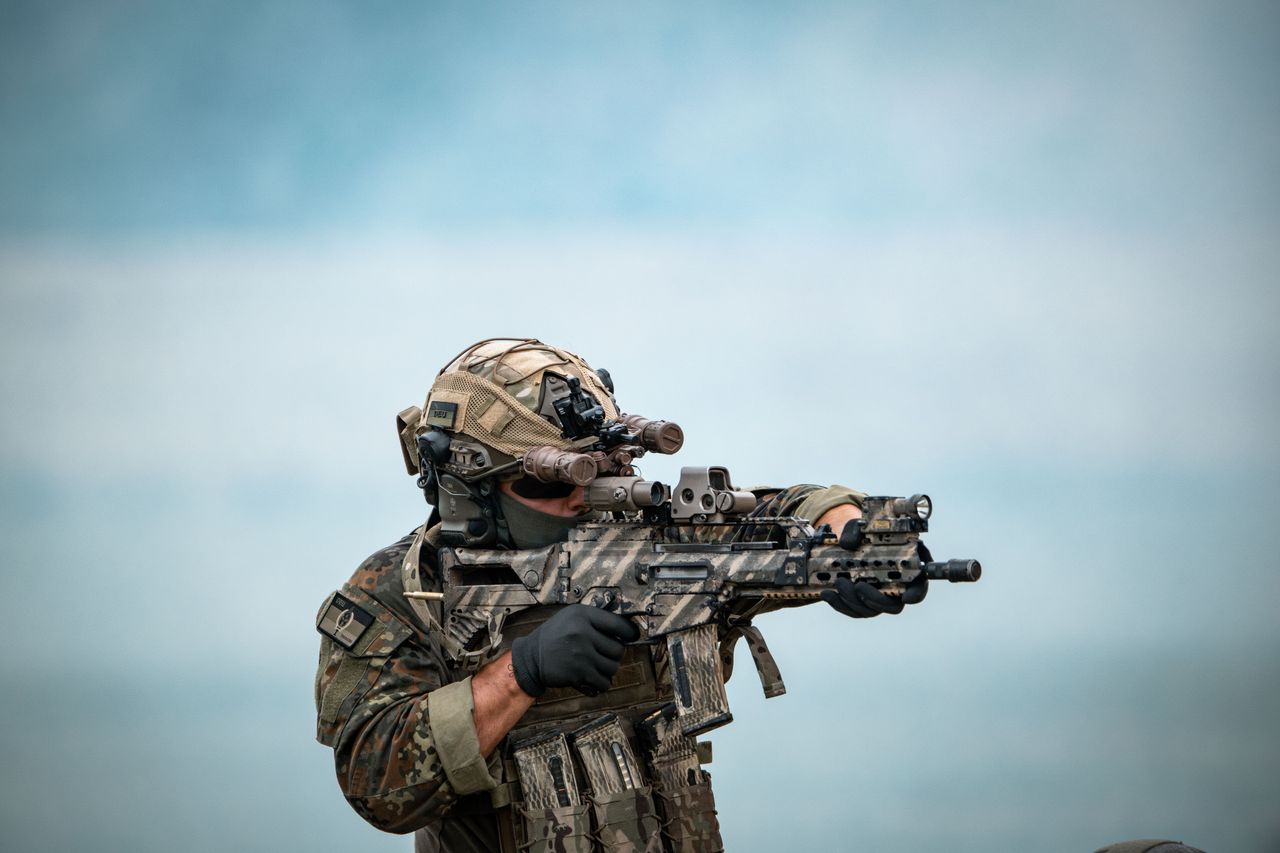
One of the clearest ways Heckler & Koch stands out is by not always following the most obvious commercial path. While competitors may rush to mimic a hot design, flood the market with variations, or pivot toward whatever is trending online, HK has often seemed more selective and slower to conform.
That can be frustrating for consumers who want the company to chase every category more aggressively. Yet that restraint also gives HK a different character. It suggests confidence, even stubbornness, and makes the brand feel less like a follower in the product cycle.
In branding terms, refusing to echo everyone else can be a major advantage. It keeps the company recognizable, even when the market around it gets crowded and repetitive.
Its design language is functional and understated

HK firearms rarely rely on flashy ornaments or exaggerated styling to stand out. The visual language tends to be clean, practical, and purposeful, with shapes that communicate use before they communicate flair. That gives the brand a sober look that many owners find appealing.
In a category where some products are dressed up with aggressive textures, oversized cuts, or cosmetic add-ons, HK often looks almost restrained. The effect is similar to a well-made tool or a tailored uniform. It feels thought-through rather than decorated.
That understated style becomes memorable over time. Instead of shouting for attention, it projects competence, which is a big part of why the company feels different from more trend-driven rivals.
The company balances innovation with caution
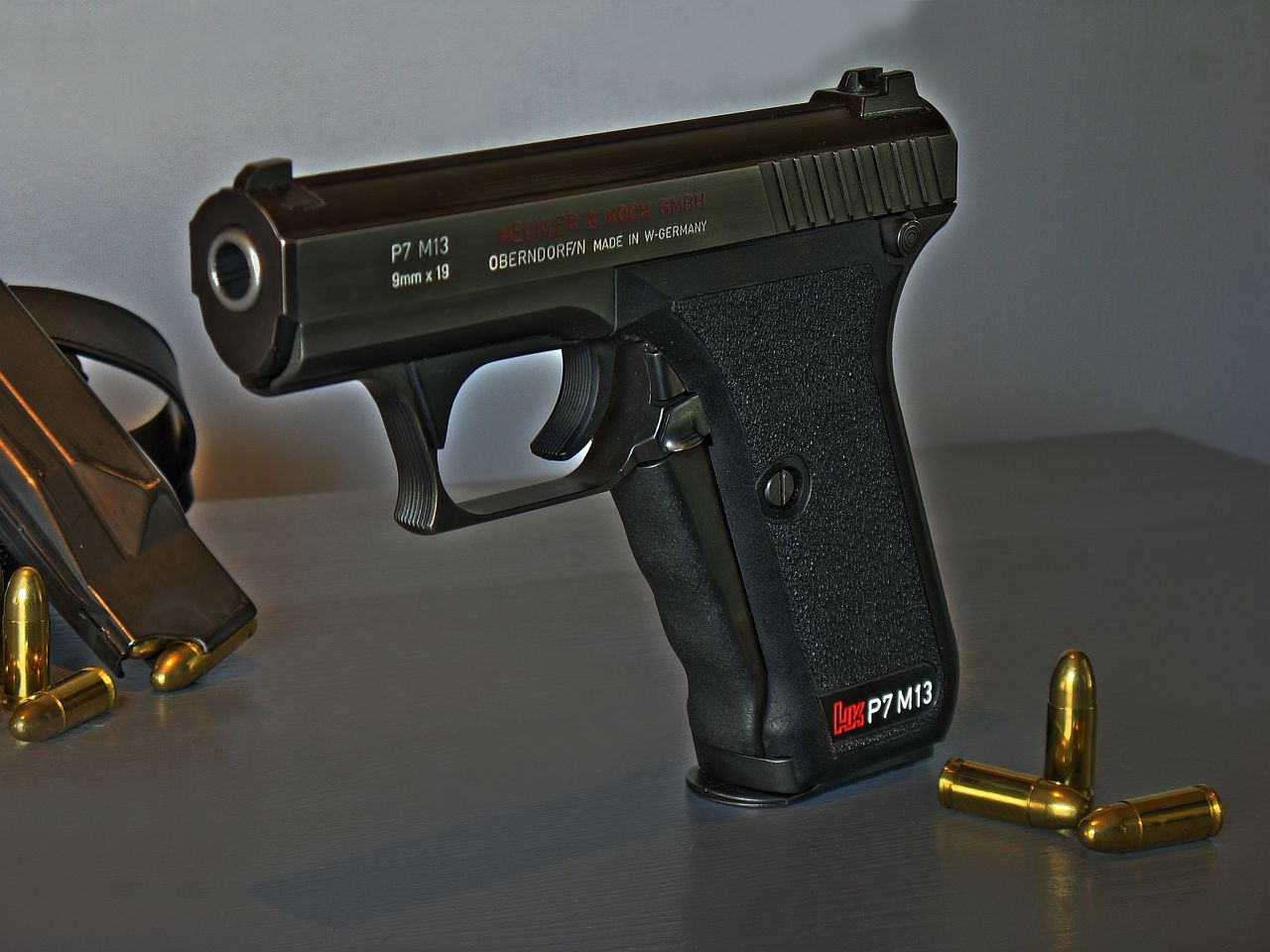
Heckler & Koch has introduced important designs, but it rarely gives the impression of innovating just to appear futuristic. Its changes often feel measured, as though the company is willing to adopt new ideas only after they meet a demanding threshold for practical value and reliability.
That balance is unusual because many brands must choose between tradition and novelty in very visible ways. HK’s identity suggests that both matter, but neither should overwhelm the other. The result is a brand that can feel modern without seeming experimental for its own sake.
For buyers, that is reassuring. Innovation becomes something to trust rather than something to test on your own dime in the first production run.