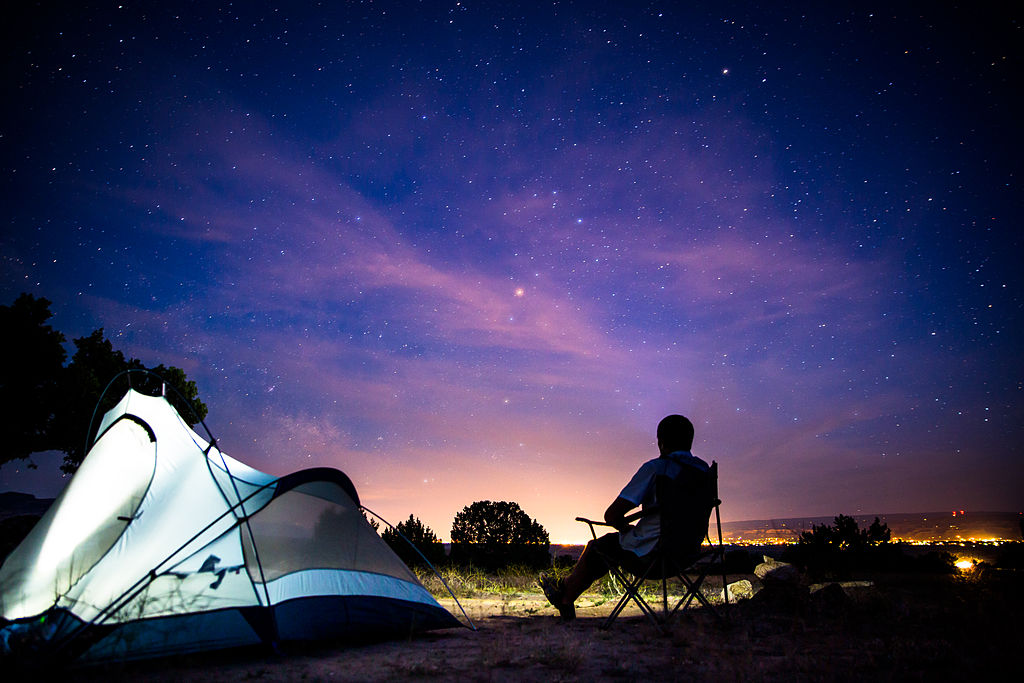
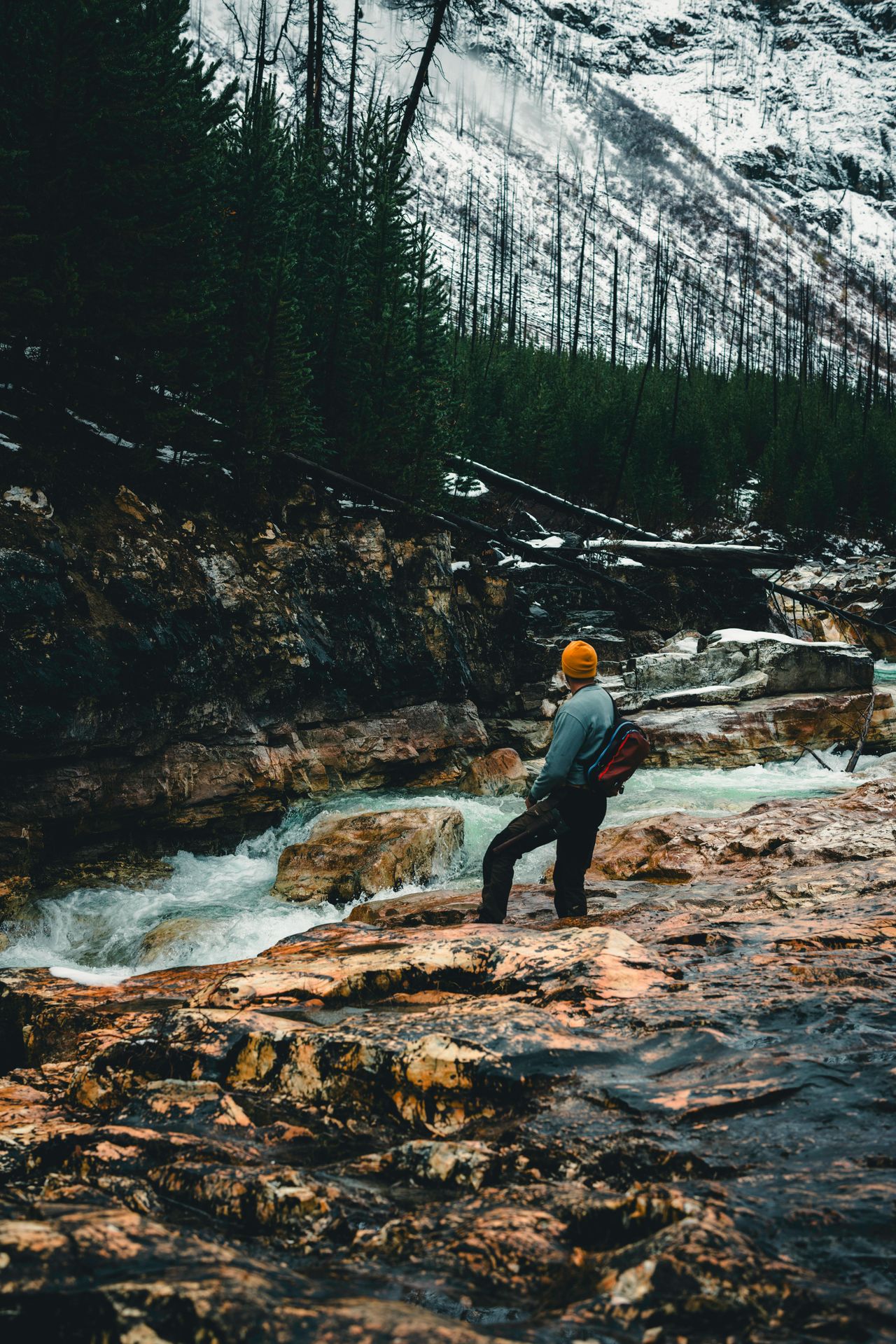
Public land fights can sound abstract until you realize what is really at stake. This one was about elk country, trout water, trailheads, and the idea that land owned by all Americans should stay that way.
What the 2025 sell-off plan actually tried to do

The 2025 fight centered on budget reconciliation, a fast-track process Congress uses for major fiscal bills. In June 2025, the Senate Energy and Natural Resources Committee advanced language tied to Senator Mike Lee that Backcountry Hunters & Anglers said could force the sale of up to 3 million acres of public land. The proposal was framed in part as a housing solution, but critics across the sporting and conservation world argued that explanation did not match either the scale or the likely effect of the language.
What made hunters and anglers react so strongly was not just the acreage. It was the mechanism. Reconciliation is built to move with limited debate, which meant a land sale provision could hitch a ride inside a huge must-pass package instead of standing on its own in a normal public process. That raised alarms because public land disposal has historically been contentious even in small, locally focused cases.
Groups that live and breathe access issues saw another red flag. BHA argued the Senate proposal sidestepped the Federal Land Transaction Facilitation Act, which is designed to steer proceeds from certain public land sales back into conservation and access. To many advocates, that made the language look less like careful land management and more like a budget gimmick dressed up as policy.
This did not come out of nowhere, either. Earlier in 2025, House language had already triggered a backlash after proposals surfaced that would have authorized the sale of nearly 500,000 acres in Utah and Nevada. That earlier fight gave sportsmen’s groups a preview of what was coming and helped them build a faster, more coordinated response once the Senate version arrived.
Why hunters and anglers saw it as a direct threat

For people who do not hunt, fish, camp, or hike on federal ground, millions of acres can sound like a bookkeeping issue. For hunters and anglers, it is personal. Public land is where a huge share of Western opportunity lives, especially for people who cannot afford a private lease, a ranch membership, or expensive destination access.
That is why the reaction cut across the usual club and brand lines. According to the Theodore Roosevelt Conservation Partnership, 44 hunting, fishing, and conservation groups and more than 64 outdoor brands joined the broader push against the proposals. When that many organizations with different memberships and business models line up on one side, it usually means they see a genuine threat to access and habitat, not just a messaging opportunity.
There is also a simple practical reason sportsmen bristle at sell-off language. Once a parcel leaves federal ownership, the public rarely gets it back. A piece of mule deer winter range sold today can become tomorrow’s posted subdivision edge, locked gate, or fragmented migration corridor. Even land sold with one stated purpose can end up shaping access and wildlife patterns for decades.
The stakes are economic as well as cultural. The Bureau of Economic Analysis reported that outdoor recreation accounted for 2.4 percent of U.S. GDP in 2024, or $696.7 billion in value added. Rural gateway towns, fly shops, archery stores, motels, guides, restaurants, and fuel stations all feel the impact when public access expands or contracts. That is one reason this issue keeps pulling in people far beyond the traditional conservation crowd.
How the backlash built so quickly
What changed the trajectory of the fight was speed. The response was not limited to polished statements from national groups. Grassroots members flooded congressional offices, state delegations heard from hometown businesses, and the public message became very plain: do not sell our public land through a budget bill.
Backcountry Hunters & Anglers says it mobilized tens of thousands of advocates during the House and Senate phases of the fight. TRCP described the outcome as the product of overwhelming engagement from hunters, anglers, conservationists, and public land users. That kind of pressure matters because public land politics often look different once lawmakers realize the opposition is coming from constituents who hunt elk, coach Little League, own a hardware store, and vote in Republican and Democratic primaries.
A notable part of the backlash was how bipartisan it became. TRCP specifically thanked House Republicans including Ryan Zinke, Mike Simpson, Troy Downing, Dan Newhouse, Cliff Bentz, David Valadao, and Jeff Hurd, alongside Democrats such as Gabe Vasquez, Joe Neguse, and Susie Lee. In the Senate, TRCP highlighted opposition from Republicans Tim Sheehy, Steve Daines, Jim Risch, and Mike Crapo, as well as Democrats including Martin Heinrich, Ron Wyden, Catherine Cortez Masto, John Hickenlooper, and Michael Bennet.
Public pressure also escaped the policy bubble. Well-known outdoor voices amplified the issue to audiences that may never read a committee memo but know exactly what losing a favorite trailhead or hunting basin would mean. That broader visibility made it harder to dismiss the pushback as niche activism and helped turn a procedural fight into a values fight.
What victory looked like, and what it did not
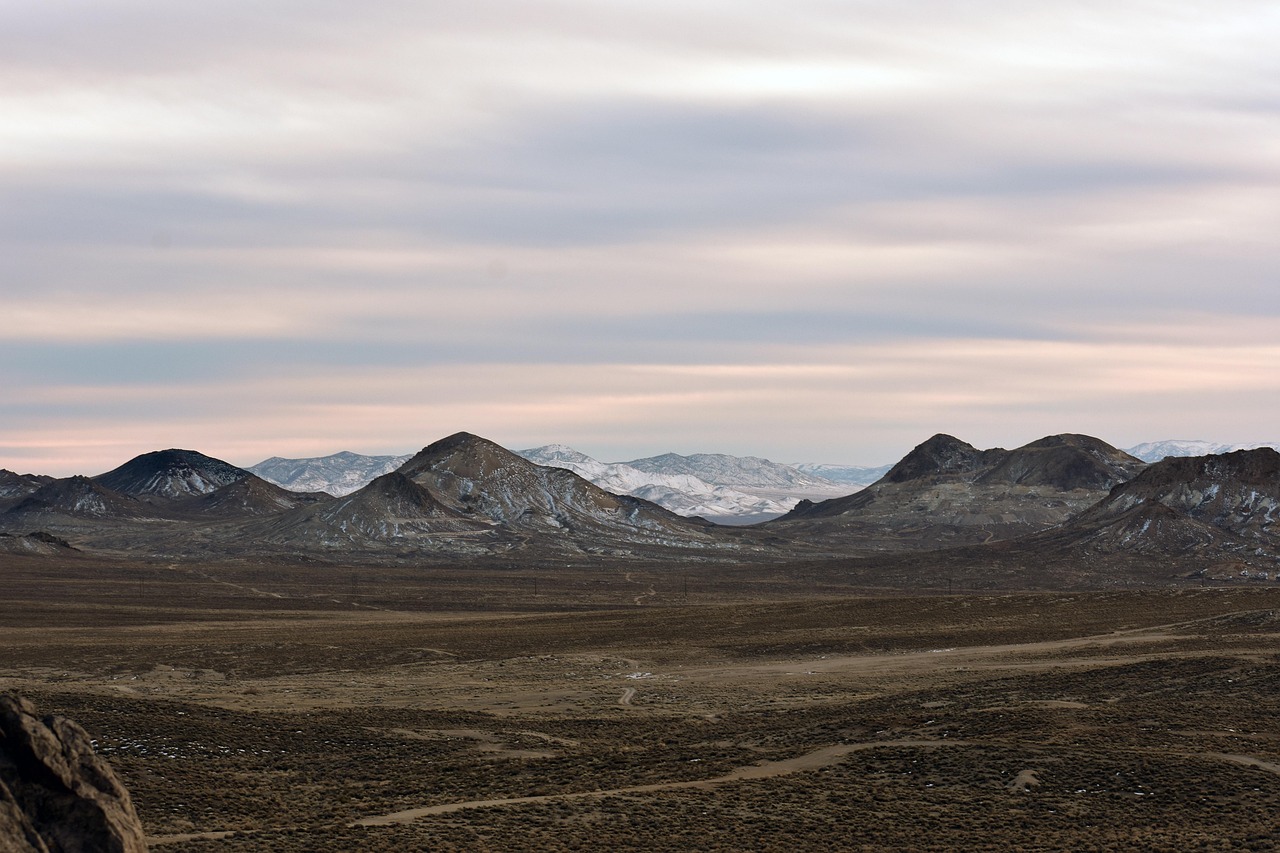
The clearest win came on June 28, 2025, when public land sale provisions were stripped from the reconciliation effort. Senator Martin Heinrich announced that the provisions had been removed after thousands of Americans spoke out, and sportsmen’s groups quickly framed the moment as proof that organized opposition still works. For anyone who cares about keeping public lands public, that was a real victory.
But it was not a final settlement of the underlying dispute. A provision getting knocked out of one bill does not erase the political appetite behind it. It only means that, in that moment, the coalition pushing back was stronger than the coalition trying to move it through.
That distinction matters because Washington often works by repetition. Ideas that fail in committee can come back as amendments, land package riders, agency directives, or future reconciliation language with narrower wording and a more strategic map. The lesson from 2025 is not that the threat is gone. It is that sell-off advocates now know which arguments drew the most resistance and may try a different approach next time.
In other words, this was a battle, not the war. Sportsmen won breathing room, not permanent immunity. If anything, the fight reminded everyone just how attractive public land can look to politicians searching for offsets, development wins, or ideological points about federal ownership.
The bigger policy argument underneath the fight

Supporters of disposal efforts often argue that the federal government owns too much land, especially in the West, and that some parcels should be transferred or sold for housing, economic growth, or better local use. On paper, that can sound reasonable in targeted situations. Not every isolated acre has equal habitat value, equal recreational value, or equal management complexity.
But broad sale mandates are where many hunters and anglers draw a hard line. They do not trust large acreage targets, rushed timelines, or maps produced in distant offices to sort “surplus” ground from land that supports migration, stream access, backcountry camping, or future access routes. They also know a mediocre-looking parcel on paper can be the only legal way into a much larger block of huntable country.
That is why conservation groups often point back to existing tools rather than one-off liquidation drives. The Federal Land Transaction Facilitation Act and the Land and Water Conservation Fund are built around a more durable idea: if land is sold, the process should be transparent, and the proceeds should help conserve habitat and improve access. Congress’s research service notes that the Great American Outdoors Act made the LWCF’s $900 million annual revenue available as mandatory spending, reinforcing its role in land and recreation policy.
The contrast is telling. One approach treats public land as inventory to unload when politically convenient. The other treats it as a long-term public asset that can be adjusted carefully, with conservation and recreation value still at the center. Hunters and anglers overwhelmingly favor the second model because they have seen how hard it is to reclaim access once it is gone.
Why the fight is not over yet
The reason this issue keeps returning is simple: public land has value far beyond scenery. It has development value, mineral value, timber value, political value, and symbolic value. As long as lawmakers see those lands as a tempting answer to unrelated budget or policy goals, sportsmen will keep finding themselves back in the same fight.
There is also a narrative battle that has not been settled. Sell-off efforts are often packaged in language about efficiency, local control, housing, or “unused” federal acreage. Those frames can be persuasive to people who do not spend time on the ground. The challenge for public land advocates is to keep translating abstract acreage into concrete reality: more locked gates, fewer do-it-yourself hunts, more fragmented habitat, and less room for ordinary families to roam.
The western map adds even more pressure. In many fast-growing states, every year brings more demand for housing, energy corridors, transmission, water infrastructure, and recreation itself. That means the easiest-looking political shortcut is often to point at a federal map and say, why not sell some of that? The answer, from hunters and anglers, is that “some of that” is often the very ground that keeps access and wildlife opportunity alive.
And there is one more hard truth. A broad coalition can stop a bad proposal, but only sustained engagement changes the baseline. If sportsmen go quiet after a win, lawmakers may read silence as permission to try again in a different form.
What hunters, anglers, and everyday public land users should do now
The most important takeaway from 2025 is that public land users still have political muscle when they act early. Waiting until a floor vote is usually too late. The groups that helped stop the sell-off plan did the unglamorous work first: tracking committee language, warning members, explaining the stakes in plain English, and making phone calls feel urgent rather than optional.
That same playbook applies going forward. Watch budget packages, omnibus bills, and committee drafts, especially when land issues are being tied to housing, energy, or deficit politics. Pay attention to state delegations, not just national party labels. The 2025 fight showed that bipartisan resistance can matter a lot when members understand that sportsmen in their own states are serious.
It also helps to talk about public land in terms bigger than recreation alone. These places support habitat, local economies, family traditions, and a level of freedom that is increasingly rare in a crowded country. Public land is where a kid without much money can still learn to cast, chase quail, or sleep under the stars without buying entry into someone else’s private world.
That is why this story matters beyond one Senate provision from June 2025. Hunters and anglers helped beat back a sell-off plan because they understood the principle beneath it. Public land is not just acreage on a spreadsheet. It is a shared inheritance, and keeping it that way will require the same vigilance that won this round.