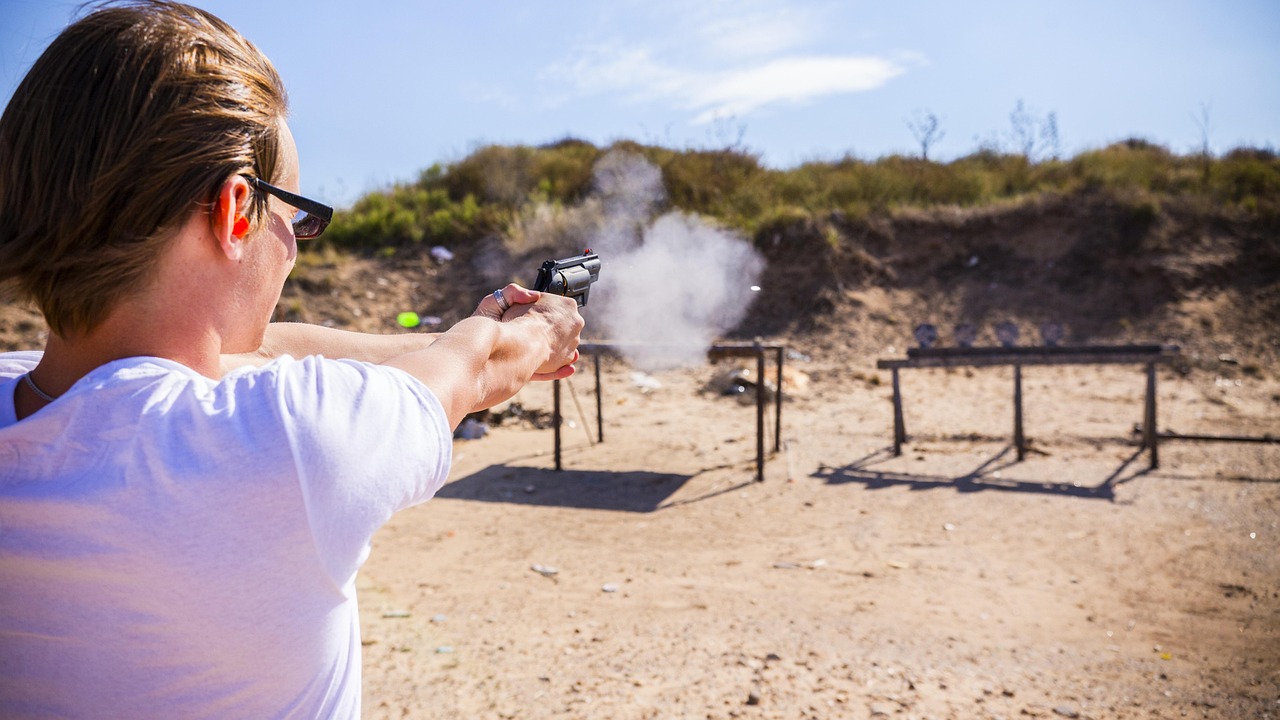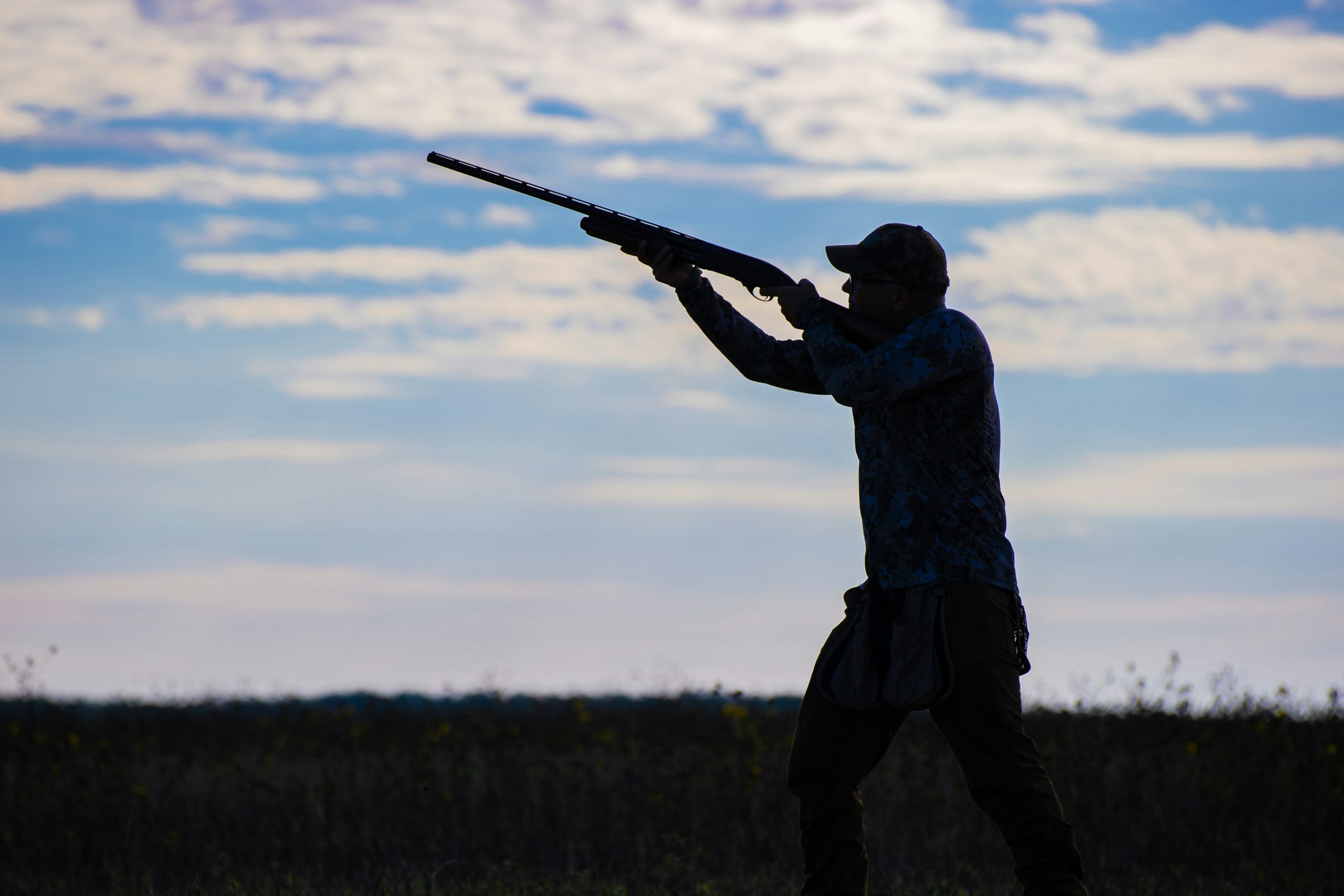
Perfecting your aim is one of the most valuable skills a hunter can develop. It’s not just about lining up the sights; it’s about patience, control, and understanding your environment. A consistent and accurate shot often determines whether your hunt ends in success or frustration. From improving your stance to mastering your breathing rhythm, every detail matters. These ten practical tips will help sharpen your precision, boost your confidence, and elevate your hunting performance.
1. Develop a Stable Shooting Stance
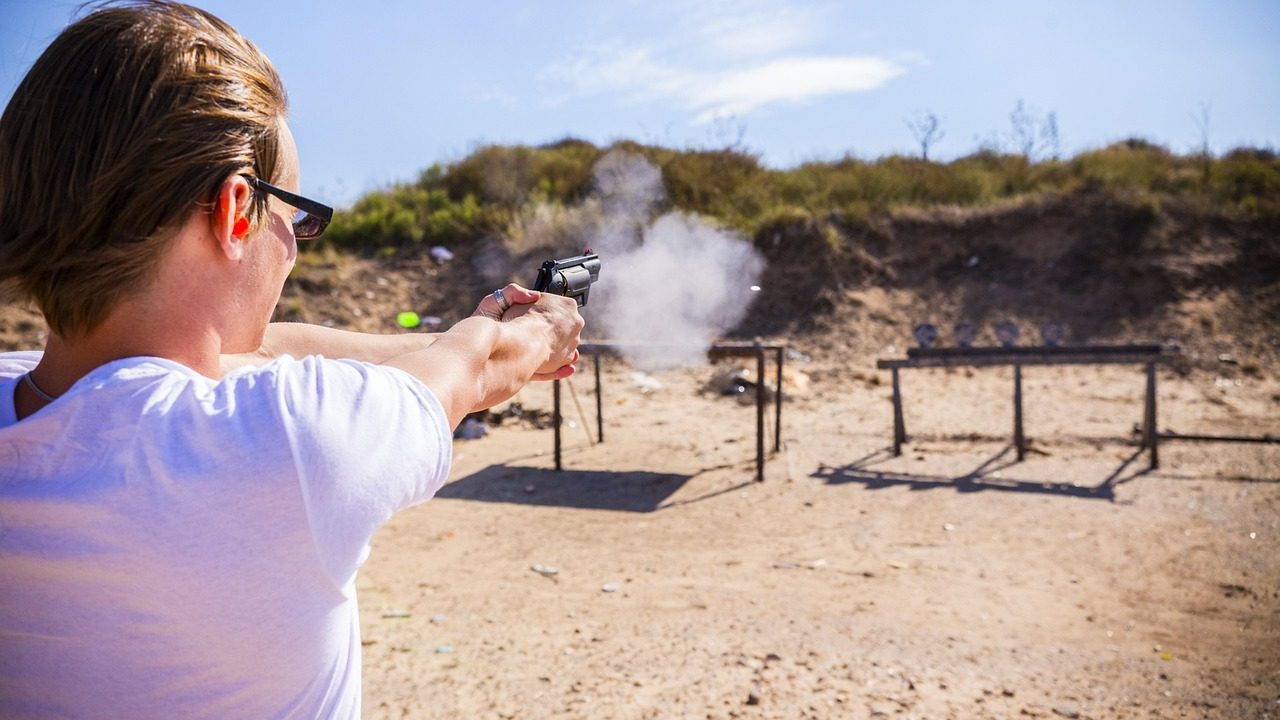
Your stance forms the base of every accurate shot. Stand with your feet shoulder-width apart, keeping your knees slightly bent and your body weight balanced. Distribute pressure evenly between both legs and lean slightly into the shot for better recoil control. Whether you’re shooting from a tree stand or on uneven terrain, consistency in stance helps stabilize your weapon and minimize movement, making every shot smoother and more predictable.
2. Focus on Controlled Breathing
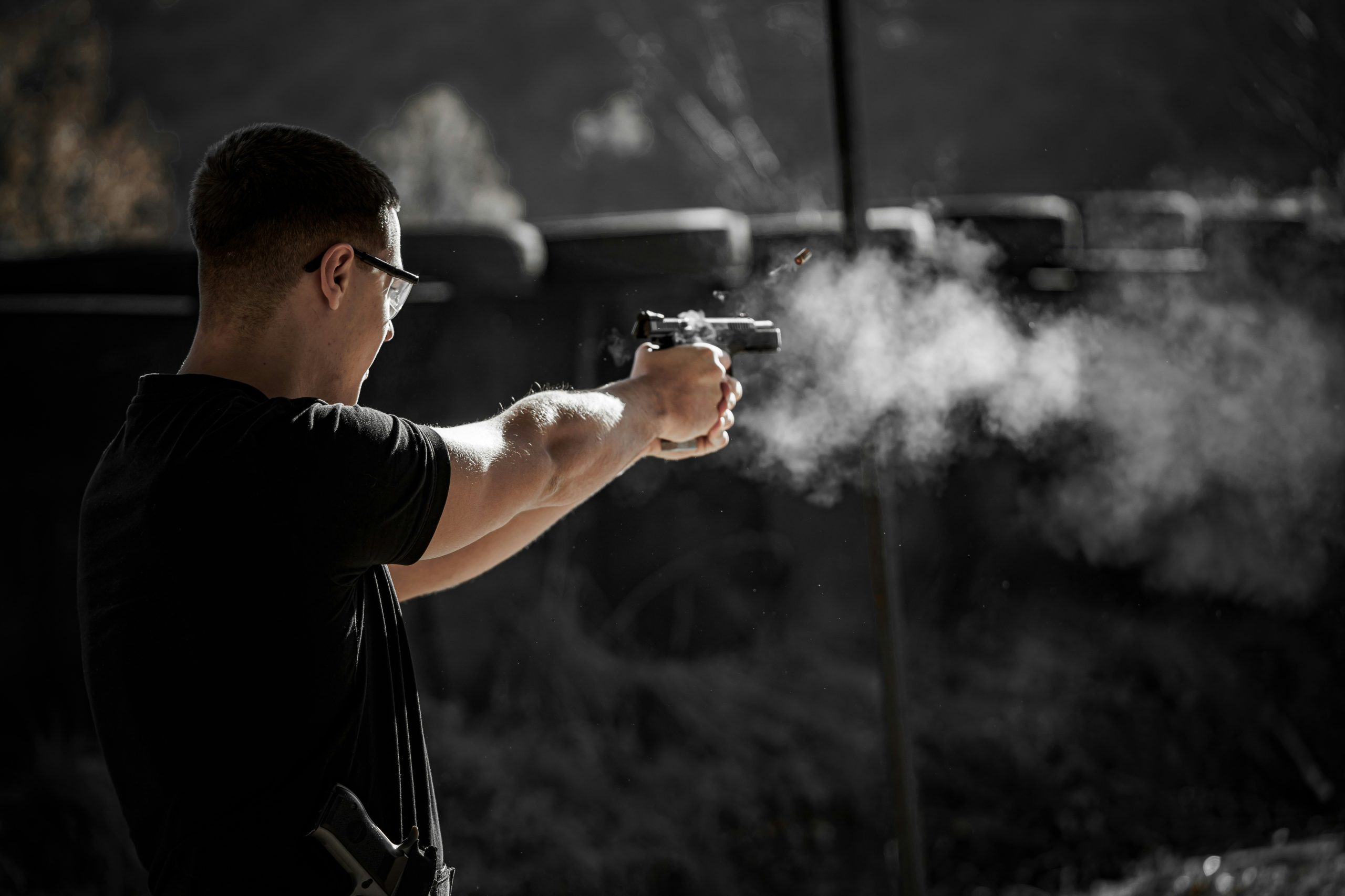
Breathing control is essential to steady aim. Inhale deeply, exhale slowly, and time your trigger pull during the natural pause between breaths. This moment of stillness reduces body motion and enhances precision. Avoid holding your breath too long it can cause muscle strain and shaking. Practicing breathing discipline on the range will make it instinctive in the field, allowing your body to remain calm and focused even in high-adrenaline moments.
3. Maintain a Consistent Grip and Trigger Control
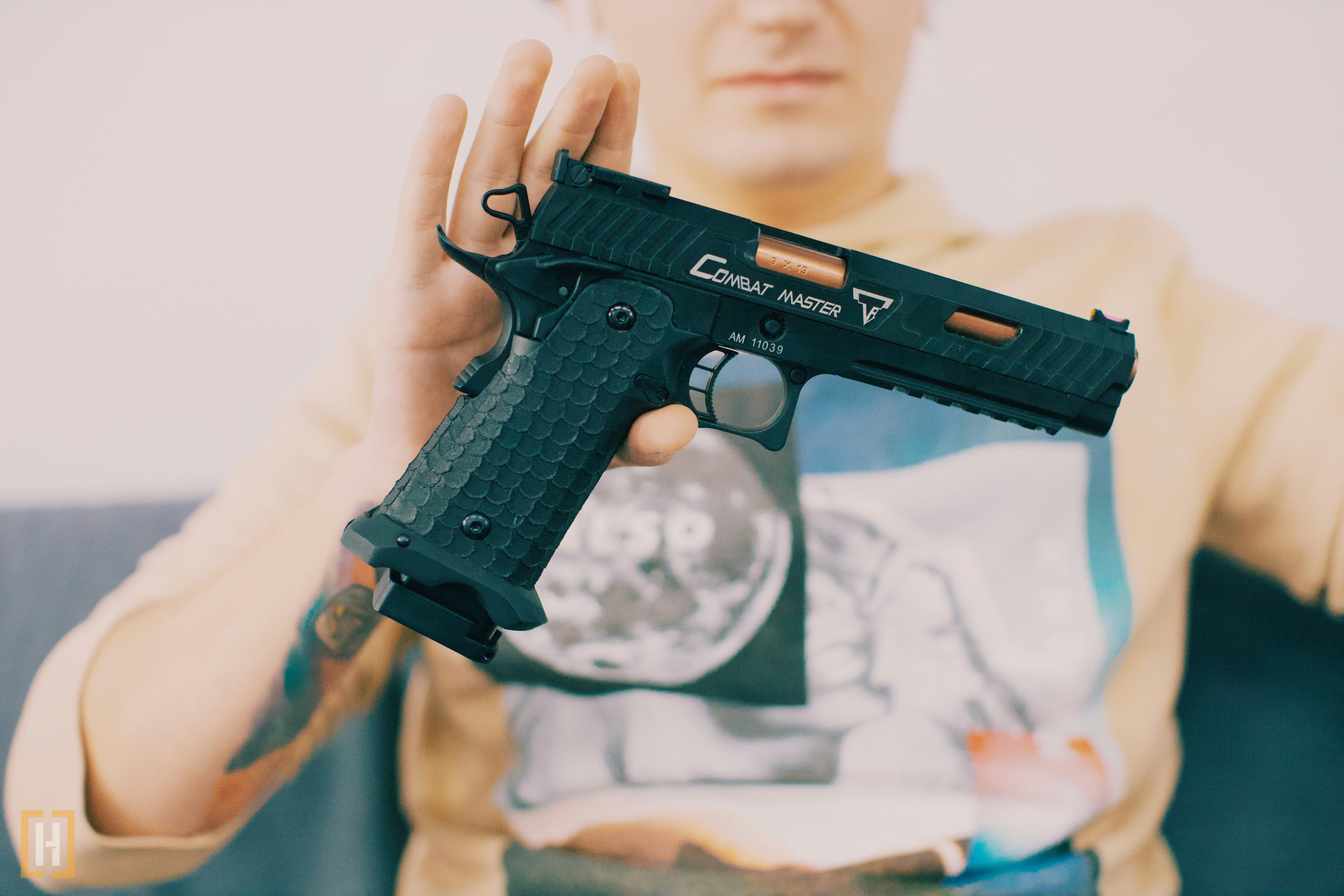
A smooth trigger squeeze can be the difference between a perfect hit and a missed shot. Grip your firearm firmly but not tightly, keeping your hand relaxed. When pulling the trigger, use the pad of your index finger and apply steady, even pressure straight back; never jerk or slap it. Consistency in grip and trigger movement minimizes recoil anticipation, helping you maintain aim through the shot and follow through naturally afterward.
4. Zero and Clean Your Weapon Regularly
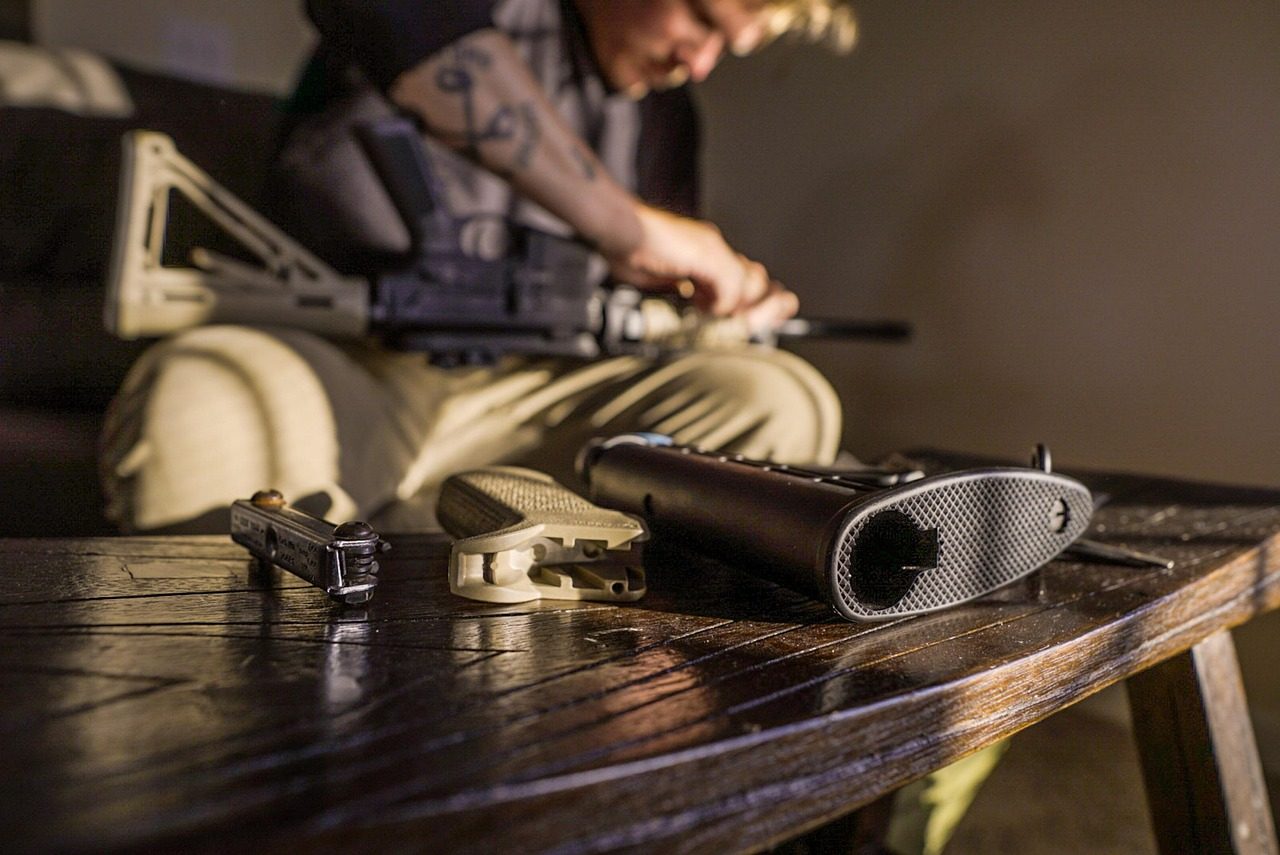
Even the best shooter can’t perform well with a poorly maintained weapon. Regularly clean your firearm to remove debris and moisture that affect accuracy. Before every hunt, zero your scope or sights to confirm alignment with your ammunition and shooting distance. Small changes in temperature, altitude, or ammo type can shift your point of impact. Routine maintenance ensures reliability, keeping every shot true to where you aim it.
5. Practice Shooting from Realistic Positions
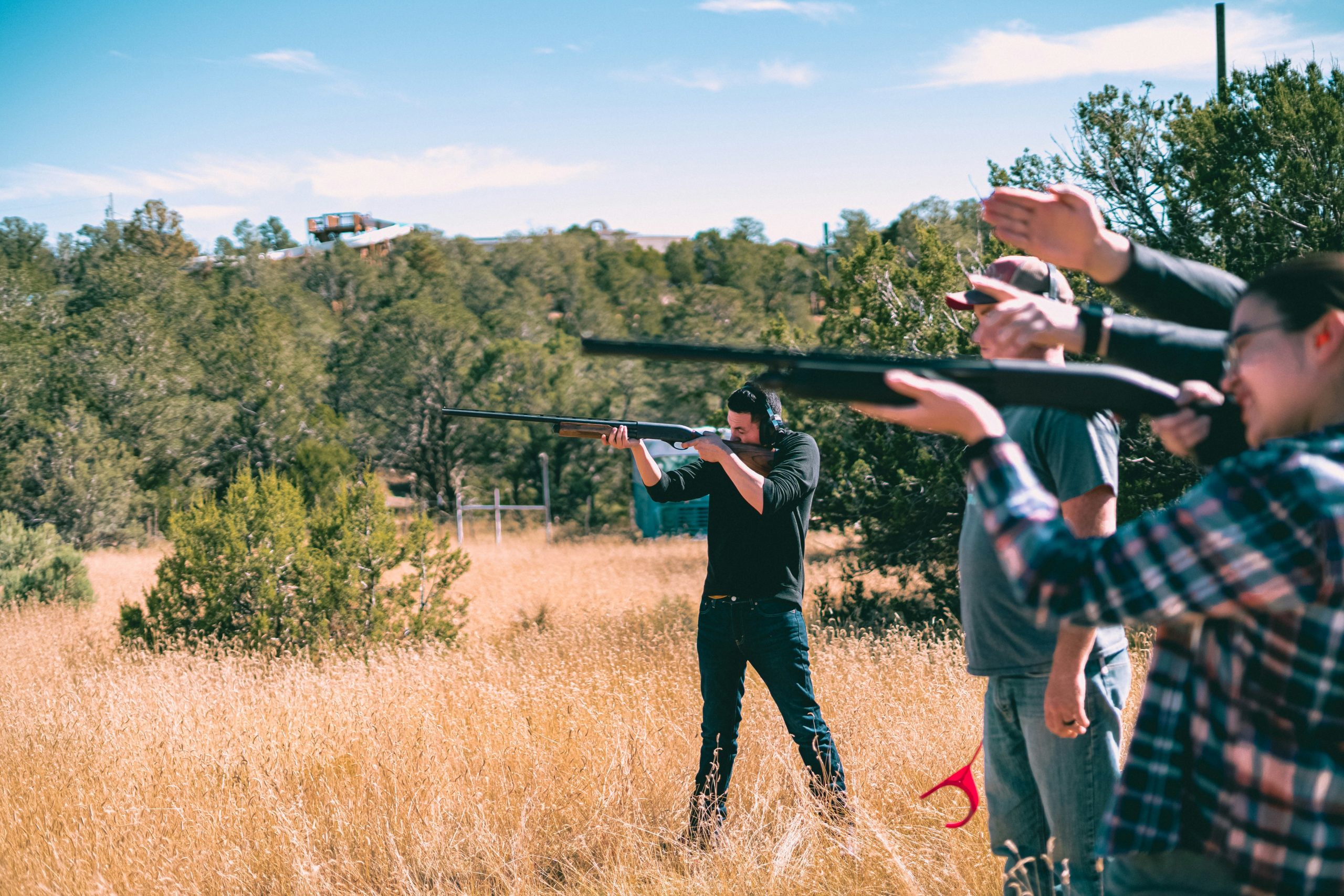
Hunting rarely gives you the luxury of a perfect stance. Practice shooting from kneeling, sitting, and prone positions to mimic real field conditions. Train with obstacles, varying distances, and angled shots to build muscle memory. The more you replicate hunting scenarios, the better your aim will adapt under pressure. Field style practice strengthens confidence, improves adaptability, and ensures accuracy when you have only one chance to make your shot count.
6. Use Optics Wisely and Learn Their Range
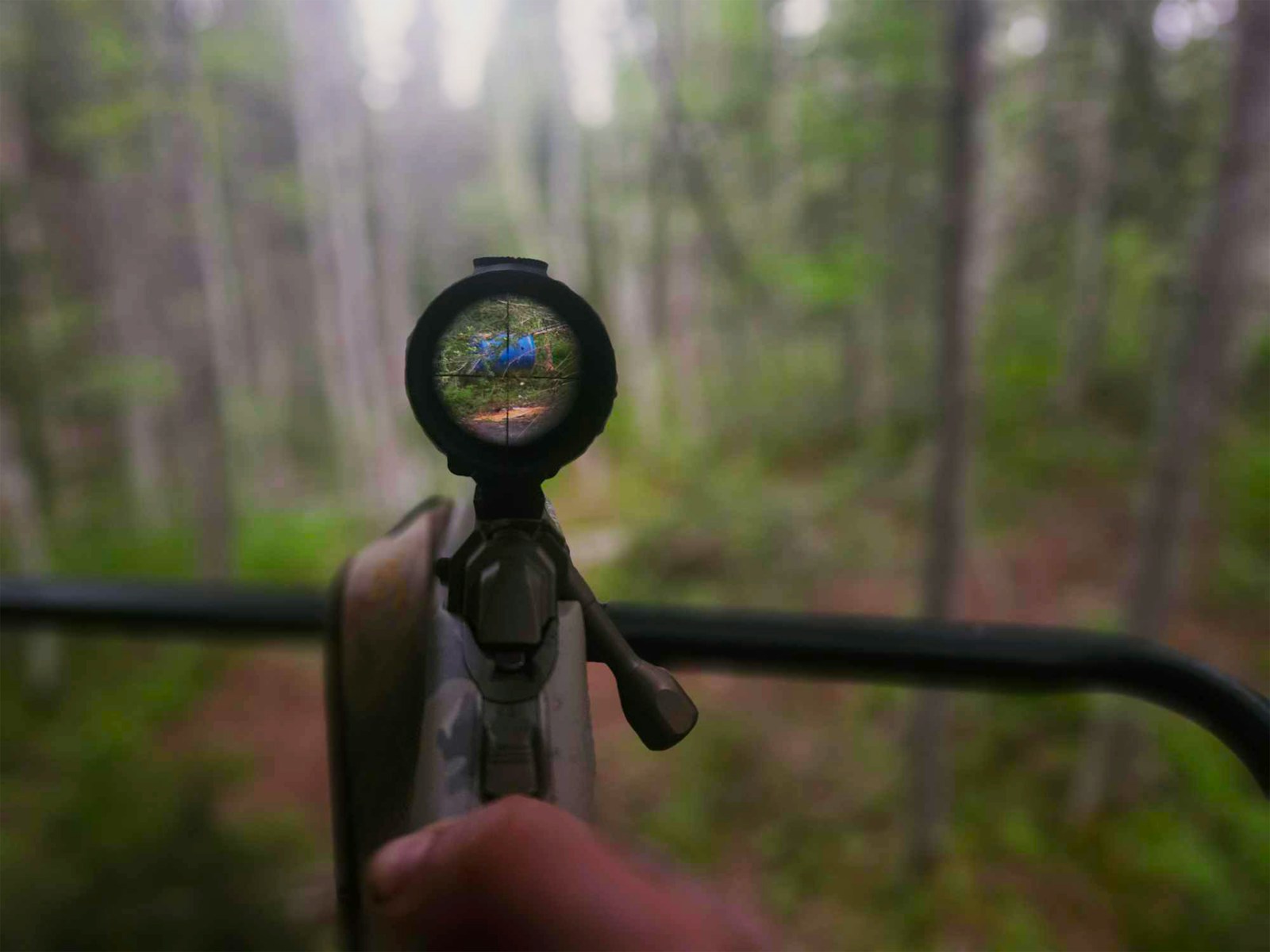
High-quality scopes and binoculars enhance visibility, but knowing how to use them effectively is key. Understand your optic’s magnification, reticle pattern, and parallax adjustment. Spend time adjusting your scope at different ranges to learn its limitations and clarity zones. When combined with rangefinder accuracy, well-calibrated optics allow for precise distance estimation, helping you adjust for bullet drop and wind drift before taking your shot.
7. Understand Wind and Environmental Factors

Wind, humidity, and terrain can all affect bullet trajectory. Learn to read grass movement, tree sway, or dust patterns to estimate wind direction and strength. Crosswinds can push bullets off target, especially at longer ranges, so practice adjusting your aim accordingly. Understanding how temperature and elevation impact velocity ensures you compensate accurately. Seasoned hunters know that adapting to nature’s variables is as important as pulling the trigger itself.
8. Build Strength and Endurance
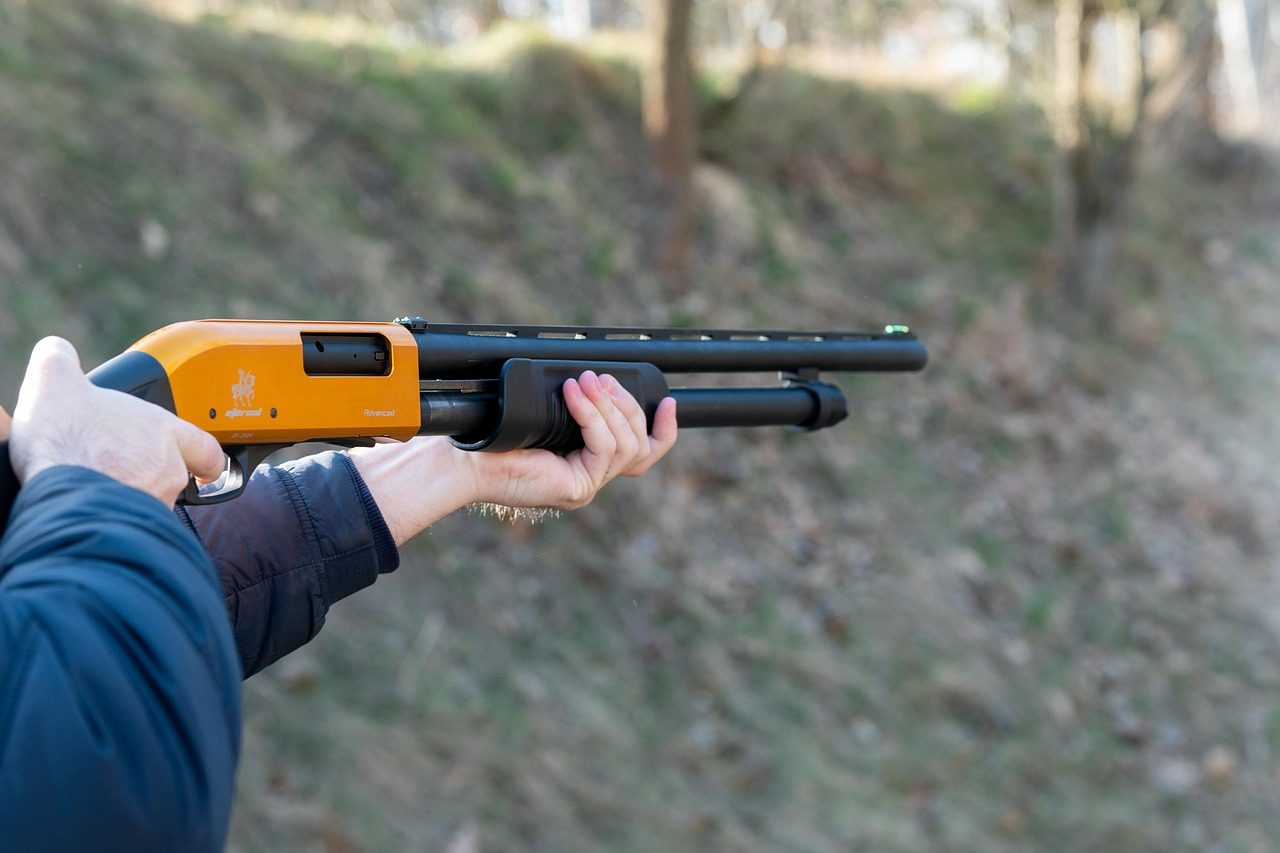
Holding a steady aim for long periods demands physical endurance. Strengthen your core, shoulders, and arms through regular exercise, focusing on stability and control. Resistance bands, push-ups, and planking all help build the muscles used in steady shooting. Stronger posture reduces fatigue and shaking during extended hunts. Physical conditioning also improves breathing control and reaction time, giving you the stamina to remain precise even after hours in the field.
9. Dry Fire for Muscle Memory
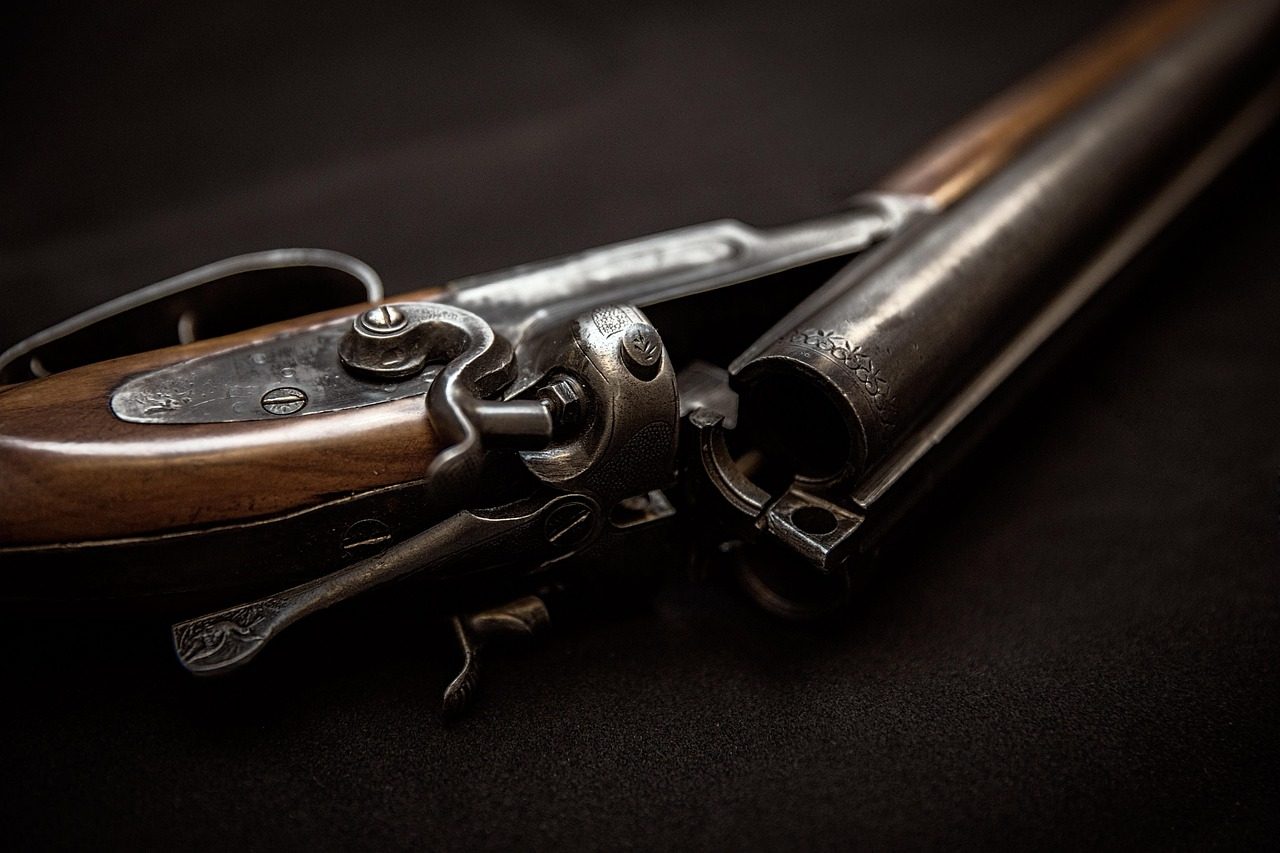
Dry firing, pulling the trigger on an unloaded firearm, helps build muscle memory without expending ammo. It improves trigger discipline, sight alignment, and breathing rhythm. Always ensure your weapon is unloaded and practice in a safe direction. Regular dry fire sessions allow you to refine subtle mechanics like grip tension and eye coordination. Over time, this training translates directly into smoother, more confident shooting when live rounds are in play.
10. Stay Calm and Trust Your Process
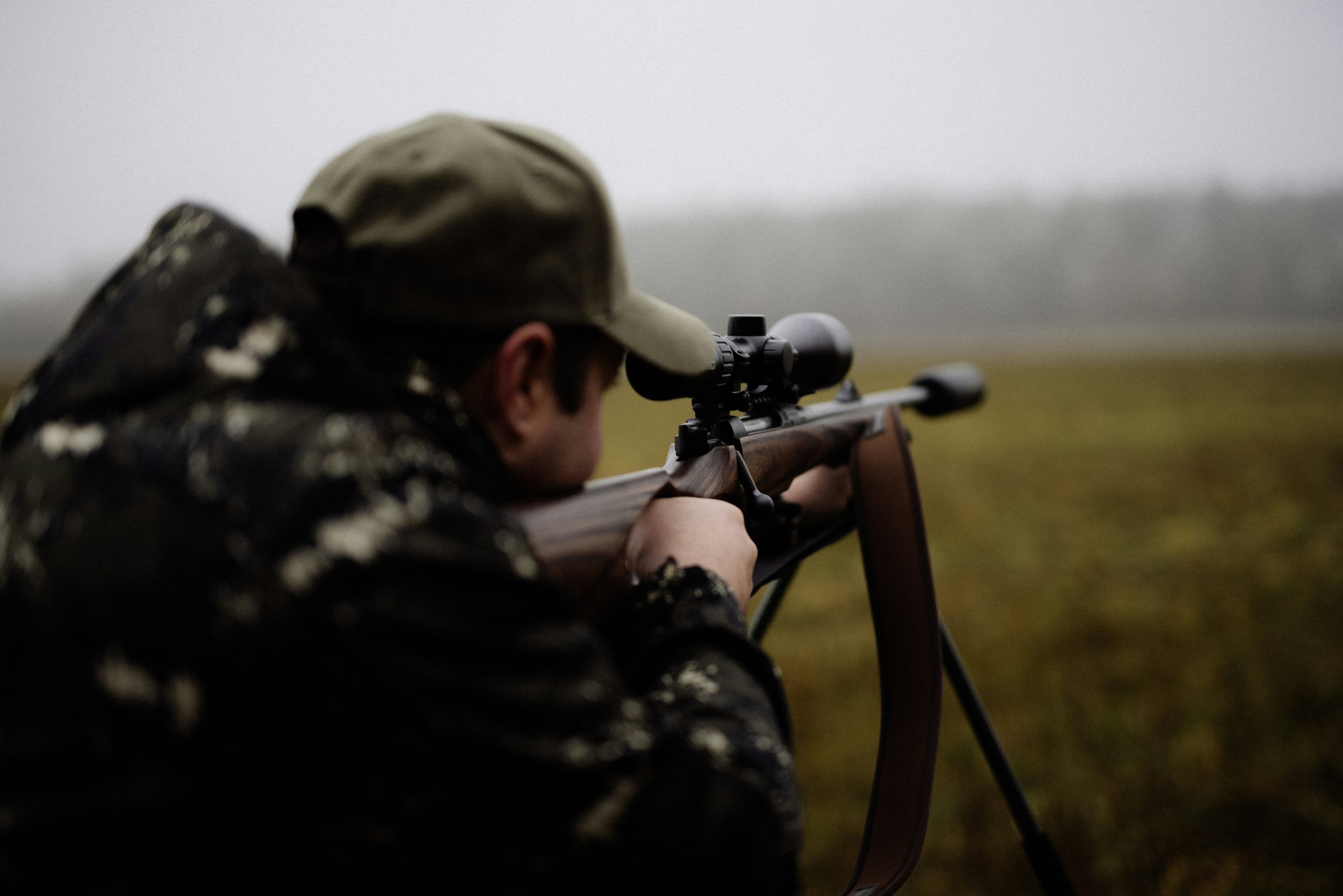
A steady mind produces a steady shot. Adrenaline can cause you to rush or flinch, ruining your aim. Focus on staying composed and trusting your training. Take a deep breath, visualize your target, and execute each movement deliberately. Confidence and patience often separate skilled hunters from impulsive ones. When your breathing, stance, and grip all work together calmly, your accuracy naturally improves, and so does your overall hunting experience.