Wolves are reclaiming parts of the American landscape in ways that would have seemed unlikely just a few decades ago. In some states, packs are firmly reestablishing themselves, while in others, lone dispersers are laying the groundwork for future growth. This gallery explores eight states where wolf presence is expanding and why that matters for ecosystems, ranchers, wildlife officials, and anyone watching the changing map of the West and Midwest.
Colorado

Colorado has become one of the most closely watched wolf stories in the country. After voters approved reintroduction, wildlife officials began releasing gray wolves into western parts of the state, marking a dramatic new chapter for an animal absent from Colorado for generations.
That return is more than symbolic. Wolves are expected to spread gradually across suitable habitat, following prey and carving out territories over time. Supporters see an ecological comeback, while ranchers worry about livestock losses, making Colorado a real-time example of how modern wolf recovery plays out on the ground.
As new packs establish themselves, the state is likely to remain a focal point in the national conversation about coexistence.
California
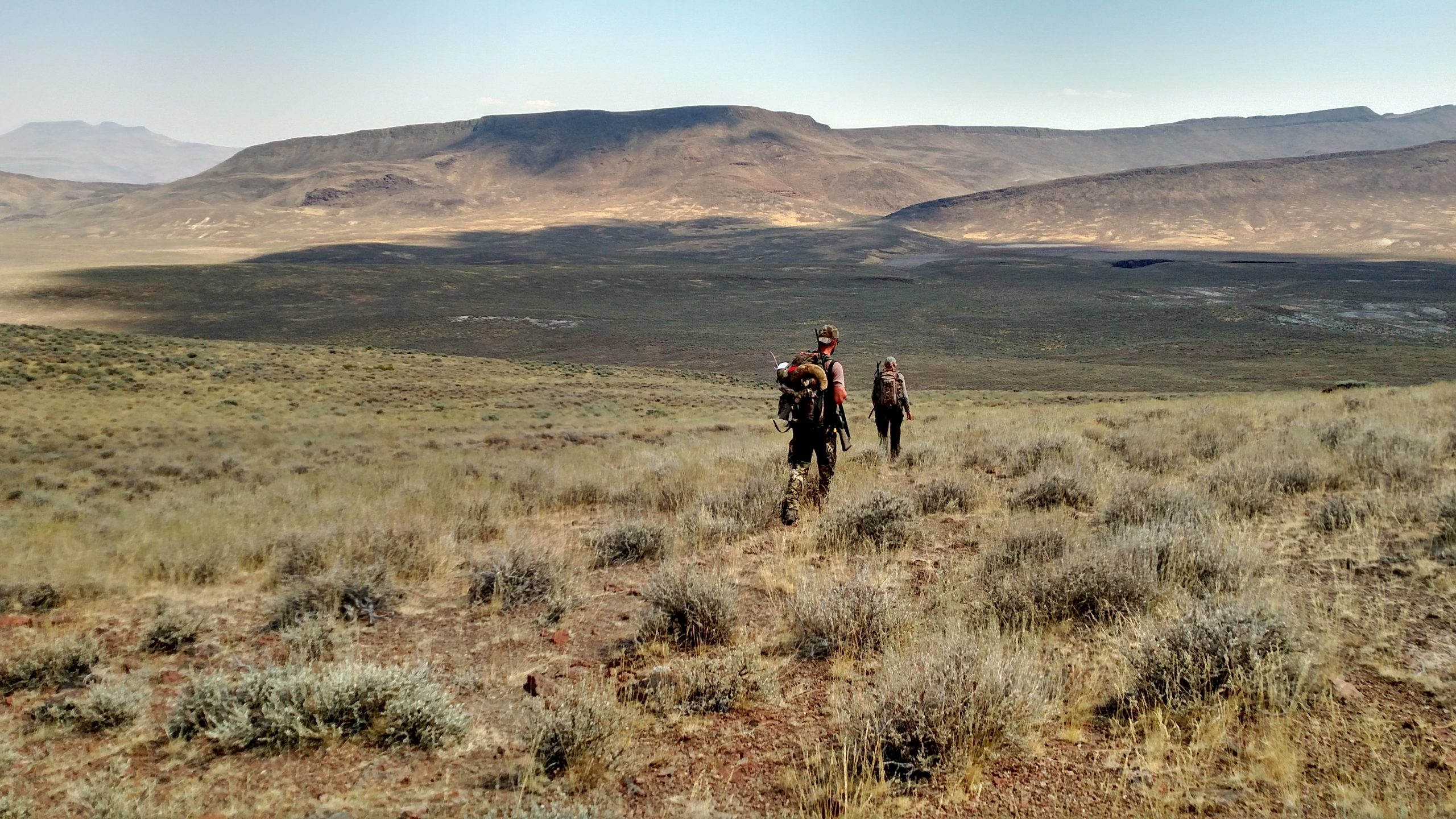
California’s wolf comeback has been slow, uneven, and undeniably significant. Wolves began naturally returning from Oregon years ago, and since then, a handful of packs have formed in the northern part of the state, proving that suitable habitat still exists.
For wildlife watchers, every confirmed pack is a milestone. California is not known as classic wolf country in the public imagination, yet its forests, mountains, and remote rangelands can support dispersing animals looking for room to settle.
The challenge is that wolves are expanding into working landscapes too. State agencies, conservation groups, and ranchers are all adapting as a species once considered gone starts becoming a regular part of the conversation again.
Oregon

Oregon has moved beyond the question of whether wolves would return and into the harder question of how to live with them. Packs have expanded beyond their earliest footholds in the northeastern corner of the state and into broader areas, reflecting a population that continues to grow.
That growth has made Oregon a key bridge between the Northern Rockies and the Pacific Coast. Wolves dispersing through the state can help connect populations and push into places where they have not been seen in many years.
With expansion comes tension, especially in livestock country, but Oregon’s experience shows that wolf recovery is no longer hypothetical. It is happening in real landscapes, across public land, private ranches, and vast stretches of forest.
Washington

Washington has seen one of the clearest examples of steady wolf expansion in the Pacific Northwest. Packs first became established in the eastern part of the state, and over time, wolves have continued moving westward, even if that progress has come more slowly than many advocates hoped.
The state’s geography makes the story especially interesting. Wolves must navigate mountain ranges, highways, and developed areas while searching for prey and territory, which means every new confirmed sighting can feel like a small breakthrough.
Washington also highlights the balancing act of wolf management. Officials are working through conflicts as the species spreads, while many residents are adjusting to the reality that wolves are no longer just passing through. They are returning for good.
Michigan

Michigan’s Upper Peninsula has long been one of the Midwest’s core wolf strongholds, but the story there is still about expansion and persistence. Wolves remain established across broad areas, and young animals continue to disperse as they seek new territory.
That movement matters because it keeps the regional population dynamic. Michigan’s wolves are part of a larger Great Lakes recovery, and their presence helps show how a species can endure in a landscape shaped by forests, rural communities, roads, and recreation.
Even so, wolves remain absent from most of the Lower Peninsula, which keeps the state’s map of wolf habitat incomplete. In that sense, Michigan is both a success story and a reminder that recovery can still have limits.
Wisconsin

Wisconsin has maintained a notable wolf population for years, but it remains a state where expansion and range shifts continue to draw attention. Wolves are largely concentrated in the northern forests, where abundant cover and prey have allowed packs to persist and reproduce.
Their presence has become part of a broader debate over conservation, hunting policy, and rural life. For some residents, wolves represent a successful return of a native predator. For others, they raise concerns about livestock, pets, and deer numbers.
What makes Wisconsin important in this story is that wolves are not just surviving there. They continue to occupy and defend habitat in a region where human activity is constant, underscoring how adaptable the species can be.
Arizona
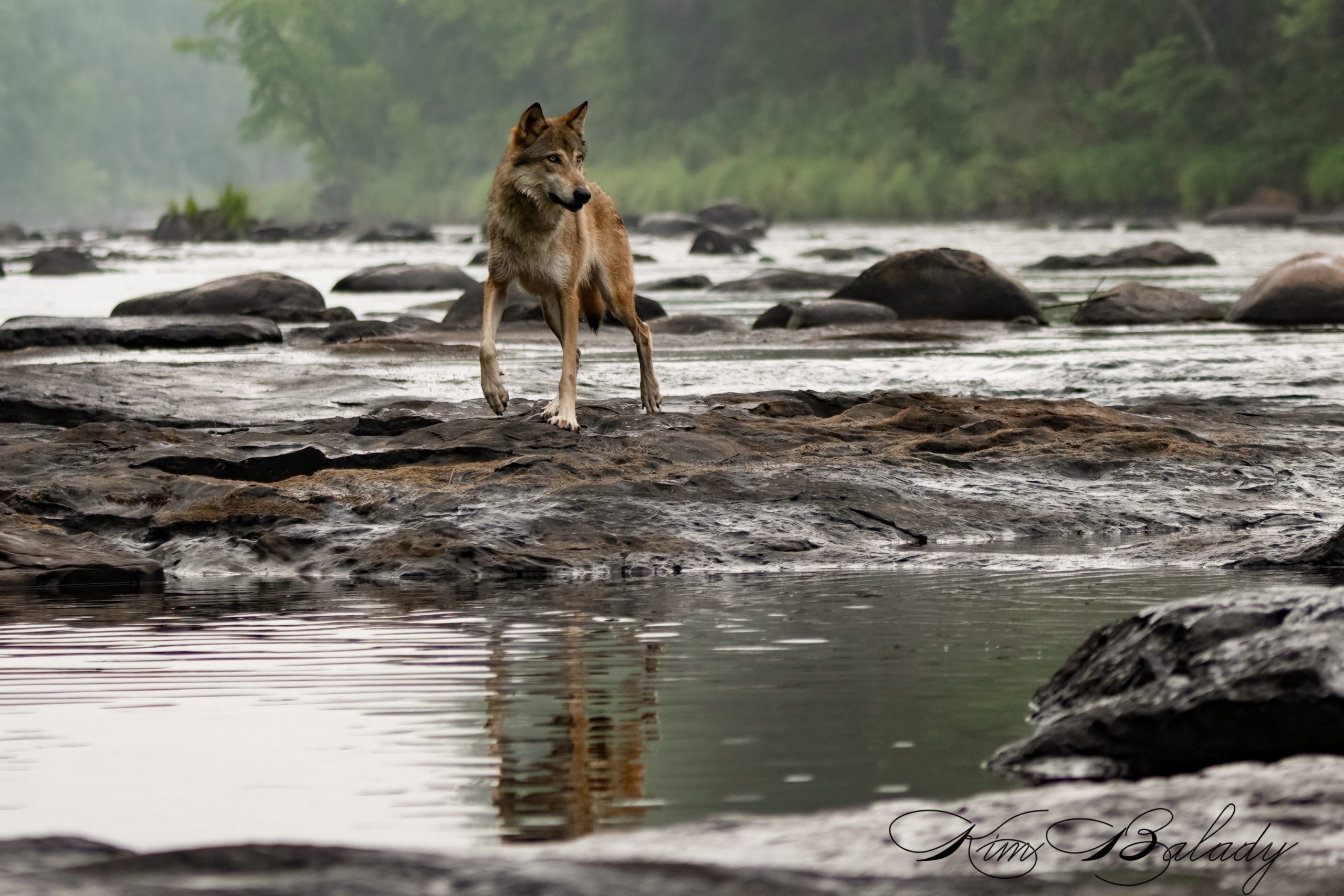
Arizona’s wolf expansion centers on the Mexican gray wolf, a smaller and rarer subspecies whose recovery remains one of the nation’s most ambitious wildlife efforts. Through captive breeding, releases, and intensive monitoring, the population has slowly increased in the state’s eastern mountains.
This is not a broad, unchecked comeback. It is a carefully managed recovery unfolding under close public scrutiny, with each new pack and pup season closely watched by biologists, advocates, and critics alike.
Still, growth is growth, and Arizona has become a crucial landscape for the future of the Mexican wolf. As animals disperse across rugged country, the state offers a glimpse of how recovery can happen even when a species starts from the brink.
New Mexico
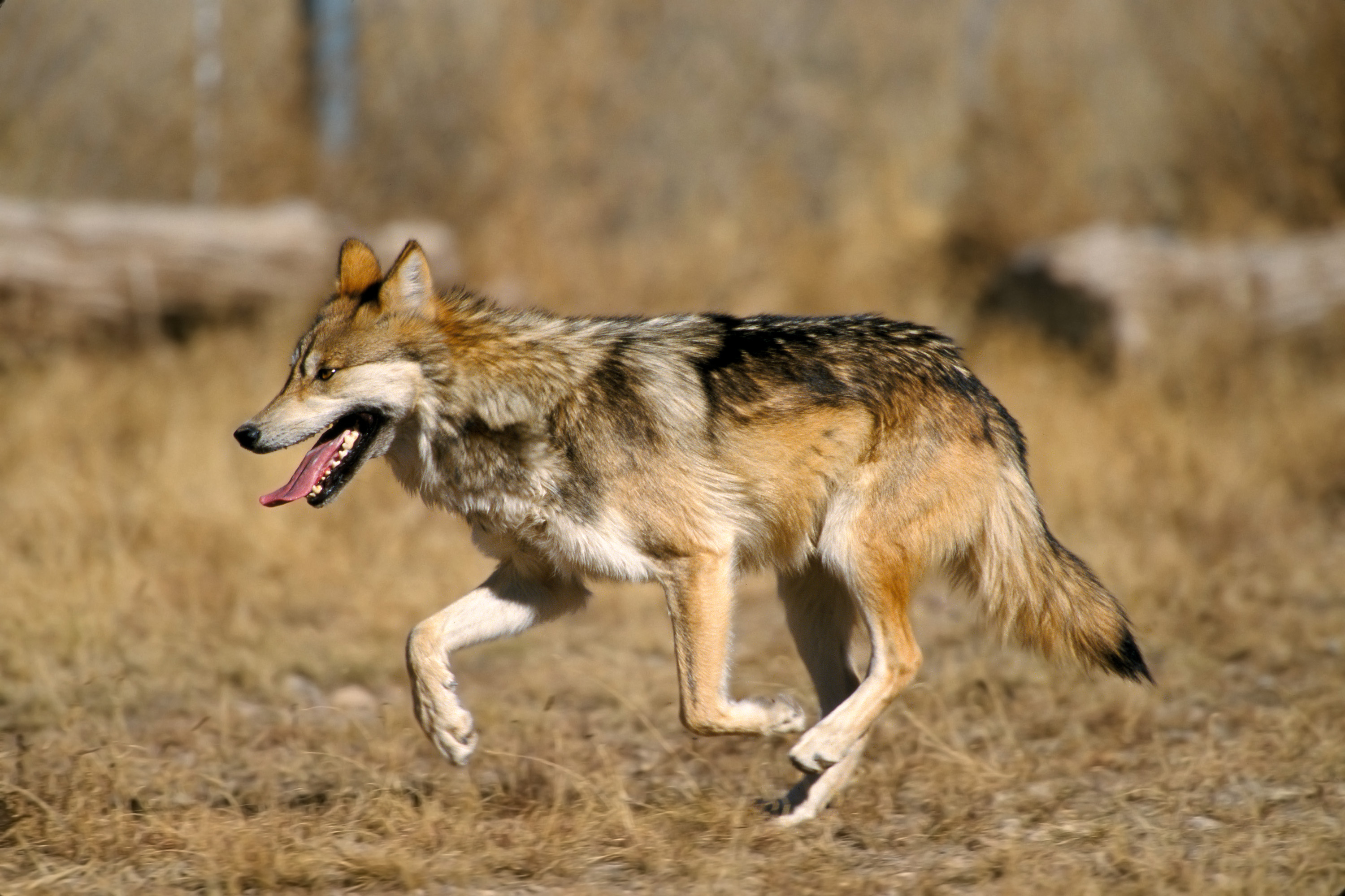
New Mexico shares the heart of Mexican gray wolf recovery with neighboring Arizona, and its wild mountain terrain has become essential for the subspecies’ expansion. Packs now occupy parts of the state’s southwestern region, where forests and prey support a fragile but growing population.
Because the Mexican wolf recovery area spans both states, New Mexico plays a central role in whether the effort succeeds long term. Dispersing wolves do not recognize state lines, so every new territory contributes to a broader network of survival.
The stakes here are especially high. The population remains small compared with northern gray wolves, but each birth and each successful pack adds momentum to a comeback that once seemed uncertain at best.