Feral hog hunts tend to unravel faster than almost any other big‑game pursuit, often going from promising sign to total silence in a single outing. Hunters new to hogs are frequently surprised by how quickly animals vanish, patterns collapse, and once‑reliable spots go dead. This is not bad luck or coincidence; it is the result of a species shaped by pressure, intelligence, and relentless adaptability. Hogs process danger differently than deer, elk, or bear, and they respond with speed and finality. A single mistake can rewrite their movement across entire properties. Understanding why hog hunts fall apart so quickly helps hunters adjust expectations, tactics, and timing. When you see hog behavior clearly, the chaos makes sense. These collapses follow repeatable rules rooted in biology, social structure, and sensory dominance, not randomness.
Extreme Sensory Awareness
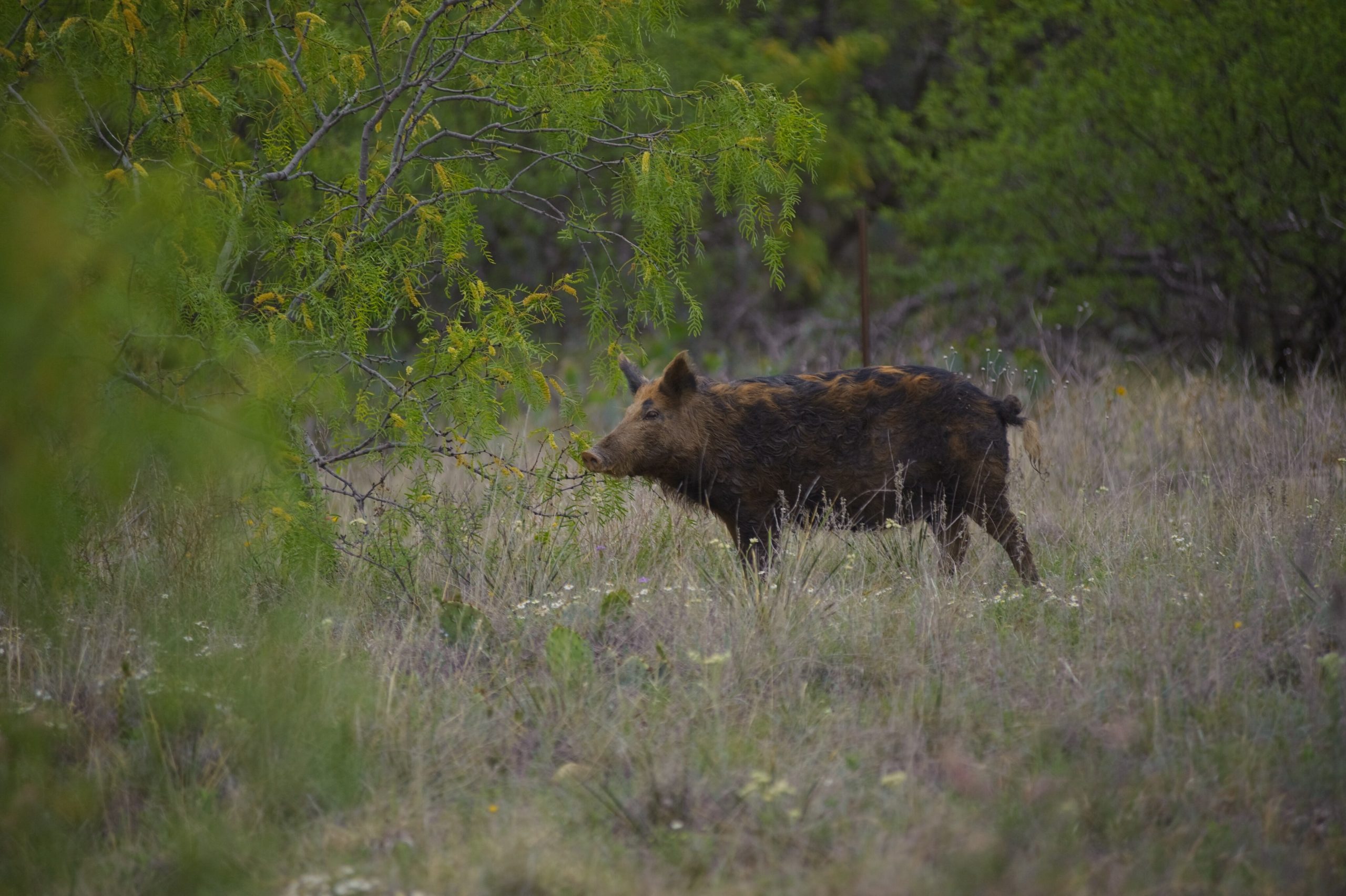
Feral hogs possess one of the most sensitive sensory systems found in North American game, and this alone explains many failed hunts. Their sense of smell is extraordinarily refined, allowing them to detect human scent lingering on vegetation, soil, and even air currents hours after exposure. Unlike deer, hogs do not tolerate repeated scent contamination. Once a sounder confirms human presence, they abandon the area completely rather than pattern around it. Their hearing is tuned to low‑frequency disturbances like footsteps, metal clicks, or vehicle doors. Even minor noise that other animals ignore can trigger a full relocation. Vision plays a lesser role, but movement combined with scent completes the danger picture instantly. One detection event often ends activity for days or weeks.
Rapid Learning From Pressure
Hogs learn faster from negative encounters than most big‑game animals, and they apply those lessons immediately. A missed shot, poorly placed shot, or even spotlight pressure teaches an entire sounder what danger looks and feels like. They do not slowly resume routines the way deer often do. Instead, they alter travel routes, feeding times, and bedding locations overnight. Young hogs learn from older sows, spreading caution through the group without repeated exposure. This rapid social learning means pressure compounds quickly. Each failed hunt does more damage than the last. Hunters often mistake this shift for population loss when it is actually behavioral disappearance. The hogs are still present, just operating on a new, far more cautious ruleset.
Flexible Feeding Behavior
Hogs are opportunistic feeders with no emotional attachment to specific food sources, which makes hunts fragile. If corn, crops, or natural forage becomes associated with danger, hogs simply abandon it and find alternatives elsewhere. Deer may tolerate risk for preferred food, but hogs calculate reward versus threat differently. They will travel farther, feed later, or switch entirely to nocturnal rooting if pressured. This flexibility means bait sites and agricultural fields can go cold instantly. A single encounter can shut down a location that took weeks to pattern. Because hog diets are so broad, hunters cannot rely on hunger to anchor movement. When pressure rises, food loses its pulling power almost immediately.
Sounder‑Based Decision Making
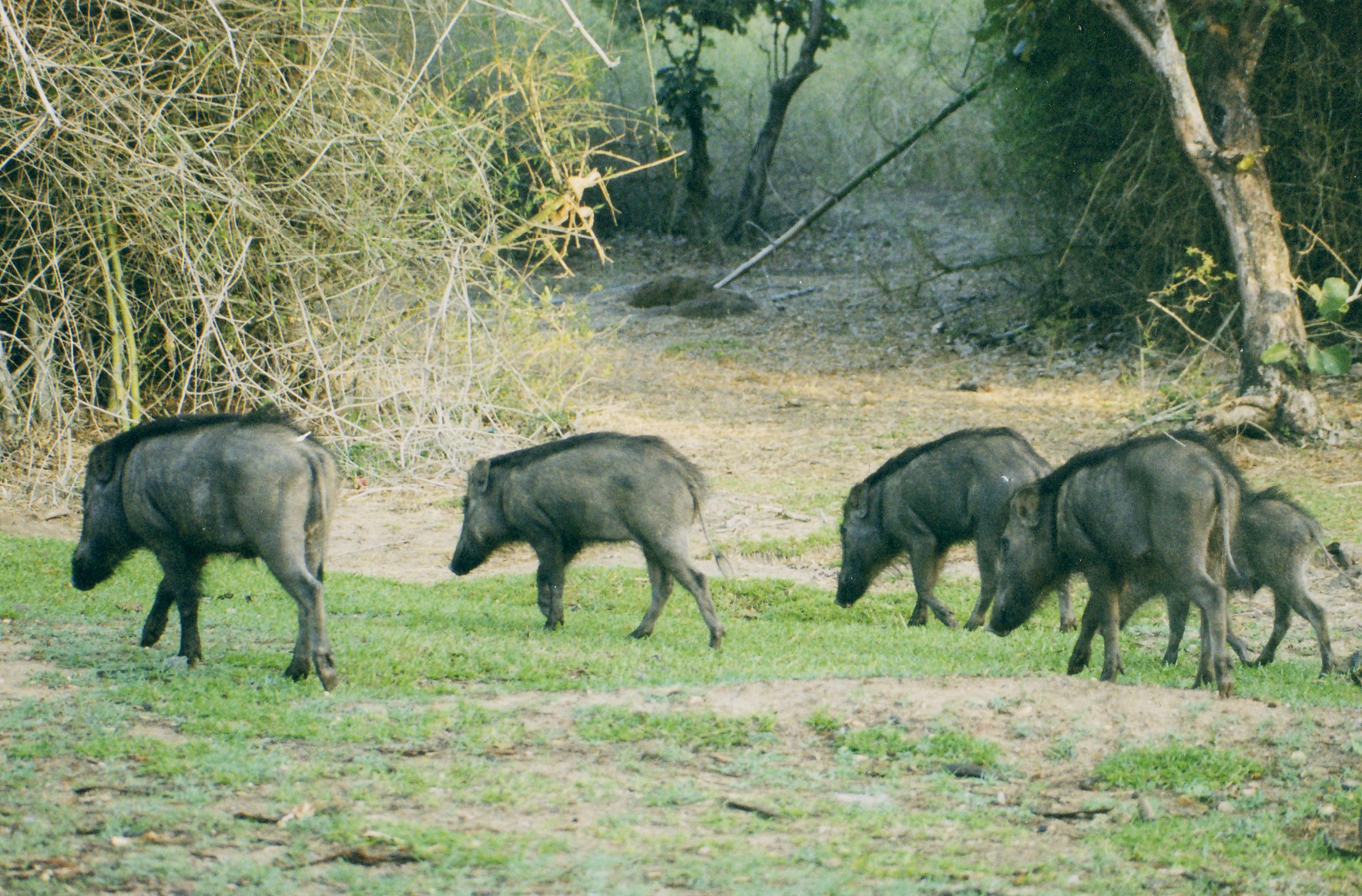
Unlike solitary big game, hogs operate as coordinated groups, and this accelerates hunt collapse. When one hog detects danger, the entire sounder responds as a unit. This shared reaction spreads information faster than individual learning ever could. Mature sows act as leaders, dictating movement and risk tolerance for younger animals. Once they decide an area is unsafe, the group relocates together, often miles away. This means hunters are not pressuring one animal but dozens at once. The loss of a single sounder can eliminate all visible hog activity in a region. Because multiple age classes move together, recolonization takes time, making the collapse feel sudden and permanent.
Immediate Nocturnal Shift
One of the fastest ways a hog hunt collapses is through forced nocturnality. Hogs already prefer low‑light movement, but pressure pushes them fully into darkness almost overnight. Daytime sightings vanish, trails go unused, and rooting appears only after midnight. This shift is far more abrupt than in deer, which often maintain some daylight activity. Hogs have no biological need to move during daylight if risk exists. Once nocturnal, they reduce exposure windows to minutes instead of hours. Hunters relying on daytime setups suddenly feel as if the animals disappeared. In reality, hogs are still feeding, traveling, and bedding just outside practical hunting hours.
Long‑Distance Relocation Ability
Hogs are capable of traveling surprisingly long distances when pressured, which accelerates hunt failure. A disturbed sounder can relocate several miles in a single night, crossing fences, waterways, and terrain that other game might avoid. This mobility allows them to escape localized pressure entirely rather than adjusting within it. Many hunters underestimate this range and continue hunting empty ground. Because hog sign fades quickly, tracks and rooting can mislead hunters into believing animals remain nearby. By the time pressure subsides, the sounder may have permanently established elsewhere. This ability to reset their home range rapidly makes hog hunts far less forgiving than other big‑game pursuits.
High Stress Sensitivity
Hogs respond to stress with decisive avoidance, not gradual caution. Elevated stress hormones after a close call cause immediate changes in movement, timing, and habitat use. This response is stronger than in many ungulates, which often tolerate moderate disturbance. For hogs, repeated stress signals unsustainable risk. They react by minimizing exposure through silence and absence. Vocalizations stop, trails go unused, and wallows dry up. Hunters interpret this as overharvest or low density, when it is actually stress avoidance. Because hogs associate stress with specific locations, even non‑lethal encounters can shut down productive areas faster than lethal pressure alone.
Lack of Seasonal Pattern Loyalty
Many big‑game animals follow predictable seasonal routines, but hogs do not commit as rigidly. While weather and food influence movement, hogs abandon patterns readily when threatened. This lack of loyalty makes hunts fragile because patterning success is temporary. A location productive one week may be useless the next. Hunters expecting consistency misjudge timing and persistence. Unlike deer that return after pressure eases, hogs often establish entirely new circuits. This fluidity allows them to survive heavy pressure but frustrates hunters. The absence of dependable seasonal behavior means hog hunts collapse quickly when assumptions replace real‑time observation.
Pressure Compounding Effects
Hog hunts often collapse due to cumulative pressure rather than a single mistake. Multiple hunters, vehicles, dogs, drones, or cameras cause disturbance rapidly. Each element adds sensory input that hogs interpret as escalating threat. Unlike other games, hogs do not differentiate between hunting and non‑hunting pressure. All human activity is treated as dangerous. This compounding effect explains why public land hog hunts fail so quickly. Even careful hunters may inherit pressure they did not create. Once the threshold is crossed, hogs disengage completely. Recovery takes far longer than hunters expect, making pressure management more critical than effort.
Survival‑Driven Intelligence
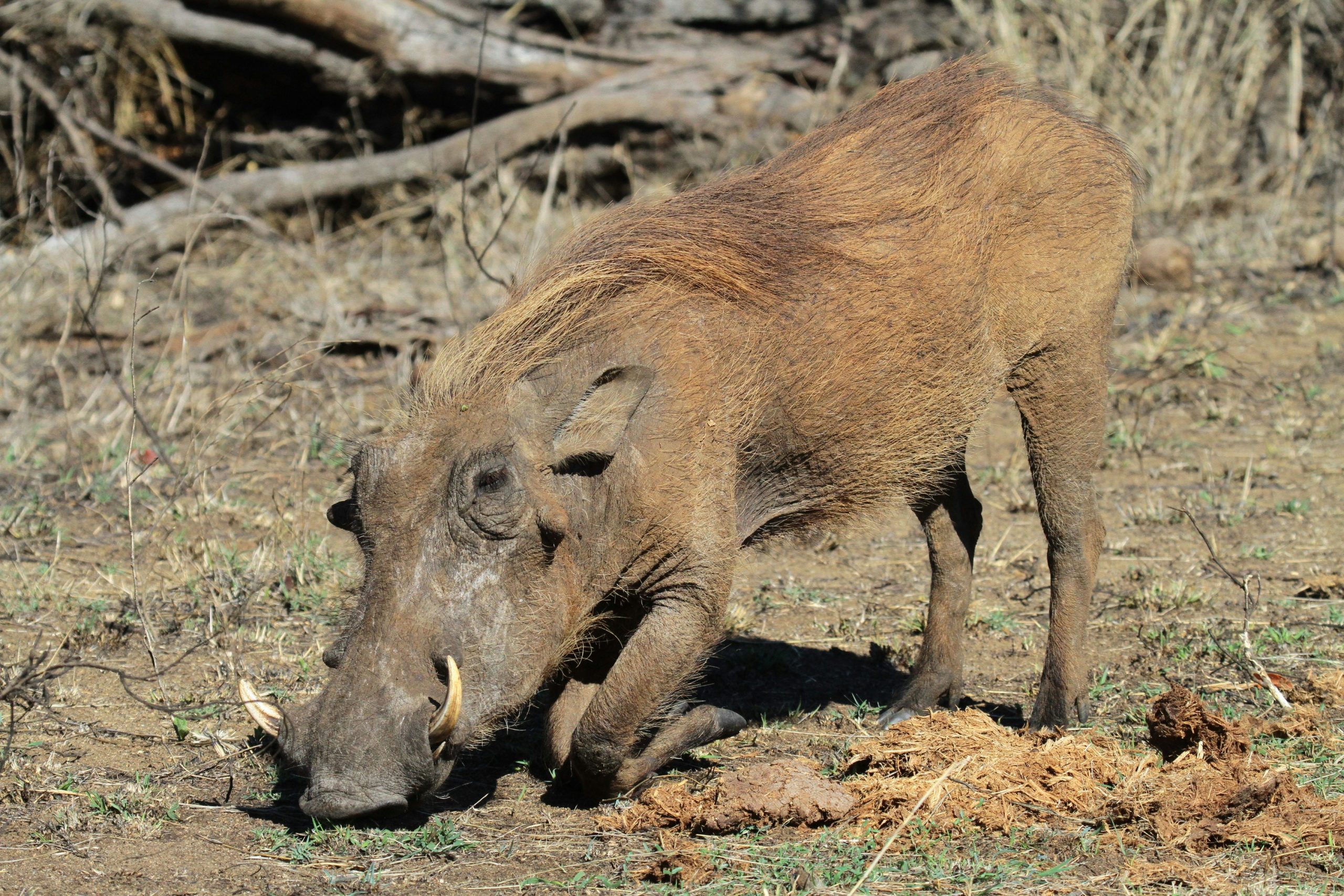
At the core of rapid hunt collapse is hog intelligence shaped by survival. Feral hogs descend from animals bred for awareness, resilience, and adaptability. In the wild, these traits are amplified. They assess risk collectively, remember outcomes, and prioritize survival over opportunity. When danger appears, they choose certainty over curiosity. This mindset contrasts with other big‑game species that tolerate calculated risk. Hogs do not negotiate with pressure; they exit it. Successful hunters adapt by hunting less, moving smarter, and accepting shorter opportunity windows. Understanding hog intelligence reframes failure as feedback, revealing why these hunts collapse fast and how restraint becomes the most effective tool.