It sounds simple enough to toss out hay or grain for wildlife. In Washington, officials now say that simple act can create a much bigger problem.
The Ban Is Really About Disease, Not Being Anti Wildlife
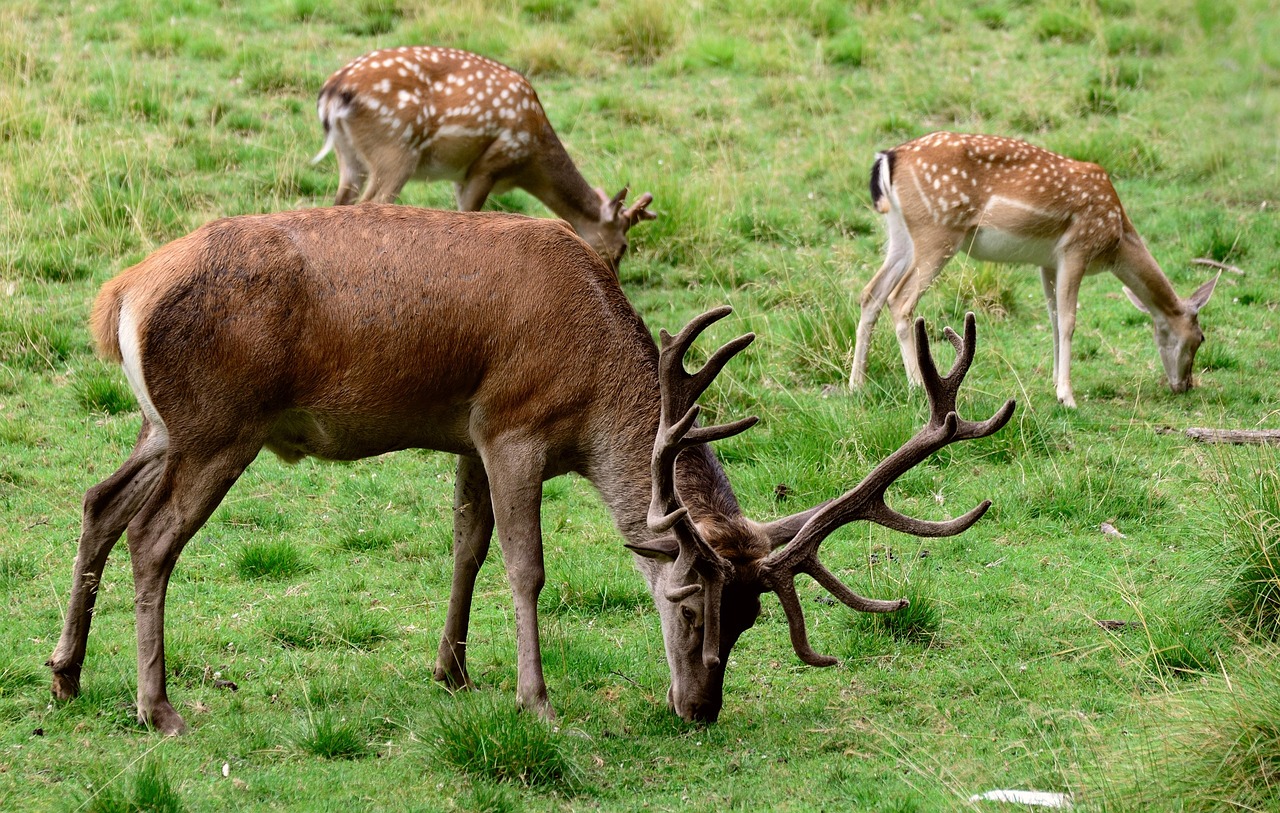
Washington’s new statewide ban on feeding deer, elk, and moose is rooted in one issue above all others: chronic wasting disease, better known as CWD. The Washington Department of Fish and Wildlife says feeding piles, mineral blocks, and bait stations pull animals into tight groups, which increases nose-to-nose contact and contamination in the same small area. That matters because CWD spreads among cervids, the deer family that includes deer, elk, and moose.
The state’s concern became much more urgent after Washington confirmed its first CWD case in July 2024 in a white-tailed deer found in Spokane County. After that, wildlife managers moved from warning people about feeding wildlife to tightening the rules around it. According to WDFW, the feeding prohibition was approved on March 24, 2025, and took effect on May 17, 2025, as part of a broader disease-control push.
This is not a random policy change or a symbolic gesture. CWD is a fatal neurological disease caused by misfolded proteins called prions, and there is no vaccine, cure, or practical way to remove it from wild populations once it becomes established. That grim reality is why agencies across North America treat prevention as the best available tool.
What The Rule Actually Prohibits Across Washington

A lot of people hear “feeding ban” and assume the state is only talking about backyard piles of corn. The actual rule is broader. Washington’s code says it is an infraction to place, deposit, distribute, or scatter feed such as grain, hay, minerals, salt, fruit, or similar substances to feed, lure, or attract deer, elk, or moose that are not lawfully held in captivity.
The rule also covers an easy loophole people might have tried to use. You cannot put out food for some other wildlife if it causes deer, elk, or moose to gather. In other words, if your setup predictably congregates cervids, the state may still view that as a violation even if you say the food was intended for birds or smaller animals.
There is also an important hunting connection. WDFW’s chronic wasting disease guidance says the rule includes baiting while hunting because bait sites draw animals together and can help disease spread. That means the ban is not just about suburban goodwill or winter feeding habits. It reaches recreational practices, rural attractants, and any artificial feeding that concentrates animals.
Why Feeding Wild Deer And Elk Backfires So Often
People usually feed wildlife for understandable reasons. Some want a closer look, some worry animals are hungry in winter, and others genuinely believe they are helping them survive. Wildlife biologists have spent years explaining that these good intentions can produce bad outcomes, especially when large hoofed animals start depending on concentrated food sources.
When deer and elk crowd around feed, several things happen at once. Disease transmission risk goes up, shy animals lose space, aggressive animals dominate the best spots, and natural movement patterns start to change. Repeated feeding can also pull animals closer to roads, homes, fences, livestock areas, and gardens, increasing the odds of vehicle collisions, property damage, and conflict with people.
WDFW has long discouraged public feeding even before the statewide rule took effect. The agency notes that while it may conduct winter feeding under tightly controlled conditions, public feeding is different. Casual feeding is uncoordinated, inconsistent, and usually happens without any ability to monitor health, nutrition balance, crowding, or contamination. What looks compassionate from the porch can become a long-term management headache on the ground.
Chronic Wasting Disease Changes The Whole Calculation
CWD has altered wildlife policy all over the West because it behaves differently from more familiar animal illnesses. Infected deer, elk, and moose may spread the disease before obvious symptoms appear. Prions can also persist in the environment, which means contaminated areas can remain risky long after feed is gone and the animals have wandered off.
That persistence is what makes feed sites especially troubling. If animals repeatedly visit the same bait pile, mineral lick, or hay station, saliva, urine, and feces can build up in one place. Even a small number of infected animals can turn a popular feeding location into a disease hotspot. Once that happens in wild country, managers lose many of the tools they might use in captive settings.
Washington is hardly acting in isolation here. Across North America, wildlife agencies have increasingly moved toward baiting restrictions, carcass transport controls, testing programs, and feeding bans in places where CWD is present or nearby. Washington’s approach fits that larger playbook: reduce unnatural congregation, catch infections earlier, and slow spread while there is still time to shape the trajectory.
The No Exceptions Framing Is Not Quite The Full Story

The phrase “with no exceptions” captures the political feel of the rule, but legally it is not perfectly literal. Washington’s code does include limited carve-outs tied to agriculture and agency action. Crop cultivation, production, and harvest are not treated the same as illegal wildlife feeding, and normal feeding of domestic livestock and poultry is also excluded under the rule.
There is another narrow lane most residents will never use on their own. The director of WDFW may authorize feeding to prevent private property damage, to mitigate expected winter mortality, or to support a department research or management program. Those are not public exemptions for backyard feeding. They are tightly controlled management authorities built into the regulation.
That distinction matters because it explains how the state can say feeding is banned statewide while still preserving emergency tools for wildlife managers. For the ordinary resident, the message is simple: do not put out food, salt, minerals, or attractants for deer, elk, or moose. For the agency, the rule still allows intervention when a specific management problem demands it.
What This Means For Homeowners, Hunters, And Rural Communities
For homeowners, the practical takeaway is straightforward. If deer or elk regularly visit your property, resist the urge to leave out hay, apples, grain, or mineral blocks. Even if your goal is simply to watch them, repeated feeding can condition animals to return, attract larger groups, and create the exact kind of concentrated contact state officials are trying to avoid.
Hunters face a similar adjustment. Washington’s CWD response has pushed the state toward stricter norms around baiting, carcass handling, and testing awareness. That reflects a broader shift in hunting culture in CWD country, where success is increasingly tied not just to harvest numbers but to how responsibly hunters help limit disease spread and report suspicious animals.
Rural communities may feel the change most sharply because feeding wildlife has long been treated by some families as a harmless seasonal tradition. But once disease enters the picture, old customs come under harder scrutiny. What has changed in Washington is not the affection people feel for these animals. What has changed is the risk calculation wildlife managers are now forced to make.
The Bigger Message Behind Washington’s Decision

This ban is ultimately about choosing population health over feel-good interaction. State wildlife officials are betting that reducing artificial congregation now is better than dealing with a larger, more entrenched CWD problem later. Given how stubborn prion diseases are, that is a defensible and increasingly common position in modern wildlife management.
It also signals a broader philosophical shift. Agencies are asking the public to appreciate wild animals at a greater distance and with fewer attempts to shape their behavior. That can feel disappointing for people who see feeding as kindness, but wildlife systems usually work better when animals remain dispersed, wary, and dependent on natural forage rather than human handouts.
So why did Washington just ban feeding deer, elk, and moose statewide? Because once CWD arrived, feeding stopped being a charming habit and became a disease risk the state no longer wanted to tolerate. In that sense, the ban is not really about food at all. It is about trying to keep a deadly wildlife disease from gaining even more ground.