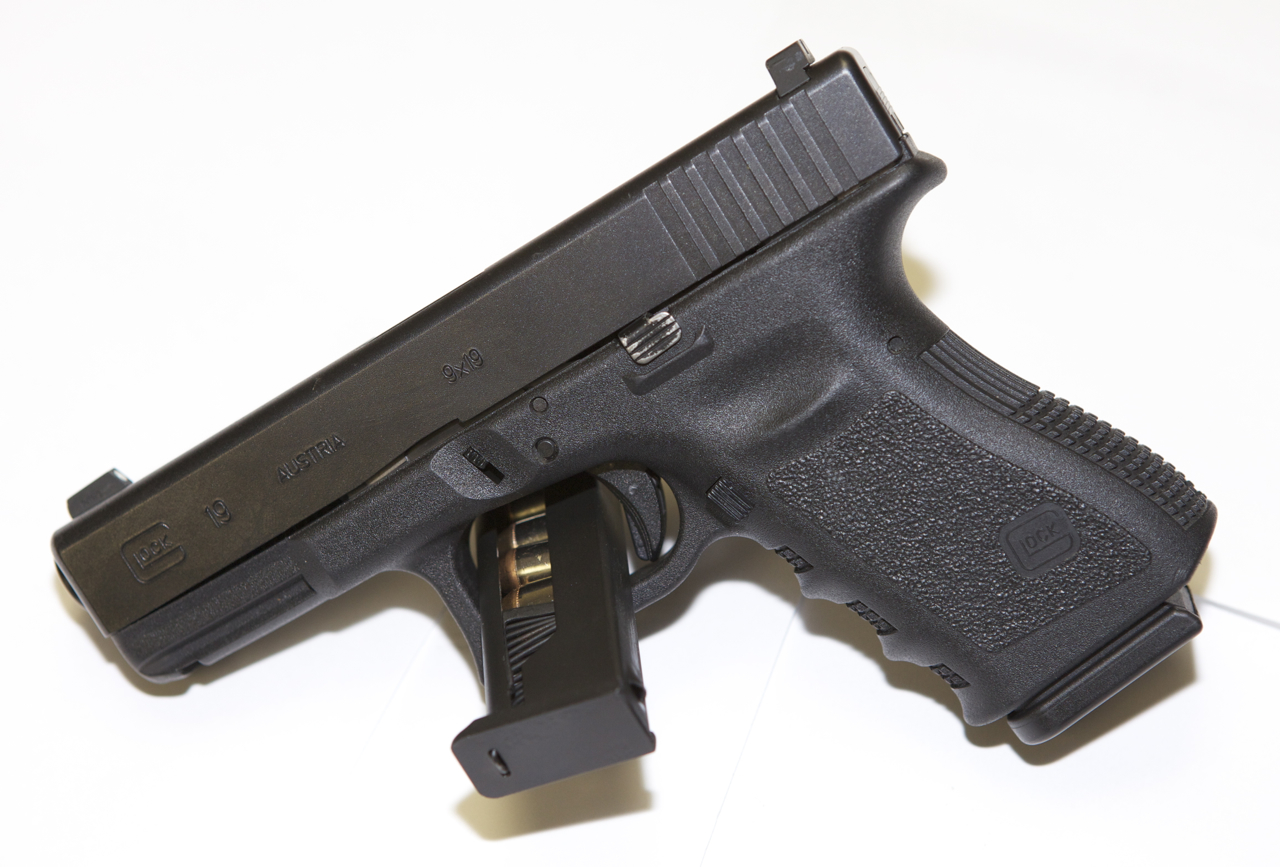
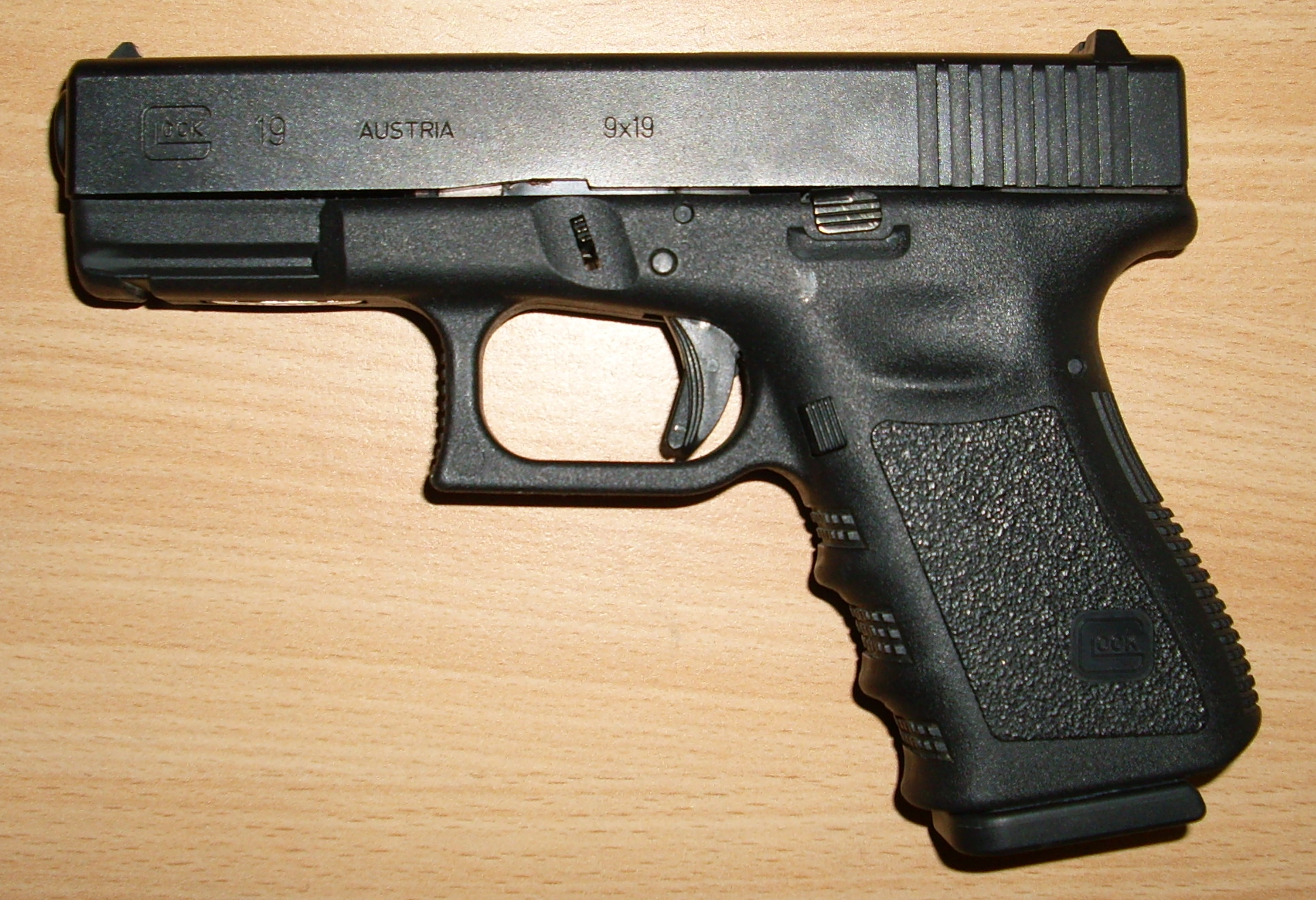
The Glock 19 is already in countless range bags, holsters, and home safes, which is exactly why so many shooters look for smarter ways to train with the pistol they own right now. Competition-style drills offer a clear path to better accuracy, faster target transitions, and more confident handling without requiring a race gun. These 11 drills highlight how Glock 19 owners can build useful performance with structured practice and measurable goals.
Bill Drill
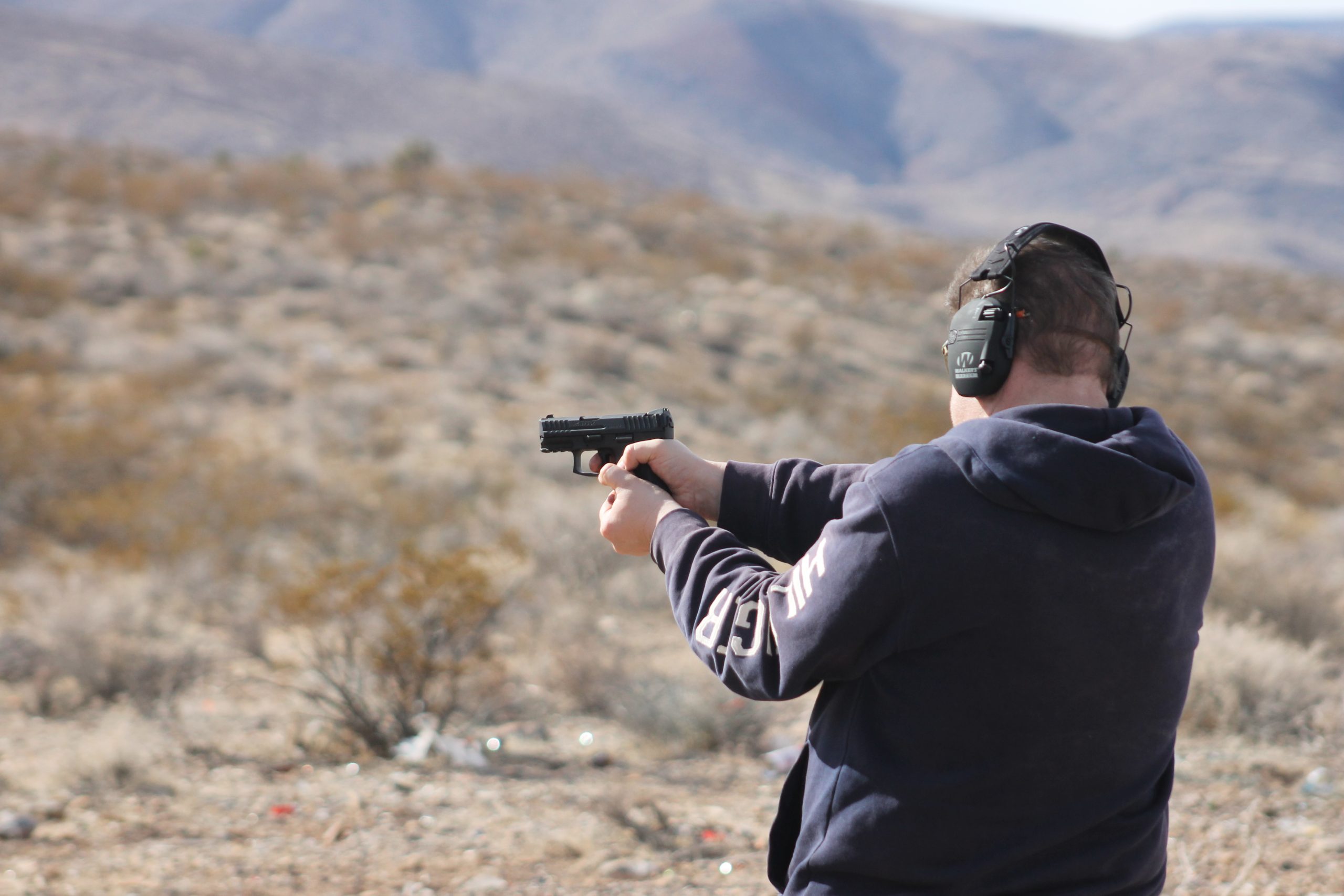
Few drills reveal the truth about recoil control like the Bill Drill. The setup is simple: from the holster or a ready position, fire six rounds into a close target as quickly as you can while still keeping solid hits. With a Glock 19, it quickly shows whether your grip is really working.
What makes this favorite so useful is how clearly it exposes wasted movement. If the sights bounce high, your support hand may be too loose. If the cadence falls apart after the first pair, you may be outrunning your vision. It is fast, unforgiving, and extremely honest.
For everyday owners, this drill turns a familiar compact pistol into a serious performance tool. It is also easy to score over time, which makes progress feel concrete instead of vague.
El Presidente
The El Presidente remains a classic because it packages several core skills into one neat challenge. Three targets, two rounds on each, a reload, then two more rounds on each. It asks the Glock 19 owner to blend target transitions, recoil management, and reload efficiency without getting overly complicated.
This is where a practical carry-sized pistol shines. The Glock 19 is not oversized, so the reload has to be clean and deliberate. At the same time, its capacity and shootability make the drill feel realistic rather than gimmicky.
Shooters like this format because the score tells a complete story. A fast time with poor hits means little, while great hits with a slow reload point to a different training need. Few drills diagnose so much so quickly.
Dot Torture

Dot Torture is not glamorous, but it has earned loyal followers for a reason. A sheet of small circles asks the shooter to perform different strings with strict accuracy standards, and the score leaves very little room for self-deception. With a Glock 19, every press of the trigger matters.
Competition-minded owners use this drill to clean up the fundamentals that speed work can sometimes hide. Trigger control, sight patience, and follow-through all get tested on a target that looks deceptively friendly from the bench and far less friendly from the firing line.
The beauty of Dot Torture is its simplicity. You can shoot it cold, compare targets week to week, and know whether your mechanics are improving. For many Glock 19 owners, it becomes the backbone of disciplined practice.
Blake Drill

The Blake Drill is all about target transitions, and that makes it a favorite in practical shooting circles. Set three targets in a line and fire one shot on each, then repeat the sequence. It sounds simple until the timer starts and you realize how easy it is to over-swing past each target.
A Glock 19 is a useful teacher here because it balances quickly without the extra weight of a larger competition gun. If your eyes are not leading the gun, or if your hands are muscling the motion, the sights will tell on you immediately.
Done well, the drill teaches economy. The fastest shooters are not frantic. They are smooth, visual, and precise, moving only as much as necessary to stop the sights exactly where they need to be.
Accelerator Drill

The Accelerator Drill tests whether a shooter understands how pace should change with distance. A close target, a midrange target, and a farther target demand different levels of visual confirmation, even when the gun in your hands stays the same. That is where the Glock 19 becomes a smart, honest benchmark.
Shooters often discover that they try to shoot all targets at one speed. This drill punishes that habit. The near target can be attacked aggressively, while the far target insists on greater patience and cleaner trigger work.
In competition, that skill is gold because stages rarely reward a single rhythm. For the everyday owner, it builds a more adaptable style of shooting, one based on seeing what is needed instead of forcing a preset cadence.
Transitions and Reloads Drill

Sometimes the best practice is also the most direct. A simple drill that combines two or three targets with a mandatory reload teaches the Glock 19 owner how to keep the gun running while the eyes and feet stay mentally connected to the stage. It is less flashy than a full course, but incredibly productive.
Because the Glock 19 is compact enough for carry and common enough for match use, reload consistency matters. Magazine placement, support-hand timing, and the way the gun returns to the eyeline all become obvious when a timer is involved.
This kind of drill also rewards clean planning. The shooter starts to think ahead rather than reacting late, and that mental shift is one of the biggest differences between casual range time and true performance practice.
Strong-Hand and Support-Hand Only Drill

One-handed shooting has a way of humbling almost everyone, which is exactly why serious shooters keep it in the training mix. Running a Glock 19 strong-hand only and then support-hand only highlights grip pressure, trigger control, and sight tracking in a brutally clear way. There is nowhere to hide.
Competition shooters know this work pays off even when both hands are available. If you can manage the pistol cleanly with one hand, your two-handed control usually improves as a side effect. The gun feels steadier, and the trigger press becomes more deliberate.
For the general owner, this is also confidence-building practice. The goal is not theatrical difficulty. It is proving that your familiar pistol remains manageable and predictable even when ideal conditions disappear.
25-Yard Accuracy Drill

Not every useful drill is fast, and that is part of the lesson. A 25-yard accuracy drill asks the Glock 19 owner to slow down, trust the sights, and break clean shots at a distance where tiny errors suddenly matter a great deal. Compact pistols can absolutely perform here, but only if the shooter does the work.
This is the kind of exercise that builds respect for fundamentals. Grip tension has to be consistent, the trigger press has to stay straight, and visual focus cannot wander. There is no hiding behind close-range speed when the target is far enough to magnify every mistake.
In practical shooting, long partials and distant steel can decide a stage. For everyone else, this drill proves that capability is often already present in the pistol, waiting for the owner to unlock it.
Draw to First Shot Drill
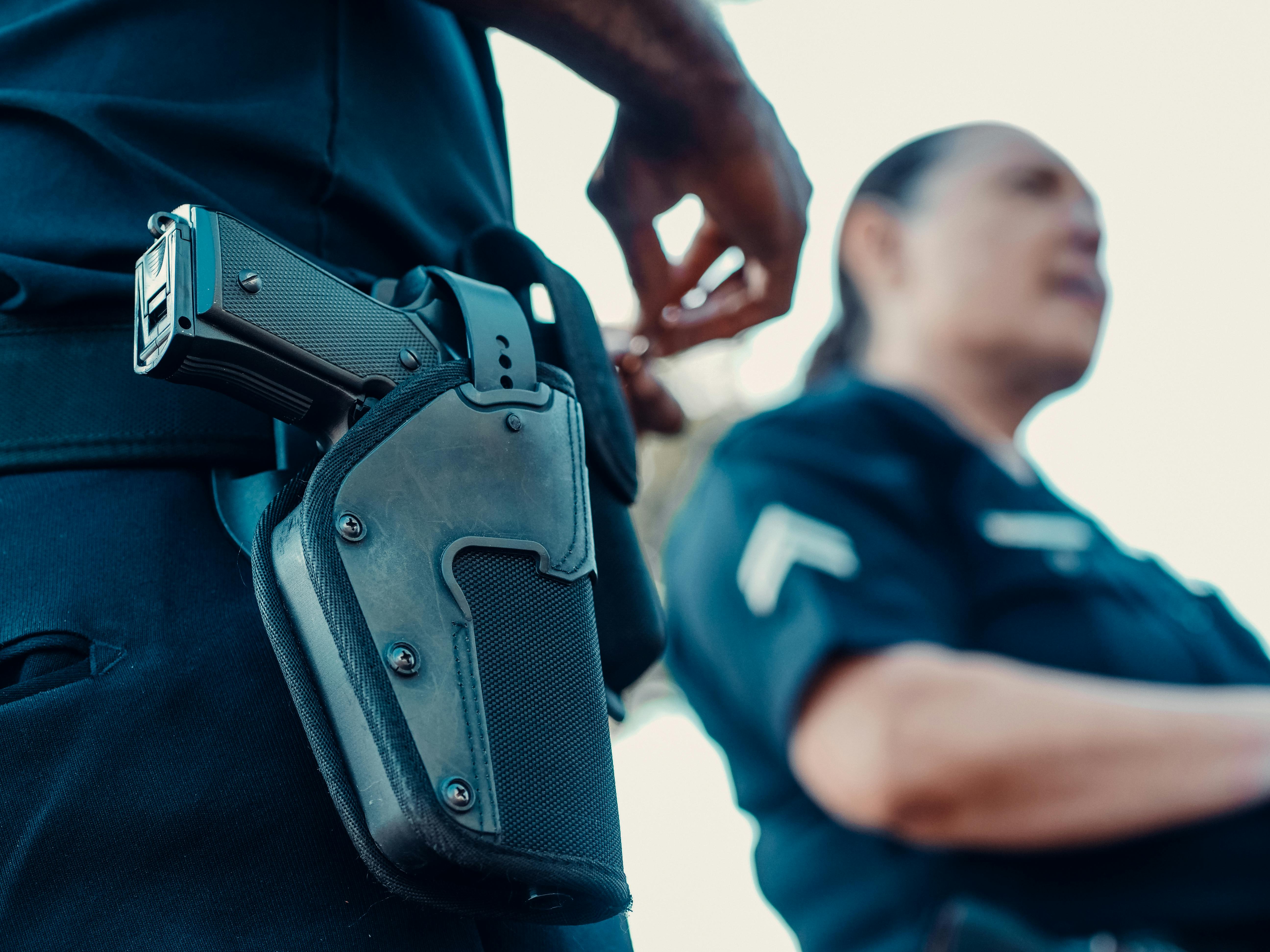
The draw to first shot drill is where efficiency begins. Before split times and fancy stage plans matter, the shooter has to present the Glock 19 cleanly, acquire an acceptable sight picture, and deliver an accurate first hit. That opening moment often separates a polished run from a rushed one.
Because the Glock 19 is so commonly used in practical carry-style gear, this drill has broad appeal. It rewards a secure grip in the holster, a direct path to extension, and visual discipline instead of a panicked slap at the trigger.
Measured over time, the drill becomes a powerful reality check. A tenth of a second gained through cleaner mechanics is more valuable than a sloppy gamble, and the timer has a way of exposing which one you actually chose.
Near-to-Far Steel Drill
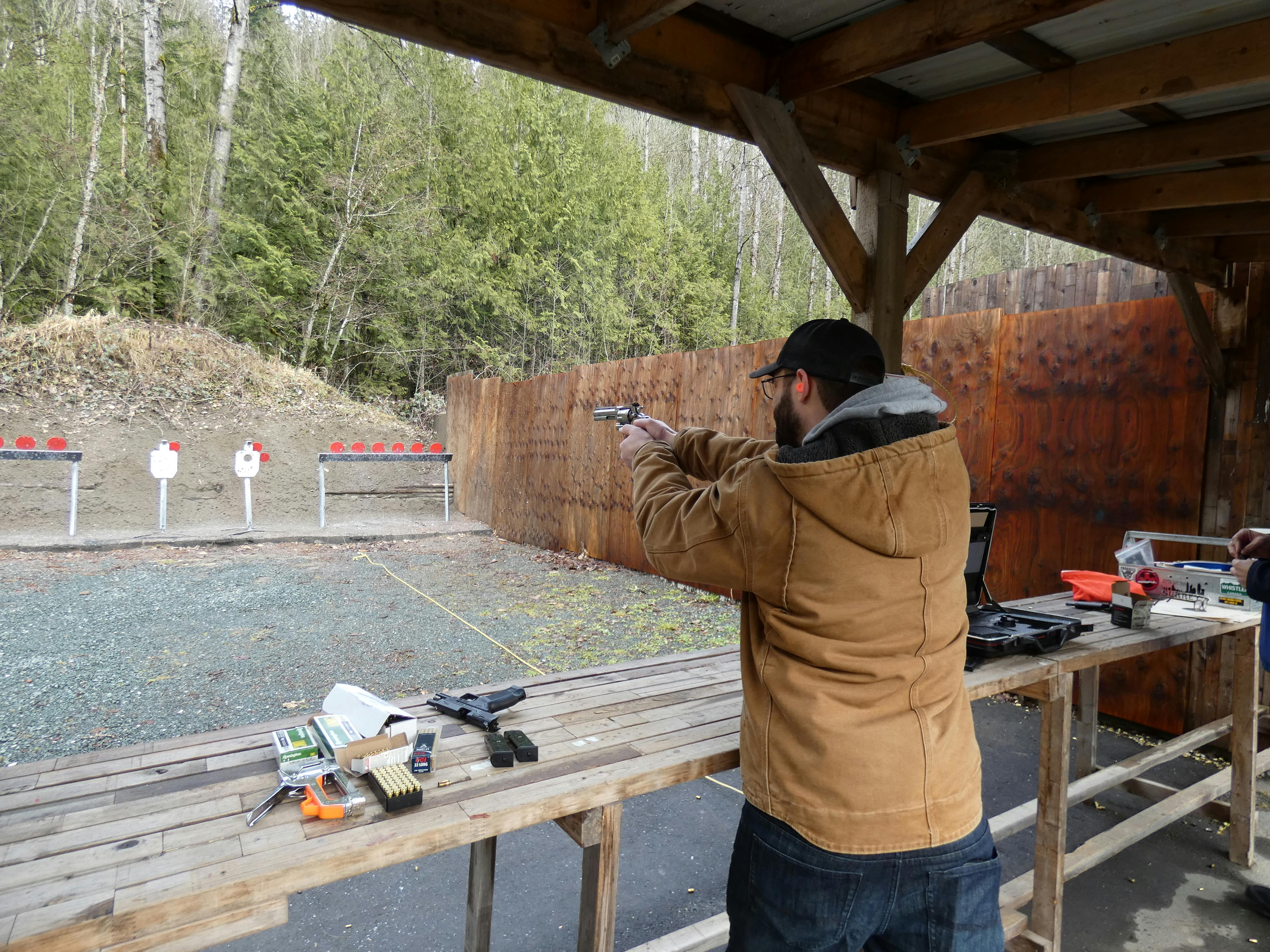
Steel has a special way of making feedback immediate, and a near-to-far steel drill teaches pacing in a memorable way. Start on a close plate, then move to smaller or more distant steel, forcing your eyes to recognize that not every target can be shot with the same urgency.
For Glock 19 owners, this is a useful reminder that the pistol is versatile enough to handle both quick close work and careful shots at distance. The challenge lies in the shooter’s ability to adjust visual patience, not in chasing some mythical equipment advantage.
The ringing confirmation of a hit also keeps practice lively. It turns discipline into something you can hear, and that makes this drill one of the more engaging ways to build control with a familiar compact pistol.
Mini Stage Movement Drill

A mini stage movement drill brings everything together in a compact, repeatable package. A few positions, a handful of targets, and one or two mandatory actions, such as a reload or a target order, can teach the Glock 19 owner how movement affects grip, vision, and decision-making under mild pressure.
This is where competition-style practice starts to feel complete. The shooter learns that speed is not just about the trigger finger. Entering a position under control, seeing targets early, and leaving efficiently all matter just as much as raw shooting pace.
For people who already own a Glock 19 and want more from it, this kind of drill is often the breakthrough. It transforms static range work into practical performance, showing how much potential was sitting in a familiar pistol all along.