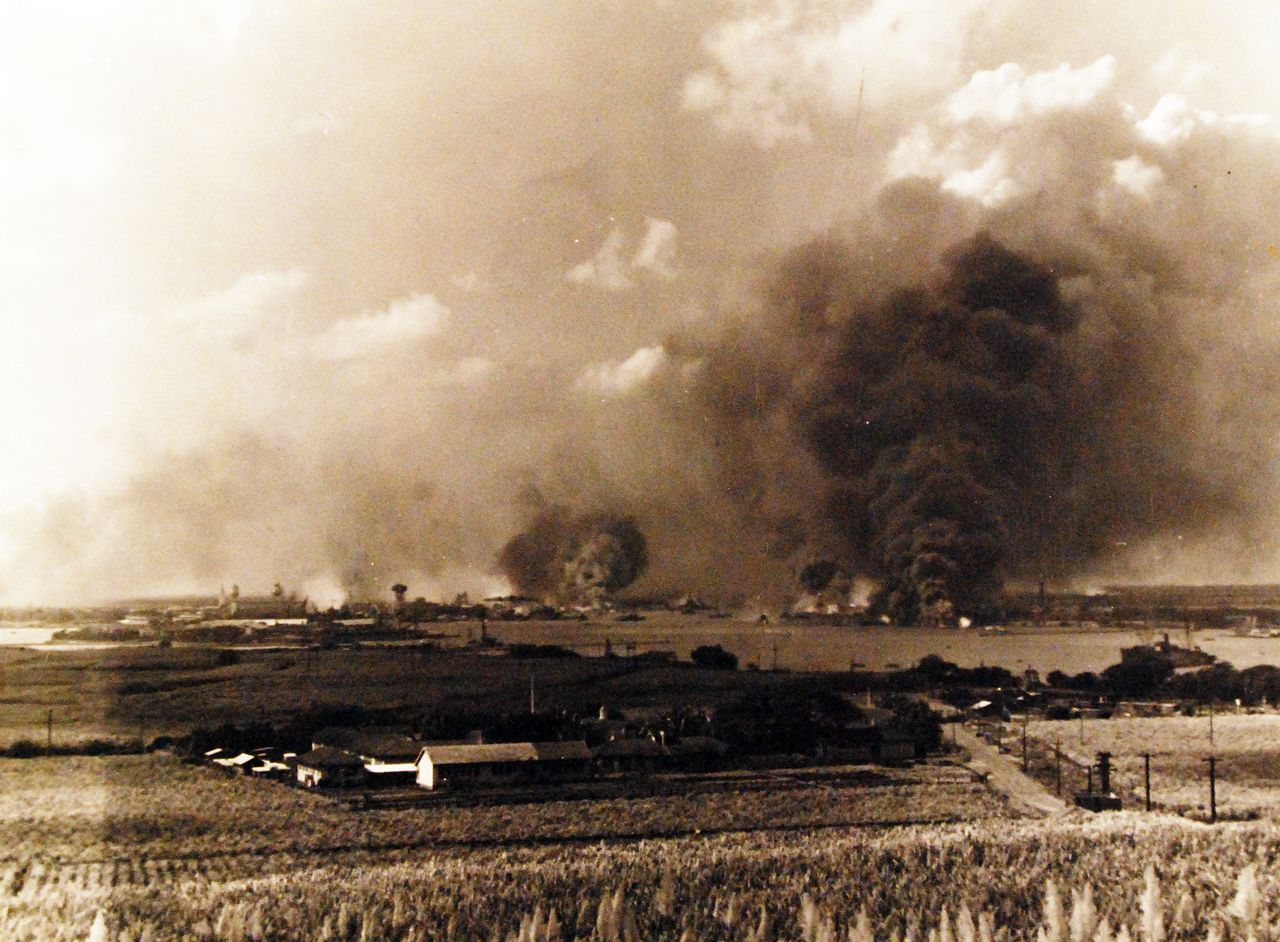
Pearl Harbor feels, at first glance, like a contradiction. If the United States had broken Japanese codes, why didn’t it know the attack was coming?
The Big Misunderstanding Starts With “The Codes”
People often say America had “broken Japan’s codes” by December 1941. That is true in a limited sense, but badly misleading in a practical one.
U.S. cryptanalysts were reading high-level Japanese diplomatic traffic through the PURPLE machine system, and those decrypts were distributed under the codename MAGIC. According to the National WWII Museum and NSA histories, those messages revealed Tokyo’s diplomatic pressure, negotiation strategy, and growing expectation of war.
But diplomatic traffic is not the same thing as operational military orders. The messages that mattered most for a surprise naval strike were moving in different Japanese systems, especially the Imperial Japanese Navy’s main code, JN-25.
That distinction is the heart of the story. America had insight into Japan’s intentions at the political level, but very little clear visibility into the Navy’s exact plan, target, route, and timing.
The Navy Code That Mattered Was Only Partly Broken
The hardest problem sat inside JN-25, the Japanese Navy’s principal operational system. NSA’s history explains that JN-25 used a large codebook plus an additive system layered on top of it, making recovery slow and fragmentary.
Before the Japanese changed parts of the system in 1941, American cryptanalysts had recovered only a small portion of it. NSA estimates that before the August 1941 additive change, analysts had solved roughly 2,000 code groups out of about 27,500, around 4%, and those were heavily weighted toward numbers and routine phrases.
That is not nothing, but it is nowhere near enough to read Japanese fleet intentions in real time. The National Archives and NSA both stress that U.S. efforts against Japanese naval communications in late 1941 remained mostly unsuccessful.
So the famous claim that America had cracked “the code” compresses a much messier reality. The most important naval code was still too opaque to warn Pearl Harbor with confidence.
MAGIC Did Warn Of War, Just Not The Strike Package
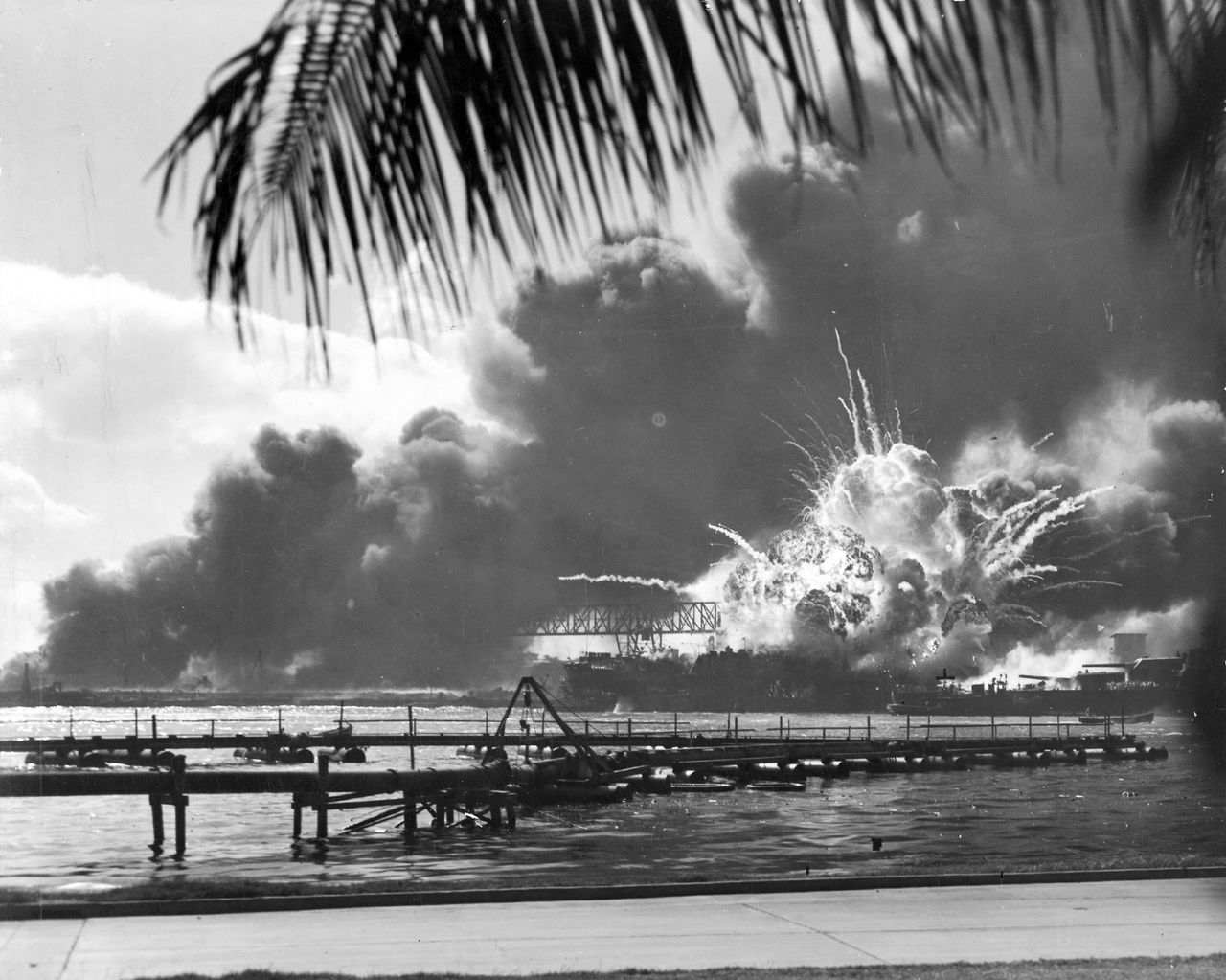
MAGIC decrypts did contain warning signs. U.S. leaders could see relations collapsing, deadlines tightening, and Japanese diplomats preparing for a break with Washington.
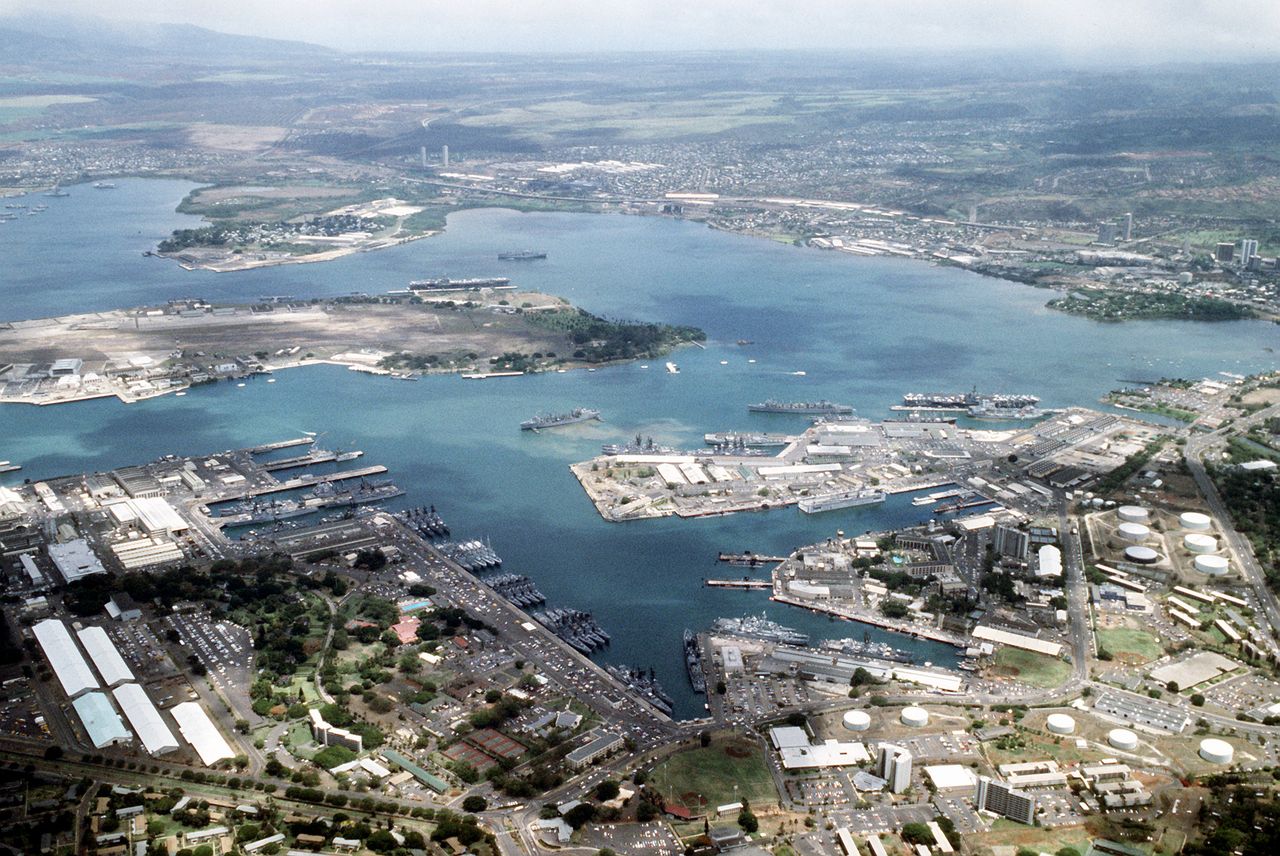
One famous set of intercepts showed Tokyo ordering its Honolulu consulate to report ship locations inside Pearl Harbor in a structured grid pattern. Historians have long treated that as an ominous clue, and in hindsight it plainly was.
Even so, hindsight is doing a lot of work there. Intelligence officers in 1941 were flooded with signals, rumors, partial intercepts, and contradictory possibilities stretching from Southeast Asia to the Philippines to British and Dutch colonies.
MAGIC therefore suggested that war was imminent, not that six Japanese carriers were already steaming toward Oahu. That gap between strategic warning and tactical warning proved fatal.
Analysis Failed Because Assumptions Were Wrong
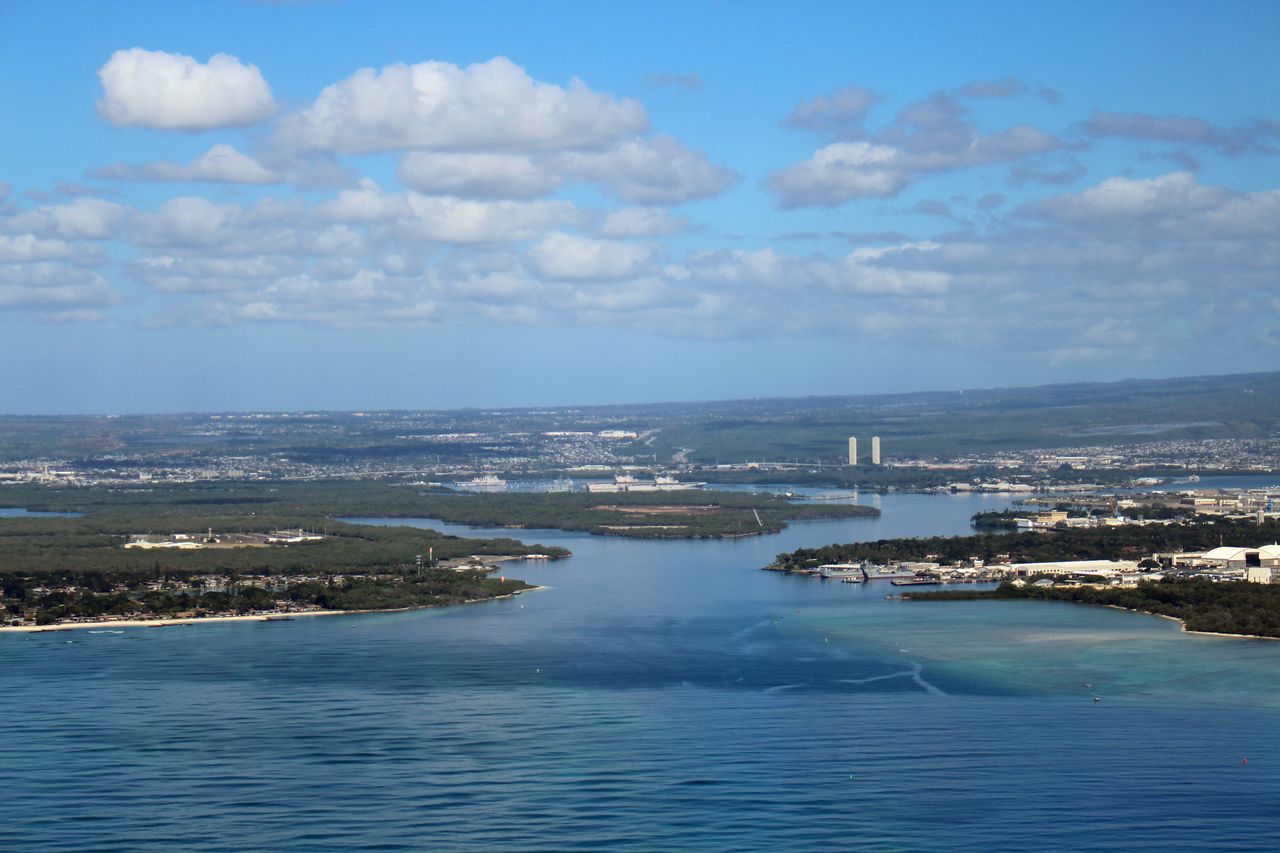
A huge part of the failure was mental, not technical. American commanders and analysts expected Japan’s first blows to fall in the western Pacific, where Japan’s immediate military objectives were easier to see.
That assumption was not irrational. Japanese moves toward Malaya, the Philippines, Thailand, and the Dutch East Indies fit its resource needs and military geography, and U.S. war warnings reflected those concerns, according to the National WWII Museum.
Pearl Harbor, by contrast, seemed daring to the point of improbability. The idea that Japan would risk a long-range carrier strike across the North Pacific in winter did not dominate American thinking.
When intelligence arrives in fragments, assumptions decide what gets emphasized. In late 1941, the dominant assumption pointed away from Hawaii.
The Warning System Was Slow, Secretive, And Fragmented
Even when useful information existed, it moved through a clumsy system. MAGIC was so sensitive that distribution was tightly restricted, and officials often saw messages one at a time under strict handling rules, as NSA histories note.
That secrecy protected the source, but it also limited synthesis. Army and Navy channels were separate, field commanders did not always get the full picture, and Washington itself struggled to fuse diplomatic, naval, and radio intelligence into one coherent estimate.
Translation and decryption also took time. Intercepts were not magical flashes of certainty; they had to be collected, processed, translated, interpreted, and then delivered to the right people before they expired.
In a fast-moving crisis, delay can destroy value. By December 7, 1941, that is exactly what happened.
Pearl Harbor Also Included Plain Old Operational Misses
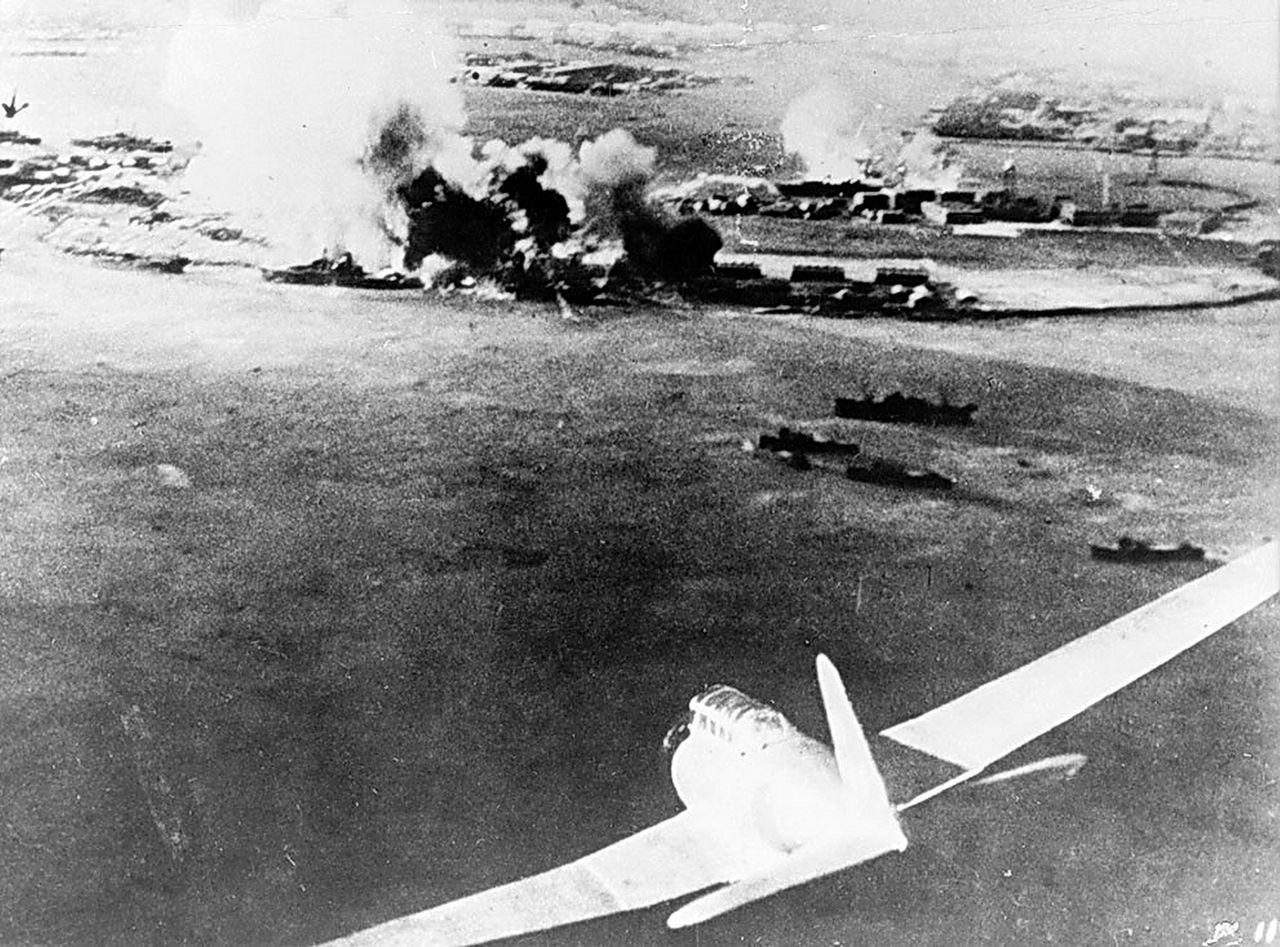
Codebreaking was only one layer of warning. Other opportunities existed on the morning of the attack, and they were mishandled too.
The National WWII Museum highlights several missed tactical warnings, including a destroyer’s engagement with a midget submarine before the air raid and a radar sighting of inbound aircraft. Neither produced a timely, force-wide alert.
At the command level, General Walter Short had emphasized sabotage precautions, while Admiral Husband Kimmel did not have a clear tactical picture of an approaching carrier attack. Ships and aircraft were therefore not postured for what was actually coming.
This matters because even perfect codebreaking is not the whole answer. Pearl Harbor was an intelligence failure, but also a readiness and command failure.
The Real Lesson Is That Intelligence Is Never Self-Executing
Pearl Harbor endures because it exposes a truth people still resist: having information is not the same as understanding it. Intelligence only matters when collection, decoding, analysis, distribution, and command judgment all line up.
After Pearl Harbor, the United States improved all of those functions. By 1942, codebreaking against Japanese naval systems became far more productive, helping set up later successes such as Midway, where decrypted naval traffic had direct operational value.
So the United States did not “know and ignore” Pearl Harbor. It knew some important things, missed other crucial things, and failed to connect the rest under pressure.
That is why the attack remains such a powerful case study. Disasters rarely come from a single blind spot; they come from several at once.