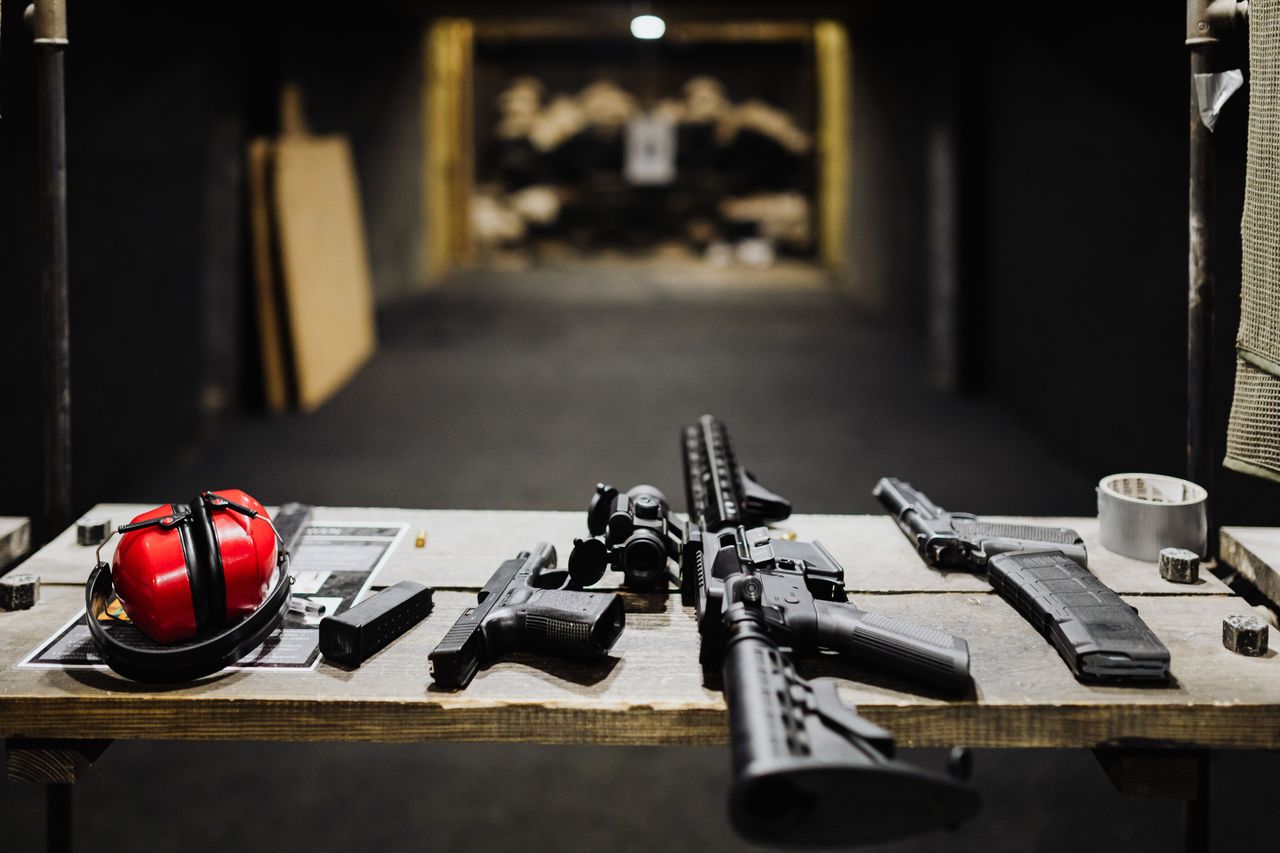
The .224 Valkyrie arrived with a bold promise: true long-range performance from the familiar AR-15 platform. For shooters used to thinking of small-frame ARs as mid-range tools, that was a genuine curveball. This gallery explores the key reasons the cartridge drew so much attention, from its sleek bullets to the practical realities that shaped its reputation.
It promised long-range reach from an AR-15
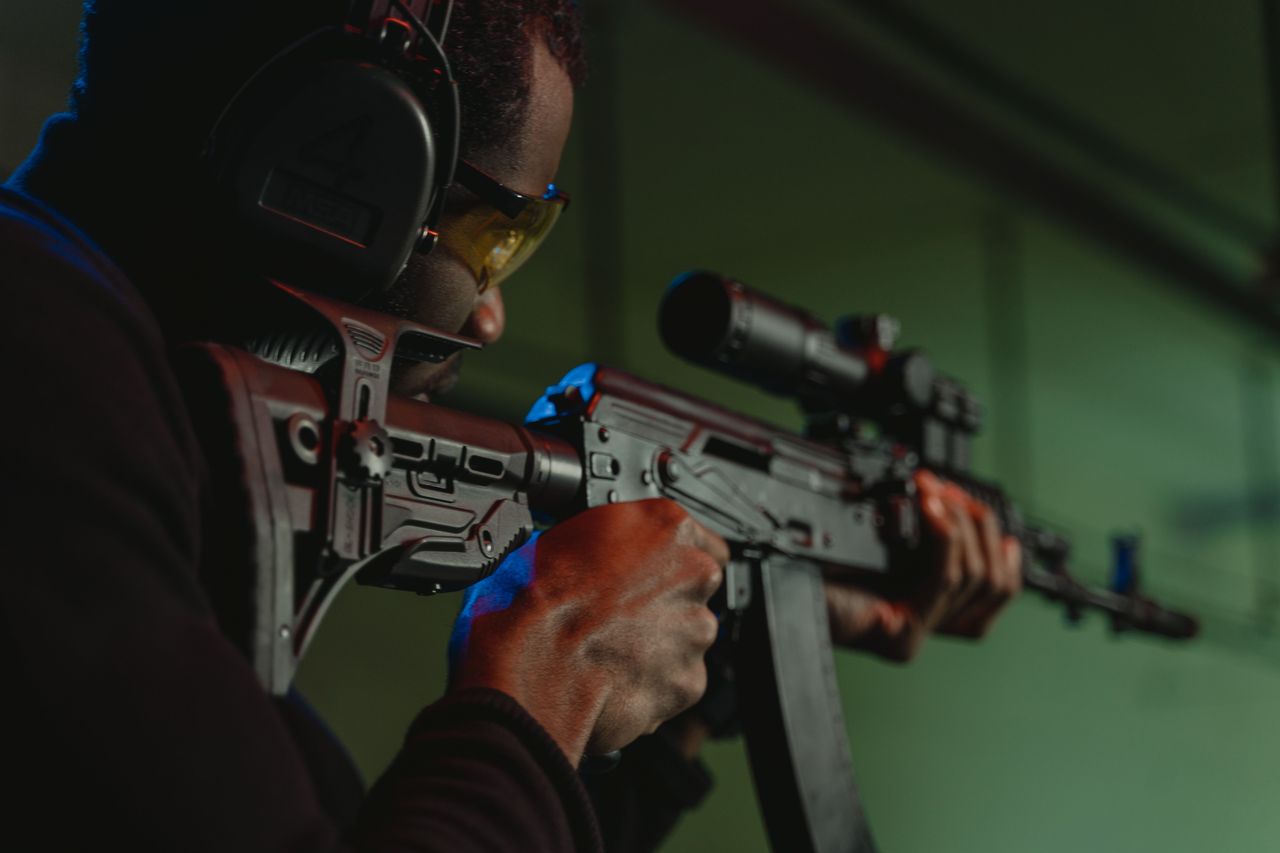
What made .224 Valkyrie instantly intriguing was the idea that an AR-15 could stretch far beyond the distances many shooters associated with the platform. Instead of stepping up to a larger AR-10 pattern rifle, shooters could chase serious range while keeping a lighter, handier setup.
That promise mattered because the AR-15 is already familiar, modular, and widely owned. A cartridge that could turn that common rifle into a more credible long-range tool was always going to spark interest among target shooters, hunters, and curious gear fans alike.
In simple terms, it offered a new answer to an old question: how much distance can you realistically squeeze out of a small-frame rifle?
The cartridge was built around high-BC bullets

A major part of the .224 Valkyrie story is bullet shape. It was designed to take advantage of long, sleek .22-caliber projectiles with high ballistic coefficients, which help bullets hold velocity better and resist wind drift more effectively as distance increases.
That gave the cartridge a technical appeal that went beyond simple speed claims. Shooters who follow external ballistics understood that efficient bullets can make a huge difference once ranges start to open up and wind becomes the real enemy.
The result was a round that looked modern on paper and smart in concept, especially for people chasing flatter trajectories and steadier downrange performance from a compact rifle platform.
It fit standard AR-15 magazine length

One of the smartest things about .224 Valkyrie was that it targeted long-range performance without abandoning the basic AR-15 footprint. It was developed to function within standard magazine length limits, which meant shooters did not need a completely different rifle class to try it.
That kind of compatibility is a big deal in the firearms world. People are much more willing to experiment with a new cartridge when the jump feels manageable, whether that means swapping an upper, changing a barrel, or using familiar controls and accessories.
In other words, the cartridge felt ambitious without feeling inaccessible. That balance helped explain why it generated so much early excitement among everyday enthusiasts.
Recoil stayed light and shooter-friendly
Another reason the cartridge stood out was its mild recoil. Long-range shooting usually rewards consistency, and it is simply easier for many shooters to stay on target, spot impacts, and make fast follow-up corrections when the rifle is not pushing them around.
That softer shooting character also broadened its appeal. A cartridge does not have to be punishing to be interesting, and the .224 Valkyrie looked like a way to get into longer-range work without the fatigue or disruption that can come with heavier recoiling rounds.
For practical range use, that matters. Less recoil often means more confidence behind the gun, better observation through the optic, and a more approachable learning curve for newer precision shooters.
It chased speed without giving up efficiency

The .224 Valkyrie was not just about launching small bullets fast. Its broader appeal came from the way it tried to blend respectable velocity with aerodynamic efficiency, creating a package that looked especially attractive on ballistic charts and in manufacturer claims.
That balance is what made people take notice. Plenty of cartridges can post eye-catching numbers at the muzzle, but those numbers only tell part of the story. Downrange behavior, retained energy, and wind performance are what give a cartridge a long-range identity.
In that sense, .224 Valkyrie arrived as more than a speed experiment. It was pitched as a carefully tuned system for making the most of the AR-15’s size, weight, and practical limitations.
It gave target shooters a new AR option
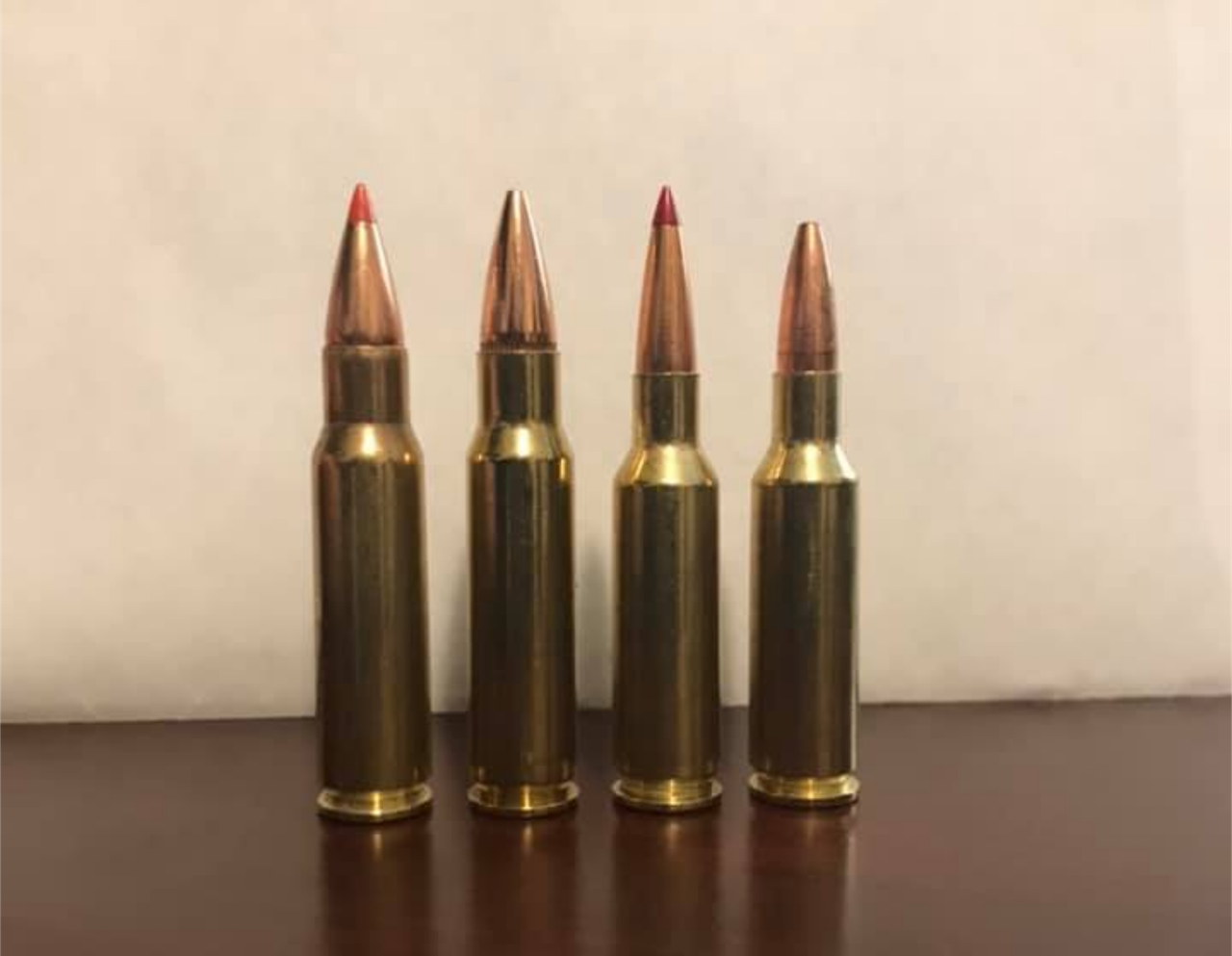
For competitive and recreational target shooters, the cartridge represented something fresh. The AR world already had popular choices, but .224 Valkyrie offered a different personality, one aimed at shooters who wanted to ring steel or print groups at longer distances without jumping to a larger platform.
That made it especially interesting in a market where innovation often means small refinements rather than true shifts in use. Here was a cartridge trying to redraw expectations for what the standard AR-15 could do when set up for precision work.
Even for skeptics, it was hard to ignore. Any new round that promises extended range, reduced recoil, and familiar rifle ergonomics is going to earn a serious look from the target crowd.
Hunters saw potential in the flatter trajectory
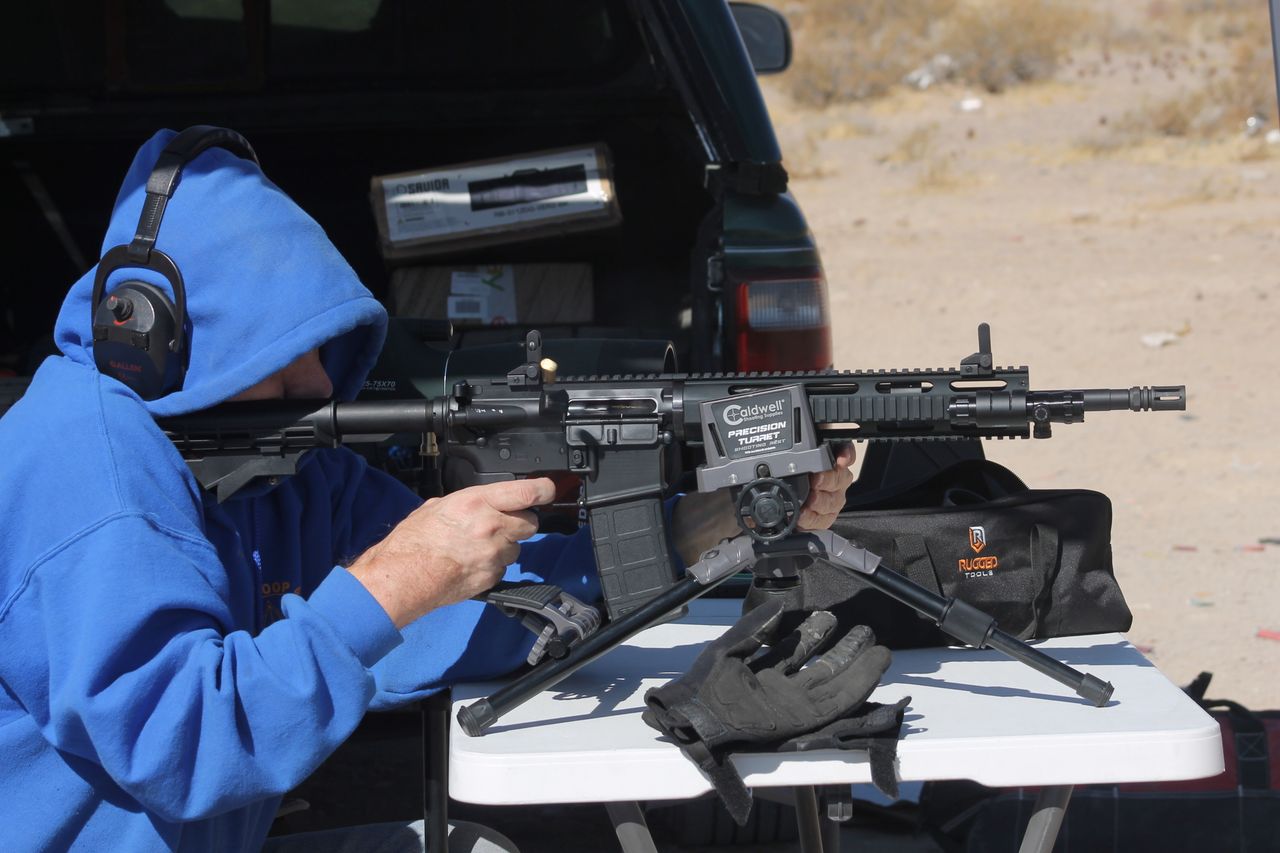
The .224 Valkyrie also caught the attention of hunters who valued lighter rifles and straightforward holds at practical field distances. A flatter-shooting setup can simplify shot placement, especially for those who spend time on varmints, predators, or similar game where precision matters.
Of course, hunting suitability always depends on bullet choice, local laws, and the game pursued. Still, the cartridge’s general profile suggested a useful mix of manageable recoil, good optical visibility through the shot, and performance that reached beyond what many expected from an AR-15.
That combination gave it a real-world story beyond the target line. It was not just about numbers on a spec sheet, but about how a rifle feels and functions in the field.
Early hype was fueled by bold ballistic claims

Part of the cartridge’s rise came from how confidently it was introduced. The sales pitch was clear, modern, and easy to repeat: long-range capability, efficient bullets, low recoil, and AR-15 compatibility. That is the kind of message that travels fast in shooting circles.
Manufacturers and media helped amplify that excitement, and plenty of shooters wanted to see if the real-world results matched the promise. In a category where enthusiasts love testing charts, groups, and drop data, the .224 Valkyrie became an instant conversation starter.
That momentum mattered. A cartridge does not become a talking point on design merit alone. It also needs a narrative, and this one arrived with a strong, compelling story from the start.
Real-world results depended heavily on setup
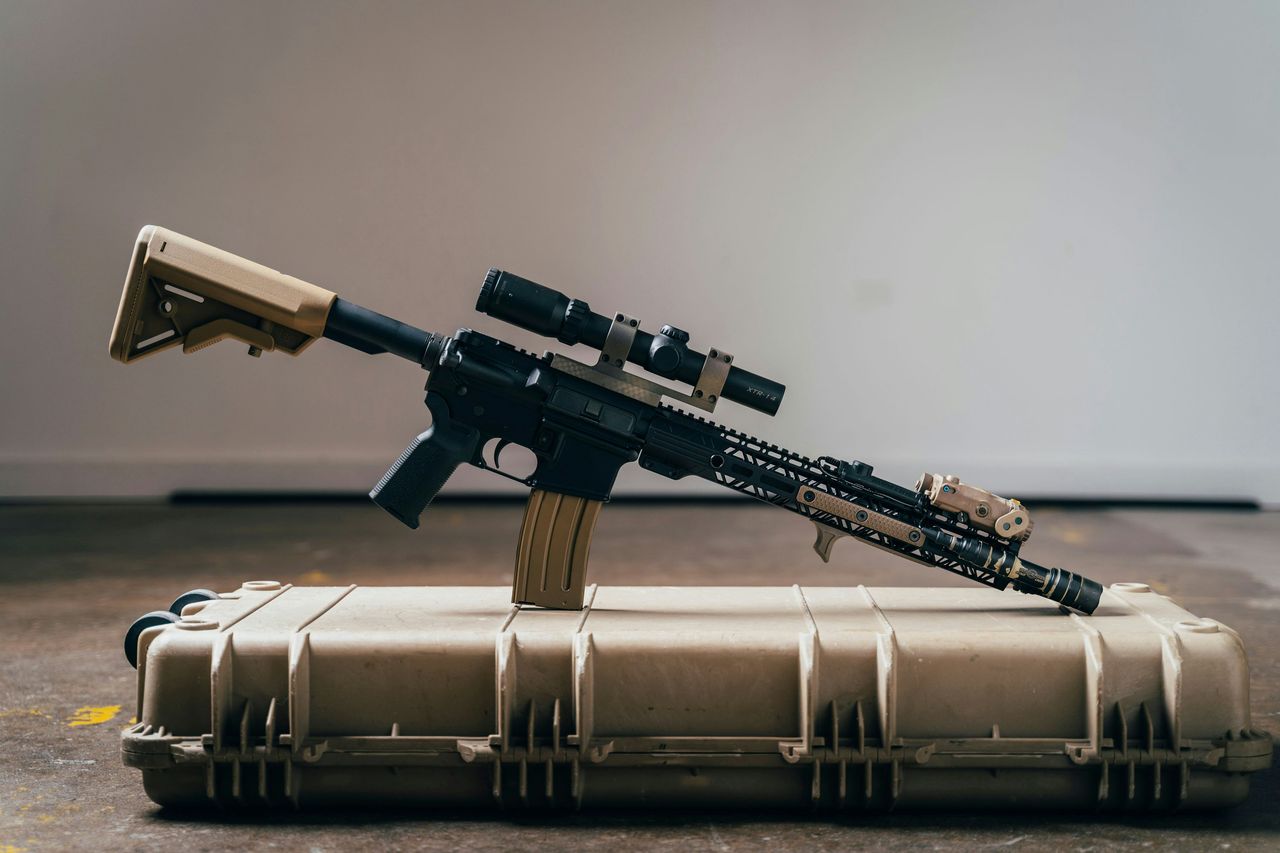
As with many promising cartridges, the fine print mattered. Barrel twist, chamber dimensions, ammunition selection, and overall rifle quality all played a major role in whether shooters got the performance they expected from .224 Valkyrie.
That is one reason the round earned both fans and critics. On paper, the concept was strong. In practice, some rifles and loads delivered the magic more convincingly than others, which shaped the cartridge’s mixed reputation in the years after launch.
This does not erase what made it interesting. If anything, it underscores a familiar truth in precision shooting: a cartridge can be clever, but consistency only shows up when the whole system is working together.