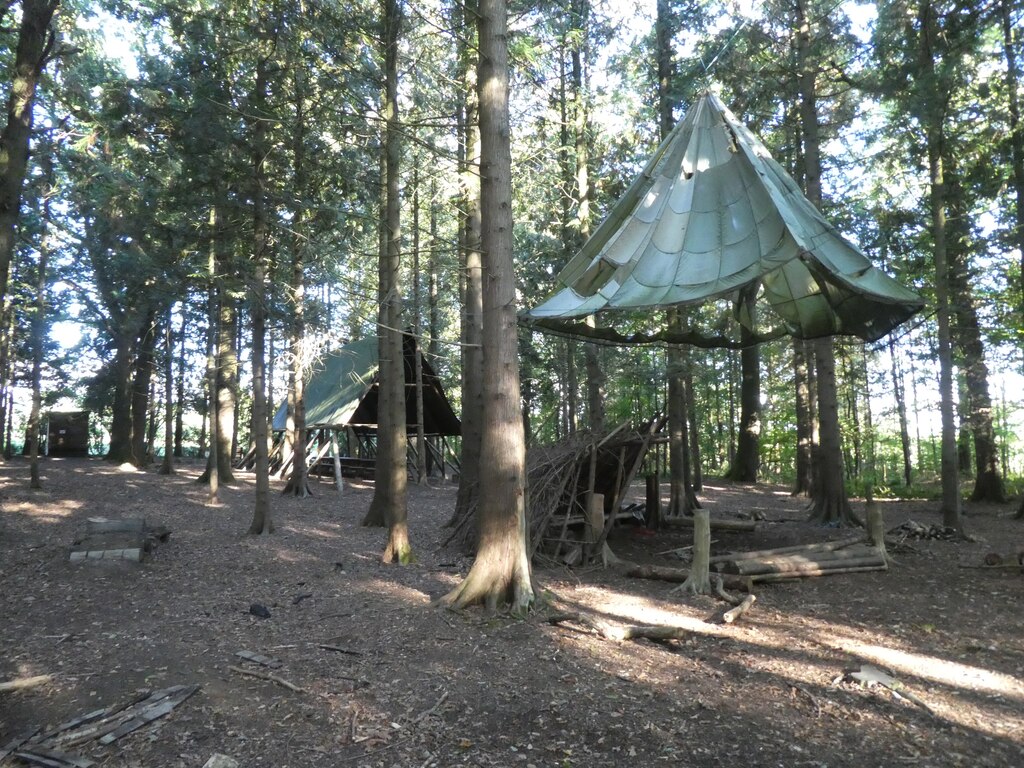
Texas dove hunters are heading into the 2026–27 season with a major calendar change. For the first time, the South Zone will open its regular dove season on September 1, matching the North and Central zones. The change follows a review of wildlife data and updated federal rules, while also removing the South Zone’s separate Special White-winged Dove Days. Here are 7 important reasons behind the decision and what the new schedule means for hunters.
1. Federal Rules Finally Opened the Door
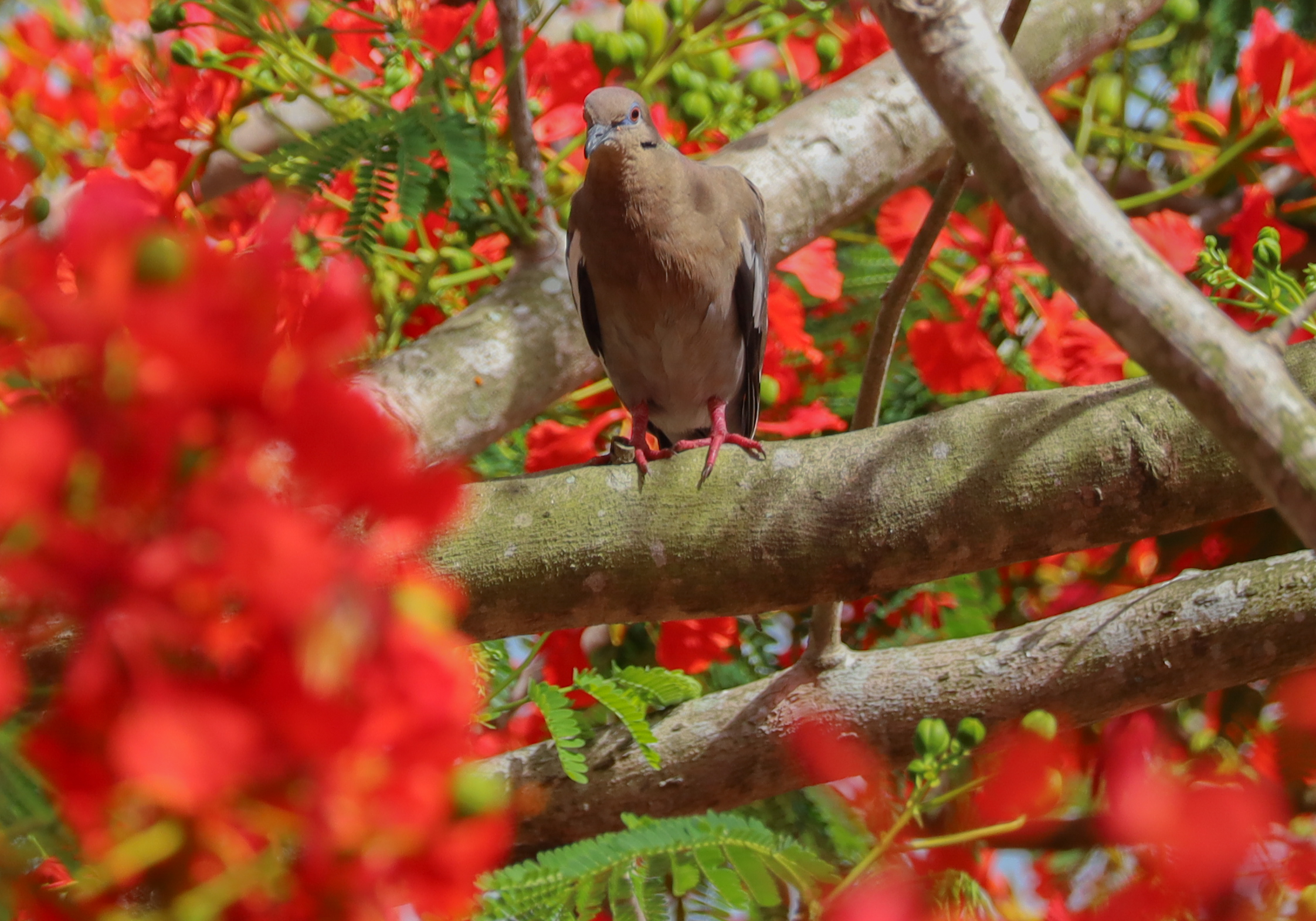
For years, South Texas could not simply mirror the September 1 dove opener used elsewhere because federal migratory-bird frameworks restricted full-day hunting there before September 14. Texas had limited early opportunity through as many as 6 half-days between September 1 and September 19. In 2026, federal authorities allowed the earlier regular opener after Texas presented updated biological information. The result is a major calendar shift: the South Zone can begin its regular season on September 1, removing a long-standing regulatory obstacle and creating a simpler statewide opening date.
2. New Biology Reduced the Nesting Concern
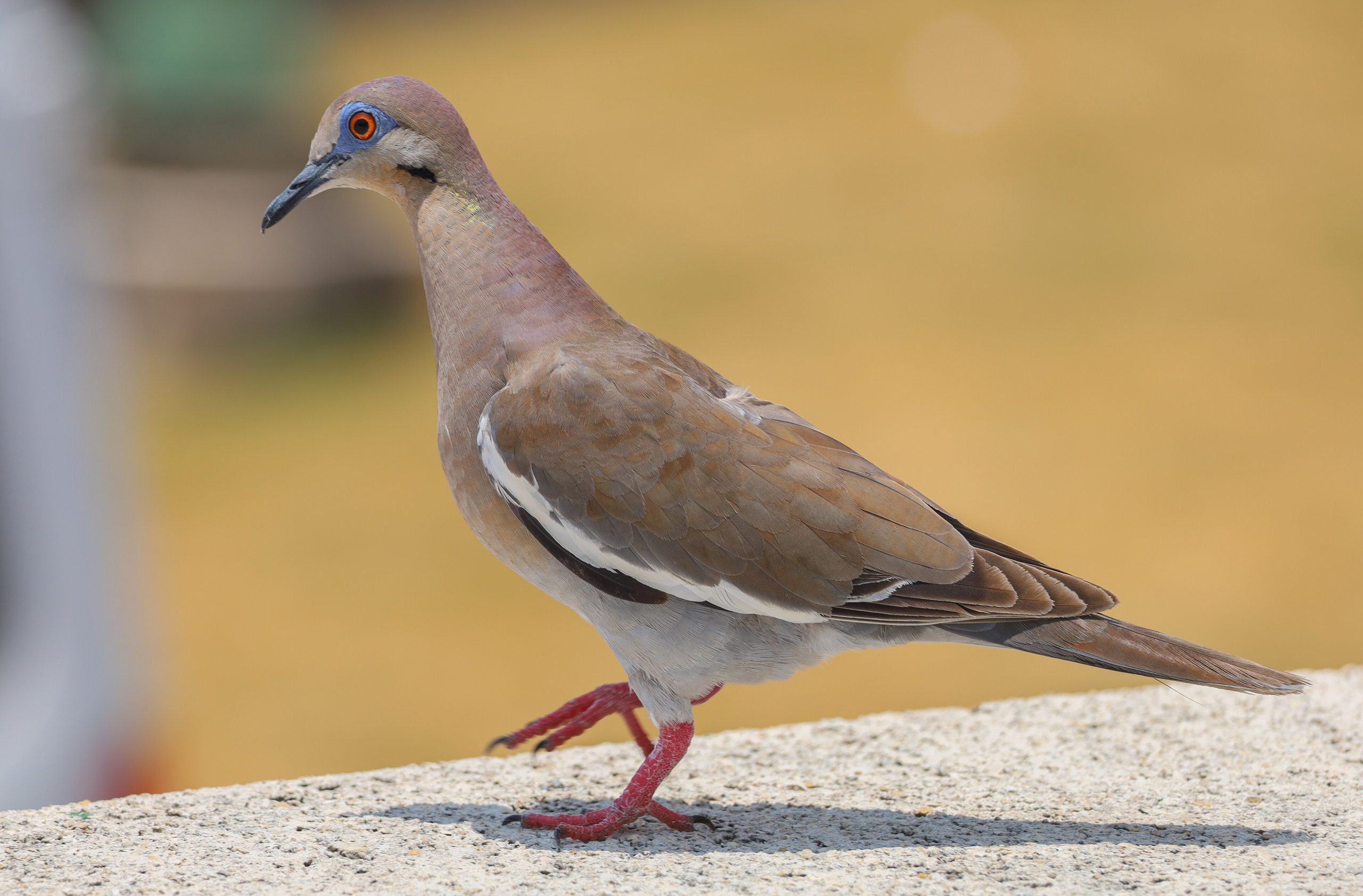
The biggest scientific question was whether an early September season could interfere with mourning doves that were still nesting or raising young. Texas Parks and Wildlife Department revisited population abundance, hatch timing, harvest rates, and existing harvest practices before seeking the change. The agency concluded that the best available information did not indicate an expected biological impact from a September 1 opener. That finding mattered because the old delay was rooted in wildlife-management concerns, not simply tradition. The 2026 rule therefore reflects an updated assessment of the resource.
3. South Texas Has a Huge Dove Resource
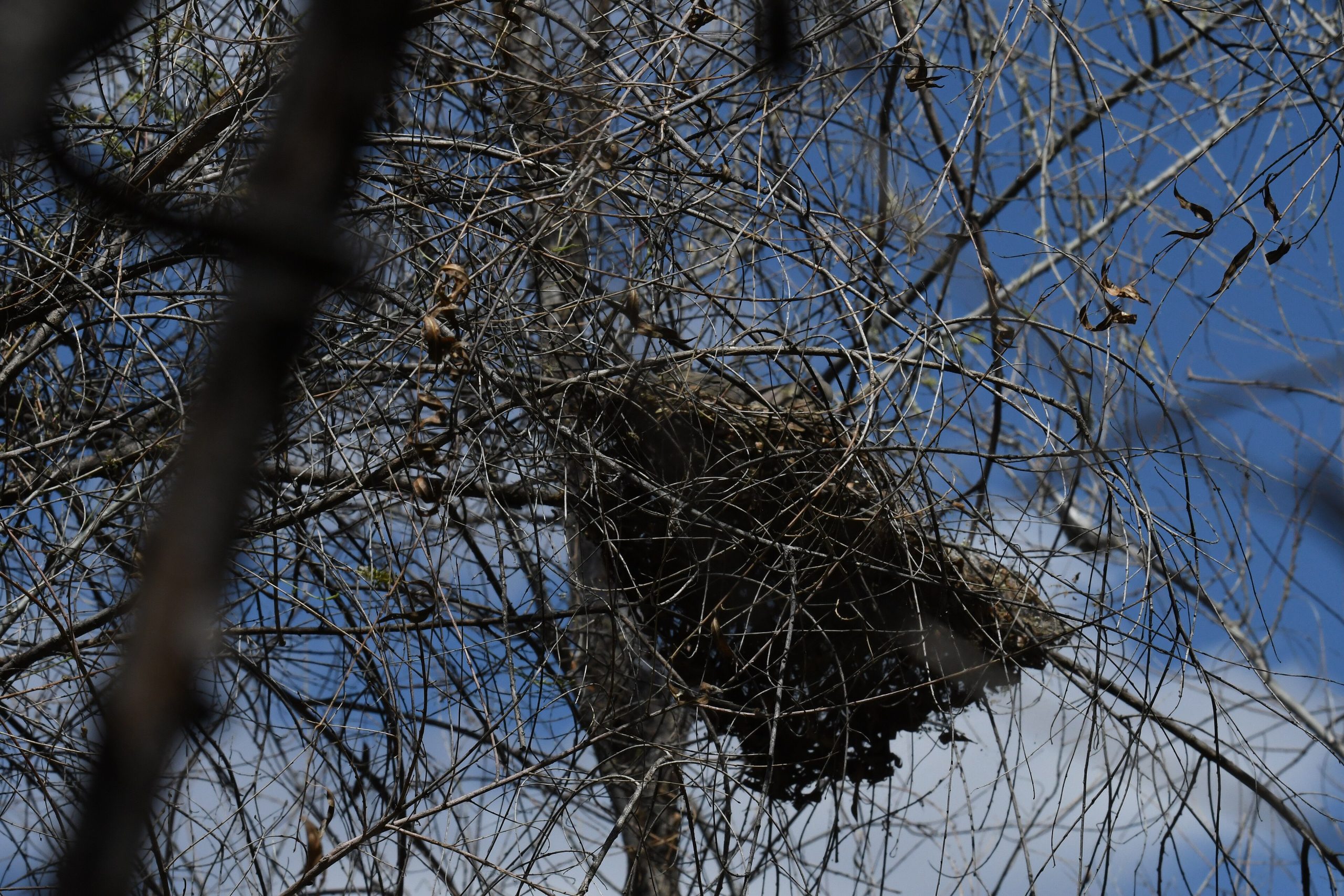
The timing also makes sense because South Texas supports exceptionally strong dove numbers. For 2026, estimates put the South Zone’s mourning dove population at about 8.8 million, roughly 162% above its long-term average, while the statewide estimate reached about 36.7 million mourning doves. White-winged doves were also exceptionally abundant, with about 12.9 million estimated statewide. Those numbers cannot guarantee a busy field every morning because weather, food, water, and local movement still matter. They do show why managers can provide more opportunity while monitoring the resource.
4. The Special White-Winged Days Are Gone
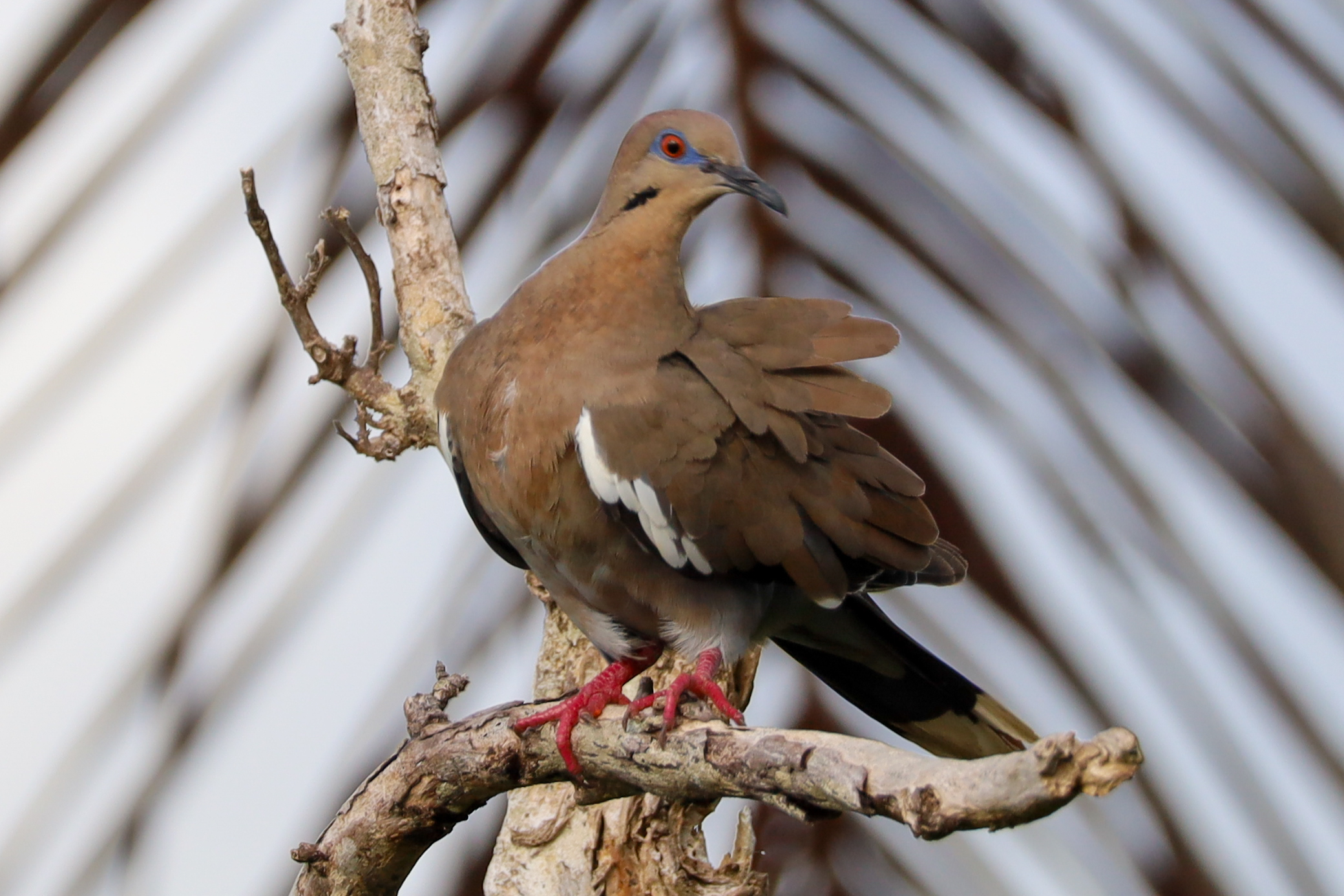
Moving the regular opener to September 1 also removes the need for the South Zone’s separate Special White-winged Dove Days. Under the previous system, those special days provided limited early opportunity before the regular season, with different timing and rules that hunters had to track. For 2026, the special designation disappears and the regular season becomes the main framework from opening day. That makes the calendar easier to understand and reduces confusion between special early periods and the regular hunt. It is a simpler system built around one September 1 starting point.
5. The Bag Limit Is Standard From Day One
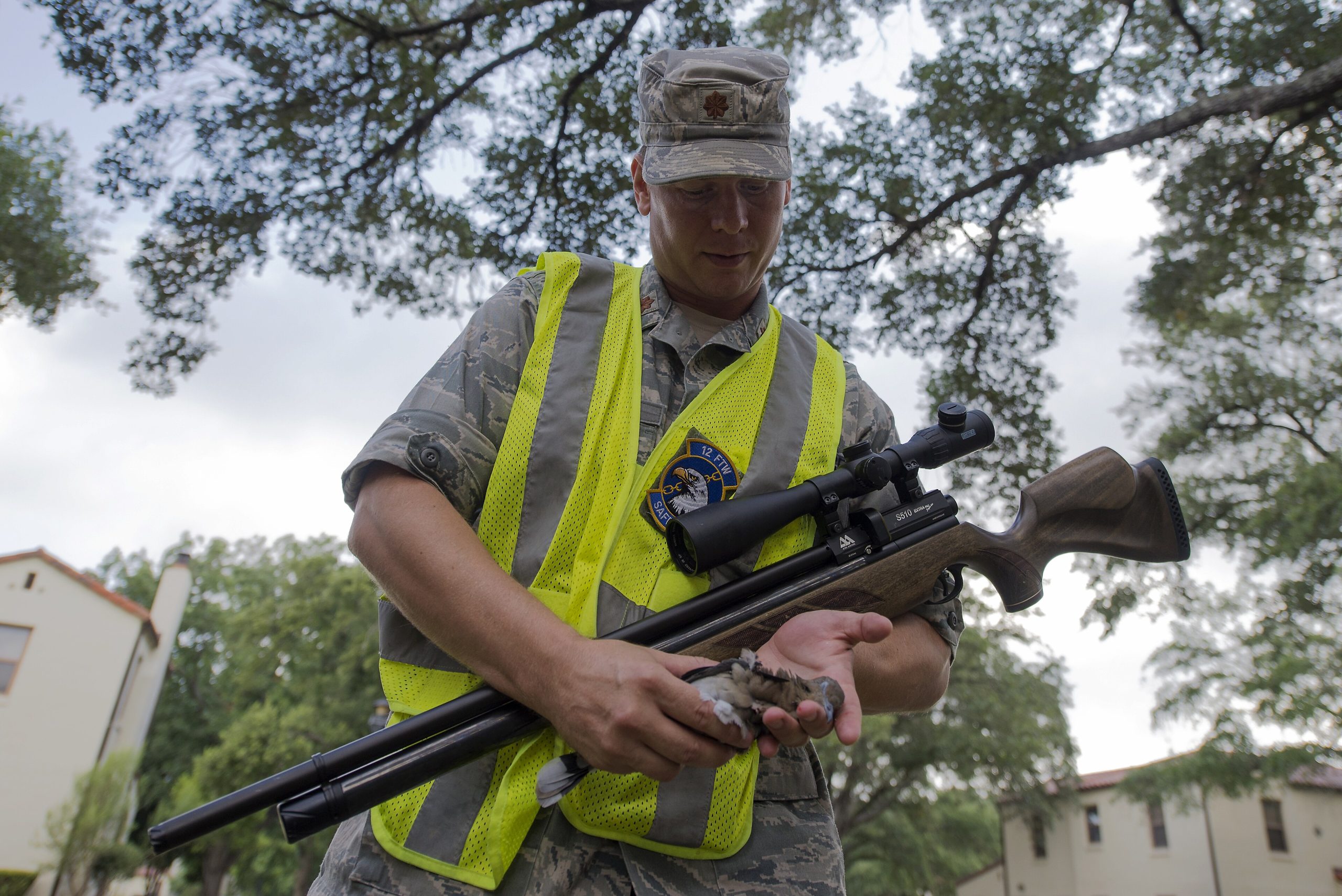
The new schedule does not mean hunters can take unlimited birds; standard regulations still control the hunt. In every Texas dove zone, the 2026–27 daily aggregate limit is 15 mourning, white-winged and white-tipped doves, with no more than 2 white-tipped birds in that total. The possession limit is 3 times the daily bag, or 45 birds. The South Zone’s first segment runs September 1 through October 25, followed by a second segment from December 18, 2026, through January 21, 2027. Legal shooting hours are from one-half hour before sunrise until sunset.
6. A September 1 Opener Makes Texas More Consistent
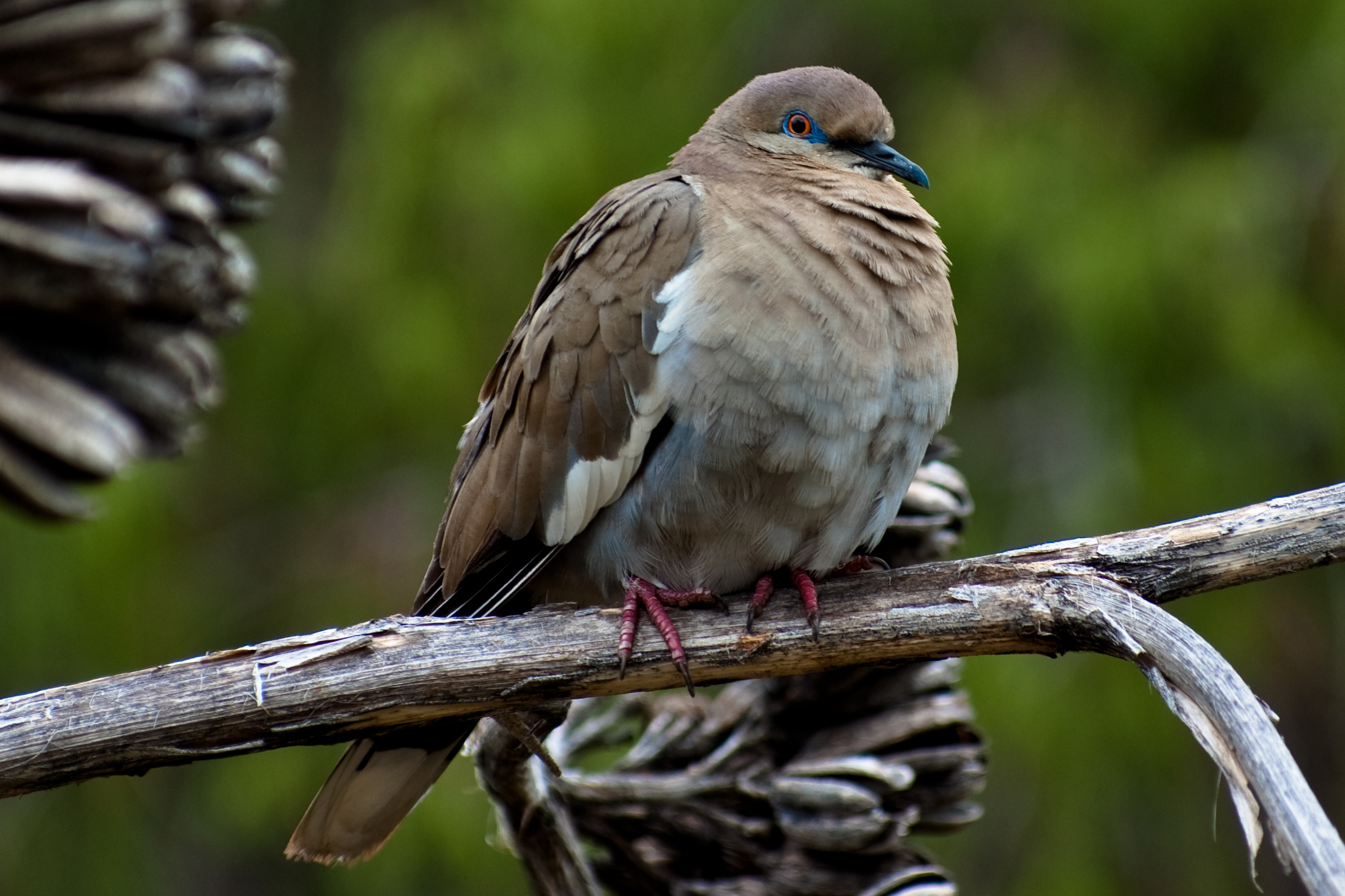
The change brings the South Zone into line with the state’s other 2 dove zones. North, Central and South now all begin their regular 2026 seasons on September 1, although their closing and second-segment dates differ. That uniform start is useful for hunters who travel across Texas, organize family outings or manage multiple leases because the opening date no longer depends on the zone. It also gives wildlife officials one clear statewide message for opening day. The calendar is simpler without eliminating the zone system or the local county rules that still apply.
7. More Opportunity, But More Responsibility
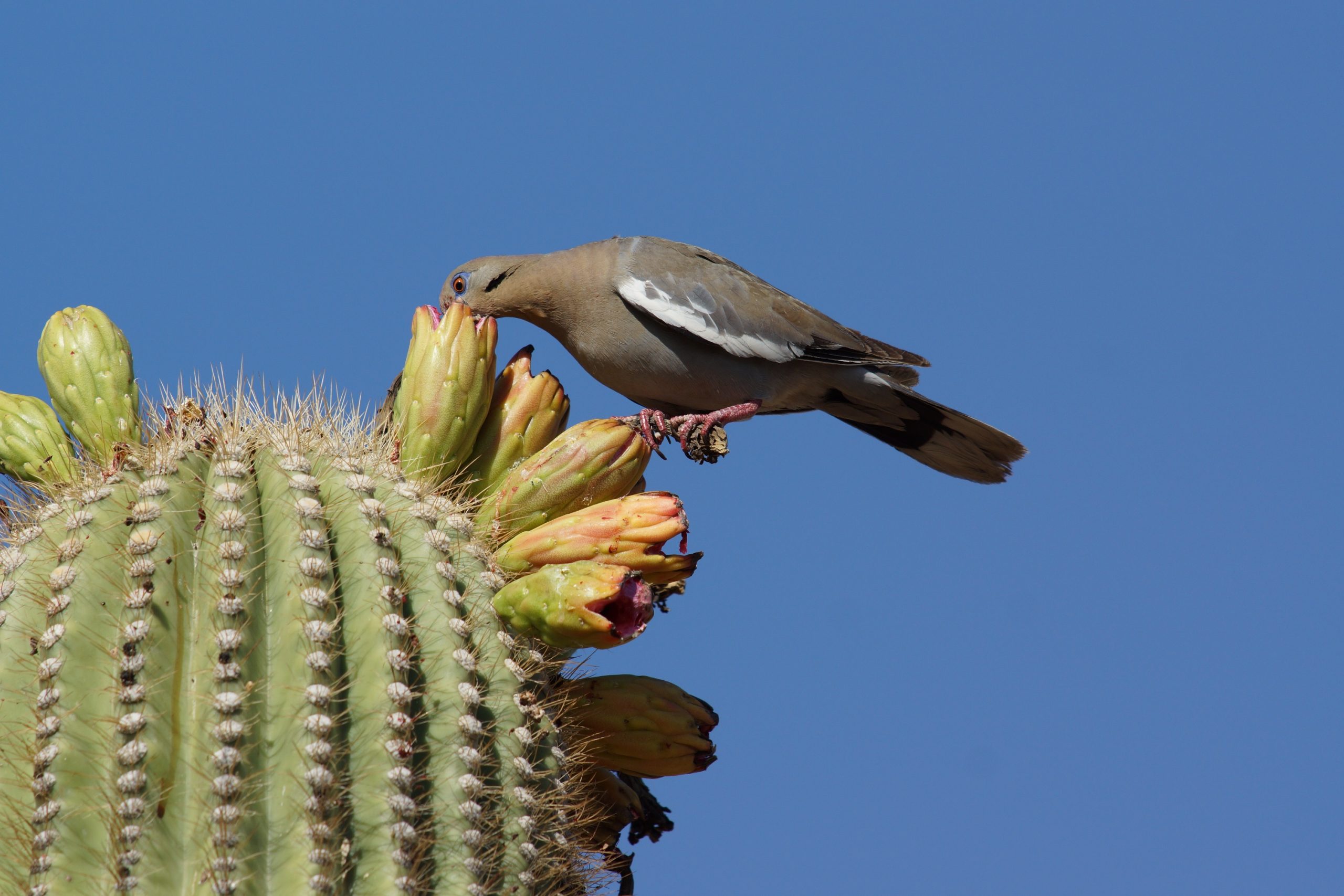
An earlier opener gives hunters additional access to the South Zone when fields, roosts and water sources can be active, but success will still depend on local conditions rather than the date alone. Hunters need a valid Texas hunting license, Migratory Game Bird Endorsement and HIP certification. Anyone born after September 1, 1971, must also meet Texas hunter-education requirements. The practical takeaway is simple: September 1 is a genuine regulatory change, not a promise of birds everywhere. Check county rules, shooting hours and bag limits, then confirm current TPWD regulations before heading afield.