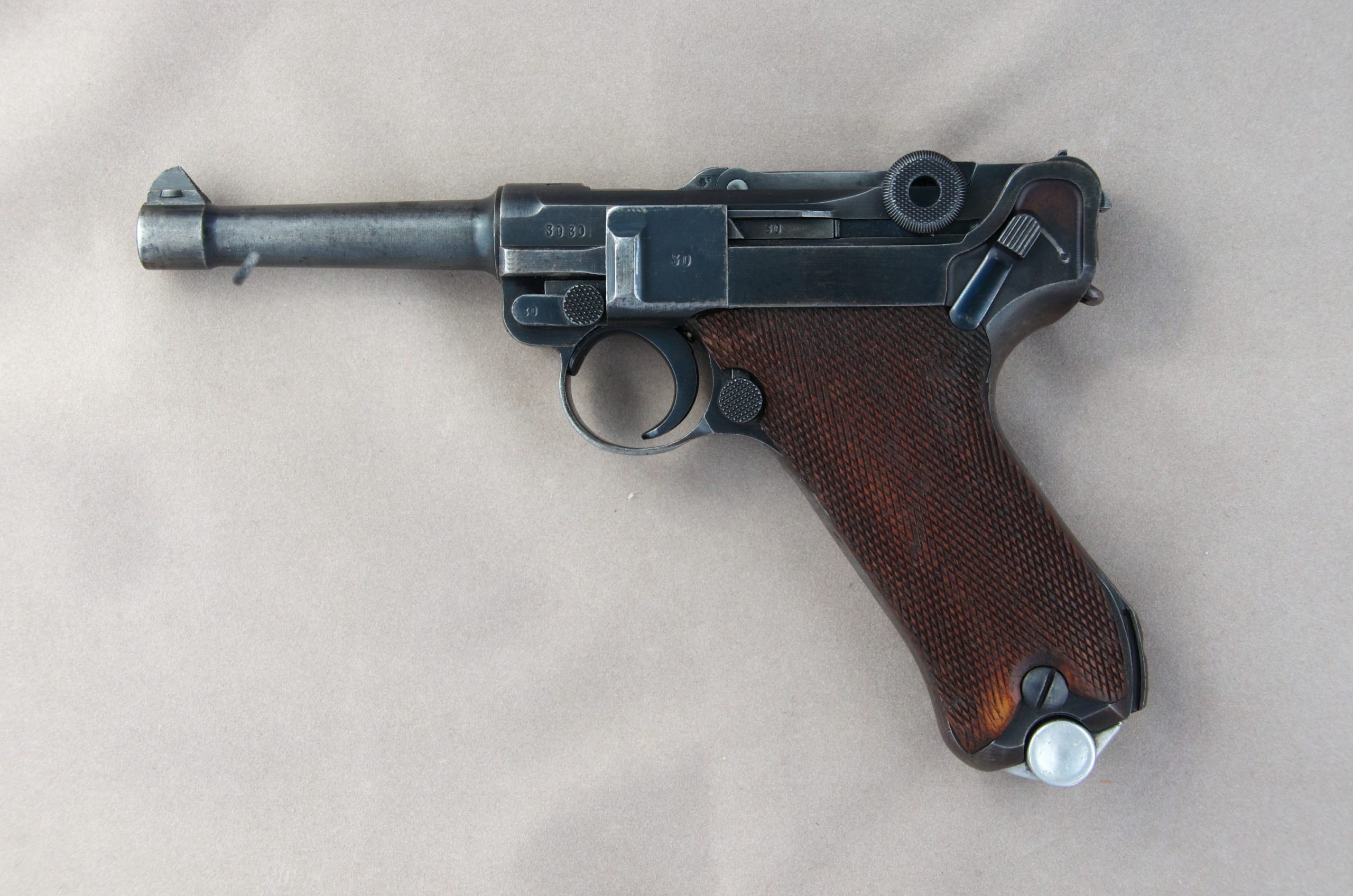
The 9mm Luger is more than a century old, yet it remains one of the most widely used handgun cartridges in the world. Designed by Georg Luger and introduced in 1902, the 9x19mm has survived major changes in firearms design, ammunition technology, military doctrine, and manufacturing. Its longevity is not simply about tradition. A combination of size, performance, capacity, availability, standardization, and adaptability has allowed this century-old cartridge to keep finding new uses.
1. A Design That Solved Several Problems at Once
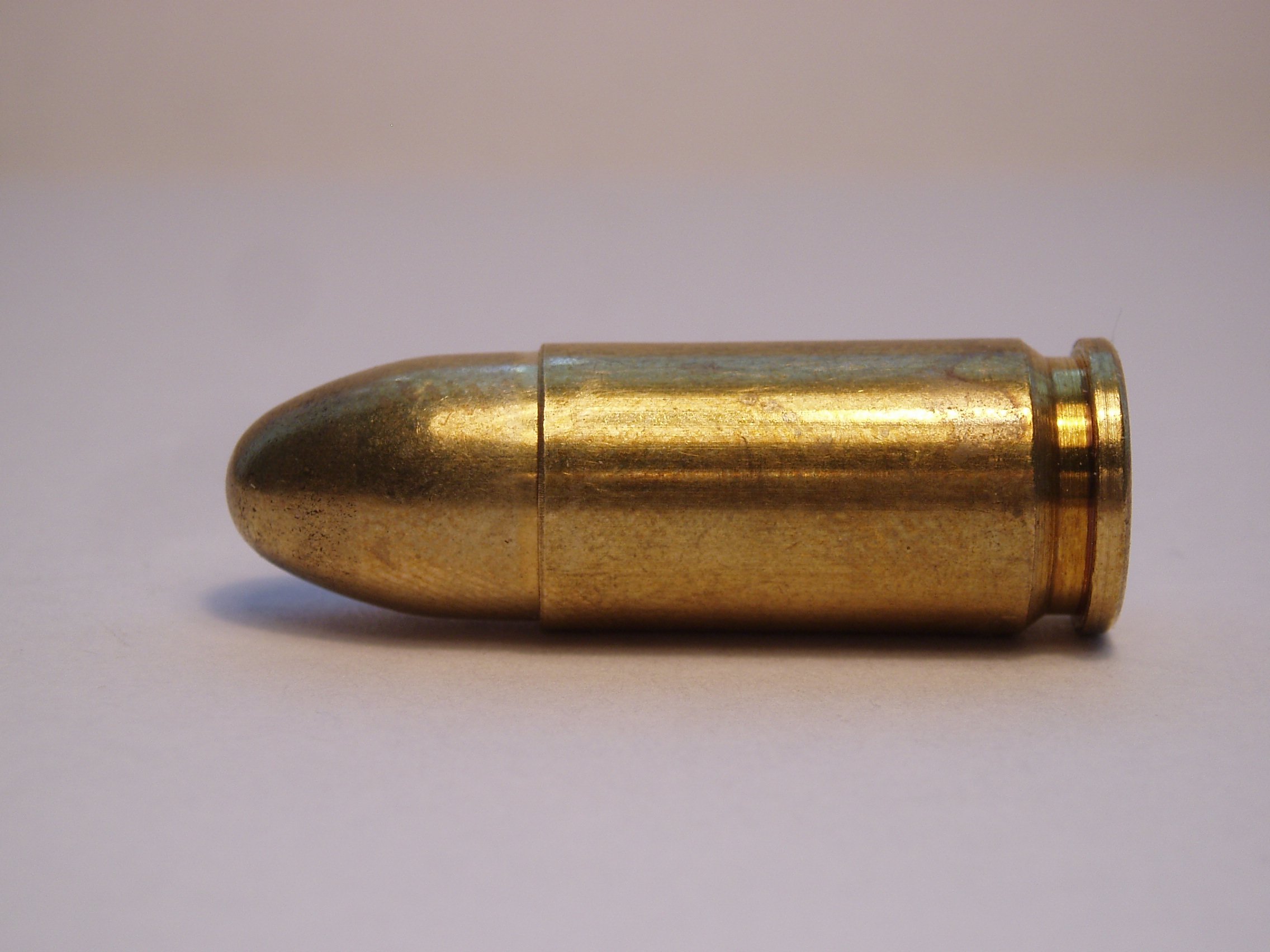
The 9mm Luger arrived in 1902, yet its basic dimensions still make sense for modern pistols. Its 9.01 mm bullet diameter, 19.15 mm case length, and rimless case fit a compact cartridge that can produce useful service performance without requiring a large grip or heavy slide. That balance matters. Designers can build pistols that remain relatively compact while offering practical capacity and manageable recoil. Few later cartridges have offered such a broadly useful combination, which helps explain why the original concept never became obsolete.
2. It Found a Sweet Spot in Recoil and Performance
A cartridge can be powerful on paper and still be awkward if recoil makes accurate shooting harder. The 9mm occupies a useful middle ground. SAAMI lists a 35,000 psi maximum average pressure for standard 9mm Luger, while common loads include bullets around 115, 124, and 147 grains. The exact result varies with barrel and ammunition, but the cartridge generally gives designers useful performance without the recoil burden of some larger service rounds. That helps explain its longevity.
3. Modern Ammunition Changed What the Old Cartridge Could Do
The cartridge itself is old, but ammunition technology has moved dramatically since 1902. Better powders, bullets, jackets, and manufacturing consistency have expanded the range of loads available for the 9mm. A modern 124-grain load, for example, can produce very different results from early twentieth-century ammunition despite using the same basic case dimensions. This means the 9mm did not need a new cartridge case to benefit from progress. Instead, ammunition makers could improve performance while keeping the enormous installed base of 9mm firearms and equipment.
4. Capacity Became a Major Advantage
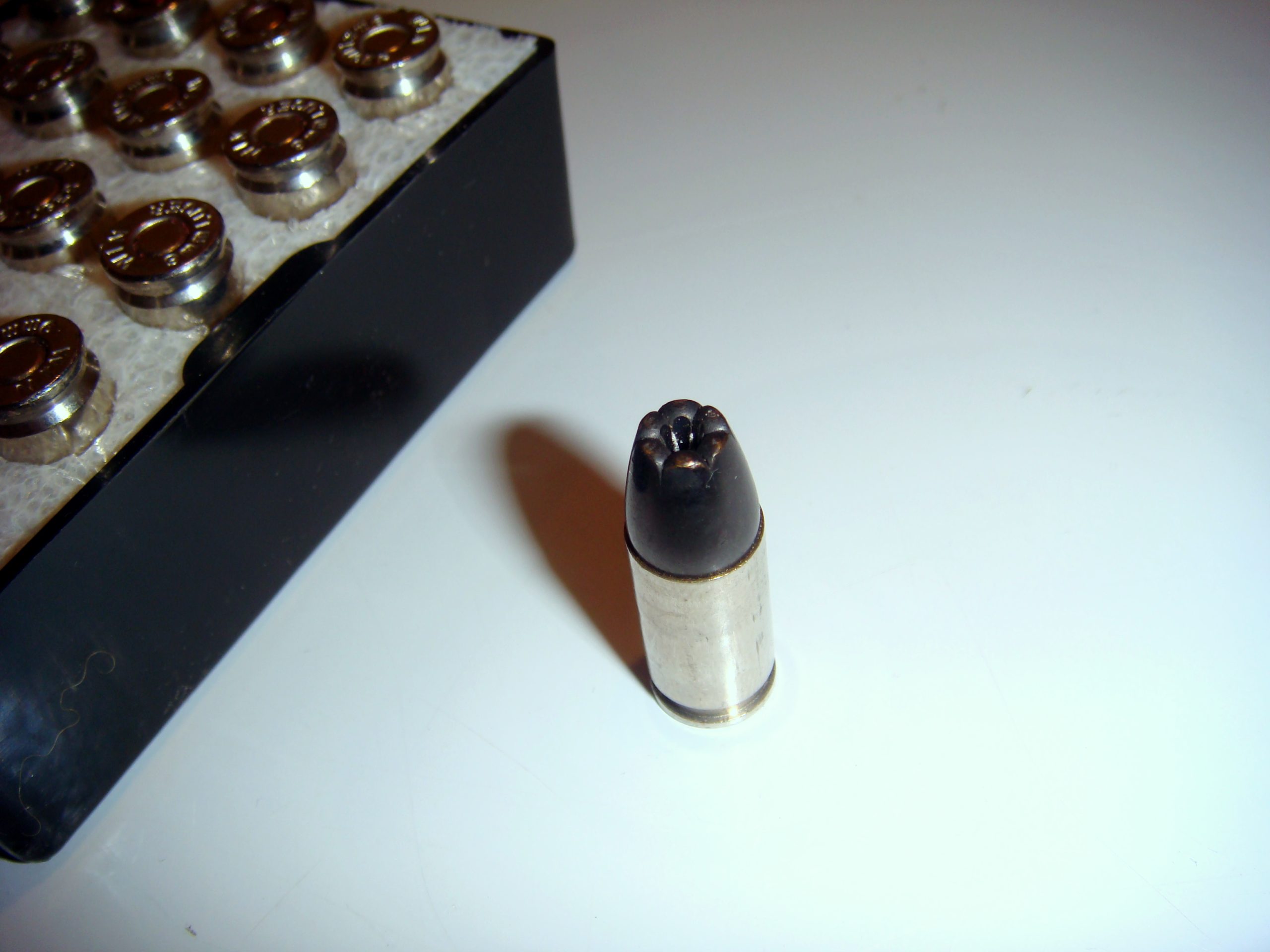
The 9mm’s compact dimensions allow designers to fit substantial ammunition capacity into service-size pistol magazines. Exact capacity depends on the firearm, magazine, grip length, and local configuration, but double-stack 9mm pistols can hold substantial round counts in a compact package. That packaging advantage became increasingly important as modern pistol design emphasized compact frames, interchangeable grips, and efficient magazine use. This created a useful engineering relationship: its relatively small footprint left more room for ammunition without demanding a large pistol.
5. NATO Adoption Gave It Global Momentum
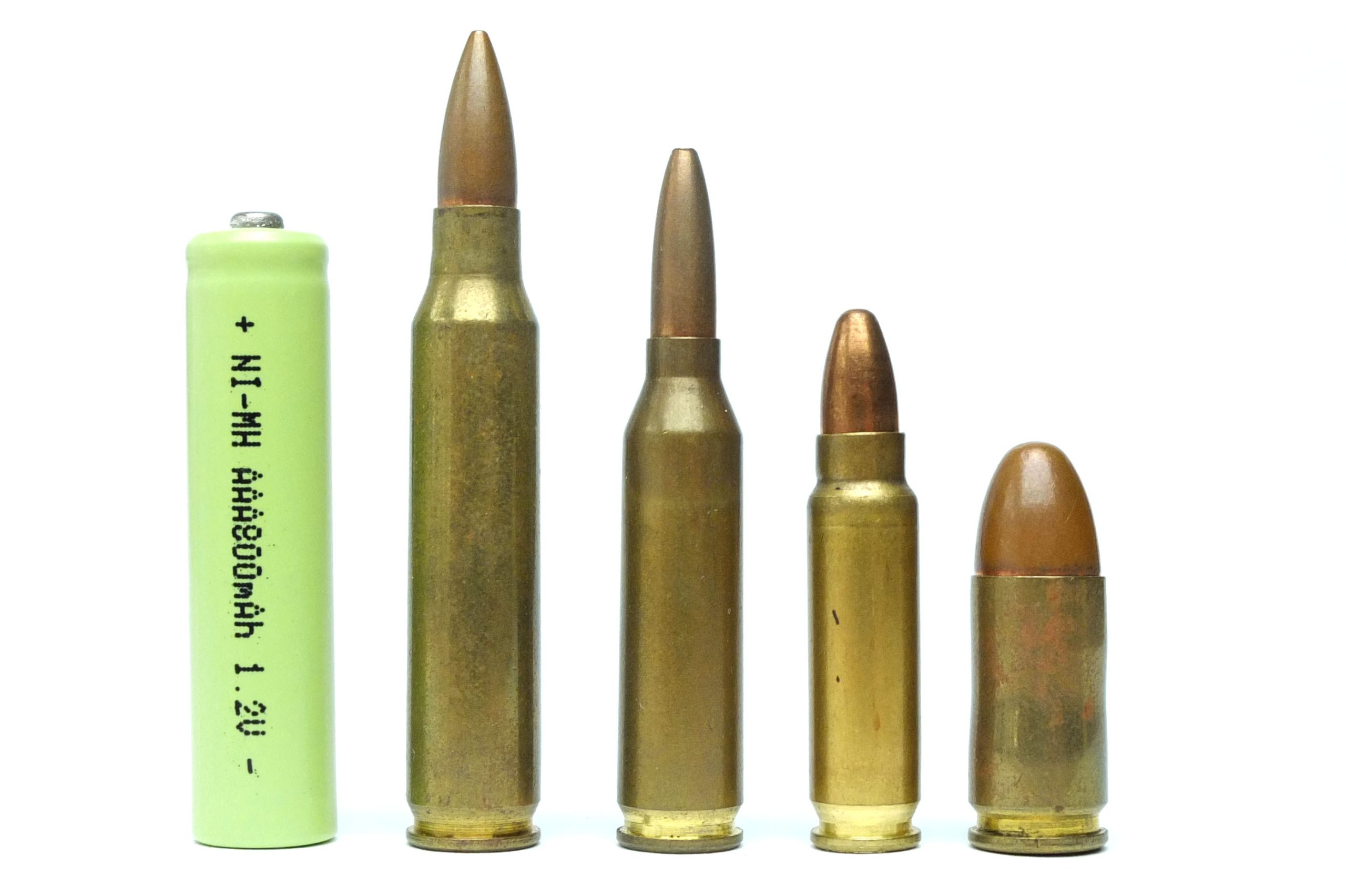
Military standardization helped turn the 9mm from a successful European cartridge into a worldwide logistical language. NATO standardized 9mm as its service pistol cartridge, and 9mm ammunition has been manufactured for military and law-enforcement users across many countries. Its dimensions are established, production is widespread, and specifications are documented. That scale creates inertia. Replacing it is not simply a matter of designing a new projectile. It can mean changing pistols, magazines, ammunition contracts, training systems, storage, and supply chains.
6. Manufacturers Can Build Almost Any Pistol Around It
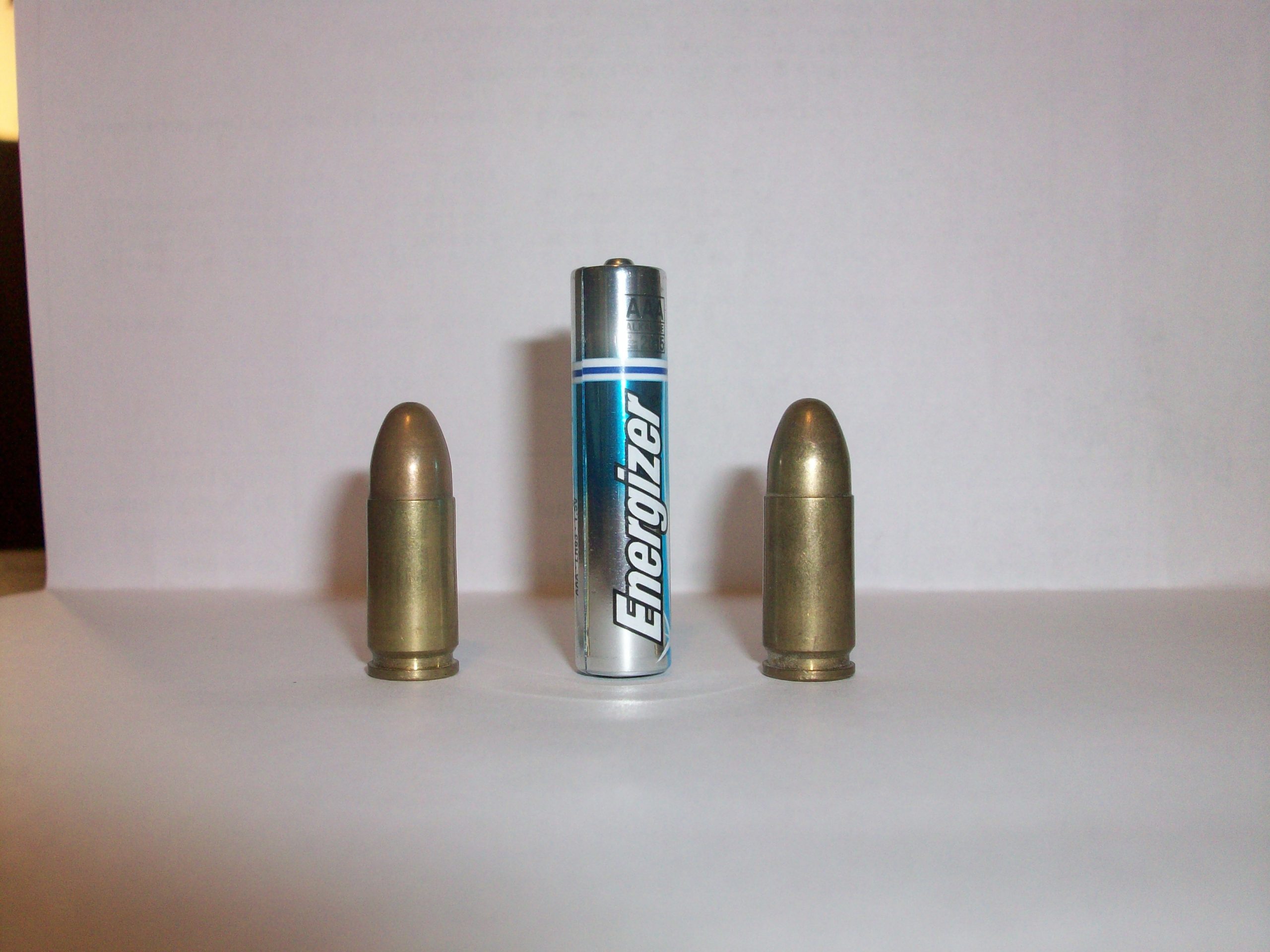
Another reason the 9mm survives is its flexibility as a platform cartridge. Manufacturers use it in compact carry pistols, full-size service handguns, competition-oriented models, and some pistol-caliber carbines. The same 9×19 mm chambering can therefore support very different firearm sizes and roles. Its overall length is about 29.69 mm, helping designers balance grip, slide mass, magazine geometry, and barrel length. Its versatility makes replacement difficult because new pistol generations can improve without abandoning the ammunition ecosystem.
7. The Supply Chain Is Hard to Beat
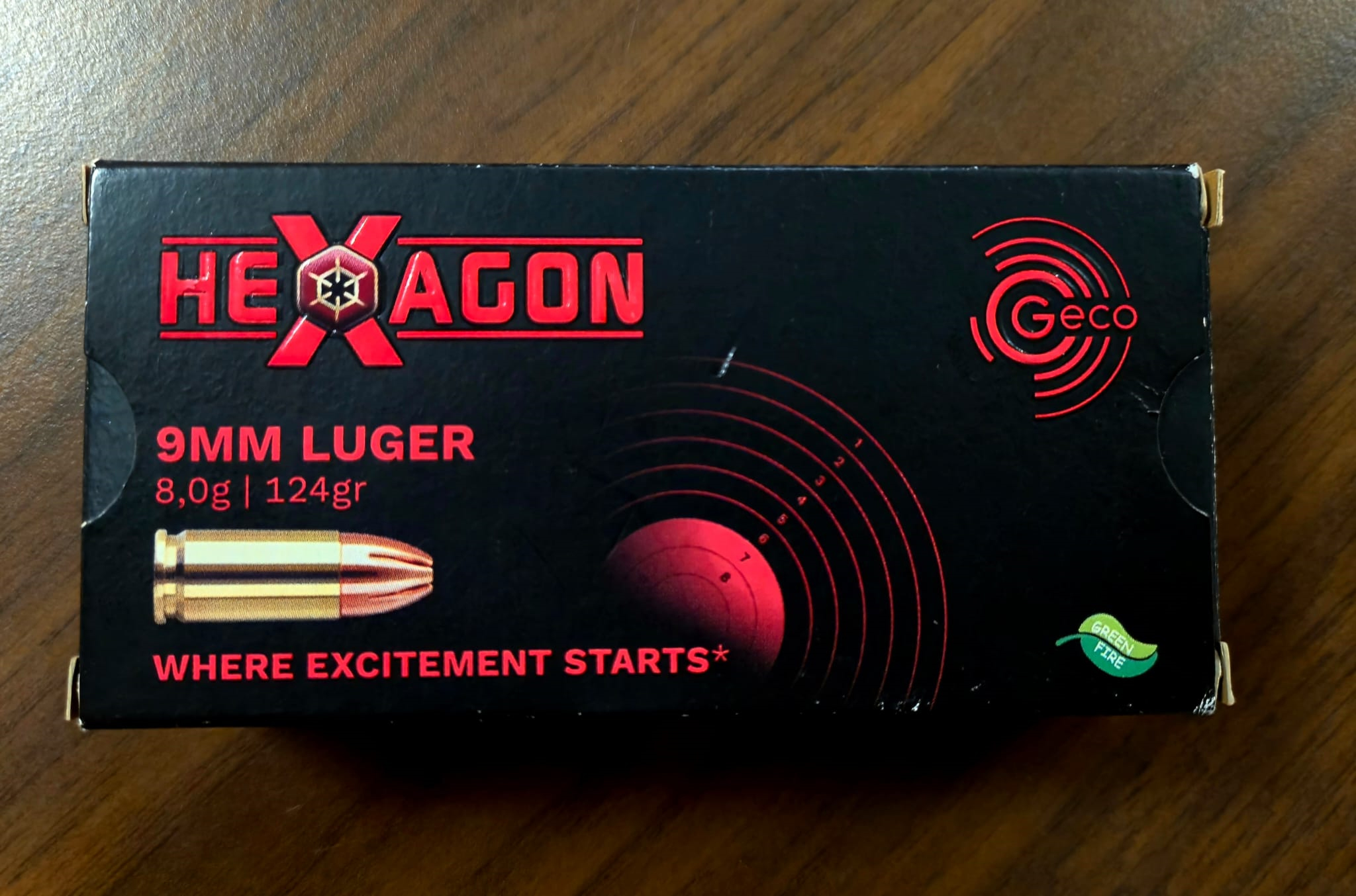
Long production history becomes an advantage when a cartridge has been made for more than 100 years. The 9mm has a vast manufacturing and distribution network, with ammunition made in many countries and offered in numerous bullet weights and constructions. This benefits agencies, retailers, ranges, and owners. A newer cartridge must also deliver reliable availability, pricing, compatible magazines, and factory support. The 9mm already has those systems in place, making replacement a much bigger project than introducing a new cartridge on paper. That accumulated scale is itself an advantage.
8. Training Benefits Reinforce Its Popularity
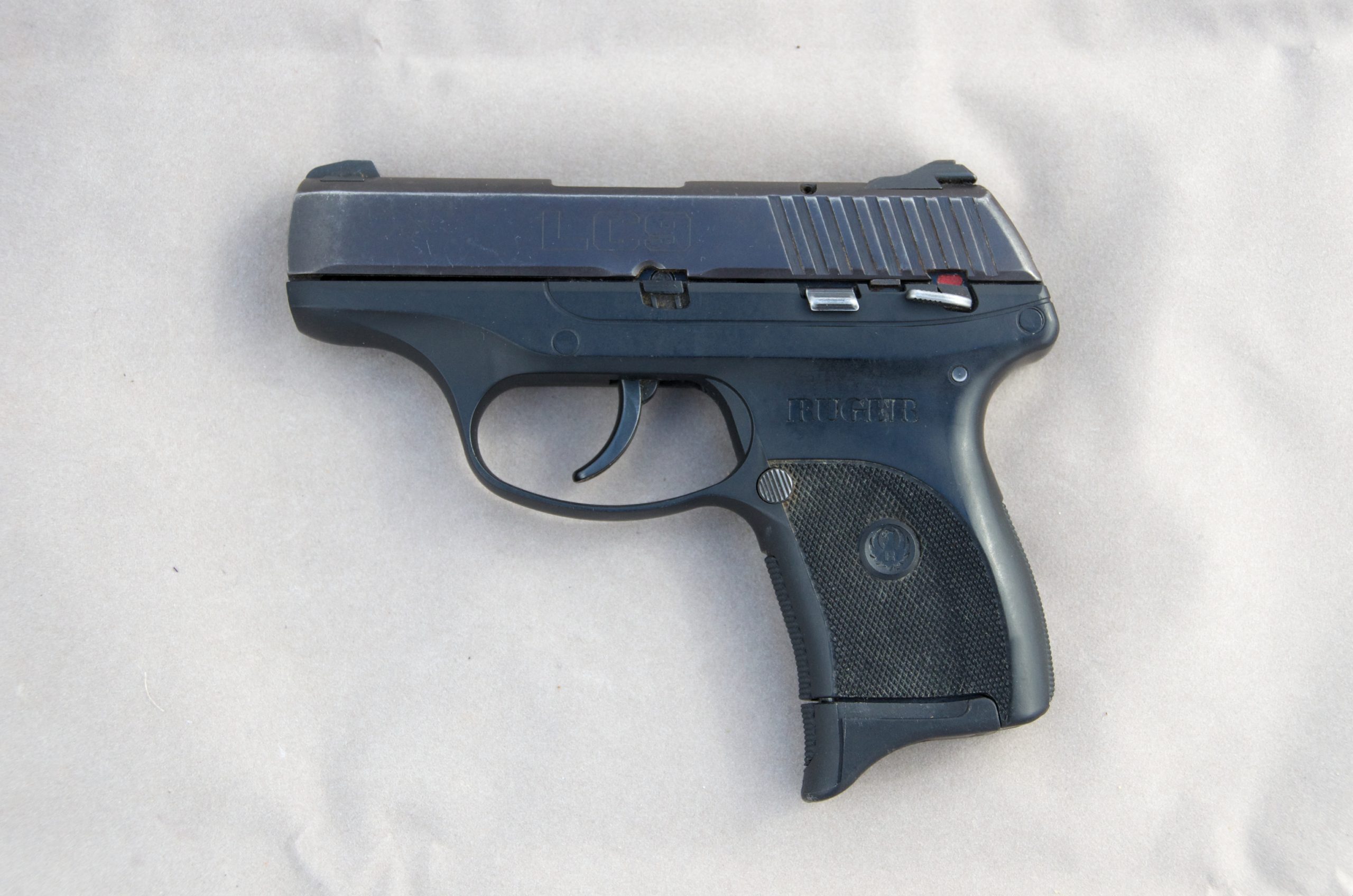
A service cartridge becomes more valuable when large numbers of people can train with it comfortably and consistently. The 9mm’s moderate recoil helps, although results still vary with pistol size, ammunition, grip, and technique. Its widespread availability also supports a large training ecosystem, from basic instruction to competitive shooting. Once agencies and manufacturers invest in 9mm pistols, instructors, magazines, holsters, and ammunition contracts, those investments reinforce continued use. Familiarity encourages adoption, while adoption keeps training infrastructure strong across 3 major areas: equipment, ammunition, and instruction.
9. Replacing It Requires More Than a Better Cartridge
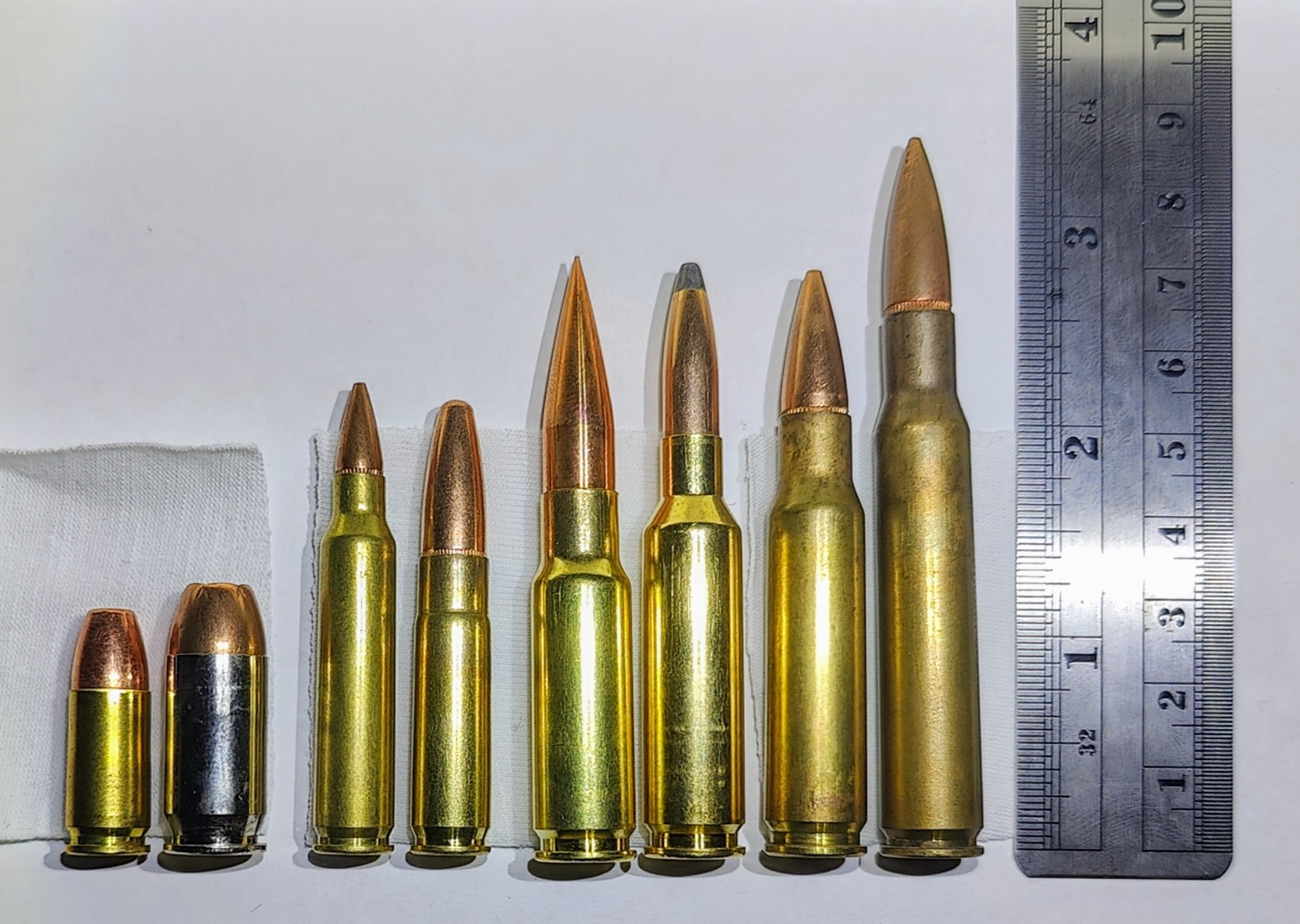
The biggest reason the 9mm remains is that a replacement must beat it across several categories at the same time. A new cartridge could improve one measure, yet still lose the overall argument if it needs larger magazines, different pistols, new tooling, specialized ammunition, or costly retraining. The 9mm’s 1902 origin therefore tells only half the story. Its survival comes from proven dimensions, established manufacturing, modern ammunition development, global standardization, and decades of user familiarity. That combination is far harder to replace than an individual cartridge design.