Most firearms are designed with a clear purpose in mind: reliability, accuracy, affordability, or battlefield utility. But history has a habit of rewriting those intentions, turning certain guns into symbols of rebellion, infamy, cinema, or political debate. These ten firearms became famous not just for how they worked, but for what the world projected onto them afterward.
AK-47
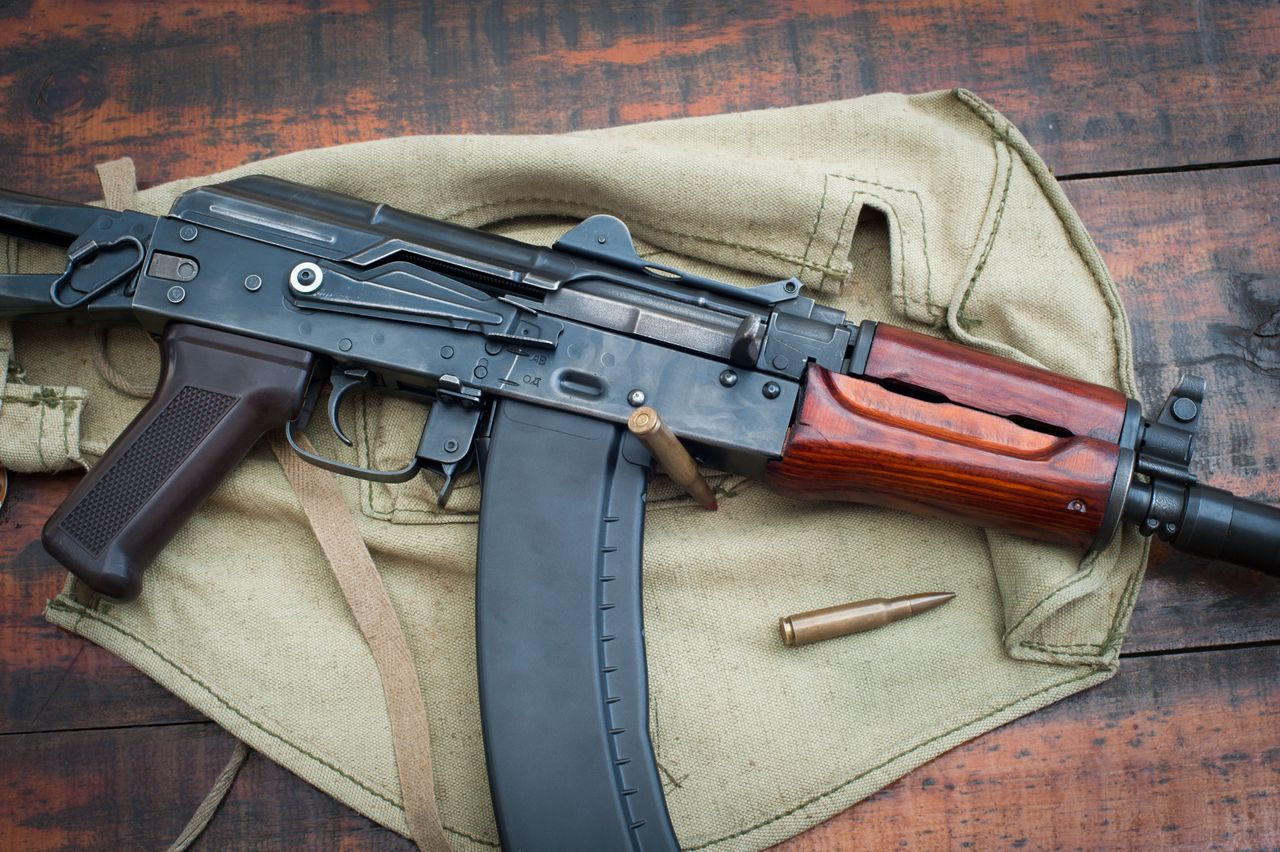
Mikhail Kalashnikov designed the AK-47 as a rugged infantry rifle for Soviet soldiers, built to endure mud, cold, and rough handling. Its intended fame was practical and military: a dependable weapon for mass armies, not a global cultural icon.
Instead, the rifle became one of the most recognizable symbols of revolution, insurgency, and irregular warfare on earth. It appeared on flags, in propaganda posters, and across conflict zones far from the Soviet Union.
Its reputation now extends well beyond engineering. For many people, the AK-47 means conflict itself, a status its designer likely never imagined when the goal was simply battlefield reliability.
Colt Single Action Army
When Colt introduced the Single Action Army in 1873, it was meant to be a hard-use sidearm for soldiers and civilians on the American frontier. It was practical, sturdy, and well suited to a period when reliability mattered more than legend.
Its lasting fame, though, came less from holsters on the frontier than from movie screens and television. Hollywood transformed it into the six-shooter of the American West, even in stories set years before or after its real prominence.
That cinematic afterlife turned a service revolver into myth. Today, many know it less as a working handgun and more as the visual shorthand for the cowboy era.
Thompson Submachine Gun
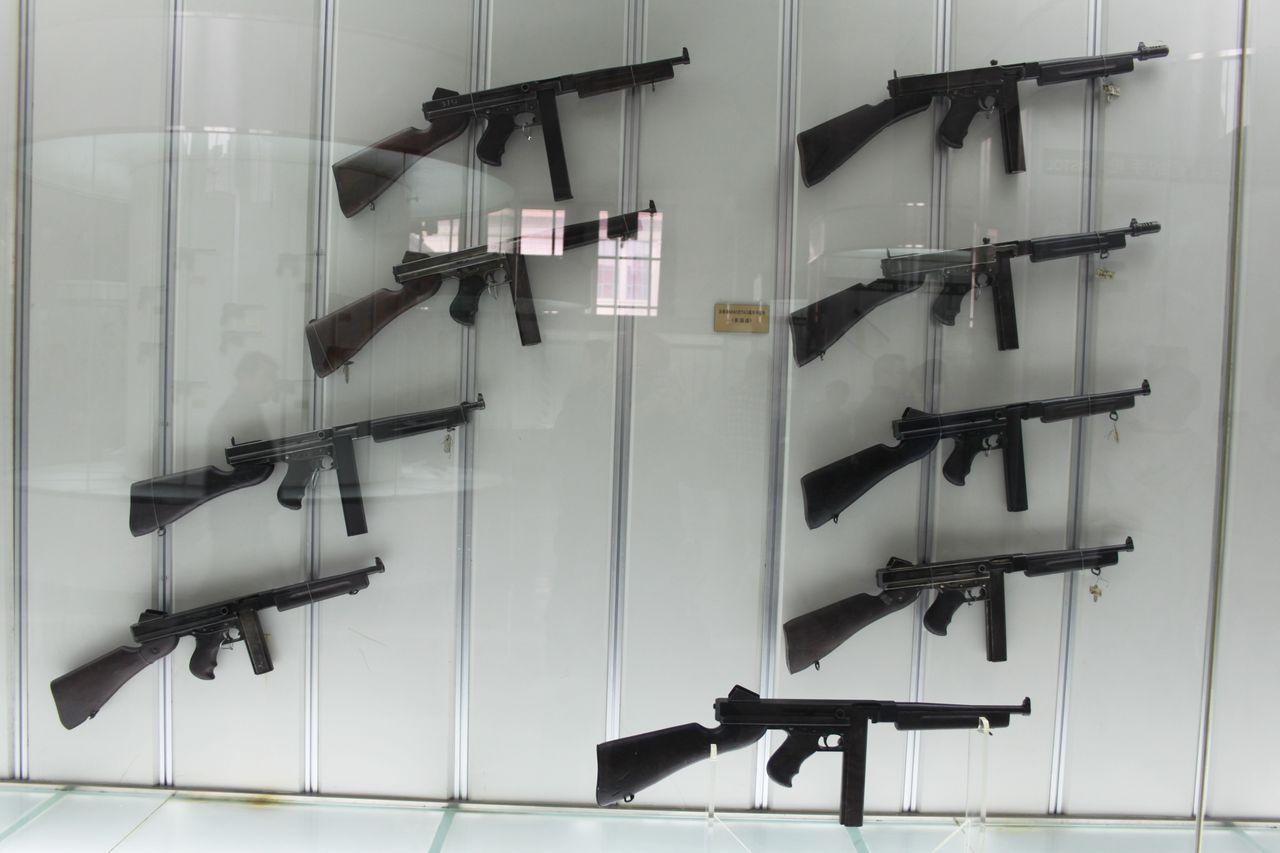
The Thompson was originally pitched after World War I with military and defensive use in mind. John T. Thompson envisioned a compact automatic firearm that could serve soldiers in close combat, not a prop for criminal legend.
Yet the gun’s image was quickly hijacked by Prohibition-era gangsters, bank robbers, and sensational newspaper coverage. The drum magazine and distinctive silhouette made it catnip for photographers and headline writers.
It later found legitimate military service in World War II, but its public image had already been set. The so-called Tommy Gun became famous as much for organized crime mythology as for any battlefield role.
Luger P08
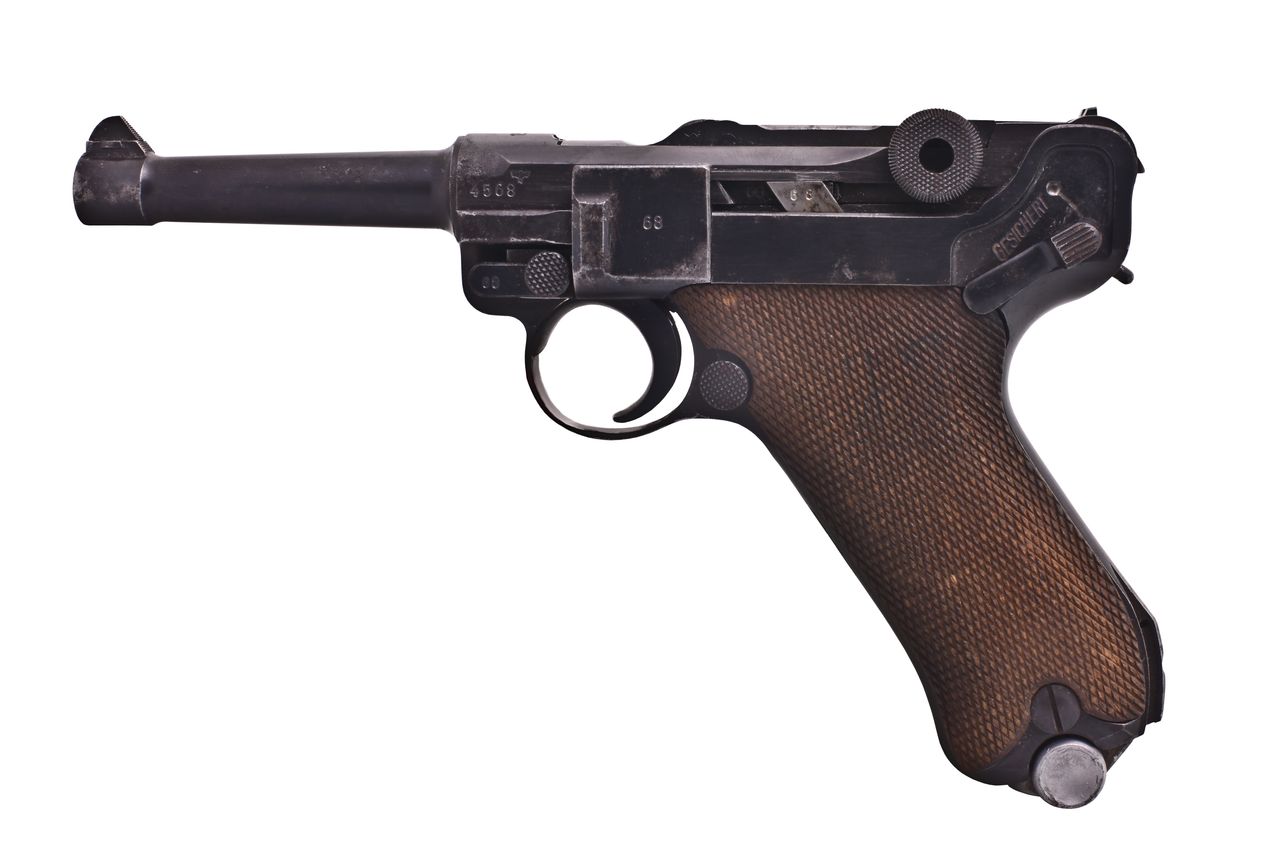
The Luger P08 was designed to be an advanced semi-automatic service pistol, admired for its precision machining and unusual toggle-lock action. It represented modernity and mechanical sophistication at a time when military sidearms were evolving rapidly.
Its broader fame, however, became tied to Germany’s image in two world wars. Allied soldiers brought captured Lugers home as prized souvenirs, and the pistol took on a near-mystical aura in wartime memory.
That association made it famous far beyond its technical merits. Ask many people about the Luger, and what comes to mind is not engineering elegance but the shadow of twentieth-century conflict.
Winchester Model 1873
The Winchester Model 1873 was created as a lever-action rifle for hunters, settlers, and anyone needing a reliable repeating arm in the late nineteenth century. It earned respect as useful hardware, not as a national myth-making machine.
Then popular culture took over. Advertisements, dime novels, and later Western films elevated it into the so-called gun that won the West, a phrase far bigger than the rifle’s actual historical footprint.
Its celebrity now rests as much on storytelling as on steel and walnut. The Model 1873 became famous because Americans wanted an emblem for frontier expansion, and this rifle fit the role perfectly.
M16

The M16 entered service as a lightweight, modern rifle that promised speed, accuracy, and controllable fire. Its designers were aiming for a technological leap, a cleaner and more advanced replacement for heavier battle rifles.
Instead, its earliest notoriety came from controversy. Reports from Vietnam about jamming, maintenance issues, and unrealistic assumptions about the rifle’s care deeply shaped its public image.
Even though later versions became highly effective and widely respected, the M16’s reputation was forged in that troubled debut. It became famous not just as a service rifle, but as a case study in procurement, doctrine, and unintended consequences.
Walther PPK
The Walther PPK was designed as a compact, concealable pistol for police work and discreet carry. It was efficient, elegant, and meant for real-world practicality rather than larger-than-life celebrity.
Then fiction stepped in. The pistol became inseparable from James Bond, whose tailored image and cinematic cool gave the little handgun a glamour no police procurement office could have anticipated.
That pop culture connection transformed the PPK into a style object as much as a firearm. For many viewers, its fame has less to do with ballistics than with tuxedos, spy thrillers, and the power of screen presence.
Barrett M82
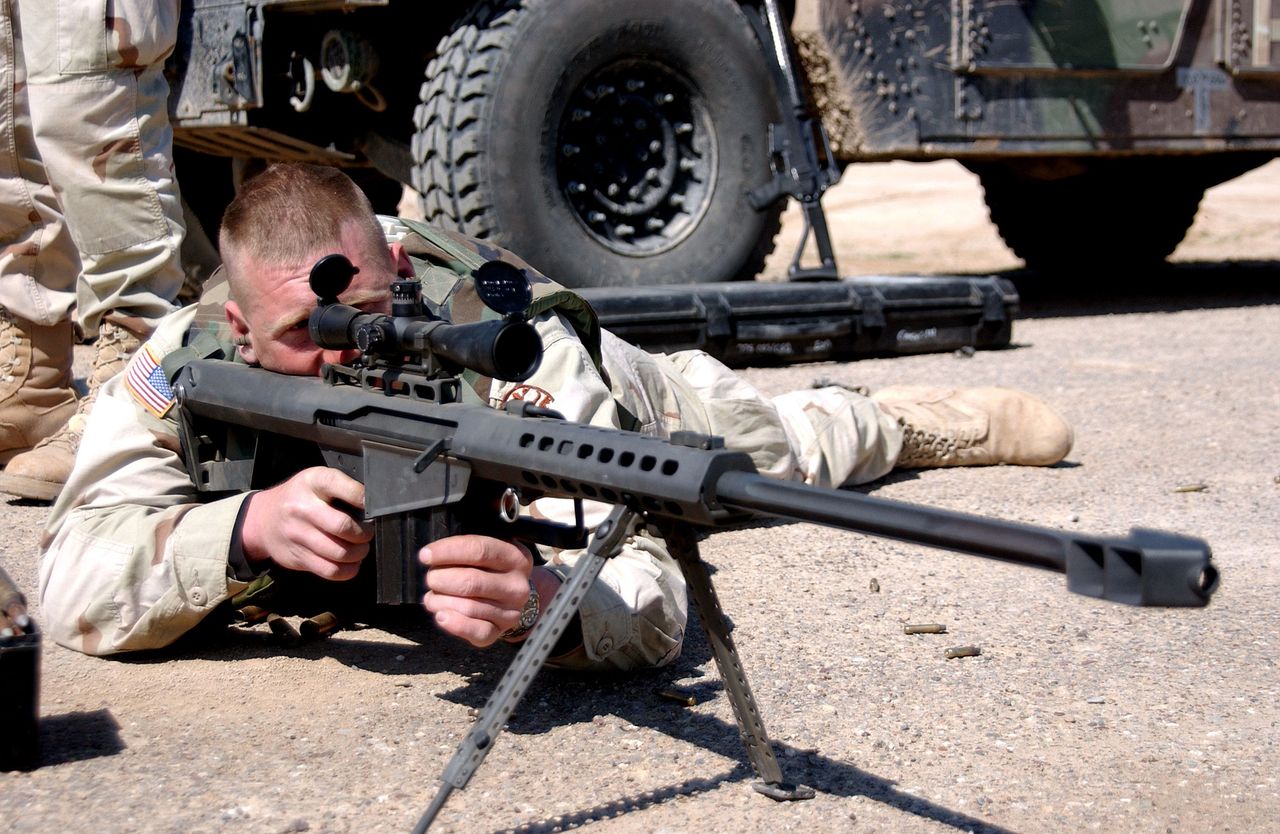
The Barrett M82 was developed as a long-range anti-materiel rifle, intended to disable equipment, penetrate barriers, and give military users a specialized tool against hard targets. Its purpose was technical and niche from the start.
Public fascination took it somewhere else. Its sheer size, dramatic recoil, and outsized presence in news coverage and video games made it famous as a symbol of extreme firepower.
That larger-than-life image often obscures its original role. The M82 became widely known not because most people understood anti-materiel doctrine, but because the rifle looked and sounded like the superlative version of a gun.
Glock 17
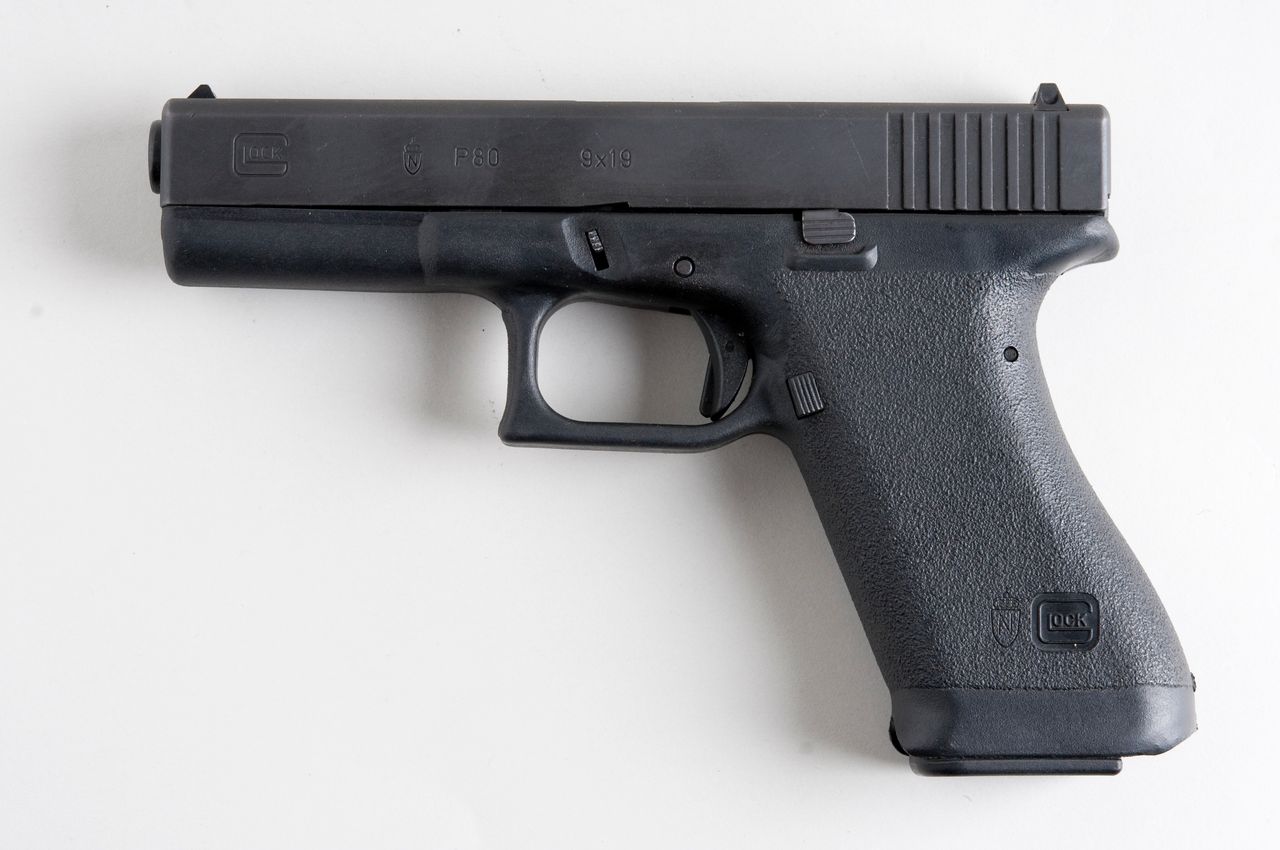
The Glock 17 was designed to be a practical service pistol: high capacity, durable, lightweight, and simple to maintain. It was a workhorse concept, focused on police and military efficiency rather than image or drama.
Its fame, though, exploded through a mix of media panic, courtroom discussion, and Hollywood exposure. Early myths about plastic guns slipping past metal detectors gave it a sensational aura that had little to do with reality.
At the same time, law enforcement adoption made it a modern standard bearer. The Glock became famous both as a serious duty pistol and as a lightning rod for public misunderstanding, a combination its designers surely did not script.
AR-15
The AR-15 began as Eugene Stoner’s lightweight, modular rifle platform, valued for low recoil, ease of customization, and modern materials. In design terms, it was an adaptable system meant to balance ergonomics, accuracy, and efficient production.
Over time, however, the rifle became a political and cultural flashpoint far beyond its technical identity. It is now central to debates about legislation, rights, public safety, and the language people use around firearms themselves.
That means its fame is no longer just about design success or commercial popularity. The AR-15 became famous because it sits at the center of American argument, a place no drafting table can fully predict.