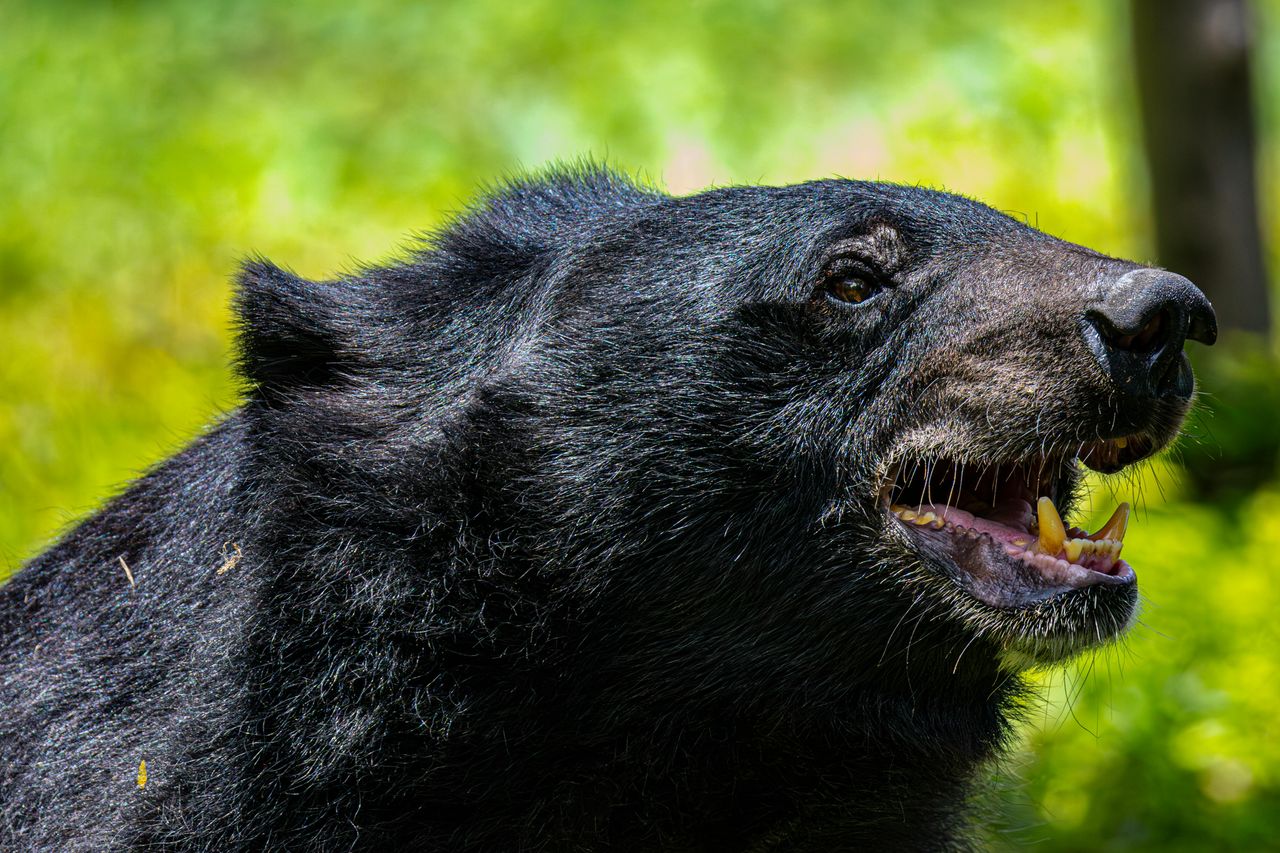
Black bears have always been adaptable, but in many parts of the country, they seem increasingly comfortable living near people. From overflowing trash cans to backyard bird feeders, easy calories are drawing bears into places they once avoided. This gallery highlights 15 states where sightings, conflicts, and close encounters suggest black bears are getting noticeably bolder.
North Carolina
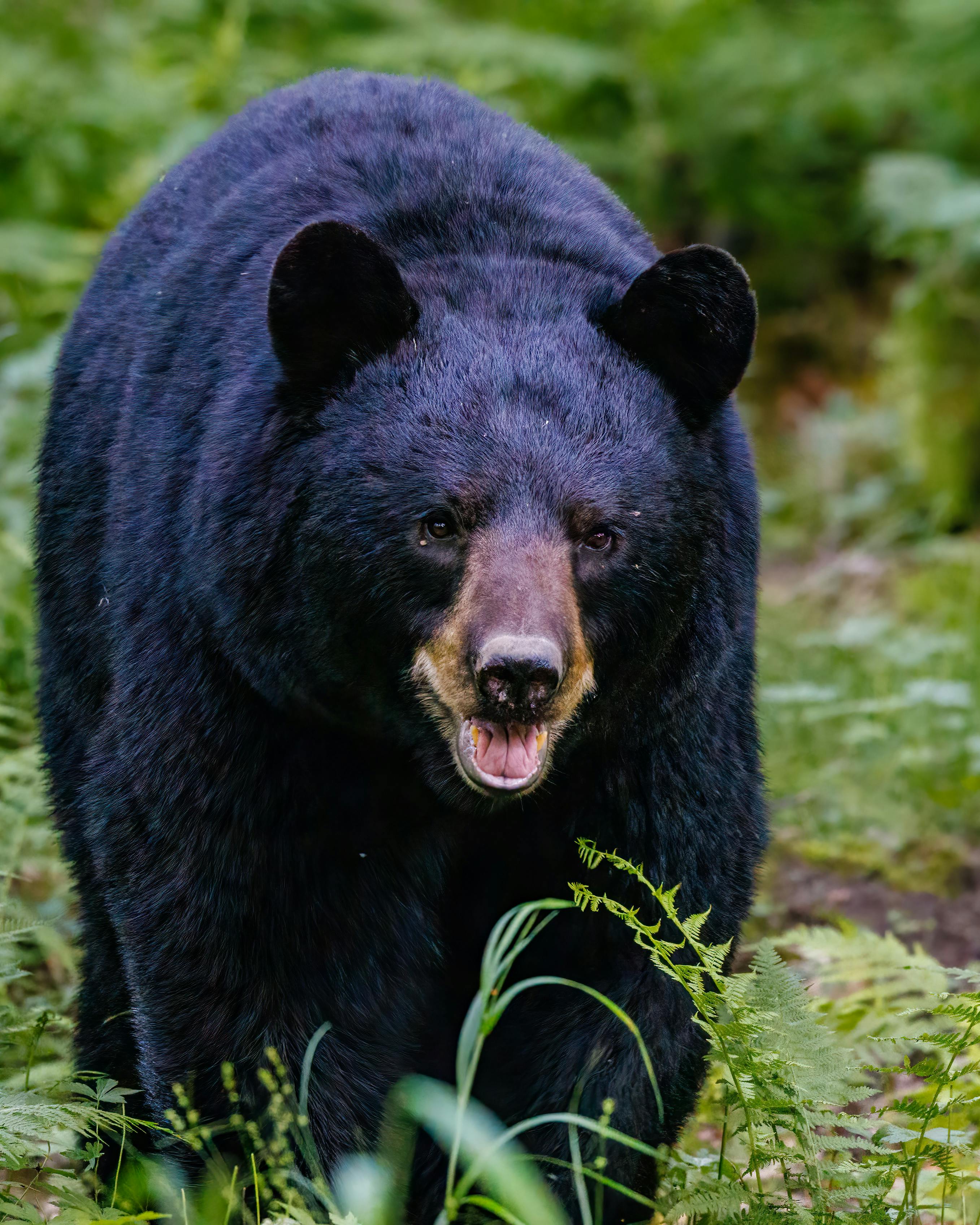
In North Carolina, black bears are no longer just a mountain sight. They’re appearing in coastal communities, foothill towns, and suburban neighborhoods where food sources are easy and human activity is constant.
Wildlife officials regularly remind residents to secure garbage, remove bird seed, and keep pet food indoors. When bears keep finding quick meals around homes, they lose some of their natural caution and start treating backyards like part of their normal range.
That shift is what makes encounters feel more frequent and more personal. It’s not always aggression driving the concern. Often, it’s simple confidence.
Tennessee
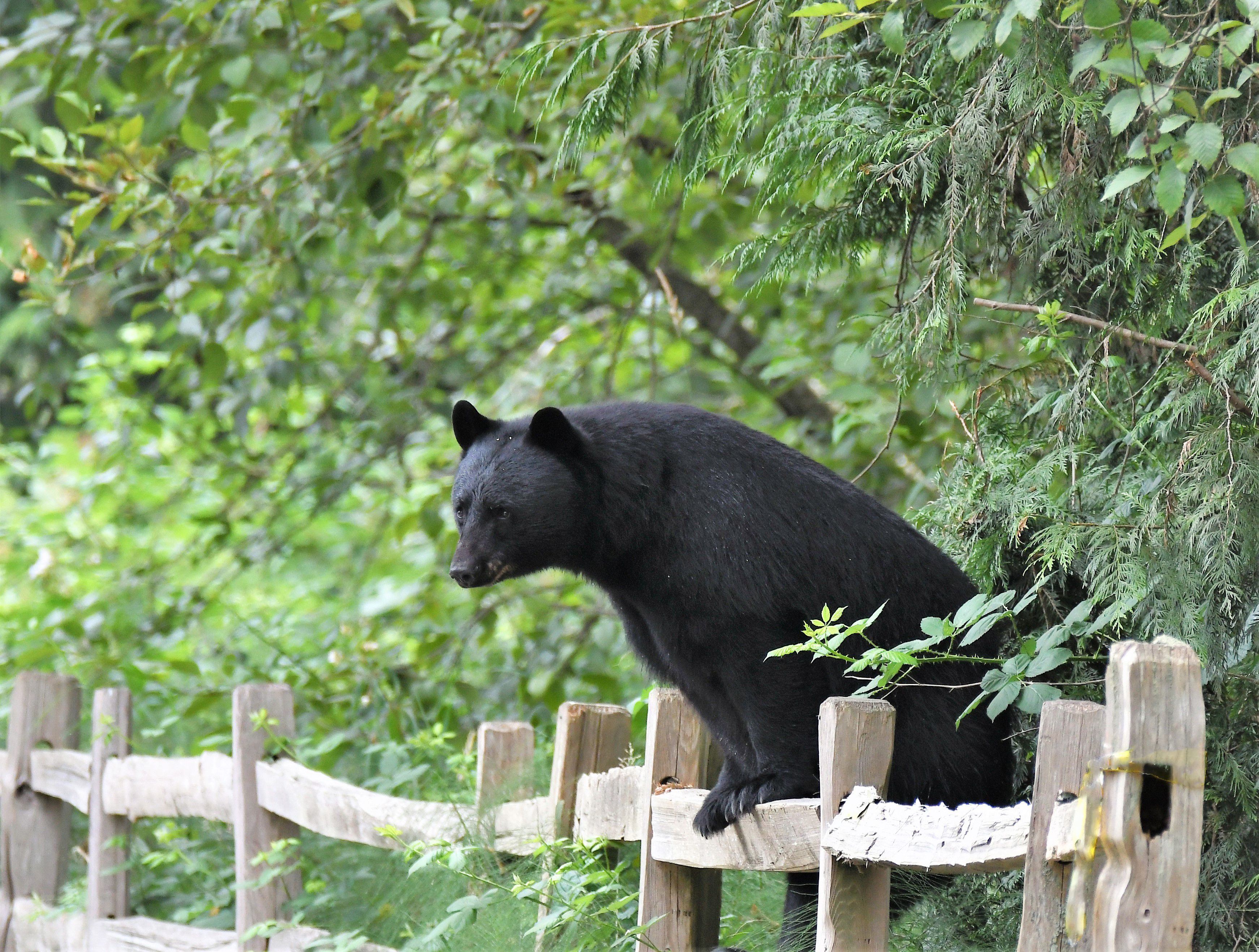
Tennessee has seen black bears become especially visible in and around mountain towns tied to tourism. In places near the Smokies, residents and visitors alike have grown used to hearing about bears wandering through parking lots, porches, and cabin rentals.
That familiarity can be deceptive. A bear that calmly strolls through a busy area may look relaxed, but it’s often reacting to food rewards it has learned to expect. Open coolers, unsecured dumpsters, and handouts all reinforce the behavior.
The result is a bear population that seems increasingly unfazed by crowds. That’s a dangerous comfort level for both animals and people.
Colorado
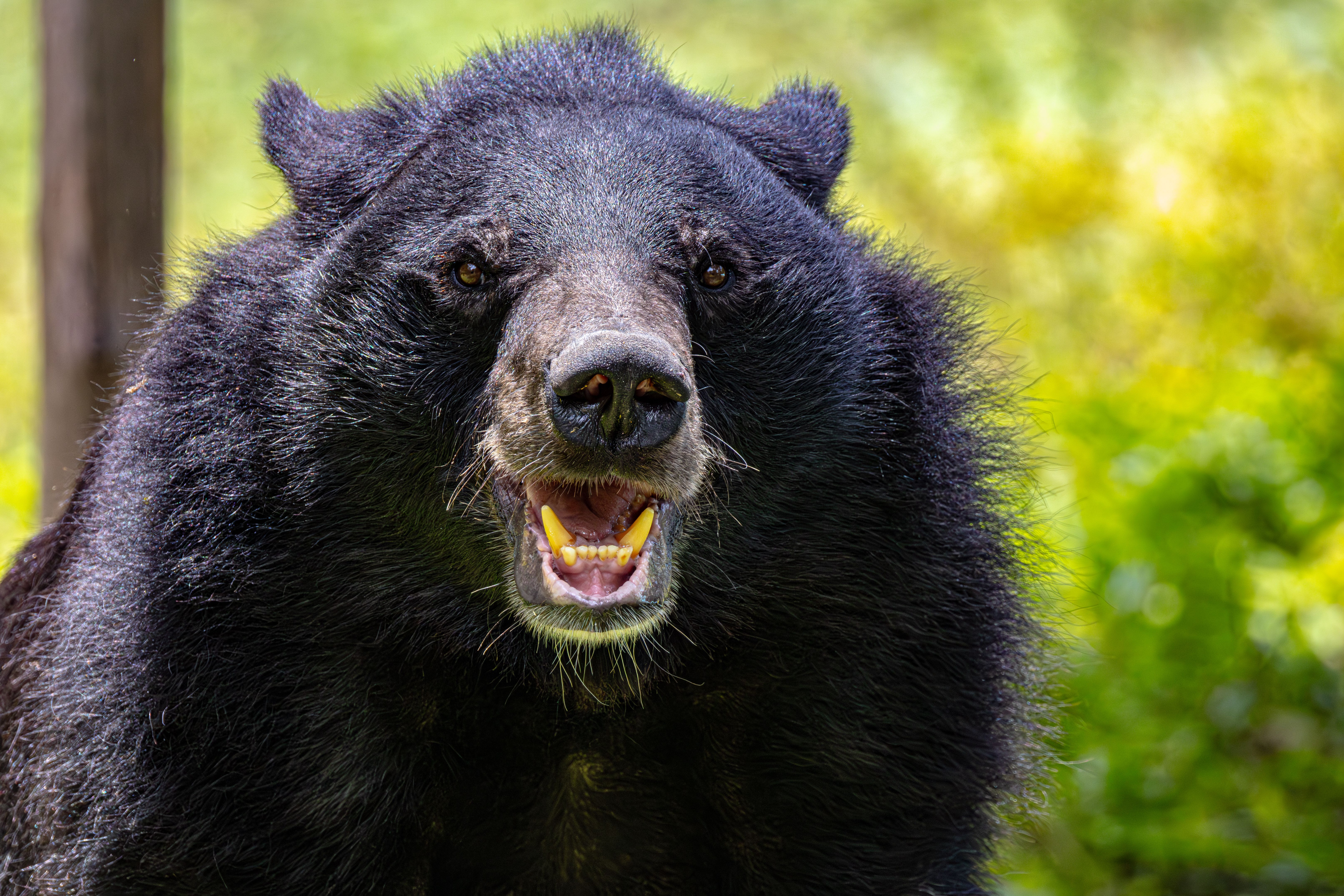
In Colorado, black bears regularly move between wild habitat and developed areas, especially in foothill communities and mountain suburbs. As housing pushes deeper into bear country, it becomes harder to separate natural travel routes from human spaces.
State wildlife managers often point to trash as the biggest issue. One unsecured can or dumpster may not seem like much, but bears have excellent memories and quickly learn where the best food stops are.
That’s why boldness in Colorado often looks routine rather than dramatic. A bear on a deck, in a garage, or crossing a cul-de-sac has become a familiar enough scene to raise long-term concern.
California

California’s black bears have become a recurring presence in communities bordering forests, especially in the Sierra Nevada and southern mountain regions. In some neighborhoods, bears have learned how to push into garages, nose open car doors, and revisit homes where food was once accessible.
The state’s mix of drought, wildfire impacts, and development can also push wildlife into new areas. When natural forage becomes less reliable, human spaces start looking even more attractive.
What stands out in California is how inventive some bears appear to be. Their boldness doesn’t just mean showing up. It often means testing doors, returning often, and acting increasingly comfortable around homes.
New Jersey
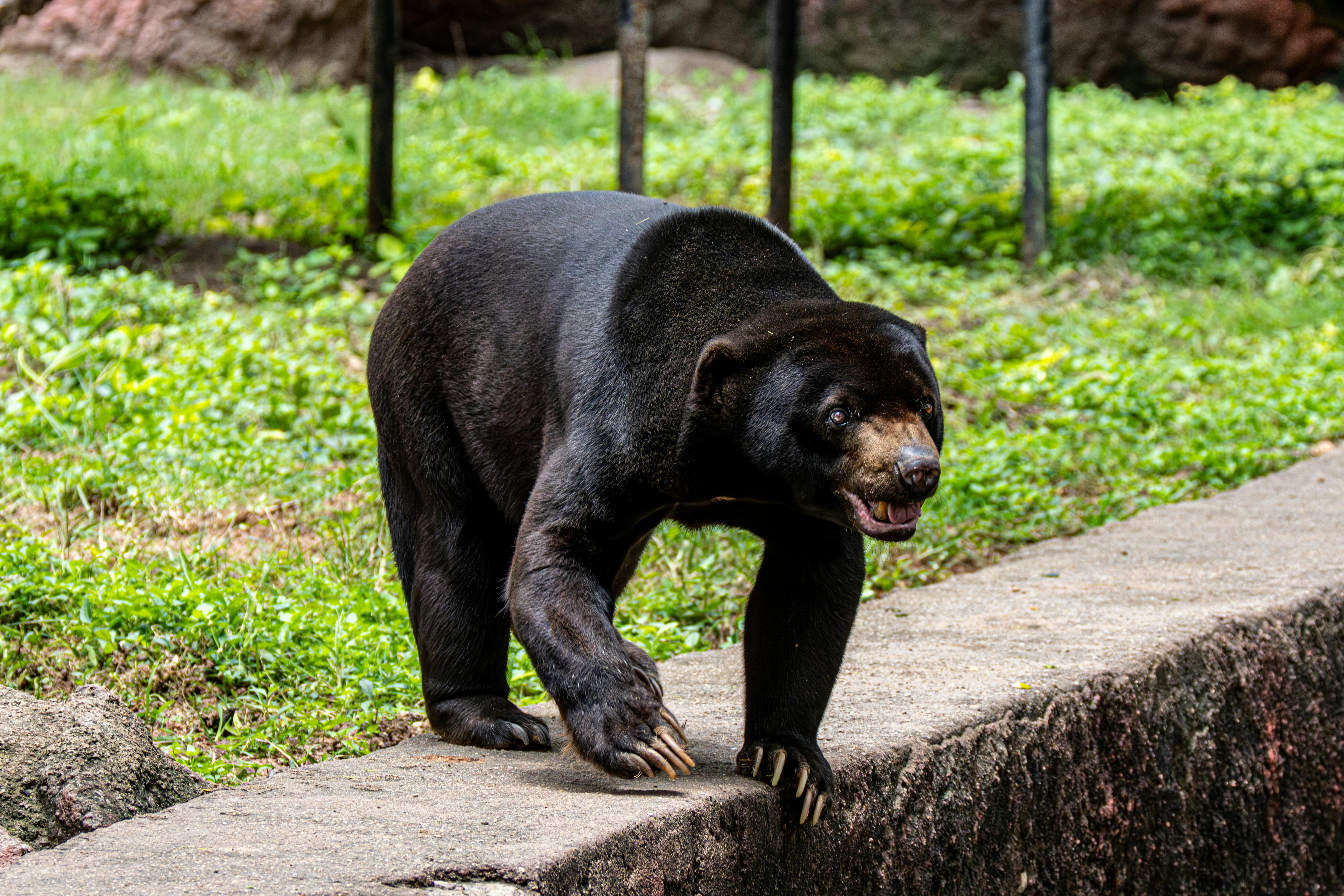
New Jersey may surprise people, but it has long dealt with black bear activity in wooded suburban corridors and exurban towns. In the northern part of the state especially, bears can move between forest cover and neighborhoods with remarkable ease.
That overlap creates a very modern kind of wildlife encounter. A bear may pass by school bus stops, fenced yards, or quiet cul-de-sacs on its way to a garbage can or bird feeder.
Because the setting feels so densely populated, every sighting carries extra attention. A bear that appears calm in a backyard in New Jersey often seems bolder simply because it is operating so close to everyday suburban life.
Florida
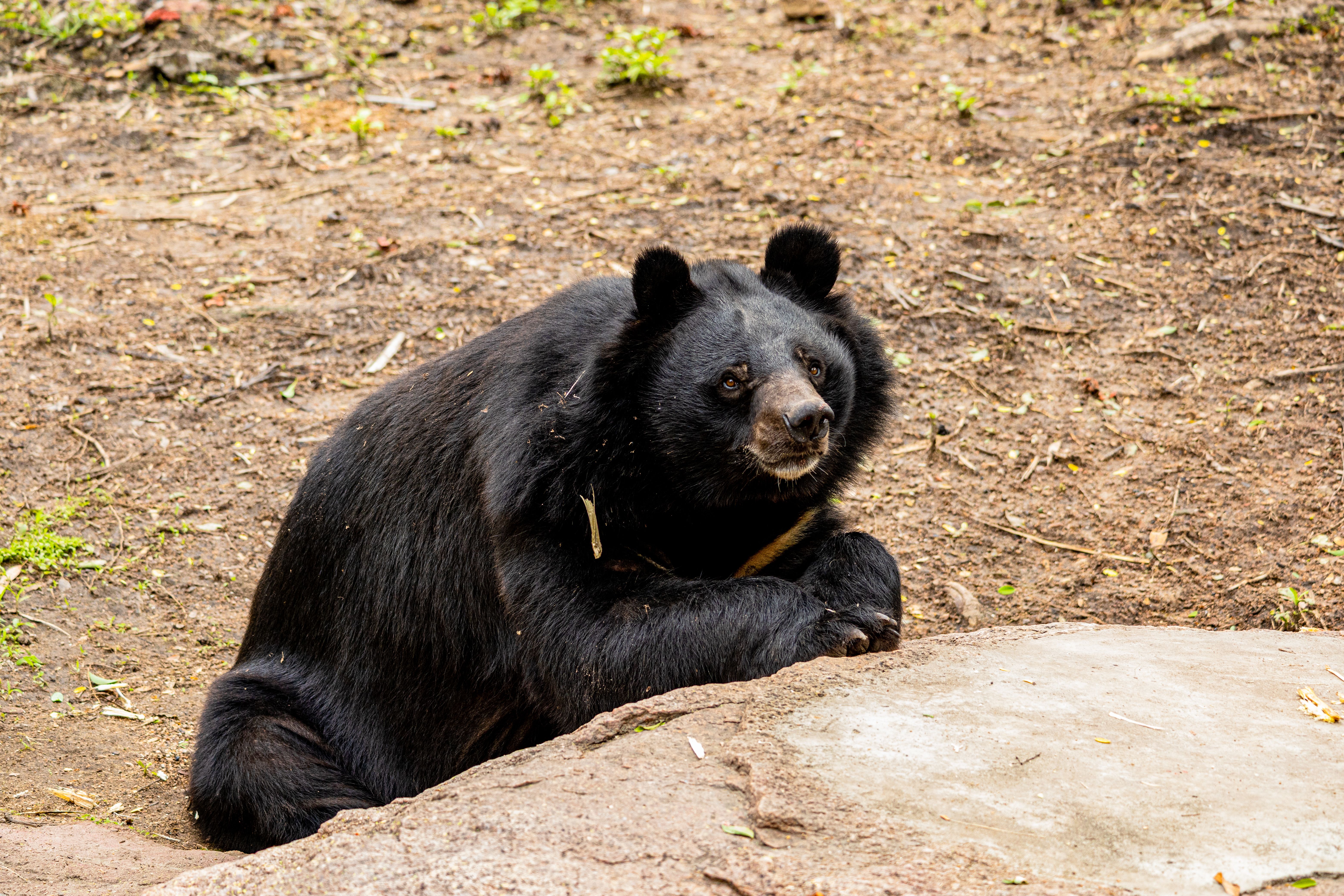
Florida’s black bears are increasingly turning up near subdivisions, rural developments, and fast-growing edge communities. As more land is cleared and connected by roads, bears are navigating tighter spaces where human food sources can be easier to reach than natural ones.
Residents in central and north Florida often hear the same prevention advice: secure trash, clean grills, and avoid leaving food outdoors overnight. Bears that find leftovers or pet food quickly begin revisiting the same properties.
In Florida, boldness often shows up after dark, when bears move through neighborhoods with surprising confidence. The encounters can feel sudden, but the habits usually build over time.
Georgia
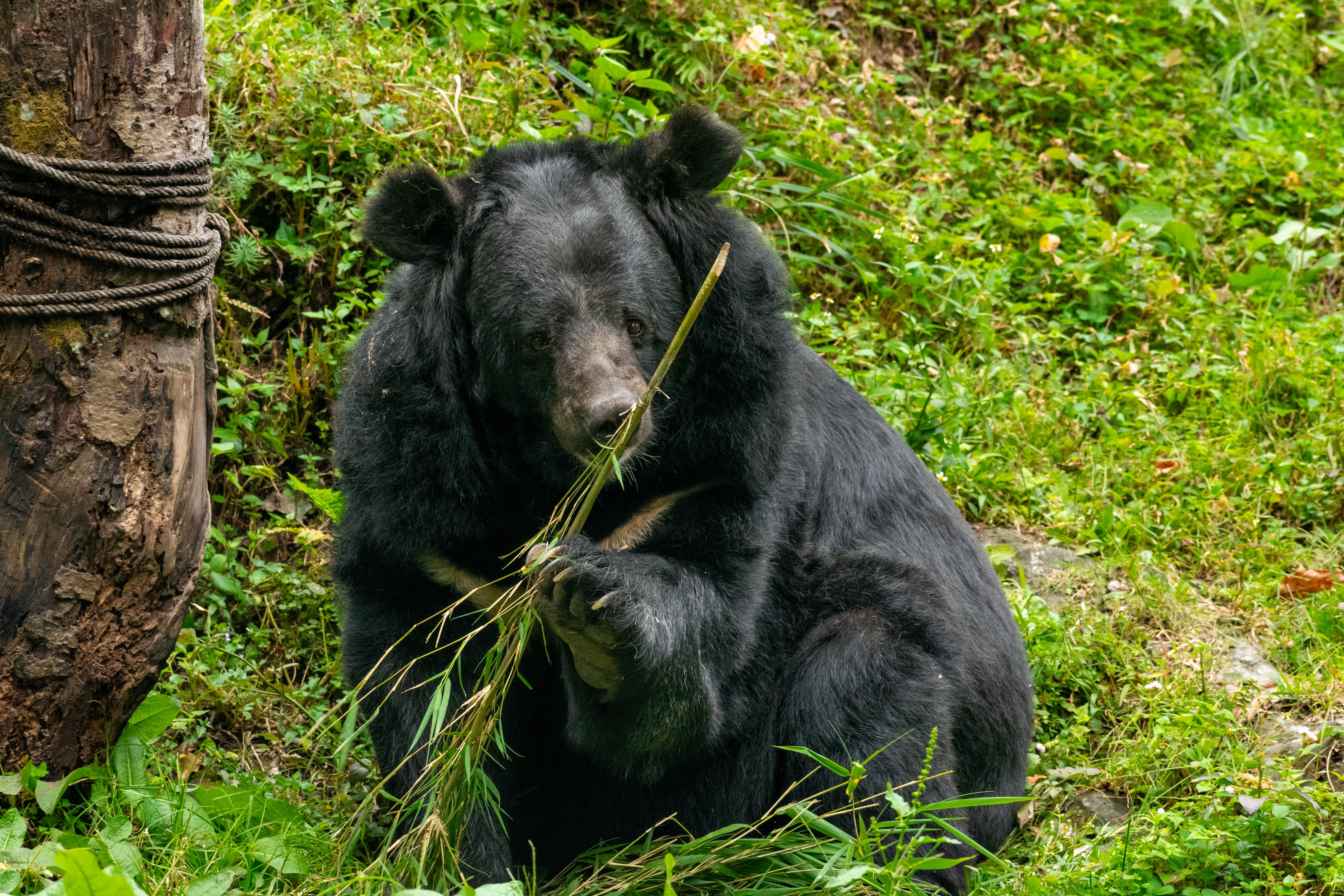
Georgia’s black bears are especially noticeable in the mountains and in parts of the south where habitat and human settlement overlap. In recent years, more communities have reported bears lingering near homes instead of simply passing through.
That’s often a sign the animals are finding easy rewards. Feeders, compost, grills, and unsecured garbage teach bears that residential areas can be productive feeding zones.
A bold bear in Georgia may not rush or snarl. It may just keep moving calmly through a neighborhood as if it belongs there. That quiet confidence is exactly what makes wildlife experts push prevention so strongly.
Virginia
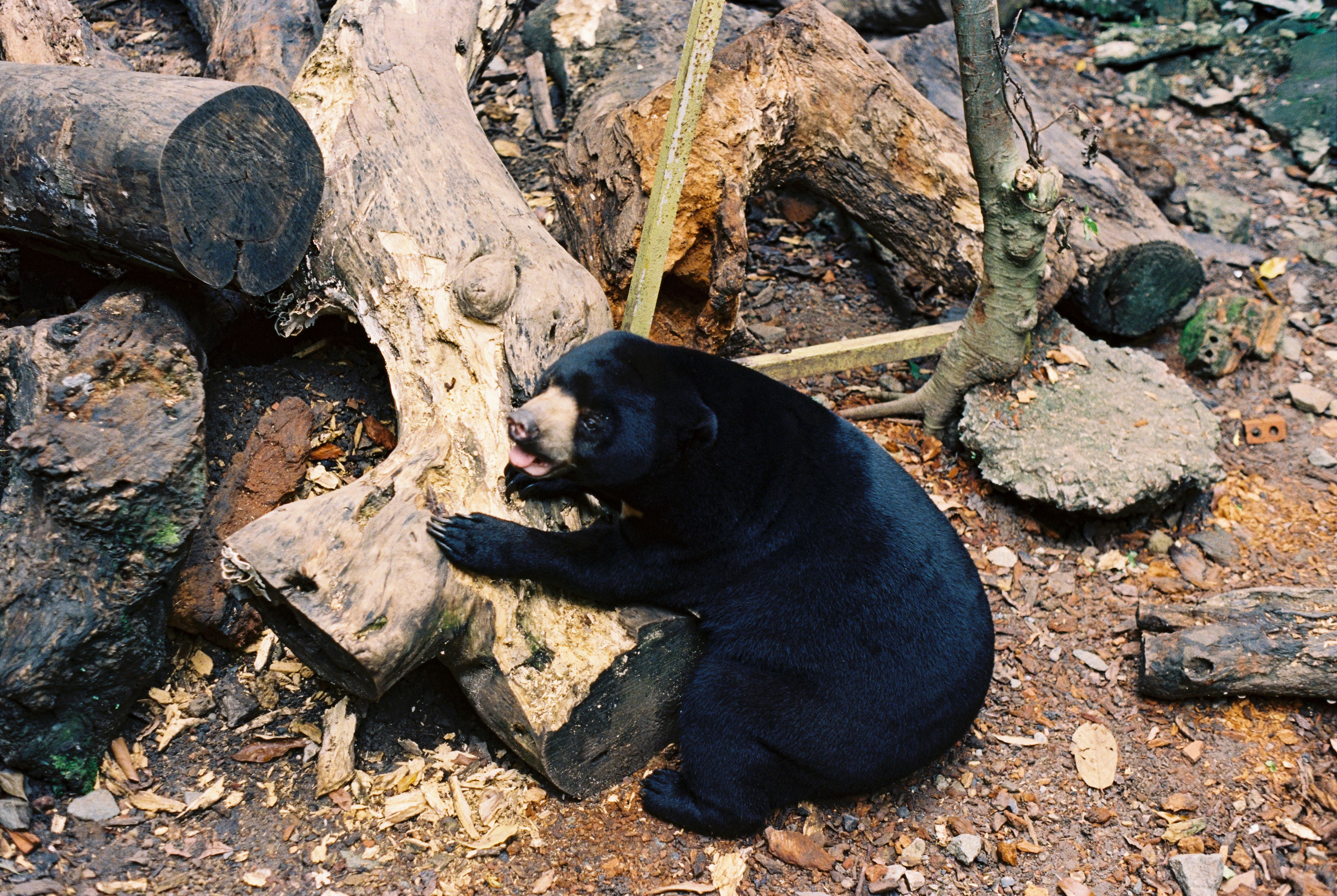
Virginia has a healthy black bear population, and sightings have become more common in places where suburbs brush against forested ridges and rural woodlands. In some communities, bears seem increasingly willing to roam in daylight and investigate yards, sheds, and porches.
Officials often stress that these animals are opportunists, not out looking for confrontation. Still, repeated access to food can make them much less likely to retreat quickly when people are nearby.
That pattern gives the impression of rising boldness because, in many cases, it is. A bear that once would have bolted may now pause, linger, and continue searching for food before moving on.
Pennsylvania
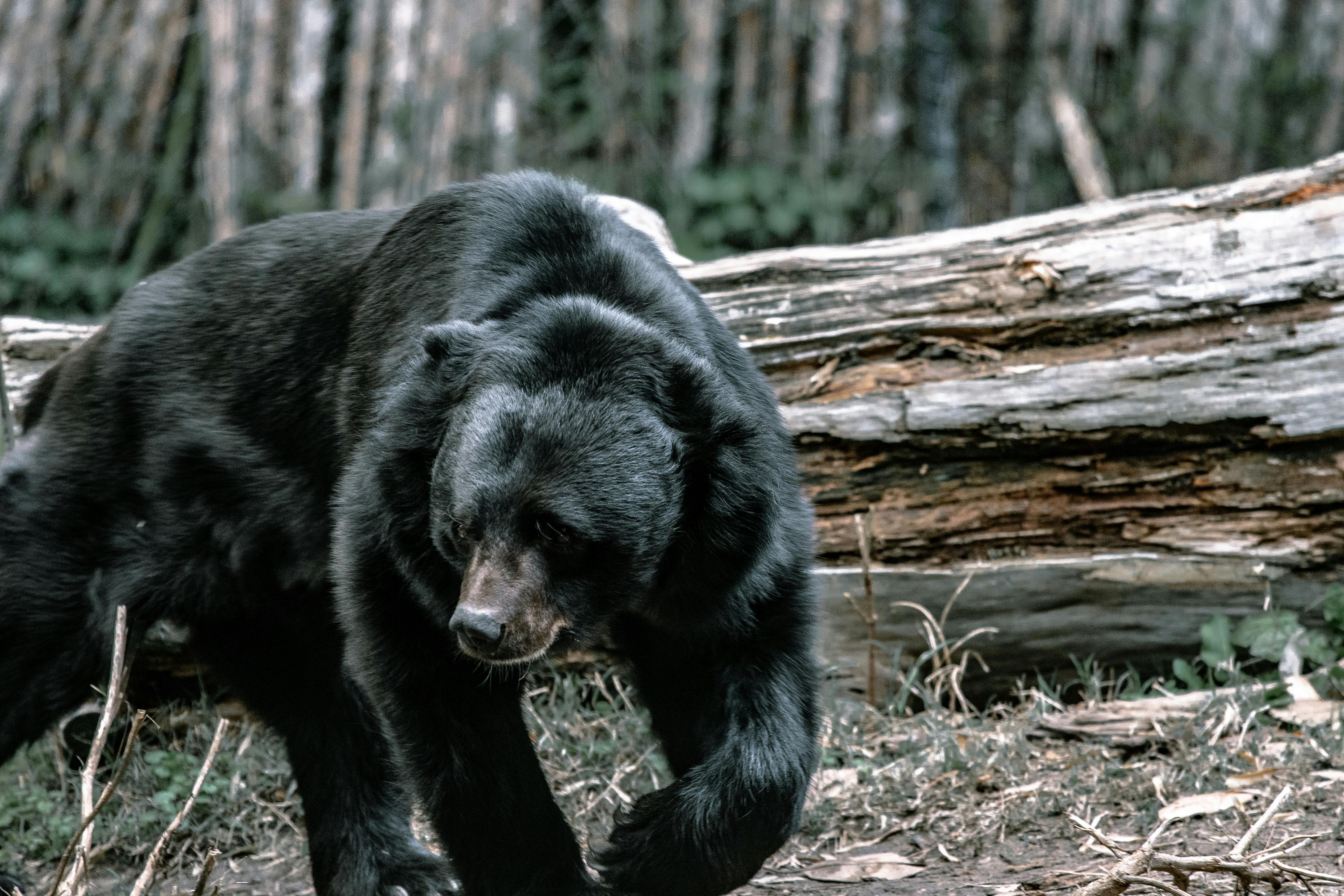
Pennsylvania’s black bears are turning up in places that feel increasingly close to daily routine, from small towns to outer-ring suburbs. The state has plenty of bear habitat, but the edges between that habitat and human development are where the most memorable encounters often happen.
Trash day can be especially tempting. Once a bear connects neighborhoods with easy calories, it may return again and again, growing more comfortable with cars, people, and household noise.
In Pennsylvania, the issue isn’t that every bear is acting aggressively. It’s that more bears appear willing to test the boundaries of human spaces, which can quickly turn a sighting into a conflict.
Massachusetts

Massachusetts has seen black bears expand their presence in western and central parts of the state, and more residents are learning that bear country can include quiet neighborhoods, not just remote woods. A backyard can become a stopover if food or scent attracts attention.
Bird feeders are a frequent culprit. To people, they’re harmless fixtures. To bears, they can be high-calorie invitations hanging in plain sight.
What makes Massachusetts notable is the contrast between compact communities and large wildlife. When a bear ambles through a driveway or noses around a patio, it feels startlingly intimate, and that closeness adds to the sense that bears are growing bolder.
New York
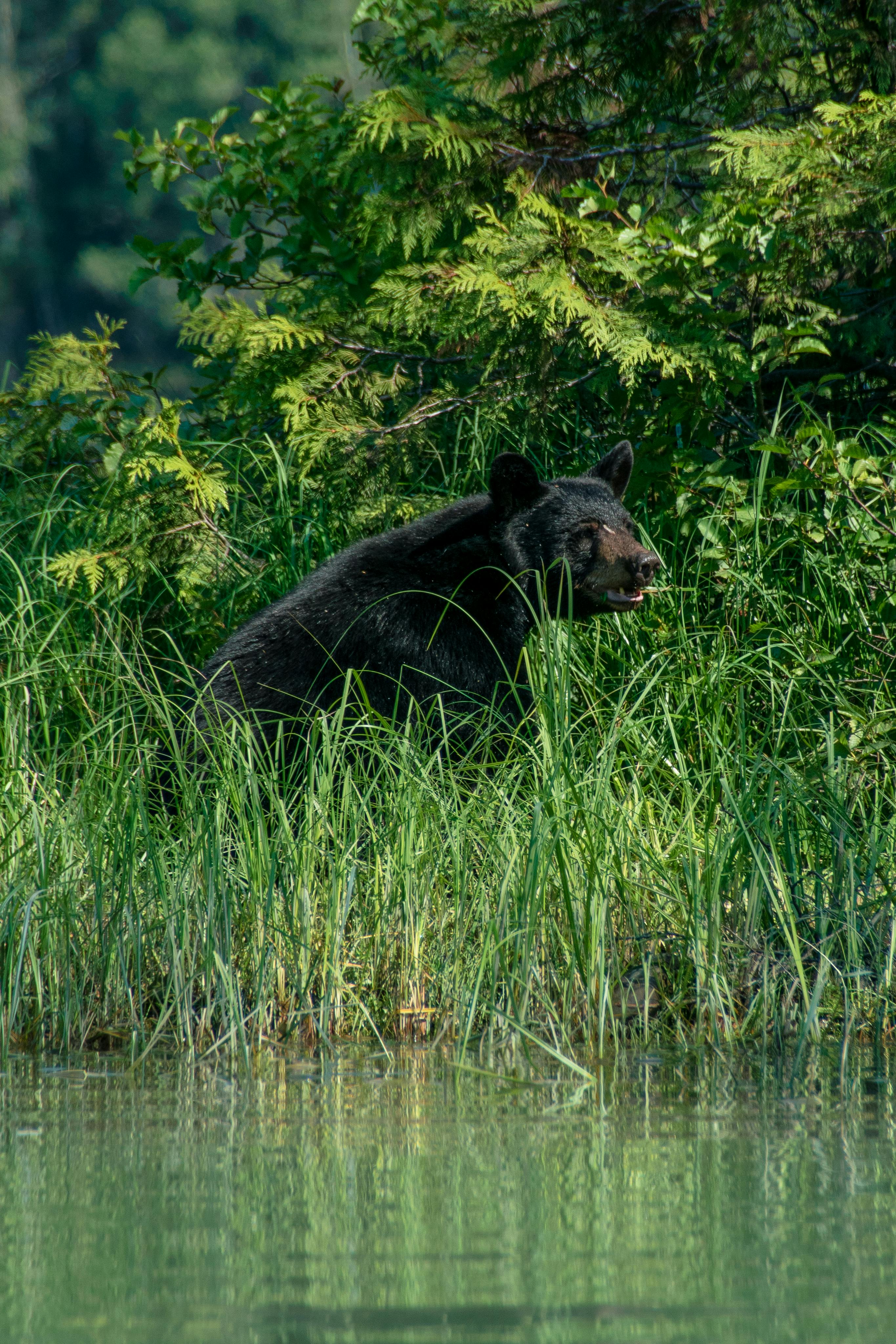
In New York, black bears are most often linked with the Catskills, Adirondacks, and other heavily wooded regions, but their behavior around people is what draws increasing attention. Campgrounds, rental properties, and residential fringes all offer opportunities for easy food.
A bear that repeatedly gets into coolers or garbage stops behaving like a shy woodland visitor. It begins to treat developed areas as part of its feeding circuit.
That’s where boldness becomes visible. In New York, it might look like a bear wandering past cabins, entering a campsite, or circling homes in broad twilight without much urgency to leave when people appear.
New Hampshire

New Hampshire’s black bears have long shared the landscape with people, but reports of bears in neighborhoods, at camps, and around vacation homes keep the conversation active. In a state where wooded habitat can sit just beyond the backyard, encounters are often close and unexpected.
The problem usually starts with reward-based behavior. A single successful raid on a bin, grill, or feeder can be enough to bring a bear back.
Over time, those returns create the impression of fearlessness. In reality, the animal may simply be highly motivated and well-practiced, but to residents, a bear moving confidently through familiar spaces feels undeniably bolder.
South Carolina
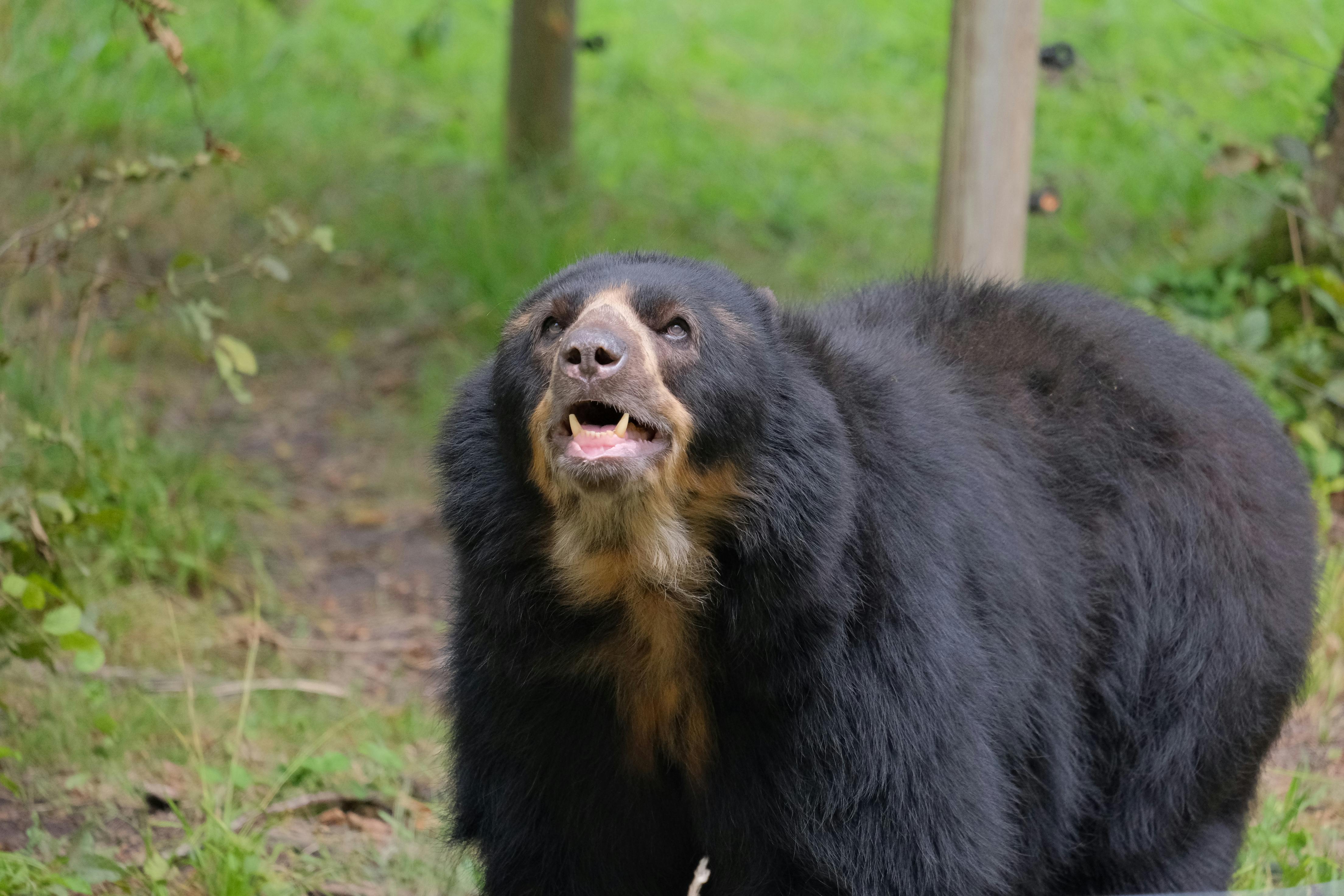
South Carolina’s black bears are found in both mountain and coastal regions, which means very different communities can experience the same challenge. In places where development presses into habitat, bears are showing up near homes, roads, and outdoor storage areas more often.
As with many states, attractants are the turning point. Once bears learn that people leave behind accessible food, they begin adjusting their routines to include residential stops.
In South Carolina, that can translate into encounters that feel unusually casual. A bear crossing a driveway or nosing around a neighborhood after sunset may seem at ease in a place that should still feel foreign.
Washington
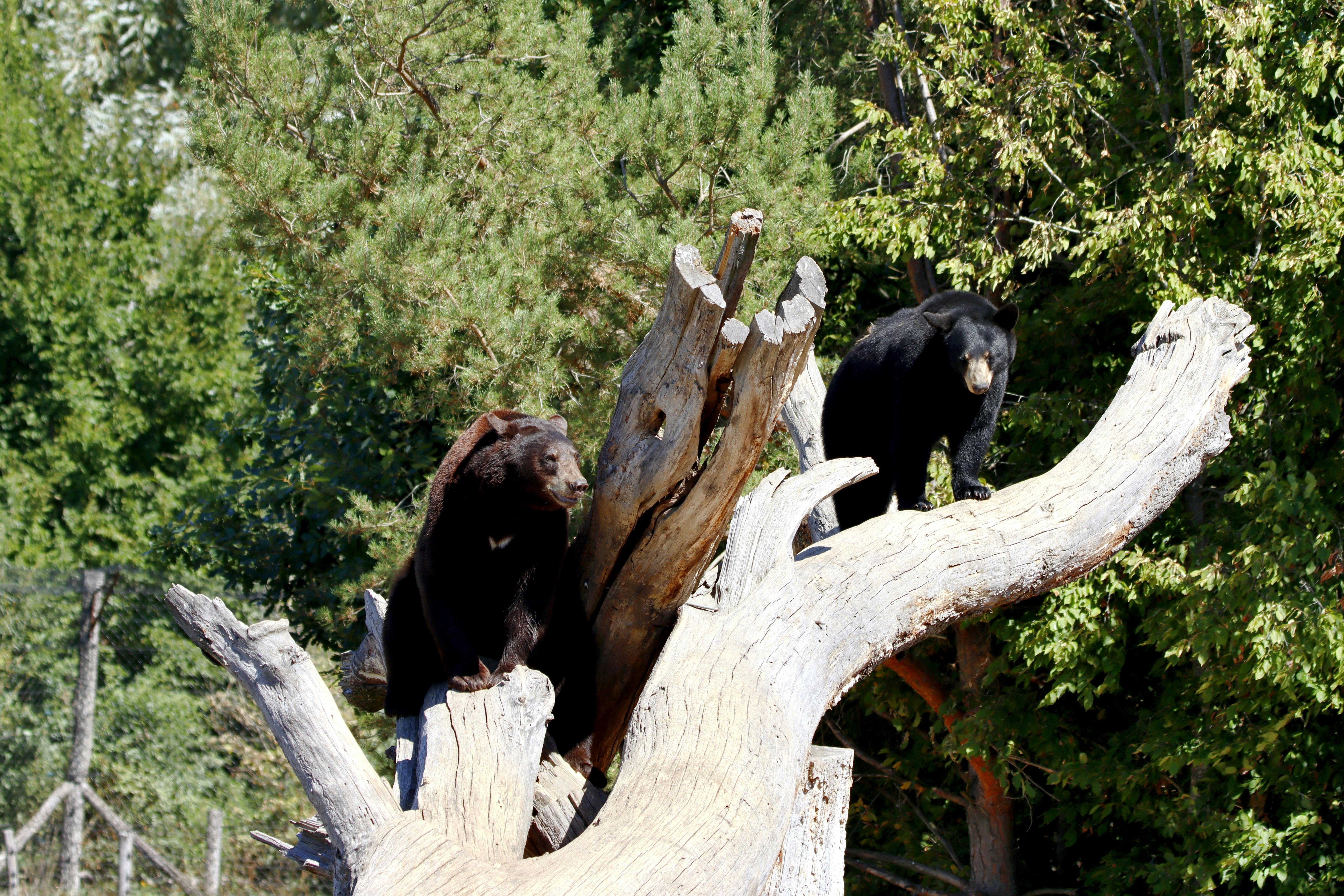
Washington’s black bears are often seen near forested communities, camp areas, and homes on the edge of public lands. With so many scenic places doubling as residential or recreational spaces, bears can become regular visitors where people least expect them.
Wildlife experts consistently warn that even unintentional feeding changes bear behavior fast. Garbage, fruit trees, livestock feed, and coolers can all encourage repeated visits.
That repeated exposure is what makes some Washington bears appear so comfortable around people. They may move through a yard or campground with little hesitation, especially if previous trips taught them that food was worth the risk.
Arizona
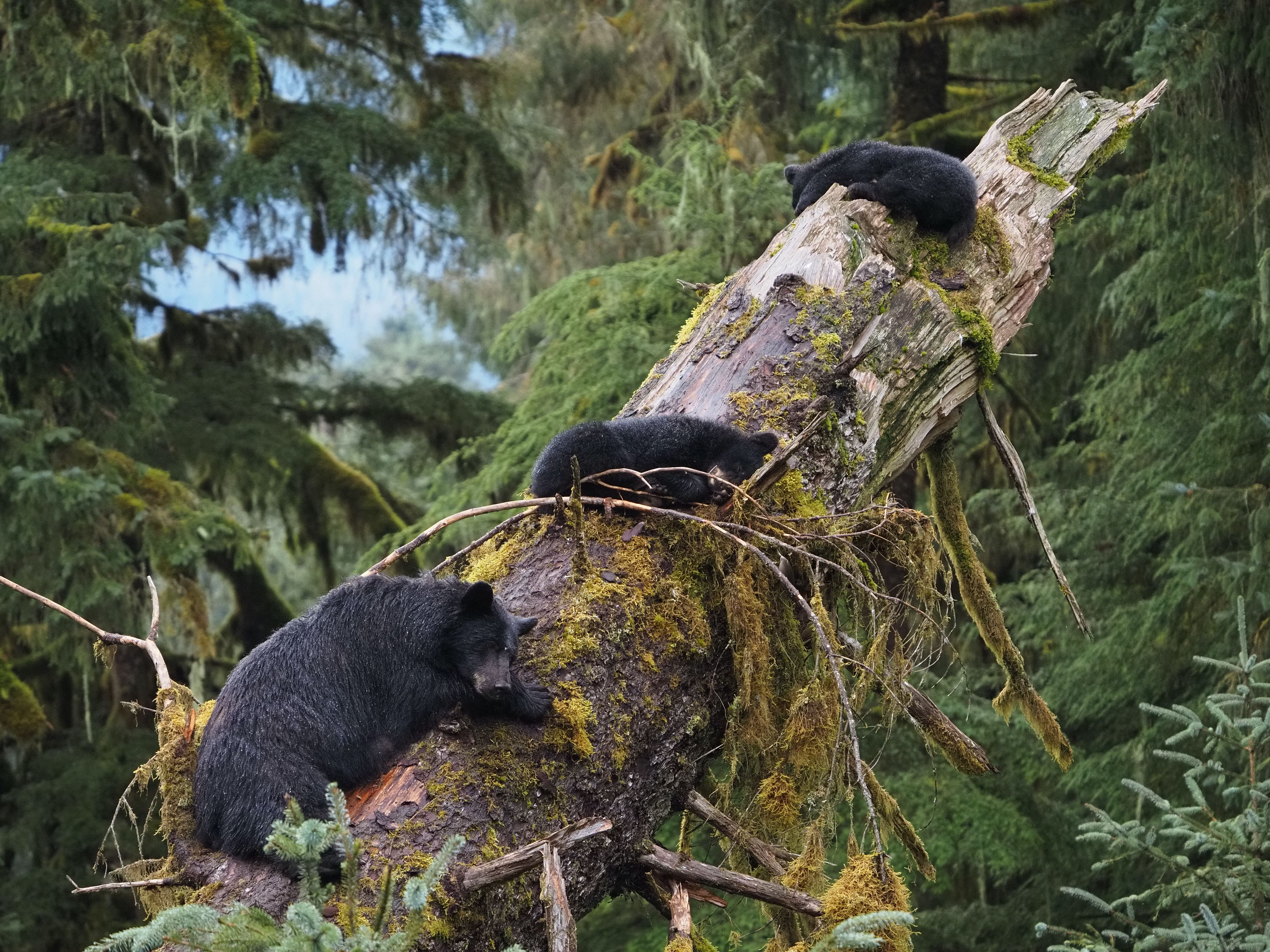
Arizona doesn’t always top the list in people’s minds, but black bears in the state are increasingly part of the conversation in mountain communities and forest-edge towns. In cooler, higher-elevation areas, bears can move close to cabins, campsites, and residential streets.
Dry conditions and shifting food availability can intensify the draw of human spaces. When natural resources are patchy, an unsecured trash can or outdoor food source becomes even more attractive.
That helps explain why some Arizona encounters feel so striking. A bear in a place associated more with scenic retreats than daily wildlife drama can seem especially bold, even when the behavior follows a familiar pattern.