Some handguns become famous at the range. The Ruger Single-Six became famous by being useful.
It arrived at exactly the right moment
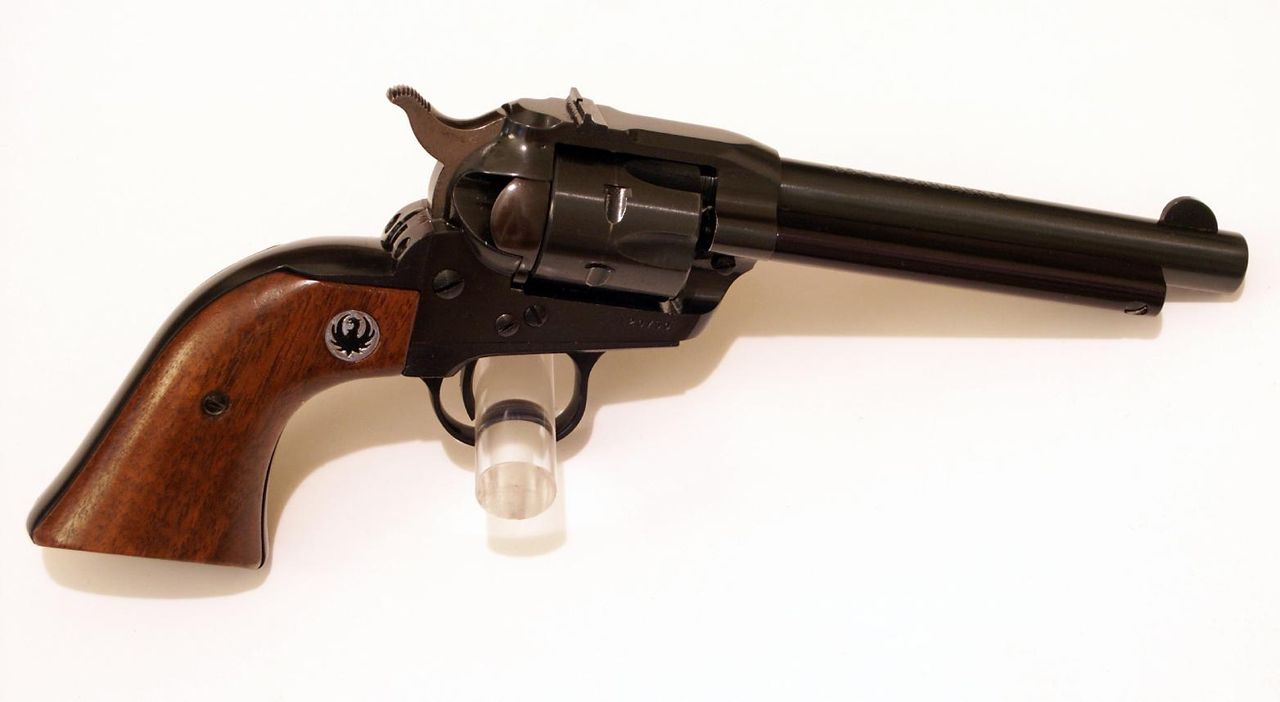
The Single-Six showed up in 1953, and that timing mattered. Colt had backed away from emphasizing traditional single-action revolvers, while America was deep in a postwar western craze filled with cowboy heroes on movie screens and televisions. According to American Rifleman, Ruger recognized that demand and brought out a rimfire six-shooter that looked familiar but cost far less to build and buy.
That made it attractive far beyond collectors or hobbyists. A ranch hand did not need a prestige sidearm. He needed something that worked, felt right in the hand, and did not threaten the feed bill if it got scratched in a pickup.
By July 1953, the revolver was already reaching the public, and demand climbed quickly. American Rifleman reported that only about 100 made it to dealers that first year, then roughly 10,000 in 1954 and another 20,000 in 1955, which shows how fast the design caught on.
It matched the real jobs ranchers actually had
A ranch truck gun was not usually for dramatic gunfights or big-game hunting. More often, it was for snakes around a tank, pests in the barn, a trapped varmint, or finishing off injured stock humanely. In that world, a .22 revolver made practical sense.
The Single-Six handled .22 Long Rifle, and early guns would also chamber .22 Short and .22 Long. That gave owners cheap, easy-to-find ammunition and mild report compared with centerfire handguns, both of which mattered on working land where one gun might get used often and by multiple family members.
It was also easy to live with. A single-action revolver rewards deliberate shooting, and that fit ranch use better than people sometimes realize. When a handgun bounces around in a truck, simplicity and predictability are part of the appeal.
Ruger built it to be affordable and tough
Bill Ruger’s genius was not just styling. It was manufacturing. American Rifleman credits the company’s use of investment casting and coil springs as major reasons Ruger could make guns that were less expensive to produce while still earning a reputation for strength and reliability.
That formula was ideal for rural America. Ranch equipment lives hard lives, and any sidearm riding on a vinyl bench seat, in a glovebox, or behind a pickup seat was going to collect dust, sweat, oil, and grit. Owners wanted a gun they did not have to baby.
The Single-Six also hit a sweet spot in size. It was handier and lighter than a full-size centerfire single-action, but still substantial enough to shoot well. That balance helped it become the kind of revolver a person actually carried, rather than admired in a dresser drawer.
It felt like an Old West six-gun without Old West headaches
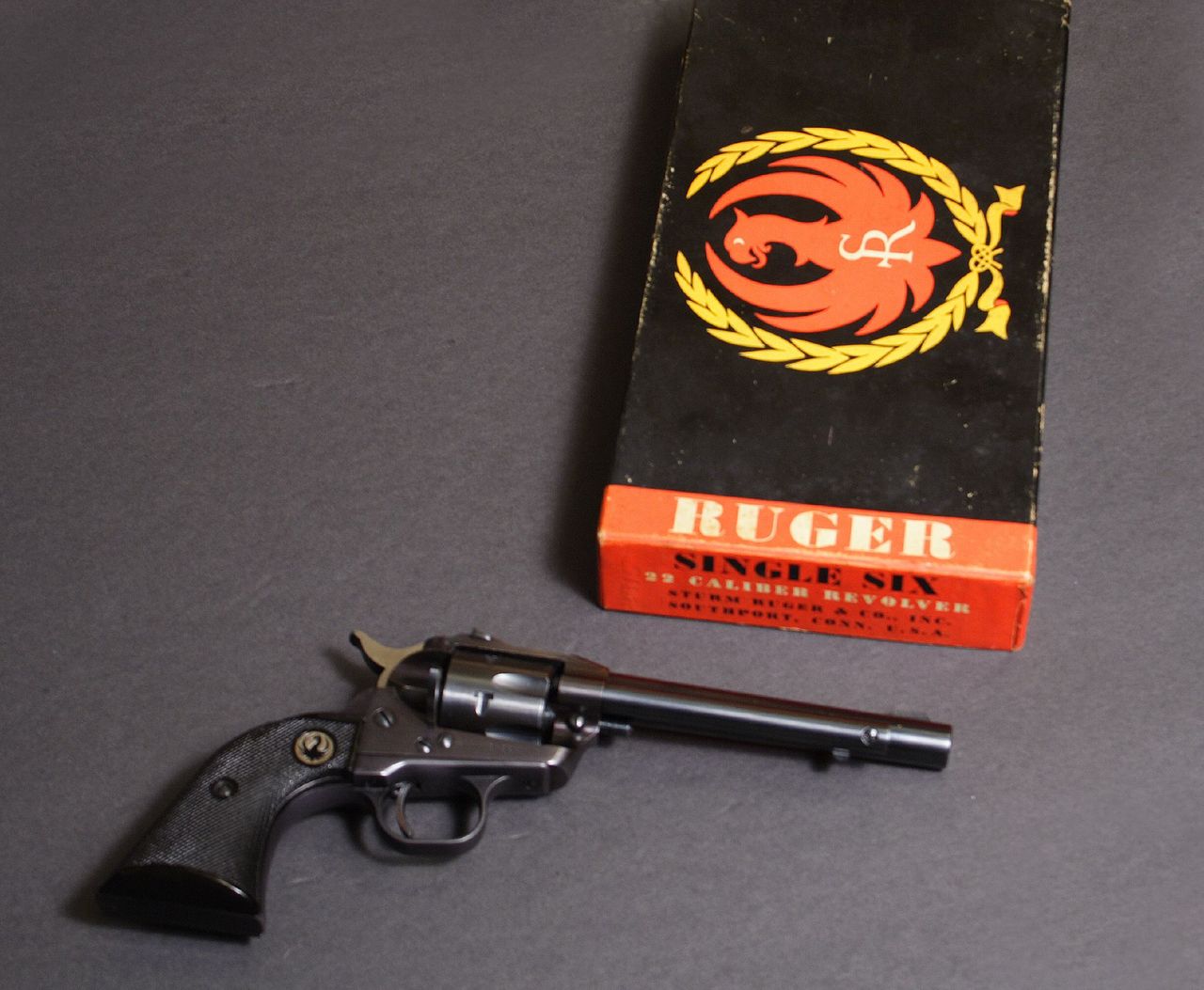
Part of the Single-Six appeal was emotional, and there is no reason to pretend otherwise. It looked like a classic six-gun, and in the 1950s that mattered. But unlike many older revolvers, it benefited from modern production, modern materials, and Ruger’s knack for making working guns more durable than their inspirations.
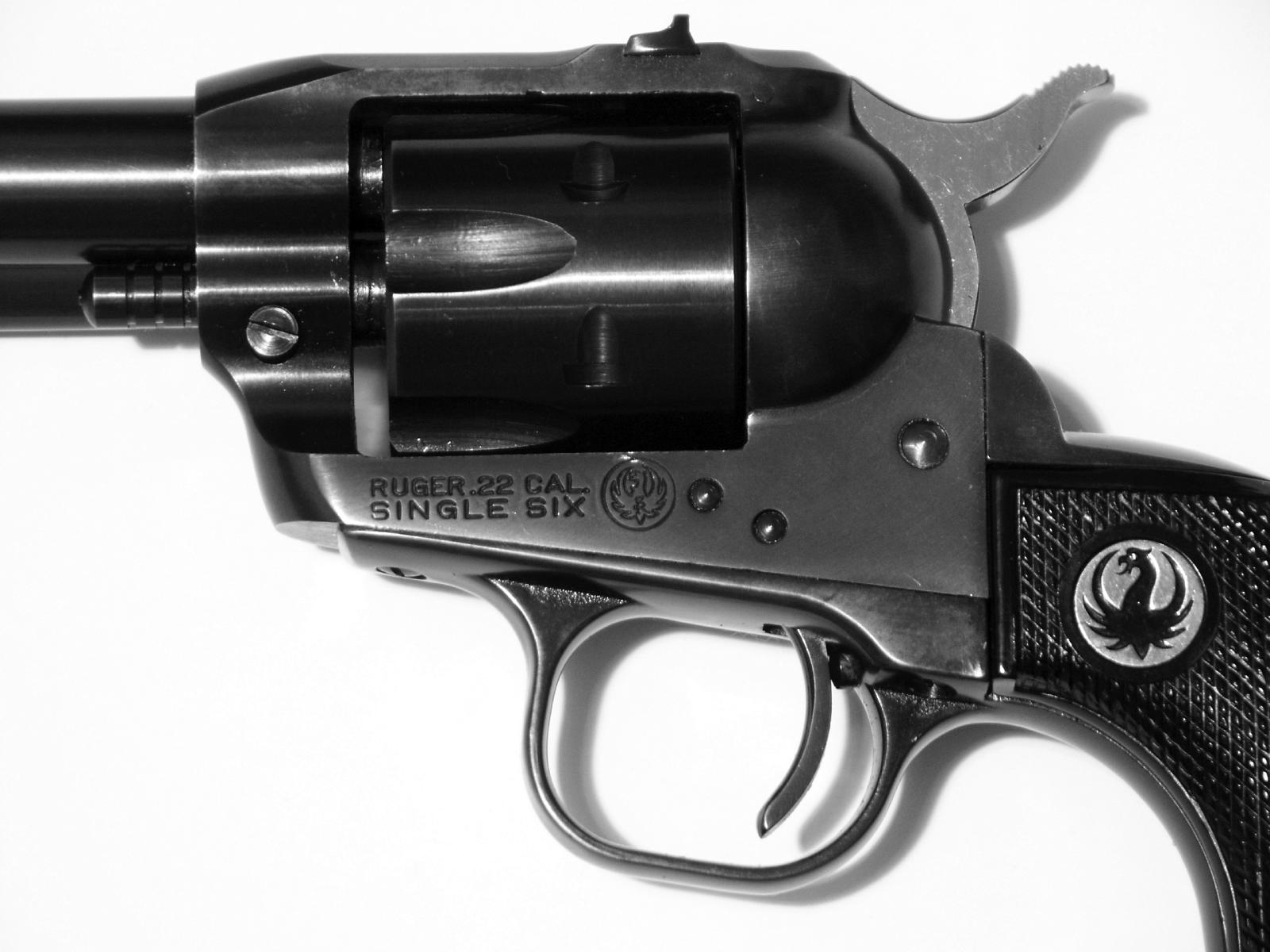
Early versions closely echoed the Colt Single Action Army profile, right down to the three-screw frame style. Yet the Ruger was scaled for rimfire use and priced for ordinary shooters, which made the cowboy image accessible to the people who were actually fixing fences and checking water.
That combination gave ranchers something they often value highly: tradition without fragility. It had romance, but it was still a tool.
The convertible models made it even more useful
One reason the Single-Six stayed relevant for decades was versatility. Later Convertible models shipped with an extra cylinder, allowing the same revolver to switch between .22 LR and .22 WMR. American Rifleman noted that this broadened the gun’s usefulness without changing the basic manual of arms that owners already trusted.
That mattered on a ranch. .22 LR was cheap and perfect for practice, plinking, and small chores. .22 WMR gave the same revolver more reach, more velocity, and more authority on tougher varmints, making one handgun do the work of two in many cases.
A truck-seat gun that can fill multiple roles tends to stay around. The Single-Six did exactly that, which helps explain why it remained a fixture in rural pickups for so long.
Its reputation survived because it earned it
Ruger’s own product history shows the original Single-Six standard model ran from 1953 to 1973, and the line evolved rather than disappearing. The company later introduced the New Model action with a transfer-bar system, and Ruger still highlights its long-running safety conversion program for older pre-1973 single-actions.
That long lifespan says a lot. Fads burn hot and vanish. Useful guns hang on because owners keep recommending them to neighbors, sons, daughters, and hired hands. The Single-Six became part of that word-of-mouth chain across ranch country.
So why did it ride on so many ranch truck seats? Because it was cheap enough to own, tough enough to trust, accurate enough to matter, and versatile enough to solve the everyday problems that come with dirt roads, livestock, and long days outside.