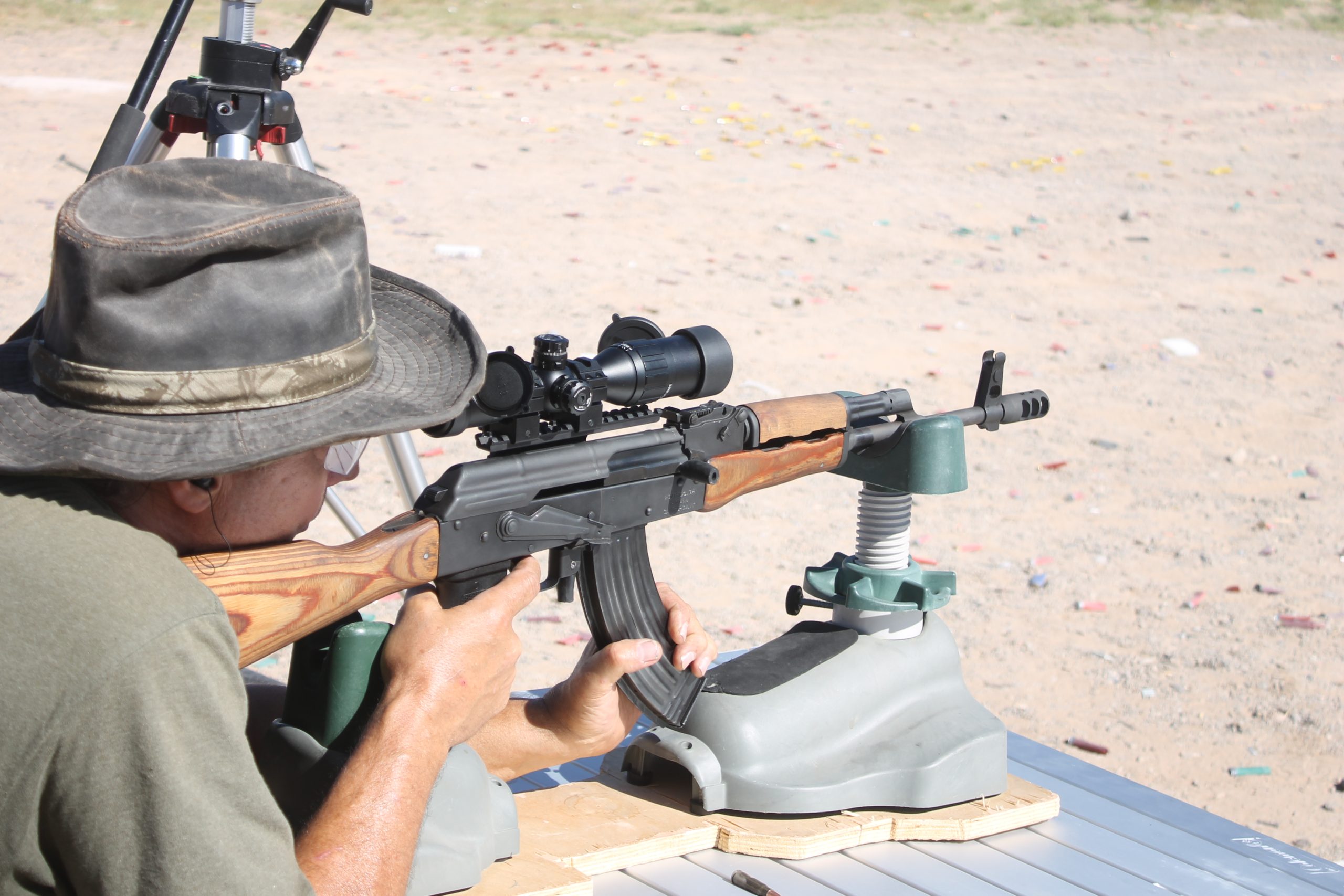
The WASR-10 occupies a special place in the American AK market. Made at Romania’s historic Cugir factory and imported by Century Arms, it brought a recognizable AKM pattern to buyers who wanted an authentic Romanian connection without moving into the premium end of the market. Its story involves Cold War manufacturing, changing U.S. import rules, a distinctive magazine-well design, and a reputation built over decades. The numbers behind the rifle 7.62×39mm, a 16.25-inch barrel, and roughly 7.5 pounds only tell part of the story. Its real significance comes from how it connected Romanian production with America’s growing civilian AK community.
1. Its Name Comes From a Complicated Import History
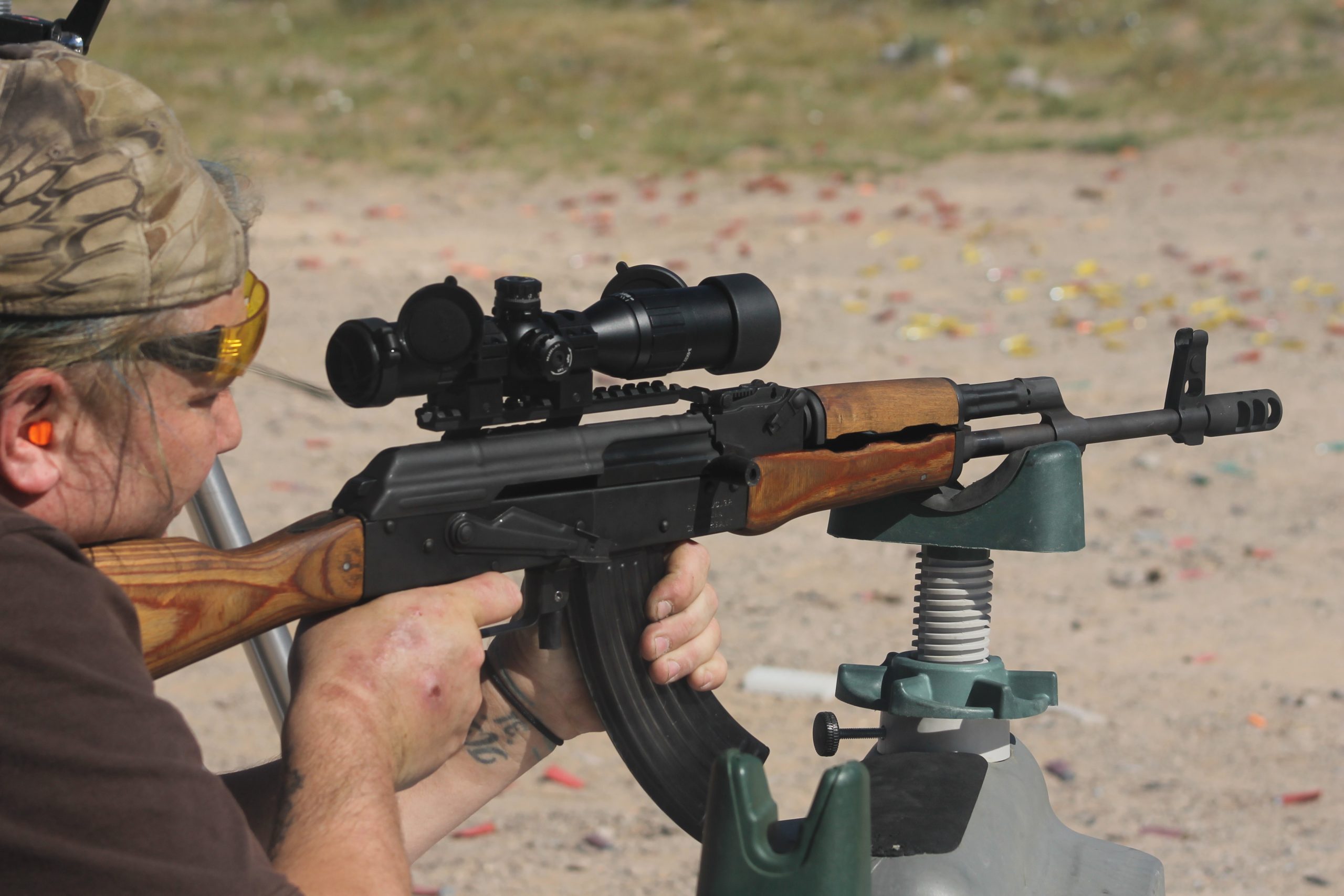
The WASR-10’s name has an unusually bureaucratic origin. “WASR” refers to the Wassenaar Arrangement Semi-Automatic Rifle category, linked to export rules surrounding Romanian imports. The “10” became associated with the 10-round configuration used for American import compliance during an earlier restrictive period. Cugir produced the rifles in Romania, while Century Arms handled U.S. importation and market preparation. That history explains why the rifle can look distinctly military while arriving in a configuration shaped by American regulations. The name is therefore a snapshot of Romanian production and U.S. import history. Its unusual name became part of its identity.
2. It Came From Romania’s Historic Cugir Arsenal
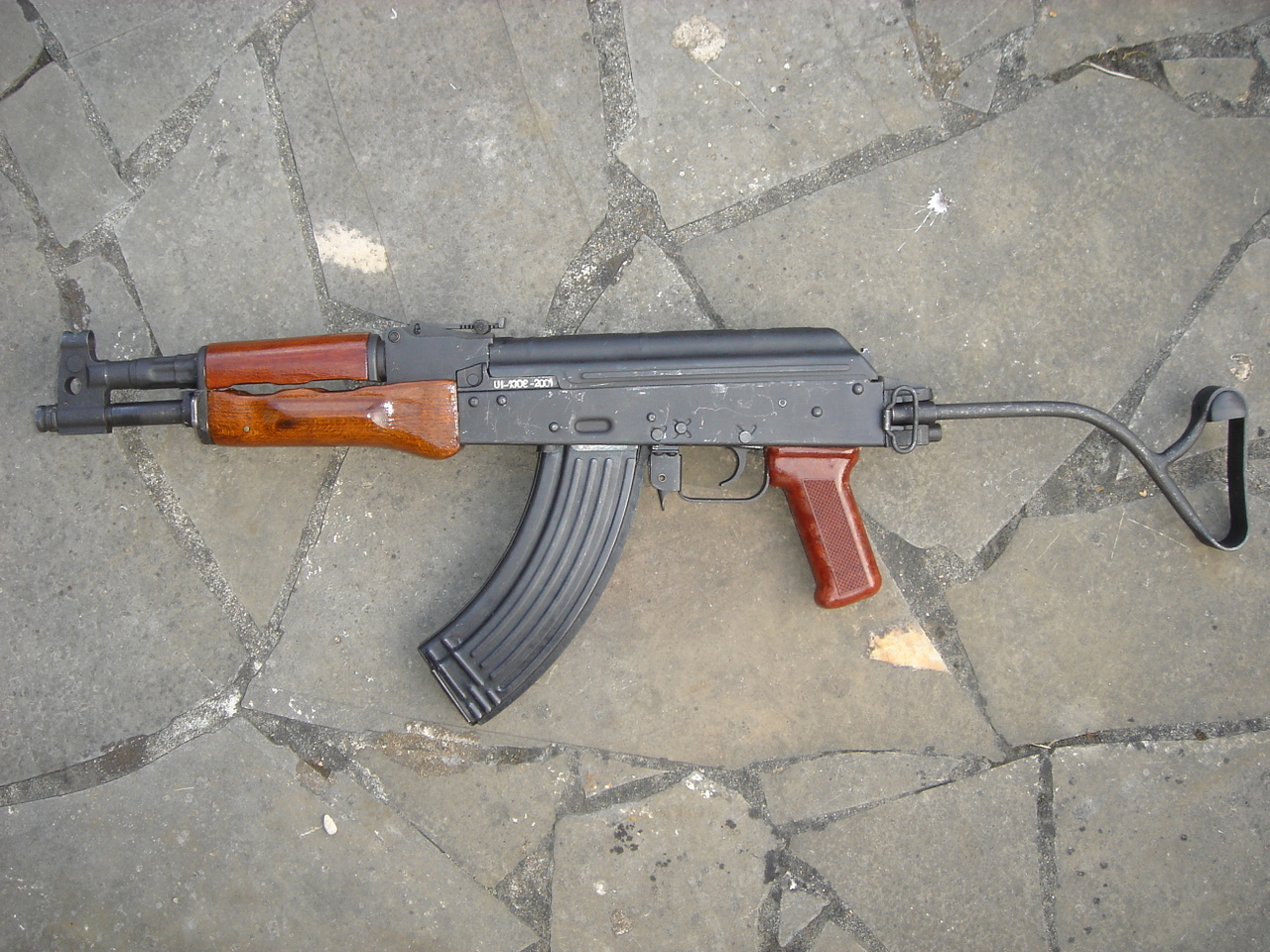
The WASR-10 comes directly from the Cugir Arms Factory, a Romanian producer with roots reaching back to 1799. During the Cold War, Cugir became an important source of Romanian military firearms, including rifles based on the Soviet AKM. The WASR-10 is a civilian semi-automatic branch of that lineage, chambered for 7.62×39mm. Its stamped-steel construction, long-stroke piston operation, and rotating bolt retain the AKM mechanical philosophy. That heritage helped distinguish it from generic copies: it carried a direct connection to an established Romanian arsenal and decades of production experience. That background remains central to its collector appeal today.
3. Its Design Put Function Ahead of Luxury

The WASR-10 became known as a budget AK because its design favors function over decoration. Current specifications commonly list a 16.25-inch barrel, an overall length of 34.25 inches,s and an unloaded weight around 7.5 pounds. The barrel is cold-hammer-forged and chrome-lined, features associated with durability and long service. Furniture has traditionally been simple wood or laminate, while the metalwork uses a practical finish rather than a polished appearance. Together, these details create the straightforward character that helped make the WASR-10 an accessible introduction to the AKM family in America. Its simplicity was part of the value proposition.
4. The Magazine Well Reveals Its American Journey
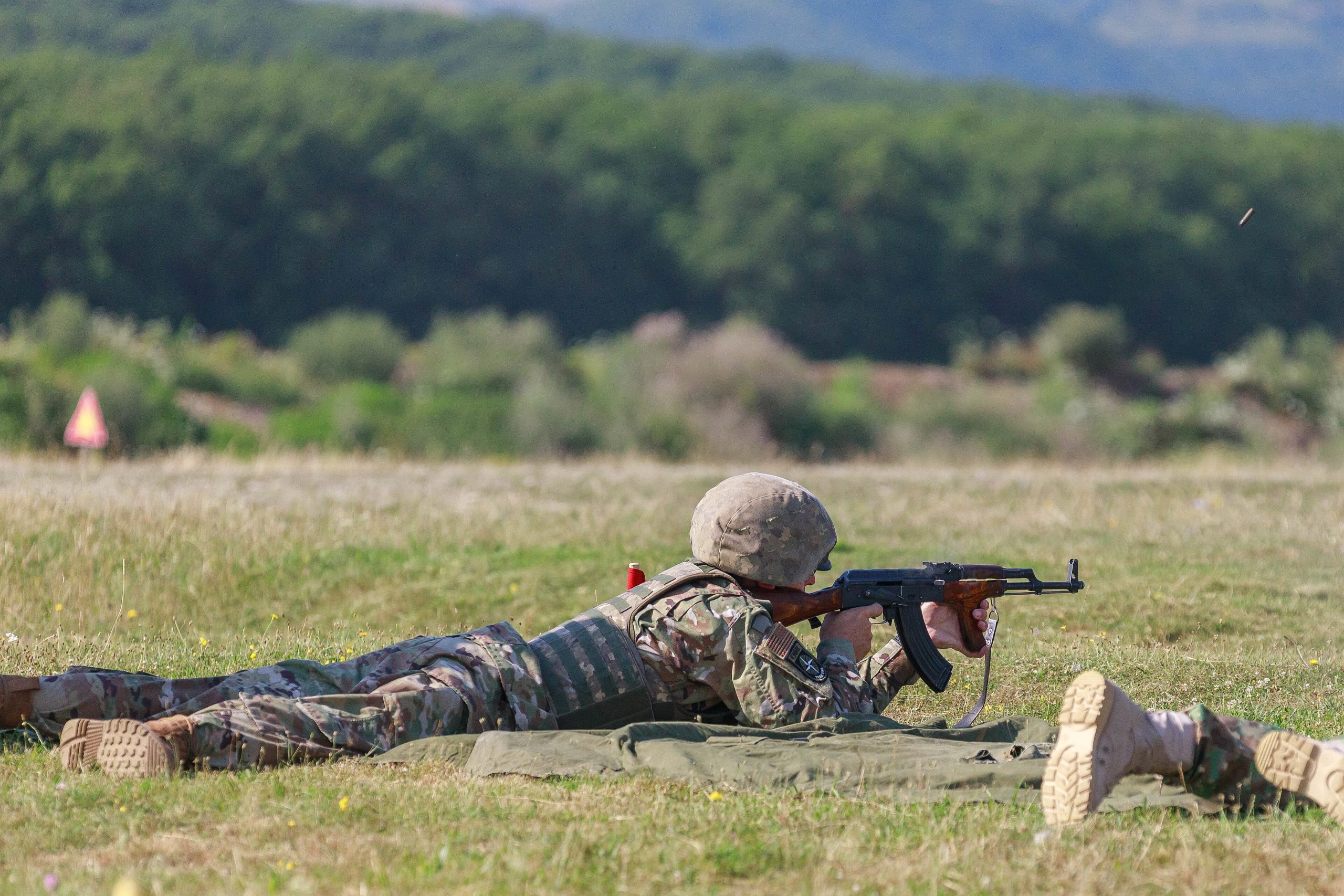
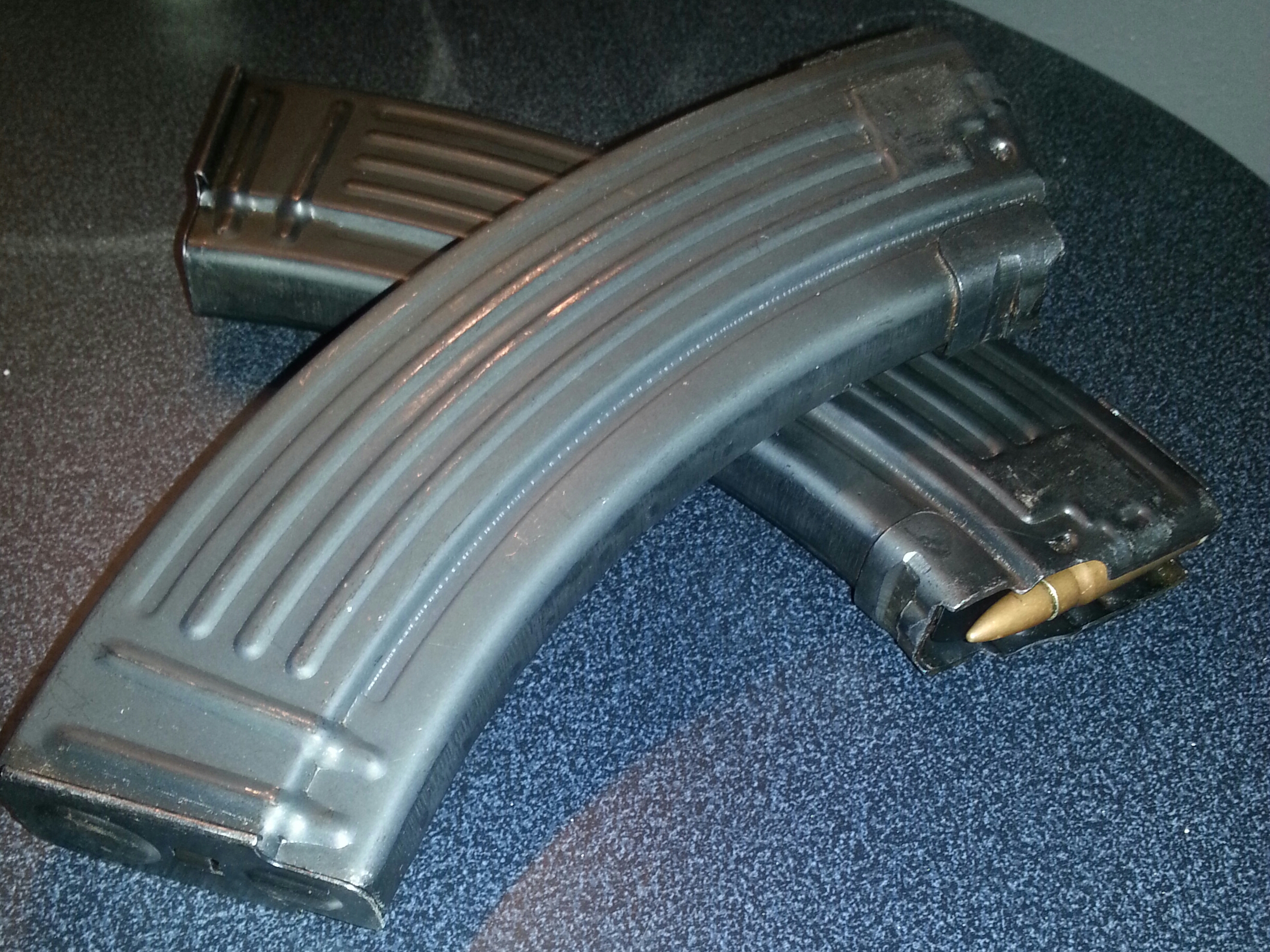
The magazine well tells one of the most interesting stories about the WASR-10. Earlier rifles were produced with a narrow opening intended for single-stack, 10-round magazines to meet U.S. import requirements. After importation, Century modified the well to accept conventional double-stack AK magazines. That conversion became a recognizable feature and could produce more magazine movement than buyers expected. The receiver also uses internal welded supports rather than the familiar stamped dimples seen on many AKM-style receivers. What looks like a quirky manufacturing detail is actually a product of the rifle’s complicated journey from Romanian factory to American market.
5. The 7.62×39mm Cartridge Defines Its Character
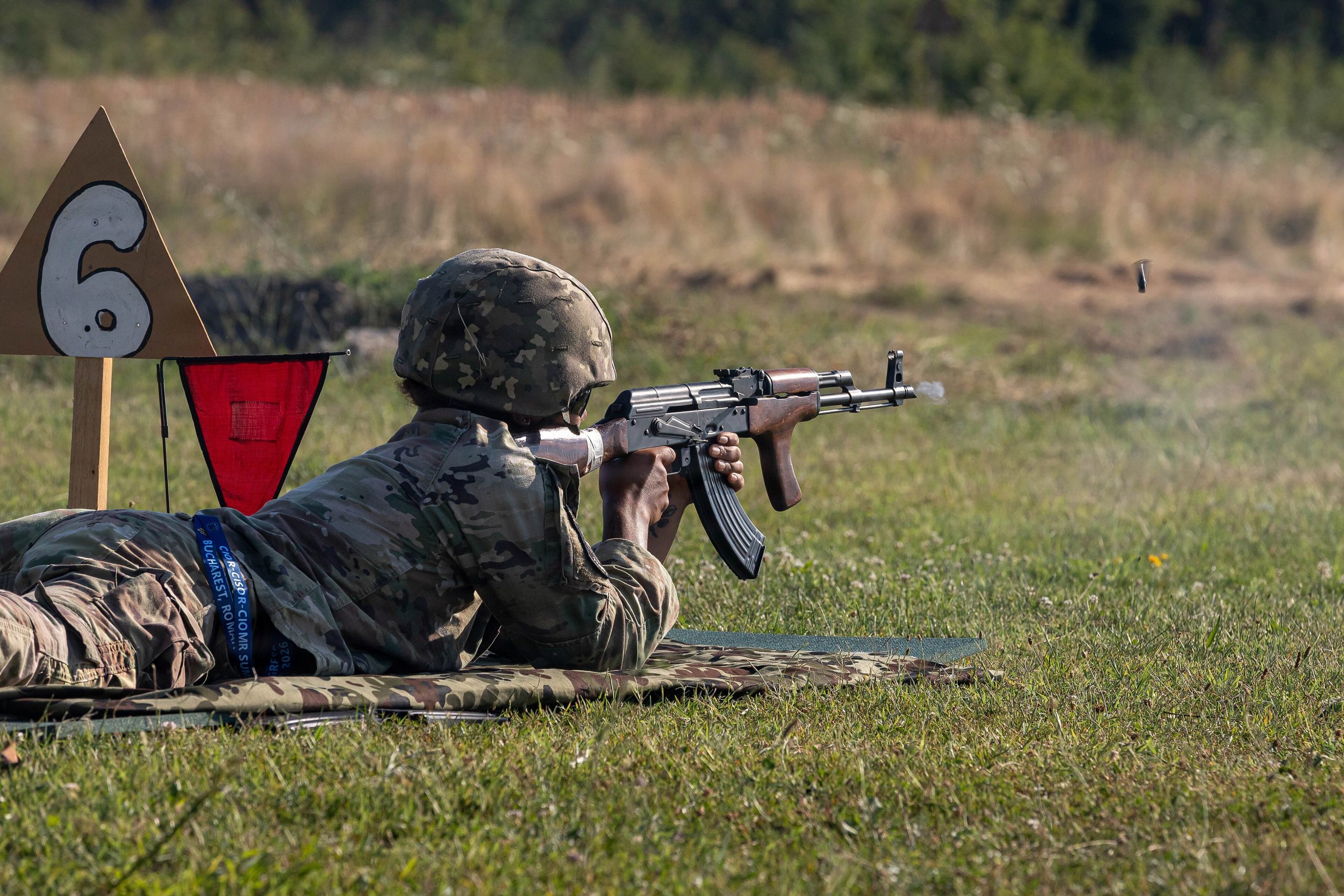
The WASR-10 became popular partly because its cartridge was already deeply established in the AK world. It is chambered for 7.62×39mm, the intermediate round associated with the AKM and many related rifles. That choice preserved its historical character while giving American owners a broad ecosystem of magazines, ammunition, and components. The rifle itself remains semi-automatic, meaning one round is fired for each trigger press. This matters because the WASR-10 is often casually called an AK-47, although its mechanical ancestry is more accurately tied to the later AKM pattern and Romanian PM md. 63 family. That combination helped make the model familiar to American AK enthusiasts.
6. Its Original Price Explains the Budget Reputation
For years, the WASR-10 occupied a useful middle ground in the American AK market. It was not a luxury rifle, but it offered Romanian manufacture at the Cugir arsenal. Older examples were often sold at dramatically lower prices than premium AKs, helping establish it as an entry point. A 2005 American Rifleman listing placed suggested retail at $450, showing how different the market was then. Modern prices are considerably higher, but the rifle’s reputation as a comparatively accessible AK began during that earlier, much cheaper era. That historical price point is one reason the WASR became synonymous with the phrase “budget AK” for many buyers.
7. Later Versions Added Modern Practical Features

The rifle’s reputation was built less on refinement than on its uncomplicated AKM architecture. Its controls, fixed sights, stamped receiver,r and long-stroke operating system follow a pattern produced worldwide since the mid-20th century. Current versions have also incorporated features such as the RAK-1 enhanced trigger group and a side rail for mounting optics. Those updates did not transform the WASR-10 into a precision rifle; they brought a familiar design closer to contemporary civilian expectations. This balance explains its appeal: the platform remains recognizably traditional while gaining practical features that make it easier to use and personalize.
8. Its Real Legacy Is Its Accessibility
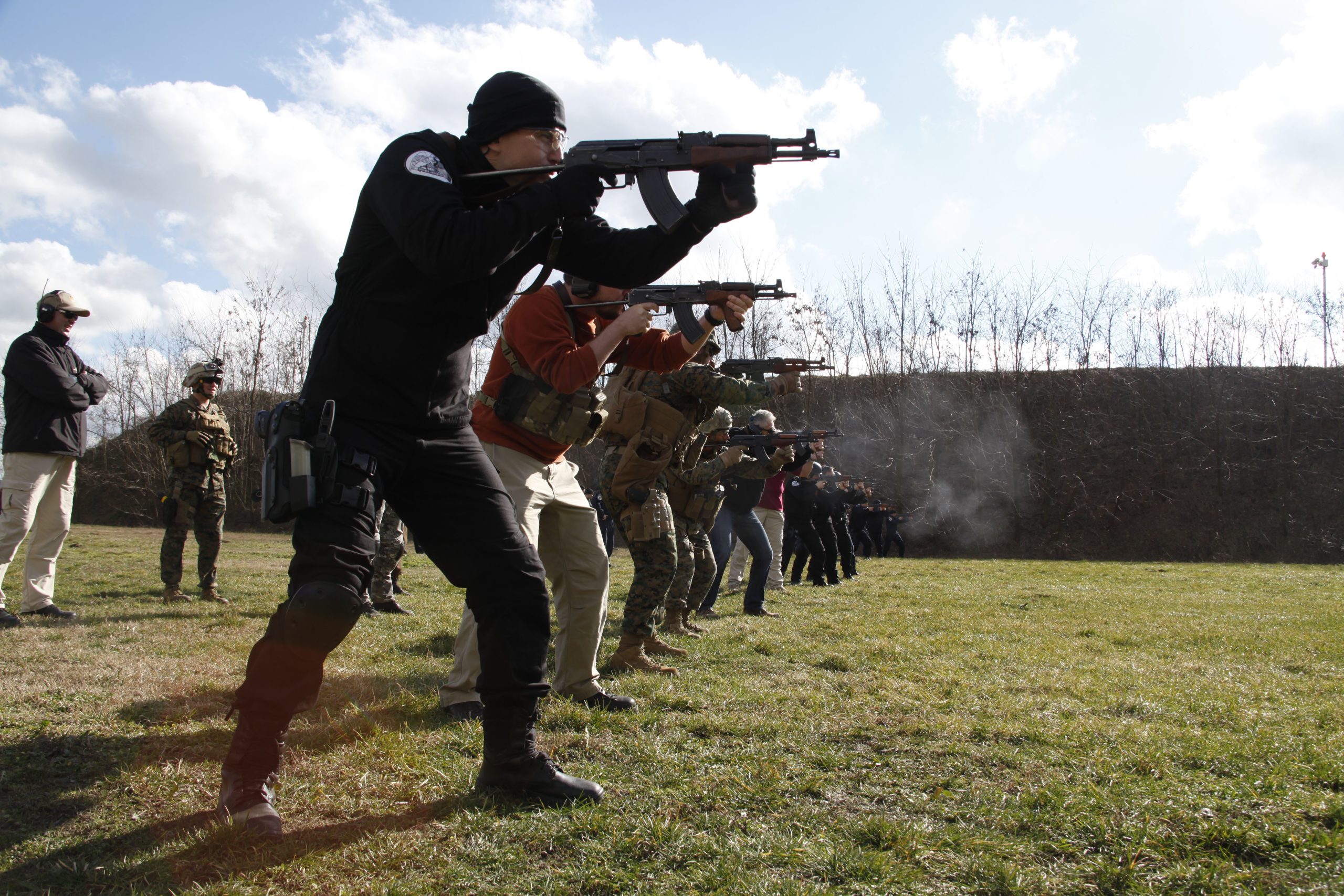
The WASR-10 became important because it gave American buyers an accessible route into the Romanian AK tradition. Its appeal rests on several numbers: 7.62×39mm chambering, a 16.25-inch barrel, roughly 34.25 inches of overall length,th and about 7.5 pounds unloaded. More importantly, the rifle connects American ownership with Cugir’s long manufacturing history and the broader AKM family. It is not the most refined AK available, nor was it designed to be. Its significance lies in being a practical, recognizable, and historically connected Romanian-made option that helped define the budget end of the U.S. AK market. Those figures also help explain why the model remains easy to recognize.