The scientific community recently witnessed an incredible breakthrough when an ancient virus frozen 50,000 years in ice just got thawed out by scientists. Researchers traveling through remote Siberian landscapes discovered completely preserved permafrost samples containing microscopic organisms. These deep frozen layers of earth kept biological materials safe from changing modern temperatures for thousands of years. Global warming causes these icy regions to melt rapidly and expose forgotten biological mysteries to the modern world. Experts carefully study these revived pathogens to understand how microscopic life survives extreme freezing conditions. This fascinating research provides valuable insights into our changing planet.
Uncovering Deep Siberian Permafrost Mysteries

Venturing into the freezing arctic tundra requires immense preparation and dedicated funding from international scientific organizations. Teams drill deep beneath the snowy surface to extract long cylindrical cores of solid frozen earth. These muddy ice samples contain microscopic remnants of plants and animals that lived thousands of years ago. The permafrost acts exactly like a giant natural freezer that stops cellular decay completely. Thawing these ancient soil samples inside a controlled laboratory environment reveals organic materials that remained untouched since the last ice age. Analyzing this pristine dirt helps scientists understand historical climates and extinct biological ecosystems clearly.
Understanding How Zombie Viruses Survive
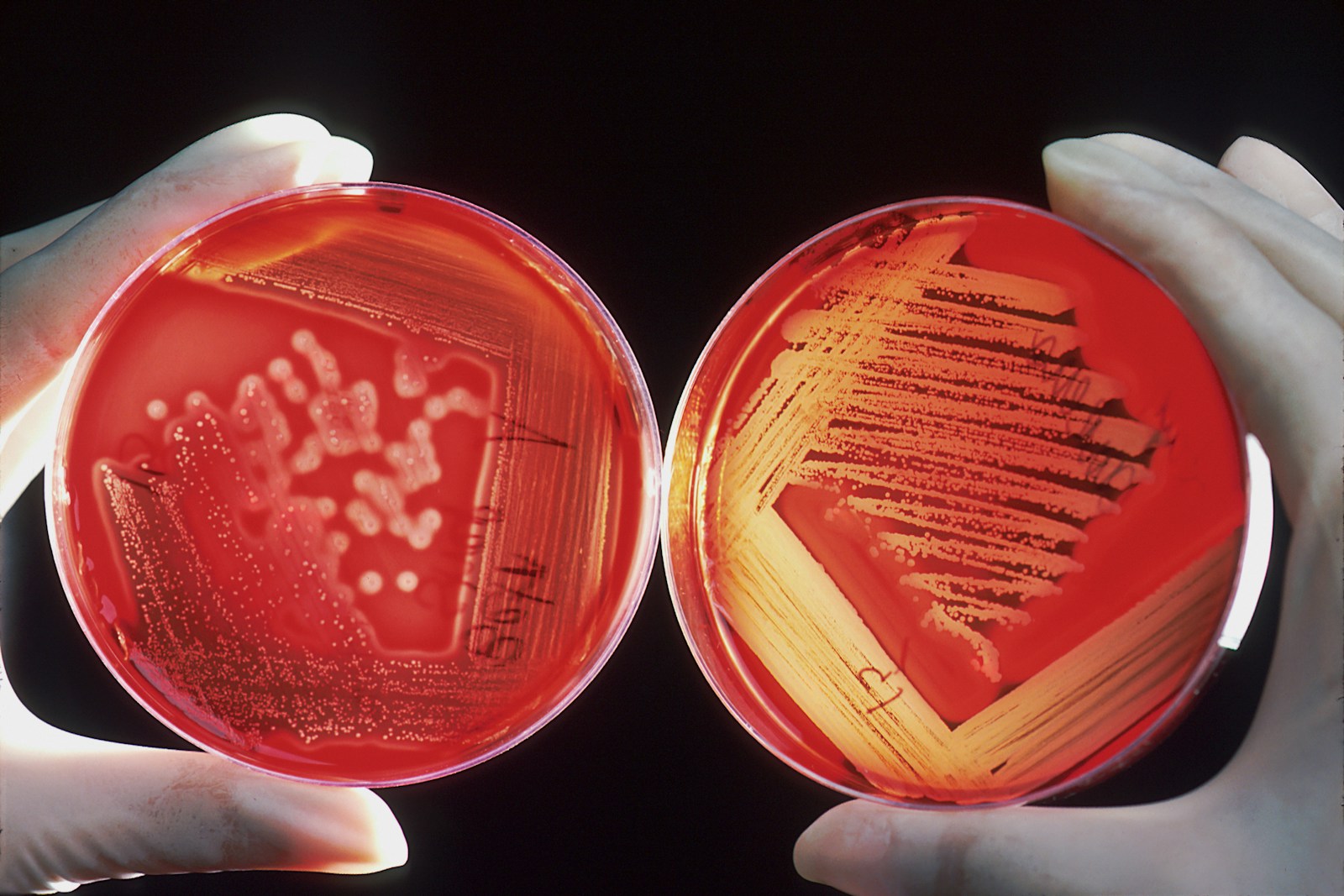
Finding living organisms inside incredibly old ice sounds like pure science fiction to most regular people. Biologists refer to these dormant microbes as zombie viruses because they return to life after resting for thousands of years. These fascinating microscopic structures possess unique biological adaptations that prevent delicate DNA strands from breaking during extreme freezing events. Remaining completely inactive allows the virus to conserve precious energy while waiting for warmer weather conditions to return eventually. The thick icy surrounding dirt blocks dangerous solar radiation that normally destroys exposed cellular membranes outdoors. Complete dark isolation guarantees their incredibly extended survival.
Studying Ancient Pathogens Safely Today
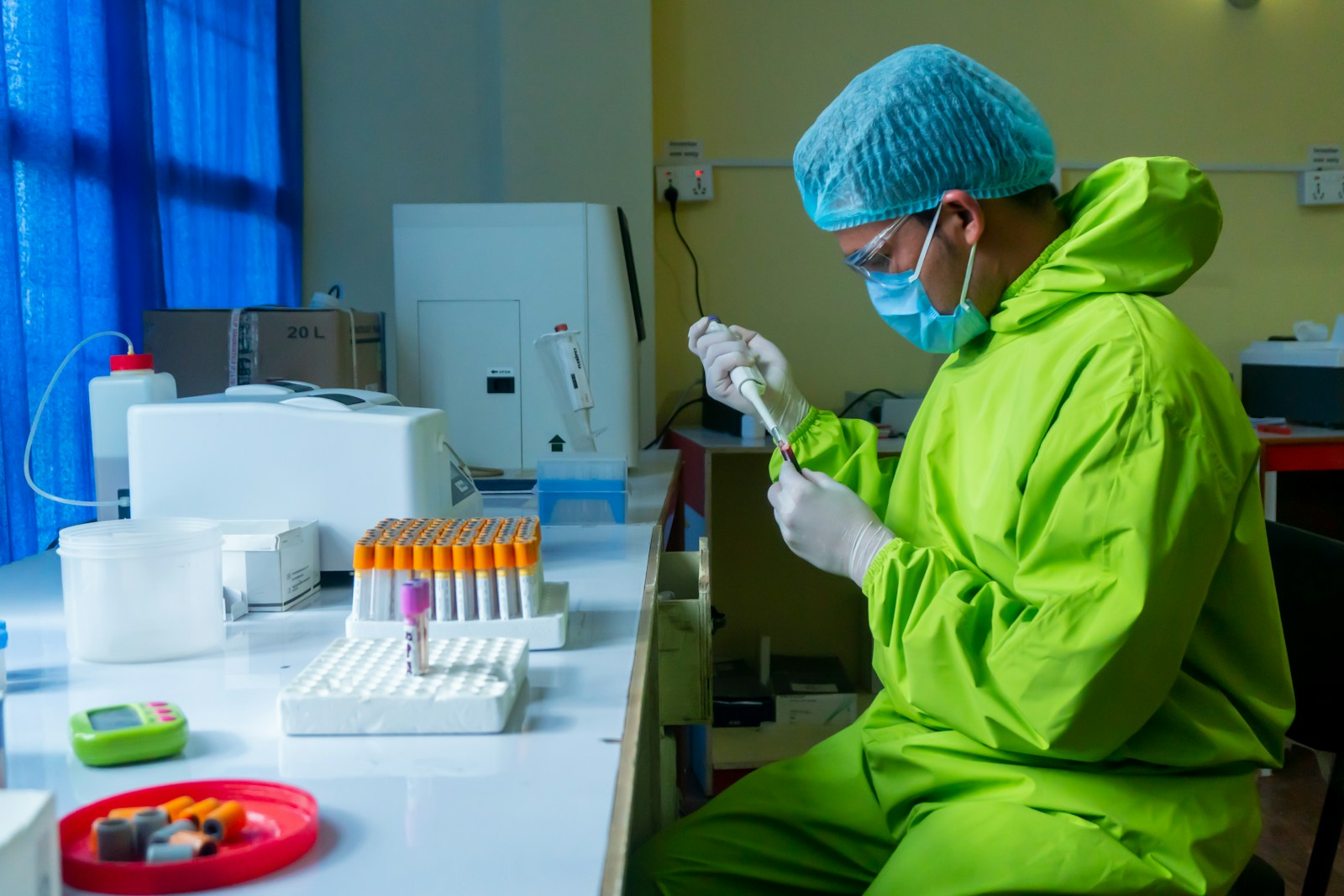
Heating up prehistoric microbes creates understandable anxiety regarding global public health and potential outbreak scenarios. Researchers utilize highly secure laboratory facilities featuring strict decontamination protocols and advanced air filtration systems. Scientists specifically target amoeba viruses because these simple strains cannot infect human cells under any circumstances. Infecting single celled amoebas allows researchers to observe the ancient viral replication process without creating dangerous medical threats. This highly cautious approach ensures absolute safety while gathering vital biological data. Learning how these dormant pathogens operate helps modern medicine prepare for unknown future challenges caused by rapidly melting permafrost zones globally.