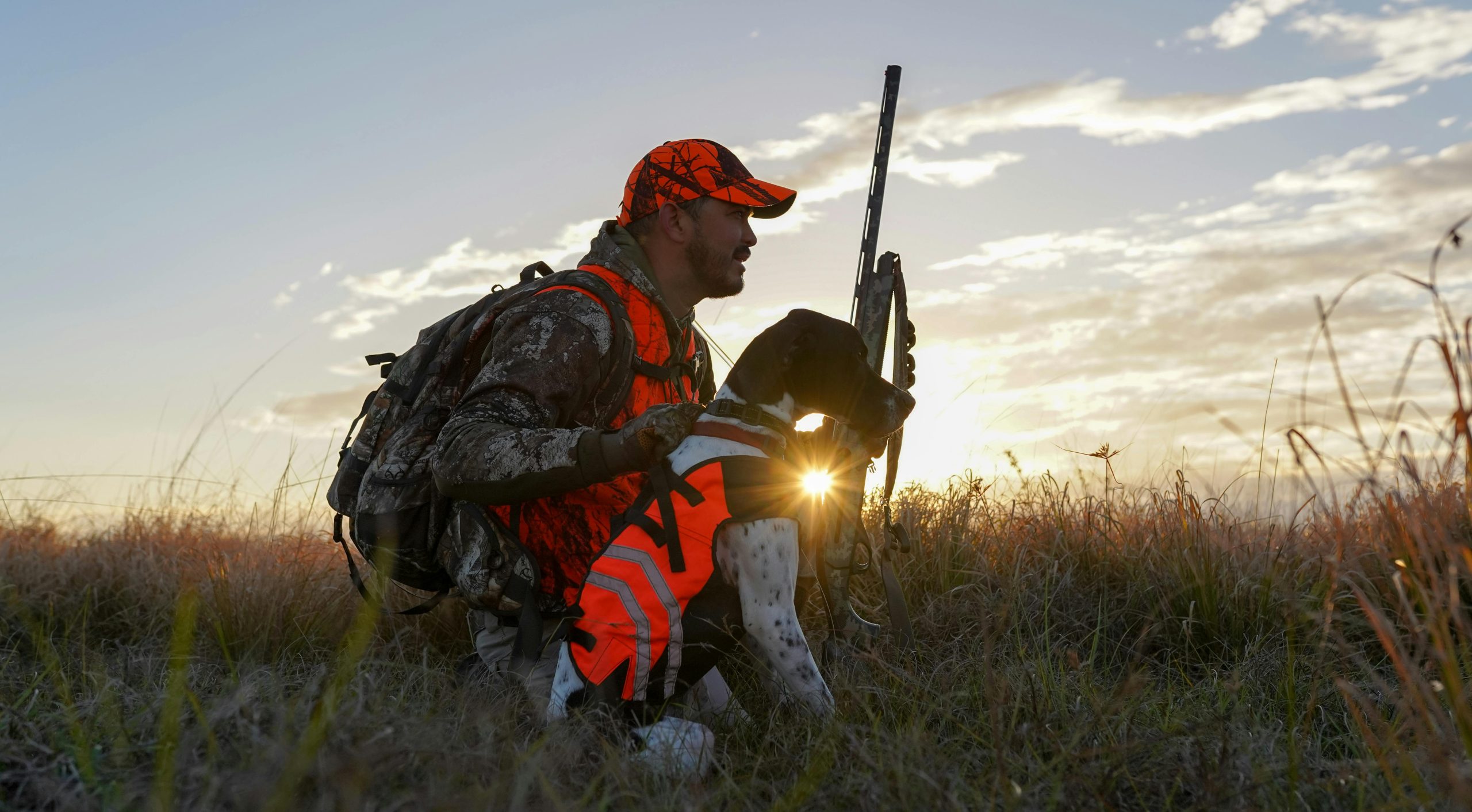
Outdoor enthusiasts constantly prepare for potential encounters with massive predators during wilderness expeditions. Many people believe large carnivores pose the greatest threat in remote forests. Surprisingly, official wildlife records reveal nine animals that have killed more hunters than bears ever have. These specific creatures often seem completely harmless or incredibly common to the average observer. Ignoring basic safety protocols around these dangerous species leads to tragic and highly preventable accidents. Understanding wild animal behavior helps cautious adventurers navigate natural habitats safely. Learning about these hidden dangers ensures everyone returns home peacefully after enjoying a wonderful weekend hunting trip.
The Common White Tailed Deer
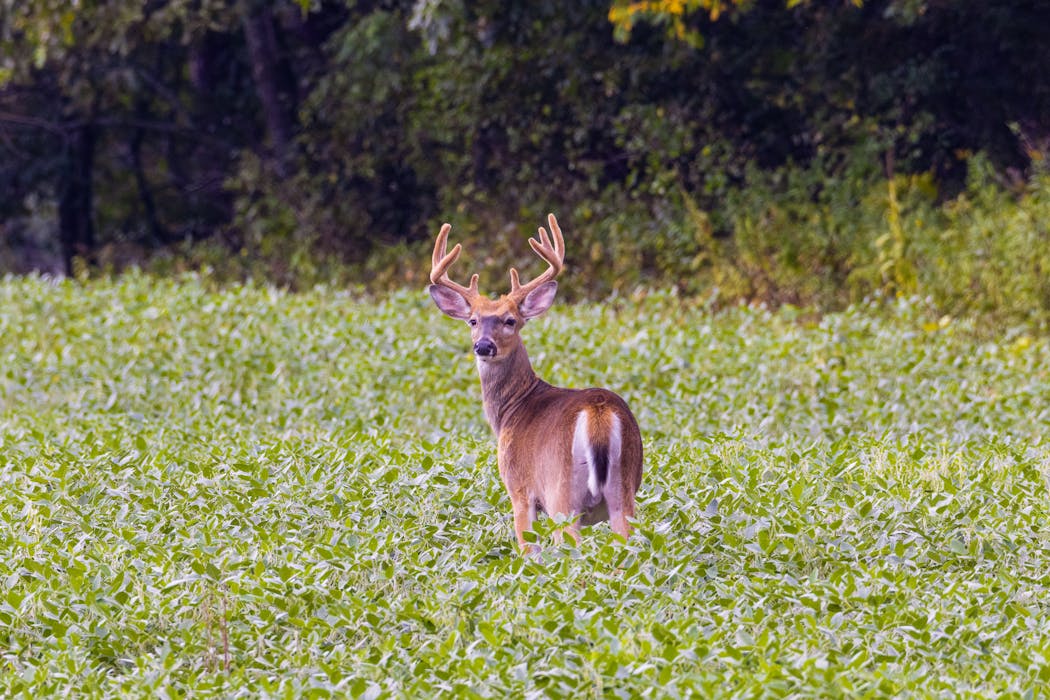
Many people view graceful deer as gentle woodland residents incapable of causing physical harm. In reality, these heavily populated herbivores cause extreme danger during the busy fall rutting season. Large bucks develop massive antlers and become incredibly aggressive toward any perceived threat entering their territory. Frightened deer also create tremendous hazards when they suddenly sprint across rural highways near popular hunting camps. Vehicle collisions involving large bucks cause devastating injuries and numerous fatalities every single year. Maintaining a respectful distance from these powerful animals guarantees a much safer experience while exploring dense forests and open meadows.
Aggressive Bees And Wasps
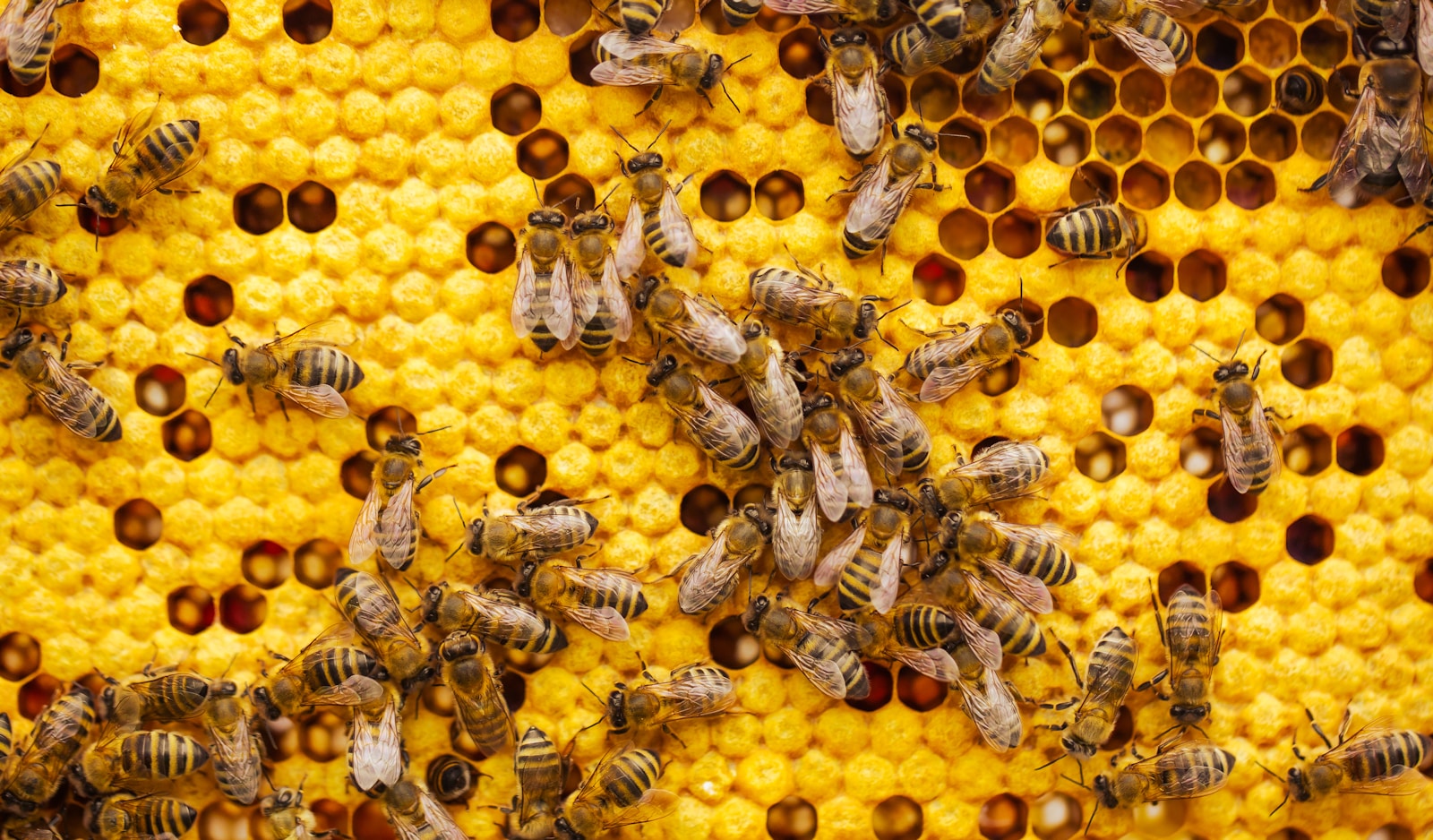
Tiny flying insects pose a significantly larger threat than massive mammalian predators roaming the wilderness. Thousands of outdoor enthusiasts unknowingly step on hidden ground nests while quietly tracking game through heavy brush. Swarms of angry wasps defend their territory fiercely by delivering multiple painful stings within seconds. These sudden insect attacks trigger severe allergic reactions that rapidly close human airways. Reaching modern medical facilities from remote wilderness areas often takes several hours. Carrying emergency epinephrine injectors saves countless lives when these highly aggressive stinging insects suddenly swarm unsuspecting visitors enjoying an otherwise peaceful afternoon nature hike.
Territorial Domestic Cattle
Walking across private agricultural land frequently exposes individuals to extremely dangerous livestock herds. Many sportsmen wrongly assume that domestic cows behave like gentle pets while grazing peacefully in open pastures. A protective mother cow views unfamiliar humans as deadly predators attempting to harm her newly born calves. These massive animals weigh over one thousand pounds and run surprisingly fast when feeling threatened. A sudden livestock stampede easily crushes anyone unable to climb a sturdy wooden fence quickly. Always respect farm boundaries and avoid walking directly through cattle herds to ensure complete safety during rural outdoor adventures.
Unpredictable Domestic Dogs

Man considers the loyal dog his best friend during long trips into the wild. Unfortunately, poorly trained hunting dogs occasionally cause terrible firearm accidents out in the field. Excited canines eagerly jump into duck blinds and accidentally bump loaded shotguns resting against wooden benches. This careless action frequently results in catastrophic accidental discharges that strike nearby companions. Feral dog packs wandering through rural forests also pose severe physical threats to solo hikers carrying heavy gear. Maintaining strict control over canine companions prevents horrible tragedies from ruining a perfectly wonderful morning spent hunting wild waterfowl near the river.
Disease Carrying Ticks
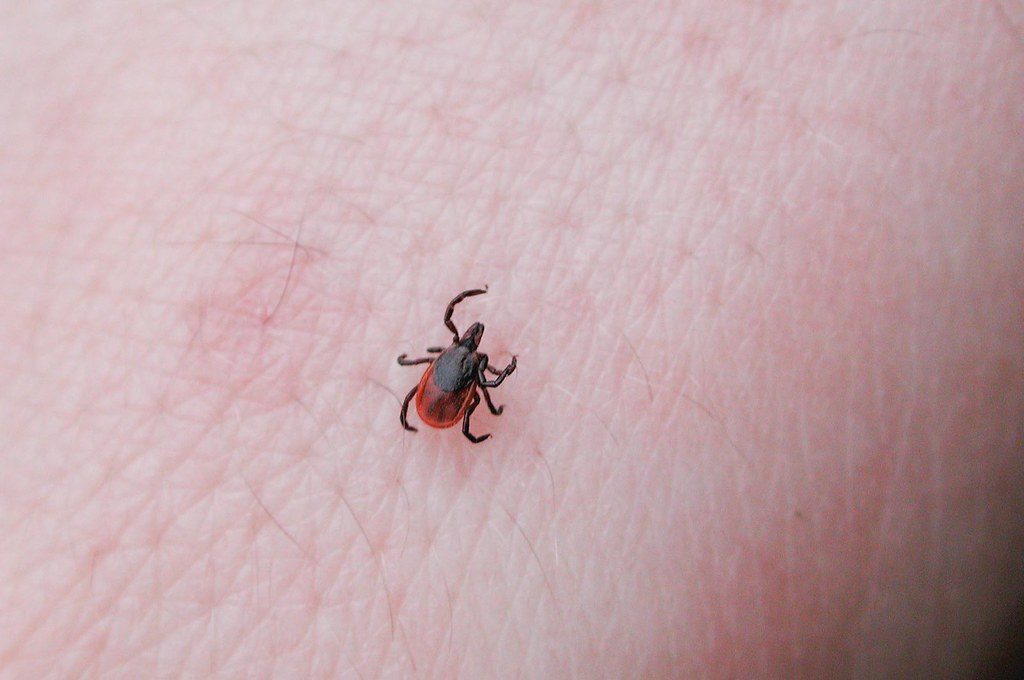
Microscopic parasites create far more medical emergencies than terrifying large predators ever could. Ticks silently attach themselves to human skin as people brush against tall grass while pursuing wild game. These tiny arachnids carry several devastating illnesses including Lyme disease and the dangerous Rocky Mountain spotted fever. An infected bite often goes completely unnoticed until severe flu symptoms strike the victim several days later. Ignoring these early warning signs leads to chronic joint pain and permanent neurological damage. Wearing protective clothing and applying strong insect repellent remains the most effective defense against these practically invisible forest threats.
Hidden Venomous Snakes
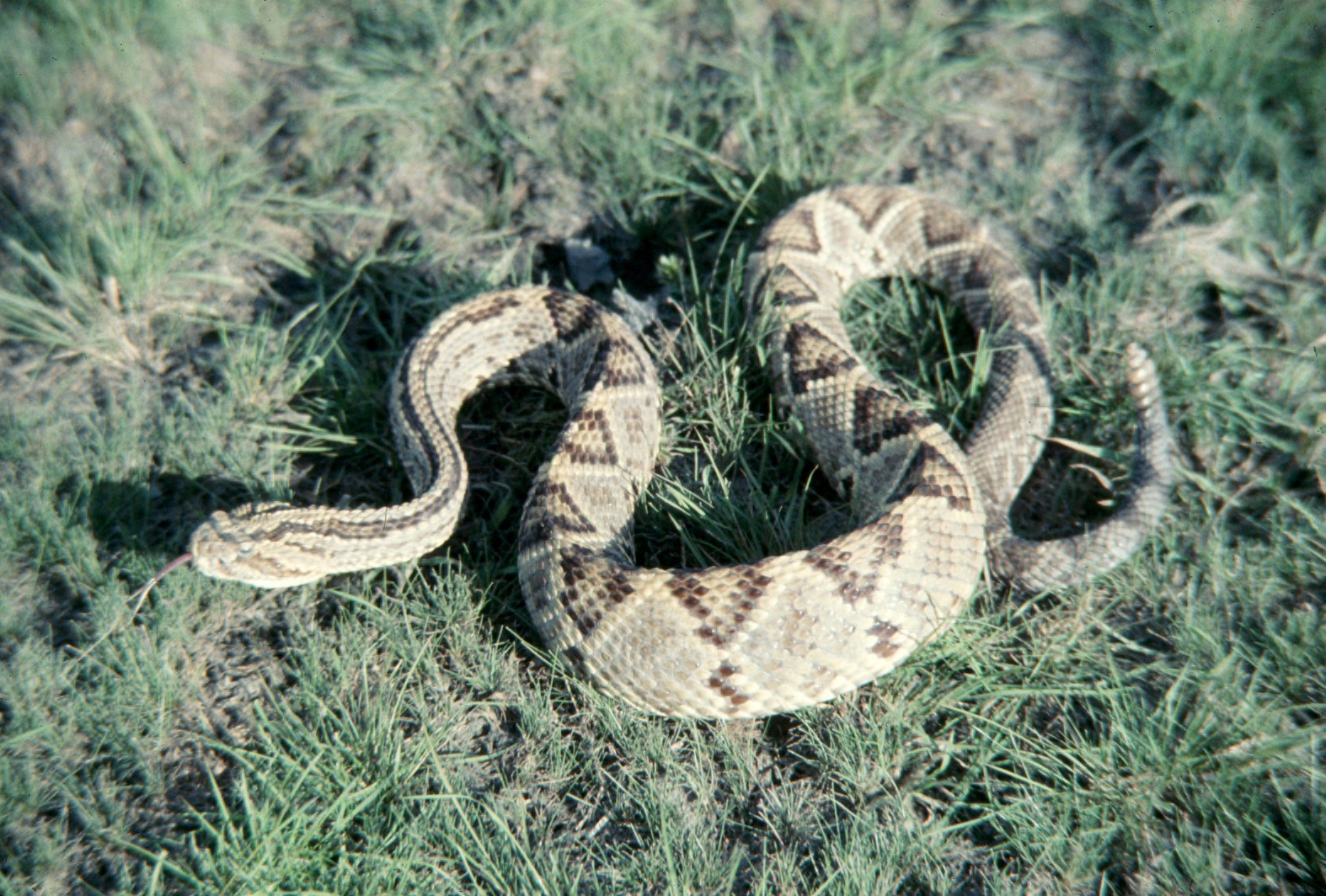
Camouflaged reptiles blend perfectly into dry leaves and rocky outcrops found across popular hunting lands. Venomous snakes rely entirely upon their incredible natural disguise to ambush prey and avoid larger predators. Sportsmen frequently step directly onto resting rattlesnakes or copperheads because they never scan the ground ahead. A startled snake strikes with blinding speed and injects highly toxic venom deeply into human tissue. Surviving these painful defensive attacks requires immediate professional medical intervention and expensive antivenom treatments. Wearing heavy leather boots protects lower legs from unexpected fangs hiding silently inside the thick autumn brush completely.
The Towering Moose
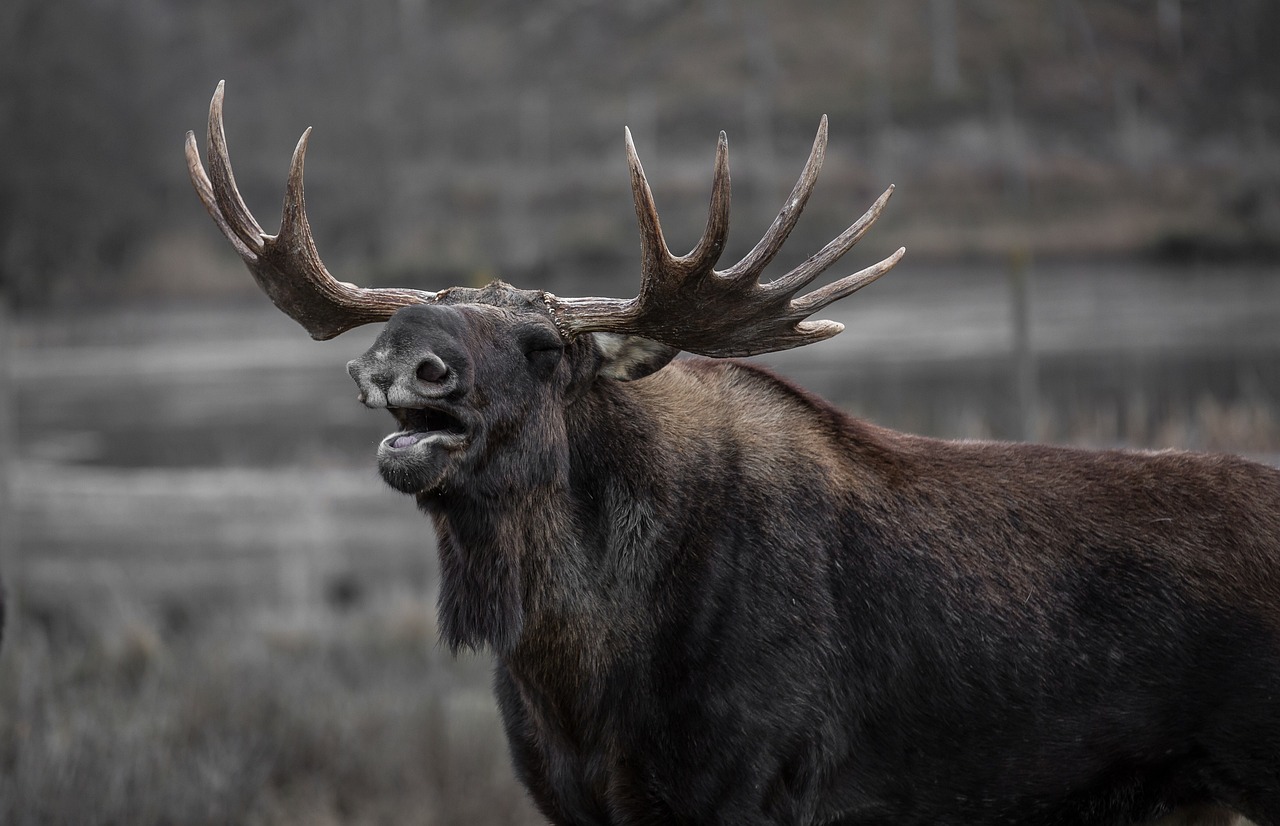
Massive herbivores command absolute respect from anyone venturing into cold northern wilderness environments today. The towering moose appears somewhat clumsy but moves with terrifying speed when defending its territory. Bulls become extremely aggressive during the autumn mating season and view approaching humans as direct romantic competitors. A charging moose uses heavy hooves to trample victims brutally until the perceived threat stops moving entirely. Their dark fur makes them virtually invisible to weary drivers navigating lonely rural roads after dark. A catastrophic vehicle collision with a heavy adult moose frequently destroys small cars and kills occupants instantly.
Disease Spreading Mosquitoes
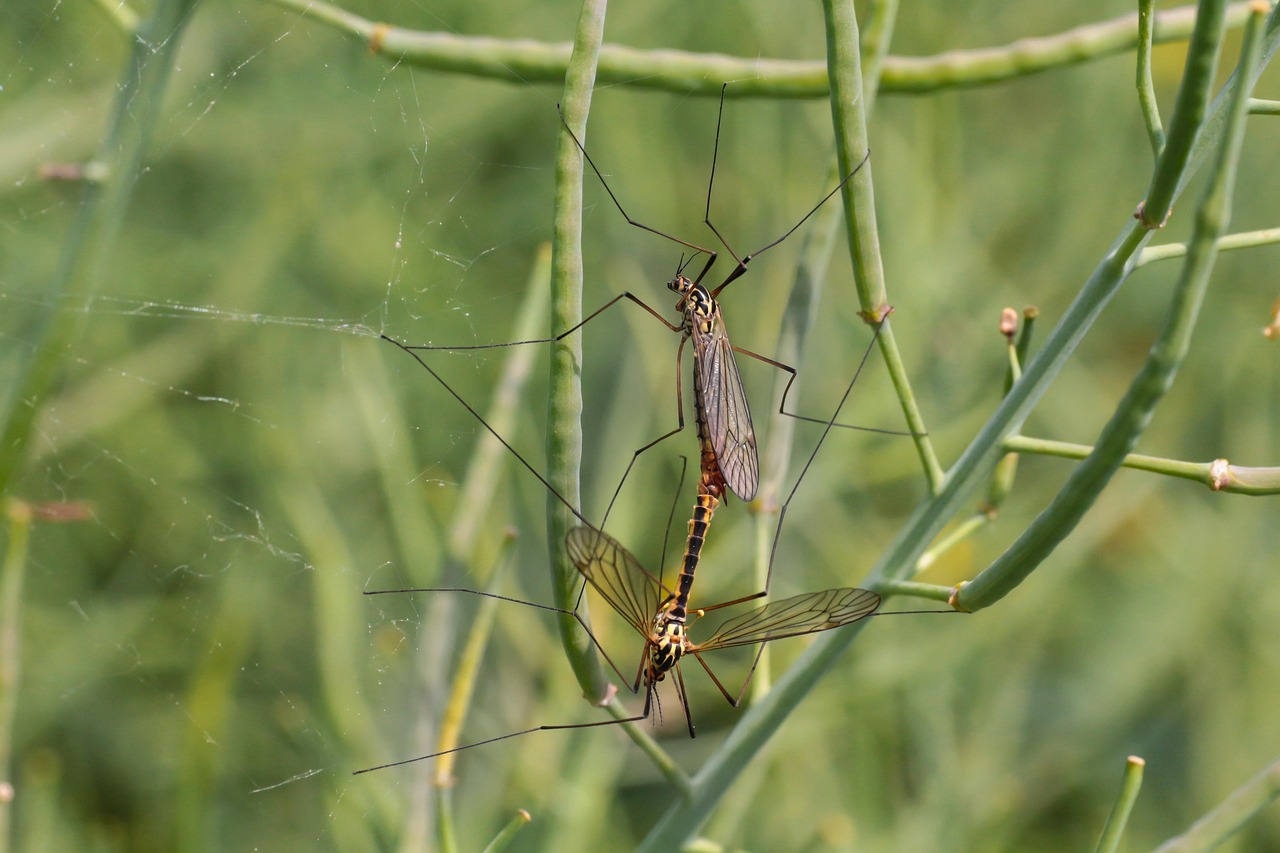
The most lethal animal on the planet weighs almost nothing and relies entirely on human blood for basic survival. Mosquitoes transmit terrifying viral diseases that kill millions of people across the globe every single year. Swarms attack hunters resting near stagnant ponds or marshy wetlands during the early morning hours. A single bite easily transfers the deadly West Nile virus or dangerous malaria parasites directly into the human bloodstream. Symptoms start slowly before overwhelming the immune system with extreme fevers and severe neurological complications. Applying chemical bug spray remains absolutely critical for surviving warm weather expeditions.
Unpredictable Riding Horses

Many traditional sportsmen use large pack animals to transport heavy camping gear deep into rugged mountain territories. Horses possess incredible physical power but naturally harbor extremely nervous prey instincts. A sudden loud noise or a slithering snake easily terrifies an otherwise calm horse within a single split second. A spooked animal throws its rider violently against hard rocks and heavy timber. The immense weight of a panicking horse effortlessly crushes human bones if the animal rolls over onto a fallen rider. Treating these muscular beasts with extreme caution prevents catastrophic orthopedic injuries during remote wilderness adventures.