Modern hunting gear is marketed around efficiency, comfort, and durability, and many upgrades genuinely deliver those benefits. The problem is that some improvements quietly introduce new drawbacks that hunters only notice after opportunities are lost. Noise is one of the most damaging of these tradeoffs. Animals detect unnatural sound far faster than movement, and even faint clicks or scrapes can end a hunt. One upgrade in particular often sneaks into a hunter’s setup without much thought, promising organization and load support while quietly increasing sound. Understanding how and why this happens is critical because silence is not just a preference in the field; it is a requirement for consistent success.
The Hard-Shell Pack Upgrade Explained

Upgrading from a soft, fabric hunting pack to a rigid or semi-rigid hard-shell pack feels like a logical step. These packs offer better structure, improved load transfer, and easier access to gear. They also protect optics, food, and electronics far better than traditional cloth designs. The downside is that rigid materials amplify sound. Plastic frames, molded backs, and reinforced panels transmit vibration instead of absorbing it. When branches brush against them or gear shifts inside, the noise carries farther. What feels solid and quiet at home becomes noticeably louder in still woods, especially during slow stalks or close-range setups.
Why Rigid Materials Betray You
Soft fabrics naturally dampen sound by absorbing impact and friction. Rigid materials do the opposite. When a hard surface contacts brush, bark, or rock, it produces a sharper acoustic signature. Even light contact creates a tone that does not exist naturally in the environment. Animals may not know what caused the sound, but they immediately recognize it as wrong. Hard-shell packs also resonate internally. Items tapping against molded walls create hollow, echo-like noises that fabric would normally muffle. This effect becomes worse in cold weather when plastics stiffen and lose flexibility, increasing both volume and sharpness.
The Illusion of Quiet During Practice
Many hunters test gear in controlled environments, such as garages or backyards, where ambient noise masks subtle sounds. Wind, traffic, and human activity hide small clicks and scrapes. In the woods, especially during calm mornings or evenings, those same sounds become obvious. A hard-shell pack brushing dry grass can sound like snapping twigs. Adjusting shoulder straps may cause plastic hardware to creak. These noises seem insignificant to the hunter but stand out sharply to animals tuned for survival. This false sense of quiet leads hunters to trust gear that quietly works against them when it matters most.
Movement Turns Noise into a Pattern

Noise alone is not always the problem. Repeated noise forms patterns that animals learn to avoid. Hard-shell packs often make consistent sounds during movement, such as rhythmic tapping or rubbing. This regularity signals intentional movement rather than natural disturbance. Predators and prey alike associate patterned noise with danger. Even when the sound is not loud, its consistency gives it away. Soft packs tend to produce irregular, muted sounds that blend into background noise. Rigid packs turn normal walking into a recognizable acoustic signal, increasing the odds of detection long before visual contact occurs.
Gear Inside the Pack Makes It Worse
The structure of hard-shell packs encourages internal organization using dividers, trays, or modular inserts. While convenient, these components create more contact points for noise. Metal zippers, plastic buckles, and loose accessories tap against rigid walls. Each step becomes an opportunity for sound. In contrast, soft packs allow gear to settle and compress. Even careful packing cannot fully eliminate movement inside a hard shell. The result is a collection of small sounds that combine into a constant giveaway, especially noticeable during slow, still-hunting, where silence is critical.
Cold Weather Amplifies the Problem
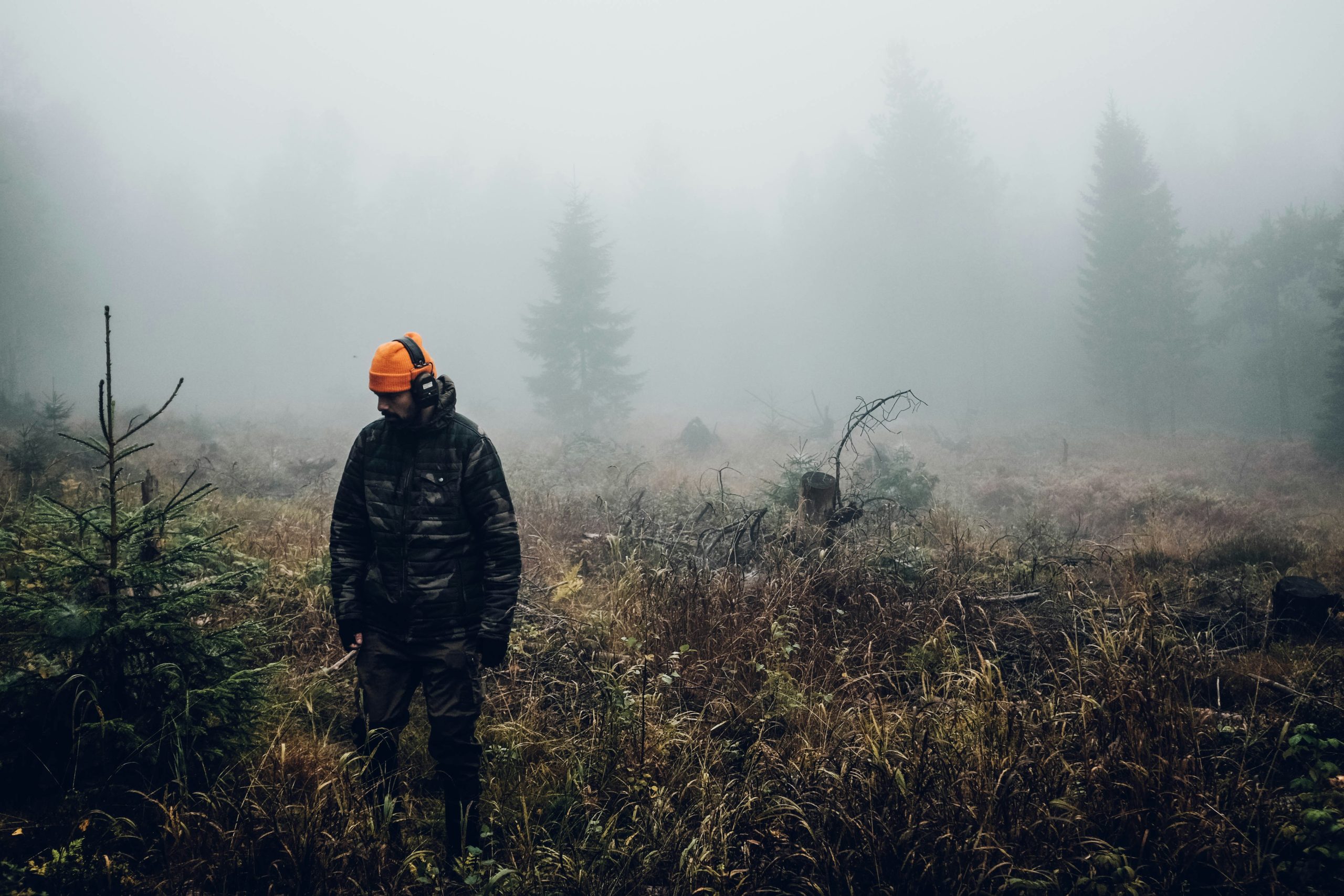
Cold temperatures magnify noise issues with rigid gear. Plastics harden, fabrics lose flexibility, and lubricants thicken. Buckles snap louder, frames creak more, and shells resist compression. Snow and ice rubbing against hard surfaces create scraping sounds that carry surprisingly far. Many hunters upgrade packs specifically for late-season hunts, unknowingly choosing gear that performs worse acoustically during the quietest time of year. In winter conditions, sound travels farther due to dense air and reduced foliage, making rigid gear even more noticeable to animals already on high alert.
When the Upgrade Still Makes Sense
Hard-shell packs are not useless. They excel in long pack-outs, rugged terrain, and situations where protection matters more than stealth. The mistake is assuming they are universally better. For spot-and-stalk hunting, bowhunting, or still-hunting in tight cover, the tradeoff often favors softer designs. Hunters should match gear to method, not trend. Recognizing when silence outweighs structure allows smarter choices. Many experienced hunters own multiple packs for different conditions, accepting inconvenience when stealth becomes the deciding factor between success and failure.
Reducing Noise Without Replacing the Pack
If a hard-shell pack is already part of your setup, steps can reduce its noise. Wrapping contact points with cloth tape, padding interior walls, and securing loose items tightly helps. Covering hard surfaces with fabric sleeves or pack covers can dampen sound. Choosing rubberized zipper pulls and silent buckles reduces sharp noise. While these fixes never fully replicate the quiet of soft gear, they significantly improve performance. Awareness alone changes behavior, encouraging slower movement and more careful positioning that limits unwanted contact with vegetation and terrain.
Silence Is Still the Best Upgrade
Hunting success is built on small advantages, and silence remains one of the most valuable. Gear upgrades should support that goal, not undermine it. Hard-shell packs offer real benefits, but they also introduce noise that many hunters do not recognize until it costs them an opportunity. Understanding how materials, movement, and environment interact helps hunters make better decisions. The quietest setup is rarely the most modern or rigid. In the end, the best upgrade is not always what carries more or protects better, but what disappears completely into the background of the hunt.