It looked like the future in 1941. Then the real world asked more of it than its design ever promised.
It Was Built for a Specific Problem, Not Every Problem
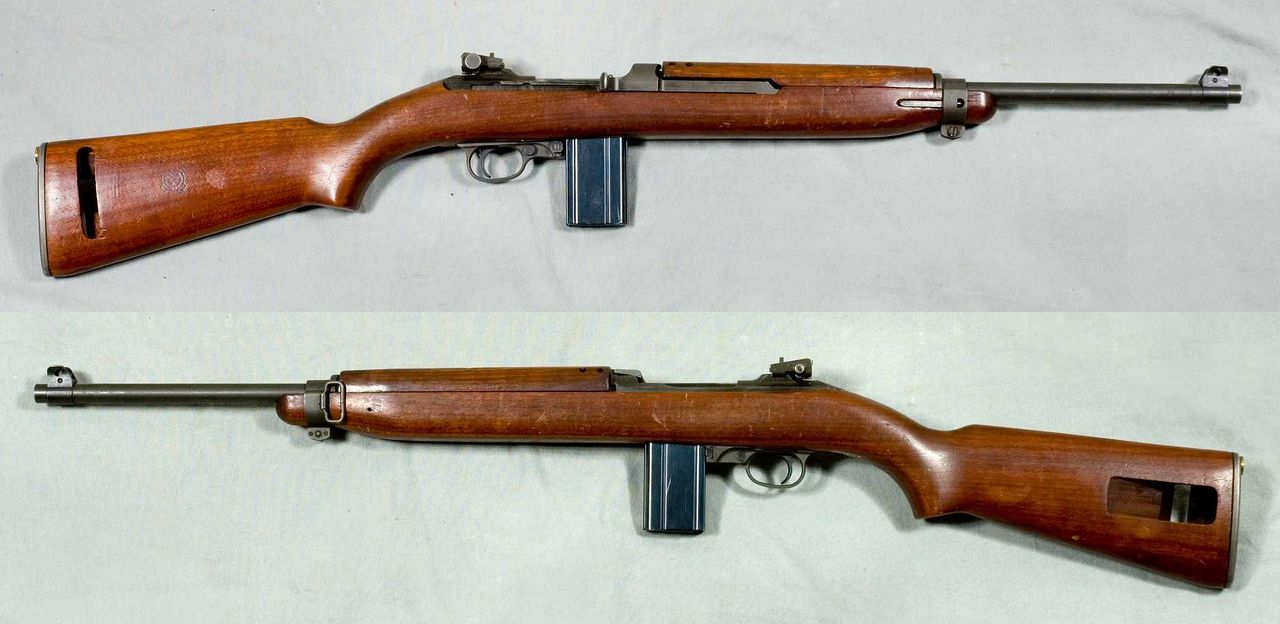
The .30 Carbine was created for the U.S. M1 Carbine, which the Army standardized on October 22, 1941. According to U.S. Army history and the Springfield Armory museum record, the goal was a lightweight defensive arm for officers, radiomen, drivers, mortar crews, and other troops who needed something better than a pistol but handier than an M1 Garand.
That original mission matters. The cartridge was never supposed to replace .30-06 as the main infantry round.
In plain terms, the Army wanted a light rifle that was easy to carry, fast to shoot, and effective at modest distances. The M1 Carbine delivered that beautifully. The trouble started when people later judged the .30 Carbine as if it had failed at being something else entirely.
On Paper, the Numbers Were Good but Not Great
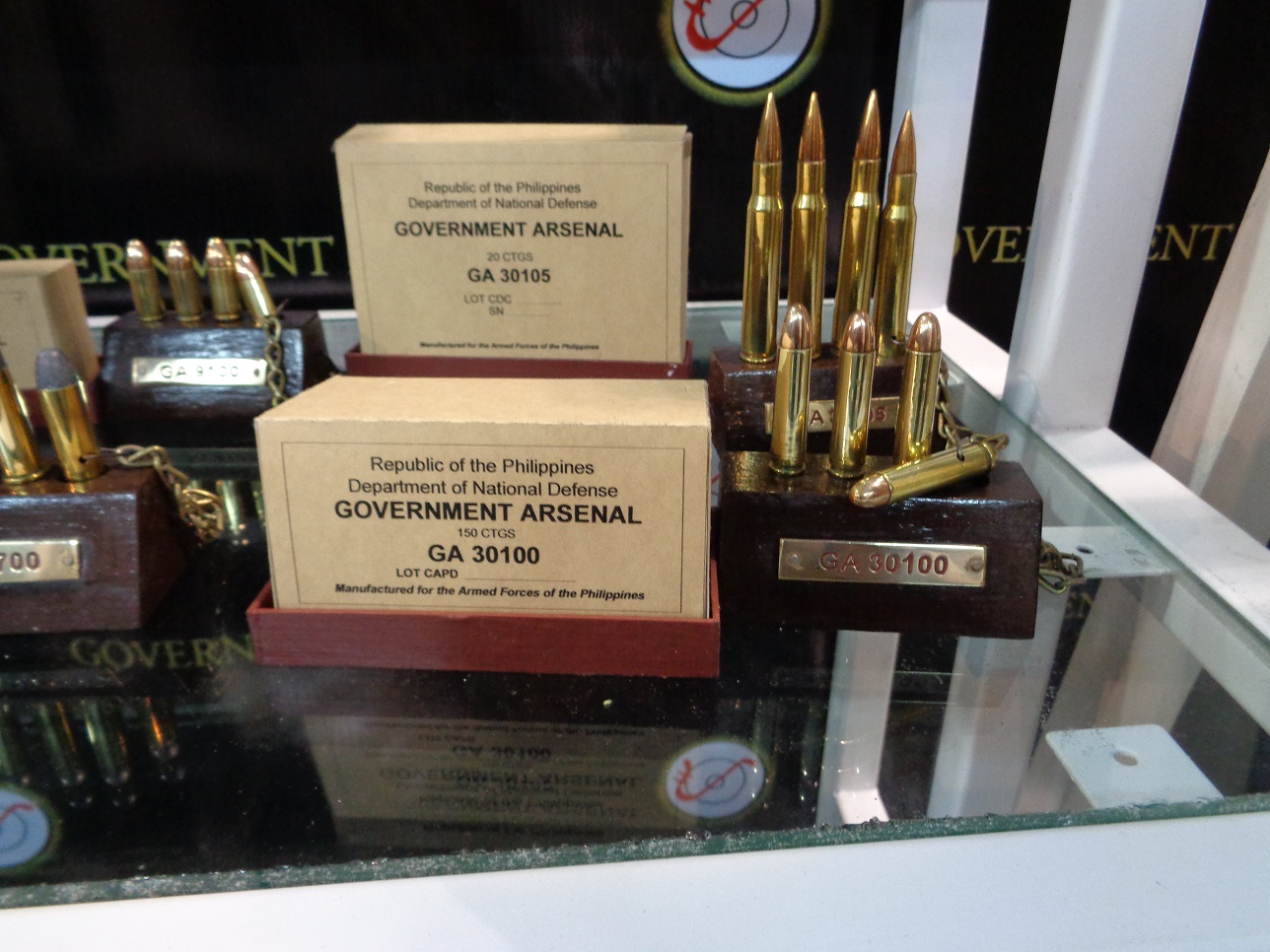
Standard military .30 Carbine ball ammunition used a 110-grain full metal jacket bullet at about 1,990 fps from the M1 Carbine’s 18-inch barrel. American Rifleman notes that this produced roughly 967 ft.-lbs. of muzzle energy, which put it well above handgun cartridges but far below true service rifle rounds like .30-06.
That middle ground was both its appeal and its limitation. It was more useful than a sidearm, yet clearly not a full rifle cartridge.
This helps explain why expectations got distorted. People saw a shoulder-fired weapon with low recoil, a 15-round detachable magazine, and excellent portability. Naturally, many assumed it could serve as a universal combat round. Ballistically, though, it lived in a narrow lane between pistol and rifle power.
Battlefield Reality Exposed That Narrow Lane
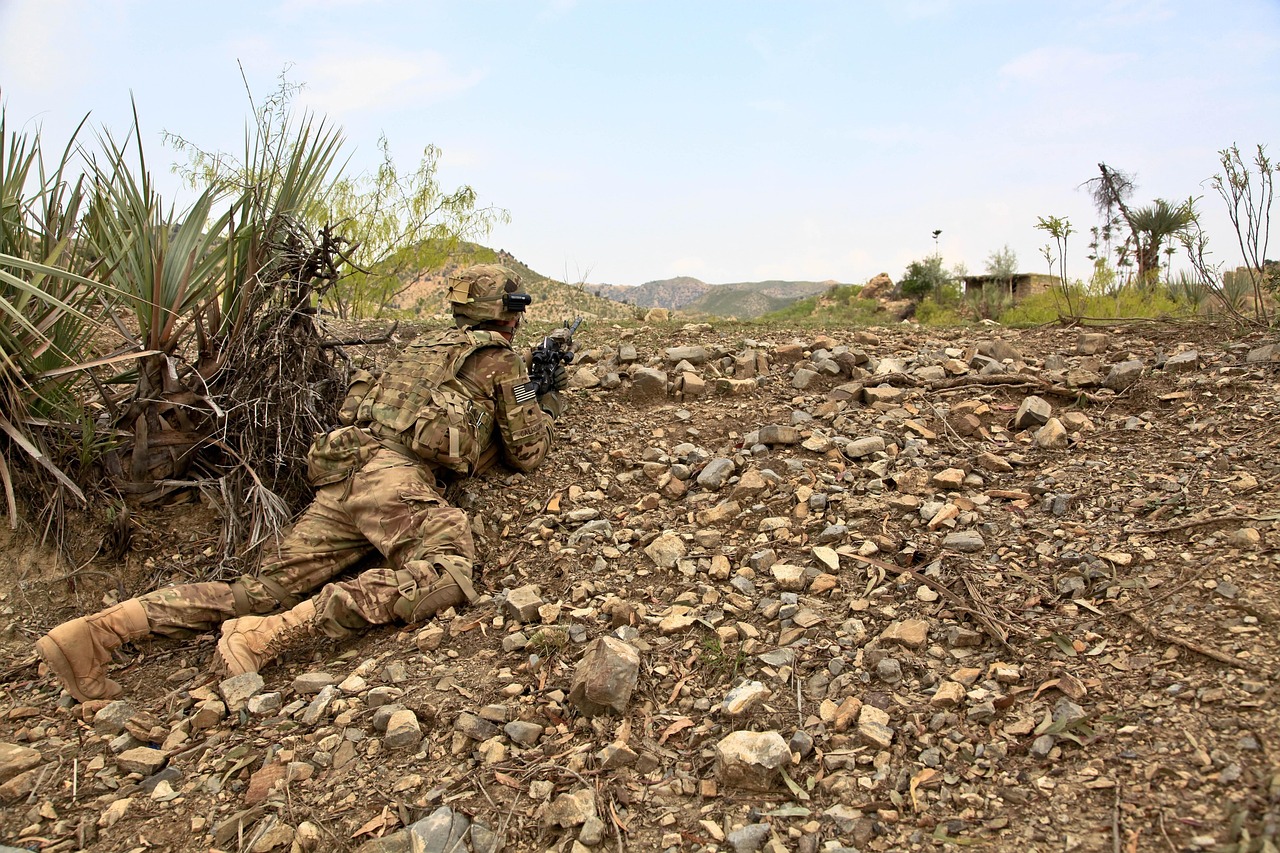
In World War II, many troops liked the carbine because it was compact, quick, and far easier to carry than a Garand. At close range, that mattered a great deal. American Rifleman has reported that at short distances the platform earned plenty of loyalty from the soldiers who actually had to lug it all day.
But close-range usefulness did not make it universal. Once ranges stretched, cover thickened, or enemies kept fighting after marginal hits, the .30 Carbine’s limits became harder to ignore.
The round’s 110-grain FMJ could penetrate adequately in some situations, yet its round-nose profile and modest energy did not always produce dramatic terminal effect. Much of the famous criticism about weak stopping power came from those real frustrations, even if some stories later grew in the retelling.
Korea Hurt Its Reputation More Than World War II Did
Korea was brutal on the carbine’s image. The U.S. Army’s own historical material notes that the M2 Carbine developed a poor reputation for jamming in extreme cold, with weak recoil springs blamed for some of the trouble.
That is important because reliability complaints often got mixed together with complaints about the cartridge itself. Soldiers do not separate those issues neatly when rounds are not landing, guns are sluggish, and the weather is punishing.
The Korean War also put the carbine into harsher tactical conditions than its original niche role. Against heavy winter clothing, longer sight lines, and determined attacks, many troops wanted more range and authority. In that setting, the .30 Carbine was often judged against the Garand, and that was never a comparison it was likely to win.
Civilian Use Showed the Same Strengths and Weaknesses
On the civilian side, the .30 Carbine remained fun, practical, and easy to shoot. It offered light recoil, decent capacity, and a compact rifle package. With modern soft-point and defensive loads, it can perform better than the old military FMJ load, and ammunition makers have long kept the 110-grain format alive.
Even so, the cartridge never became the do-everything answer. For home defense, some liked it, but others preferred 12-gauge shotguns, 5.56 carbines, or handguns with broader support and easier ammunition availability.
For hunting, it could work on small game and, with careful load choice and distance limits, some deer-size game. But that is a cautious, conditional role, not an all-purpose one. The market eventually sorted it into a specialty cartridge rather than a universal favorite.
In the End, It Succeeded but Only on Its Own Terms
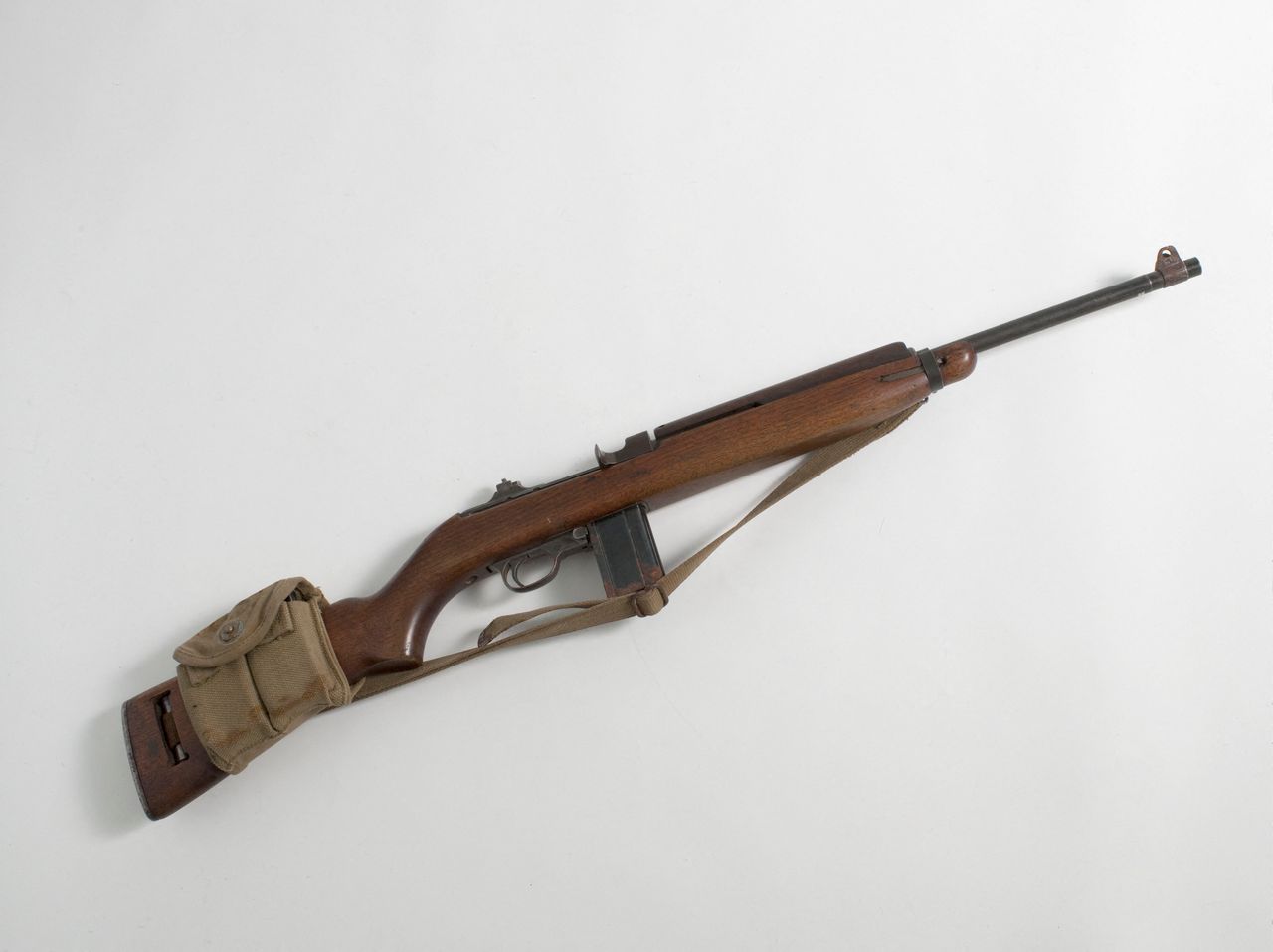
The .30 Carbine did not fail because it was badly designed. In many ways, it succeeded exactly as intended. It gave rear-echelon and support troops a light, fast, accurate weapon that was much more effective than a pistol and much less burdensome than a battle rifle.
What it never really had was enough ballistic headroom to become everything for everyone. Once military thinking moved toward true intermediate cartridges and rifles that could combine portability with better reach, the .30 Carbine’s compromise looked too limited.
That is why it never became the all-purpose cartridge people imagined. It was useful, clever, and ahead of its time in some respects. It was just not powerful enough, versatile enough, or adaptable enough to own the whole field.