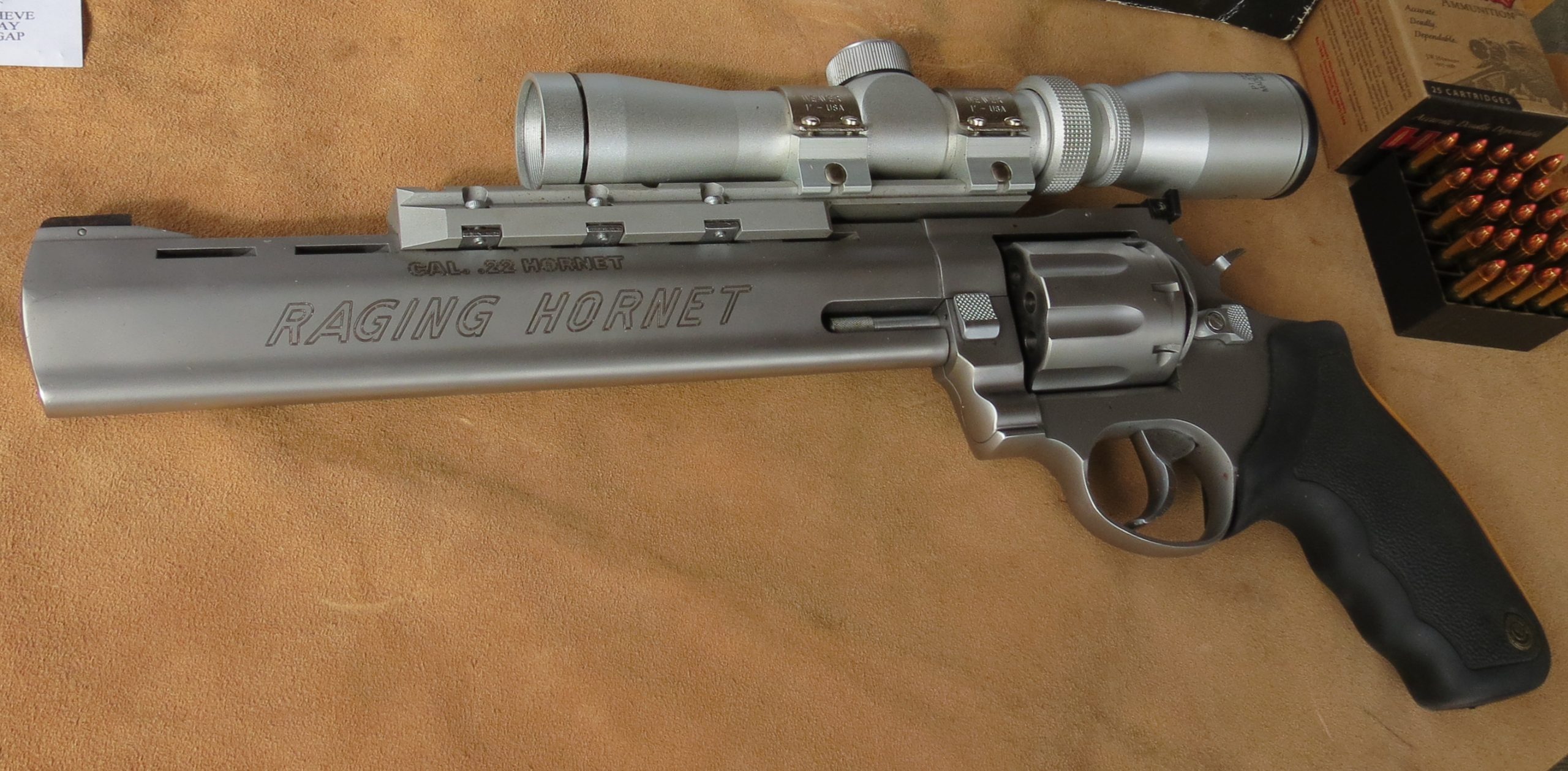
Some cartridges survive on numbers. The .22 Hornet survived on usefulness.
Even after hotter, flatter, and more modern rounds crowded the varmint world, this little classic kept finding reasons to stay.
It arrived early and solved a real problem
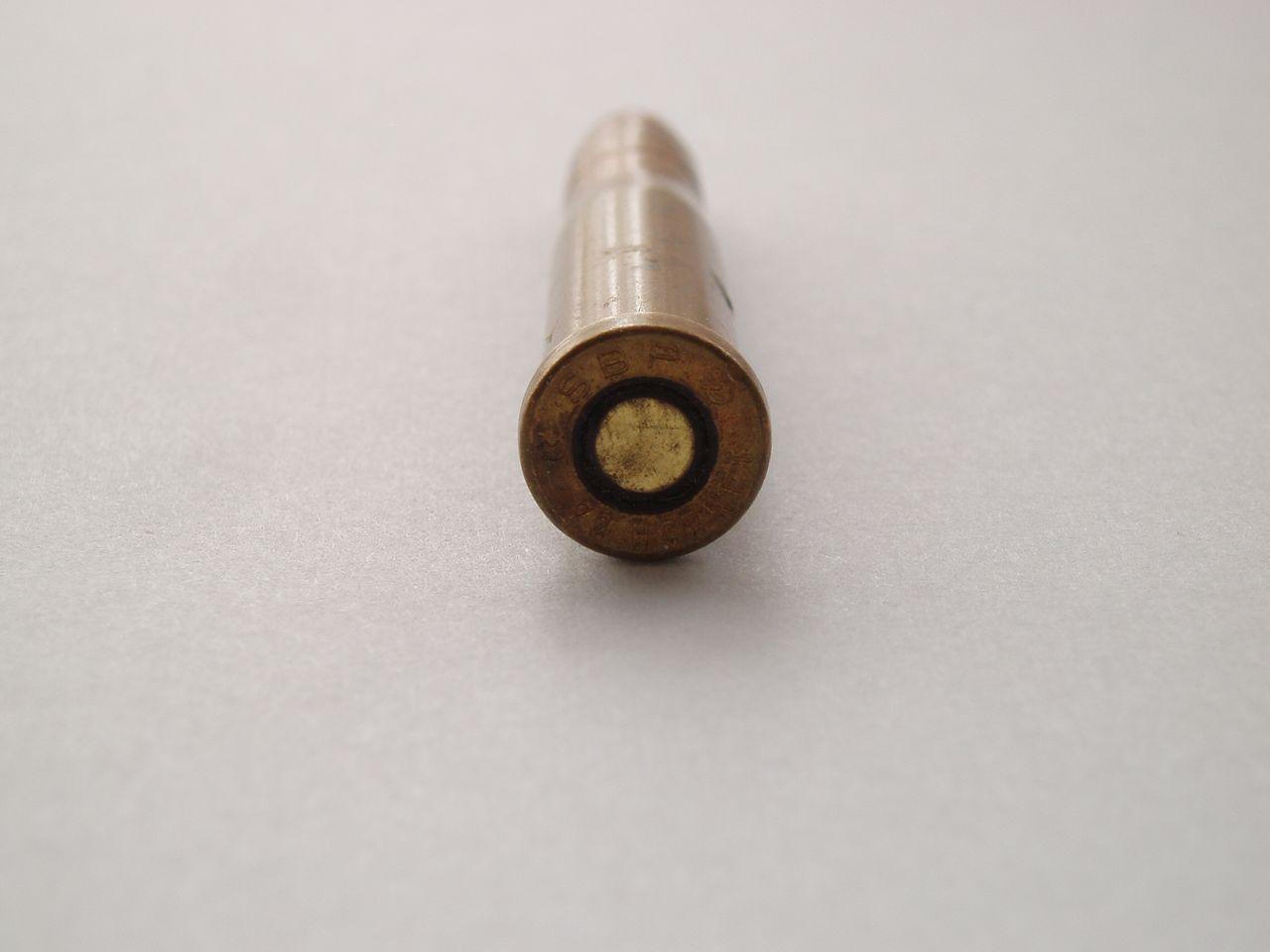
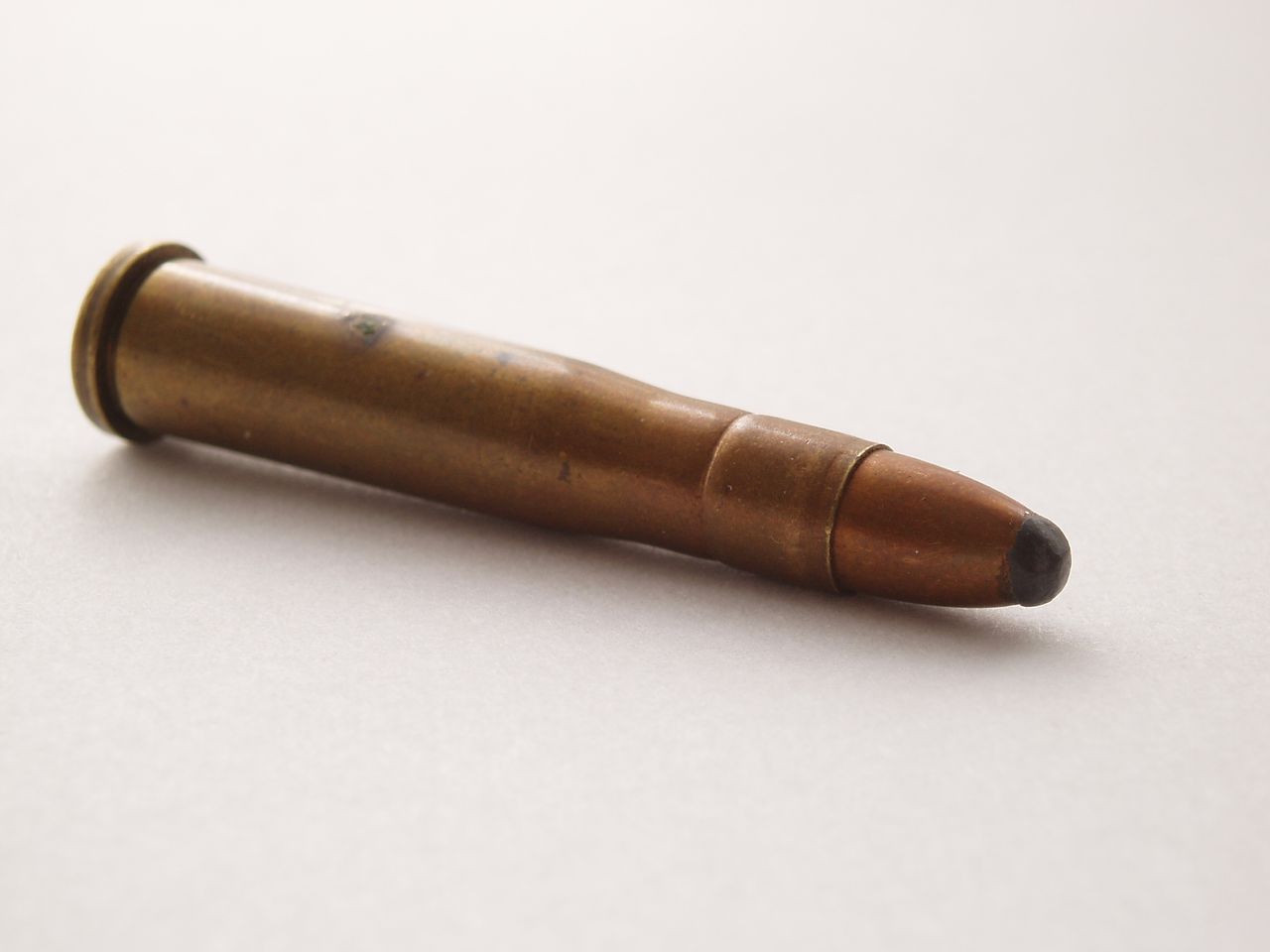
The .22 Hornet earned its place before the high-velocity .22 centerfire market became crowded. According to American Rifleman, the cartridge emerged from late-1920s Springfield Armory experimentation tied to Capt. Grosvenor Wotkyns and Col. Townsend Whelen, then reached commercial form around 1930. That timing mattered because it gave hunters something new: true centerfire speed in a compact package.
Before that, shooters often had to choose between rimfires with limited reach and larger centerfires that felt excessive for small game and varmints. The Hornet filled the gap neatly. It gave farmers, trappers, and small-game hunters a practical tool for foxes, woodchucks, and similar pests without stepping up to a full-size deer rifle.
Once a cartridge becomes the first really satisfying answer to a common field problem, it tends to build loyalty that outlasts fashion. The Hornet did exactly that. It was not just another round; for many shooters, it was the first mild centerfire that genuinely felt purpose-built.
It still does enough without doing too much
A big reason the Hornet endured is simple: it remains effective inside sane distances. SAAMI lists a nominal 3,040 fps with a 33-grain bullet for the .22 Hornet, while Federal has cataloged a 35-grain factory varmint load at 3,000 fps. Those numbers are modest beside a .22-250, but they are hardly weak in the real world.
That performance is exactly why the cartridge keeps hanging on. It hits harder than .22 WMR, shoots flatter than rimfires, and does so with centerfire reloadability. For calling predators, walking fencerows, or cleaning up pests around rural property, that middle-ground role still makes sense.
More important, the Hornet rarely feels overbuilt for its task. Plenty of shooters do not need 3,600-plus fps and the blast that comes with it. They need a cartridge that is effective, controllable, and pleasant enough to shoot often, and the Hornet still checks those boxes.
Low blast and low recoil never go out of style
Shooters sometimes underestimate how much comfort matters until they spend a day behind a louder rifle. The .22 Hornet’s mild recoil and relatively modest report make it unusually easy to live with. That matters for new shooters, for high-volume varmint sessions, and for anyone who values field practicality over bragging rights.
This is one place where newer cartridges did not automatically replace it. A .204 Ruger or .22-250 can absolutely outrun the Hornet, but greater speed usually brings more powder, sharper muzzle blast, and more barrel heat. Those are real tradeoffs, not footnotes.
The Hornet feels civilized. In lightweight sporters and trim walking rifles, that character becomes even more obvious. It encourages careful shot placement and relaxed shooting, which helps explain why owners tend to keep them instead of trading them away for the next fast thing.
Rifle makers kept feeding the cartridge’s reputation
The .22 Hornet also survived because respected rifle makers continued chambering it long after its supposed replacement should have buried it. Ruger maintained a 77/22 Hornet line, and its serial-history tools still list the 77/22 Hornet as a recognized product family. CZ’s 2020 catalog included the 527 American in .22 Hornet, and the company later listed the 527 American among discontinued models as it changed product lines.
That kind of production history matters because it proves steady demand. Manufacturers do not keep niche chamberings alive for nostalgia alone. If rifles keep selling, the cartridge stays visible, and visibility helps preserve both ammunition support and handloading interest.
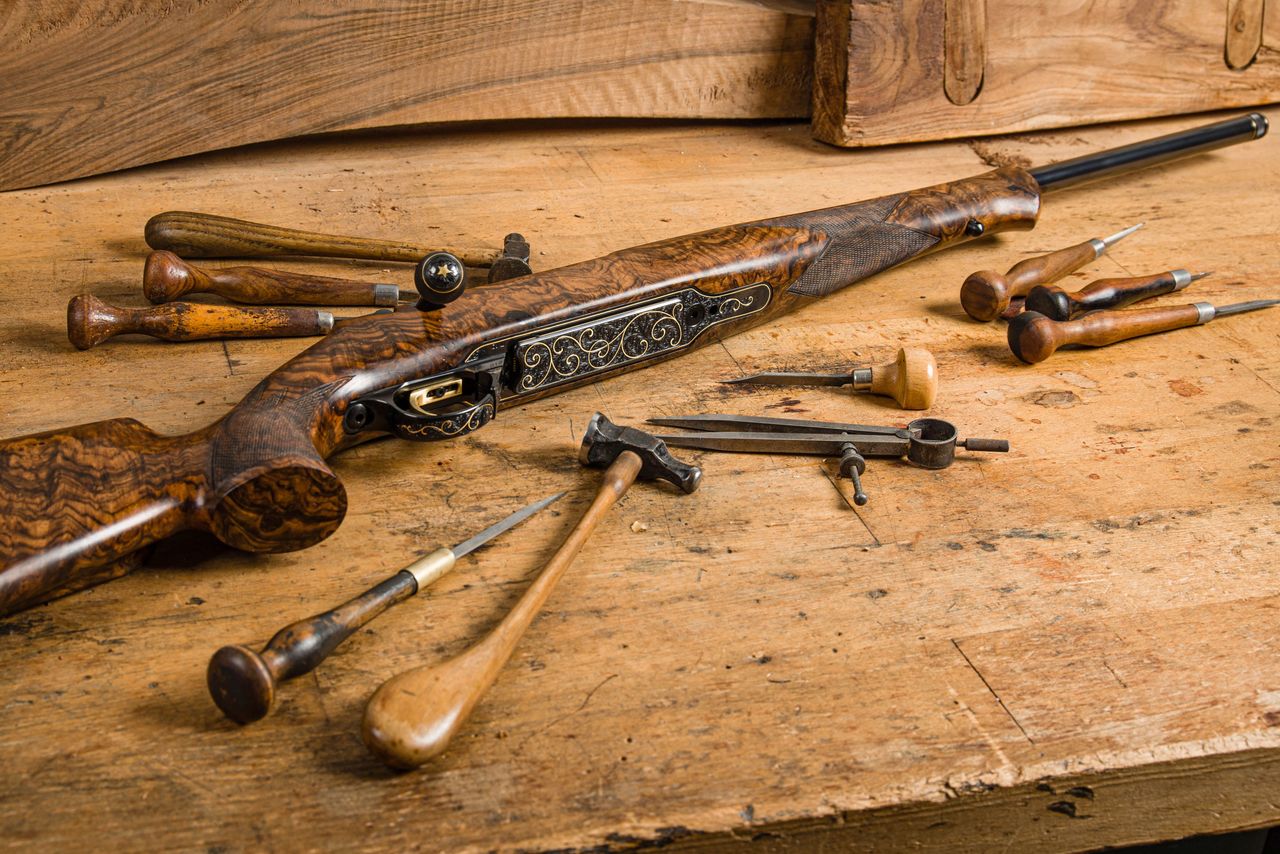
The Hornet especially benefited from being offered in elegant, compact bolt guns. In those rifles, it felt perfectly matched, almost like a cartridge from a more deliberate era. That pairing created a loyal owner base that newer cartridges never fully displaced.
Handloaders gave it a second and third life
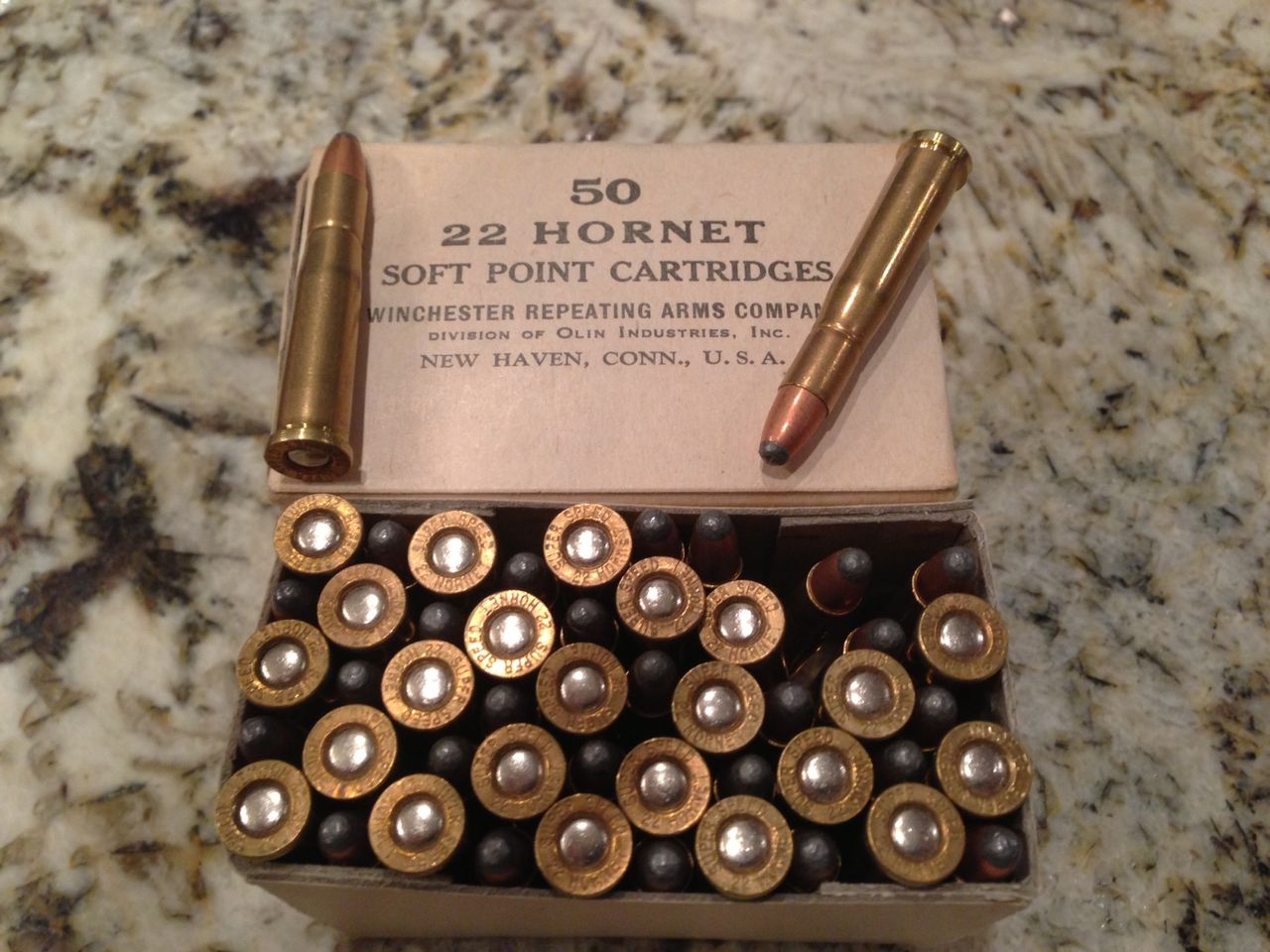
Another reason the Hornet refused to die is that handloaders never stopped tinkering with it. American Rifleman notes the .22 K-Hornet could add roughly 200 fps over the standard version, and later experimenters kept exploring the case’s potential. That kind of wildcat attention is usually a sign that a cartridge has something fundamentally right about it.
The Hornet is economical, too. It uses comparatively small powder charges, which appeals to reloaders who shoot often and appreciate efficiency. When a cartridge is pleasant to load, affordable to feed, and responsive to careful tuning, it develops a devoted following that is hard to erase.
In many ways, reloaders acted as the Hornet’s cultural preservation society. Even when newer factory cartridges dominated magazine covers, Hornet fans kept proving that this old case still had room for improvement and plenty of practical life left in it.
In the end, charm counts as much as ballistics
Not every long-lived cartridge survives because it is objectively the best at everything. The .22 Hornet survived because it has personality, and in gun culture that matters more than spreadsheets suggest. It offers enough speed, enough precision, and enough authority for real field work while staying light, efficient, and enjoyable.
That balance is hard to replace. New cartridges usually win by specializing: more velocity, less drift, longer range, better BC. The Hornet wins by being agreeable. It is the rifle cartridge equivalent of a tool that always seems to be just right when the job is modest but real.
That is why it refused to disappear. The .22 Hornet never needed to dominate the market. It only needed to remain useful, and for nearly a century, that has been more than enough.