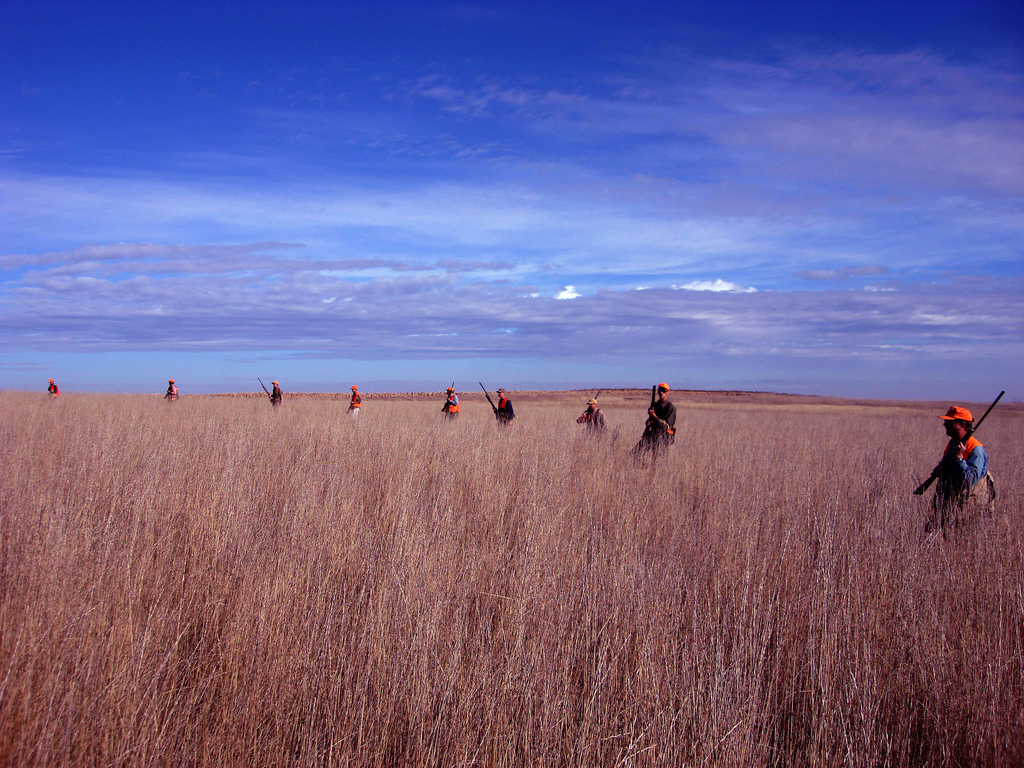
Traveling to hunt in another state can be expensive and complicated, especially when license fees, application deadlines, limited tags, and unfamiliar regulations stand between hunters and a trip. However, some states offer practical options through over-the-counter licenses, special nonresident opportunities, simplified online purchasing, or access to particular game species without a lengthy draw process. Accessibility does not necessarily mean cheaper licenses or guaranteed success, and popular big-game tags can remain highly competitive. The following states are worth examining for 2026, with the important distinction that each opportunity depends on the species, season, and applicable rules.
1. Colorado
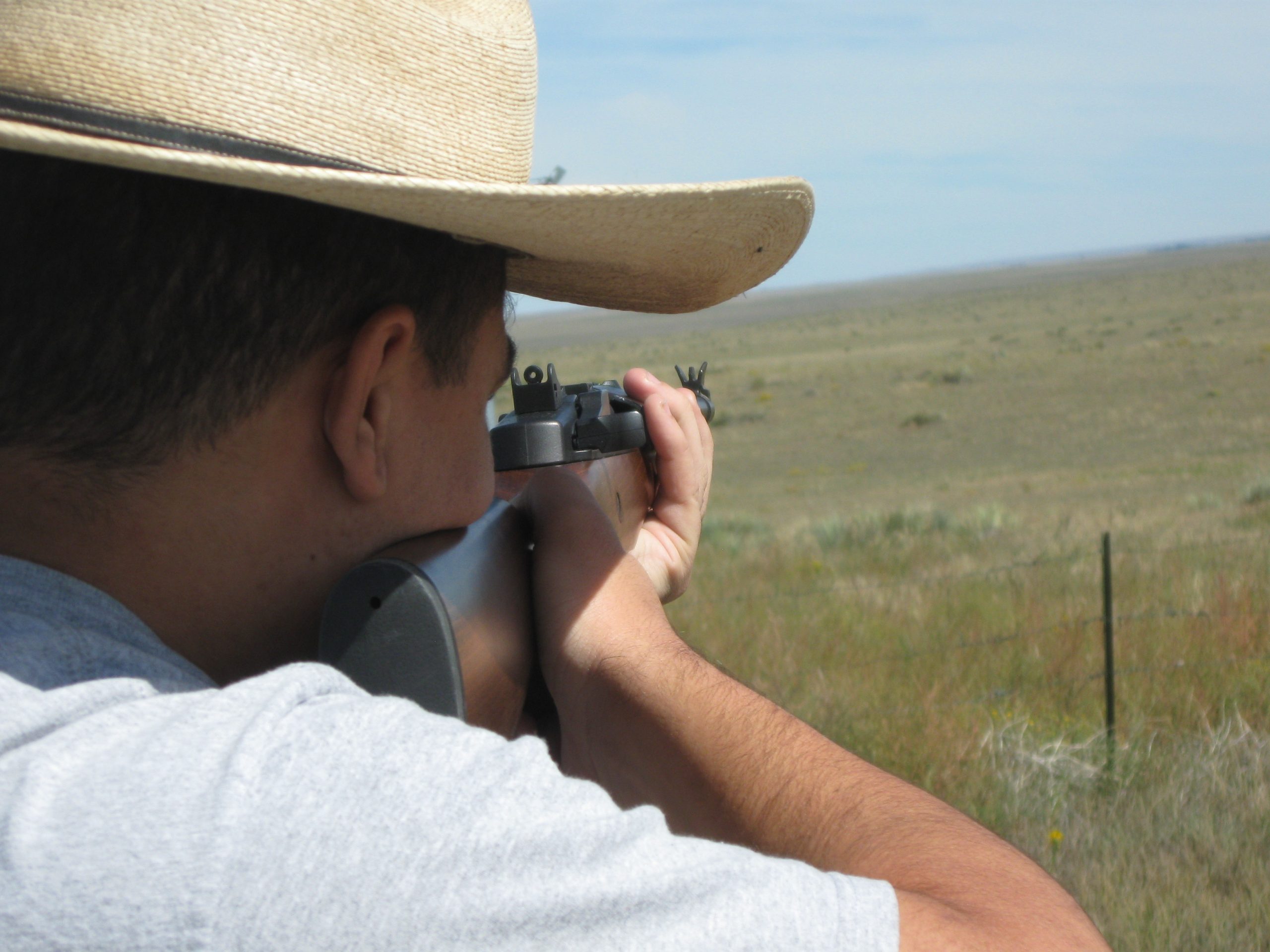
Colorado remains an attractive option for nonresident hunters because selected big-game licenses are available over the counter without entering a draw. In 2026, nonresidents can buy certain rifle elk, bear, archery pronghorn, and white-tailed deer licenses, subject to specific units and seasons. A new elk hunt code also covers Game Management Units 59, 511, 581, and 591. However, Colorado has restricted nonresident over-the-counter archery elk access in several western units to address crowding. Check the current license list before booking travel.
2. Arizona
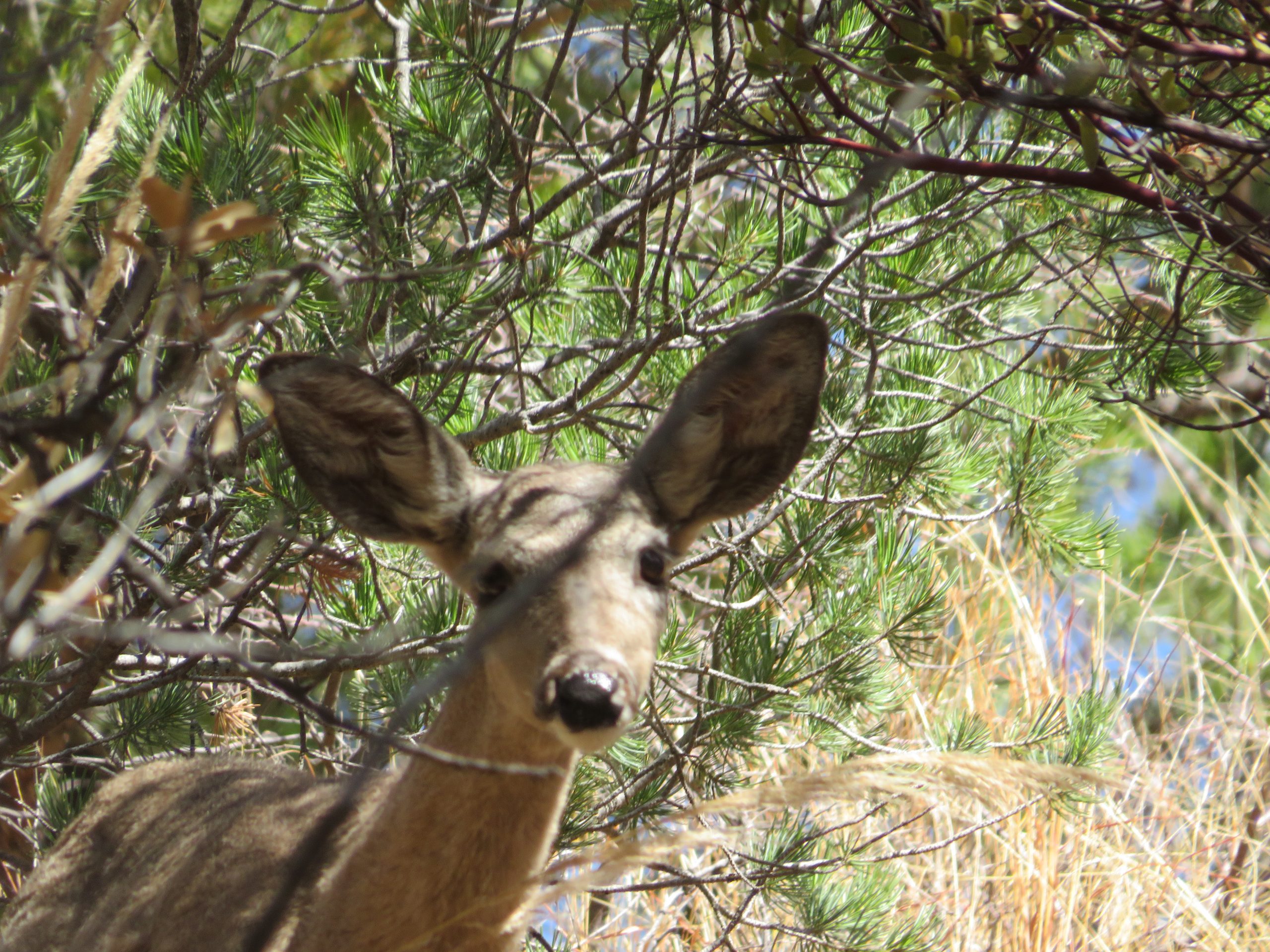
Arizona offers a useful option for nonresidents interested in archery deer. For the 2026 calendar year, the state announced 2,785 over-the-counter nonpermit tags for nonresident archery deer hunters, sold online on a first-come, first-served basis beginning November 3, 2025. This creates a route that does not depend on winning a standard permit-tag draw, although availability is limited and a tag does not guarantee a successful hunt. Hunters should confirm the applicable unit, season dates, license requirements, and remaining tag availability before making travel arrangements.
3. Michigan
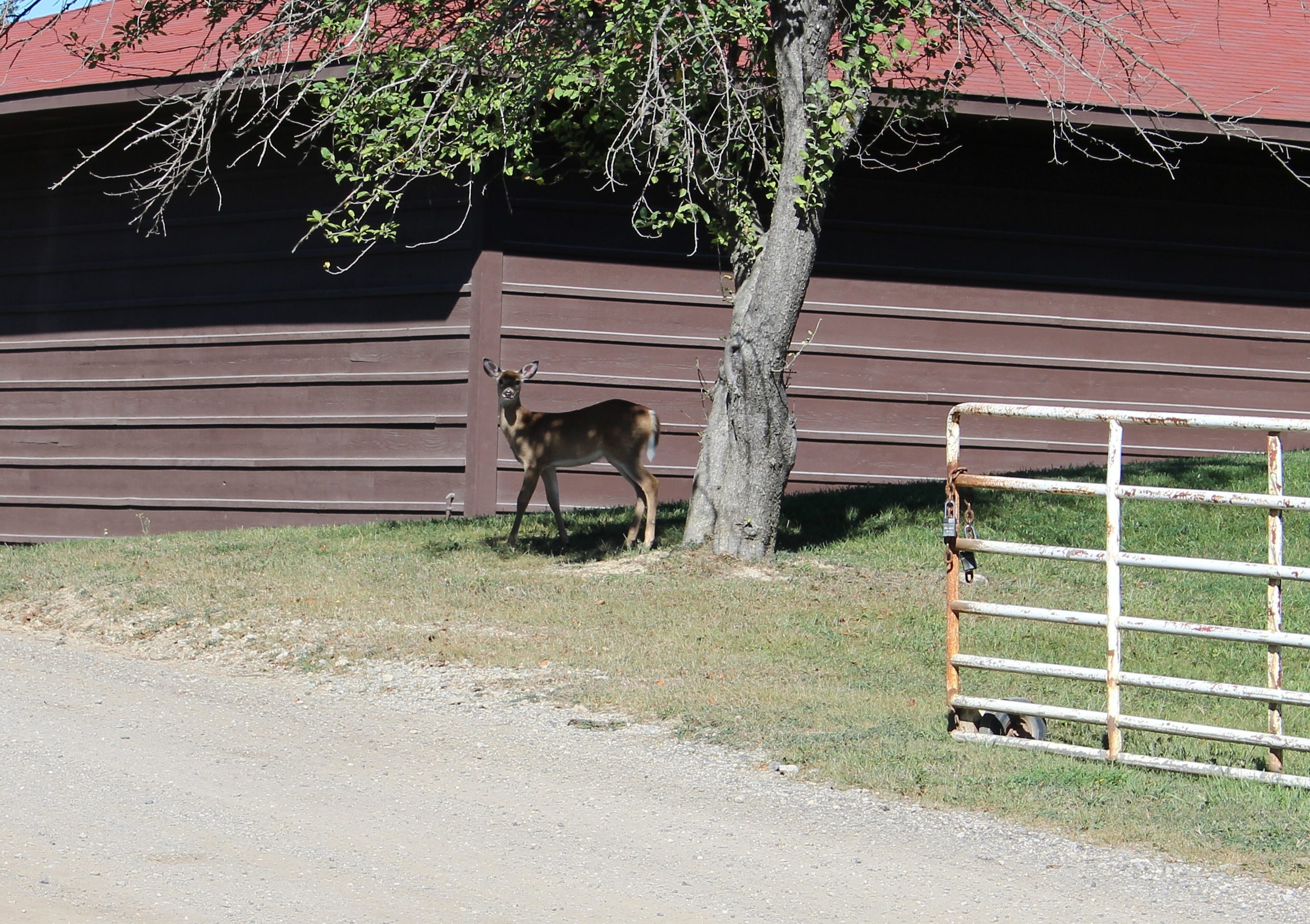
Michigan provides nonresidents with a relatively straightforward way to prepare for a deer hunt, with licenses available online, through license agents, and through the DNR Hunt Fish app. For 2026, the listed nonresident base license costs $151, while a deer combo license costs $190 and provides two antlered-deer kill tags under the applicable rules. Hunters can also examine single-deer and antlerless options. These choices help visitors match their purchase to their plans, but local regulations, season dates, and any required permits still apply.
4. Wisconsin
Wisconsin makes license purchasing convenient for visiting hunters through its Go Wild online system, authorized sales locations, and DNR service centers. Nonresidents can review available hunting products and select the licenses and permits relevant to their intended species. The state’s license year generally runs from April 1 through March 31, giving travelers a clear annual framework for planning. However, purchasing a license does not automatically provide access to every deer or other big-game hunt. Check unit-specific rules, permit requirements, and season dates before committing to accommodation or travel.
5. Virginia

Virginia is worth considering for nonresidents interested in a range of hunting opportunities, including small game, migratory birds, deer, bear, and turkey. The Department of Wildlife Resources explains which licenses and additional permissions apply to different species, making it easier to identify the correct requirements before a trip. For example, dove hunters need a hunting license and HIP authorization, while deer and turkey hunters may need additional species-specific licenses. A National Forest or State Forest permit can also apply in certain locations. Accessibility therefore depends on choosing the right combination of permissions.
6. Montana
Montana offers nonresidents several hunting license options, but big-game access requires careful planning. For 2026, the state listed its general deer combination at $760, general elk combination at $1,112, and general big-game combination at $1,312, with additional required fees. Combination licenses use a drawing, so purchasing one is not guaranteed. The state also publishes information about surplus licenses and alternate-list opportunities, which may help hunters explore remaining options. Understanding the deadlines and total cost before applying is essential, particularly for visitors planning a costly western hunting trip.
7. West Virginia
West Virginia provides nonresident hunters with clearly defined license categories for different hunting plans. According to the state’s published guidance, a nonresident hunting license for general hunting is listed at $119, while a bear-only license is $162; applicable stamps and other requirements can add to the total. This structure helps visitors identify the correct starting point rather than purchasing an unsuitable license. Hunters should also check whether their intended species, hunting area, and method require additional permissions. Comparing the full cost and applicable seasons before traveling makes planning more practical.