Some guns become tools. The MP5 became a benchmark.
When people call the Heckler & Koch MP5 one of the best submachine guns ever made, I think that claim is absolutely fair, with one important caveat: “best” depends on the mission.
Why the MP5 built its reputation
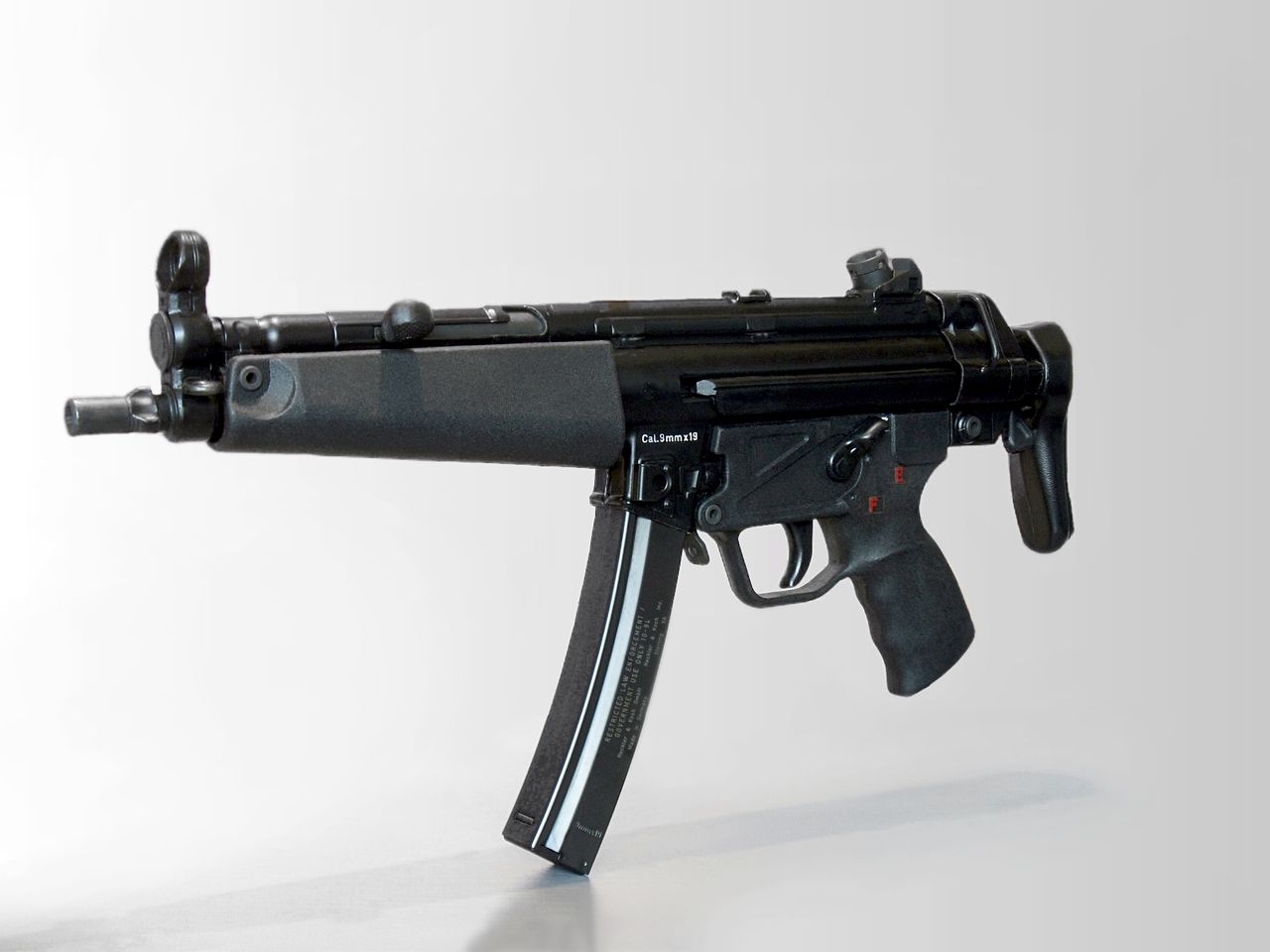
The MP5 was developed in the 1960s, and its design quickly stood apart from many simple blowback submachine guns. According to Heckler & Koch, it fires from a closed bolt and uses the company’s roller-delayed blowback system, a combination that helped give it a reputation for unusually good controllability and precision for a 9 mm platform.
That mechanical layout matters more than people realize. Closed-bolt operation generally supports better practical accuracy than open-bolt designs, especially in semi-automatic fire and carefully aimed bursts. In plain English, the gun feels more refined than many of its competitors.
The MP5 also arrived at the right moment in history. As police counterterror units expanded and close-quarters battle doctrine matured, agencies wanted compact weapons with manageable recoil, reliable function, and strong hit probability inside buildings, vehicles, and aircraft.
Accuracy and controllability are the real selling points
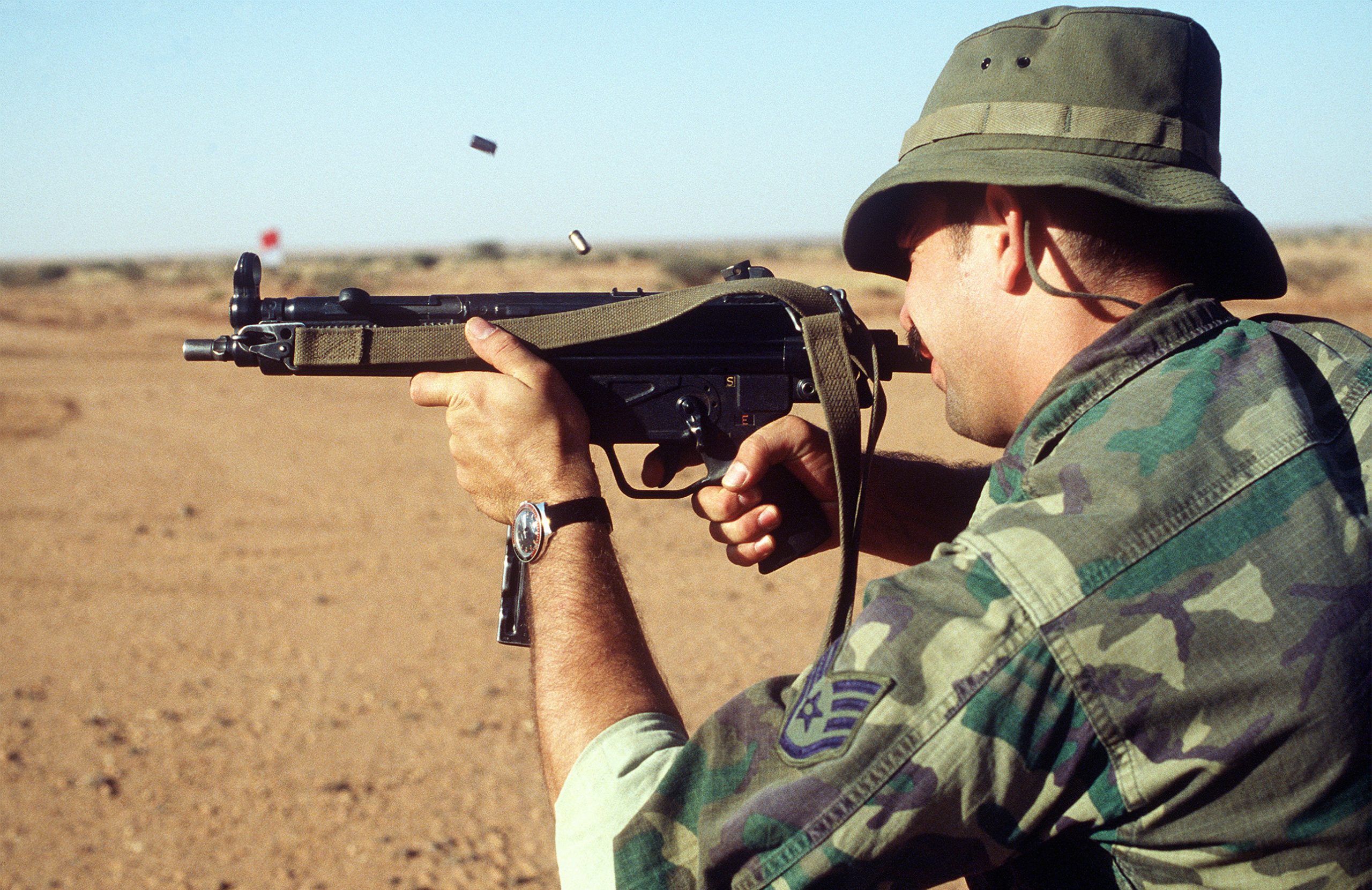
If you ask experienced shooters why the MP5 became iconic, the answer usually starts with how it shoots. The roller-delayed system softens the firing impulse compared with many straight-blowback 9 mm guns, and that translates into less disruption during rapid strings.
Heckler & Koch still markets the MP5 as exceptionally controllable in all firing modes, and that is not just advertising language. The platform has long been praised for smooth recoil, fast follow-up shots, and a level of shootability that made it popular with elite military and law-enforcement users.
That combination of accuracy and calm handling is a big reason the MP5 lasted so long. Plenty of submachine guns are compact. Far fewer are compact while still feeling precise, predictable, and confidence-inspiring when the pressure is on.
The elite-service record matters
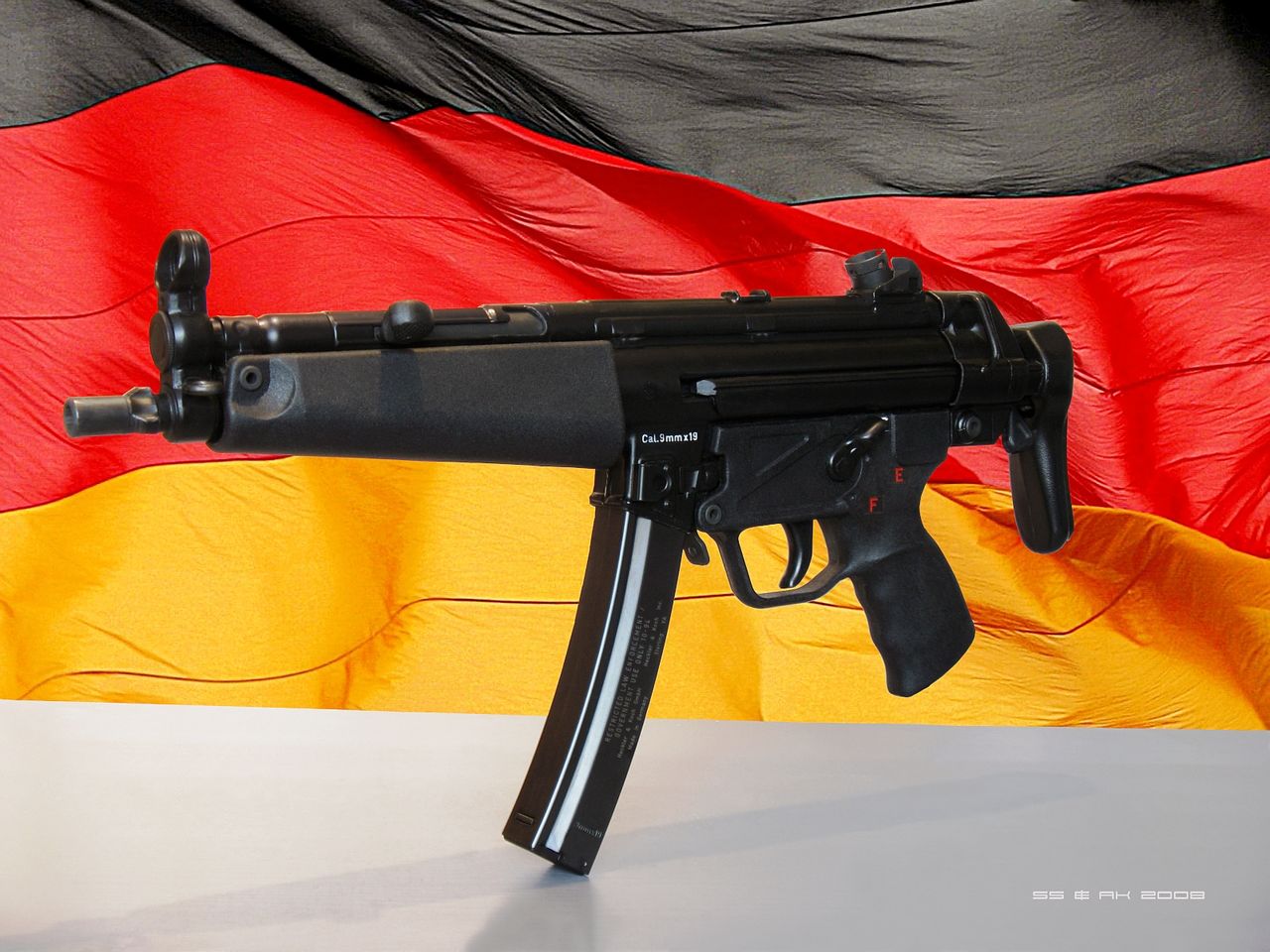
The MP5’s reputation was not built at gun counters or on internet forums. It was built in the hands of organizations whose job descriptions left very little room for equipment failure.
The weapon saw extensive use with units such as the British SAS, German GSG-9, U.S. Navy special operations elements, and FBI teams. The Navy SEALs describe the MP5 as distinctive for its roller-delayed operating system, while archived FBI material shows the gun was a long-standing part of SWAT equipment as well.
That history matters because professional adoption is one of the strongest endorsements a firearm can receive. A gun does not remain in elite inventories for decades unless it delivers enough performance advantages to justify training, maintenance, and cost.
Where the MP5 is no longer king
Now for the other side of the argument. The MP5 is legendary, but it is not untouchable.
Modern short-barreled rifles and compact carbines chambered in rifle calibers have pushed many submachine guns out of front-line roles. The reason is simple: 9 mm is easy to control, but rifle rounds generally offer better terminal performance and more capability through barriers at distance.
Even the MP5’s strengths come with tradeoffs. Roller-delayed guns are more complex and expensive to manufacture than many simple blowback designs. That added refinement helped make the MP5 great, but it also made it a premium gun in a category where cheaper options often looked good enough.
What “best ever” really means
If “best ever” means most advanced by modern standards, then no, the MP5 probably does not win outright. Newer platforms can offer better accessory support, easier optics mounting, modular ergonomics, and in many cases a stronger fit for today’s tactical doctrine.
But if “best ever” means most influential, most proven, most iconic, and most respected across decades of real-world service, the MP5 belongs near the very top. Few submachine guns have matched its mix of reliability, smooth shooting, and professional credibility.
This is the same debate people have about classic sports cars or legendary field knives. The newest design may outperform the old master on paper, yet the older tool still defines the standard everyone remembers and compares against.
My verdict: yes, with context
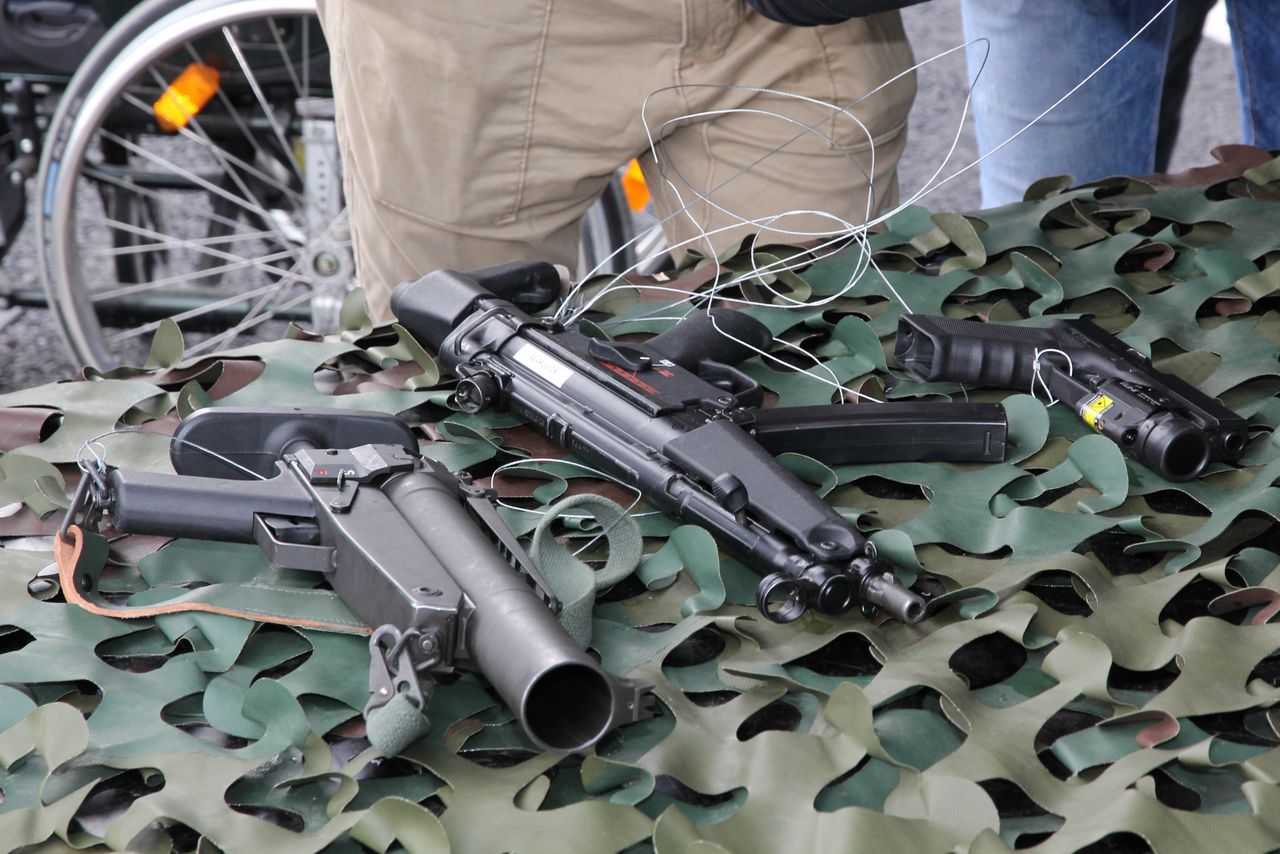
So, do I agree? Yes, I do. The MP5 is arguably one of the best submachine guns ever made, and I would say that without hesitation.
I would not call it the uncontested best in every era or every role. Technology moves on, mission needs change, and compact rifles have overtaken submachine guns in many serious applications. Still, greatness is not only about being current; it is about setting the bar.
The MP5 did exactly that. It combined smart engineering, superb shootability, and an unmatched service résumé into one package, and that is why its reputation has endured for more than half a century.