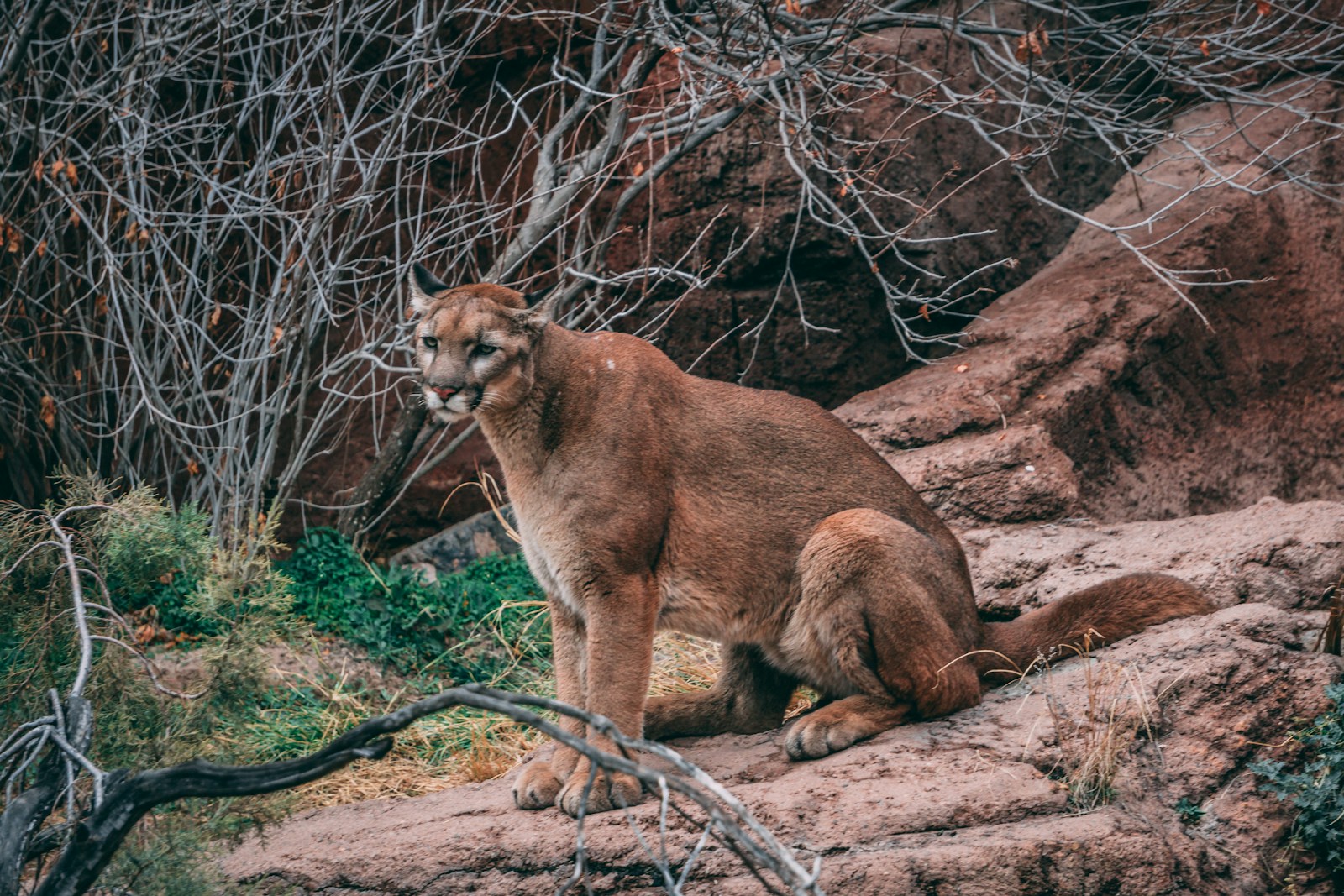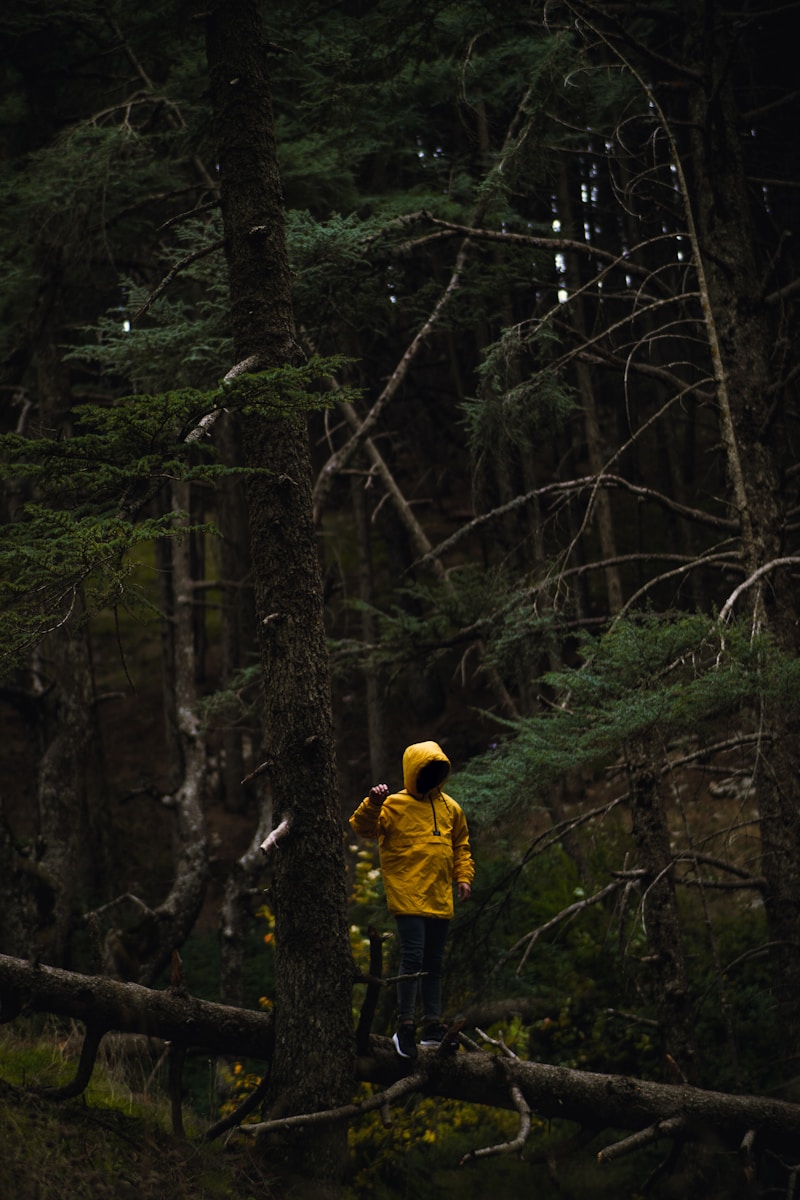
You can uncover hidden stories in the forest by learning to see it through a tracker’s eyes. Every broken twig, rustling sound, and animal print tells part of a larger narrative. By observing carefully, you’ll begin to recognize signs of life, movement, and change around you. Tracking teaches patience, awareness, and respect for nature, turning a simple walk in the woods into an adventure of discovery and understanding.
Notice Animal Tracks
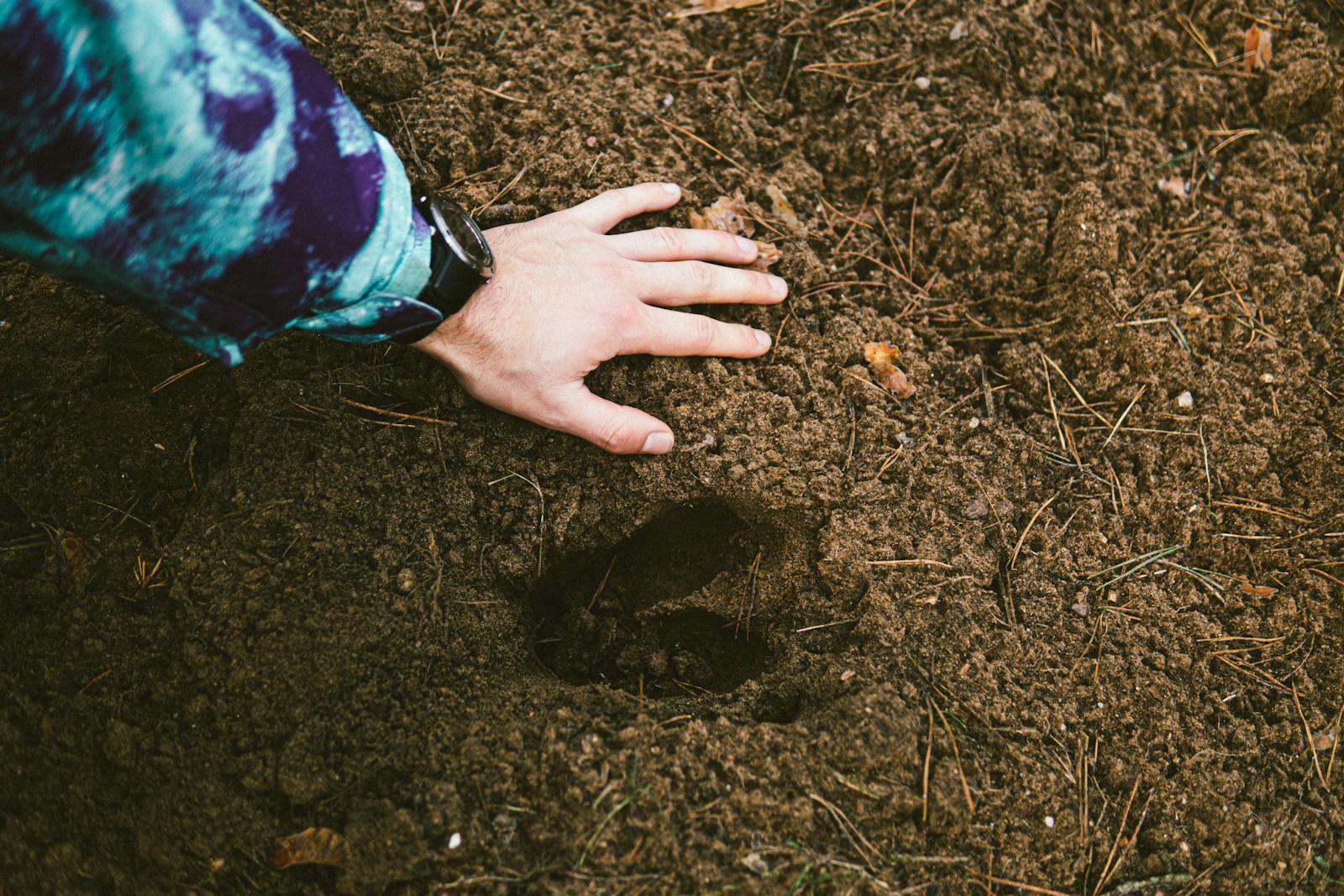
You should start by studying animal footprints on soft soil or near water. The size, shape, and spacing of prints reveal the species, speed, and direction of movement. Look closely at claw marks or overlapping tracks for additional clues. Practicing this skill helps you understand how wildlife moves through the forest and when certain animals are most active.
Observe Broken Branches
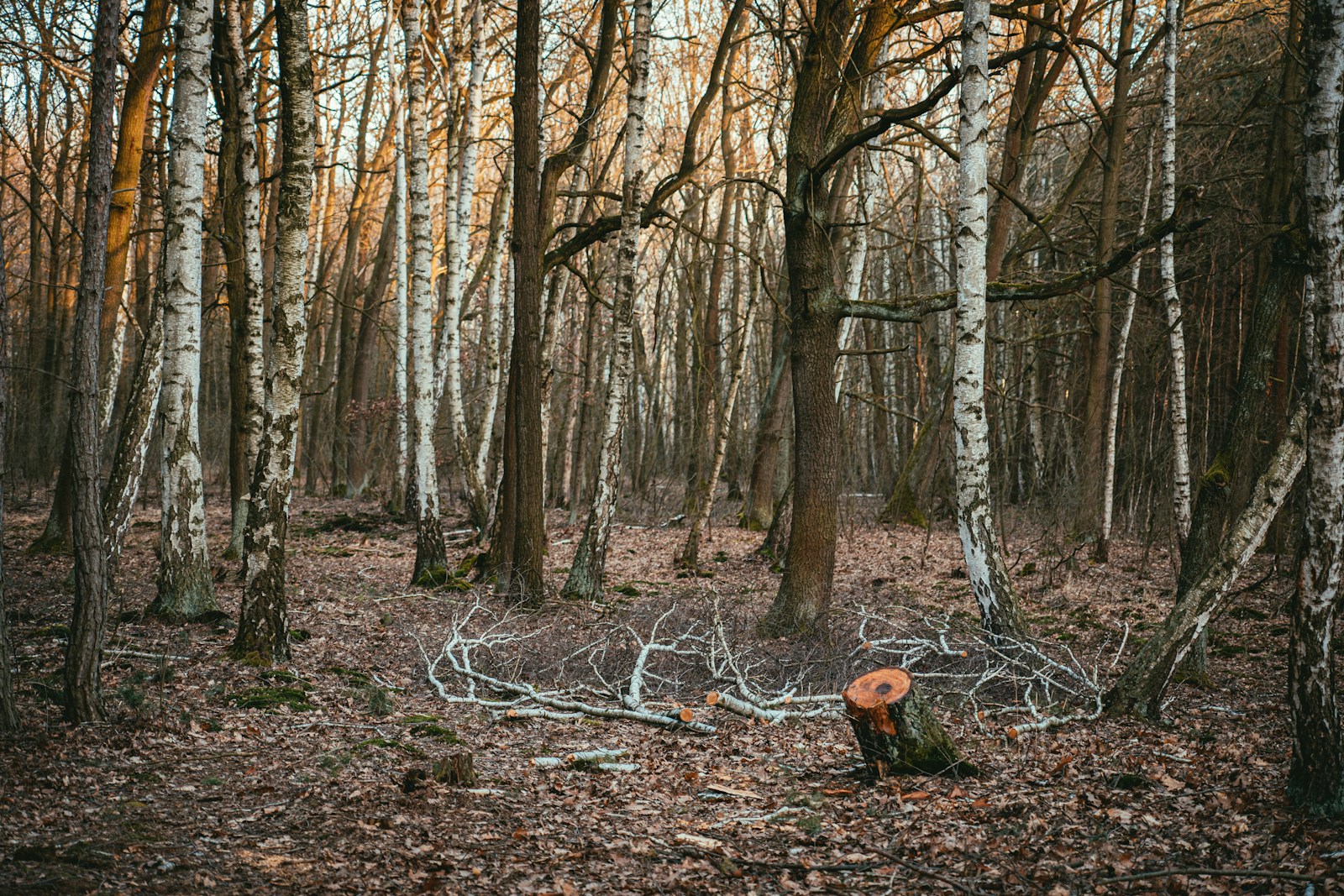
You can learn a lot from how branches break or bend. Freshly snapped twigs often indicate recent animal movement, while older breaks may signal weather damage. The height and direction of a break can even hint at the creature’s size. Over time, you’ll recognize subtle differences that reveal which animals have passed through your path.
Study Scat Patterns
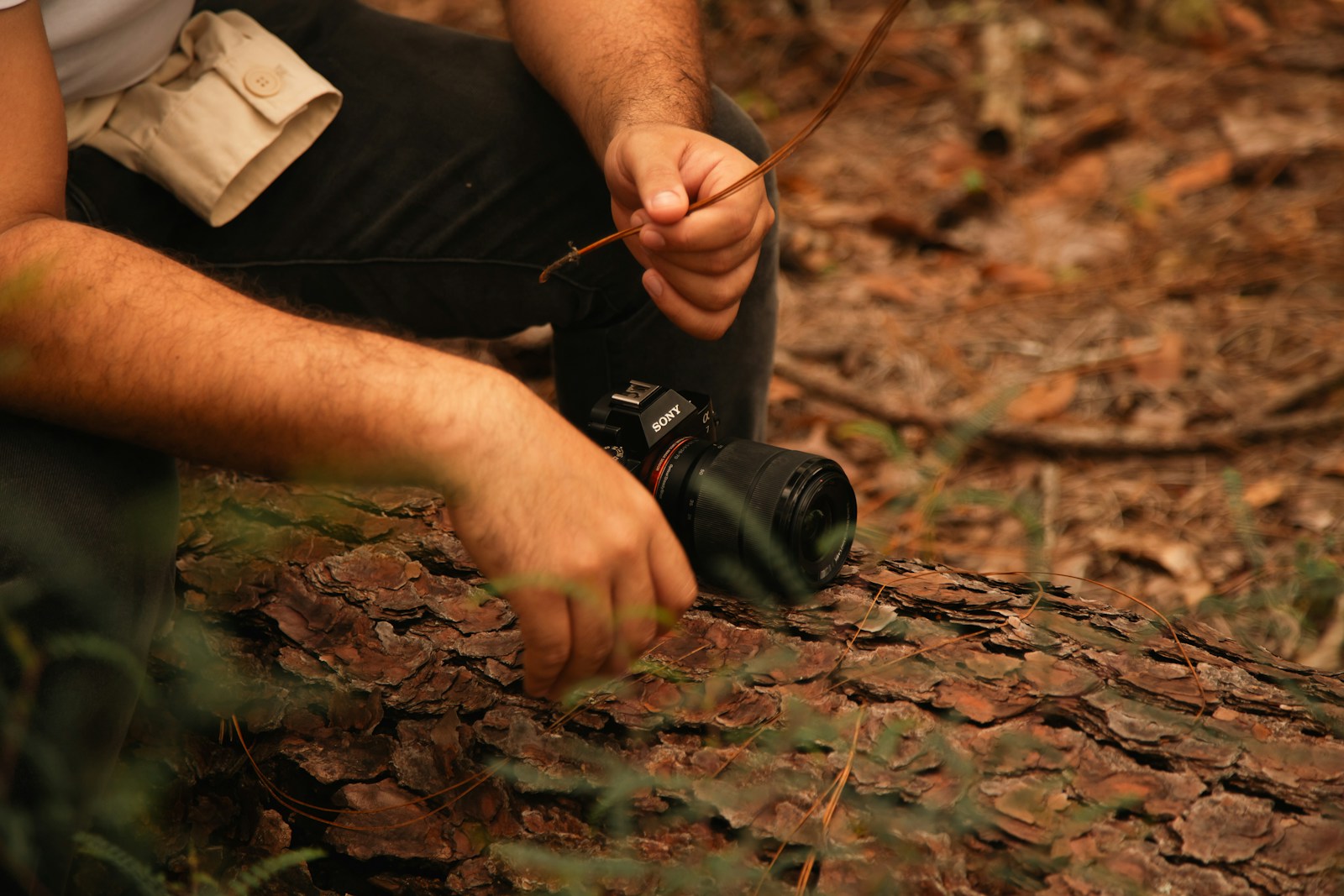
You should examine animal droppings, known as scat, to identify species and diet. Herbivores, carnivores, and omnivores leave distinct shapes and textures. Fresh scat means the animal was nearby recently, while older, dry droppings show older activity. Though not glamorous, learning this skill gives valuable insight into wildlife behavior and feeding habits in the forest.
Listen for Bird Calls
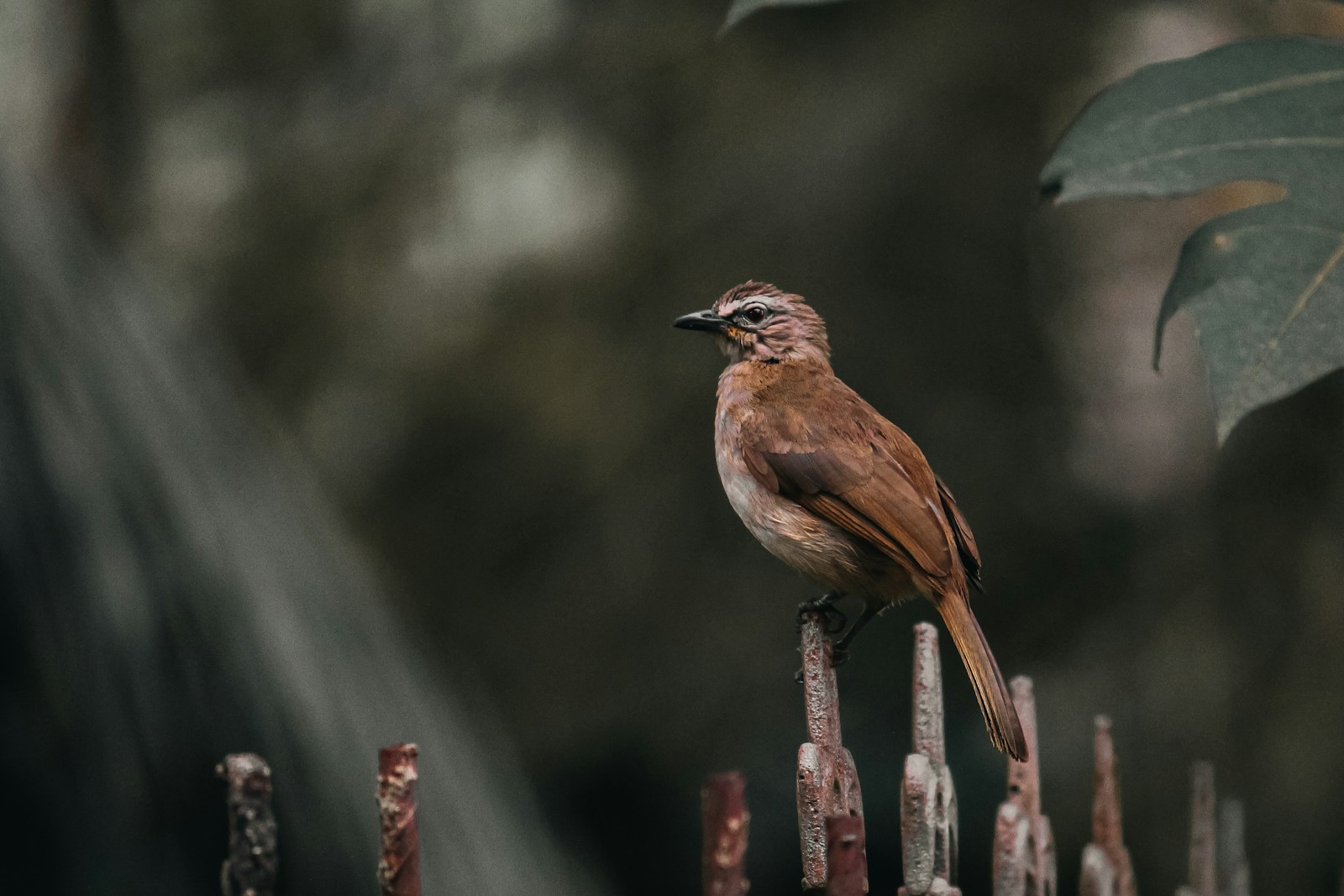
You can train your ears to pick up bird calls that signal danger, food, or territorial behavior. Birds often react to nearby predators or human movement, serving as early alarms in the forest. Recognizing patterns in their sounds helps you interpret what’s happening nearby. With time, you’ll begin to sense shifts in the forest’s natural rhythm.
Feel the Ground
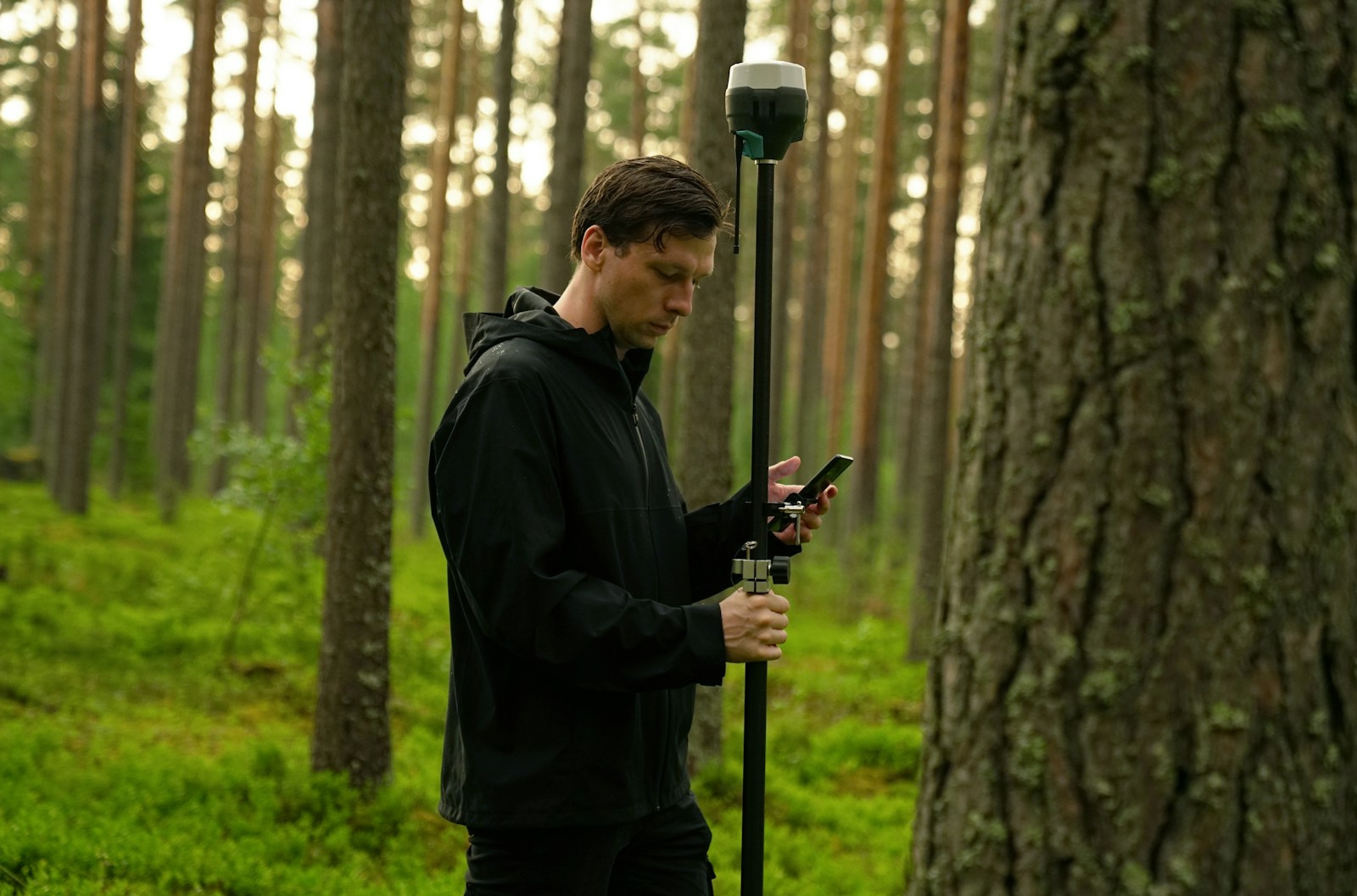
You should pay attention to the ground beneath your feet. Softer areas can hold footprints, while dry leaves or snapped twigs suggest recent activity. The ground’s moisture and texture reveal weather changes or signs of animal crossings. Using touch along with sight makes your awareness sharper and helps you interpret movement around you.
Watch the Wind
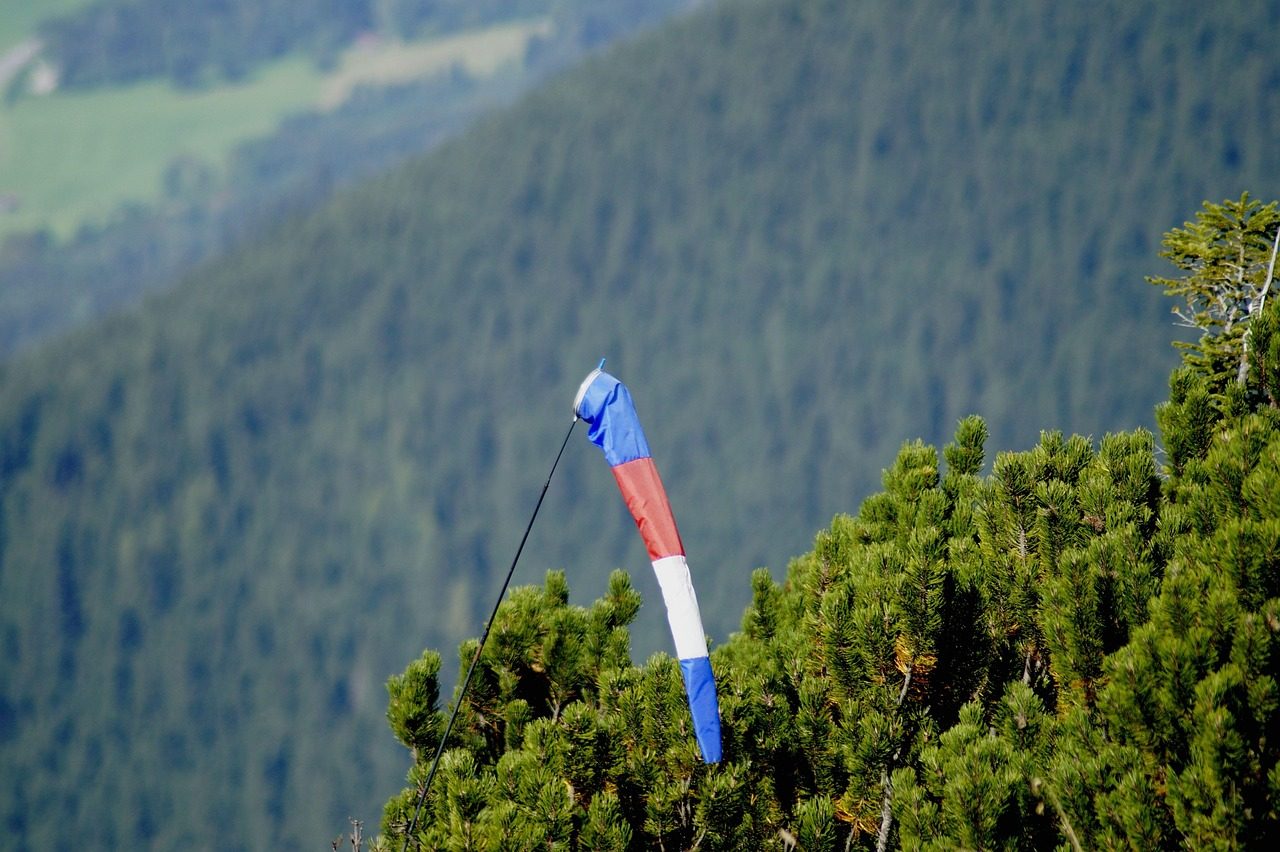
You can use the wind to your advantage while tracking. The direction of airflow carries scents and sounds, both for you and the animals. Approaching from downwind prevents your scent from alerting nearby wildlife. Observing how wind moves through grass or trees also helps you predict how animals sense danger and navigate their surroundings.
Identify Feeding Signs
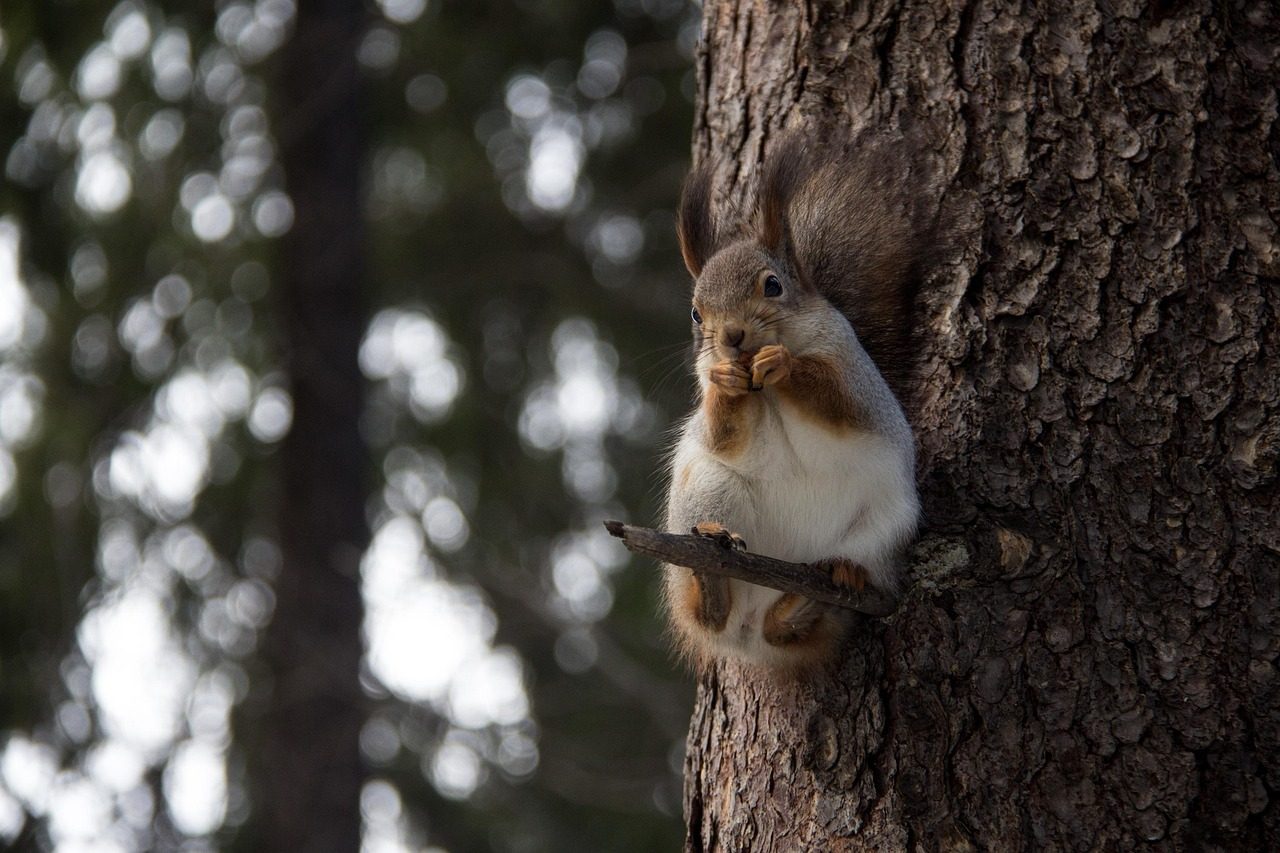
You should look for evidence of feeding, such as stripped bark, chewed leaves, or gnawed branches. Different species leave unique markings based on their teeth and habits. Fresh feeding sites indicate animals are nearby and likely to return. Learning to recognize these details gives you a better understanding of food sources and animal behavior in the area.
Follow Game Trails
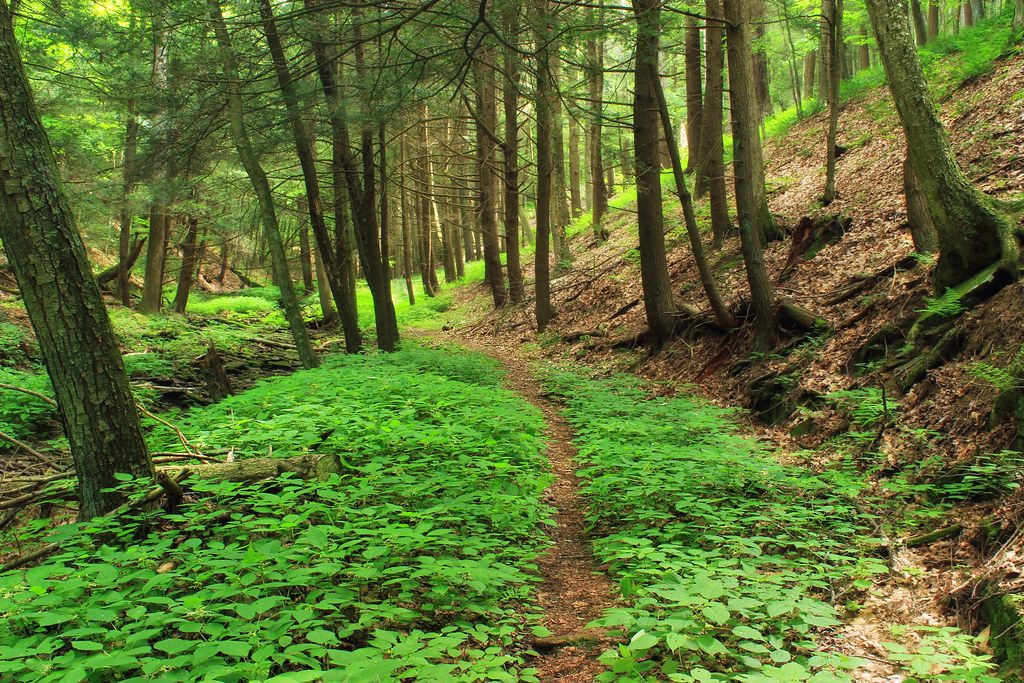
You can spot game trails by noticing narrow, worn paths that cut through vegetation. These are created by repeated animal movement between feeding and resting areas. Look for consistent tracks, hair caught on branches, or disturbed soil. Following these trails carefully reveals common wildlife routes and offers a glimpse into their daily routines.
Read Tree Markings
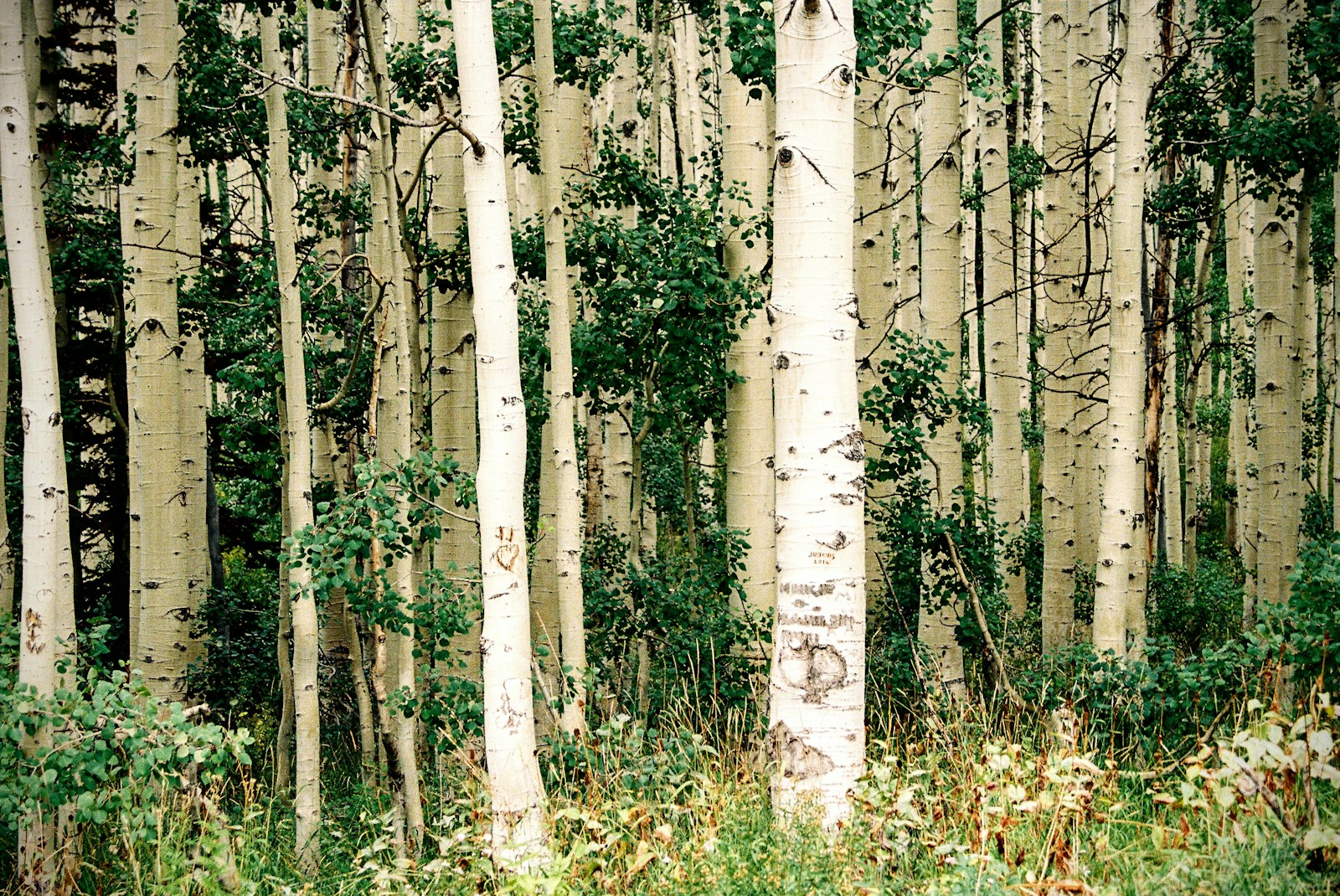
You should study tree markings to uncover both natural and animal-made signs. Scratches from claws or antlers, sap leaks, and bark rubs each tell part of a story. Bears, deer, and even insects leave clues of their presence on trunks. Recognizing these markings connects you to the forest’s ongoing cycle of activity.
Watch for Subtle Movements
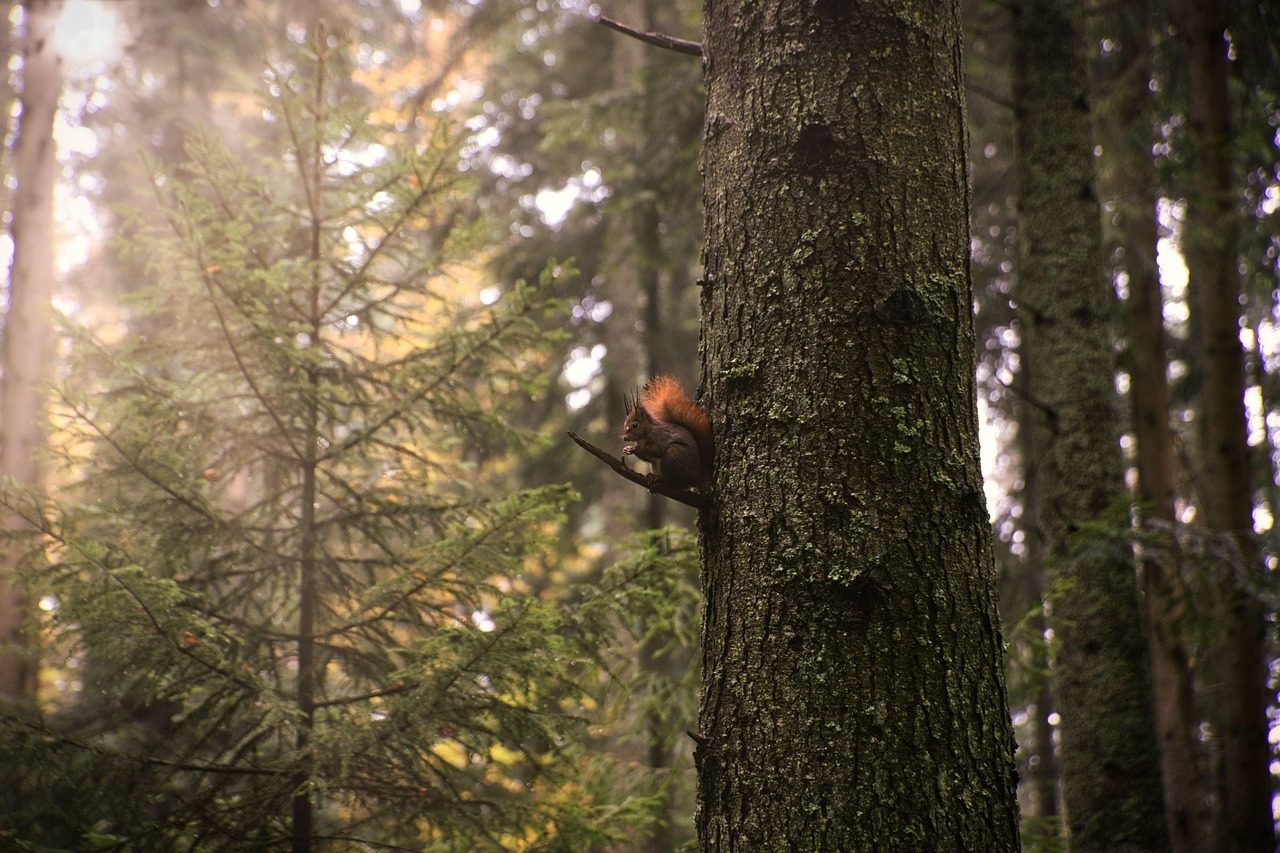
You can develop sharper observation skills by scanning your surroundings for slight movements. A shifting leaf, a ripple in the grass, or a flick of fur might reveal an animal nearby. Staying still and patient allows nature to resume its rhythm around you. This quiet attentiveness is the essence of tracking, where every detail holds meaning.