Some brand names are too valuable to bury. Marlin was one of them.
Marlin was not just another asset in a bankruptcy sale.

When Sturm, Ruger & Co. moved on Marlin in 2020, it was not buying an empty label or a nostalgic side project. Ruger bought all of the Marlin Firearms assets out of the Remington Outdoor Company bankruptcy, a deal the company said was approved by the U.S. Bankruptcy Court in late September 2020 and completed on November 23, 2020. Ruger’s filings put the cash price at $30 million, which is modest money for a name with that much recognition in the American rifle market.
That point matters because Marlin was one of the oldest surviving names in lever actions. The company dates back to the 19th century, and the Library of Congress notes that Marlin had become one of Winchester’s principal competitors in repeating rifles. In plain English, Ruger was able to buy a historic rival brand with built-in credibility that had already spent more than a century earning trust among hunters and lever-gun fans.
The bankruptcy backdrop also created a rare opening. Under normal conditions, a storied firearms name with a loyal customer base, iconic models, and national recognition is not easily available. Remington’s collapse turned Marlin from a legacy competitor into an acquirable platform, and Ruger recognized that the chance might not come again.
Ruger wanted something it did not already have
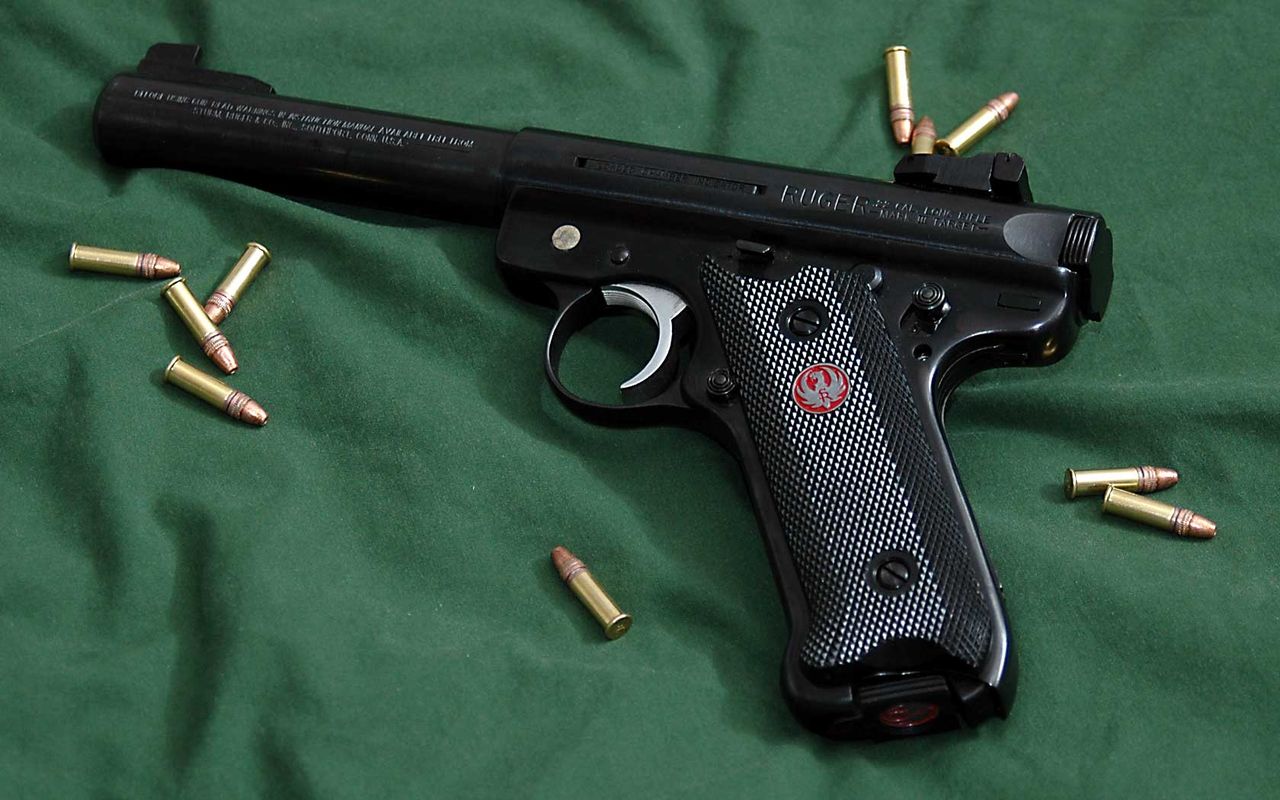
For all of Ruger’s strengths, lever actions were not the center of its identity before the Marlin deal. Ruger was well known for revolvers, rimfires, bolt-action rifles, modern sporting rifles, and value-driven handguns, but it did not own the same kind of lever-action heritage that Marlin did. Buying Marlin let Ruger step into a category with instant legitimacy rather than trying to build a new lever-gun line from scratch.
That is a bigger strategic move than it may look at first glance. In the gun business, heritage matters because buyers do not see firearms like disposable consumer goods. A deer hunter who grew up around a Model 336 or a guide who trusts a .45-70 lever gun often wants continuity as much as novelty. The Marlin name delivered that continuity in a way a new Ruger-branded lever rifle probably could not.
Ruger executives made clear early on that the plan was not to fold Marlin into the background. In earnings commentary after the acquisition, the company said Ruger-made Marlin lever-action rifles would come out of its Mayodan facility, and shipments began in late 2021. That told the market Ruger saw Marlin as a live operating brand, not just a patent drawer or a donor of machinery.
Keeping the Marlin name was the smartest commercial choice.

Ruger could have stamped its own eagle on every receiver and called it a day. But that would have thrown away the very brand equity it had just purchased. Marlin means something specific in the U.S. gun market: side-eject lever actions, practical hunting rifles, pistol-caliber carbines, and a blue-collar kind of usefulness that sits a little apart from the mythology surrounding Winchester.
That distinction is exactly why the name survived. Marlin was not redundant beside Ruger. It occupied its own lane. One reason the old rivalry matters is that Marlin built a personality around real-world hunters and working rifles, especially with classics like the 336 and 1895. According to long-running industry coverage from NRA publications and other firearms historians, Marlin’s side-eject design also made scope mounting easier than on many older top-eject lever guns, which helped define the brand for generations of woods hunters.
Brand preservation also reassured customers burned by the previous era. Marlin’s years under Remington were uneven in the eyes of many enthusiasts, and quality complaints became part of the conversation. By keeping the Marlin badge but rebuilding production under Ruger’s manufacturing culture, Ruger was effectively saying: the name stays, the execution improves. That is a powerful recovery story.
The product lineup proved this was a real revival, not a museum exercise.e

The surest sign that Ruger meant business was the order in which it brought Marlin back. The first Ruger-made Marlin to ship was the Model 1895 SBL in late 2021, chambered in .45-70. That was a smart opening move because the 1895 had strong modern demand, broad name recognition, and a following that crossed over from hunting into the broader enthusiast market.
After that, Ruger kept expanding instead of merely commemorating. The Marlin 336 Classic was reintroduced in 2023, returning one of the most recognizable deer rifles in America to production. Ruger’s later disclosures and earnings releases also pointed to demand for Marlin 1894, 1895, and 336 rifles, including Dark Series models. By 2024, Ruger’s annual report said new products represented $159.3 million, or 32% of firearms sales, and specifically included Marlin 1894 lever-action rifles among the contributors.
That matters because it shows Marlin is not surviving on sentiment alone. It is helping move revenue. A heritage acquisition works only if the product starts turning again at the distributor and dealer level. Marlin appears to be doing exactly that, which explains why Ruger has continued treating it as a front-line brand.
The old rivalry became an advantage under one roof

There is a certain irony here. Marlin built its reputation as one of the classic alternatives to Winchester, another giant of lever-action history. Ruger, meanwhile, grew up in a different era and became a powerhouse in categories where Marlin was never dominant. By bringing Marlin in-house, Ruger did not erase that competitive past. It monetized it.
That old rivalry still sells because consumers buy stories along with steel and walnut. A Marlin owner is often buying into a tradition that feels distinct from other lever-gun lineages. Ruger understood that flattening everything into one corporate identity would weaken the appeal. In the firearms world, separate names can serve separate tribes, even when one parent company owns both the strategy and the factory output.
There is also a practical side to this. Different brand names let manufacturers speak to different buyers without confusing the shelf. Ruger can continue being Ruger in pistols, revolvers, precision rimfires, and value rifles while Marlin remains the dedicated lever-action standard-bearer. That separation gives dealers a cleaner story and gives buyers a clearer reason to choose one gun over another.
Quality control was the real test, and Ruger kne it.it
Acquiring Marlin was the easy part compared with rebuilding confidence. Enthusiasts were not waiting for a press release. They were waiting for fit, finish, reliability, and consistency. Ruger seems to have understood that from the start, which is why it relocated production into its own manufacturing system rather than trying to preserve the old setup exactly as it was.
That decision lines up with Ruger’s broader reputation for disciplined, in-house American manufacturing. The company told investors early on that it would integrate Marlin into existing facilities, and later confirmed production was underway in North Carolina. The point was not just efficiency. It was control. If Ruger was going to preserve Marlin’s name, it needed the rifles to feel worthy of that name the moment customers handled them.
The market response suggests the approach worked. Trade coverage, industry reviews, and Ruger’s own sales commentary have repeatedly framed the return of Ruger-made Marlins as a quality turnaround. In firearm circles, that kind of perception is critical. A revived name only stays revived if people start recommending the product again at gun counters, deer camps, and range benches.
Why Ruger kept Marlin alive instead of absorbing it completely
In the end, Ruger kept Marlin alive because killing the name would have destroyed much of what it bought. Marlin had its own history, customer memory, product identity, and emotional weight. Ruger did not need another generic rifle label. It needed a respected lever-action specialist with a ready-made audience and enough heritage to justify a premium place in the market.
The move also fits a broader business truth. When a legacy brand still stands for something clear, preserving it is often smarter than replacing it. Marlin still meant American lever actions to a huge share of the market. That identity was intact even after bankruptcy. Ruger’s job was not to reinvent Marlin. It was to stabilize it, rebuild it, and prove it could once again deliver on the promise stamped on the barrel.
So the answer is simple, even if the strategy was sophisticated. Ruger bought one of its oldest rival lever-action names because it was valuable, available, and underused. It kept the Marlin name alive because that name still mattered, and in the lever-gun world, it still does.