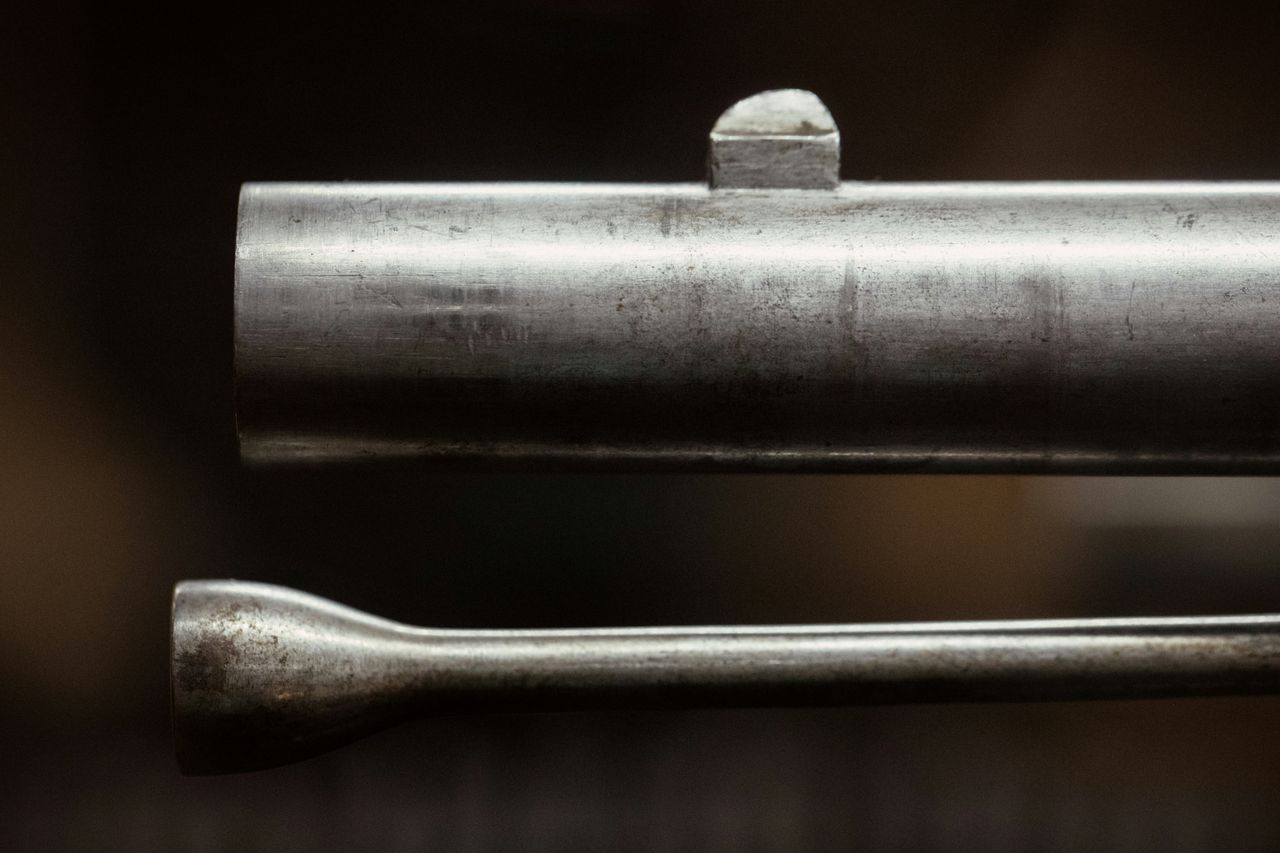
A rifle barrel looks simple, but its shape is one of the biggest engineering choices in the whole gun. Barrel profiles differ because shooters ask rifles to do very different jobs.
What a barrel profile really changes

A barrel profile is the outside shape and diameter of the barrel from chamber to muzzle. That shape does not change caliber, but it strongly affects mass, balance, stiffness, and how quickly the barrel heats up during fire.
Engineers are always trading one advantage against another. Add diameter and you usually gain rigidity and thermal mass, but you also add weight. Remove material and the rifle becomes easier to carry, yet it may heat faster and feel less steady from supported positions.
Accuracy is not just about raw thickness, either. NRA technical articles have long noted that bore uniformity, crown quality, and machining consistency matter enormously, sometimes more than simple barrel weight. A good light barrel can outshoot a mediocre heavy one when the fundamentals are right.
Why lightweight barrels are so popular
Lightweight barrels exist for one obvious reason: people carry rifles far more than they fire them in many real-world settings. For hunters, ranch rifles, and general field carbines, dropping even a pound from the front end makes a rifle faster to mount and much less tiring over a long day.
That reduced forward weight changes handling in a good way. A slim sporter contour feels lively, moves quickly through brush, and comes on target fast. On mountain hunts or long hikes, that matters more than ultimate heat resistance.
The tradeoff shows up on the bench. A thinner tube has less steel to absorb heat, so temperature rises faster during repeated shots. As the barrel warms, point of impact can shift slightly, and the rifle may become more sensitive to shooting cadence, support pressure, or ammunition differences.
Why heavy barrels dominate precision roles
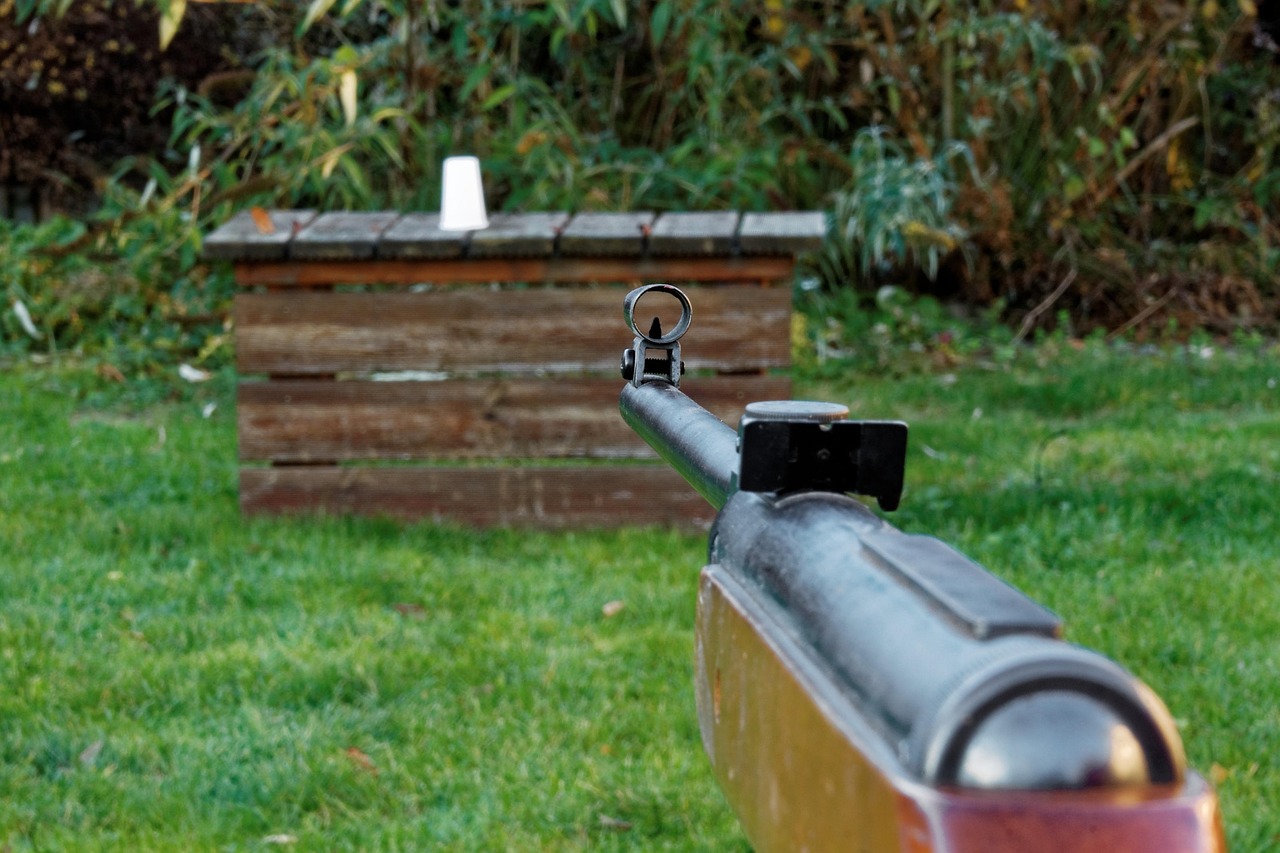
Heavy barrels are favored when consistency over strings of fire matters more than portability. More steel usually means greater stiffness, and greater stiffness helps resist deflection from vibration, sling tension, bipod load, and small disturbances as the shot breaks.
They also offer more thermal mass. A heavy contour does not magically run cooler, but it takes longer to heat up because there is more material to absorb energy. That is one reason precision rifles, varmint rigs, and many target guns wear thick barrels.
Competitive shooters have recognized that advantage for decades. Shooting Sports USA has described heavy barrels as common on benchrest and varmint rifles, where sustained accuracy matters and the shooter is not marching miles with the rifle slung over a shoulder.
What contouring is trying to accomplish
Contoured barrels sit between the two extremes. Instead of being uniformly skinny or uniformly thick, they place material where it does the most good. A common example is a barrel that stays stout near the chamber, then tapers toward the muzzle to trim unnecessary forward weight.
That makes engineering sense because chamber-end forces and heat are greatest near the breech. Leaving more diameter there preserves strength and stiffness where they matter most, while tapering the front section improves balance and carry comfort.
Some modern designs go further with fluting or specialized contours. The goal is not magic accuracy, but a practical compromise: save weight, preserve useful rigidity, and maintain a handling feel appropriate for the rifle’s intended mission, whether that mission is hunting, patrol, or practical competition.
Heat, harmonics, and barrel behavior
Heat management is often misunderstood. Heavy barrels do not prevent heating; they delay it. Lightweight barrels warm faster, cool relatively quickly once firing stops, and can show earlier shifts in group size or impact if a shooter runs rapid strings.
Then there is barrel harmonics, the vibration pattern that occurs when a shot is fired. Different profiles vibrate differently because mass and stiffness change the frequency and amplitude of movement. That is why contour can influence how forgiving a rifle is with certain loads, even when bore quality remains the bigger accuracy driver.
Real shooters see this at the range. A light hunting rifle may print a cold-bore shot exactly where needed, then open up after several fast rounds. A heavier precision rifle may stay steadier through the same session, especially when fired from a bipod or bags.
Choosing the right profile for the job
The right barrel profile starts with honest use. If the rifle will fire one careful shot in the field, a light sporter contour is often ideal. If it will shoot prairie dogs, steel, or long target strings, a medium-heavy or heavy contour usually makes more sense.
Balance matters as much as total weight. An all-day hunting rifle that feels quick and neutral can outperform a theoretically steadier rifle that is miserable to carry. Likewise, a bench or prone gun benefits from extra front-end mass that would feel clumsy on rough terrain.
In the end, barrel profiles differ because rifle tasks differ. Engineers are balancing portability, stiffness, heat capacity, and shooter control, not chasing one perfect shape. Once you understand that, lightweight, heavy, and contoured barrels stop looking like marketing terms and start looking like purpose-built tools.