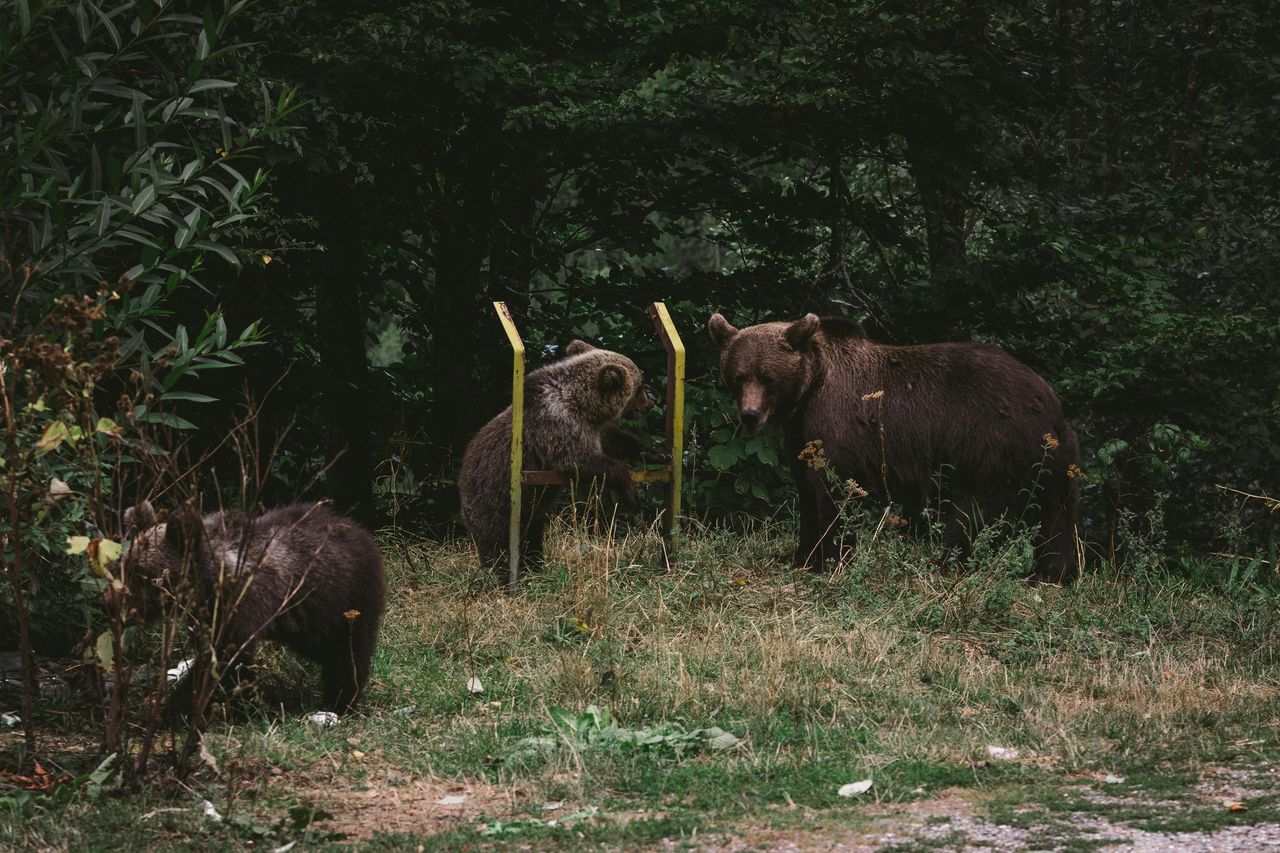
A bear usually does not show up because it is angry. It shows up because someone made camping smell like an easy meal.
Food storage is not optional, even for one snack

The first hard lesson in bear country is that bears do not care whether your food is a full cooler or a single granola bar. If it has calories or a scent, it matters. Many first-timers think they can keep food inside a tent vestibule, in a backpack, or in the trunk for one night and be fine. That assumption is exactly how campsites become bear problems.
In many parks, especially in places like Yellowstone, Yosemite, Glacier, and Great Smoky Mountains backcountry zones, food storage rules are strict because bears have extraordinary noses. Wildlife agencies routinely note that bears can detect odors from long distances, especially when wind and terrain carry scent downhill into camp areas. Once a bear associates tents, cars, or picnic tables with easy rewards, it may return again and again. That is bad for campers and often fatal for the bear.
Use the storage system required where you camp. That may mean a bear locker, a properly hung bear bag where allowed, or a certified bear-resistant canister. Not every park accepts every method, and some areas ban hanging because poor hangs are so common.
The rule is simple: if it smells, store it. That includes food, trash, cooking oil, pet food, dish soap, toothpaste, sunscreen, flavored drinks, and empty wrappers. First-timers usually learn this after hearing something shuffle around camp at 2 a.m., which is a terrible time to discover they left trail mix in a jacket pocket.
Your tent is for sleeping, not eating, cooking, or storing scented items
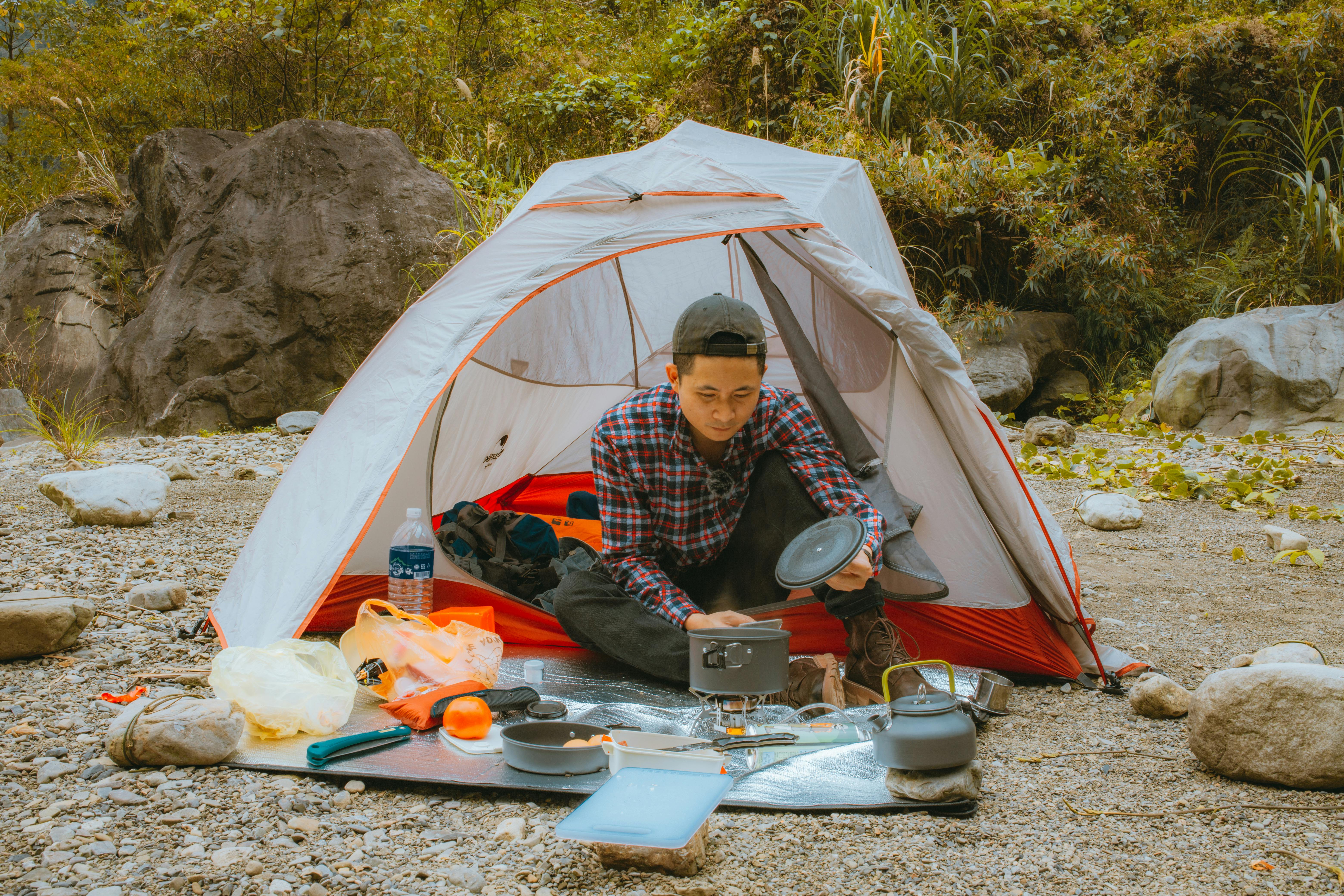
One of the most common beginner mistakes is treating a tent like a tiny cabin. People eat there when it rains, stash snacks in corners, change clothes after cooking burgers, and fall asleep thinking zipped fabric creates some kind of barrier. It does not. To a bear, a tent is just another object holding scent.
Experienced campers separate the camp into zones. One area is for sleeping, one is for cooking and eating, and one is for food storage. In many backcountry settings, a rough triangle setup is recommended, with each area spaced well apart depending on terrain and local guidance. That spacing reduces the chance that cooking smells drift directly into your sleeping area.
Clothing matters more than beginners expect. If you cooked bacon, cleaned fish, spilled instant coffee, or wiped hands on your fleece, do not wear those layers into your tent. Store them with other scented items or at least keep them far from where you sleep, based on local rules. Bears are often investigating odor, not hunting people, but that distinction is not comforting when the odor is coming from your pillow.
This rule also applies to midnight snacks and “just one piece of gum.” Crumbs, wrappers, and sugary smells linger. If a bear starts nosing around your tent because you turned it into a pantry, you created a very avoidable risk.
A clean campsite is safer than a noisy one

A lot of first-timers focus on making noise because they have heard that bears dislike surprises. That is true on the trail, but at camp, cleanliness matters more than volume. You can talk all evening loudly and still attract a bear if your picnic table is smeared with sausage grease and your fire ring is full of foil and food scraps.
Good campsite hygiene starts the second you unpack. Keep food contained, prepare only what you will eat, and clean surfaces right away. Wash dishes promptly, strain food particles from the dishwasher, and dispose of waste according to local regulations. In some areas, campers are told to pack out strained scraps and scatter gray water away from camp; in others, designated sinks or disposal systems are provided.
Trash is where many camps go wrong. A half-full garbage bag left out overnight is basically an invitation. So are empty cans, drink containers, and disposable grills that still smell like dinner. Campgrounds in bear country often require trash to be locked up whenever it is unattended, and for good reason.
Even the grill grate or stove can carry enough odor to draw interest. Wipe down cooking gear, seal it up, and do not leave it sitting out because “there’s nothing on it.” Bears have learned that where there was once food, there may be more.
What you do on the trail affects what happens at camp
Many campers think bear safety begins when they reach camp, but it starts long before that. If you hike with candy in open pockets, toss apple cores near the trail, or leave a pack unattended during a photo stop, you are already building bad habits. Bears that encounter food rewards anywhere near people can become bolder around campsites later.
Travel smart in an active bear habitat. Make noise in dense brush, near streams, and around blind turns where visibility is poor. Hike in groups when possible, because groups are generally easier for bears to detect and avoid. The National Park Service and many state wildlife agencies consistently advise carrying bear spray where recommended and knowing how to use it before you need it.
Another hard-learned rule is speed. People rush into camp at dusk, tired and distracted, then skip proper storage because they plan to fix it later. Later often becomes nighttime, and nighttime is when smells settle, and animals start moving.
Stay alert to fresh scat, tracks, claw marks, overturned logs, or recent wildlife closures. Those signs should shape your decisions about where to stop, how quickly to set up, and whether a different site is the smarter call that night.
Pets, coolers, and vehicles create problems that people underestimate.
First-time campers often assume a car solves everything. In some places, storing food in a hard-sided vehicle is permitted; in others, it is discouraged or restricted because break-ins by food-conditioned bears are well documented. A bear that has learned to peel open a car door or smash a window can cause expensive damage in seconds. Always follow the exact rules for that campground or backcountry zone.
Coolers are another classic mistake. People leave them on picnic tables, in truck beds, or under tarps as if out of sight means out of mind. Bears have torn apart coolers, camp kitchens, and soft-sided storage bins for far less. If a bear locker is provided, use it every single time, even in daylight when you walk away “for just a minute.”
Pets make everything more complicated. Dog food, treats, bowls, and even the smell of a pet bed can add attractants. Dogs can also provoke defensive reactions by chasing or barking at bears, then sprinting back to their owners with the bear following.
Leash pets, feed them carefully, and never leave their supplies out. If your dog gets into the trash or drags food into the tent, you have doubled your problem. In bear country, pet management is part of food management.
If you see a bear, the wrong reaction is usually the fastest one.
The biggest first-timer mistake during a bear encounter is panic. People run, scream, crowd closer for a photo, or try to scare every bear the same way without reading the situation. In reality, species, distance, body language, and whether food or cubs are involved all matter. The safest response depends on context, which is why local briefings are worth paying attention to.
If you see a bear at a distance, give it room and change your route or wait calmly. At camp, secure attractants, gather people together, and make sure the bear has a clear escape path. Most bears do not want a confrontation. They want calories with minimal trouble.
If a bear approaches because of food, do not abandon the lesson afterward by saying it was random. It was usually not random. Something in camp invited investigation, and identifying that mistake is how you prevent the next one.
Bear spray should be accessible, not buried in a pack. According to years of field guidance from wildlife managers in North America, it is one of the most effective tools in close encounters when used properly. But it is not a substitute for clean habits, distance, and good judgment.
The goal is not to outsmart bears, but to be forgettable to them
The best bear country campers are boring. They do not smell like ramen, leave bacon grease on tables, stash gummy bears in sleeping bags, or improvise storage because they are tired. Their camps are tidy, their routines are consistent, and nothing about their site suggests an easy reward. That is why bears usually pass them by.
This matters beyond one trip. When bears repeatedly get food from campgrounds, agencies may close sites, issue fines, or remove the animal from the area. A single careless weekend can shape the behavior of a bear for years. That is the part many first-timers never consider until a ranger explains why one candy wrapper can become a wildlife management problem.
So learn the rules before the trip, not at midnight with a flashlight shaking in your hand. Read campground regulations, ask rangers what local bears have been doing recently, and practice your food-storage system at home. In bear country, success is not dramatic. It is waking up to birds, not broken gear, and realizing nothing was visited because nothing was invited.